Agriculture Equipment
Precision Cerakote ceramic coatings for aerospace, defense, and industrial components.

What Agriculture Equipment Demands
The field does not forgive weak coatings
Coatings Engineered for Agriculture Performance
Cerakote® ceramic coating delivers the abrasion resistance, corrosion protection, and chemical resistance that agriculture equipment demands through soil contact, chemical exposure, and outdoor storage.
Agriculture equipment faces a unique combination of threats: mechanical abrasion from soil and crop contact, chemical attack from fertilizers and herbicides, and extended moisture exposure during storage. Cerakote®'s ceramic barrier addresses all three simultaneously.
The thin-film application at 0.5–2 mils maintains dimensional precision on hydraulic fittings and mating surfaces while providing 9H hardness that resists soil abrasion far longer than conventional paint or powder coating.
Why Ceramic Coating Outlasts Farm Paint and Powder Coating
Farm implement paint wears through in one season of soil contact. Powder coating chips at impact points and fastener holes. Neither resists the chemical exposure from modern agricultural chemicals. Cerakote® provides 9H hardness, chemical resistance, and 3,000+ hours corrosion protection in a thin film that survives field conditions.
Certifications behind every coating
We hold the credentials your industry demands. Every coating we apply meets or exceeds the standards that keep your components performing.

AS9100 quality management
The highest standard for quality management in coating operations, ensuring our processes meet the most demanding traceability requirements.

ITAR defense manufacturing compliance
Authorized to handle controlled defense articles and technical data with proper security protocols.
ISO 9001 quality systems certification
Demonstrates our commitment to consistent quality and continuous improvement across all operations.
How We Coat Agriculture Equipment
Controlled application for consistent field performance
Receiving & Assessment
Components inspected for substrate material and existing coating condition. Corrosion damage and wear patterns documented to select optimal preparation and coating approach.
Surface Preparation & Masking
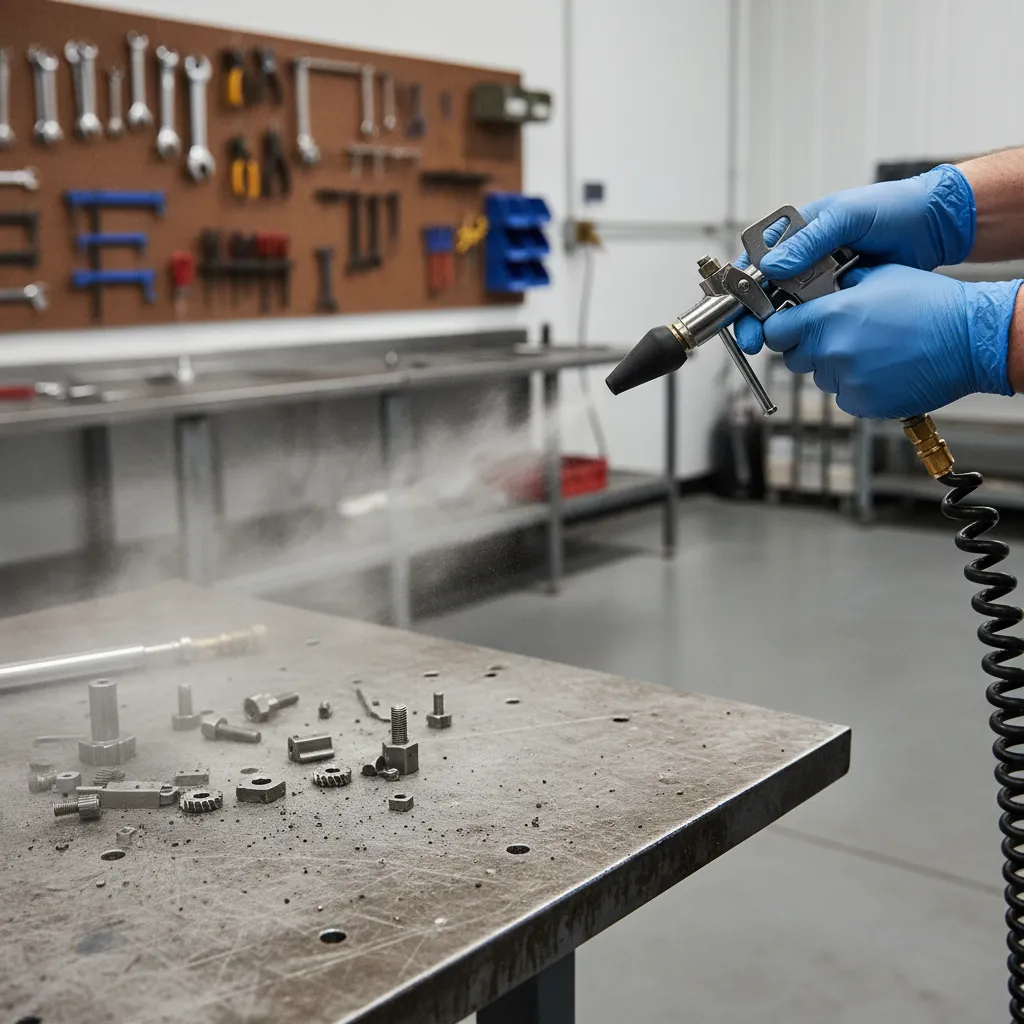
Media blasting removes existing coatings and corrosion to clean substrate. Hydraulic fittings, bearing surfaces, and mounting interfaces masked. Ultrasonic cleaning removes oils and agricultural chemical residue.
Application, Cure & Inspection
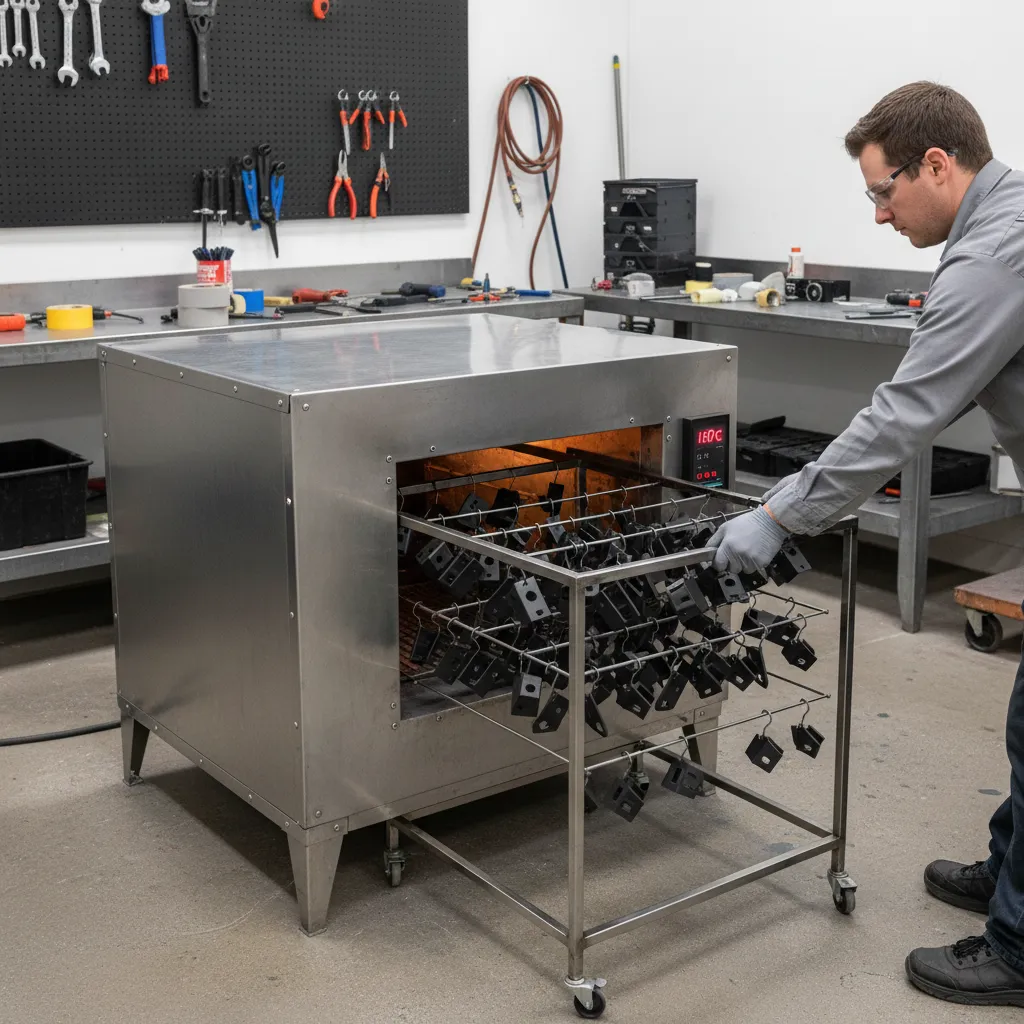
Cerakote® applied with full coverage on complex agricultural geometries. Oven-cured per specification. Post-cure inspection includes thickness measurement, adhesion verification, and visual examination. Documentation provided for fleet maintenance records.
What We Coat for Agriculture
From tillage tools to hydraulic components and sprayer assemblies

Why Cerakote for Oil and Gas Weight Savings
Thin-film protection for demanding environments

Why Cerakote for Medical Weight Reduction
Thin-film protection for precision instruments

Why Cerakote for Maritime Weight Reduction
Thin-film saltwater protection at reduced mass
Why Cerakote for Industrial Weight Reduction
Thin-film protection that preserves design tolerances
What matters most
The performance data that matters for your operation
3,000+ Hours Salt Spray Resistance
ASTM B117 verified. Molecular-level corrosion barrier protects steel and cast iron agriculture components through wet field conditions, chemical exposure, and extended outdoor storage between seasons.
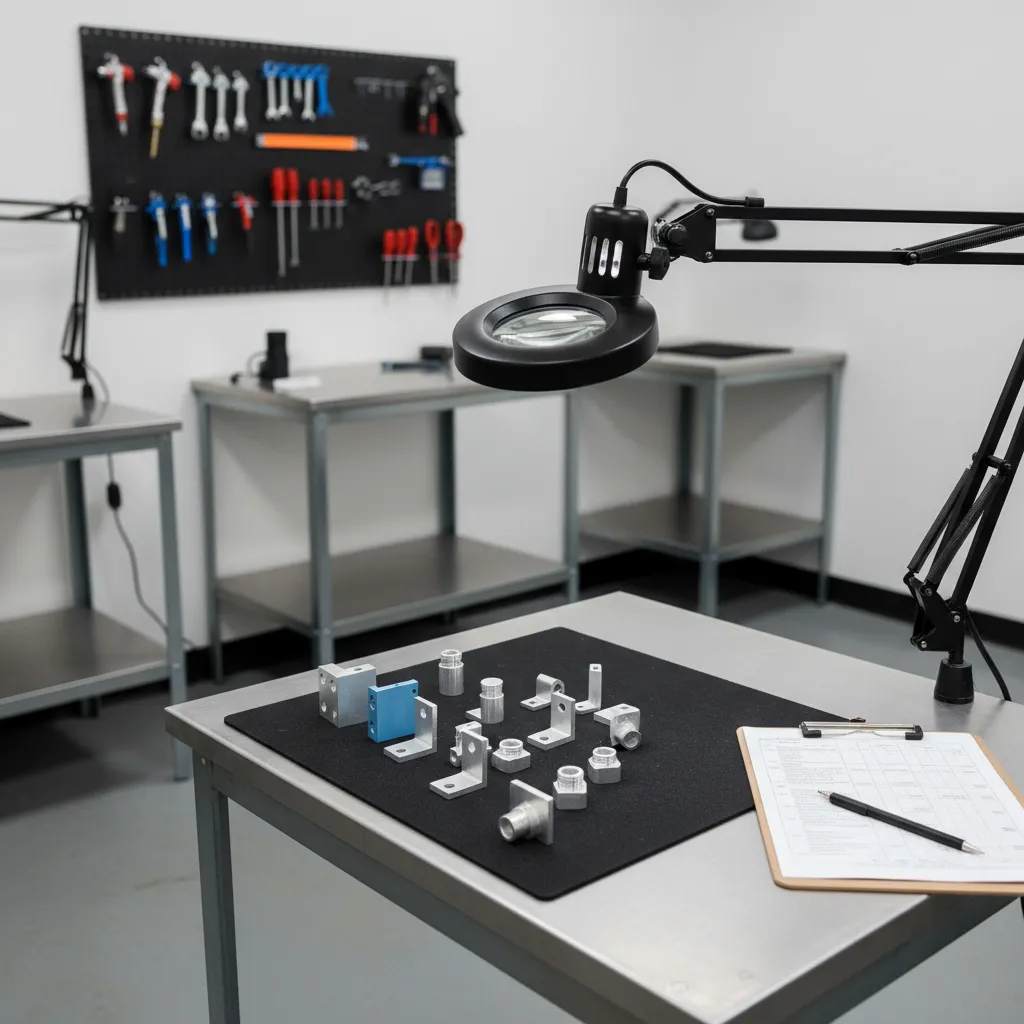
Full ISO 9001 Documentation
Certificate of Conformance with every shipment. Material batch data, cure parameters, and inspection results documented for OEM quality requirements and fleet maintenance records.
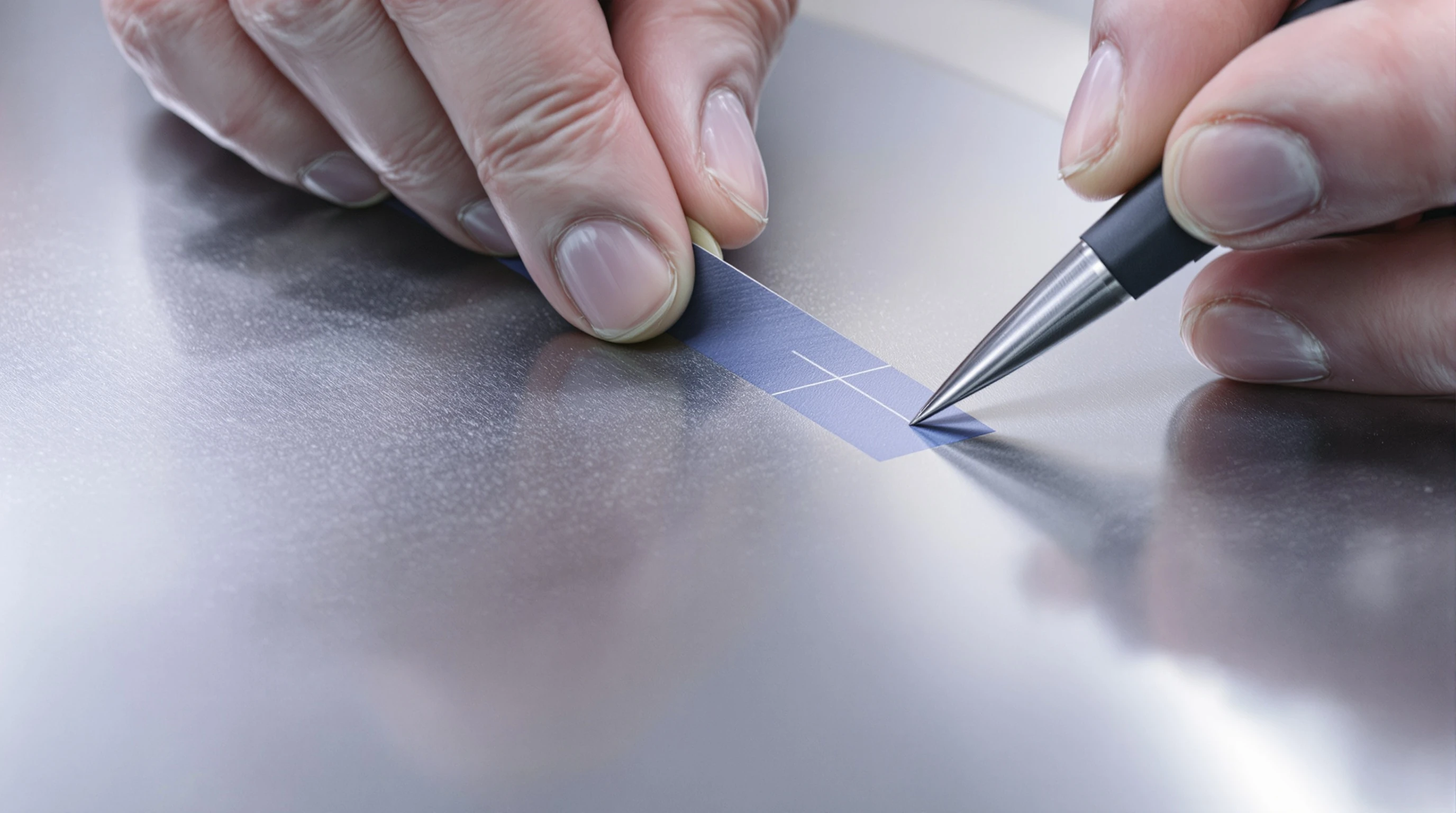
9H Hardness, Soil Abrasion Resistance
ASTM D3363 verified hardness resists soil abrasion, crop contact wear, and mechanical impact. Outperforms farm paint and powder coating on tillage tools, ground-engaging components, and high-wear surfaces.
Season-Over-Season Consistency
Documented application parameters deliver repeatable coating performance for OEM production runs and fleet recoating programs. Equipment maintains protection through full growing seasons and winter storage.
Frequently Asked Questions
Find answers about our coating processes and technical capabilities
Additive manufacturing parts, whether SLS nylon (PA12, PA11) or metal builds, have inherent surface roughness from the layer-by-layer process. Cerakote fills micro-porosity and smooths the surface while adding only 0.5-2 mils of material, preserving the dimensional accuracy of your print. The result is a production-grade surface finish with 3,000 hours salt spray resistance (ASTM B117) and 9H pencil hardness (ASTM D3363) on parts that would otherwise require extensive post-machining.
Chemical conversion coating per MIL-DTL-5541 provides a stable oxide layer on aluminum that withstands many sterilization protocols. When paired with a Cerakote topcoat, the combined stack delivers chemical resistance and 3,000 hours of salt spray performance (ASTM B117) while maintaining color consistency within Delta E 1.5. This makes it an excellent system for medical equipment housings, trays, and fixtures exposed to harsh cleaning agents.
Valve trim components including seats, stems, and plugs face abrasive particulates, corrosive fluids, and high-cycle mechanical wear in oil and gas service. Cerakote's 9H hardness and 4,000 cycles per mil abrasion resistance protect sealing surfaces from erosion and scoring. Combined with passivation on stainless steel trim, the dual-layer defense extends service intervals and reduces unplanned maintenance shutdowns.
Yes. Cerakote bonds to all metals (aluminum, steel, titanium, stainless, Inconel) and polymers (PA12, PA11, and other engineering plastics). Surface preparation is tailored to each substrate type within the same production order. This is a significant advantage over anodizing (aluminum only) and electroplating (metals only). Mixed-substrate orders are common in our additive manufacturing and industrial work.
Marine hardware develops salt crystal deposits, biological growth residue, and corrosion products in every crevice and internal feature. Ultrasonic cavitation dissolves and removes these contaminants from complex geometries that manual cleaning cannot reach. For maritime components being recoated, thorough ultrasonic cleaning removes all chloride contamination that would otherwise initiate corrosion under the new coating. This cleaning step is essential for achieving full coating life on marine hardware.
Start Your Agriculture Project
Request a quote for agricultural equipment coating. We respond within 24 hours with recommendations.