Additive Manufacturing
Precision Cerakote ceramic coatings for aerospace, defense, and industrial components.
What additive manufacturing demands
Printing is 40% of the timeline
Cerakote® Color Consistency & Aesthetic Finishing
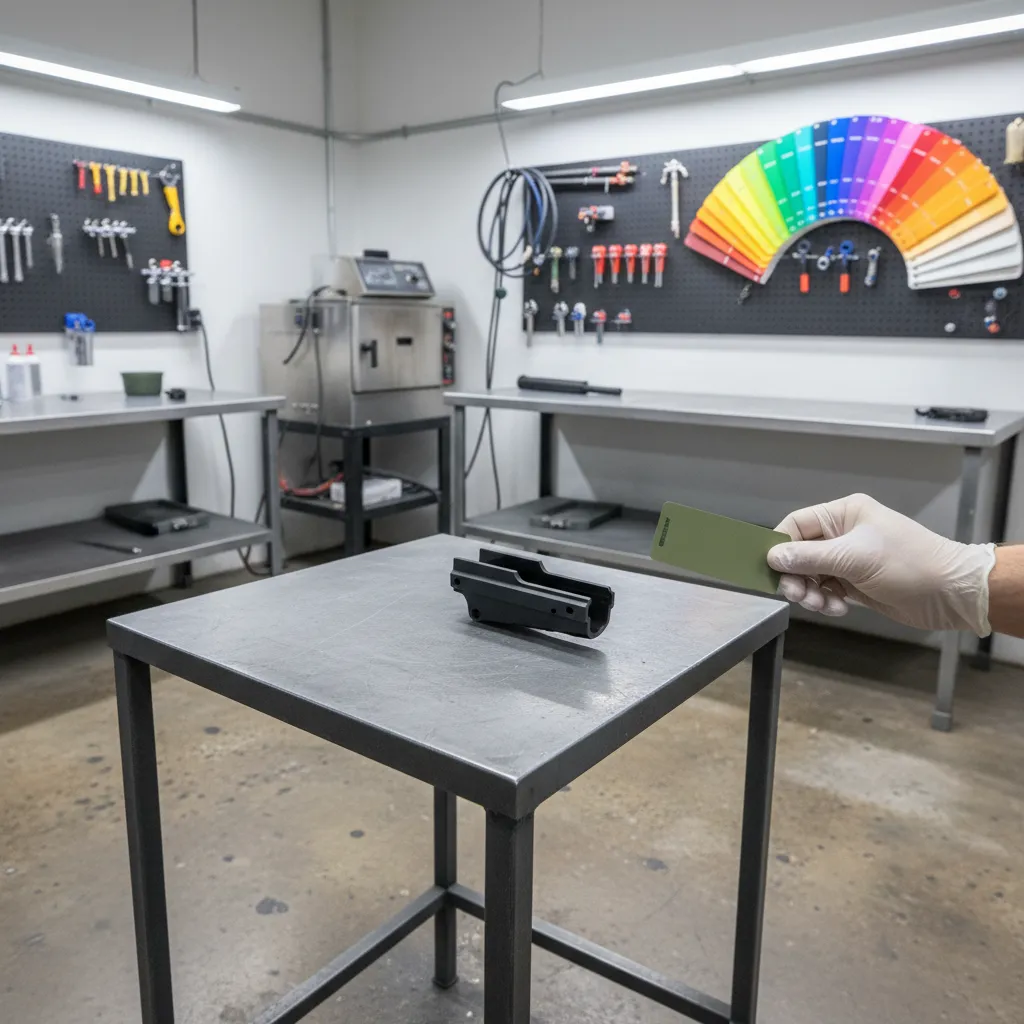
Delta E ≤1.5 color precision across production runs. 200+ standard colors. Spectrophotometer-verified on every batch.

Weight Reduction Without Sacrificing Protection
Thick coatings add weight that undermines lightweighting efforts. Ceramic coating at 0.5-2 mils delivers full protection with 200-400g savings per part versus powder coating.
Coatings engineered for AM production scale
Cerakote® ceramic coating transforms AM surface finish from rough prototype to production-ready quality, adding corrosion protection and professional aesthetics while maintaining the dimensional accuracy that additive manufacturing delivers.
3D-printed parts from SLS, MJF, and metal AM processes have inherent surface roughness (Ra 6–15 μm) that limits end-use applications. Cerakote® fills and smooths these surfaces to below Ra 3 μm while adding a ceramic barrier that provides corrosion resistance, chemical protection, and professional color.
Our material-specific protocols handle PA12 and PA11 nylon from SLS and MJF, plus metal AM substrates including DMLS stainless, titanium, and aluminum. Dimensional impact is minimal (+0.0001-0.0002"), preserving the precision that AM delivers.
Why Cerakote® Beats Traditional AM Post-Processing
Vapor smoothing alters geometry and is limited to specific polymers. Tumbling rounds edges and removes detail. Painting adds thickness without hardness. Cerakote provides 9H surface hardness, corrosion protection, and color in a 0.5–2 mil application that works on both polymer and metal AM parts without geometric distortion.
Certifications behind every coating
We hold the credentials your industry demands. Every coating we apply meets or exceeds the standards that keep your components performing.
AS9100 quality management
The highest standard for quality management in coating operations, ensuring our processes meet the most demanding traceability requirements.

ITAR defense manufacturing compliance
Authorized to handle controlled defense articles and technical data with proper security protocols.
ISO 9001 quality systems certification
Demonstrates our commitment to consistent quality and continuous improvement across all operations.
How we coat AM parts
Material-specific protocols for polymer and metal additive manufacturing
Material Assessment & Surface Analysis
Parts evaluated for AM process type, material, and surface condition. Surface roughness measured. Build orientation and support removal areas documented for preparation protocol selection.
Surface Preparation & Conditioning
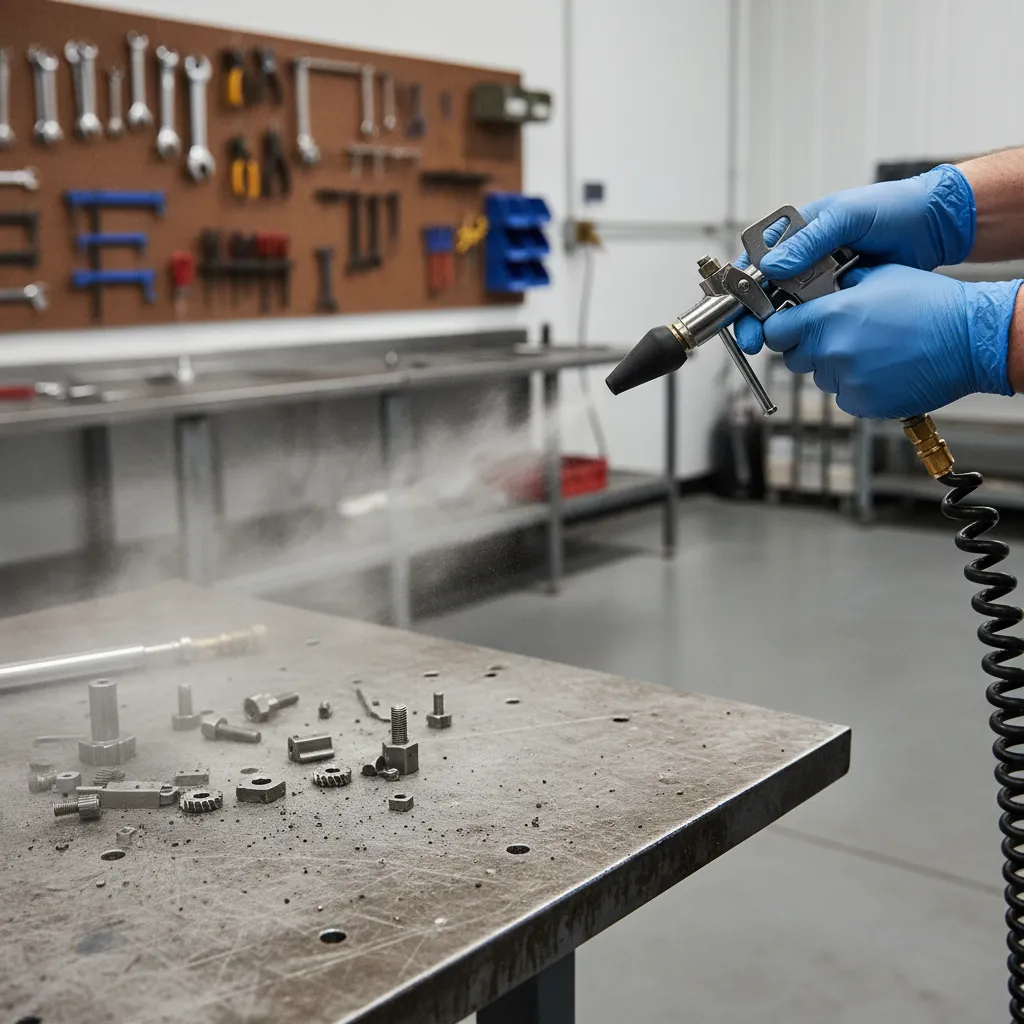
Material-specific media blasting creates optimal adhesion profile without damaging fine features or thin walls. Ultrasonic cleaning removes residual powder, support material, and oils. Polymer parts verified for outgassing before coating.
Application, Cure & Quality Verification
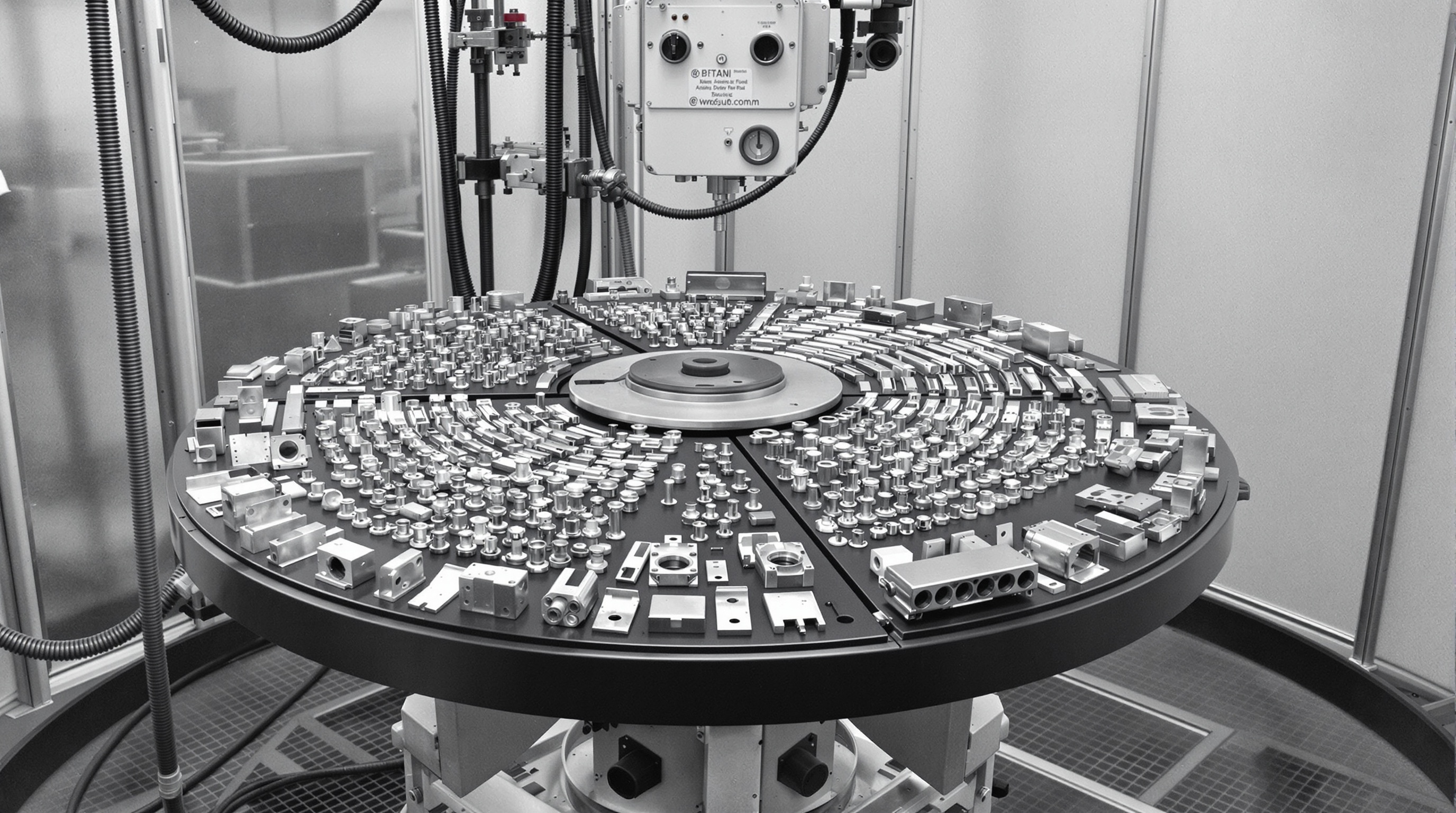
Cerakote® applied in controlled layers optimized for AM surface geometry. Cure temperature matched to substrate material (lower temps for polymers, standard for metals). Post-cure inspection includes surface roughness measurement, thickness, adhesion, color, and dimensional verification.
What we coat in additive manufacturing
From production tooling and aerospace brackets to end-use consumer parts

Why Cerakote for Oil and Gas Weight Savings
Thin-film protection for demanding environments

Why Cerakote for Medical Weight Reduction
Thin-film protection for precision instruments

Why Cerakote for Maritime Weight Reduction
Thin-film saltwater protection at reduced mass
Why Cerakote for Industrial Weight Reduction
Thin-film protection that preserves design tolerances
What matters most
The performance data that matters for your operation
Surface Roughness: Ra 6–15 to Under 3 μm
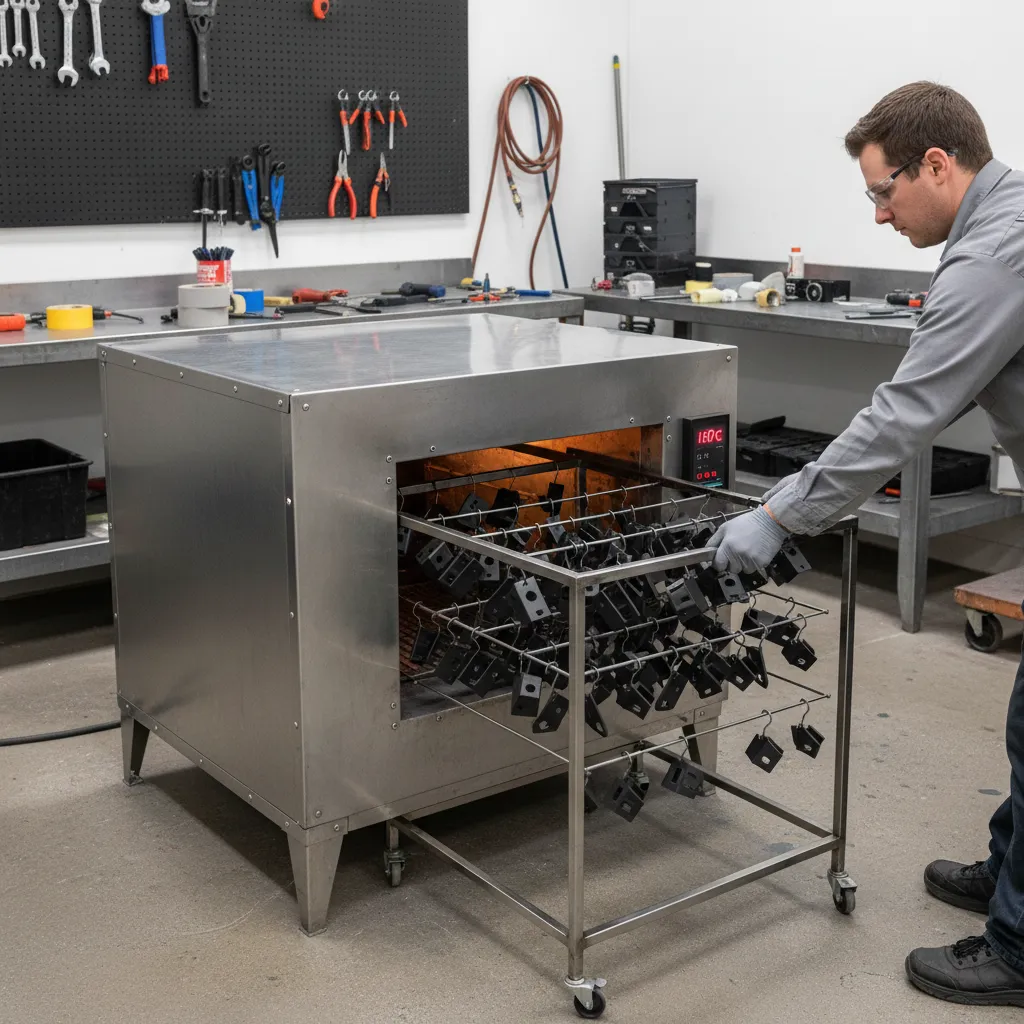
Measurable surface finish improvement transforms rough AM parts to production-quality appearance. Corrosion resistance exceeds 3,000 hours ASTM B117 on metal AM substrates.
Full Process Documentation
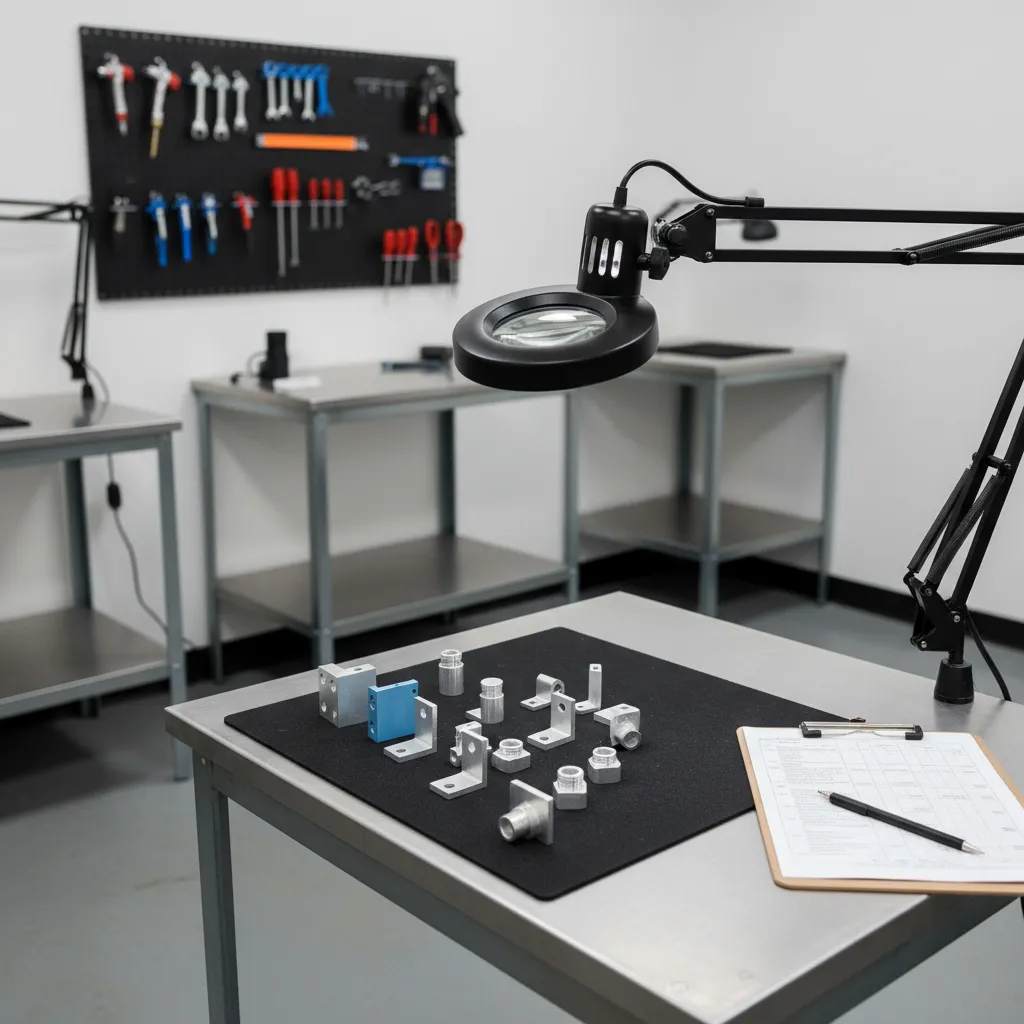
Certificate of Conformance with every shipment. Material batch data, surface roughness measurements (before/after), cure parameters, thickness readings, and adhesion results. AS9100 documentation available for aerospace AM applications.
9H Hardness on AM Surfaces
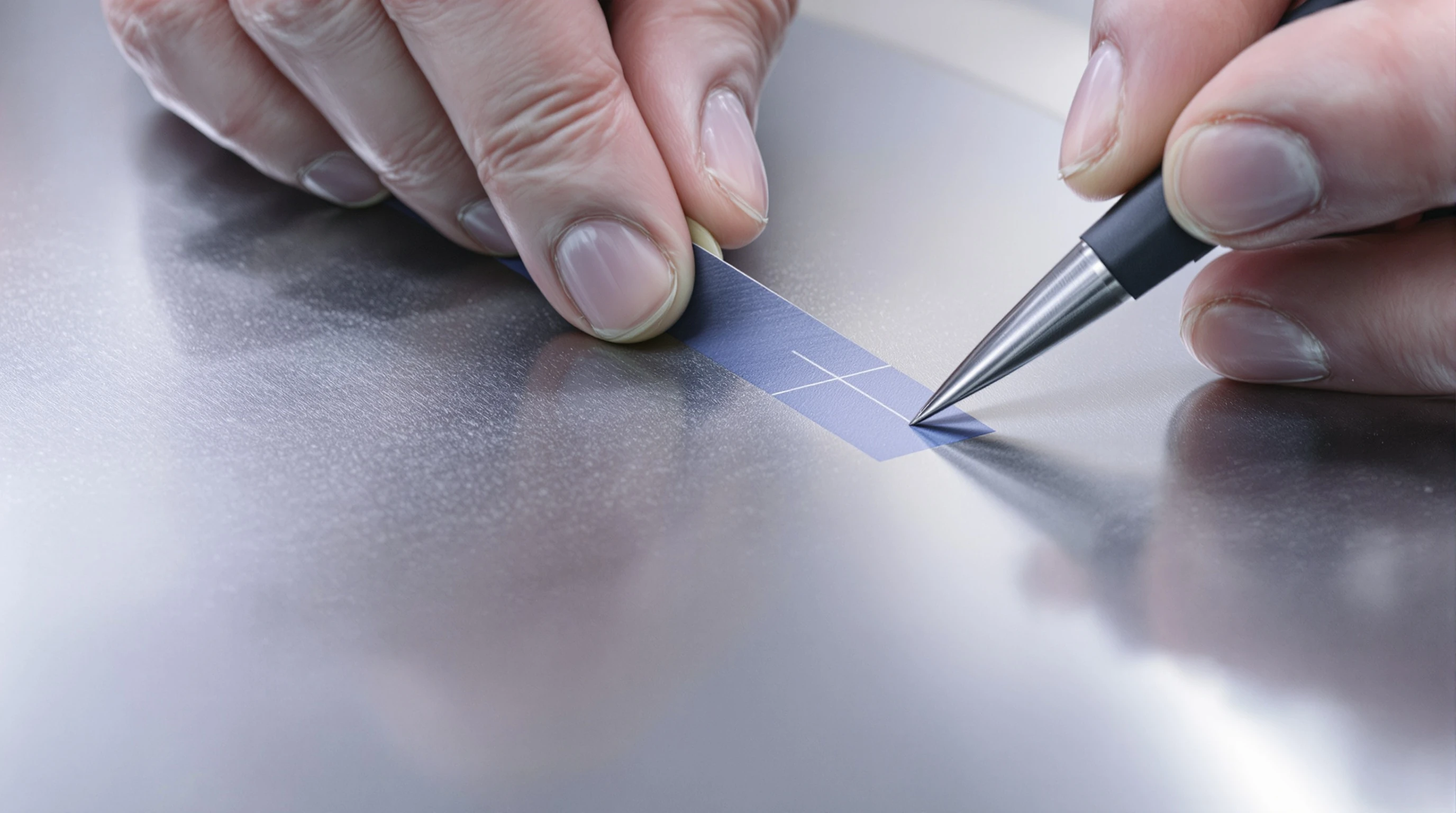
ASTM D3363 verified. Transforms soft polymer AM surfaces to hard, scratch-resistant finish. Metal AM parts gain additional wear protection beyond base material hardness. Dimensional impact: +0.0001-0.0002".
200+ AM Parts Per Week Capacity
Transparent capacity with tiered lead times: 14-day standard, 7-day expedited, 3-day rush. Documented overflow partnerships ensure production schedules are maintained when volumes scale.
Frequently Asked Questions
Find answers about our coating processes and technical capabilities
Every aerospace order ships with a Certificate of Conformance that includes material lot numbers, coating thickness measurements, cure parameters, and visual inspection results. Our AS9100 quality management system maintains full traceability from raw material receiving through final packaging. We support customer-specific documentation requirements and can accommodate source inspection visits at our Johnstown, CO facility.
Oil and gas tool development benefits from AM's speed, but prototypes need functional surface properties for field testing. ColoradoKote's 3-day expedited post-processing turns raw AM builds into field-testable prototypes with production-grade corrosion and wear protection. This compresses the prototype-to-test cycle from weeks to days. Standard 14-day turnaround supports production runs once the design is validated. Our 200 parts per week capacity scales with your program from prototype through production.
Yes. Cleaning solutions for medical device components are selected for compatibility with the device substrate material and the downstream processing requirements. We avoid solutions that leave residue affecting biocompatibility testing or device function. Thorough rinsing in deionized water follows the cleaning cycle to remove all solution traces. Cleaning parameters and solution identification are documented on the Certificate of Conformance for your quality records.
We process aluminum parts to MIL-DTL-5541 Type I (chromate) and Type II (non-chromate) chemical conversion coating specifications. Type I delivers 168-240+ hours of salt spray resistance per ASTM B117, while Type II provides 96-168+ hours. Our conversion coatings are spec-proven for multiple manufacturers and backed by over 20,000 parts processed with zero quality issues.
Yes. Some applications benefit from a polymer basecoat for flexibility and chemical resistance topped with Cerakote for hardness and abrasion protection. This multi-layer approach addresses applications where no single coating provides all required properties. ColoradoKote designs and applies these combined systems with documented process controls. The full stack, including surface preparation, polymer application, and Cerakote topcoat, ships with complete documentation under our AS9100 quality system.
Start Your AM Coating Project
Send part files for a coating quote. We respond within 24 hours with pricing.