
Industrial OEM
Precision Cerakote ceramic coatings for aerospace, defense, and industrial components.

What industrial environments demand
Harsh conditions require proven protection

Wear Protection That Keeps Equipment in Service
Surface wear shortens component life and drives unplanned maintenance. Ceramic coating delivers 9H hardness with 160/160 in-lbs impact strength (ASTM verified).

Corrosion-Resistant Cerakote® Coating
3,000 hours of ASTM B117 salt spray resistance. Molecular-level protection for aerospace, defense, and industrial components.
Coatings engineered for industrial performance
ColoradoKote delivers ceramic coating engineered for the corrosion, wear, and multi-substrate challenges that industrial OEM components face daily.
Industrial equipment operates in environments where moisture, chemicals, and abrasive particulates attack conventional finishes. Cerakote® ceramic coating creates a molecular barrier that resists these exposures while maintaining dimensional precision at 0.5–2 mil thickness.
Our ISO 9001 quality system ensures repeatable results across production runs. Every batch is documented with thickness measurements, adhesion verification, and visual inspection data.
Why Dedicated Ceramic Coating Outperforms Traditional Finishes
Powder coating at 3–5 mils changes tolerances. Plating requires hazardous chemistry. Paint chips under industrial use. Cerakote® ceramic coating delivers 9H hardness and chemical resistance in a thin-film application that maintains critical dimensions on precision OEM components.
Certifications behind every coating
We hold the credentials your industry demands. Every coating we apply meets or exceeds the standards that keep your components performing.

AS9100 quality management
The highest standard for quality management in coating operations, ensuring our processes meet the most demanding traceability requirements.

ITAR defense manufacturing compliance
Authorized to handle controlled defense articles and technical data with proper security protocols.
ISO 9001 quality systems certification
Demonstrates our commitment to consistent quality and continuous improvement across all operations.
How we coat for industrial applications
ISO 9001 documented from intake through final inspection
Receiving & Specification Review
Parts inspected, photographed, and logged against purchase order. Surface condition and substrate material verified before processing begins.
Surface Preparation & Masking
Media blasting to specified surface profile. Critical threads, mating surfaces, and datum features masked. Ultrasonic cleaning removes embedded contaminants and oils.
Application, Cure & Inspection
Cerakote® applied in controlled layers at 0.5–2 mil thickness. Oven-cured per manufacturer specification. Post-cure inspection includes thickness measurement, adhesion testing, and visual examination. Certificate of conformance accompanies every shipment.
What we coat for industrial OEMs
From pump housings and valve bodies to production tooling and fixtures

Why Cerakote for Oil and Gas Weight Savings
Thin-film protection for demanding environments

Why Cerakote for Medical Weight Reduction
Thin-film protection for precision instruments

Why Cerakote for Maritime Weight Reduction
Thin-film saltwater protection at reduced mass
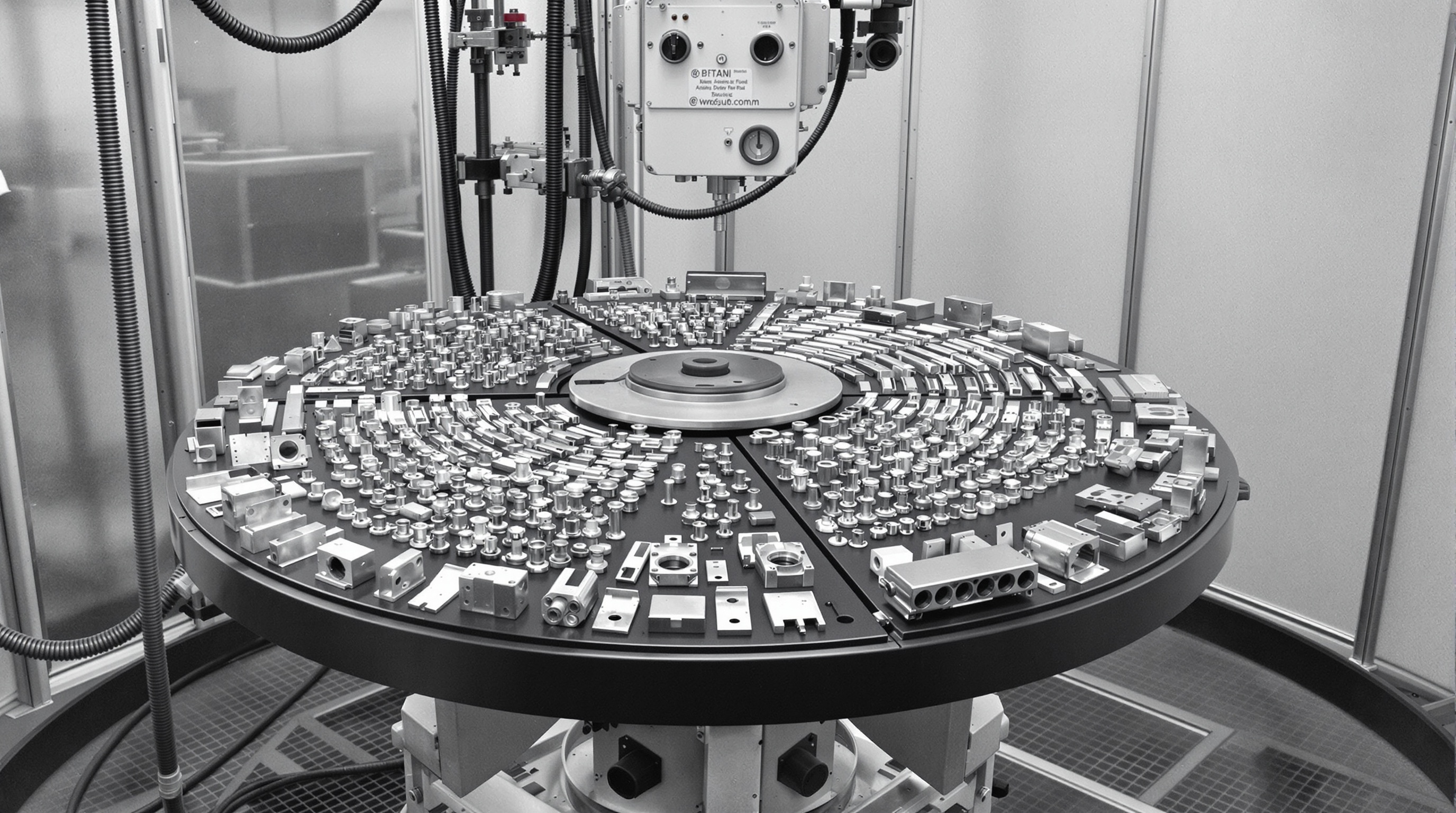
Why Cerakote for Industrial Weight Reduction
Thin-film protection that preserves design tolerances
What matters most
The performance data that matters for your operation
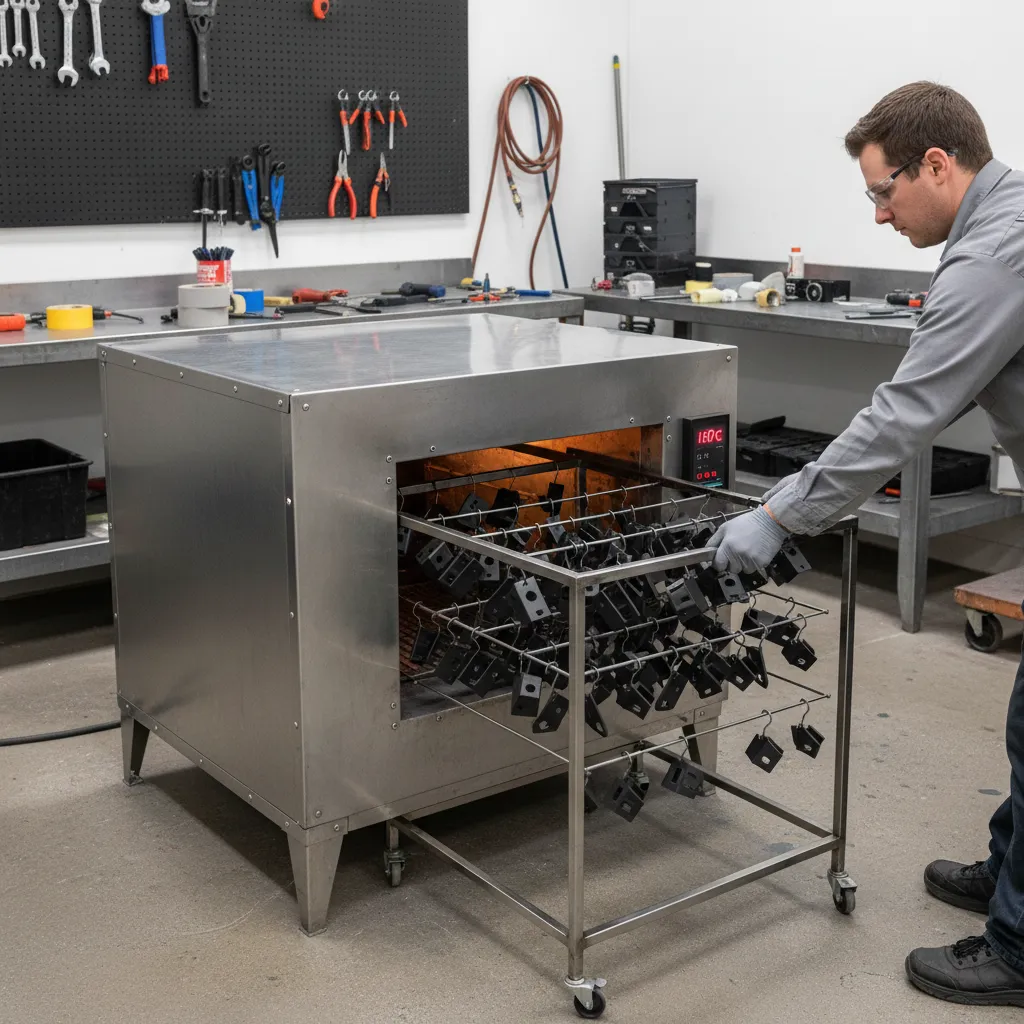
3,000+ Hours Salt Spray Resistance
ASTM B117 verified corrosion protection. Molecular-level barrier outperforms powder coating and paint on steel, aluminum, and cast iron industrial components operating in moisture-rich environments.
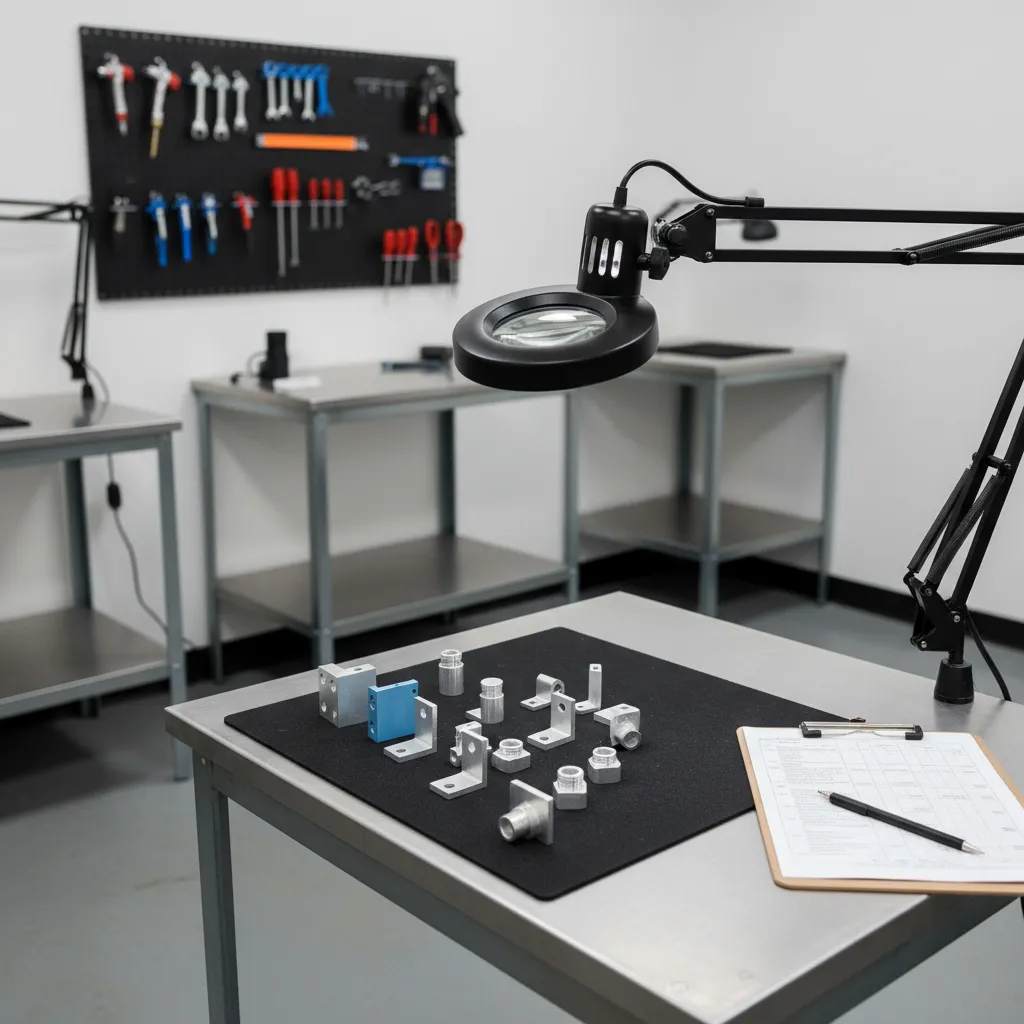
Full ISO 9001 Documentation
Certificate of Conformance with every shipment. Material batch numbers, cure temperatures, thickness measurements, and adhesion test results documented per ISO 9001 requirements.
9H Hardness, 4,000+ Abrasion Cycles
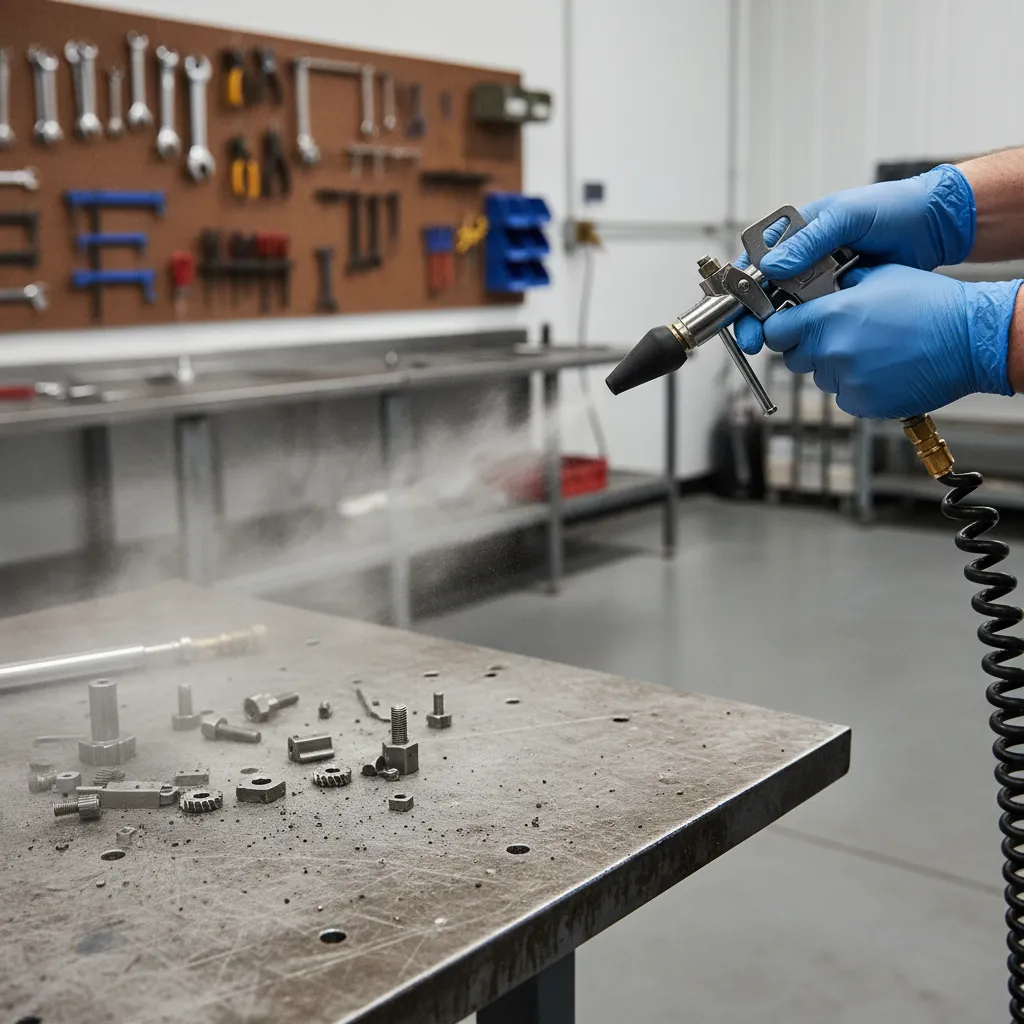
ASTM D3363 pencil hardness and ASTM D4060 Taber abrasion verified. Protects pump housings, valve bodies, and production tooling from particle erosion and mechanical wear.
Consistent Results Across Production Runs
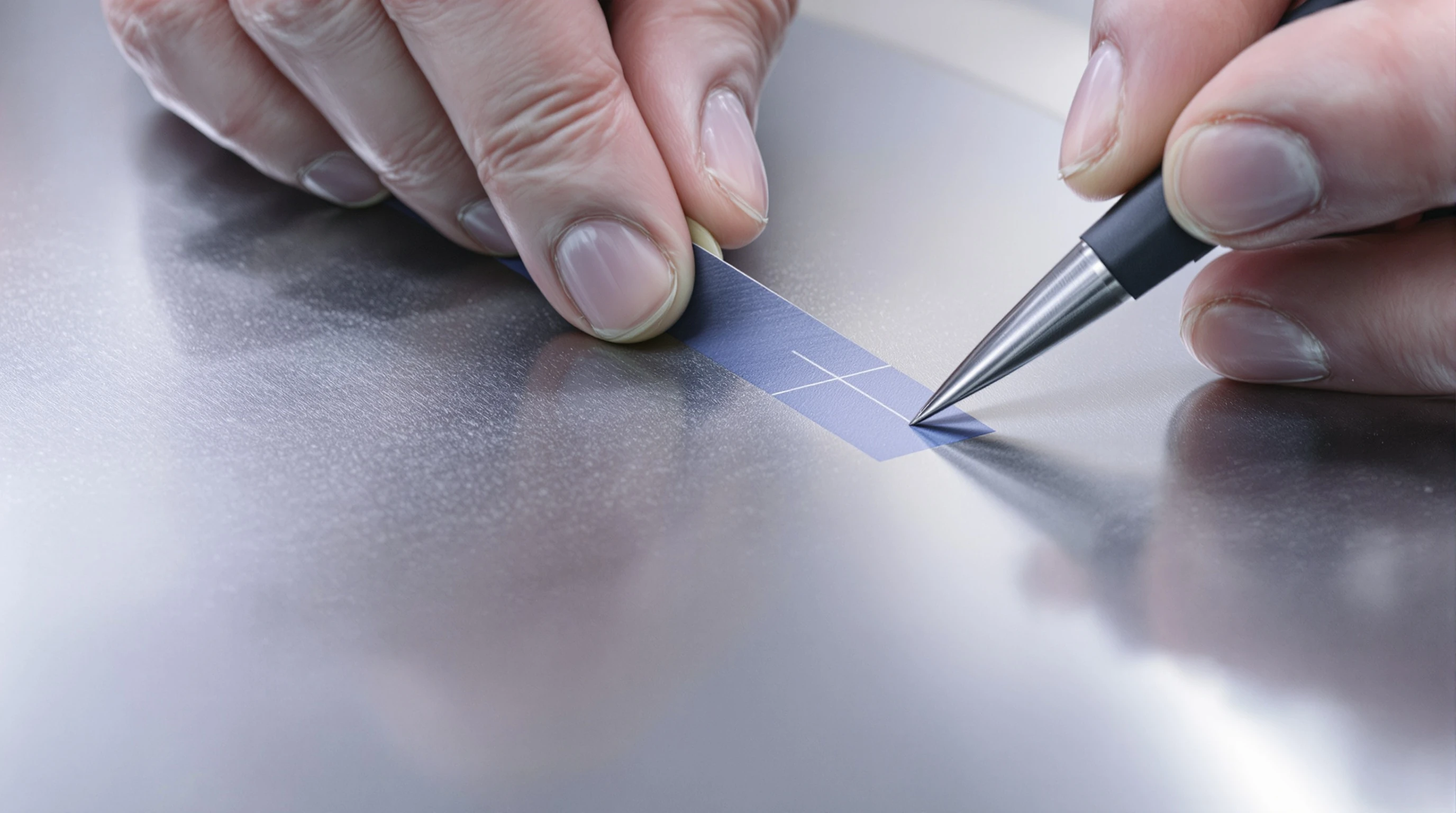
Standardized application parameters and documented quality verification deliver repeatable coating performance from first article through recurring production. Lot traceability maintained throughout.
Frequently Asked Questions
Find answers about our coating processes and technical capabilities
Our AS9100 quality system documents every step of the AM post-processing sequence: incoming part condition, blast parameters, cleaning verification, coating application parameters, cure profile, thickness measurements, adhesion testing, and final inspection. This complete traceability package supports aerospace qualification requirements and provides the data your quality team needs for first article inspection, process validation, and ongoing production acceptance. Our spec-proven work for major aerospace OEMs demonstrates this qualification capability.
Yes. The same Cerakote color applied to SLS PA12, MJF polymer, and metal AM substrates (Ti-6Al-4V, AlSi10Mg, 316L) produces consistent visual results when measured by spectrophotometer. Substrate color and surface texture affect perceived appearance, which is why we verify by instrument rather than visual inspection alone. Surface preparation parameters are adjusted per substrate to ensure consistent coating thickness and therefore consistent color appearance across material types.
Every production lot undergoes multi-point inspection: coating thickness verified by calibrated DFT gauge against the 0.5-2 mil specification, adhesion tested per ASTM D3359, color consistency measured by spectrophotometer to confirm Delta E 1.5 or better, and visual inspection against documented acceptance criteria. Results are recorded on the Certificate of Conformance that ships with every order. Additional testing including salt spray and pencil hardness is available per purchase order requirements.
Yes. Wellbore deposits including scale, paraffin, and corrosion products resist conventional cleaning methods but respond to ultrasonic cavitation. The 40 kHz cavitation energy penetrates into threads, seal grooves, ports, and internal passages where these deposits accumulate. Sequential cleaning cycles may be used for heavily contaminated downhole tools, with solution chemistry tailored to the deposit type. This thorough cleaning is essential before inspection and recoating of reusable downhole equipment.
Polymer coatings apply at thin film builds comparable to Cerakote, adding minimal weight compared to heavy rubber linings, multi-coat paint systems, or thick epoxy coatings traditionally used for chemical resistance. For aerospace and defense applications where weight is critical, polymer coating provides chemical and flex protection at a fraction of the weight of traditional flexible barrier coatings. This weight advantage is especially valuable when combined with Cerakote topcoat in a lightweight multi-layer system.
Start Your Industrial Project
Send us your part details for a quote. We respond within 24 hours with approach and pricing.