Oil and Gas Equipment
Precision Cerakote ceramic coatings for aerospace, defense, and industrial components.

What Oil and Gas Equipment Demands
Corrosive, abrasive, and unforgiving

Wear Protection That Keeps Equipment in Service
Surface wear shortens component life and drives unplanned maintenance. Ceramic coating delivers 9H hardness with 160/160 in-lbs impact strength (ASTM verified).
Corrosion-Resistant Cerakote® Coating
3,000 hours of ASTM B117 salt spray resistance. Molecular-level protection for aerospace, defense, and industrial components.
Ceramic Coating Engineered for Oil and Gas Service
Cerakote® ceramic coating delivers the chemical resistance, corrosion protection, and abrasion performance that oil and gas equipment demands in corrosive downhole and surface environments.
H2S, brine, drilling muds, and completion fluids attack unprotected metal surfaces. Cerakote® creates a ceramic barrier at the molecular level that resists chemical attack while maintaining adhesion under thermal cycling and mechanical stress.
Unlike conventional coatings that crack under downhole pressure differentials, Cerakote's flexibility and adhesion strength maintain barrier integrity through the operational cycles that oil and gas equipment endures.
Why Ceramic Coating Outperforms Conventional Protection
Hard chrome plating is being phased out for environmental reasons. Nickel plating requires hazardous chemistry. Powder coating is too thick for precision components. Cerakote® delivers superior chemical resistance at 0.5–2 mils, maintaining critical dimensions while providing 9H hardness and molecular-level corrosion barrier.
Certifications behind every coating
We hold the credentials your industry demands. Every coating we apply meets or exceeds the standards that keep your components performing.
AS9100 quality management
The highest standard for quality management in coating operations, ensuring our processes meet the most demanding traceability requirements.

ITAR defense manufacturing compliance
Authorized to handle controlled defense articles and technical data with proper security protocols.
ISO 9001 quality systems certification
Demonstrates our commitment to consistent quality and continuous improvement across all operations.
How We Coat for Oil and Gas Equipment
Controlled application with full lot traceability
Receiving & Specification Review
Equipment inspected and logged. Substrate material, operating environment, and chemical exposure conditions documented to select the optimal Cerakote® formulation.
Surface Preparation & Masking
Media blasting to specified surface profile for maximum adhesion. Sealing surfaces, threads, and precision bores masked. Ultrasonic cleaning removes drilling fluids, oils, and embedded contaminants.
Application, Cure & Inspection
Cerakote® applied at specified thickness with full coverage verification. Oven-cured per manufacturer parameters. Post-cure inspection includes thickness measurement, adhesion testing, and visual examination. Certificate of conformance with lot traceability accompanies every shipment.
Oil and Gas Components We Coat
Downhole tools, valves, pumps, and surface equipment

Why Cerakote for Oil and Gas Weight Savings
Thin-film protection for demanding environments

Why Cerakote for Medical Weight Reduction
Thin-film protection for precision instruments

Why Cerakote for Maritime Weight Reduction
Thin-film saltwater protection at reduced mass
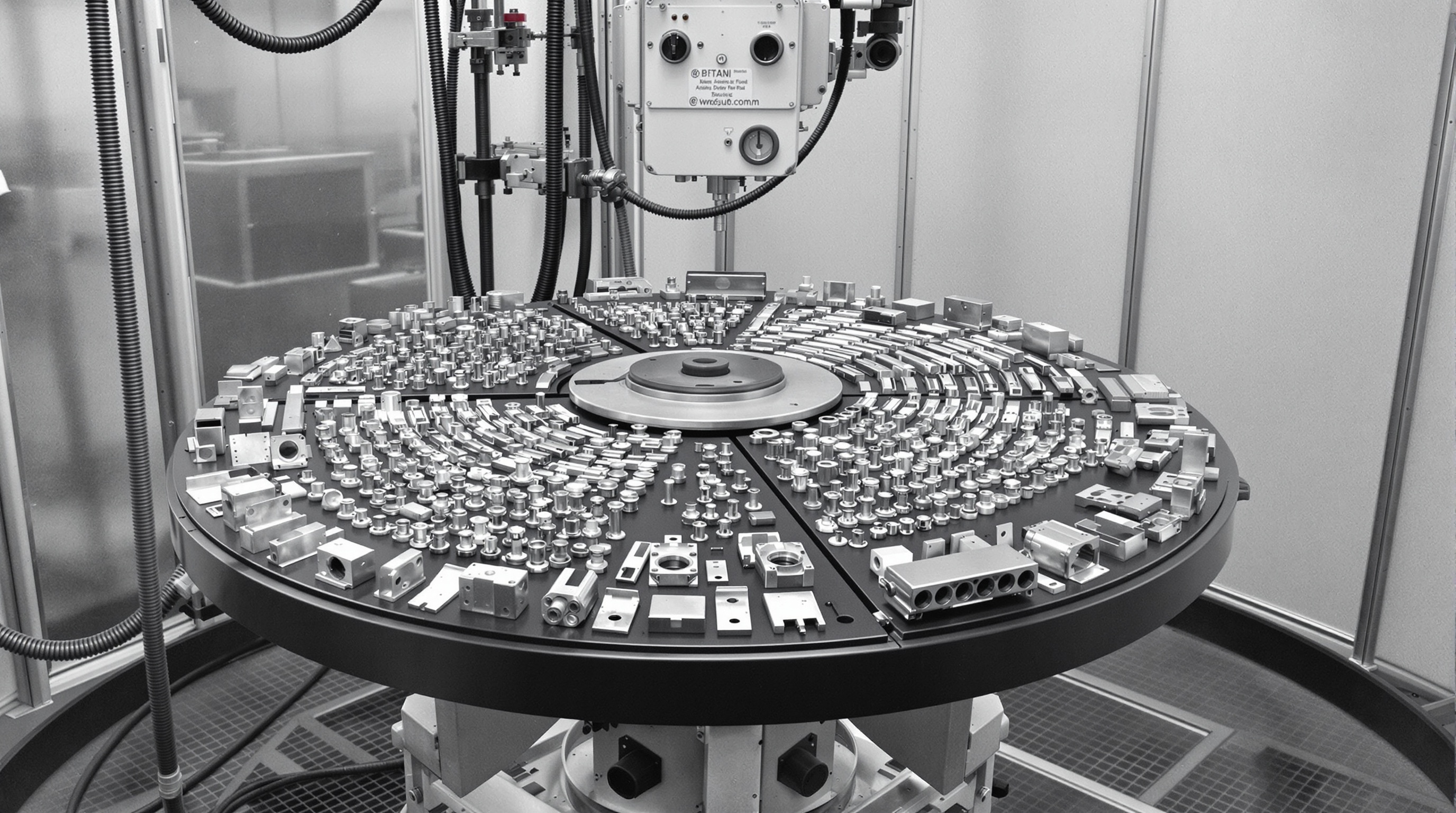
Why Cerakote for Industrial Weight Reduction
Thin-film protection that preserves design tolerances
What matters most
The performance data that matters for your operation
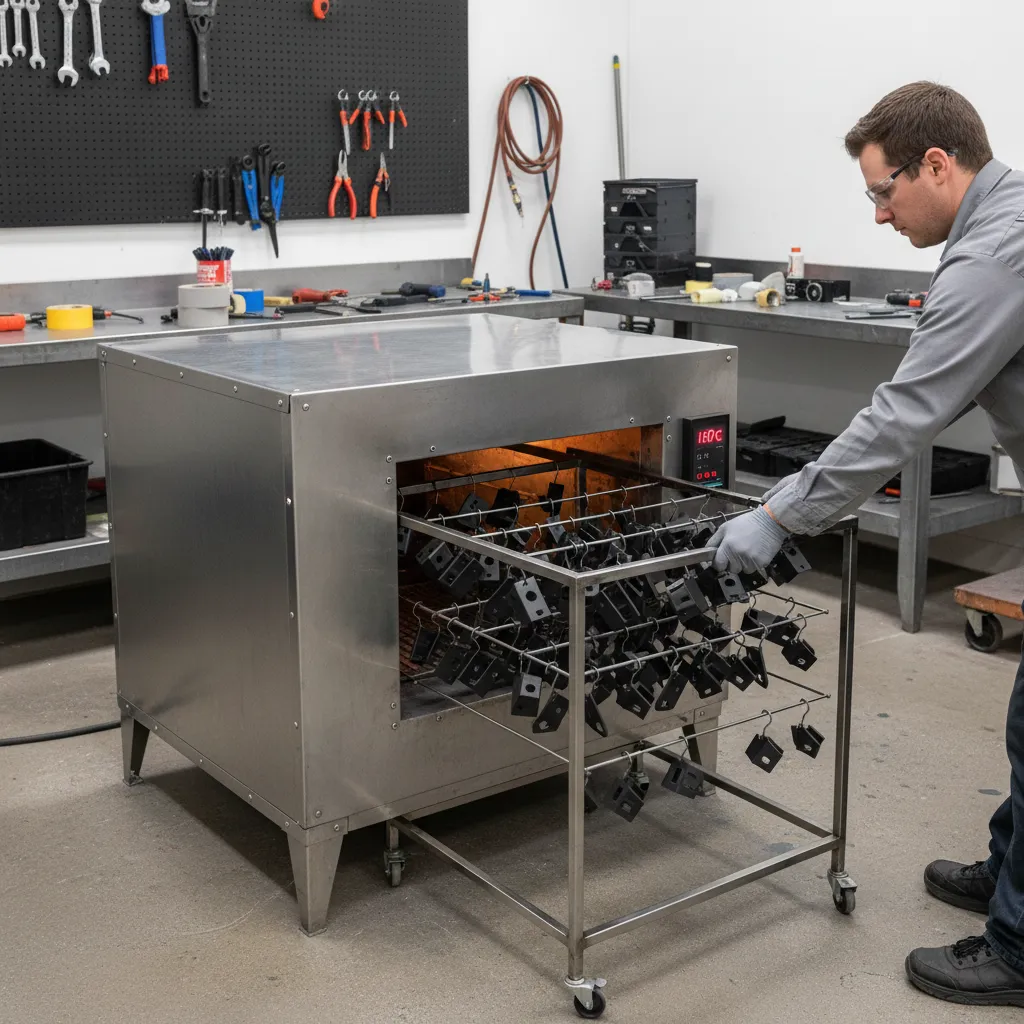
3,000+ Hours Salt Spray Resistance
ASTM B117 verified. Molecular-level corrosion barrier protects against H2S, brine, and chemical exposure in downhole and surface equipment applications.
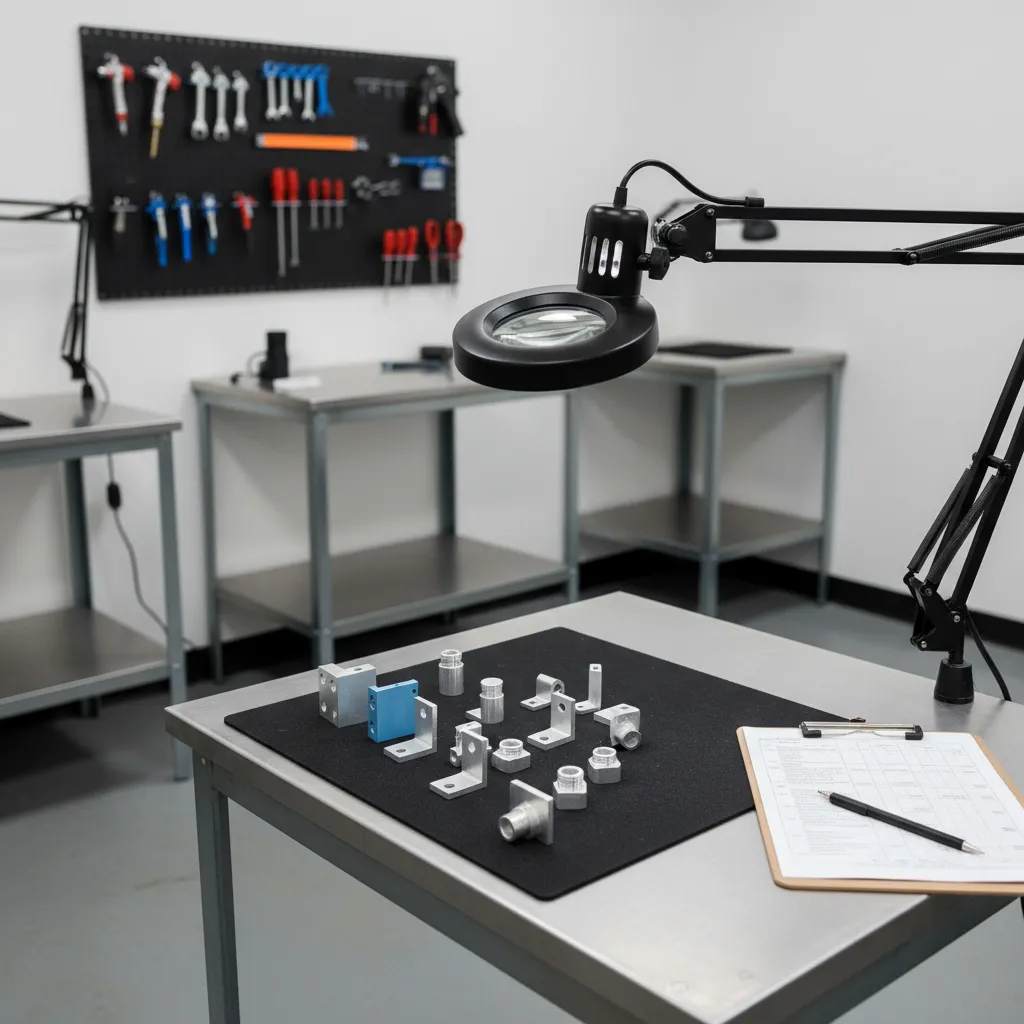
Full ISO 9001 Documentation
Certificate of Conformance with every shipment. Material batch numbers, application parameters, cure temperatures, thickness measurements, and adhesion test results fully documented and traceable.
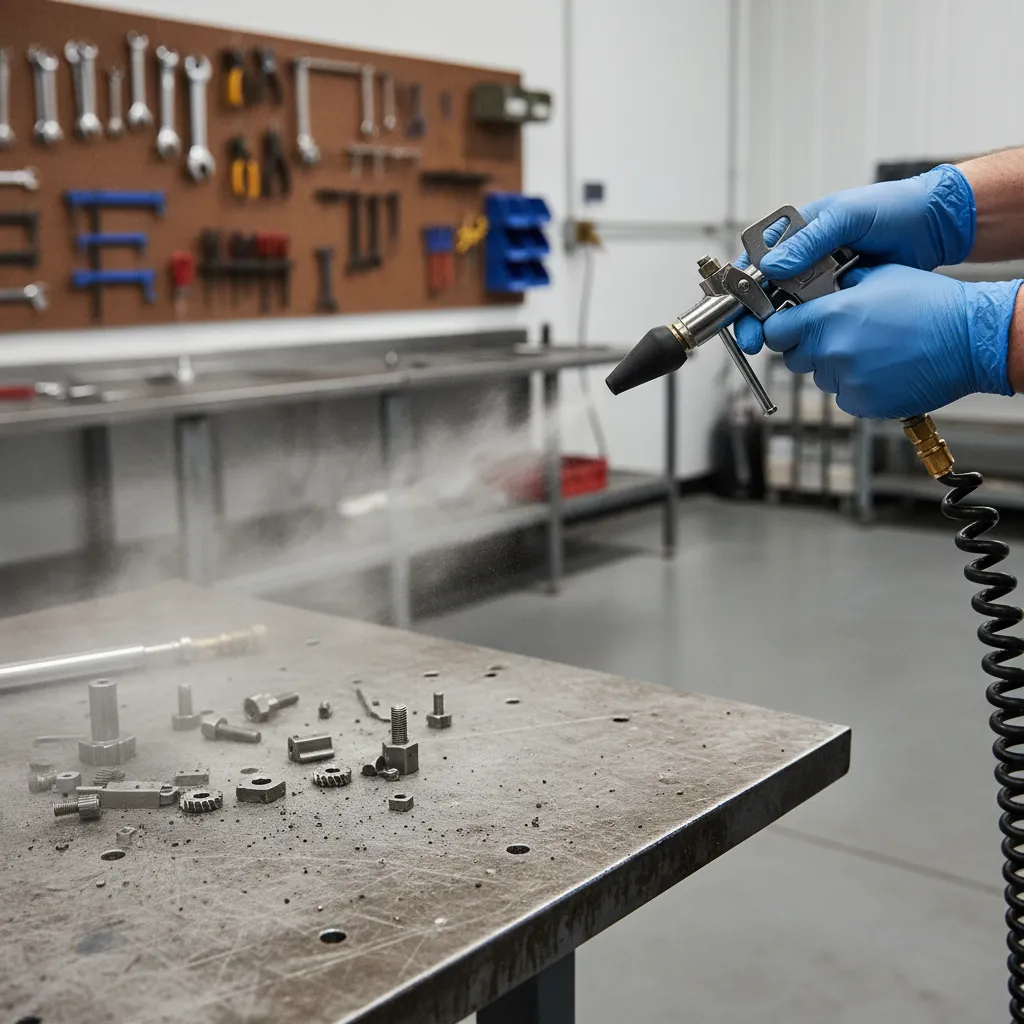
9H Hardness, Chemical Resistance
ASTM D3363 pencil hardness verified. Resists abrasive drilling fluids, chemical exposure, and mechanical wear on valve seats, tool joints, and pump components.
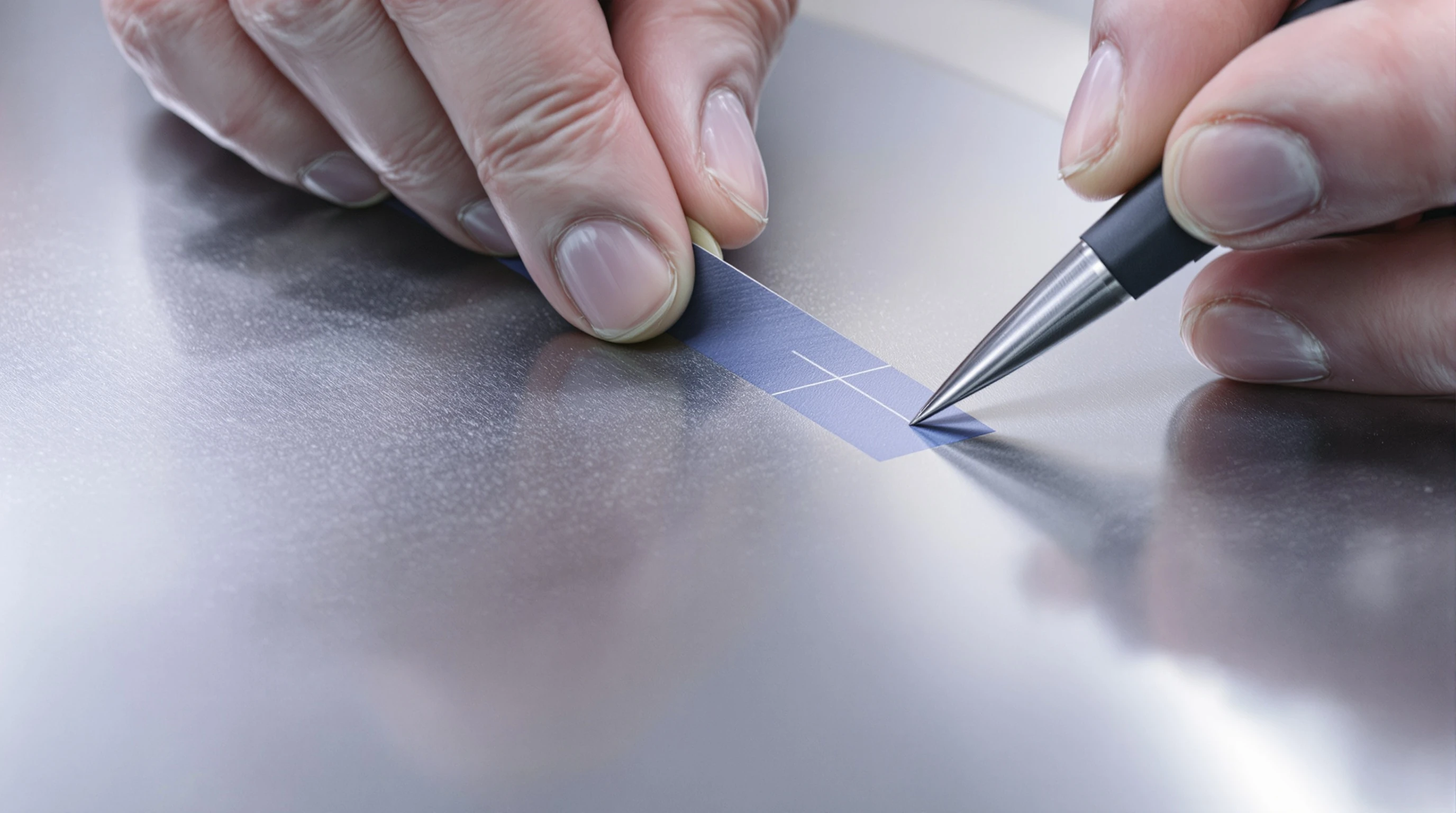
Consistent Protection Under Extreme Conditions
Documented application parameters ensure repeatable results from first article through production volumes. Coating integrity maintained through thermal cycling, pressure differentials, and chemical exposure.
Frequently Asked Questions
Find answers about our coating processes and technical capabilities
Chemical conversion coating provides the adhesion base, and Cerakote offers hundreds of colors and finishes for the visible topcoat, including metallics, flat, satin, and gloss options. Color consistency is held within Delta E 1.5 across production runs, ensuring your parts match batch to batch. This combination gives automotive builders both the corrosion protection and the precise aesthetic finish that high-end builds demand.
Medical device substrates receive controlled blasting at parameters selected to achieve surface cleanliness and profile without embedding contaminants. For implantable or fluid-contact devices, media selection avoids materials that could leave biocompatibility-affecting residue. Blast pressure is matched to the substrate, with thin-wall and delicate medical components processed at 40-60 PSI. Parts proceed directly to ultrasonic cleaning and coating to maintain surface condition.
A properly passivated stainless steel surface provides excellent resistance to a wide range of industrial chemicals. For environments with particularly aggressive chemicals or where additional protection is needed, we can apply Cerakote over the passivated surface for 3,000 hours of salt spray resistance (ASTM B117) and enhanced chemical barrier properties. This combined stack is especially effective for valve bodies, fittings, and housing exposed to processing chemicals.
We process aluminum parts to MIL-DTL-5541 Type I (chromate) and Type II (non-chromate) chemical conversion coating specifications. Type I delivers 168-240+ hours of salt spray resistance per ASTM B117, while Type II provides 96-168+ hours. Our conversion coatings are spec-proven for multiple manufacturers and backed by over 20,000 parts processed with zero quality issues.
Yes. Restoration components carry decades of oil, grease, paint, and corrosion that create adhesion failures if not completely removed. Ultrasonic cavitation strips these accumulated contaminants from complex castings, intricate trim pieces, and assembled hardware more thoroughly than chemical stripping or manual cleaning alone. Starting from a verified-clean substrate is the foundation for the show-quality Cerakote finishes that automotive restoration projects demand, with color matched to Delta E 1.5 for period-correct appearance.
Start Your Equipment Project
Send your specs for a coating evaluation. We respond within 24 hours with approach and pricing.