Aerospace
Precision Cerakote ceramic coatings for aerospace, defense, and industrial components.
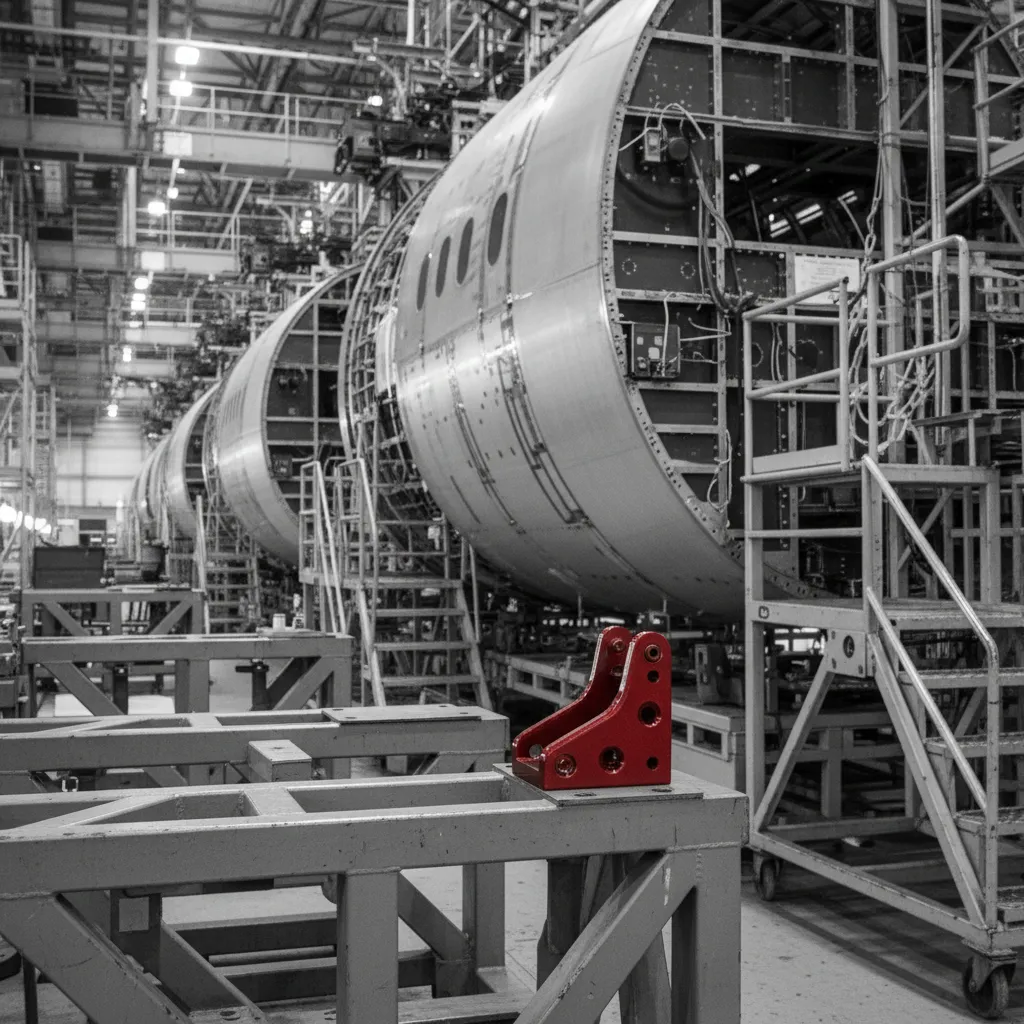
Aerospace Coating Challenges
The environments aerospace components face demand coating performance that traditional finishes cannot deliver.

Wear Protection That Keeps Equipment in Service
Surface wear shortens component life and drives unplanned maintenance. Ceramic coating delivers 9H hardness with 160/160 in-lbs impact strength (ASTM verified).

Corrosion-Resistant Cerakote® Coating
3,000 hours of ASTM B117 salt spray resistance. Molecular-level protection for aerospace, defense, and industrial components.
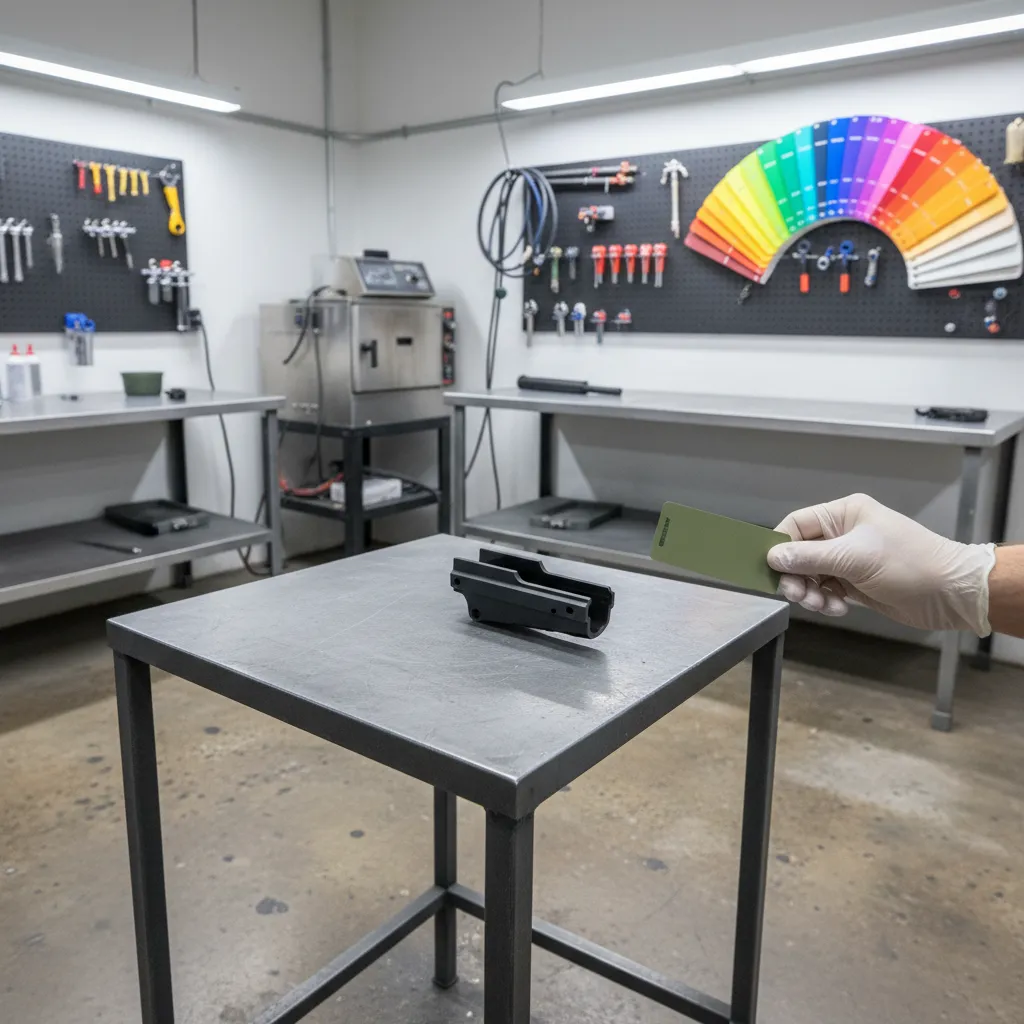
Cerakote® Color Consistency & Aesthetic Finishing
Delta E ≤1.5 color precision across production runs. 200+ standard colors. Spectrophotometer-verified on every batch.

Weight Reduction Without Sacrificing Protection
Thick coatings add weight that undermines lightweighting efforts. Ceramic coating at 0.5-2 mils delivers full protection with 200-400g savings per part versus powder coating.
How We Solve Aerospace Coating Challenges
ColoradoKote is not a general coater that happens to do aerospace work. Cerakote® ceramic coating is our entire business.
Every process, every piece of equipment, and every quality system is built for this. We hold AS9100, ISO 9001, ITAR, and Cerakote® Advanced Certified credentials, a stack fewer than 5% of coating applicators can match.
ColoradoKote consolidates chemical conversion, passivation, and Cerakote under one roof: Machine shop → ColoradoKote → Assembly. Fewer vendors, faster turnaround, single point of accountability.
Why Dedicated Cerakote® Beats Multi-Service Shops
Multi-service shops run Cerakote on shared equipment alongside anodizing, plating, and powder coating. Shared lines create cross-contamination risk, and operators split focus across different chemistries. ColoradoKote's equipment, training, and quality system are built around ceramic coating exclusively.
Certifications behind every coating
We hold the credentials your industry demands. Every coating we apply meets or exceeds the standards that keep your components performing.
AS9100 quality management
The highest standard for quality management in coating operations, ensuring our processes meet the most demanding traceability requirements.
ITAR defense manufacturing compliance
Authorized to handle controlled defense articles and technical data with proper security protocols.
ISO 9001 quality systems certification
Demonstrates our commitment to consistent quality and continuous improvement across all operations.
Our Aerospace Cerakote® Coating Process
Five documented stages from receiving inspection to final shipment.
Receiving & Specification Review
Parts are inspected, photographed, and logged against your PO. Specs verified before any work begins.
Surface Preparation & Masking
Media blasting to specified profile. Masking protects critical surfaces, threads, and datum features. Ultrasonic cleaning removes embedded contaminants.
Application, Cure & Inspection
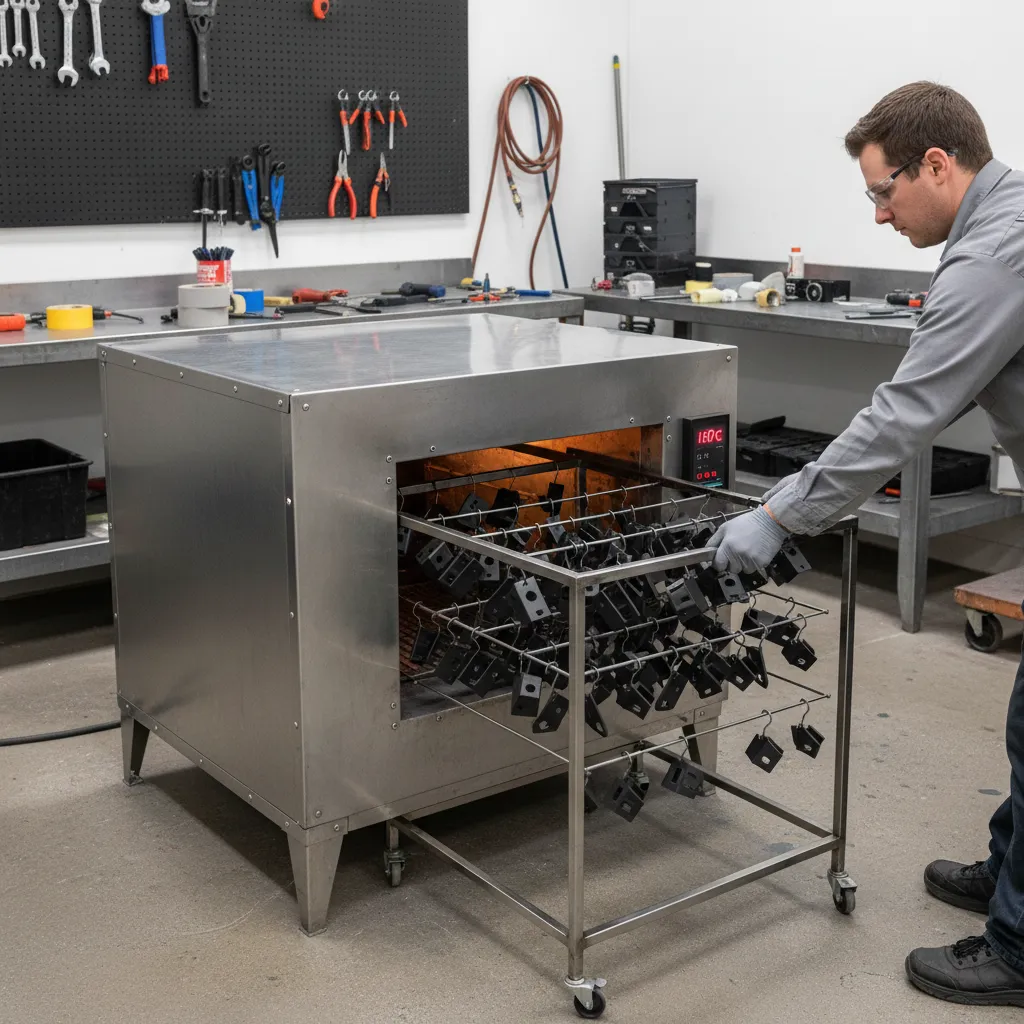
Ceramic coating applied in controlled layers at 0.5-2 mil thickness. Parts cured at specified temperature. Post-cure inspection includes thickness, adhesion, color verification, and visual examination. Certificate of conformance with full traceability accompanies every shipment.
Components We Coat for Aerospace

Why Cerakote for Oil and Gas Weight Savings
Thin-film protection for demanding environments

Why Cerakote for Medical Weight Reduction
Thin-film protection for precision instruments

Why Cerakote for Maritime Weight Reduction
Thin-film saltwater protection at reduced mass
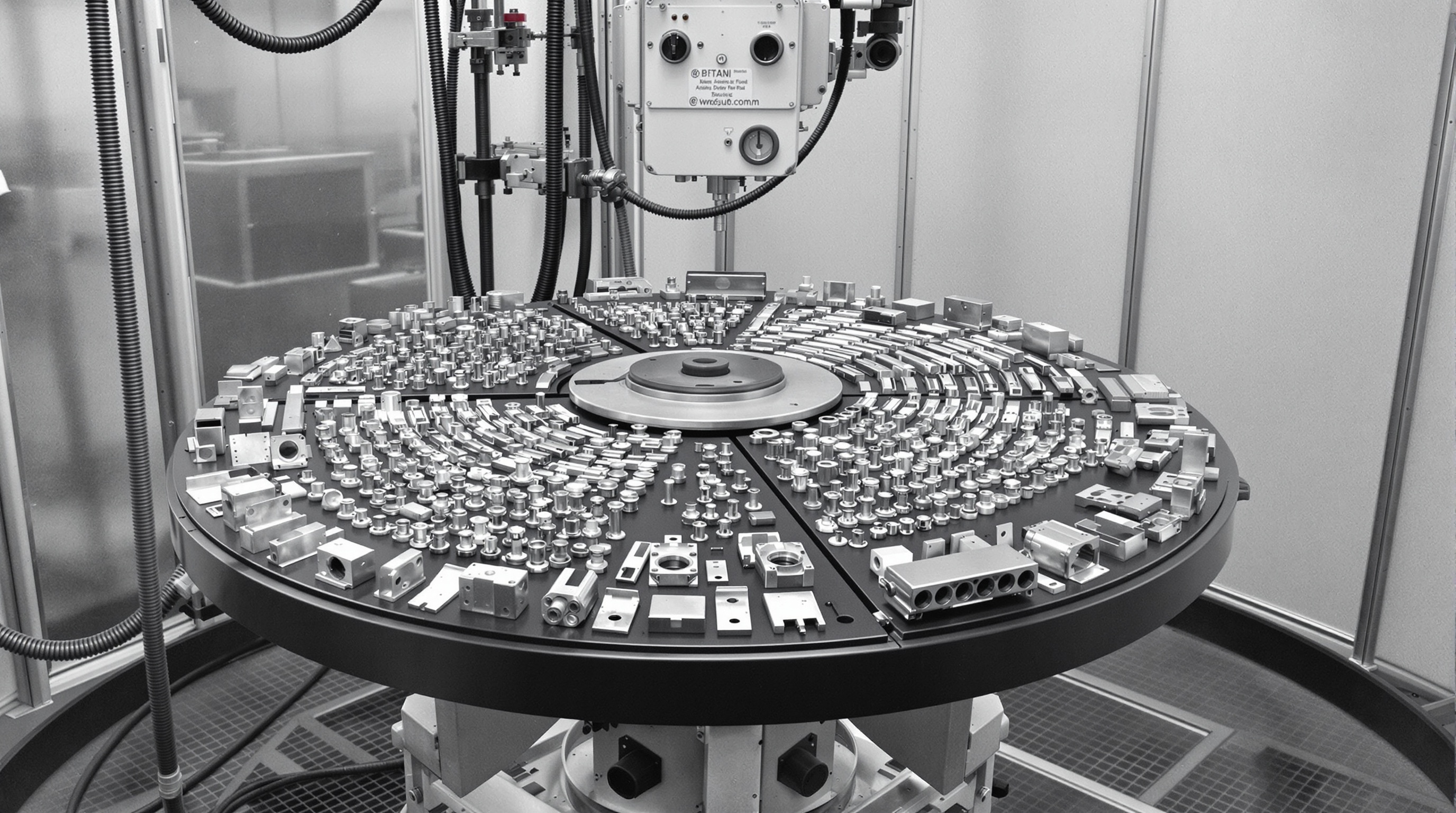
Why Cerakote for Industrial Weight Reduction
Thin-film protection that preserves design tolerances
What matters most
The performance data that matters for your operation
3,000 Hours Salt Spray Resistance
ASTM B117 verified. Molecular-level corrosion barrier protects steel, aluminum, titanium, and exotic alloys. Better wear resistance translates to longer part life and fewer refurbishment cycles, reducing total cost of ownership.
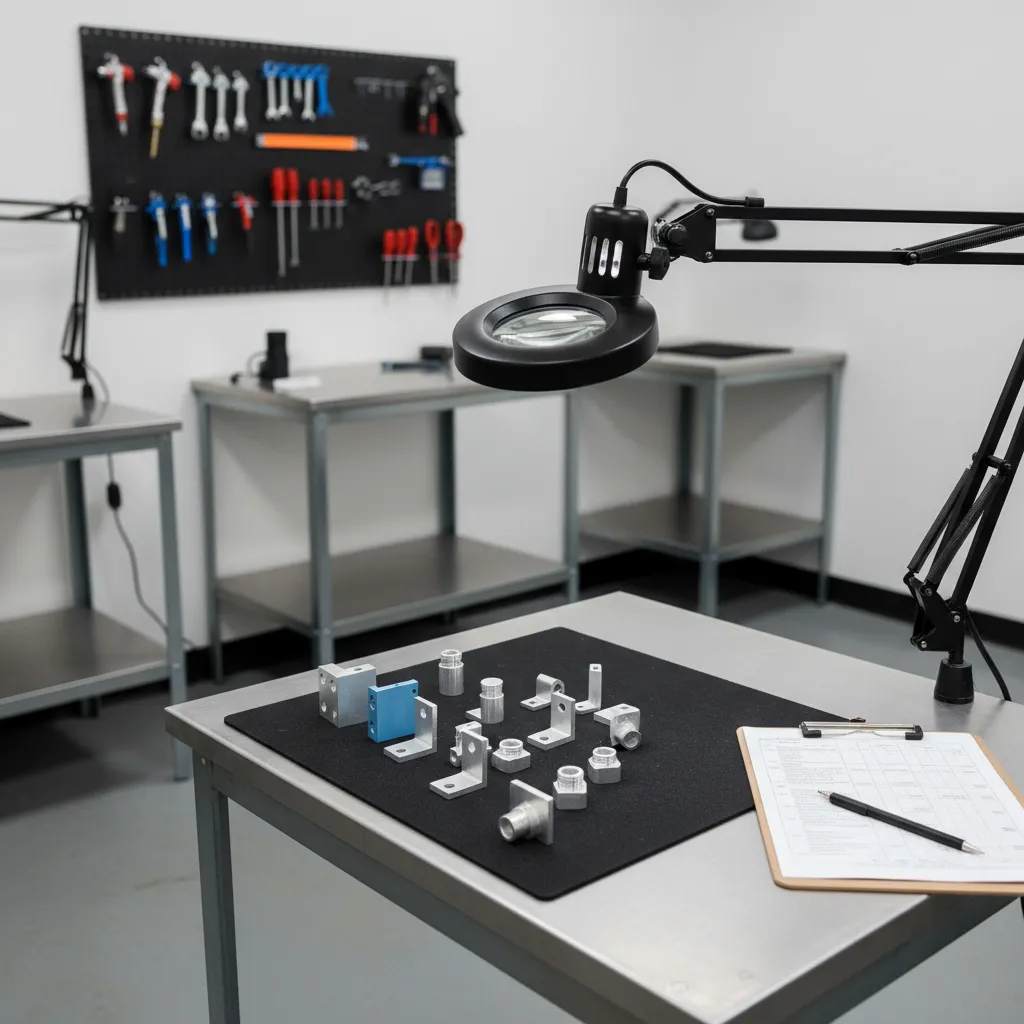
Full AS9100 Documentation
Certificate of Conformance with every shipment. Material batch numbers, application parameters, cure temperatures, thickness measurements, adhesion test results, and color verification data. First Article Inspection (AS9102) available.
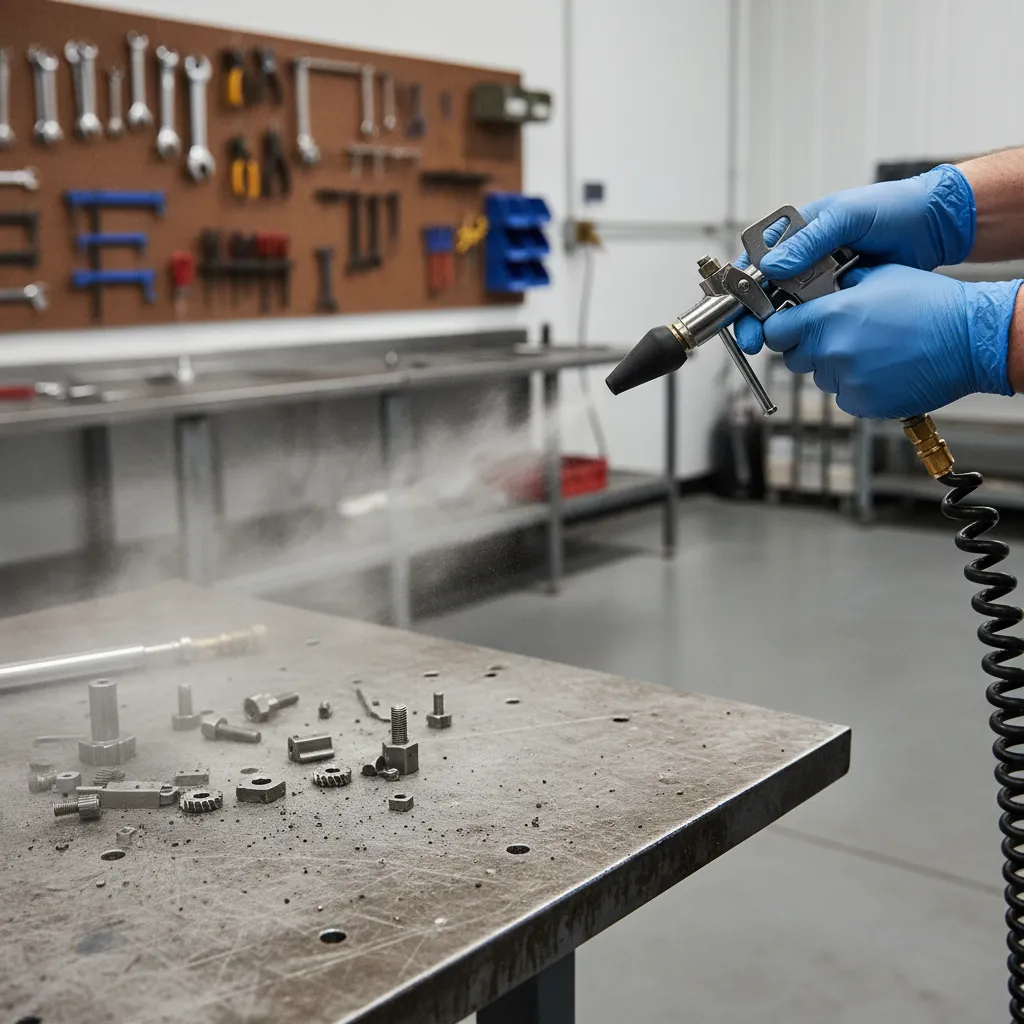
9H Hardness, 4,000 Abrasion Cycles
ASTM D3363 pencil hardness and ASTM D4060 Taber abrasion verified. Impact strength: 160/160 in-lbs per ASTM D2794. Flammability tested per Cerakote® third-party lab reports. Durability comes from a combination of pencil hardness, abrasion resistance, and adhesion.
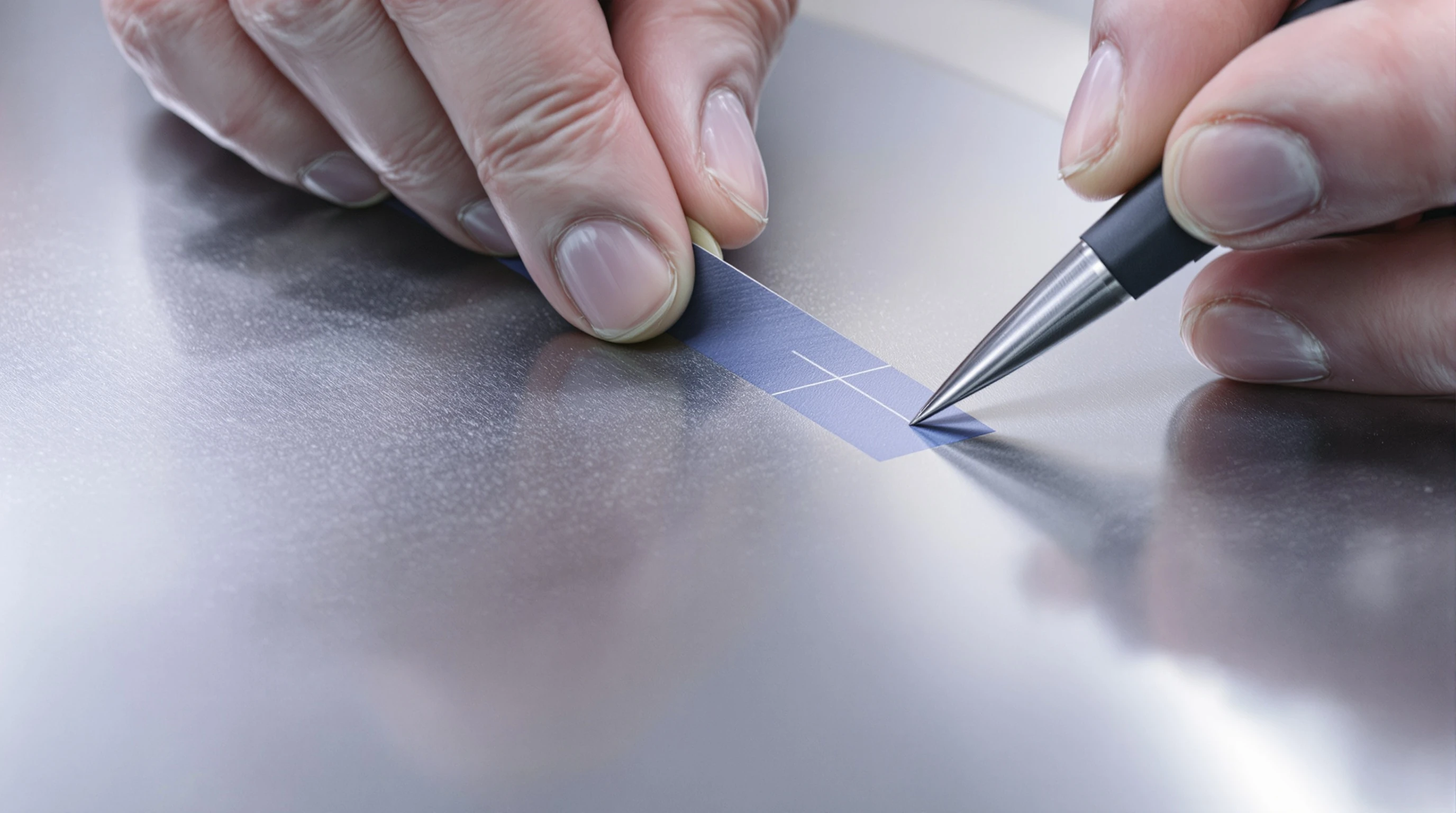
Delta E ≤1.5 Across Production Runs
Spectrophotometer-verified color consistency on every batch. 200+ standard colors including Federal Standard 595. Premium tactile feel and color consistency support brand differentiation and a better passenger experience. Eliminates the 8-12% rejection rates common in anodized cabin interior programs.
Frequently Asked Questions
Find answers about our coating processes and technical capabilities
Chemical conversion coating creates a sub-micron layer, less than 1 micron thick, meaning it adds virtually zero dimensional change to precision aluminum fittings and connections. This is critical for oil and gas components where seal integrity depends on tight tolerances. Even when followed by Cerakote at 0.5-2 mils, total buildup stays far below the 4-6 mils of conventional powder coating.
We process aluminum parts to MIL-DTL-5541 Type I (chromate) and Type II (non-chromate) chemical conversion coating specifications. Type I delivers 168-240+ hours of salt spray resistance per ASTM B117, while Type II provides 96-168+ hours. Our conversion coatings are spec-proven for multiple manufacturers and backed by over 20,000 parts processed with zero quality issues.
We offer over 200 Cerakote colors including the whites, blues, grays, and blacks commonly specified for marine hardware and vessel components. Our spectrophotometer-verified color matching holds Delta E within 1.5, ensuring consistent appearance across multiple parts and reorder batches. Custom color matching is available for proprietary brand colors or specification requirements.
Yes. We mask threaded holes, bearing surfaces, sealing faces, and critical datum features before coating to preserve your specified dimensions. At 0.5-2 mils thickness, Cerakote adds minimal material to non-masked surfaces, maintaining tolerances that powder coating at 4-6 mils cannot achieve. Masking plans are documented as part of our AS9100 process controls and reviewed against your engineering drawings before production begins. Complex masking requirements are addressed during the quoting process.
Yes. Agricultural parts often arrive with pitting corrosion from chemical exposure and moisture. Ultrasonic cavitation removes corrosion products from pit interiors and surface irregularities that blasting alone cannot fully clean. Corrosion products left in pits create adhesion weak spots where the new coating fails first. The combination of ultrasonic cleaning followed by sandblasting at 80-100 PSI produces the contamination-free, properly profiled surface that delivers maximum Cerakote adhesion and corrosion protection on agricultural equipment.
Start Your Aerospace Coating Project
Send us your parts list, specifications, and timeline. We respond within 24 hours with a technical approach and firm pricing.