
Defense and Military
Precision Cerakote ceramic coatings for aerospace, defense, and industrial components.

What Defense Demands
Zero tolerance for compliance failure

Wear Protection That Keeps Equipment in Service
Surface wear shortens component life and drives unplanned maintenance. Ceramic coating delivers 9H hardness with 160/160 in-lbs impact strength (ASTM verified).

Corrosion-Resistant Cerakote® Coating
3,000 hours of ASTM B117 salt spray resistance. Molecular-level protection for aerospace, defense, and industrial components.
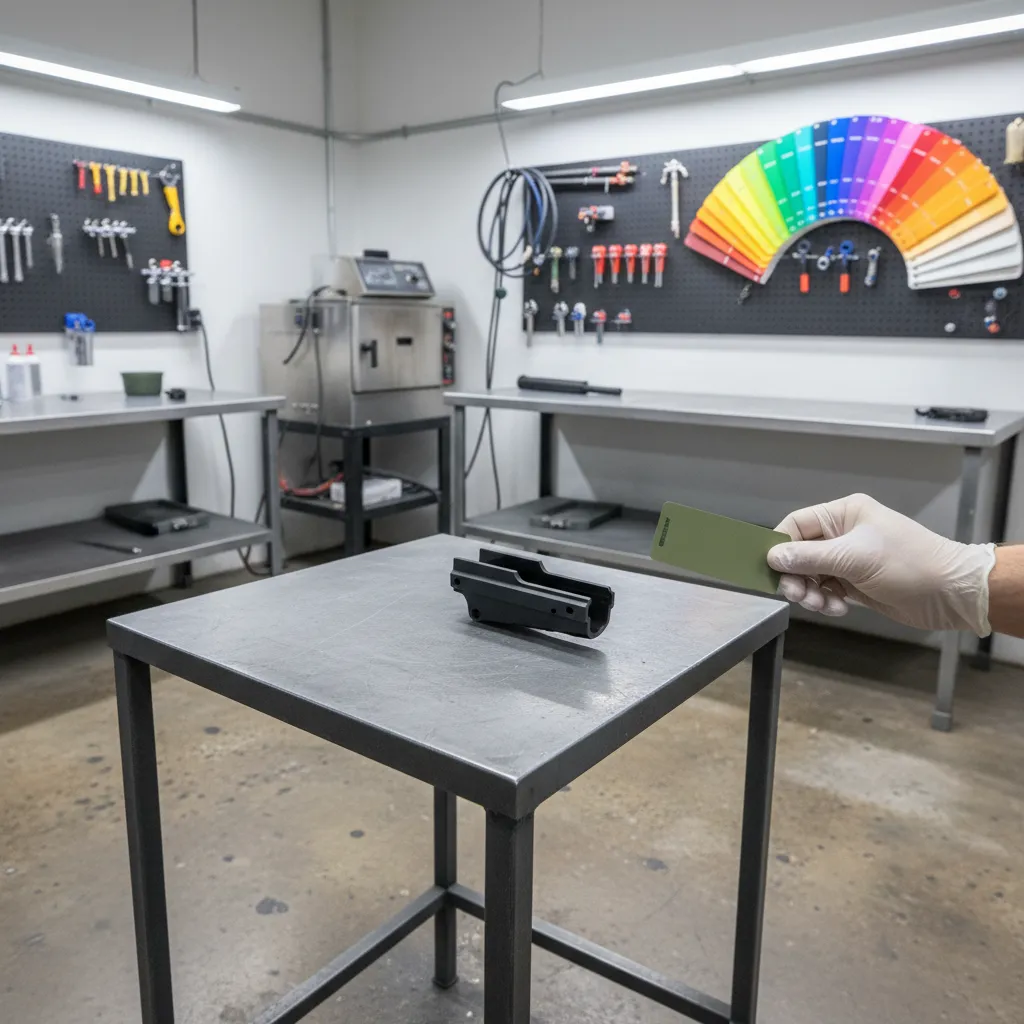
Cerakote® Color Consistency & Aesthetic Finishing
Delta E ≤1.5 color precision across production runs. 200+ standard colors. Spectrophotometer-verified on every batch.

Weight Reduction Without Sacrificing Protection
Thick coatings add weight that undermines lightweighting efforts. Ceramic coating at 0.5-2 mils delivers full protection with 200-400g savings per part versus powder coating.
Coatings Engineered for Defense Performance
ColoradoKote delivers ceramic coating with the mil-spec compliance, corrosion protection, and wear resistance that defense applications demand, backed by ITAR registration and AS9100 certification.
Defense components face simultaneous exposure to corrosion, abrasion, chemical decontamination, and thermal cycling. Cerakote® ceramic coating provides a single protective barrier that addresses all four threat vectors in a thin-film application at 0.5–2 mils.
Our ITAR-registered facility and AS9100-certified quality system ensure that every coating application meets the documentation and traceability standards that defense procurement requires.
Why Cerakote® Outperforms Conventional Mil-Spec Finishes
Mil-spec phosphate and parkerizing provide limited corrosion protection. Hard chrome plating faces environmental restrictions. Anodizing works only on aluminum. Cerakote bonds to all defense metals and composites with 3,000+ hours salt spray resistance, 9H hardness, and chemical decontamination resistance in one application.
Certifications behind every coating
We hold the credentials your industry demands. Every coating we apply meets or exceeds the standards that keep your components performing.

AS9100 quality management
The highest standard for quality management in coating operations, ensuring our processes meet the most demanding traceability requirements.

ITAR defense manufacturing compliance
Authorized to handle controlled defense articles and technical data with proper security protocols.
ISO 9001 quality systems certification
Demonstrates our commitment to consistent quality and continuous improvement across all operations.
How We Coat for Defense
ITAR-controlled process with documented chain of custody
Receiving & Specification Review
Components received under ITAR-controlled protocols. Parts inspected, photographed, and logged against purchase order. Mil-spec requirements and engineering drawings reviewed before processing.
Surface Preparation & Masking
Media blasting to specified surface profile. Critical interfaces, datum features, and electrical contact points masked per engineering requirements. Ultrasonic cleaning removes contaminants and preservatives.
Application, Cure & Inspection
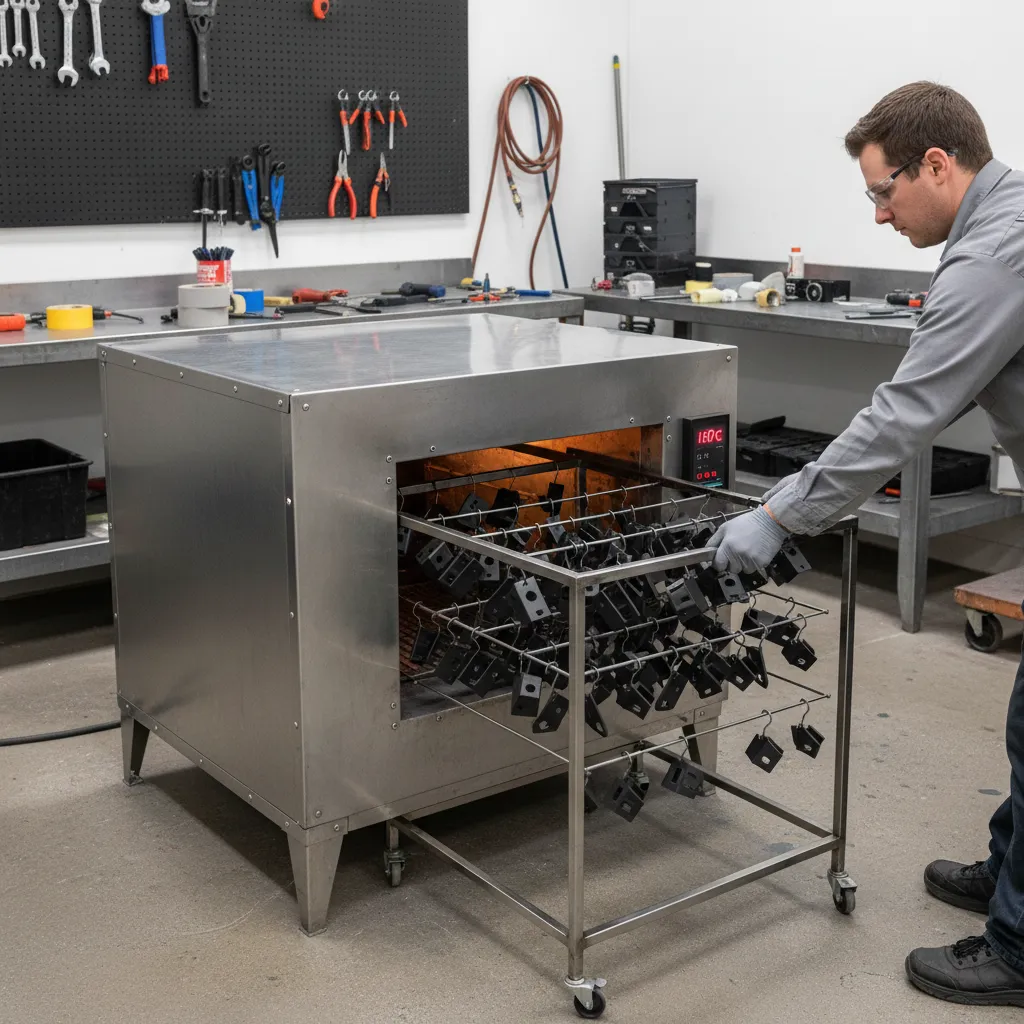
Cerakote® applied per specification with thickness verification at multiple points. Oven-cured per manufacturer parameters. Post-cure inspection includes thickness, adhesion, color verification, and visual examination. Certificate of Conformance with full chain-of-custody documentation accompanies every shipment.
Defense and Tactical Equipment We Coat
From weapon system components to field support equipment

Why Cerakote for Oil and Gas Weight Savings
Thin-film protection for demanding environments

Why Cerakote for Medical Weight Reduction
Thin-film protection for precision instruments

Why Cerakote for Maritime Weight Reduction
Thin-film saltwater protection at reduced mass
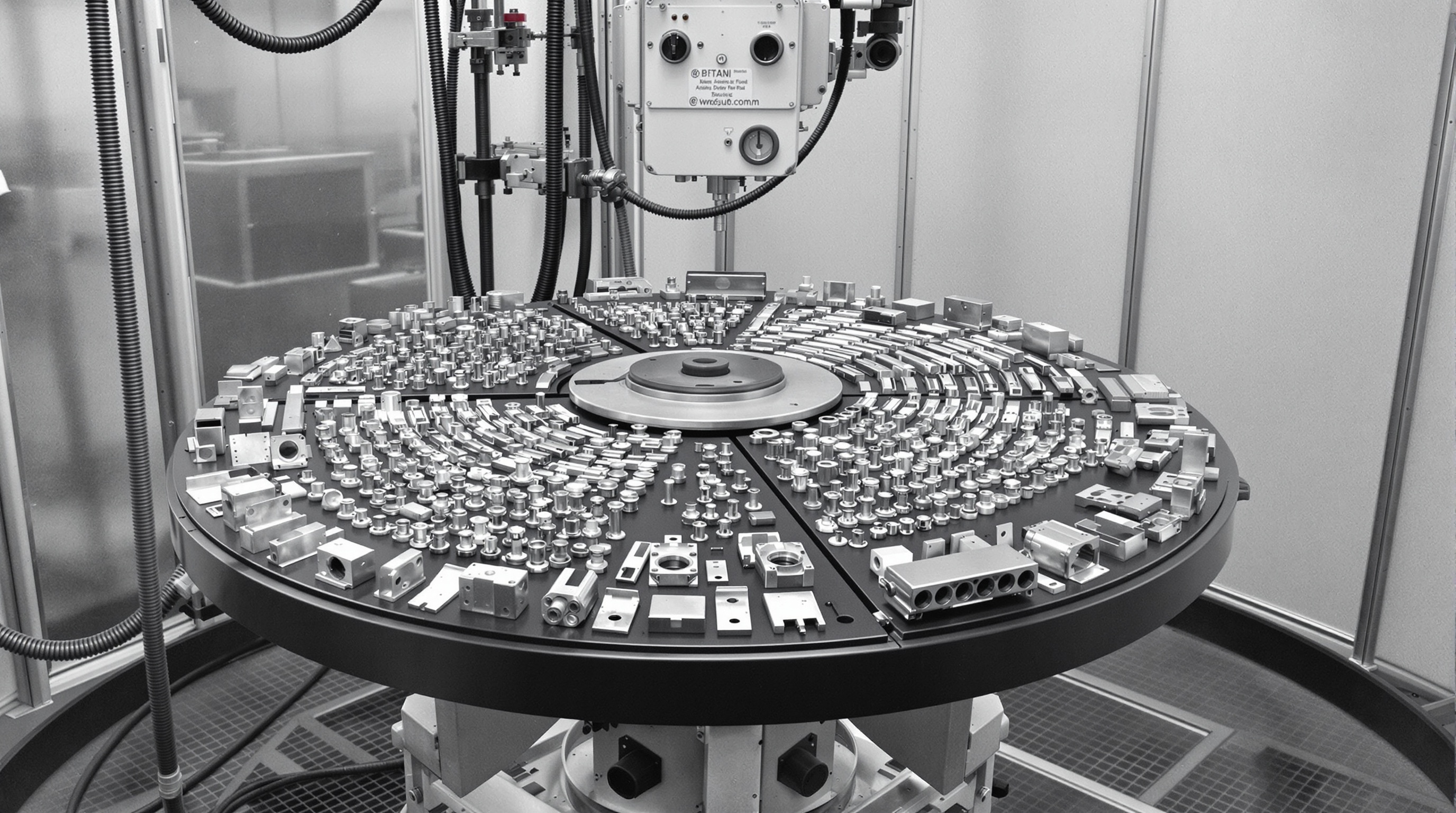
Why Cerakote for Industrial Weight Reduction
Thin-film protection that preserves design tolerances
What matters most
The performance data that matters for your operation
3,000+ Hours Salt Spray Resistance
ASTM B117 verified. Molecular-level corrosion barrier withstands desert salt flats, coastal operations, and chemical decontamination cycles that strip conventional military finishes.
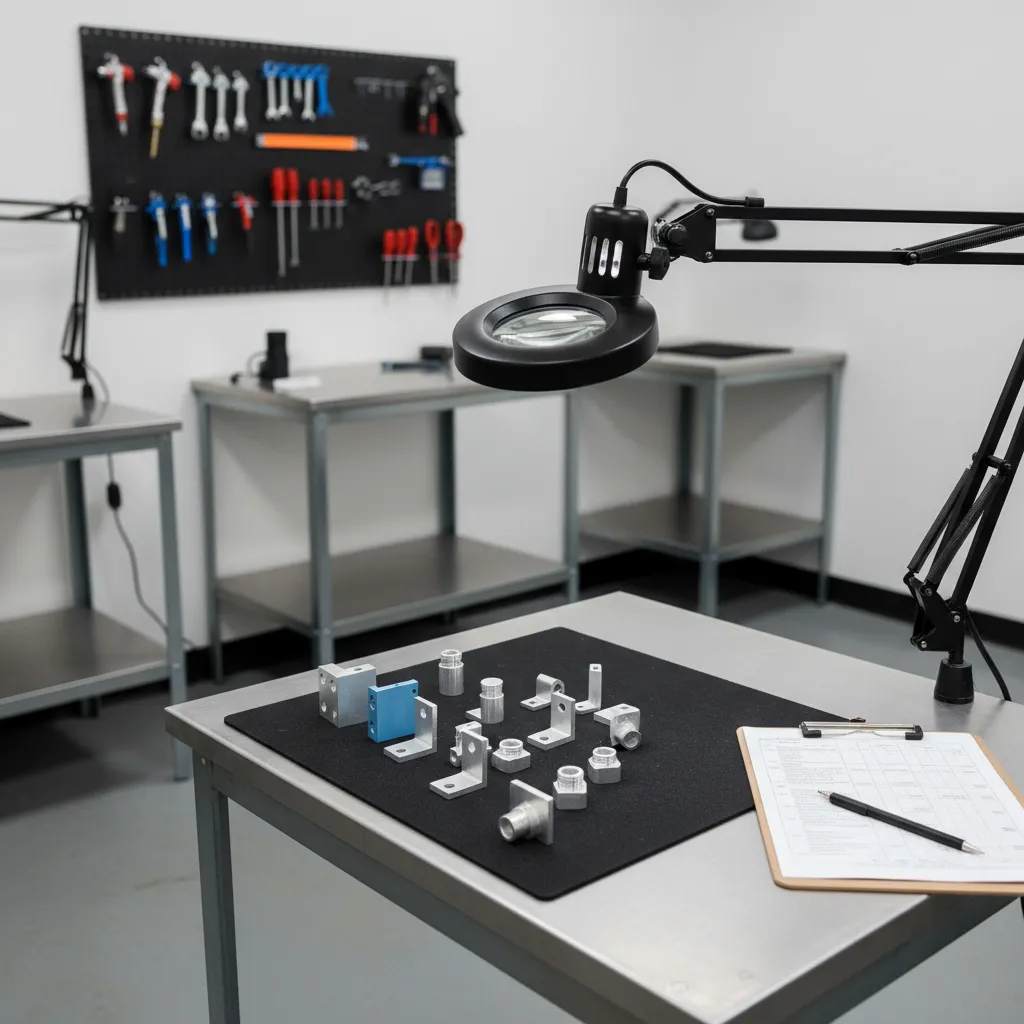
Full Mil-Spec Documentation
Certificate of Conformance with every shipment. ITAR-controlled material traceability, application parameters, cure data, thickness measurements, adhesion results, and color verification. First Article Inspection (AS9102) available.
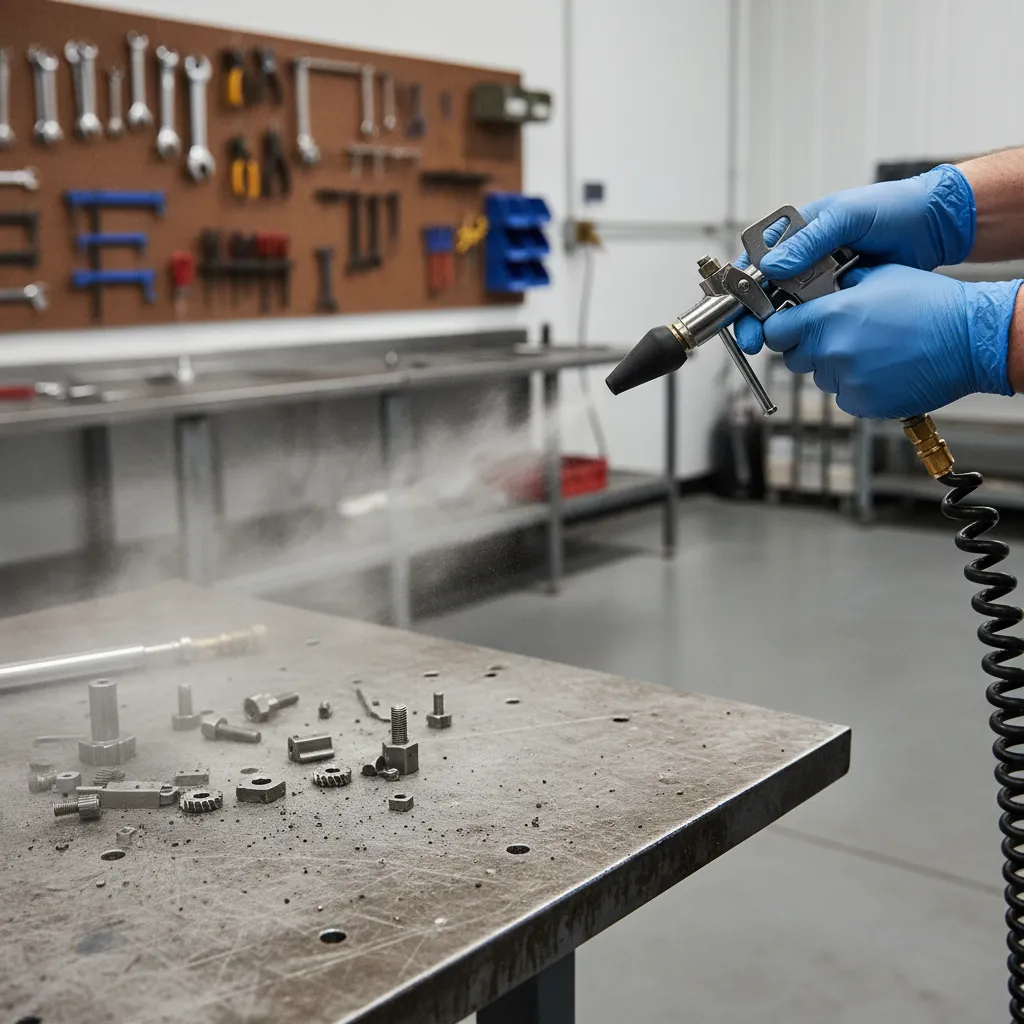
9H Hardness, Impact & Abrasion Resistance
ASTM D3363 pencil hardness and ASTM D4060 Taber abrasion verified. Impact strength: 160/160 in-lbs per ASTM D2794. Protects tactical equipment from field abuse, sand erosion, and operational wear.
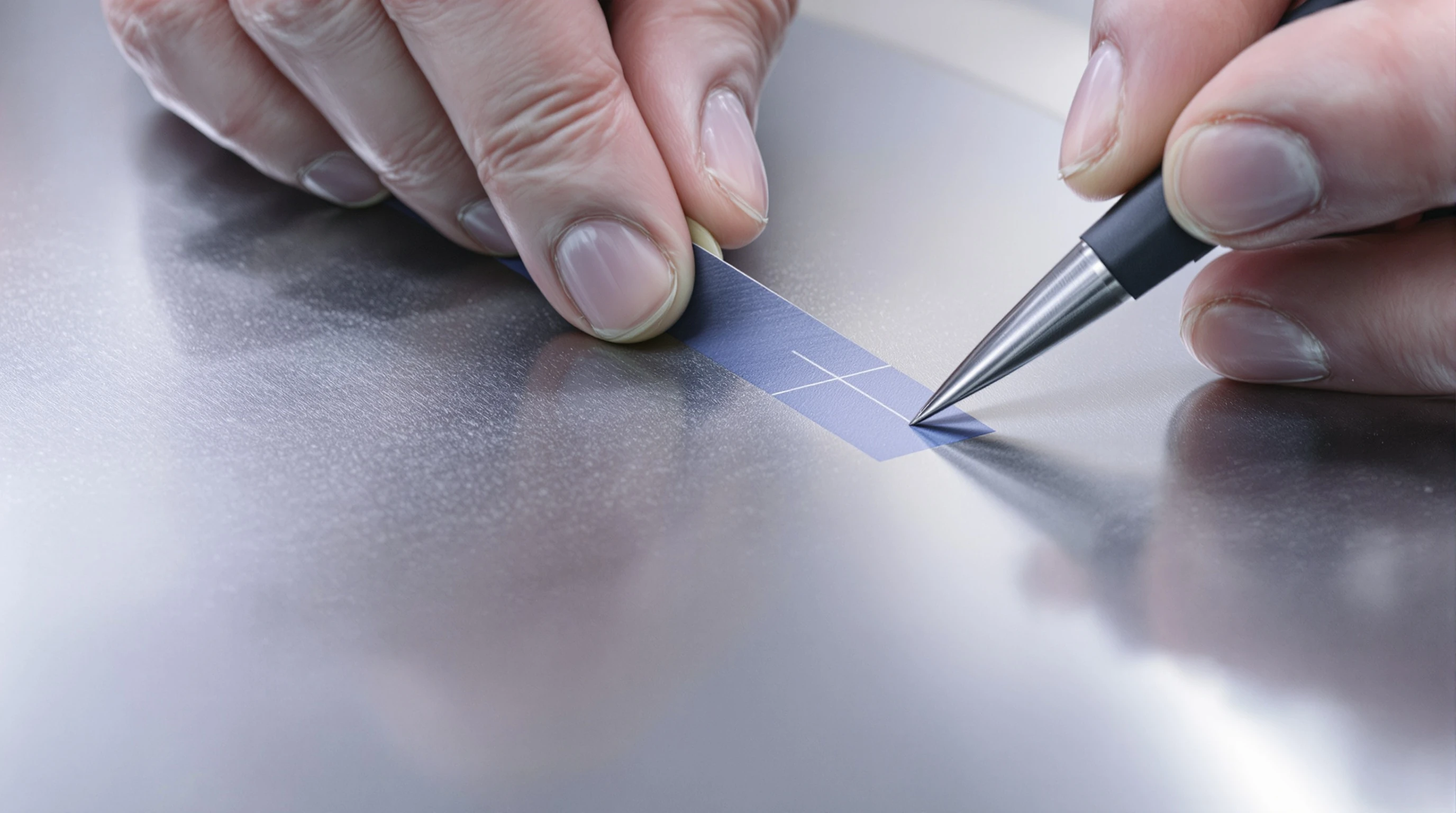
Chemical Decontamination Resistant
Cerakote® maintains adhesion and barrier integrity through CBRN decontamination protocols that destroy conventional paint systems. Consistent performance verified across production lots with documented quality data.
Frequently Asked Questions
Find answers about our coating processes and technical capabilities
Yes. Raw AM parts, particularly polymer SLS and MJF builds, have surface and near-surface porosity that allows moisture and chemical ingress. Cerakote fills and seals these pores during application, creating a continuous barrier layer at 0.5-2 mils thickness. This sealing effect provides corrosion protection exceeding 3,000 hours salt spray on metal AM parts and chemical resistance on polymer AM parts that raw printed surfaces cannot achieve.
Cerakote delivers 3,000 hours salt spray resistance (ASTM B117) and 4,000 abrasion cycles per mil (ASTM D4060) on pump housings, impellers, valve bodies, and actuator components. The coating operates from -40 degrees F to 2,000 degrees F, covering the thermal range of most industrial process equipment. At 0.5-2 mils thickness, it preserves the clearances and sealing surfaces that thicker coatings would compromise on precision fluid-handling components.
Aerospace components arrive with machining fluids, handling oils, coolant residue, and marking ink that must be completely removed before coating. Ultrasonic cavitation at 40 kHz reaches contaminants trapped in threads, blind holes, internal passages, and complex geometries that spray cleaning cannot access. Cleaning solution chemistry is selected for the specific alloy to prevent chemical attack. Parts are verified clean by water-break testing before proceeding to blasting and coating under our AS9100 process controls.
Hydraulic cylinder rods and housings on farm equipment face soil abrasion, moisture, and chemical exposure that cause conventional coatings to fail within a season. Cerakote's 9H hardness protects cylinder rod surfaces from scoring, while the 3,000-hour salt spray barrier prevents corrosion on housings exposed to moisture and fertilizer chemicals. The 0.5 to 2 mil film build preserves seal clearances and rod tolerances that thicker coatings would compromise.
Yes. Cerakote delivers 3,000 hours salt spray resistance (ASTM B117) at 0.5-2 mils, while powder coating achieves only 500-1,500 hours at 4-6 mils. This means you get superior corrosion protection at a fraction of the coating weight. For applications where every gram matters, such as aerospace structures, UAVs, and performance vehicles, Cerakote provides the protection of a heavy coating system in a lightweight package.
Start Your Defense Project
Request an ITAR-compliant coating quote. We respond within 24 hours with pricing.