
Maritime / Marine
Precision Cerakote ceramic coatings for aerospace, defense, and industrial components.

What Maritime Environments Demand
Salt water does not forgive exposed metal

Corrosion-Resistant Cerakote® Coating
3,000 hours of ASTM B117 salt spray resistance. Molecular-level protection for aerospace, defense, and industrial components.
Coatings Engineered for Marine Performance
Cerakote® ceramic coating creates a molecular-level barrier against saltwater corrosion, UV degradation, and galvanic attack that marine environments impose on every exposed surface.
Saltwater creates an aggressive electrochemical environment that accelerates galvanic corrosion between dissimilar metals. Cerakote®'s ceramic barrier isolates substrates from salt spray, humidity, and direct immersion while resisting UV degradation that breaks down conventional marine paints.
The thin-film application at 0.5–2 mils maintains the dimensional precision that marine hardware requires for proper fit and function in structural and mechanical assemblies.
Why Ceramic Coating Outperforms Marine Paint and Anodizing
Marine paint requires frequent reapplication and still fails at edges and fastener holes. Anodizing works only on aluminum and adds nothing to steel or stainless components. Cerakote® bonds to all marine metals with 3,000+ hours salt spray resistance in a single, thin-film application.
Certifications behind every coating
We hold the credentials your industry demands. Every coating we apply meets or exceeds the standards that keep your components performing.

AS9100 quality management
The highest standard for quality management in coating operations, ensuring our processes meet the most demanding traceability requirements.

ITAR defense manufacturing compliance
Authorized to handle controlled defense articles and technical data with proper security protocols.
ISO 9001 quality systems certification
Demonstrates our commitment to consistent quality and continuous improvement across all operations.
How We Coat for Maritime Applications
Substrate-specific preparation for marine corrosion protection
Receiving & Specification Review
Components inspected and logged. Substrate identification (stainless, aluminum, bronze, steel) determines preparation protocol and Cerakote® formulation selection.
Surface Preparation & Masking
Media blasting to optimal surface profile for marine substrates. Threaded connections, mating surfaces, and precision bores masked. Ultrasonic cleaning removes salt deposits, oils, and marine contaminants.
Application, Cure & Inspection
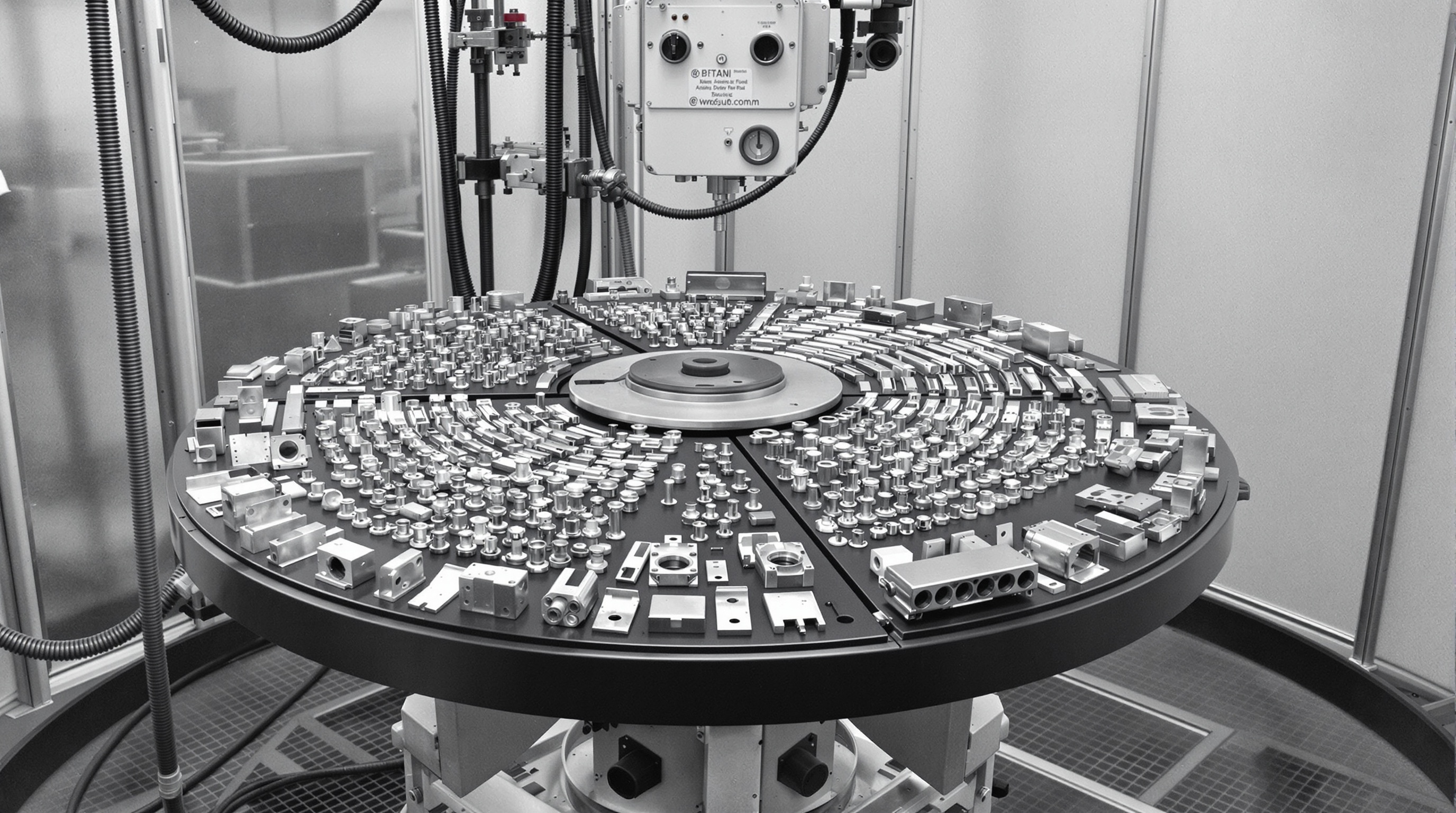
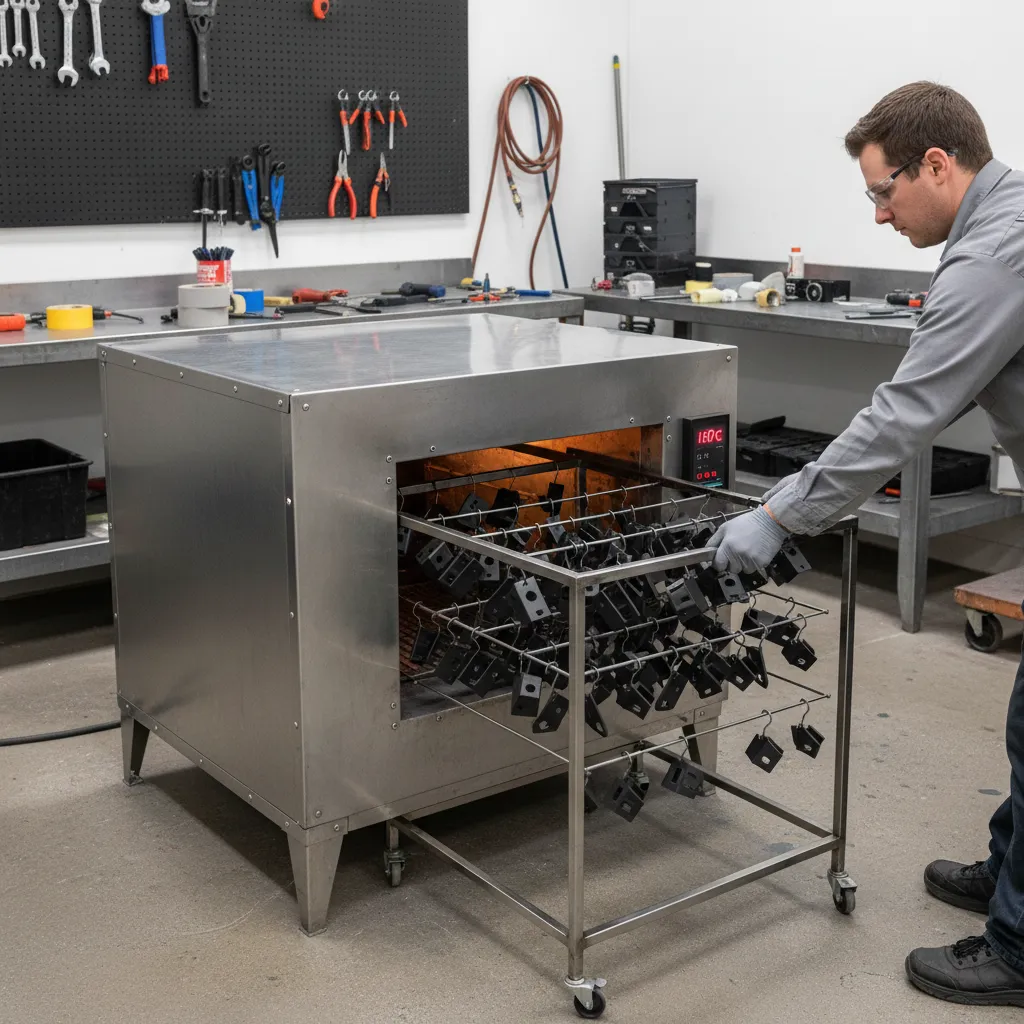
Cerakote® applied with full-coverage verification on complex marine geometries. Oven-cured per specification. Post-cure inspection includes thickness, adhesion, and visual examination. Certificate of conformance with lot traceability accompanies shipment.
What We Coat for Maritime
From deck fittings to below-waterline fasteners and coastal equipment

Why Cerakote for Oil and Gas Weight Savings
Thin-film protection for demanding environments

Why Cerakote for Medical Weight Reduction
Thin-film protection for precision instruments

Why Cerakote for Maritime Weight Reduction
Thin-film saltwater protection at reduced mass
Why Cerakote for Industrial Weight Reduction
Thin-film protection that preserves design tolerances
What matters most
The performance data that matters for your operation
3,000+ Hours Salt Spray Resistance
ASTM B117 verified. Molecular-level barrier protects steel, stainless, aluminum, and bronze marine components against continuous saltwater exposure and galvanic corrosion.
Full ISO 9001 Documentation
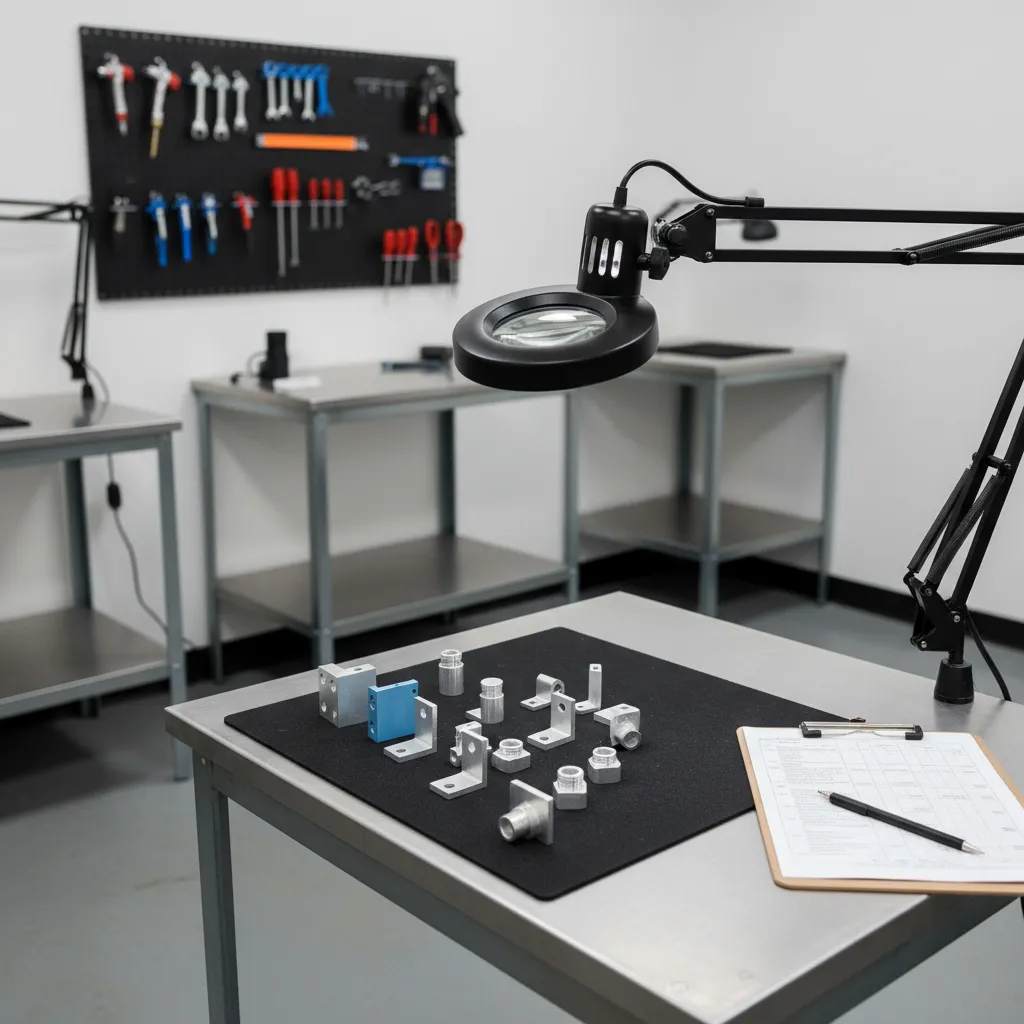
Certificate of Conformance with every shipment. Material batch numbers, cure parameters, thickness measurements, and adhesion test results documented for marine equipment traceability requirements.
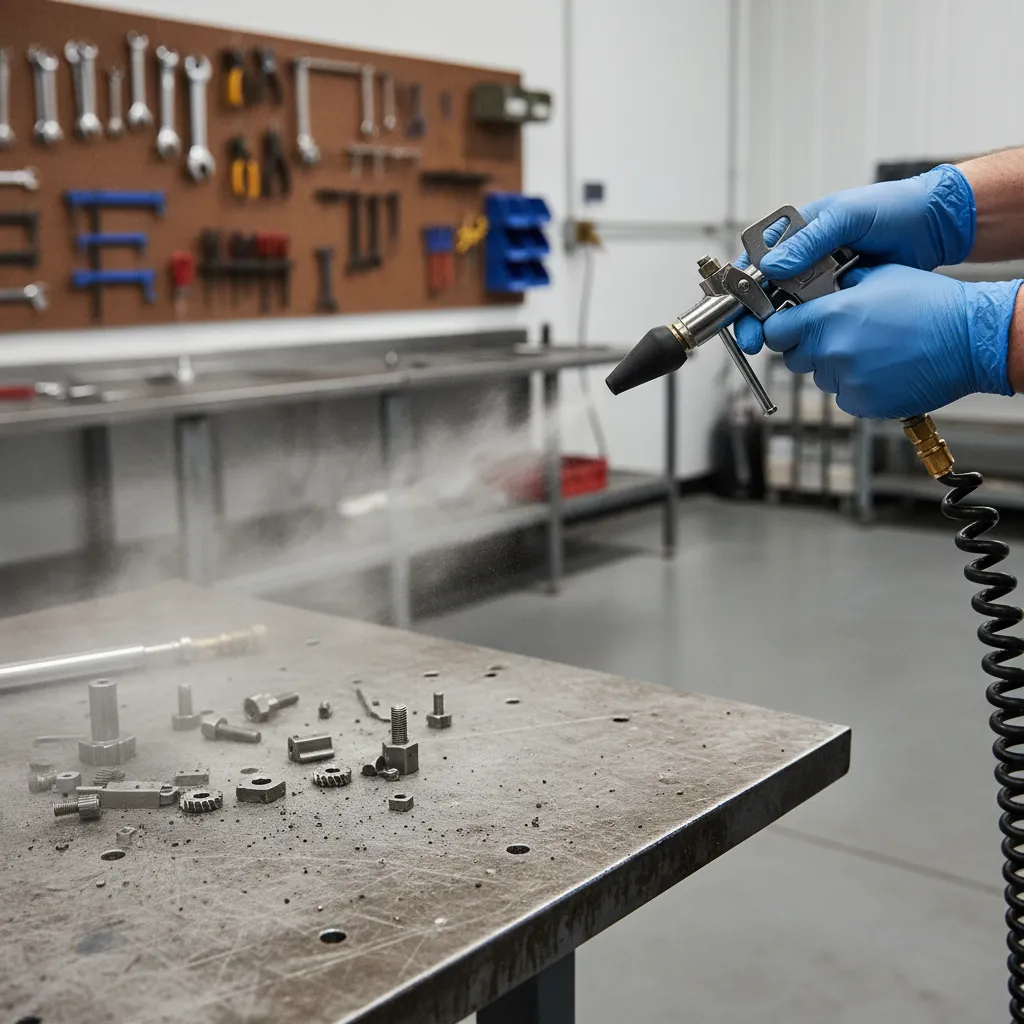
9H Hardness, UV and Chemical Resistance
ASTM D3363 verified hardness resists deck abrasion and anchor chain wear. UV stability prevents chalking and color fade in direct marine sunlight exposure.
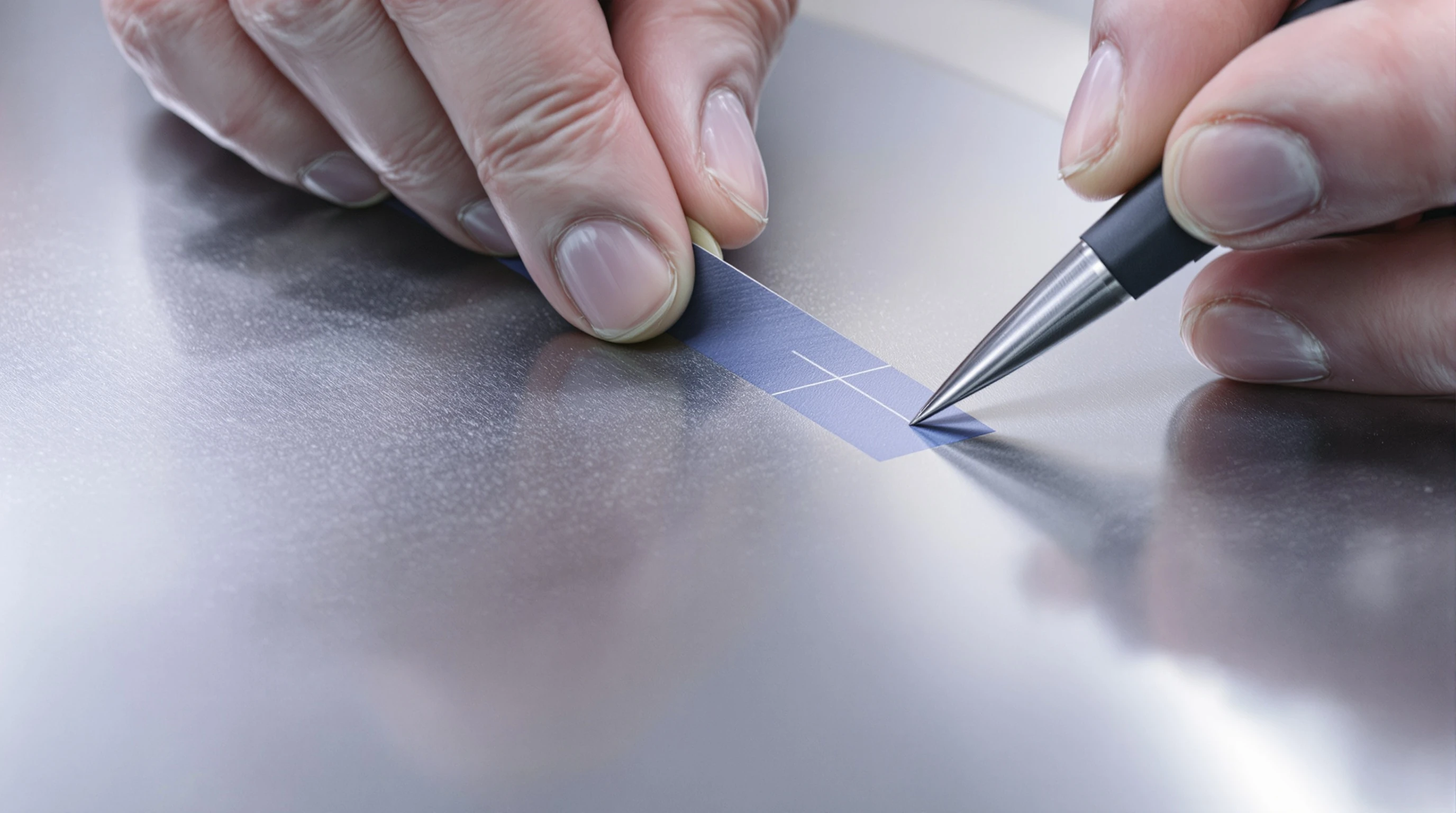
Multi-Substrate Consistency
Single coating system bonds to all marine metals—stainless, aluminum, bronze, and steel—with consistent finish and protection. Eliminates the material-specific coating systems that complicate marine maintenance programs.
Frequently Asked Questions
Find answers about our coating processes and technical capabilities
Cerakote creates a molecular barrier that has been tested to 3,000 hours in ASTM B117 salt spray, making it one of the highest-performing thin-film coatings available for marine environments. Unlike traditional marine paints that degrade and require frequent reapplication, Cerakote's ceramic matrix resists salt water, UV exposure, and chemical attack. The 9H pencil hardness also resists abrasion from rigging, docking, and general marine use.
Yes. Aluminum marine components receive chemical conversion coating per MIL-DTL-5541 followed by Cerakote ceramic topcoat for comprehensive corrosion protection. This combined stack addresses galvanic corrosion concerns and provides the salt spray resistance marine hardware demands. We process both individual replacement parts and production batches for marine equipment manufacturers.
Chemical conversion coating is widely used on medical device aluminum housings and enclosures where corrosion resistance and paint adhesion are required. The sub-micron layer adds virtually zero dimensional change, which is critical for devices with tight mechanical tolerances. For medical components needing additional protection or specific colors, we can apply Cerakote over the conversion layer for 3,000 hours of salt spray resistance at just 0.5-2 mils.
Passivation is especially important for additively manufactured stainless steel, which often retains more free iron and surface contamination from the printing and post-processing steps than wrought material. The ASTM A967 acid bath removes these contaminants and brings chromium to the surface, restoring full corrosion resistance. The process follows complex AM geometries with no dimensional change, preserving the precision your additive build achieved.
Implement paint typically delivers 200-500 hours of salt spray resistance and begins failing after one season of chemical exposure. Powder coating at 4-6 mils adds 500-1,500 hours but chips on impact and cannot coat polymer components. Cerakote provides 3,000 hours salt spray resistance (ASTM B117) at only 0.5-2 mils, bonds to both metal and polymer substrates, and resists chipping 2-3 times better than powder coating.
Start Your Maritime Project
Request a quote for marine equipment coating. We respond within 24 hours with pricing.