Chemical Conversion Coating
Precision Cerakote ceramic coatings for aerospace, defense, and industrial components.


How Chemical Conversion Coating Works at ColoradoKote
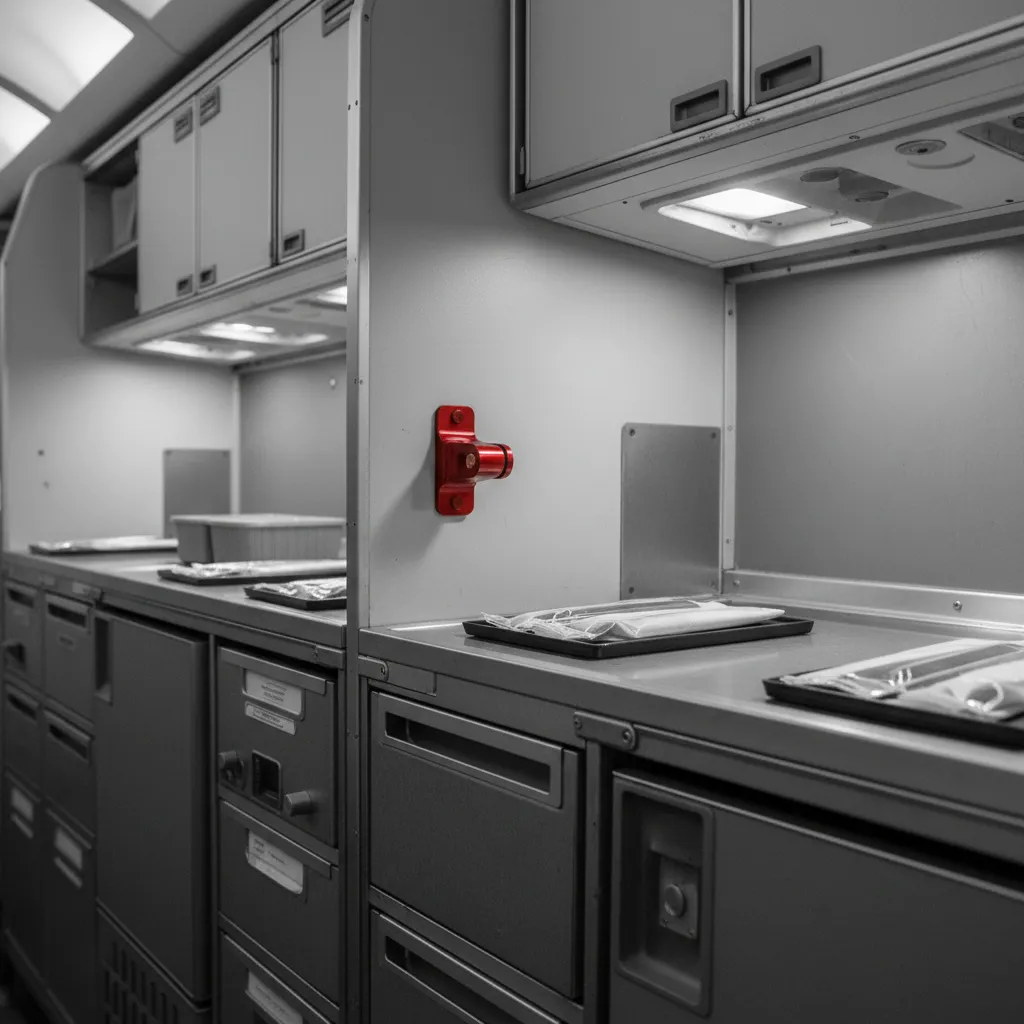
Chemical conversion creates an ultra-thin protective layer on aluminum substrates per MIL-DTL-5541 Type I and Type II. The acid-based solution reacts with the aluminum surface to form a chromate or non-chromate conversion coating under 1 micron thick, enhancing both corrosion resistance and paint adhesion.
What Sets Us Apart
ColoradoKote treats chemical conversion as a precision process, not a commodity dip-and-ship service. We control solution chemistry, immersion time, and temperature to meet MIL-DTL-5541 requirements consistently. When paired with Cerakote® topcoat, the combined stack delivers corrosion protection that exceeds either coating alone.
Aerospace Standards
Every conversion coating batch is documented with solution concentration, pH, temperature, immersion duration, and post-treatment verification results under AS9100 controls. Electrical conductivity testing confirms Type I compliance for grounding applications. Full traceability from incoming aluminum to finished conversion coating ships with your Certificate of Conformance.


What Conversion Coating Delivers for Your Parts
Aluminum components face corrosion, adhesion failure, and compliance gaps without proper surface treatment. Conversion coating addresses all three.

168-240+ Hours Salt Spray Resistance
MIL-DTL-5541 chemical conversion delivers 168 to 240+ hours ASTM B117 salt spray resistance on aluminum substrates. The thin conversion layer, under 1 micron, provides a corrosion barrier without any dimensional change to precision-machined surfaces.
Optimized Paint and Coating Adhesion
Chemical conversion transforms bare aluminum into an ideal bonding surface for subsequent coatings. When paired with Cerakote® ceramic topcoat, the conversion layer acts as a chemical bridge between substrate and coating, producing adhesion results that exceed either process applied alone.
Type I and Type II Coverage
Type I conversion coatings maintain electrical conductivity for grounding and EMI shielding requirements. Type II provides maximum corrosion protection where conductivity is not required. ColoradoKote processes both types under the same AS9100 quality system, simplifying your supply chain for aluminum finishing.
Technical Specifications for MIL-DTL-5541 Chemical Conversion Coating
| Specification | Value | Test Method |
|---|---|---|
| Corrosion Resistance (Type I, Class 1A) | 168-240+ hours | ASTM B117 |
| Corrosion Resistance (Type II, Class 1A) | 96-168+ hours | ASTM B117 |
| Coating Thickness | 0.00001-0.00004 inches (<1 micron) | Not applicable (chemical conversion) |
| Coating Weight (Class 1A) | 215-600 mg/ft² | ASTM B137 |
| Coating Adhesion (with topcoat) | 5B rating (no delamination) | ASTM D3359 |
| Appearance (Type I) | Gold/tan/bronze iridescent | Visual Inspection |
| Appearance (Type II) | Clear to slight iridescence | Visual Inspection |
| Dimensional Impact | None (sub-micron thickness) | Per MIL-DTL-5541 |
| Environmental Compliance (Type II) | REACH and RoHS compliant | Per MIL-DTL-81706 |
| Applicable Alloys | 2024, 6061, 7075, 5052, cast aluminum | Per MIL-DTL-5541 |
| Service Life Extension (with Cerakote®) | 10-15+ years vs. 5-8 years standalone | Field performance data |
Applicable Specifications: MIL-DTL-5541F Type I | MIL-DTL-5541F Type II | MIL-DTL-81706 | AS9100 | ISO 9001 | ITAR
Alkaline cleaning removes contaminants from bare aluminum
Parts arrive from sandblasting with fresh aluminum surface exposed. Processing begins within hours to prevent re-oxidation. Ultrasonic degreasing removes residual blast media and handling oils. An alkaline bath at 120-140 F strips surface oxides over 3-5 minutes. Two-stage deionized water rinsing ensures no cleaning chemistry carries forward.
Acid deoxidizer prepares a uniform surface for coating
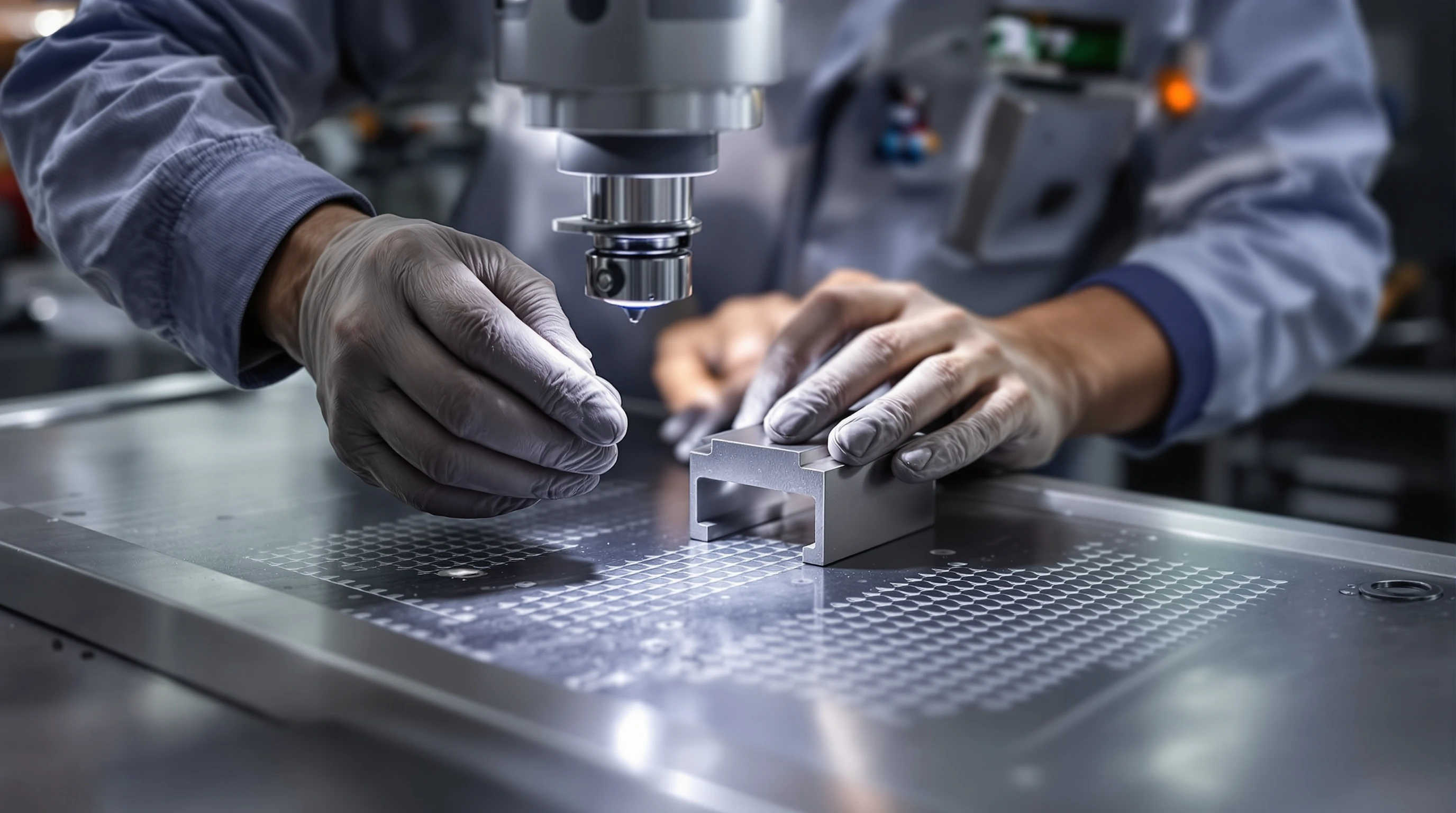
A mild acid solution removes the natural aluminum oxide layer that would prevent uniform conversion coating formation. Immersion lasts 1-2 minutes at room temperature. This step creates a microscopically roughened surface that accepts the conversion coating chemistry evenly. Three-stage deionized water rinsing follows. Insufficient deoxidizing is the most common cause of poor conversion coating, and ColoradoKote does not cut this step short.
Surface is cleaned and made ready for coating
Degreasing, cleaning, and light abrasion remove contaminants and create the ideal surface for adhesion. This step determines coating quality.
MIL-DTL-5541 solution converts the aluminum surface
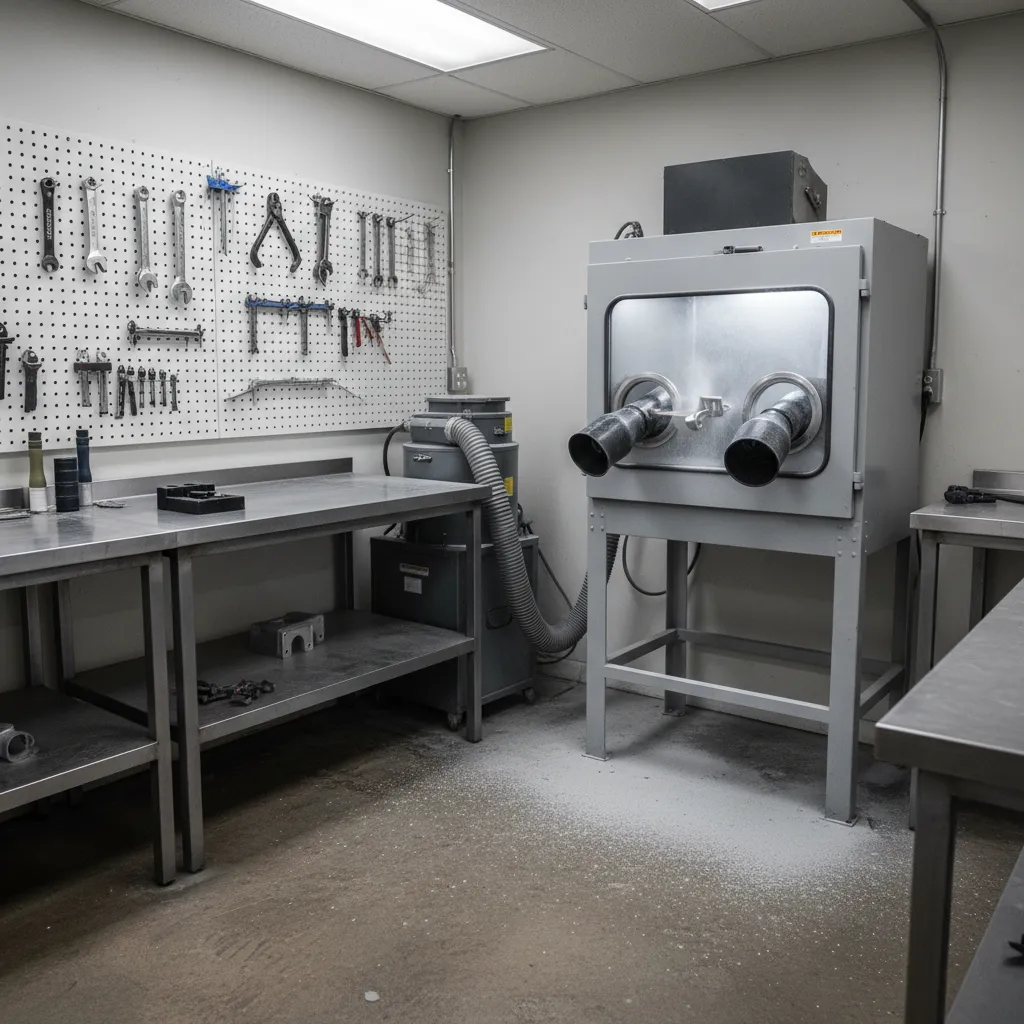
Parts immerse in Type I or Type II conversion coating solution at 70-90 F for 2-5 minutes. The solution reacts chemically with the aluminum, forming a protective chromate or chromate-free oxide layer at under 1 micron thickness. For Type I, uniform gold or tan color confirms complete conversion. For Type II, slight iridescence indicates proper formation. Visual inspection verifies full coverage with no bare spots.
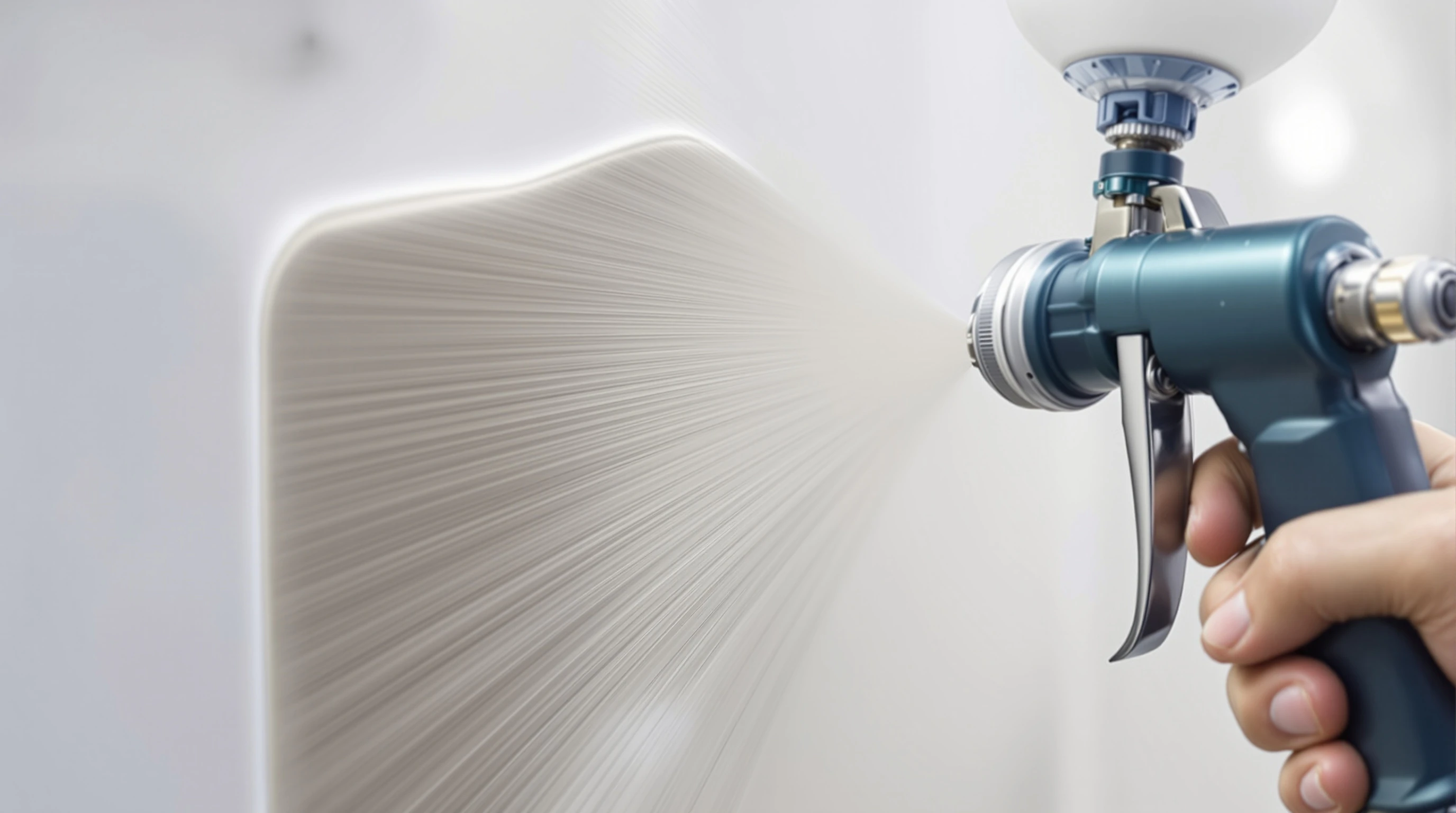
Ceramic coating is applied in controlled layers
We apply the coating using precision equipment, monitoring thickness and coverage. Each layer cures before the next is applied, building a durable finish.
Multi-stage rinsing removes residual chemistry
Three-stage cascade rinsing with deionized water removes all residual conversion coating solution. Final rinse conductivity is verified below 10 microsiemens per centimeter. Forced-air drying at 140-160 F prevents water spotting on the freshly converted surface. This precision rinsing step prevents staining and ensures a clean substrate ready for topcoat or standalone use.
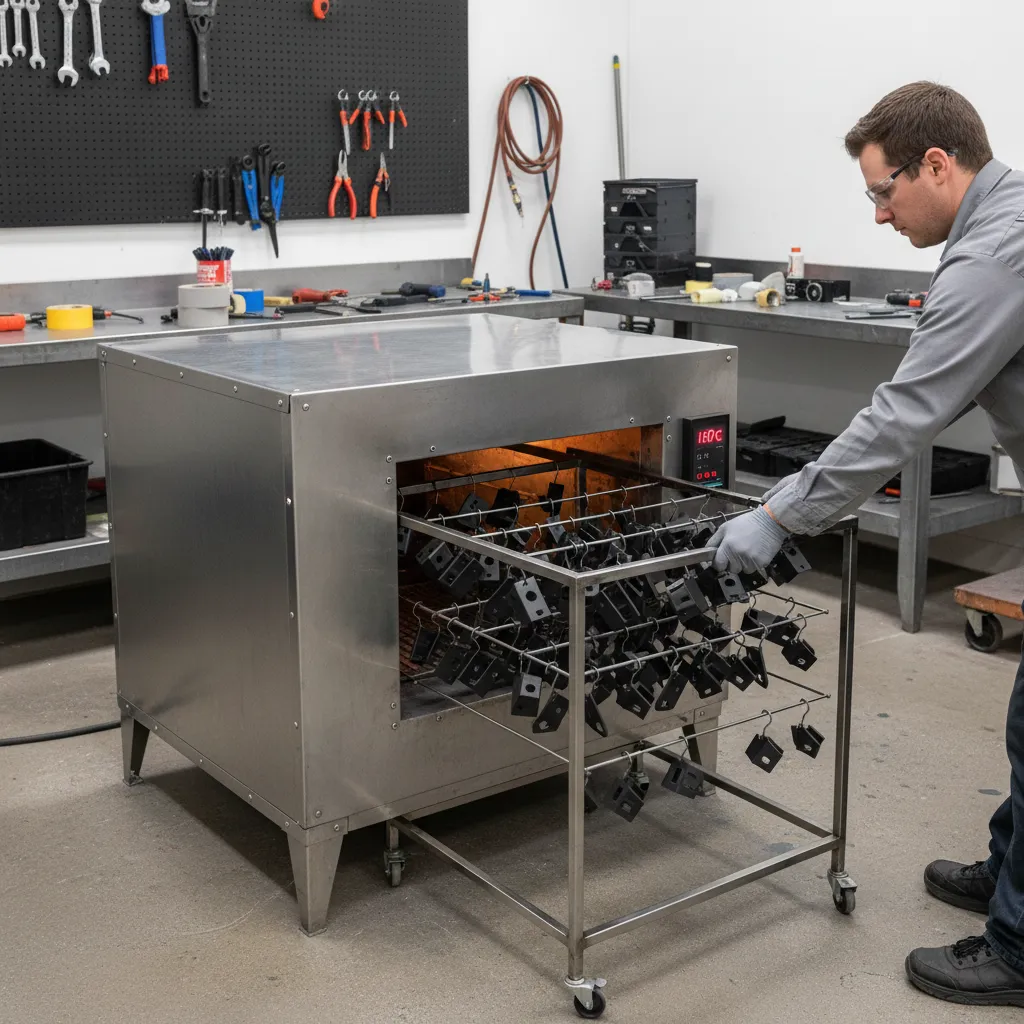
Coating hardens and bonds to the substrate
The coating cures under controlled temperature and humidity. We don't rush this phase. Full cure strength takes time, and we give it that time.
Visual verification and documentation for every lot
Inspectors verify complete, uniform coverage across all surfaces. Type I parts must show consistent gold or tan iridescence. Type II parts are checked for even formation without bare aluminum. Solution concentration, temperature logs, and immersion times are compiled into a Certificate of Conformance. Parts destined for Cerakote® topcoat transfer within 24 hours under contamination-free handling.
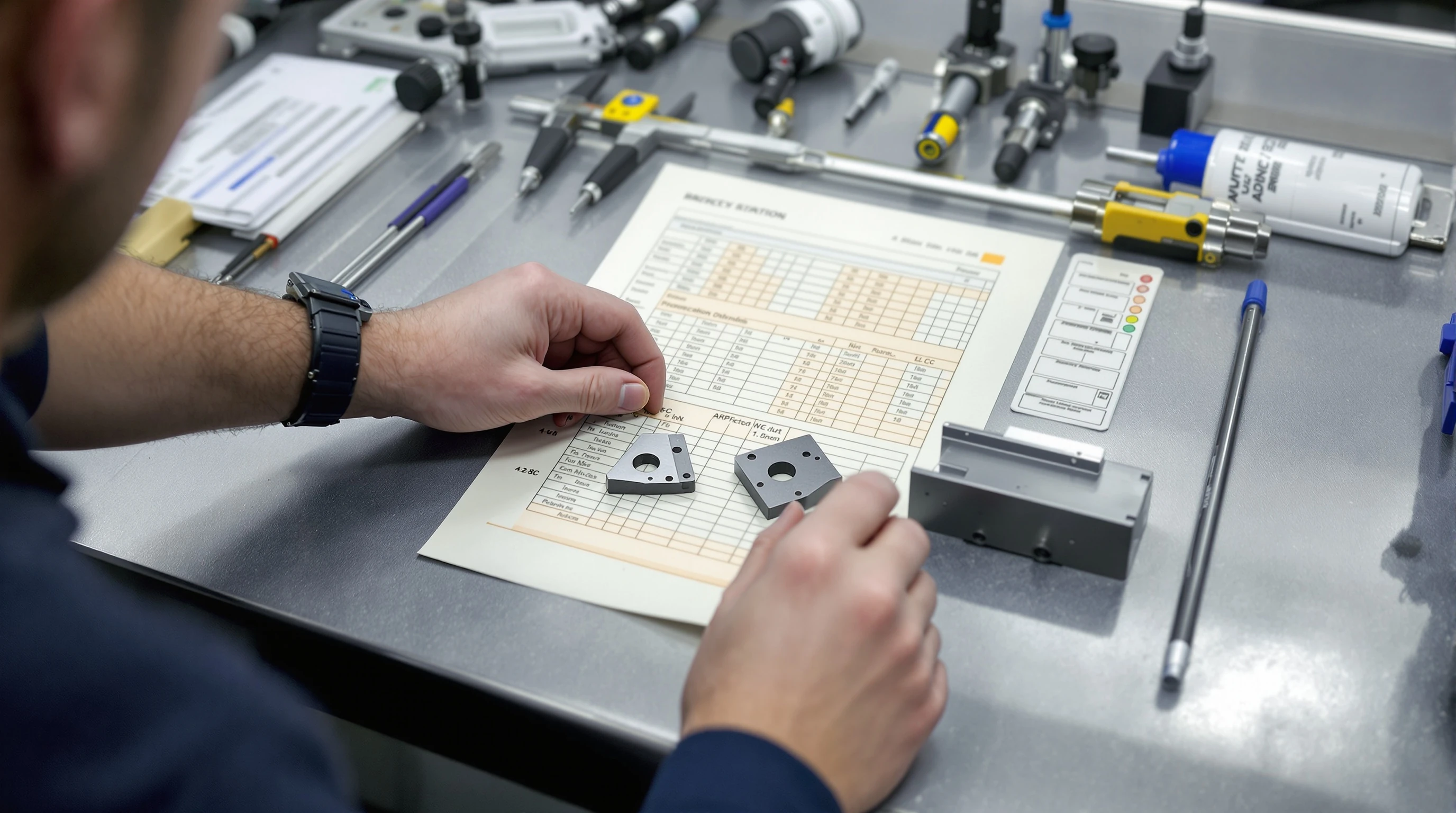
Every part is measured and tested before shipment
We measure coating thickness, check for defects, and verify specifications. Documentation is prepared for your records. Only parts that pass leave our facility.
Frequently Asked Questions
Find answers about our coating processes and technical capabilities
Every Cerakote job at ColoradoKote is tracked under our AS9100:2015 quality management system with full material batch numbers, application parameters, cure profiles, and inspection data. Parts ship with a Certificate of Conformance documenting coating thickness (0.5-2 mils), adhesion, color consistency (Delta E 1.5), and all process variables. This level of documentation satisfies aerospace OEM and Tier 1 supplier quality requirements, including those we maintain for multiple manufacturers.
In many aerospace applications, yes. Cerakote delivers 3,000 hours of salt spray resistance (ASTM B117) compared to 336-1,000 hours for anodizing, and it eliminates the 20-60% fatigue debit that anodizing causes on aluminum substrates. It also works on titanium, Inconel, and composites, not just aluminum. We recommend discussing your specific specification requirements during quoting, as some programs require formal qualification testing for coating substitution.
Cabin interior components typically use H-Series Cerakote, which meets aerospace flammability requirements per third-party testing against Cerakote lab reports. The coating adds only 0.5-2 mils of thickness, preserving tolerances on latches, brackets, and trim components. Color consistency at Delta E 1.5 ensures visual uniformity across large cabin interior programs where hundreds or thousands of parts must match precisely.
At 0.5-2 mils thickness, Cerakote preserves interference fits and thread engagement that powder coating at 4-6 mils cannot maintain. We mask threaded holes, bearing surfaces, and critical datum features per documented masking plans reviewed against your engineering drawings. Over 20,000 parts coated with zero quality issues demonstrates the process control needed for precision aerospace hardware.
Yes. We run the complete preparation-to-coating sequence in-house: ultrasonic cleaning removes machining fluids and contaminants from blind holes and internal passages, chemical conversion coating (chromate or non-chromate) provides the adhesion-promoting base layer, and Cerakote ceramic coating delivers the final corrosion and wear barrier. Running this full stack under one AS9100 quality system eliminates handoff risk between multiple vendors and compresses your lead time.
Protect Your Aluminum Components
Request a conversion coating quote. We respond within 24 hours with specification guidance.
