Medical Devices
Precision Cerakote ceramic coatings for aerospace, defense, and industrial components.
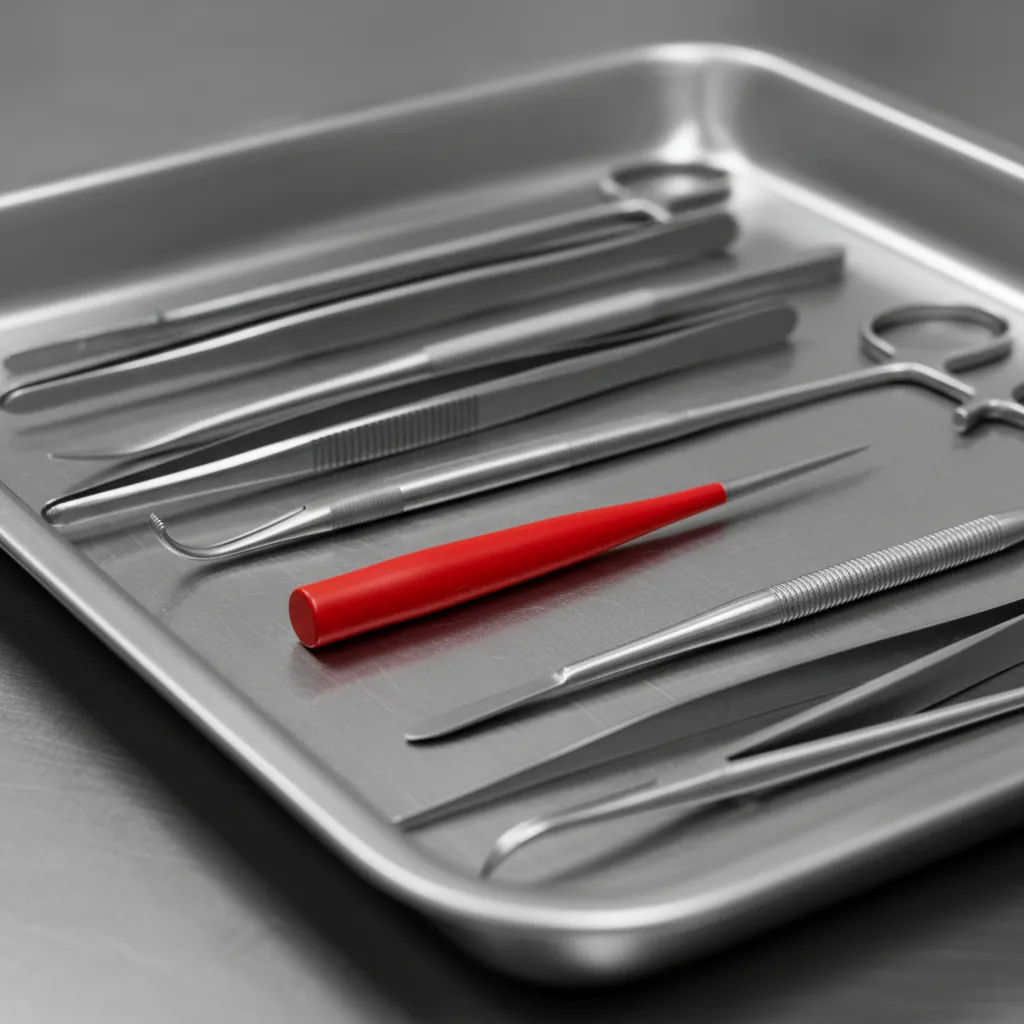
What Medical Device Manufacturing Demands
Sterilization is relentless
Coating Properties for Medical Applications
Cerakote® ceramic coating delivers the sterilization resistance, chemical durability, and dimensional precision that medical device applications demand, with full process documentation for regulatory support.
Medical devices endure repeated autoclave cycles at 134°C, chemical wipe-downs with harsh disinfectants, and mechanical handling that chips conventional finishes. Cerakote®'s ceramic matrix resists these exposures while maintaining adhesion and appearance across hundreds of sterilization cycles.
The thin-film application at 0.5–2 mils preserves the dimensional precision that surgical instruments and diagnostic components require, adding protection without affecting fit, function, or ergonomic design.
Why Ceramic Coating Serves Medical Applications
Anodizing is limited to aluminum. Plating adds inconsistent thickness. Paint chips and harbors bacteria at failure points. Cerakote® bonds to stainless steel, titanium, aluminum, and polymer substrates with chemical resistance that survives autoclave sterilization and instrument reprocessing protocols.
Certifications behind every coating
We hold the credentials your industry demands. Every coating we apply meets or exceeds the standards that keep your components performing.

AS9100 quality management
The highest standard for quality management in coating operations, ensuring our processes meet the most demanding traceability requirements.
ITAR defense manufacturing compliance
Authorized to handle controlled defense articles and technical data with proper security protocols.
ISO 9001 quality systems certification
Demonstrates our commitment to consistent quality and continuous improvement across all operations.
How We Coat for Medical Device Applications
Controlled environment, documented at every step
Receiving & Requirements Review
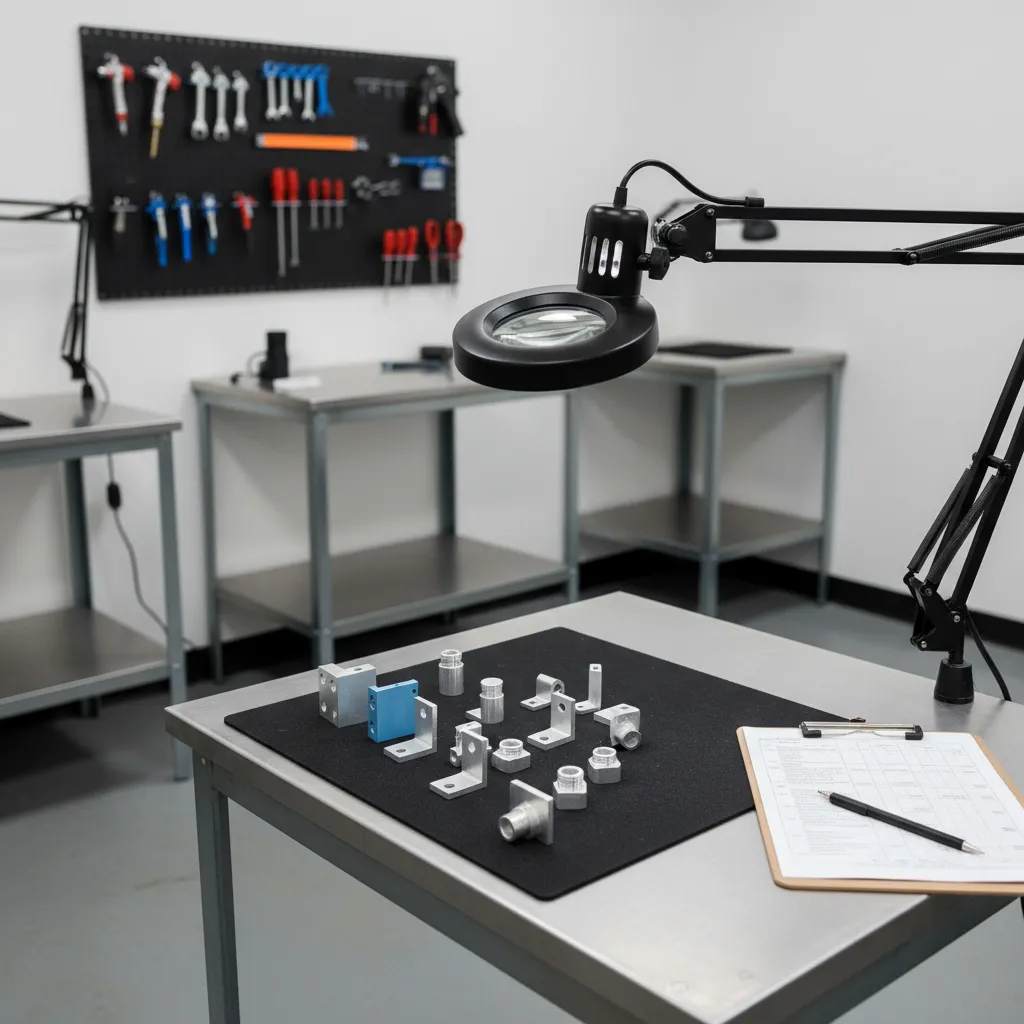
Components inspected and logged. Material identification, tolerance requirements, and sterilization protocol documented. Color coding specifications confirmed for instrument identification systems.
Controlled Surface Preparation
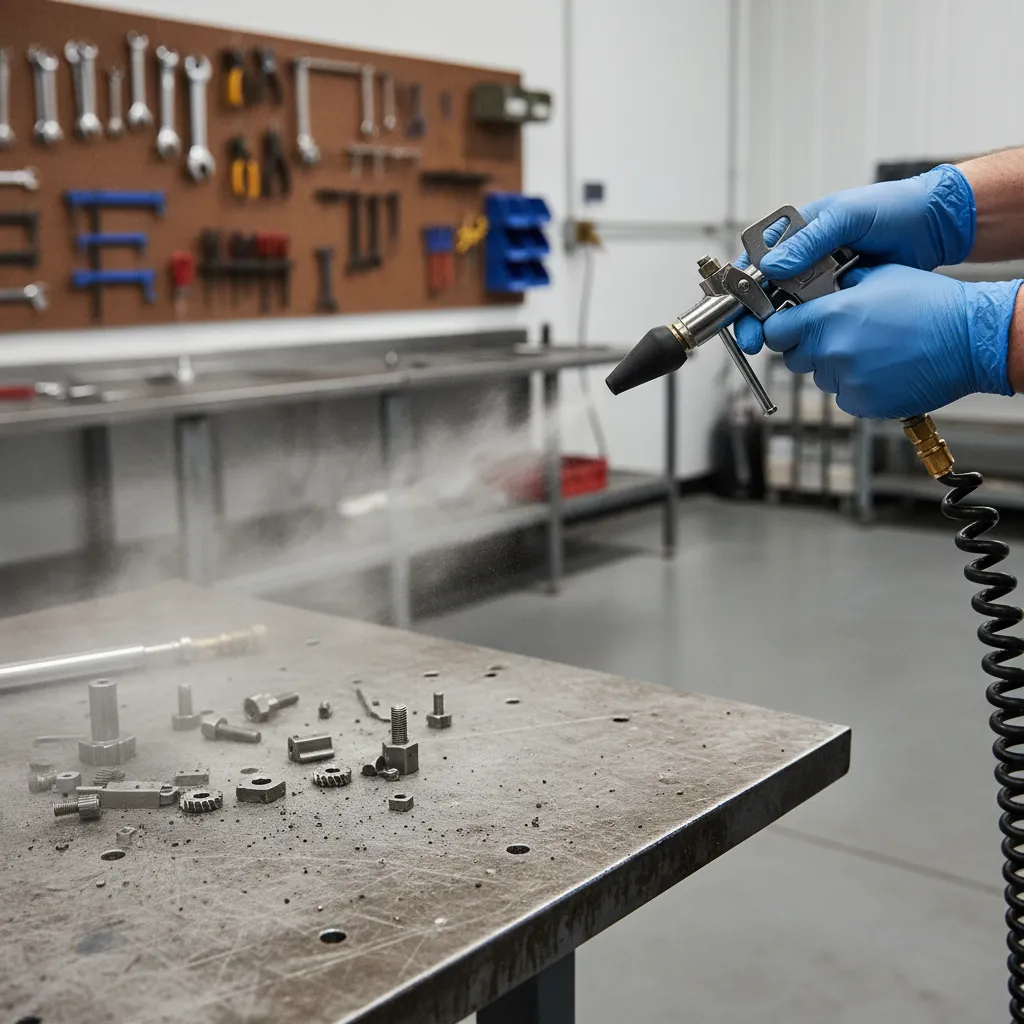
Precision media blasting for optimal adhesion without dimensional impact. Critical surfaces, electrical contacts, and mating interfaces masked. Ultrasonic cleaning in controlled environment removes all contaminants.
Application, Cure & Verification
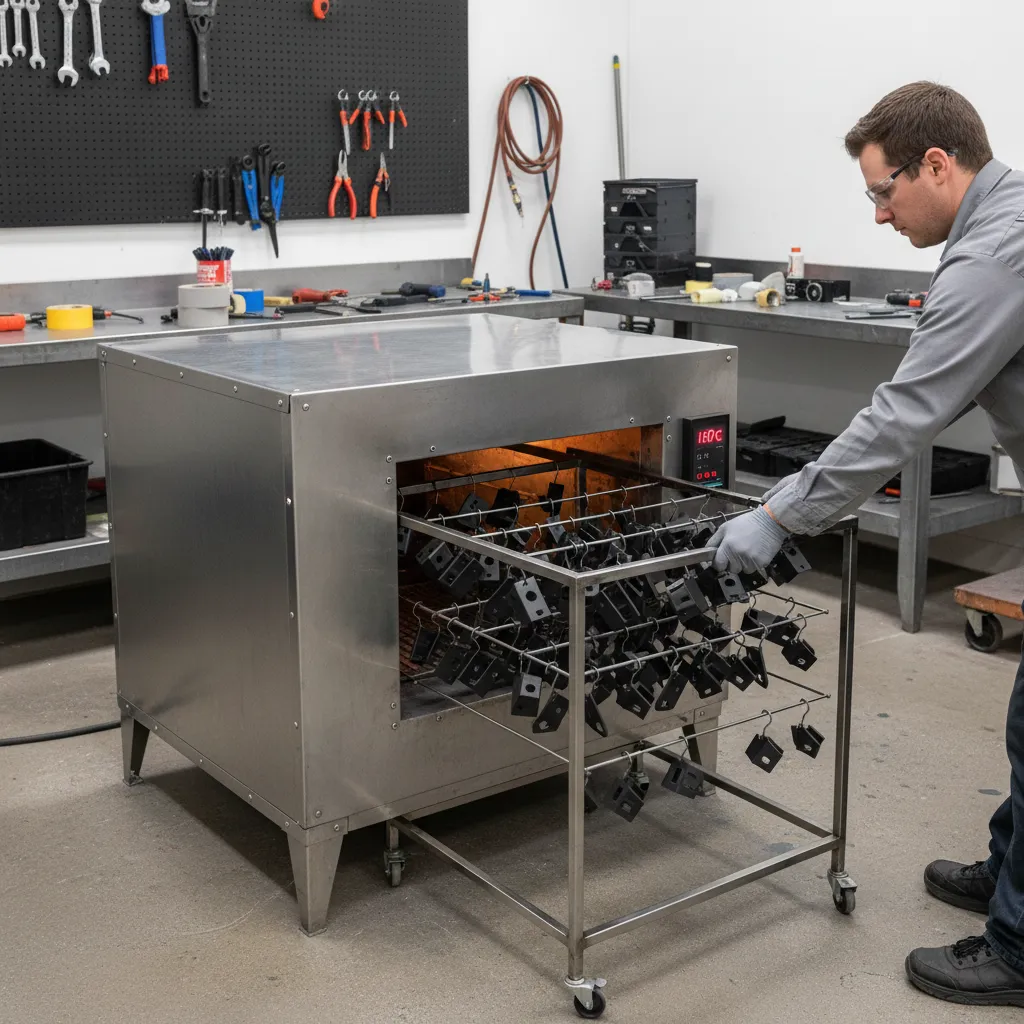
Cerakote® applied in controlled layers with thickness verification at critical dimensions. Oven-cured per specification. Post-cure inspection includes dimensional verification, adhesion testing, color confirmation, and visual examination. Full documentation package provided for regulatory files.
Medical Components We Coat
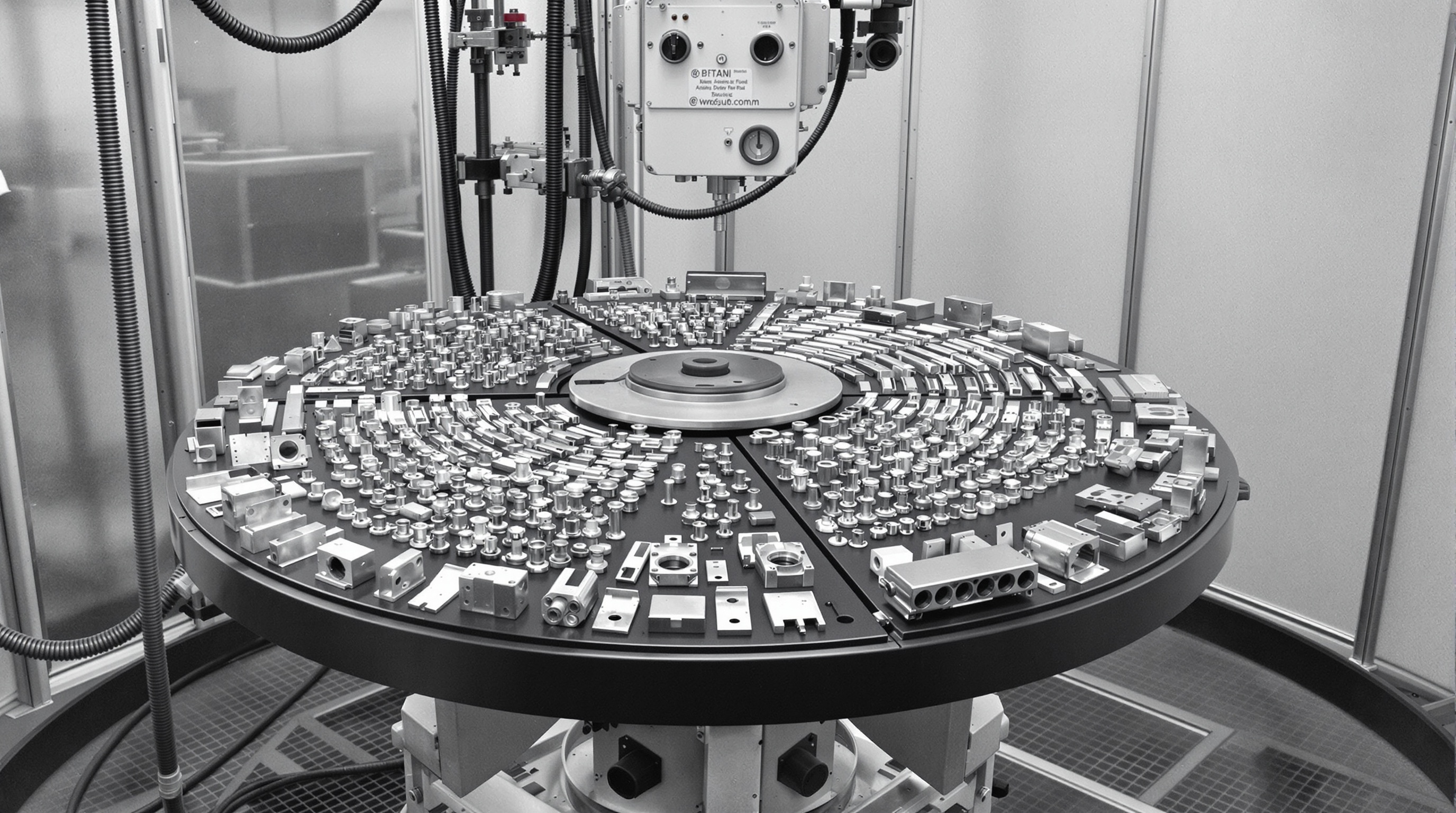
Prototypes, instruments, housings, and diagnostic equipment

Why Cerakote for Oil and Gas Weight Savings
Thin-film protection for demanding environments

Why Cerakote for Medical Weight Reduction
Thin-film protection for precision instruments

Why Cerakote for Maritime Weight Reduction
Thin-film saltwater protection at reduced mass
Why Cerakote for Industrial Weight Reduction
Thin-film protection that preserves design tolerances
What matters most
The performance data that matters for your operation
Sterilization Cycle Resistant
Cerakote® maintains adhesion, color, and barrier integrity through hundreds of autoclave sterilization cycles at 134°C. Chemical resistance withstands daily instrument reprocessing with enzymatic cleaners and disinfectants.
Full ISO 9001 Documentation
Certificate of Conformance with every shipment. Material traceability, application parameters, cure data, thickness measurements, and adhesion results documented for regulatory file support and device history records.
Dimensional Precision at 0.5–2 Mils
Thin-film application preserves critical tolerances on surgical instruments and diagnostic components. Consistent thickness control across complex geometries maintains fit and function specifications.
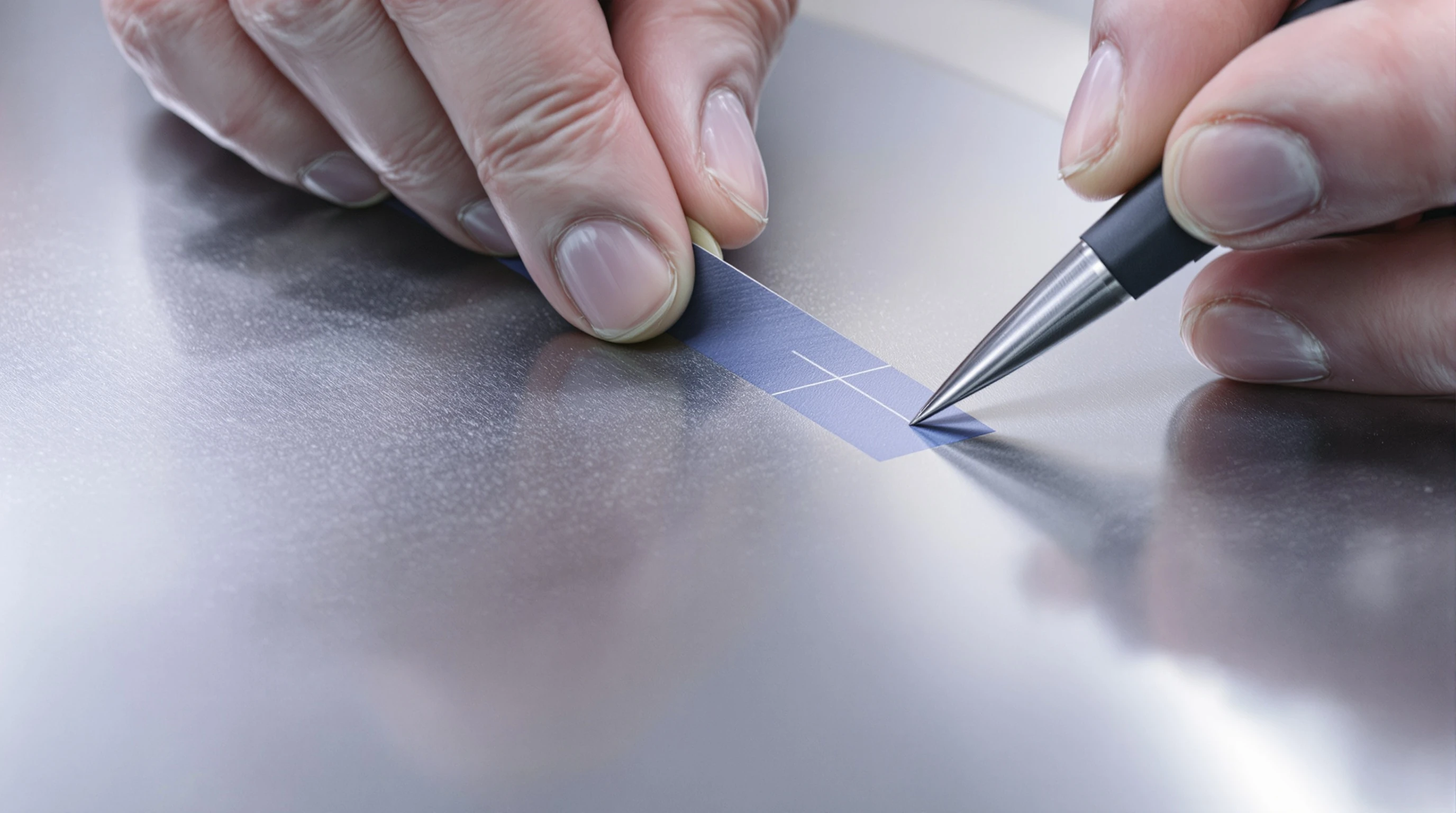
Durable Color Coding for Instrument ID
Spectrophotometer-verified color consistency for instrument identification systems. Color maintains visibility through sterilization cycles, chemical exposure, and daily handling that fades printed markings and anodized colors.
Frequently Asked Questions
Find answers about our coating processes and technical capabilities
Yes. Additive manufactured jigs, fixtures, and production tooling made from SLS nylon or metal AM benefit significantly from Cerakote's 9H hardness. Uncoated AM surfaces wear quickly at contact points, limiting tooling life. Cerakote transforms these surfaces into hardened, abrasion-resistant working faces that extend tooling service life by multiples. Our 14-day standard turnaround with expedited options keeps your tooling production on schedule.
ColoradoKote holds ISO 9001:2015 for quality management, AS9100:2015 for aerospace-grade process controls, and Cerakote Advanced Applicator certification. While many industrial applications do not require AS9100, having it means your OEM parts benefit from the same documented processes, traceability, and continuous improvement systems used for aerospace production. Quality costs the same either way.
Yes. Our facility in Johnstown, CO is equipped for both prototype quantities and recurring production runs. We have processed 20,000+ parts with zero quality escapes, demonstrating the consistency OEMs require for production programs. Our AS9100 and ISO 9001 quality systems ensure the same process controls apply whether we coat 10 parts or 10,000.
We coat parts from all major polymer and metal additive manufacturing processes. Polymer AM includes SLS (PA12, PA11), Multi Jet Fusion (MJF), and FDM/FFF when surface quality permits. Metal AM substrates include Ti-6Al-4V, AlSi10Mg, 316L stainless steel, Inconel, and maraging steel produced by DMLS, SLM, or EBM. Current capacity is 200 AM parts per week with standard 14-day turnaround and 3- or 7-day expedited options available.
We blast oil and gas components at 80 to 100 PSI using appropriate media to achieve the surface profile Cerakote requires for maximum adhesion. For stainless steel components, we follow blasting with passivation to restore the chromium oxide layer before applying ceramic topcoat. This multi-step approach ensures the coating system performs in the aggressive environments oil and gas equipment operates in.
Discuss Your Medical Project
Request a consultation for medical device coating feasibility. We respond within 24 hours.