Automotive R&D
Precision Cerakote ceramic coatings for aerospace, defense, and industrial components.

What automotive R&D demands
Deadlines do not move. Neither should your coating.

Weight Reduction Without Sacrificing Protection
Thick coatings add weight that undermines lightweighting efforts. Ceramic coating at 0.5-2 mils delivers full protection with 200-400g savings per part versus powder coating.
Coatings engineered for automotive R&D programs
Cerakote® ceramic coating delivers show-quality aesthetics with functional heat resistance, corrosion protection, and multi-substrate consistency for automotive R&D programs on deadline.
Prototype programs demand coatings that perform double duty: look impeccable for auto shows and investor demos while surviving durability testing, thermal cycling, and fluid exposure. Cerakote® delivers both in a single application at 0.5–2 mils.
Multi-substrate assemblies are our specialty. When your prototype combines aluminum, steel, carbon fiber, and 3D-printed components, Cerakote provides one consistent finish across all materials, eliminating the multi-vendor, multi-process coating approach that delays prototype timelines.
Why Cerakote® Beats Traditional Automotive Finishes for R&D
Automotive paint requires primer, base, and clear coat at 4–6 mils total. Powder coating adds 3–5 mils and cannot handle carbon fiber. Plating is substrate-specific. Cerakote delivers color-matched ceramic coating across all prototype materials at 0.5–2 mils with heat resistance to 1,800°F on exhaust components.
Certifications behind every coating
We hold the credentials your industry demands. Every coating we apply meets or exceeds the standards that keep your components performing.

AS9100 quality management
The highest standard for quality management in coating operations, ensuring our processes meet the most demanding traceability requirements.
ITAR defense manufacturing compliance
Authorized to handle controlled defense articles and technical data with proper security protocols.
ISO 9001 quality systems certification
Demonstrates our commitment to consistent quality and continuous improvement across all operations.
How we coat for automotive R&D
Flexible process built for prototype speed and multi-substrate complexity
Prototype Review & Material Assessment
Parts evaluated for substrate type, surface condition, and functional requirements. Multi-material assemblies mapped for preparation protocol and color consistency planning.
Surface Preparation & Masking
Substrate-specific media blasting for optimal adhesion on metals, composites, and polymers. Show surfaces protected during preparation. Critical fitment points and electrical contacts masked per prototype specifications.
Application, Cure & Color Verification
Cerakote® applied in controlled layers with spectrophotometer-verified color consistency across multi-material assemblies. Cure temperature matched to substrate requirements. Final inspection includes thickness, adhesion, color, and visual examination for show-quality standards.
What we coat for automotive R&D
From EV battery enclosures to carbon fiber body panels and exhaust headers

Why Cerakote for Oil and Gas Weight Savings
Thin-film protection for demanding environments

Why Cerakote for Medical Weight Reduction
Thin-film protection for precision instruments

Why Cerakote for Maritime Weight Reduction
Thin-film saltwater protection at reduced mass
Why Cerakote for Industrial Weight Reduction
Thin-film protection that preserves design tolerances
What matters most
The performance data that matters for your operation
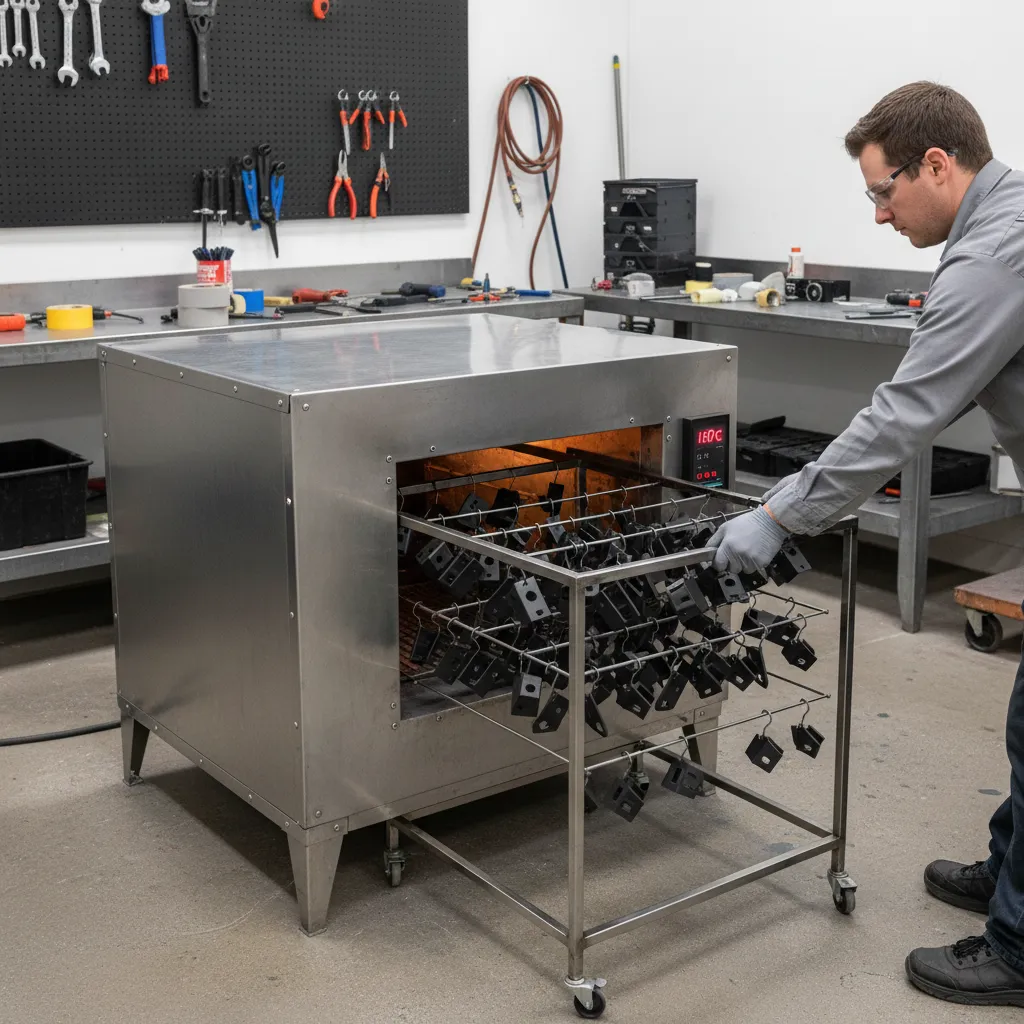
Heat Resistance to 1,800°F
Cerakote® H-Series ceramic coating withstands exhaust temperatures and under-hood thermal cycling. Corrosion resistance exceeds 3,000 hours ASTM B117 salt spray on prototype components exposed to road spray and fluid contact.
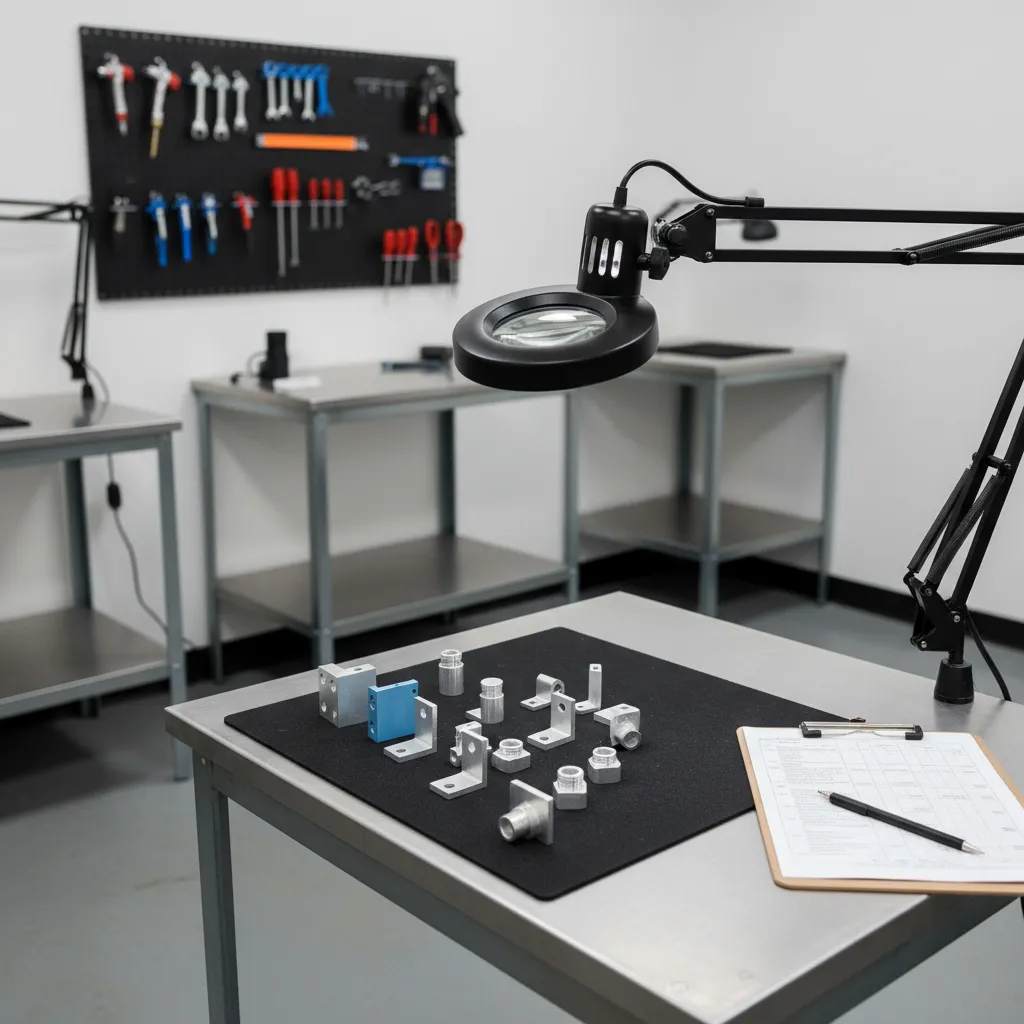
Full ISO 9001 Documentation
Certificate of Conformance with every prototype shipment. Material traceability, color verification data (Delta E measurements), thickness readings, and adhesion test results for R&D program documentation.
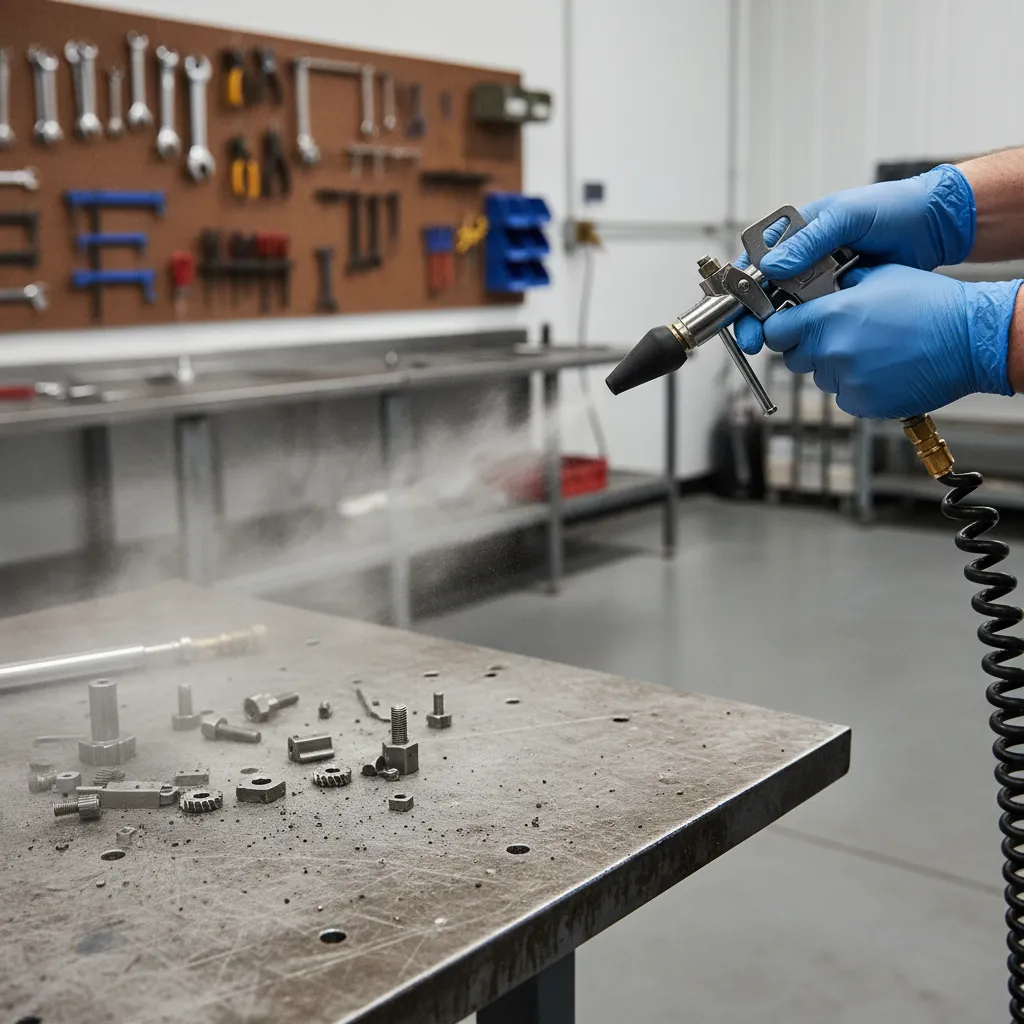
Delta E ≤1 Multi-Substrate Color Match
Spectrophotometer-verified color consistency across aluminum, steel, carbon fiber, and 3D-printed prototype components. 200+ standard colors plus custom color matching eliminates the visual inconsistency of substrate-specific finishes.
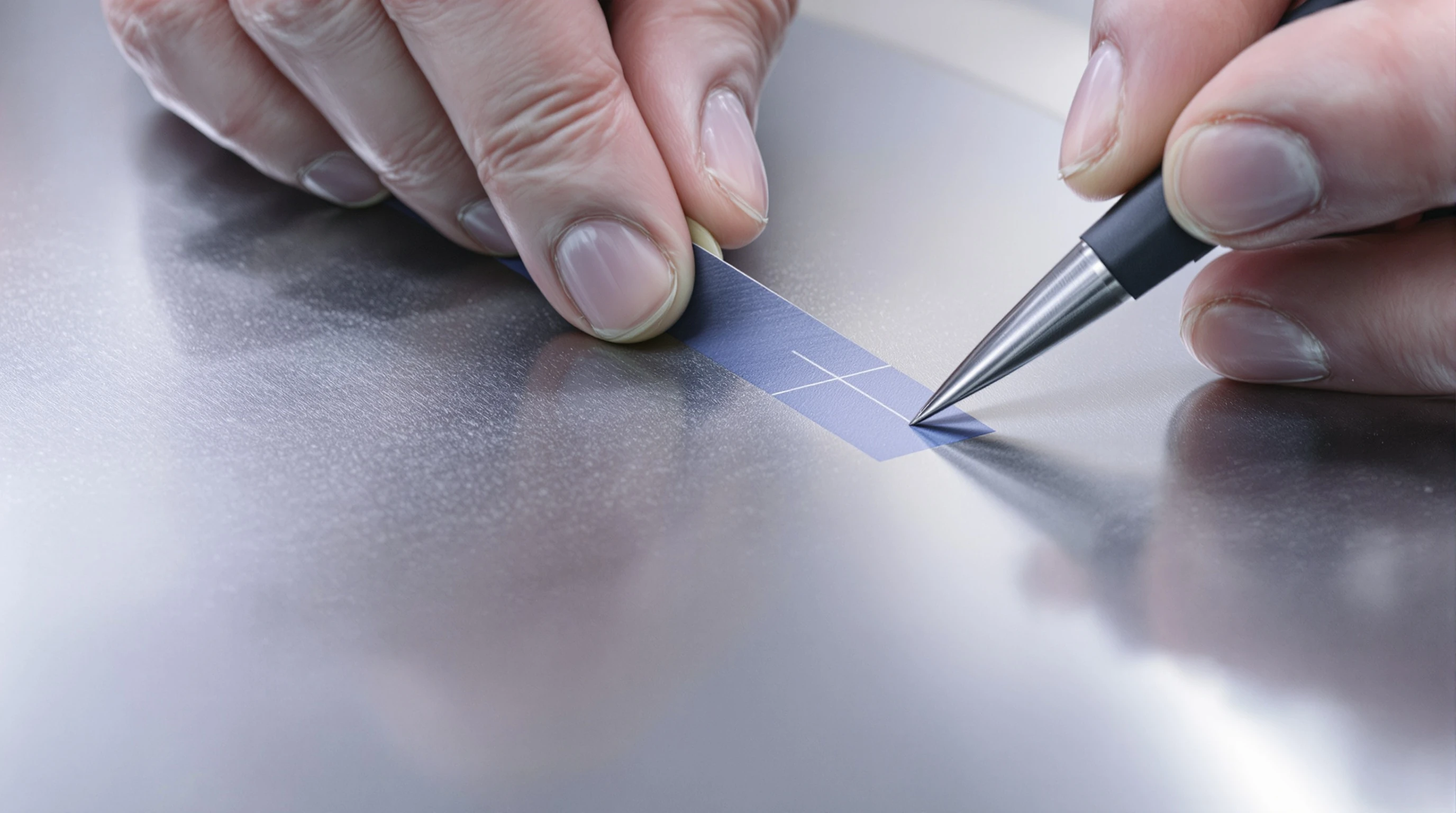
Prototype-Speed Turnaround
Flexible production scheduling for prototype quantities with expedited options for show deadlines. Consistent quality from single-piece prototypes through small-batch pre-production runs.
Frequently Asked Questions
Find answers about our coating processes and technical capabilities
Yes. Medical device OEMs often require precise brand color matching on instrument handles, device housings, and equipment panels. Our spectrophotometer-verified matching to Delta E 1.5 ensures your devices maintain consistent brand identity across production lots and reorders. Cerakote's durability through sterilization and clinical use preserves brand appearance far longer than paint or pad printing alternatives.
Yes. Metal additive parts often have micro-porosity that compromises corrosion resistance and fatigue life. Cerakote penetrates and seals surface-connected porosity during application, creating a continuous barrier against moisture and chemical ingress. Combined with our chemical conversion coating and passivation pre-treatments, the full stack addresses both surface and subsurface porosity for corrosion protection rated at 3,000 hours salt spray (ASTM B117).
No. At 0.5-2 mils thickness, Cerakote adds negligible weight compared to powder coating at 4-6 mils. For AM parts designed with topology optimization and lattice structures to minimize mass, this thin-film approach preserves the weight savings of additive manufacturing while adding corrosion, wear, and chemical resistance. The weight impact is typically measured in fractions of a gram on small-to-medium components.
Every part is solvent-cleaned and degreased, then media-blasted at 80-100 PSI with blast media selected for the specific substrate material. Aluminum, titanium, steel, and polymer substrates each receive tailored preparation to create the optimal surface profile for Cerakote adhesion. For parts requiring maximum corrosion protection, we apply chemical conversion coating and passivation before Cerakote, running the full stack under our AS9100 quality system.
Yes. Our blast operations run in a dedicated cabinet with controlled media flow, filtered exhaust, and humidity monitoring. Contamination from prior substrates is prevented through media segregation and cabinet purging between material types. This matters for aerospace because cross-contamination, particularly iron transfer to titanium or aluminum, causes corrosion initiation sites that undermine the entire coating system. All controls are documented under AS9100.
Start Your Automotive R&D Project
Request a quote with your prototype specs. We respond within 24 hours with timeline and pricing.