
Our Cerakote Ceramic Coating Process
Every component moves through surface preparation, precision
application, and controlled curing, each step documented under AS9100
and ISO 9001 protocols.
Three Stages of Aerospace-Grade Ceramic Coating
Each stage is controlled, measured, and documented to deliver repeatable Cerakote performance across production volumes.
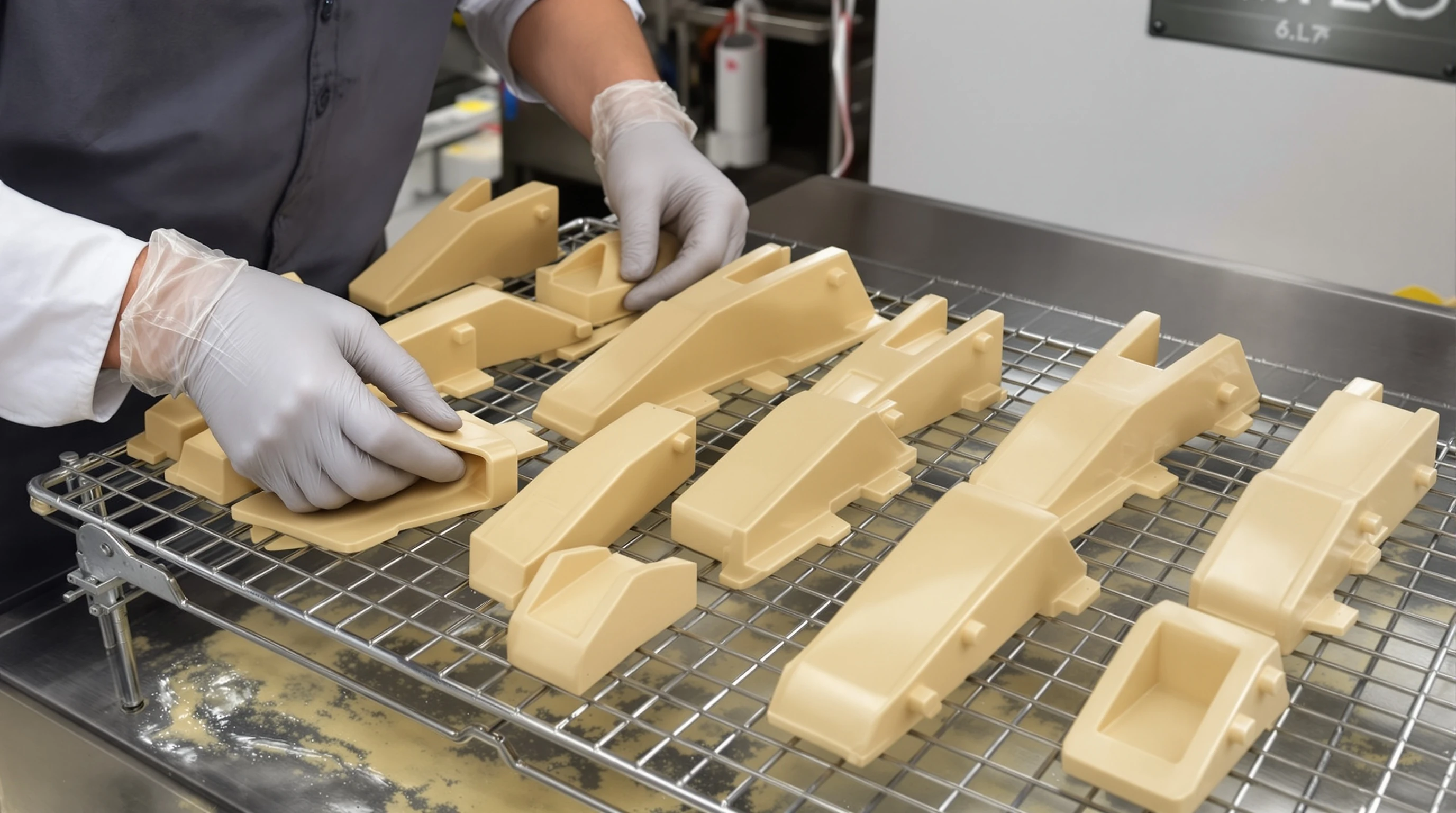
Surface preparation sets the foundation
Parts are solvent-cleaned, degreased, and media blasted to
create the optimal surface profile for coating adhesion. Critical
dimensions, threads, and mating surfaces are precision-masked to preserve
tolerances.
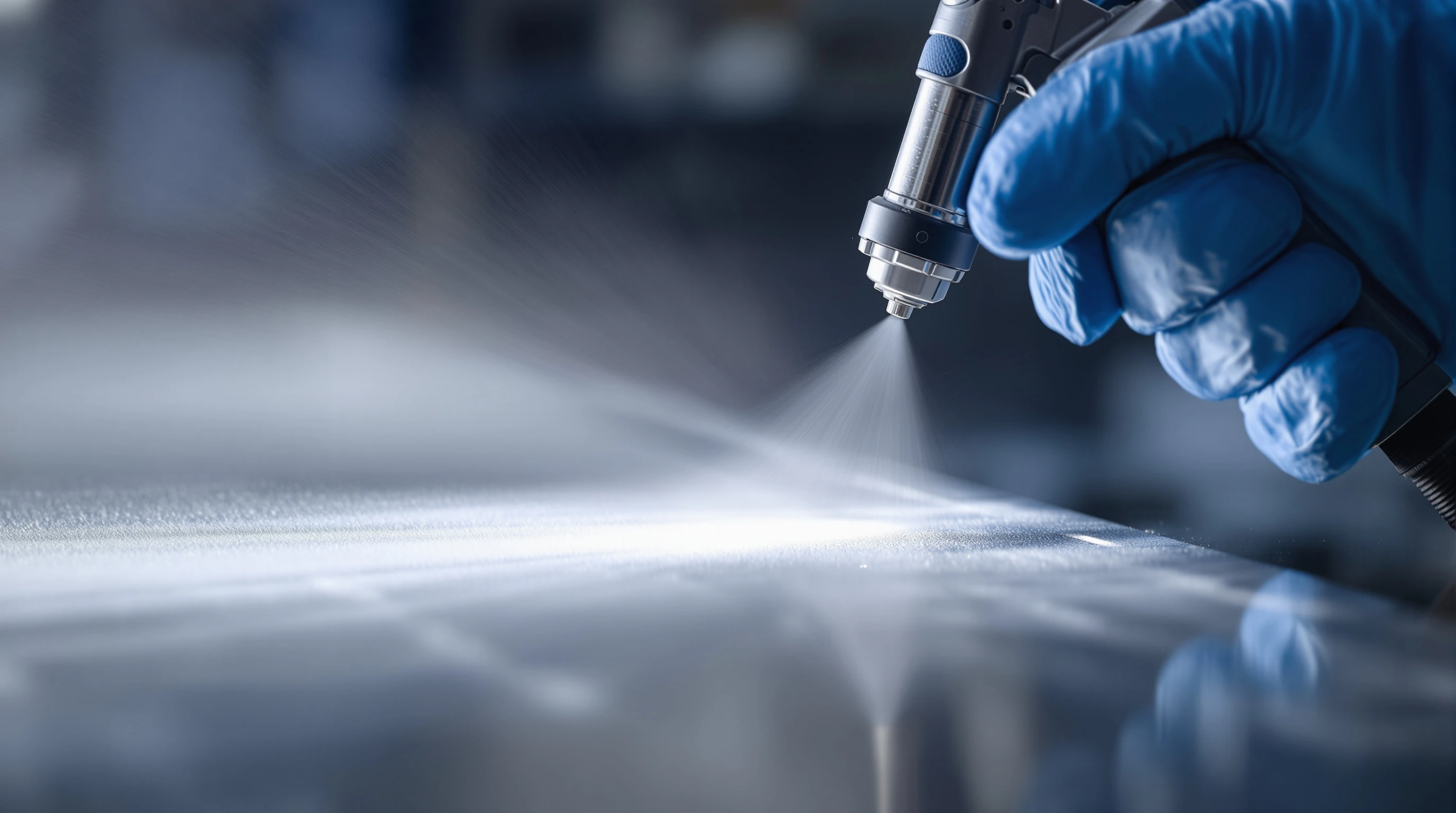
Cerakote goes on
Cerakote® ceramic coating is applied via calibrated HVLP spray at 0.5-2 mils thickness. In-process DFT gauges verify uniform coverage. Advanced Applicator-certified technicians maintain Delta E ≤1.5 color consistency across every run.
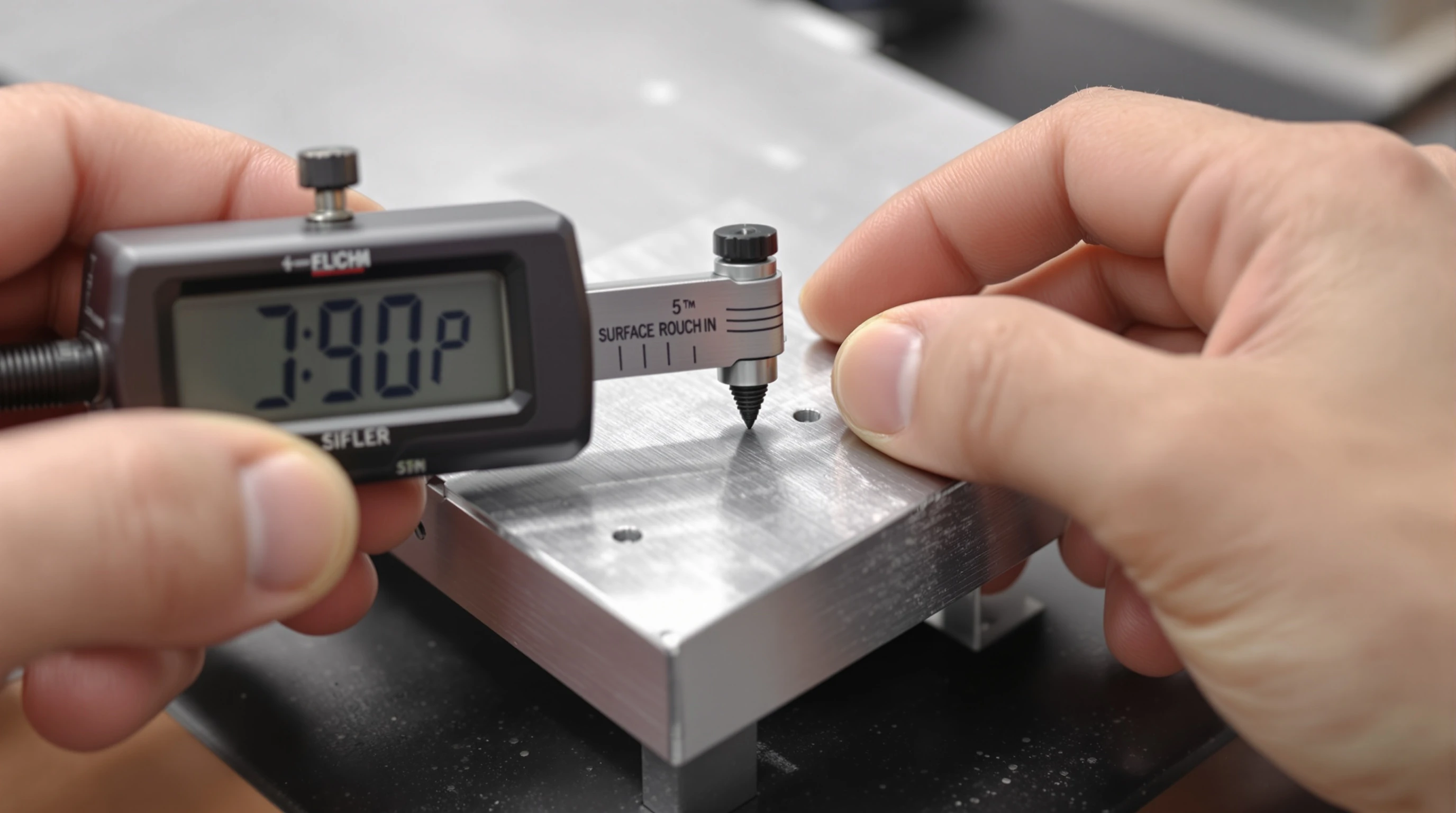
Heat bonds the finish
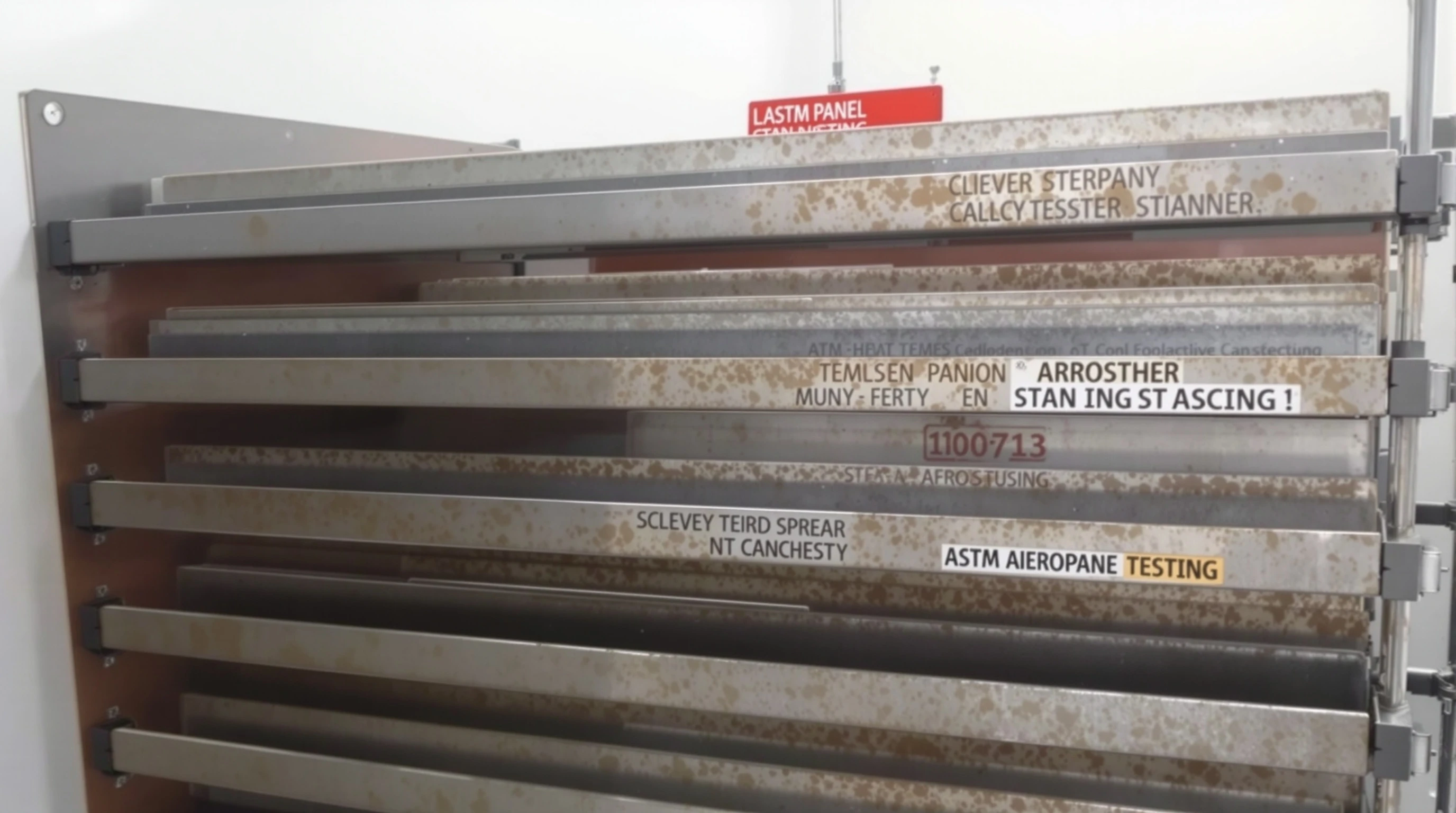
Coated parts cure at 250-300F in temperature-monitored ovens. The prescribed cure schedule bonds the Cerakote® ceramic-polymer matrix to the substrate, producing 9H pencil hardness and 3,000+ hours of ASTM B117 salt spray resistance.
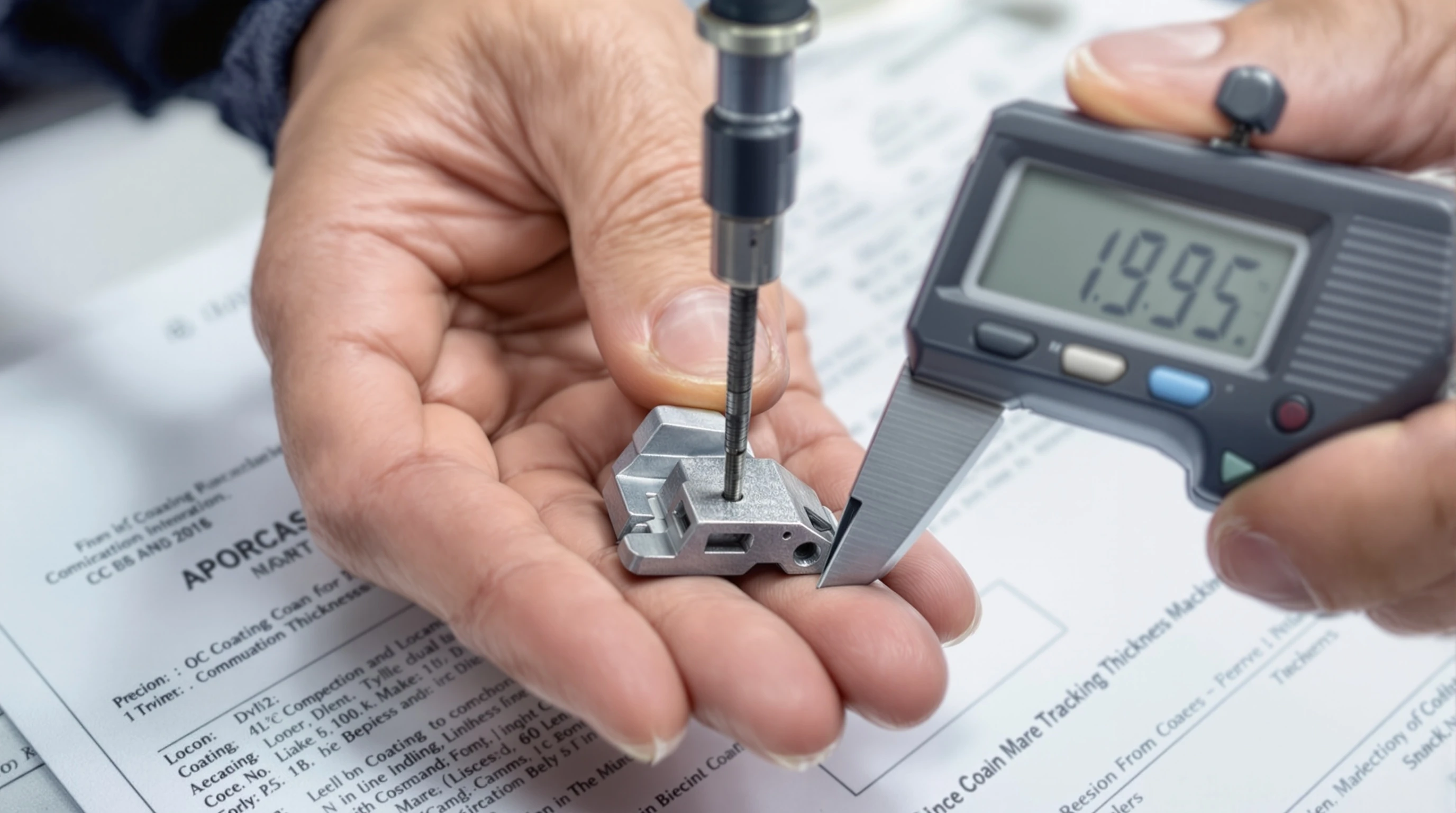

How the Cerakote® Application Process Works
ColoradoKote applies Cerakote® as a thin-film ceramic-polymer composite that delivers corrosion, abrasion, and chemical resistance without altering part dimensions. At 0.5-2 mils, Cerakote preserves tight tolerances that powder coating (3-5 mils) and plating cannot match. Every coating job runs through dedicated Cerakote equipment, operated by NIC Advanced Certified Applicators, and tracked under our AS9100 quality system from intake to shipment.
Measurable Performance from a Controlled Process
Every metric below is verified through standardized testing and
documented in your Certificate of Conformance.
First-pass quality rate
Components meet coating thickness, adhesion, and color specifications on the first application without rework or recoating.
Annual aerospace components
Annual throughput across military and commercial aerospace programs, including a multi-year production run.
Standard turnaround time
Standard turnaround from receipt of parts. 7-day expedited and 3-day rush available for AOG and mission-critical requirements.
Frequently Asked Questions
Find answers about our coating processes and technical capabilities
Additive-manufactured aluminum parts are especially vulnerable to corrosion due to their higher surface porosity compared to wrought stock. Chemical conversion coating per MIL-DTL-5541 creates a uniform protective layer that follows complex AM geometries without building thickness. Type I delivers 168-240+ hours of salt spray resistance (ASTM B117), and the sub-micron layer preserves the dimensional accuracy your additive process was designed to achieve.
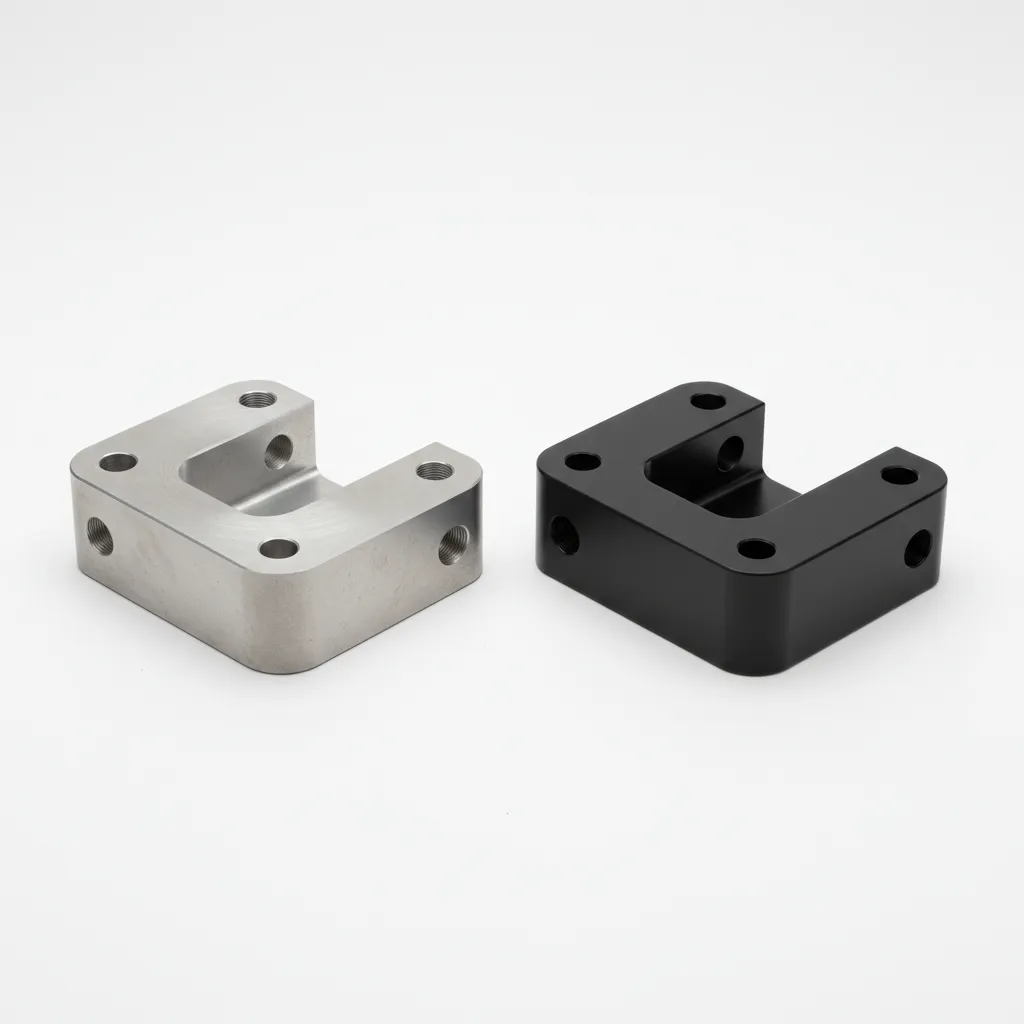
At 0.5-2 mils thickness, Cerakote preserves interference fits and thread engagement that powder coating at 4-6 mils cannot maintain. We mask threaded holes, bearing surfaces, and critical datum features per documented masking plans reviewed against your engineering drawings. Over 20,000 parts coated with zero quality issues demonstrates the process control needed for precision aerospace hardware.
Yes. AM-produced fluid handling components like manifolds, fittings, and pump housings benefit from polymer coating's chemical resistance and porosity-sealing properties. The flexible coating accommodates pressure cycling and thermal expansion while maintaining a continuous barrier against process fluids. For AM parts with internal flow passages, polymer coating seals the inherent surface porosity that would otherwise allow fluid penetration into the build material, preventing both contamination of the process fluid and degradation of the AM substrate.
Performance and track vehicles face road salt, brake dust, fuel exposure, and underhood heat that attack unprotected metal surfaces. Cerakote's 3,000-hour salt spray protection and broad chemical resistance defend against all of these simultaneously. For show vehicles, the coating preserves underhood, suspension, and brake component appearance through seasons of use without the dulling and degradation conventional finishes show.
Cerakote delivers 3,000 hours salt spray resistance (ASTM B117), which translates directly to protection against the chlorides, nitrates, and phosphates in fertilizers and agricultural chemicals. The ceramic-polymer bond resists the corrosive slurries that destroy conventional paint within a single growing season. At 0.5-2 mils thickness, the coating preserves hydraulic fitting threads, PTO shaft tolerances, and implement pin clearances.
Start Your Cerakote Project
Submit your project details and receive a quote within 24 business
hours, including technical approach, pricing, and lead time.