
ColoradoKote
Precision Cerakote ceramic coatings for aerospace, defense, and industrial components.
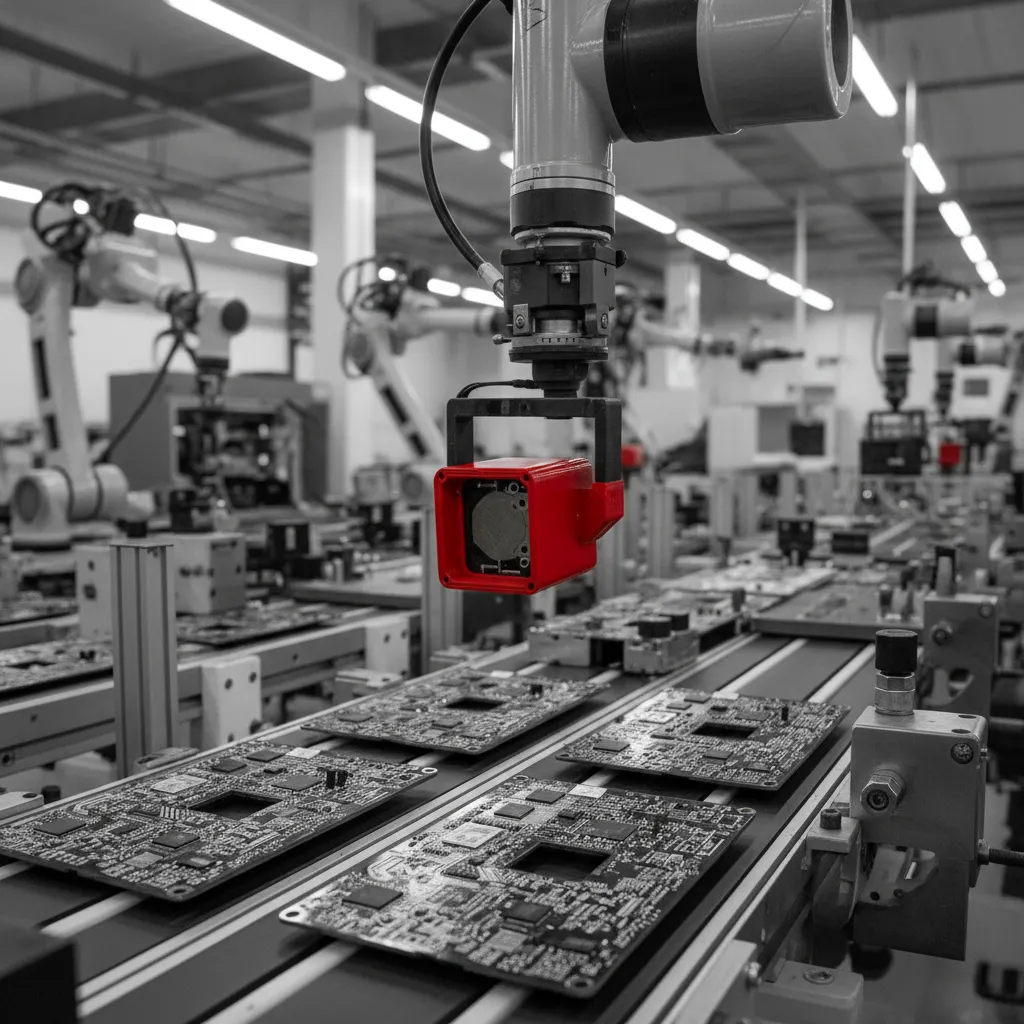
Three Stages of AM Post-Processing
Material-specific protocols protect fine AM features while transforming surface finish from prototype to production grade.
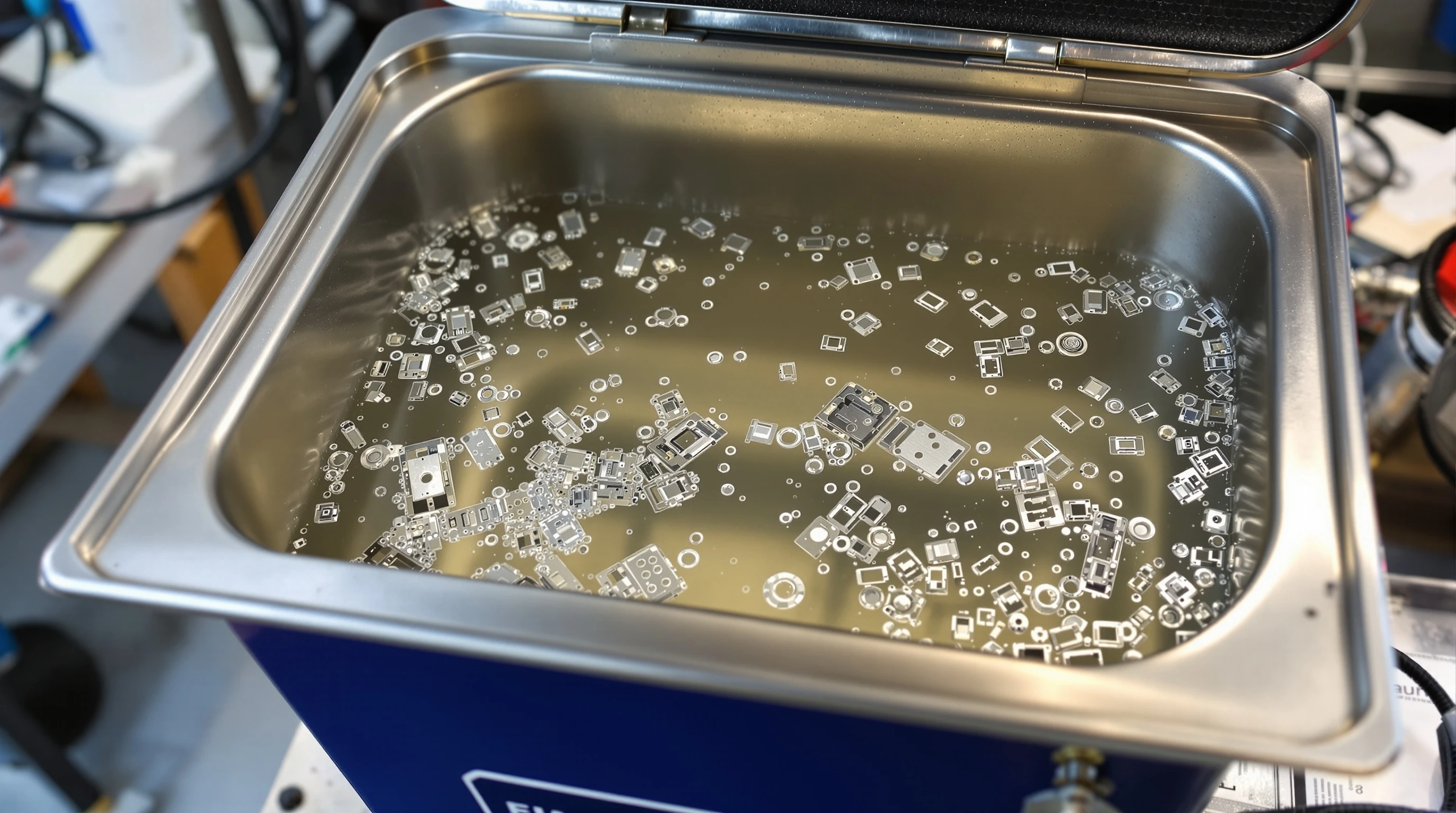
Contaminant Removal Without Damage
Ultrasonic cleaning removes residual powder, support material, and machining residues from AM parts. Frequency and solution chemistry are matched to the substrate material. Polymer parts receive gentle treatment to preserve thin walls and fine features.
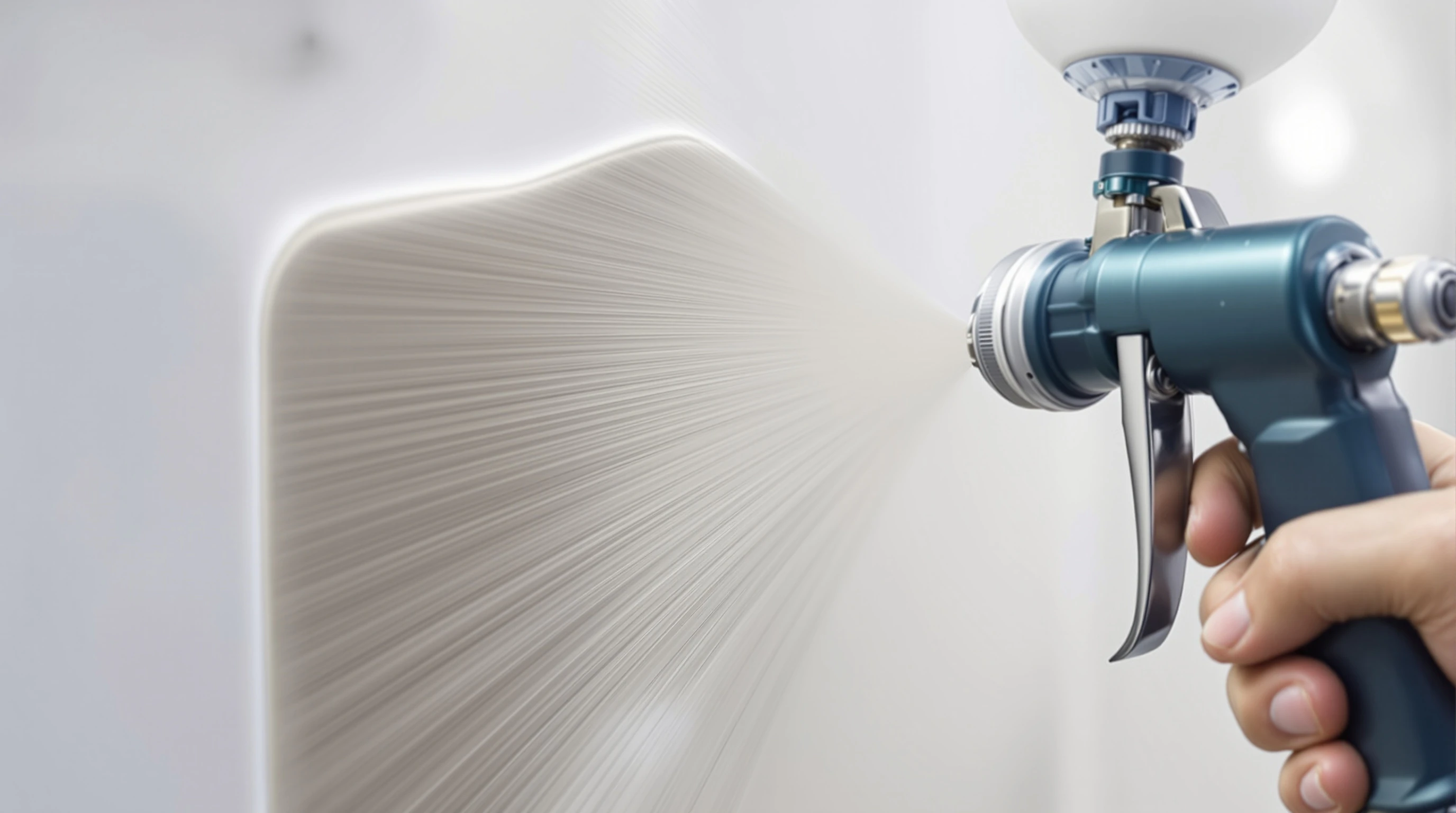
Thin-Film Application Preserves Tolerances
Cerakote® is applied at 0.5-2 mils, reducing surface roughness from Ra 8-15 micrometers to below 3 micrometers. Material-specific blast pressures create adhesion profiles without dimensional distortion on thin-walled geometries.
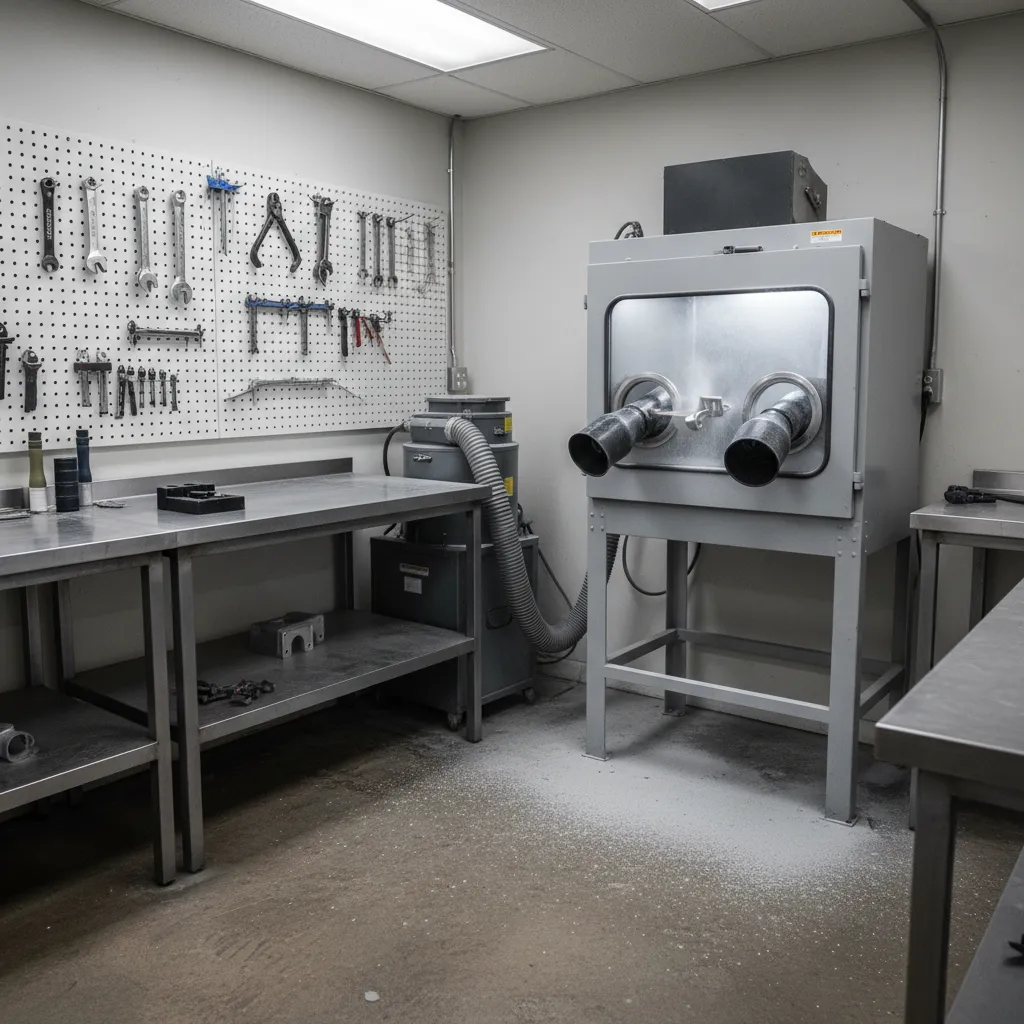
Dimensional Confirmation by CMM
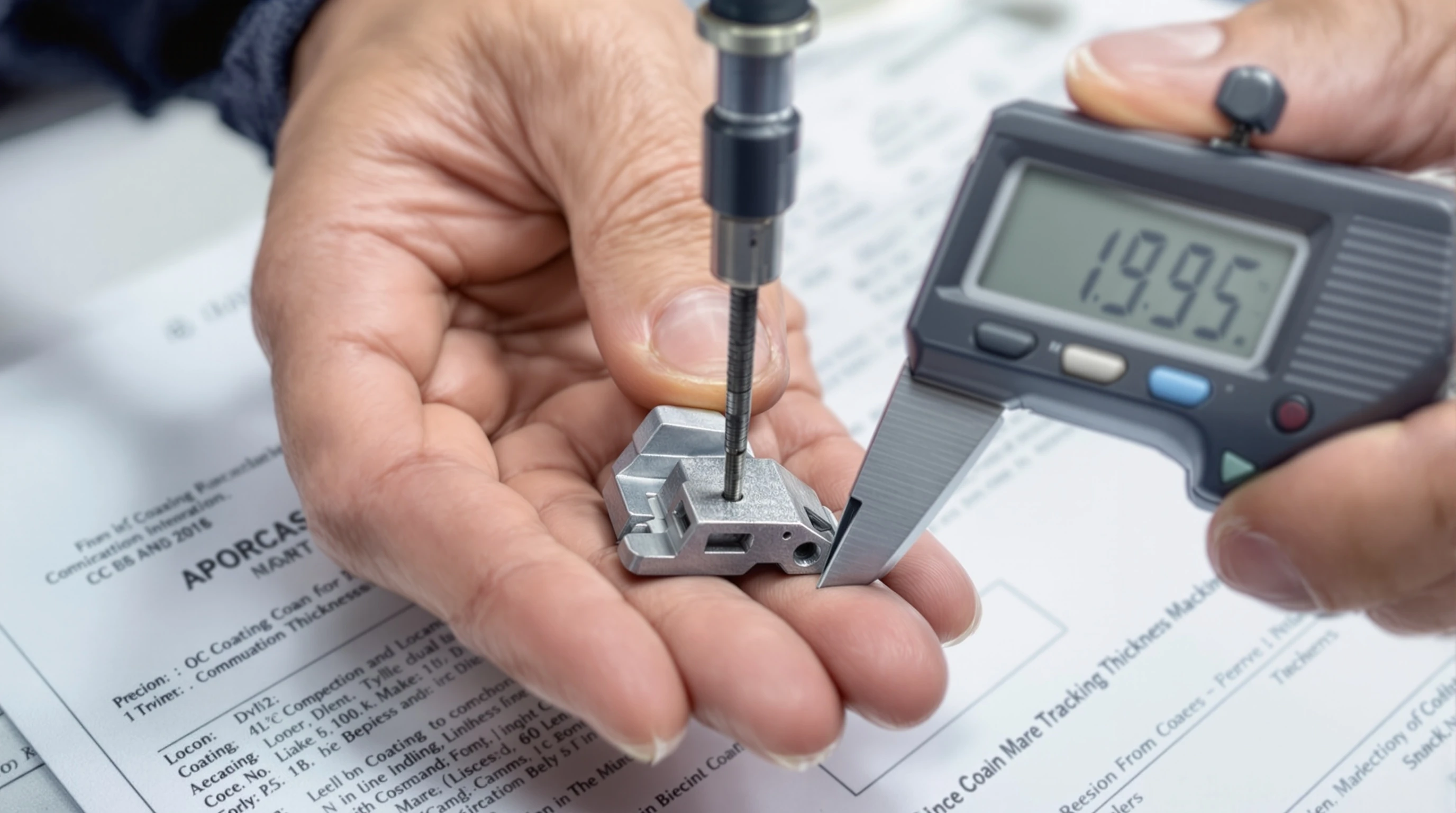
Post-coating CMM measurement verifies dimensional tolerances remain within ±0.0002 inches. Surface roughness readings are documented per customer requirements. A full Certificate of Conformance accompanies every shipment.
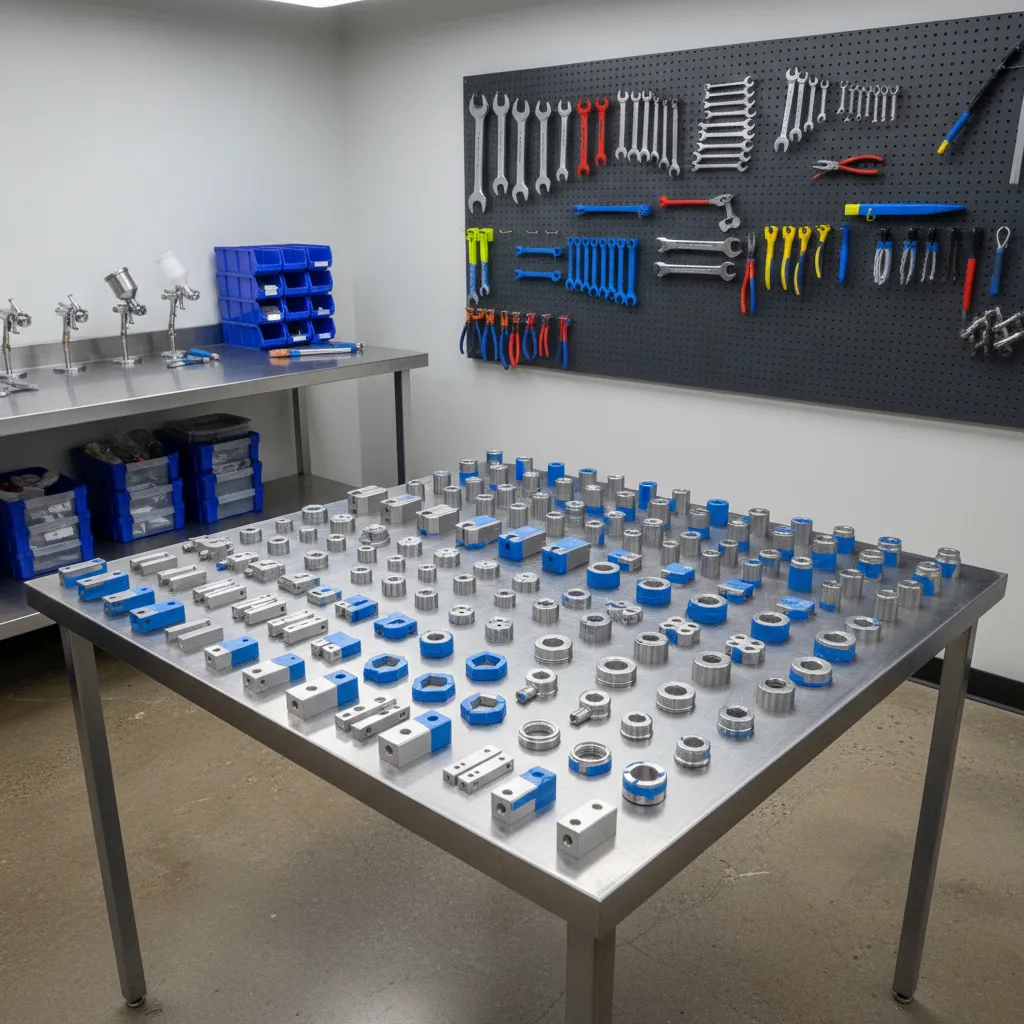

The AM Post-Processing Workflow
Additive manufacturing parts arrive with inherent surface roughness and limited environmental resistance. ColoradoKote addresses both challenges with a thin-film ceramic coating that improves finish quality while maintaining the dimensional accuracy that makes AM viable for production applications.
What Our AM Processing Delivers
Every AM part receives incoming dimensional verification, material-specific processing, and post-coating measurement.
Surface Roughness After Coating
Raw AM parts arrive with Ra 8-15 micrometers on polymer substrates. Cerakote® post-processing reduces roughness below 3 micrometers, eliminating visible layer lines while adding corrosion and wear protection in a single operation.
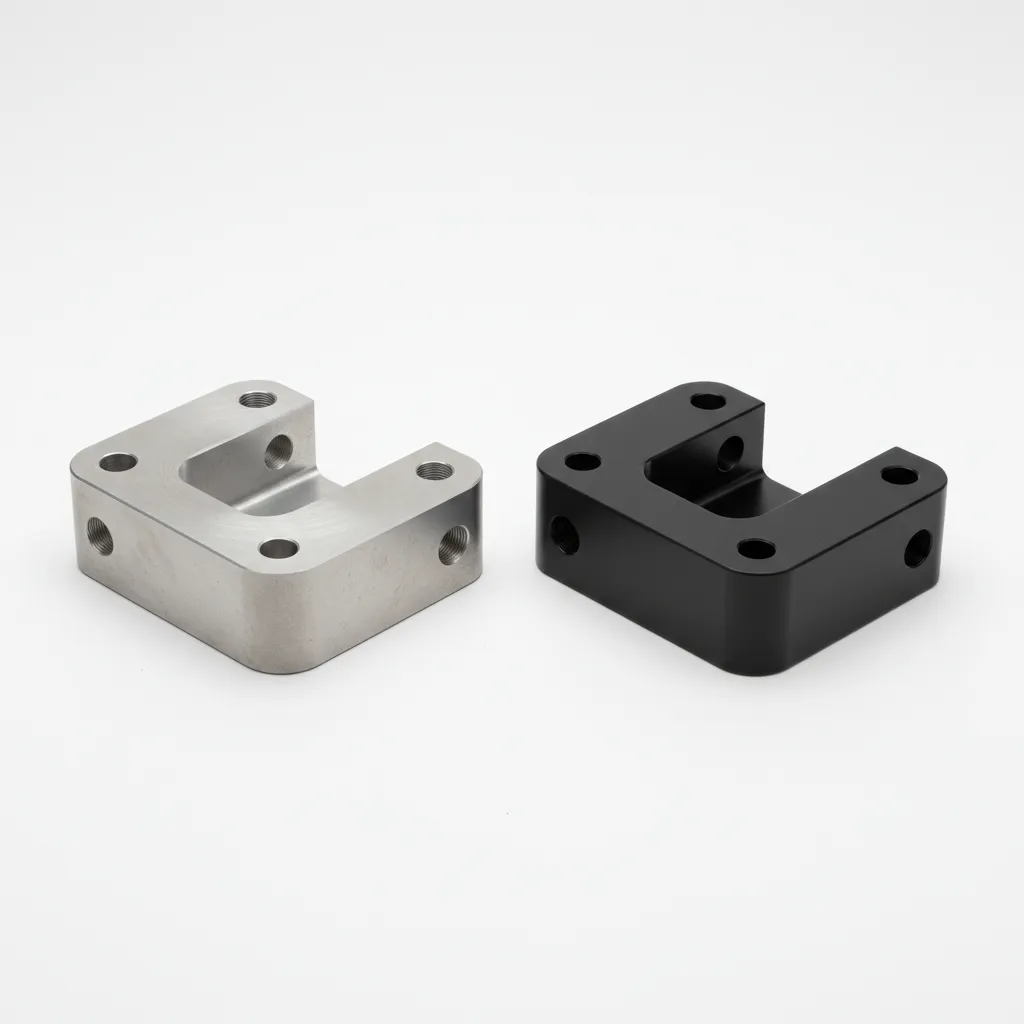
AM Parts Per Week Capacity
Dedicated equipment and material-specific protocols maintain consistent throughput across polymer and metal AM substrates. Parts move through post-processing on schedule without waiting behind traditional machined components.
Dimensional Tolerance Maintained
Cerakote® 0.5-2 mil thickness preserves tight tolerances that make AM valuable for production parts. Threaded features, press-fit interfaces, and close clearances retain functional accuracy after coating.
Frequently Asked Questions
Find answers about our coating processes and technical capabilities
SSPC-SP 10 near-white blast requires removing at least 95% of all surface contaminants including mill scale, rust, old coatings, and oxides. This standard ensures the substrate is clean enough for optimal coating adhesion and corrosion protection. ColoradoKote achieves SP 10 as our standard blast cleanliness level, which exceeds the SP 5 commercial blast that many shops use. The difference translates directly to longer coating life and better salt spray performance.
Polymer coatings apply at thin film builds comparable to Cerakote, adding minimal weight compared to heavy rubber linings, multi-coat paint systems, or thick epoxy coatings traditionally used for chemical resistance. For aerospace and defense applications where weight is critical, polymer coating provides chemical and flex protection at a fraction of the weight of traditional flexible barrier coatings. This weight advantage is especially valuable when combined with Cerakote topcoat in a lightweight multi-layer system.
ColoradoKote coats tillage components, sprayer nozzles, combine parts, hydraulic cylinders, grain handling equipment, and other farm hardware exposed to soil abrasion, chemical fertilizers, and moisture. Cerakote's 3,000-hour salt spray resistance and 9H hardness protect equipment surfaces through harsh field conditions and chemical exposure. Our sandblasting and coating process restores worn components and protects new ones.
Standard turnaround for AM post-processing is 14 business days from receipt of parts, covering the complete sequence: inspection, blasting, cleaning, coating, curing, and final inspection with documentation. Expedited 7-day and 3-day turnaround options are available. Our 200 parts per week capacity can accommodate both prototype quantities and production runs. Contact us for scheduling on volume AM post-processing requirements.
Passivation per ASTM A967 is commonly applied to automotive stainless steel exhaust headers, downpipes, turbo housings, and performance hardware. The process removes free iron from welding and fabrication, restoring full corrosion resistance against road salt, moisture, and thermal cycling. For high-heat applications, pairing passivation with Cerakote adds thermal management properties and 3,000 hours of salt spray resistance at just 0.5-2 mils.
Ready to Finish Your AM Parts
Send your part specifications and material details. Receive a quote with lead time and processing parameters for your additive manufacturing application.