ColoradoKote
Precision Cerakote ceramic coatings for aerospace, defense, and industrial components.
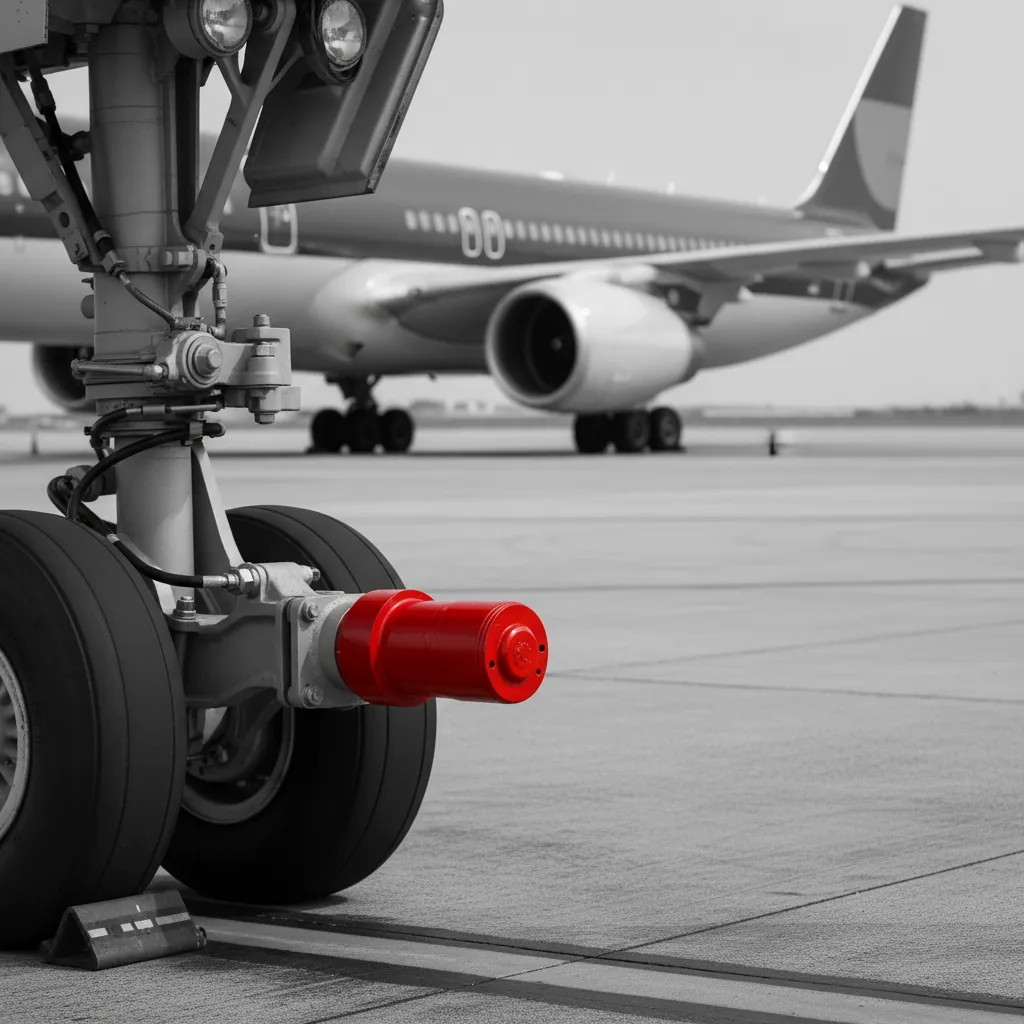
Three Stages of Aerospace-Grade Ceramic Coating
Each stage is controlled, measured, and documented to deliver repeatable Cerakote® performance across production volumes.
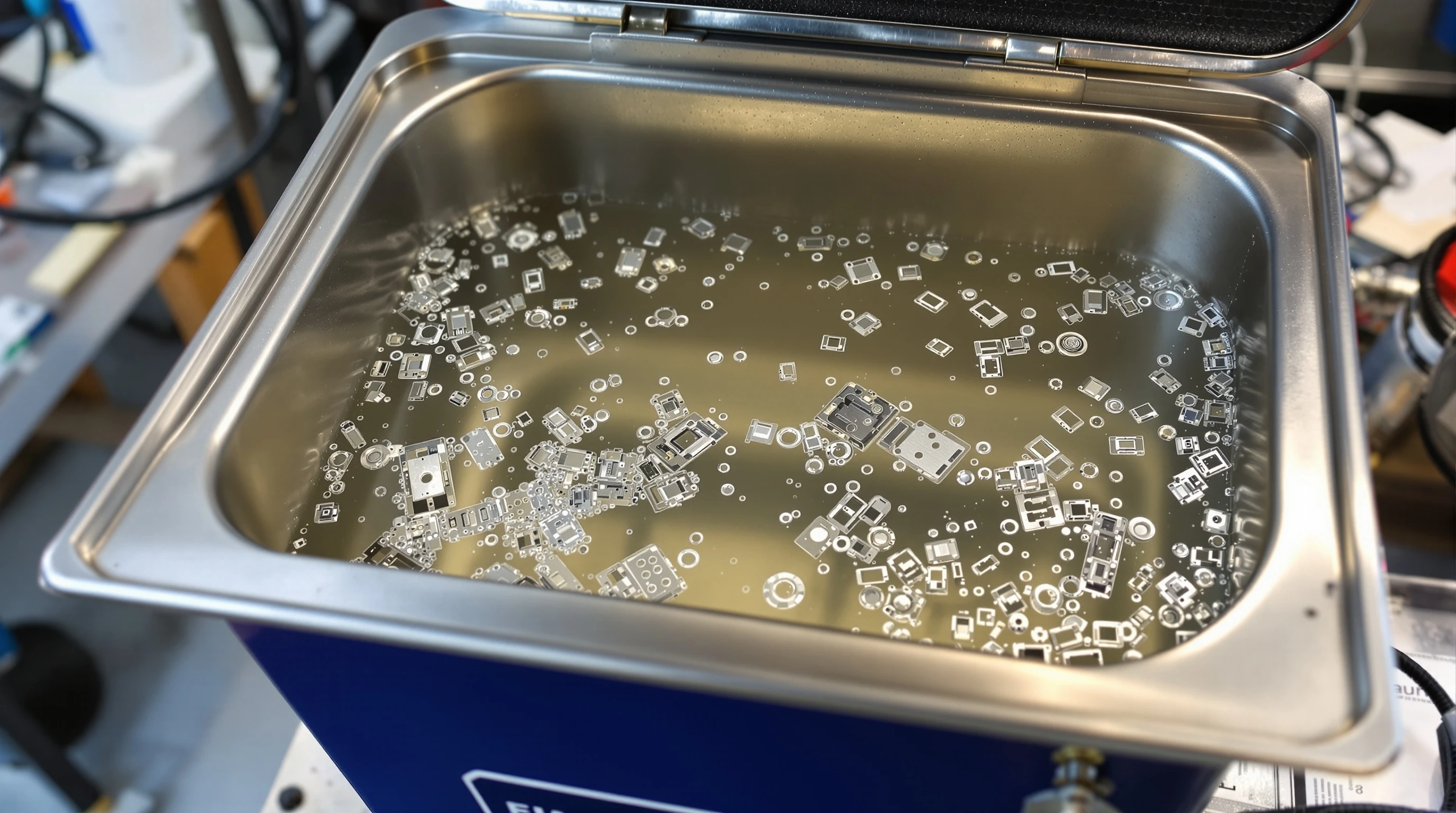
Parts are solvent-cleaned, degreased, and media blasted to create the optimal surface profile for coating adhesion. Critical dimensions, threads, and mating surfaces are precision-masked to preserve tolerances.
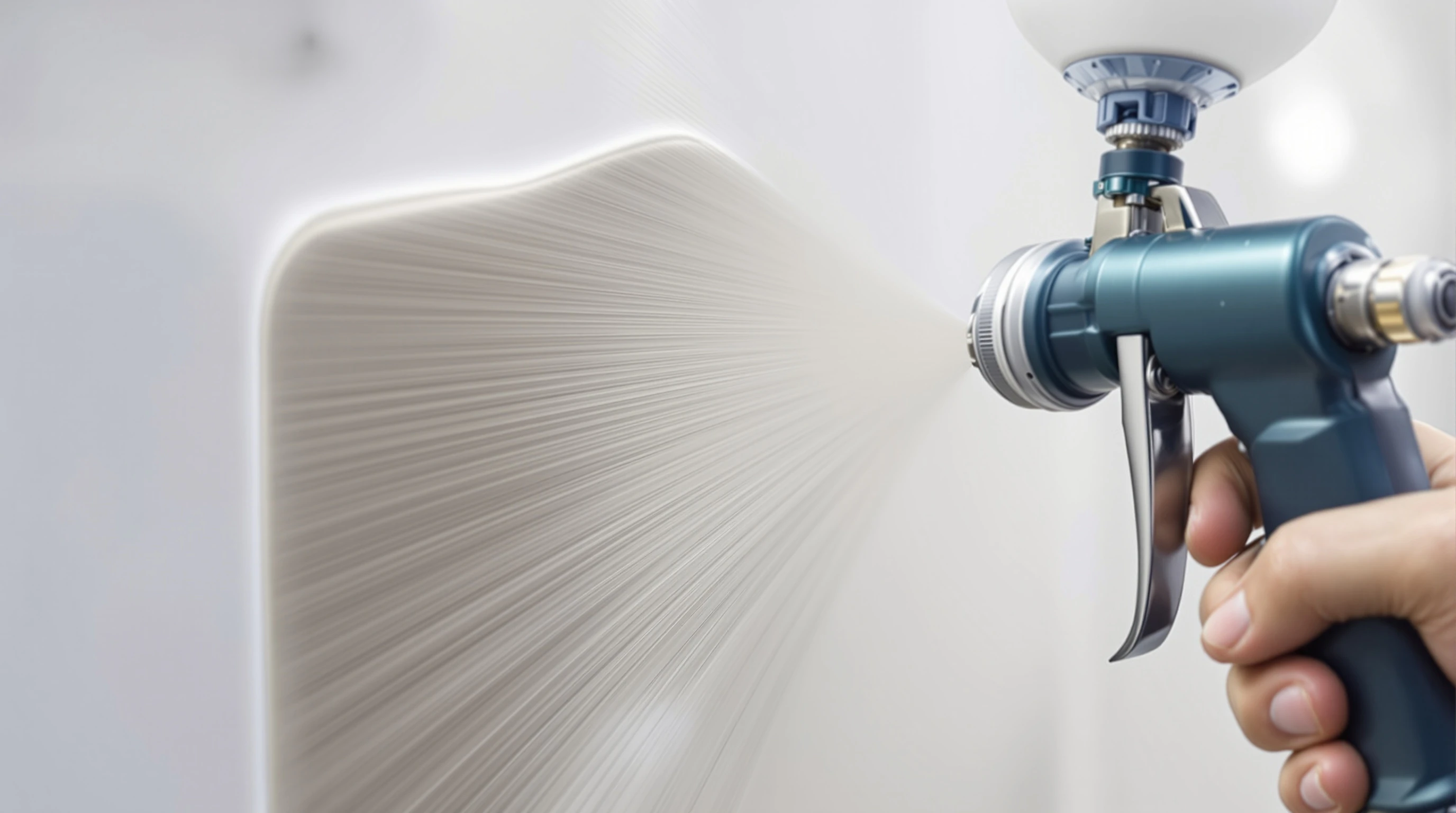
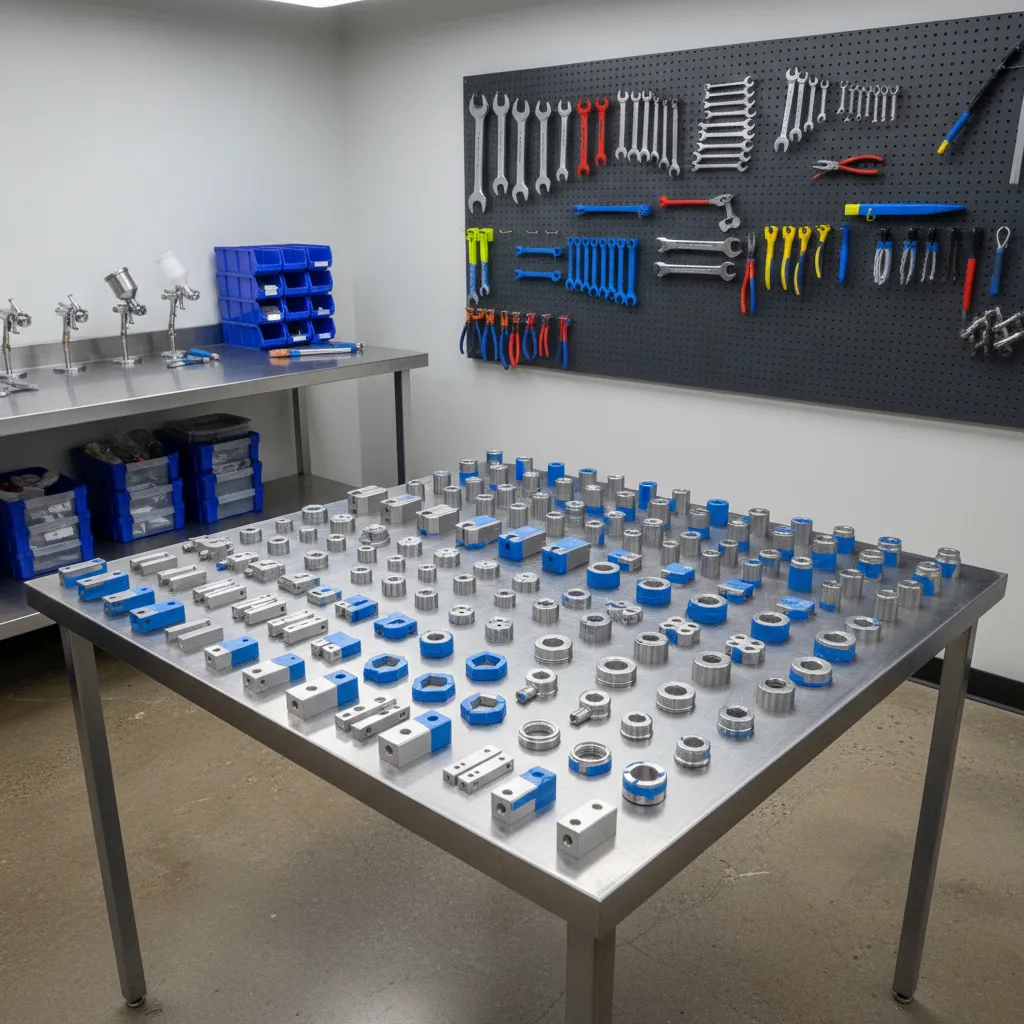
Cerakote® ceramic coating is applied via calibrated HVLP spray at 0.5-2 mils thickness. In-process DFT gauges verify uniform coverage. Advanced Applicator-certified technicians maintain Delta E ≤1.5 color consistency across every run.
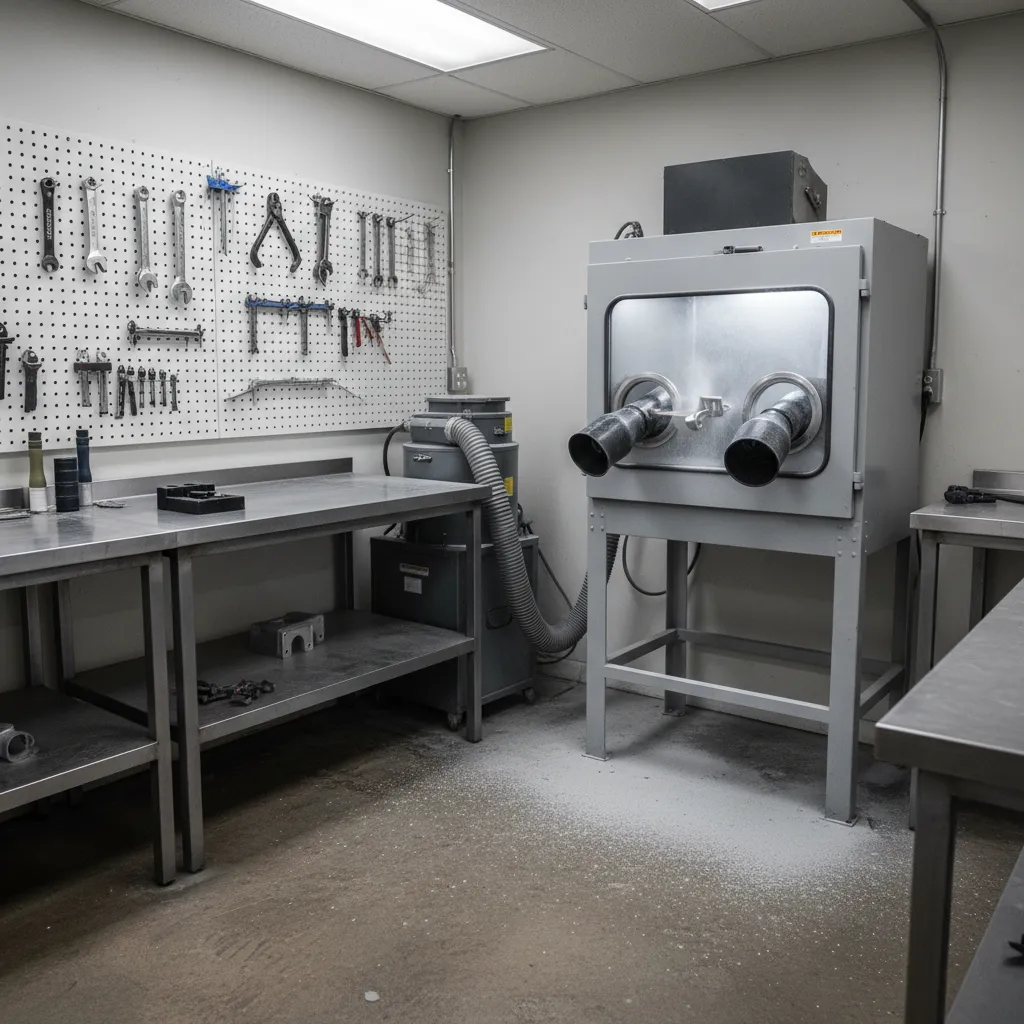
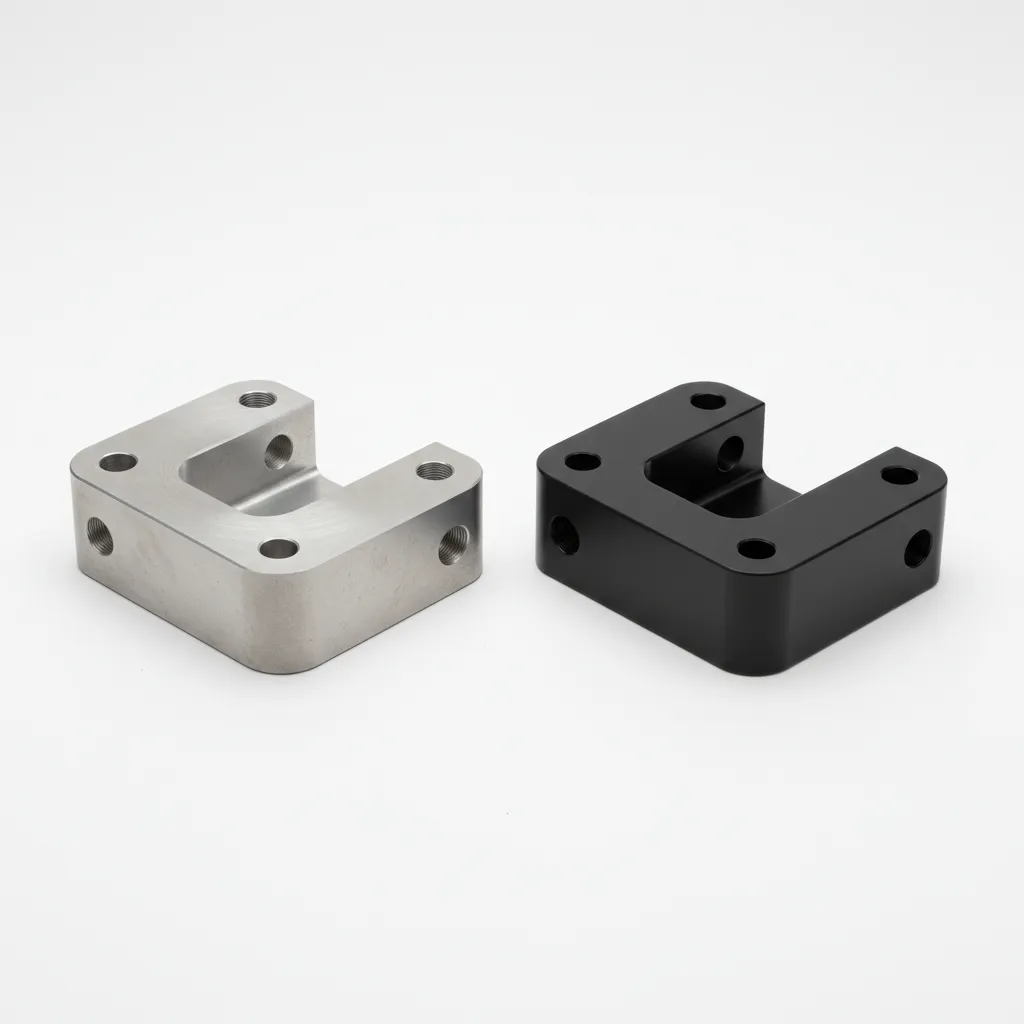
Coated parts cure at 250-300F in temperature-monitored ovens. The prescribed cure schedule bonds the ceramic-polymer matrix to the substrate, producing a durable, abrasion-resistant, chemical-resistant, and flammability-resistant coating with 9H pencil hardness and 3,000 hours of ASTM B117 salt spray resistance.

How the Cerakote® Application Process Works
ColoradoKote applies Cerakote® as a thin-film ceramic-polymer composite that delivers corrosion, abrasion, chemical, and flammability resistance without altering part dimensions. At 0.5-2 mils, Cerakote preserves tight tolerances that powder coating (4-6 mils) and plating cannot match. Every coating job runs through dedicated Cerakote equipment, operated by NIC Advanced Certified Applicators, and tracked under our AS9100 quality system from intake to shipment.
Measurable Performance from a Controlled Process
Every metric below is verified through standardized testing and documented in your Certificate of Conformance.
First-Pass Quality Rate
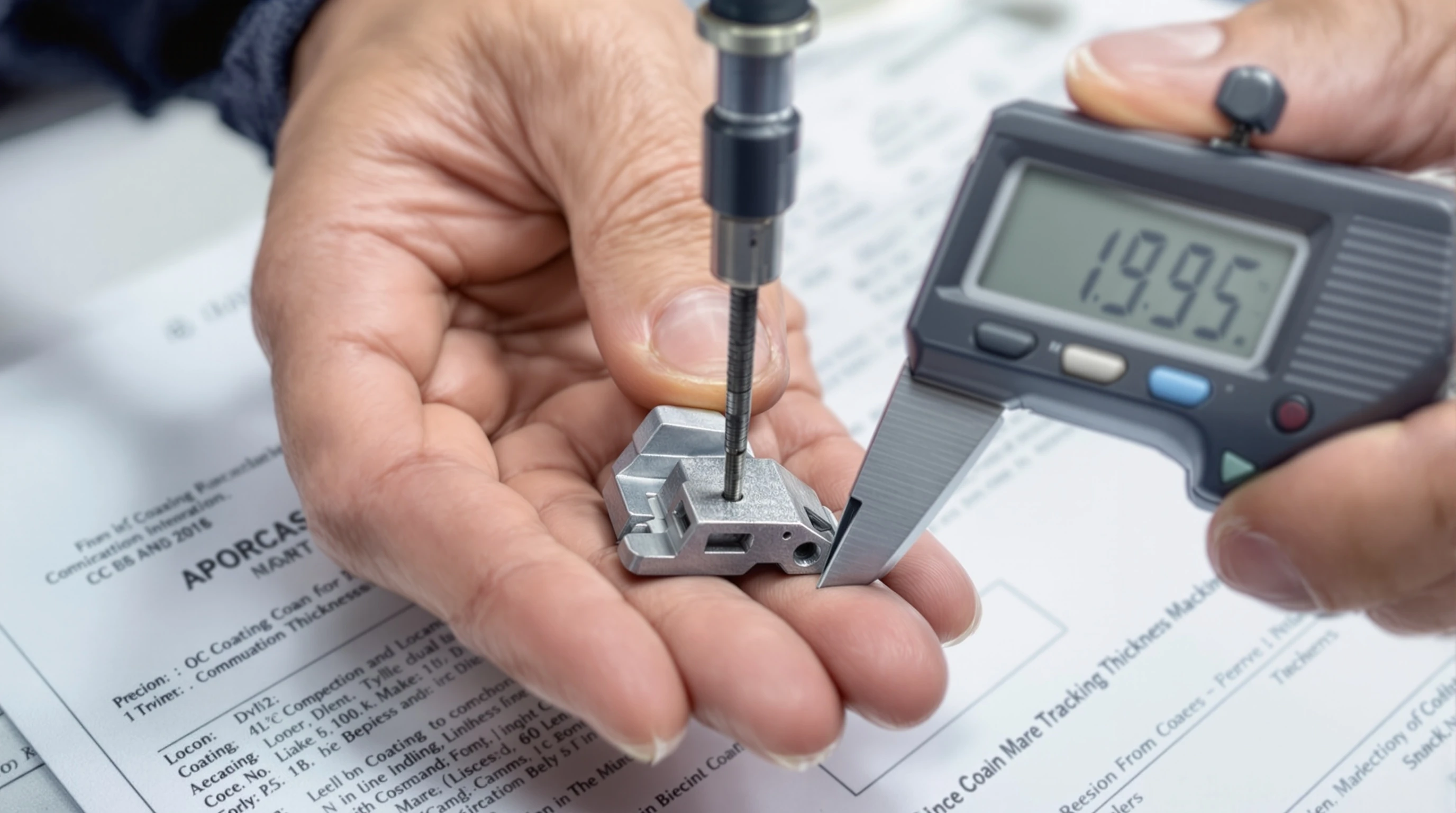
Components meet coating thickness, adhesion, and color specifications on the first application without rework or recoating.
Standard Turnaround
Standard turnaround from receipt of parts. 3- or 7-day expedited service available for production urgency.
Aerospace Components Per Year
Annual capacity across military and commercial aerospace programs, including spec-proven multi-year production programs for multiple manufacturers.
Frequently Asked Questions
Find answers about our coating processes and technical capabilities
The chemical conversion plus Cerakote stack outperforms powder coating in several ways for industrial aluminum. Cerakote delivers 3,000 hours of salt spray resistance (ASTM B117) at just 0.5-2 mils, compared to powder coating at 4-6 mils with significantly less corrosion protection. The thinner profile preserves tolerances on machined parts, and the chem conversion base ensures adhesion even under thermal cycling and chemical exposure common in industrial settings.
Custom color matching against a physical sample or color specification typically adds 5-7 business days to the initial order while the match is developed and verified by spectrophotometer. Once a custom color is validated and documented, subsequent orders using that color ship on standard 14-day turnaround with no additional color development time. We retain the spectrophotometer data and formulation records so your custom color is repeatable across future production lots.
Passivation restores the stainless steel's natural chromium oxide barrier, and adding Cerakote extends corrosion protection to 3,000 hours of salt spray resistance (ASTM B117). This combined stack provides a dual barrier against the chloride attack, H2S exposure, and erosion common in sour gas and offshore environments. At just 0.5-2 mils of Cerakote over the passivated surface, the total buildup is minimal compared to traditional protective coating systems.
Passivation is especially important for additively manufactured stainless steel, which often retains more free iron and surface contamination from the printing and post-processing steps than wrought material. The ASTM A967 acid bath removes these contaminants and brings chromium to the surface, restoring full corrosion resistance. The process follows complex AM geometries with no dimensional change, preserving the precision your additive build achieved.
Yes. Metal AM parts in Ti-6Al-4V, Inconel, and 316L stainless steel are increasingly used for downhole tools with complex geometries that cannot be conventionally machined. Cerakote seals the surface porosity inherent in AM builds and provides corrosion protection exceeding 3,000 hours salt spray against H2S, CO2, and brine. Our 40-60 PSI blasting prepares AM surfaces without distorting the complex internal passages that make additive manufacturing valuable for downhole applications.
Start Your Cerakote® Project
Submit your project details and receive a quote within 24 business hours, including technical approach, pricing, and lead time.