ColoradoKote
Precision Cerakote ceramic coatings for aerospace, defense, and industrial components.
Three Stages of Conversion Coating
Precise chemistry control at every step ensures uniform oxide formation and consistent corrosion protection across every lot.
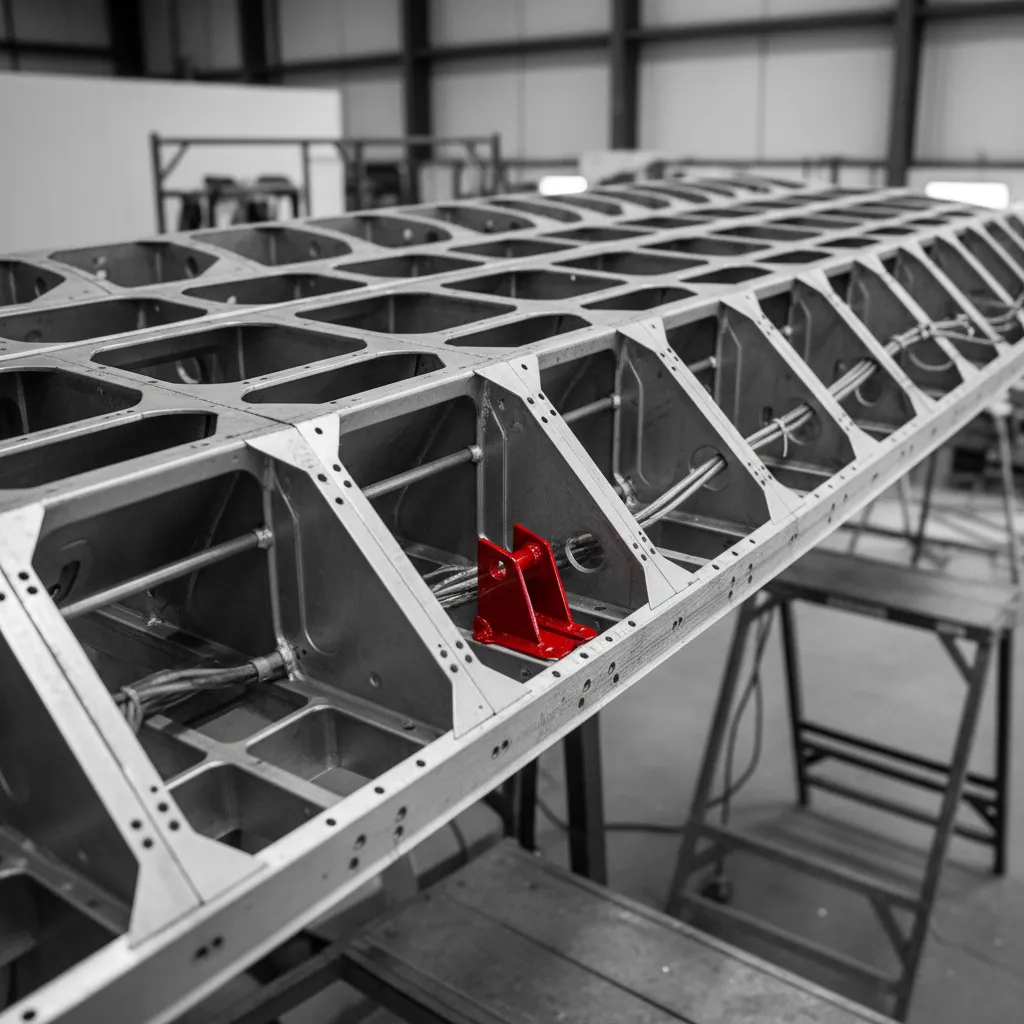
Multi-Stage Surface Decontamination
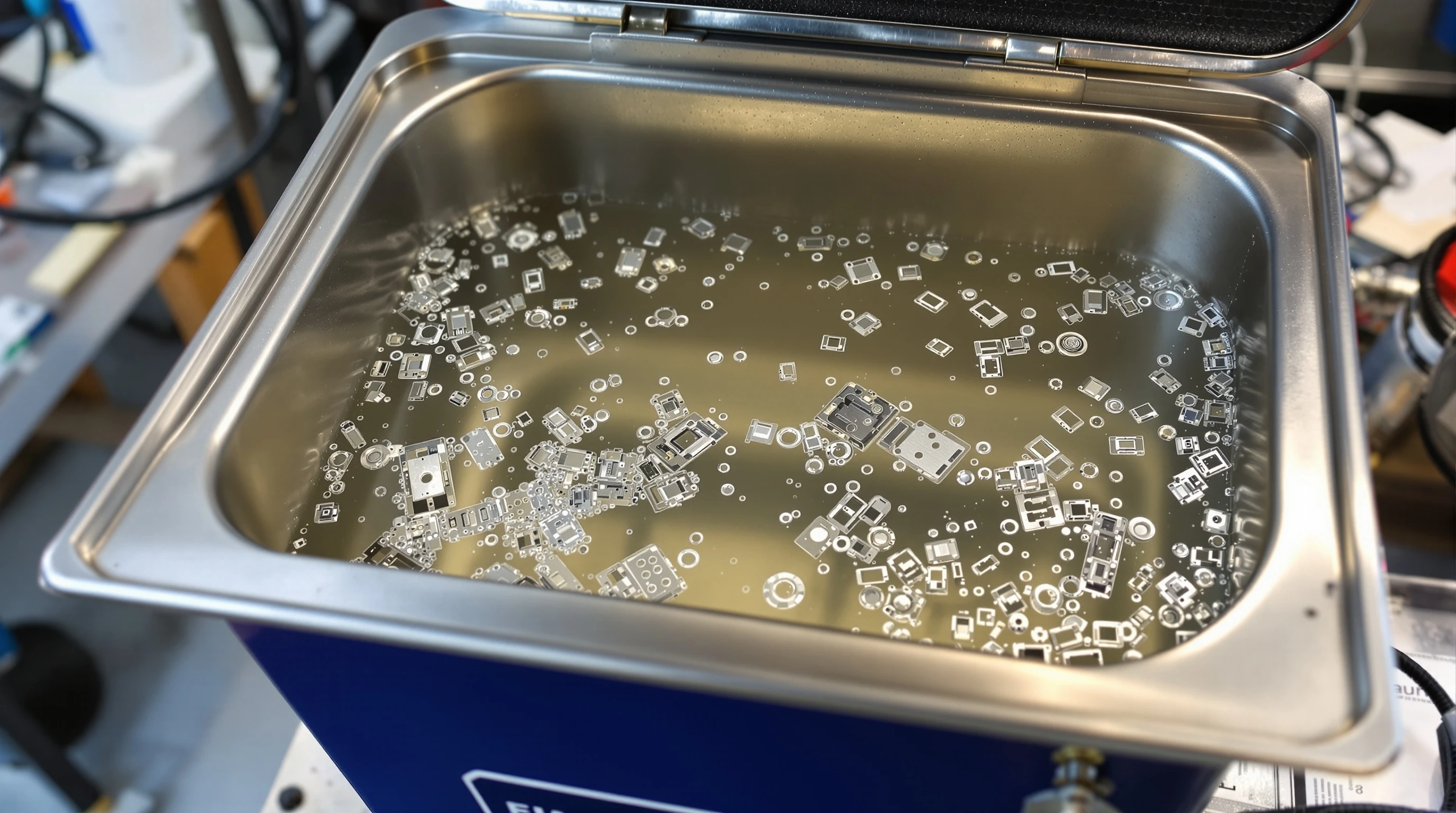
Parts move through alkaline cleaning and acid deoxidizing to remove oils, oxides, and handling contaminants. Rinse water conductivity is verified below 10 microsiemens per centimeter between each step to prevent cross-contamination of the conversion bath.
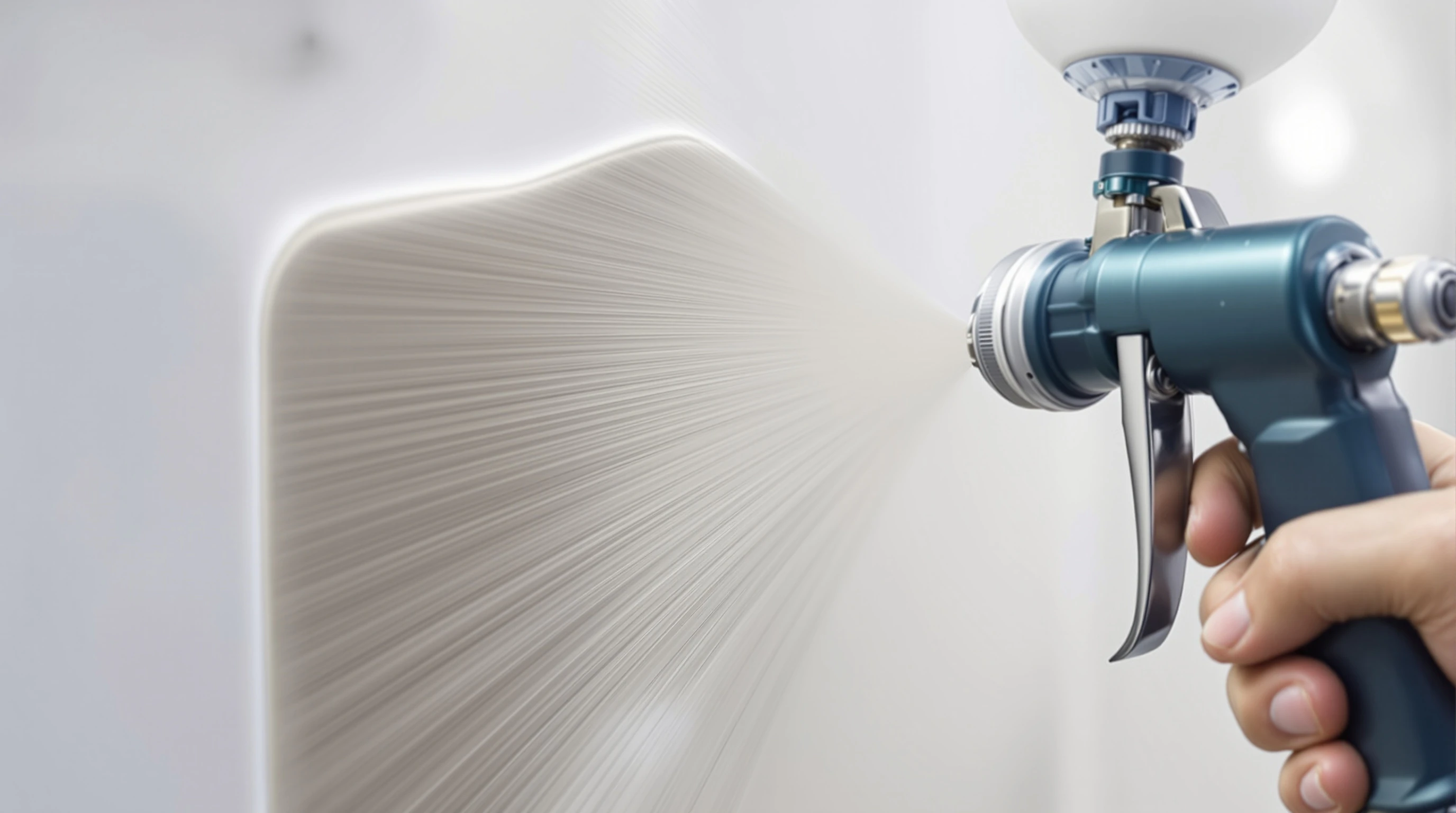
Controlled Chemical Reaction
Parts are immersed in MIL-DTL-5541 conversion solution at 70-90 degrees F for 2-5 minutes. Solution concentration is monitored daily through titration. Temperature is held within 5 degrees F of specification to ensure uniform oxide layer formation.
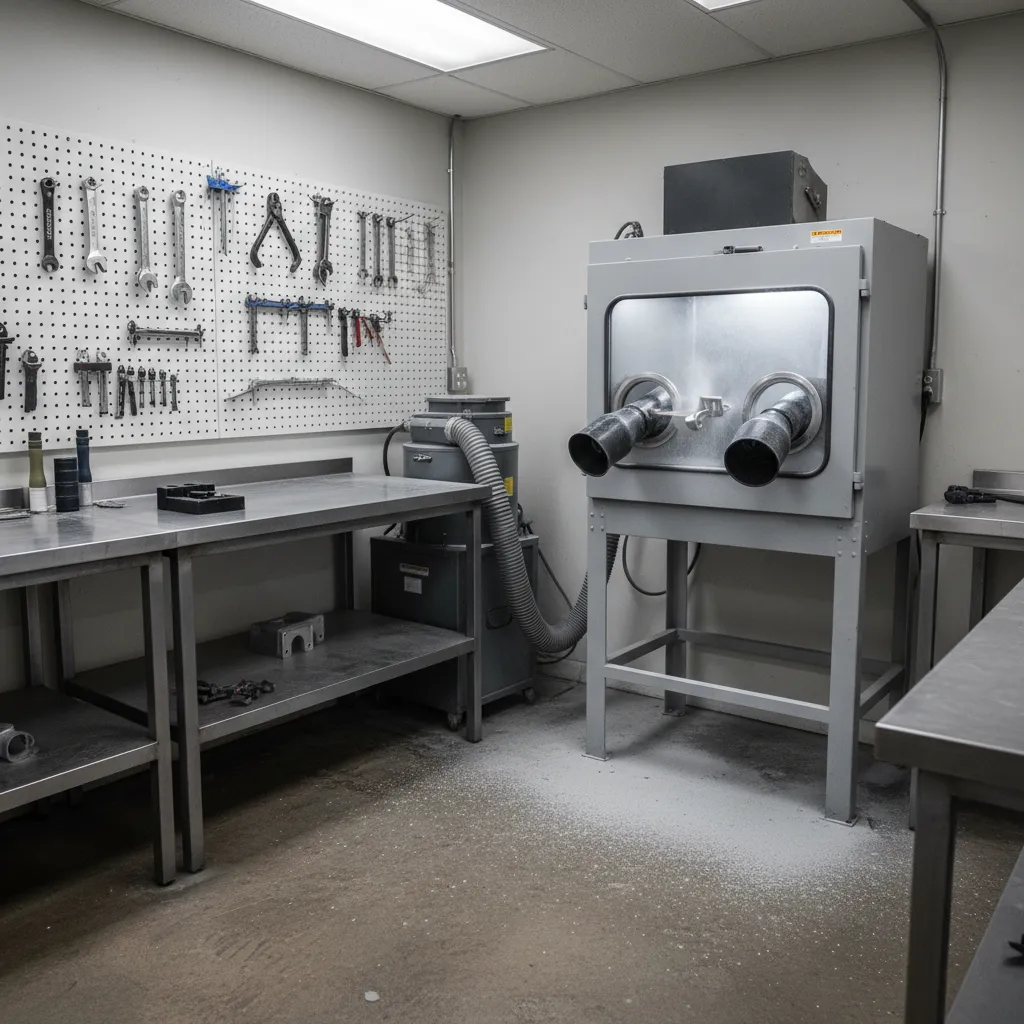
Deionized Water Rinse and Inspection
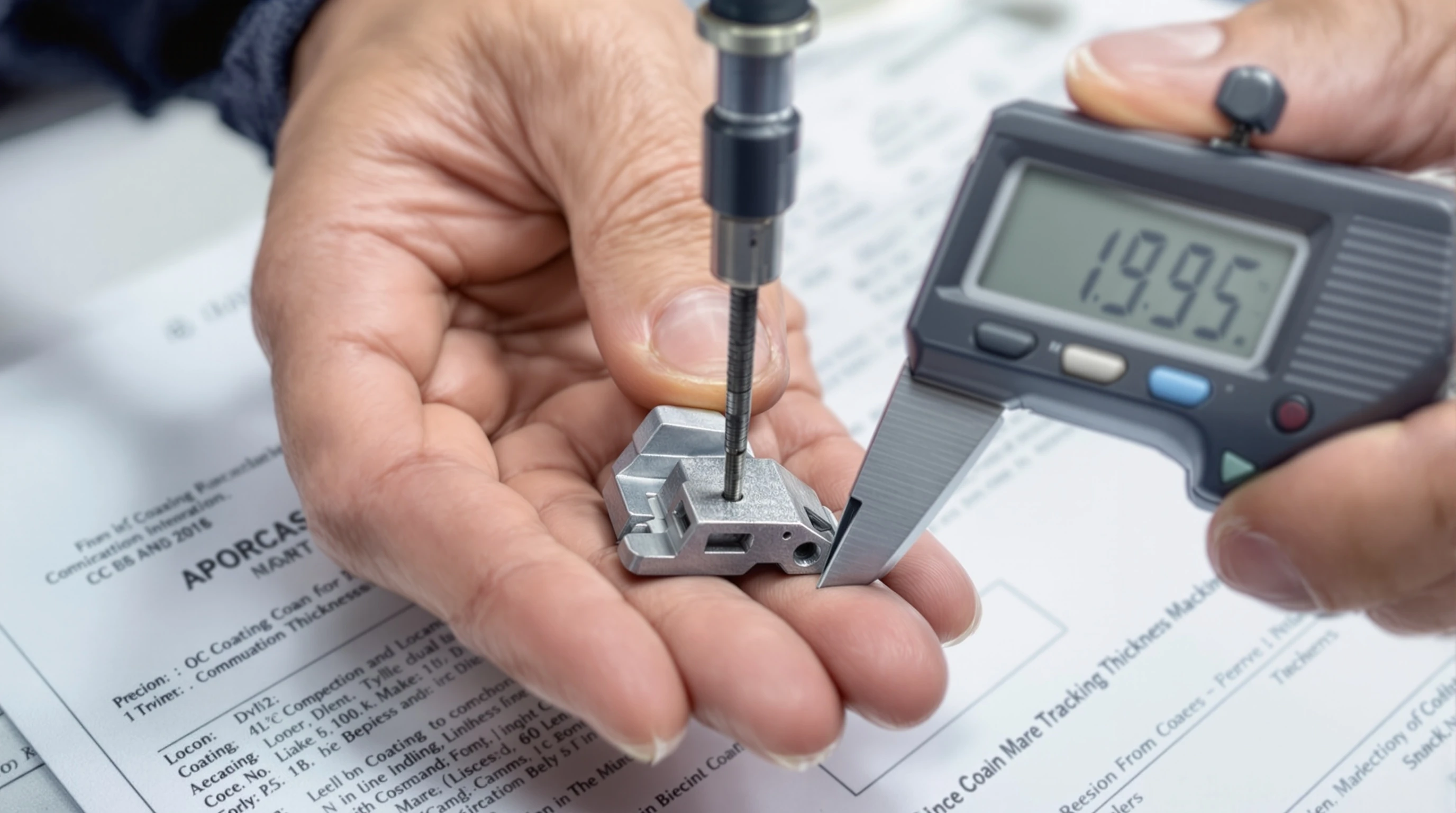
Multi-stage deionized water rinses remove all residual chemistry. Visual inspection confirms uniform coating color and coverage. Coating weight is measured at 40-100 mg per square foot to verify specification compliance before release.

The Chemical Conversion Coating Process
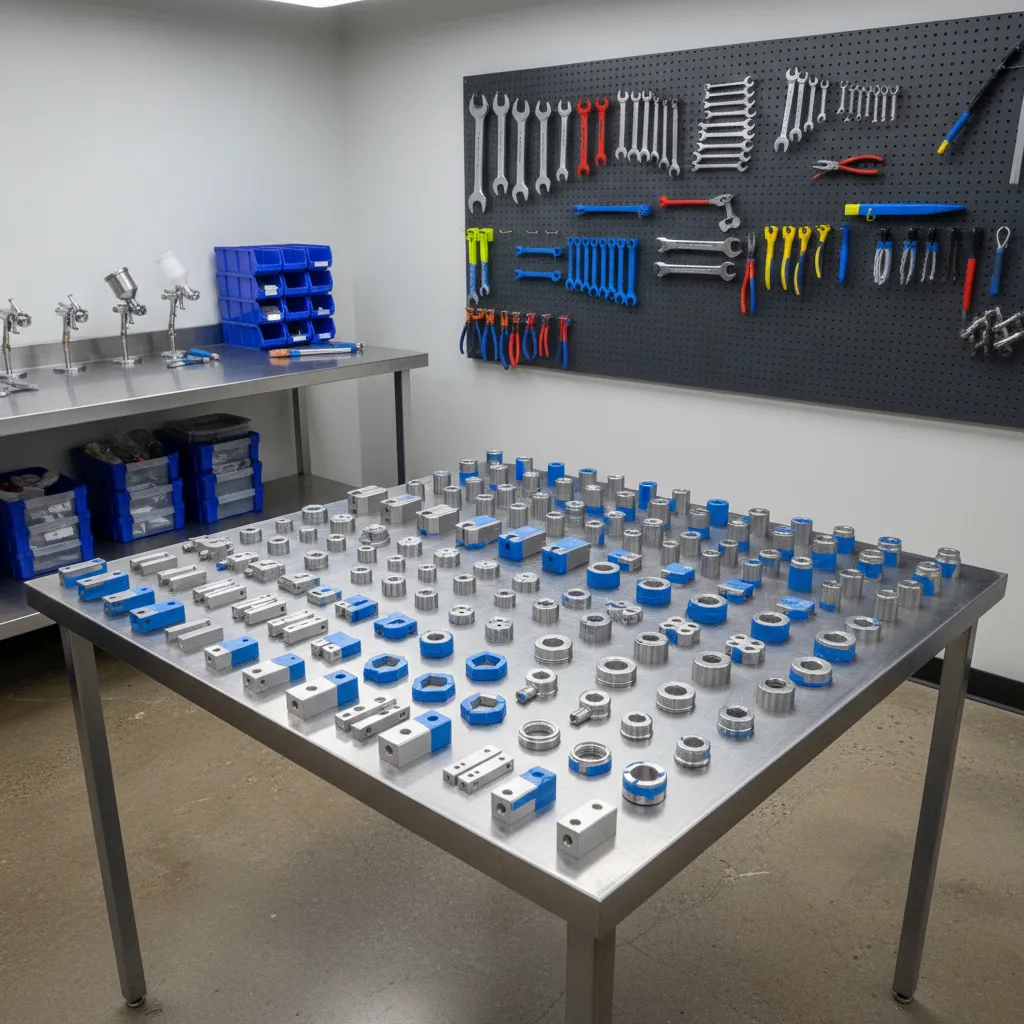
Chemical conversion coatings create a thin oxide layer on aluminum that improves corrosion resistance and promotes adhesion for subsequent coatings. ColoradoKote processes Type I and Type II formulations under AS9100 protocols with full solution monitoring and lot traceability.
What Our Conversion Coating Delivers
Process parameters are monitored, recorded, and traceable to each lot for complete quality documentation.
Hours Salt Spray Resistance
Type I Class 1A conversion coating delivers 168+ hours of salt spray resistance per ASTM B117. The protective oxide barrier guards against moisture, salt spray, and galvanic contact on aluminum alloys including 2024, 6061, and 7075.
Full Lot Traceability
Solution concentration, temperature logs, immersion times, and visual inspection results are recorded and traceable to each lot number. Your Certificate of Conformance contains all process parameters and coating weight measurements.
Coating Thickness
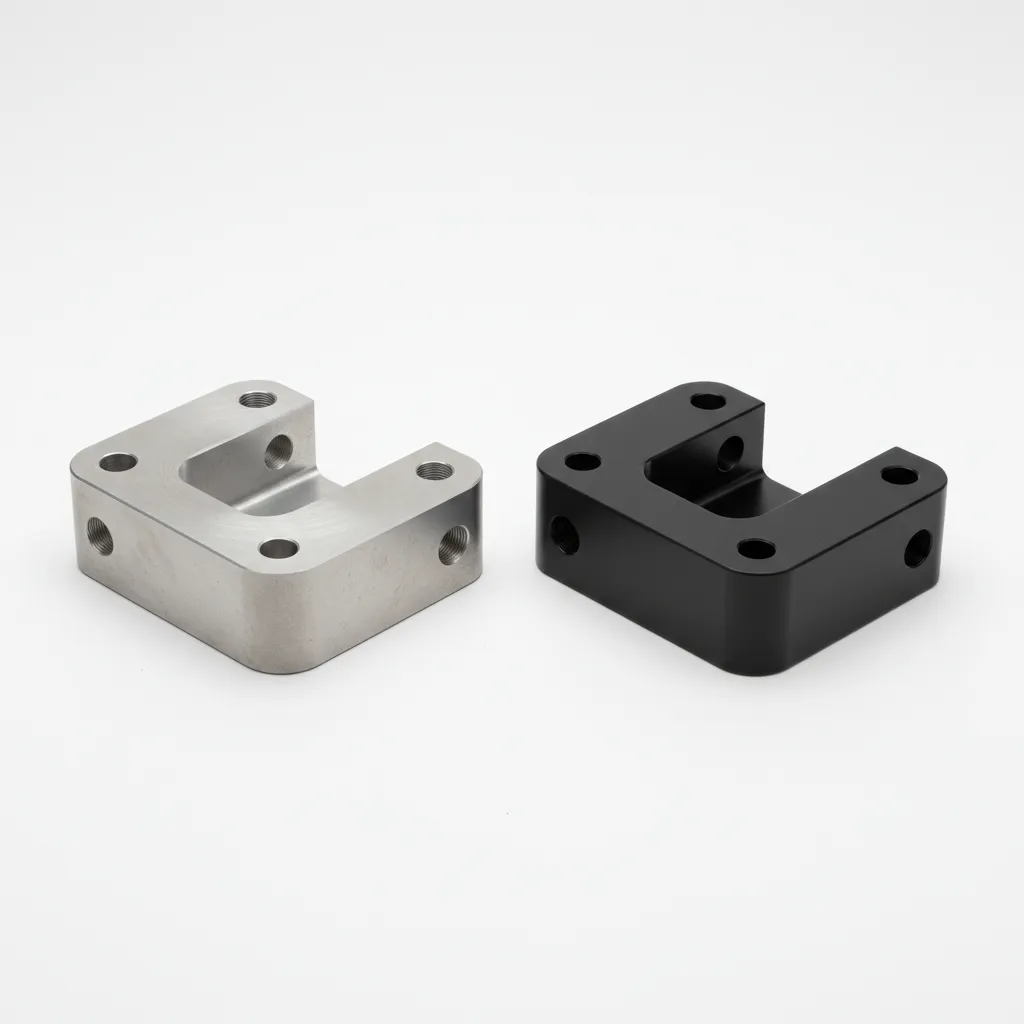
Conversion coating forms at under 1 micron thickness, creating zero dimensional change to machined parts. Thread fits, bearing surfaces, and mating components remain unaffected while gaining corrosion protection and enhanced coating adhesion.
Frequently Asked Questions
Find answers about our coating processes and technical capabilities
Yes. Industrial OEMs increasingly require equipment components to match corporate brand colors for visual identity and professional appearance. We capture your brand color standard by spectrophotometer and verify every production lot to Delta E 1.5. Cerakote's durability means your brand color survives the industrial operating environment, unlike conventional paint that fades and chips within months of field deployment.
Standalone ultrasonic cleaning turnaround is typically 3-5 business days from receipt of parts. This includes intake inspection, cleaning cycle (10-30 minutes depending on contamination), verification testing, and documentation. For parts proceeding to coating in our facility, ultrasonic cleaning is integrated into the coating turnaround and does not add separate lead time. Expedited standalone cleaning is available, contact us at 970.541.7331 for current scheduling.
Yes. SLS and MJF polymer parts have surface and near-surface porosity that allows moisture, chemicals, and gases to penetrate the build. Polymer coating fills and seals these pores, creating a continuous barrier that prevents environmental ingress. This sealing is especially valuable for AM parts used in chemical, food processing, or fluid handling applications where porosity-driven contamination absorption is unacceptable. The flexible coating also accommodates any slight deflection of thin-wall AM geometries under load.
The corrosion protection from passivation is inherent to the stainless steel itself. By removing contaminants and maximizing surface chromium, passivation restores the material to its designed corrosion resistance, which can last the lifetime of the part in appropriate environments. For environments that exceed stainless steel's natural limits, adding a Cerakote topcoat at 0.5-2 mils extends measurable salt spray resistance to 3,000 hours per ASTM B117.
Yes. At 0.5-2 mils, Cerakote preserves crisp edges, knurling detail, engraved text, and machined surface features that powder coating at 4-6 mils buries or rounds over. This is particularly important for branded components, serialized parts, and decorative hardware where surface detail is part of the design intent. The thin film also produces a more uniform surface appearance without the orange-peel texture common in thicker coatings.
Ready for Conversion Coating
Provide your aluminum part specifications and required MIL-DTL compliance level. Receive a quote with processing details and lead time.