ColoradoKote
Precision Cerakote ceramic coatings for aerospace, defense, and industrial components.
Three Stages of Precision Color Matching
Objective measurement replaces subjective judgment at every step, from initial specification through production verification.
Spectrophotometric Color Analysis
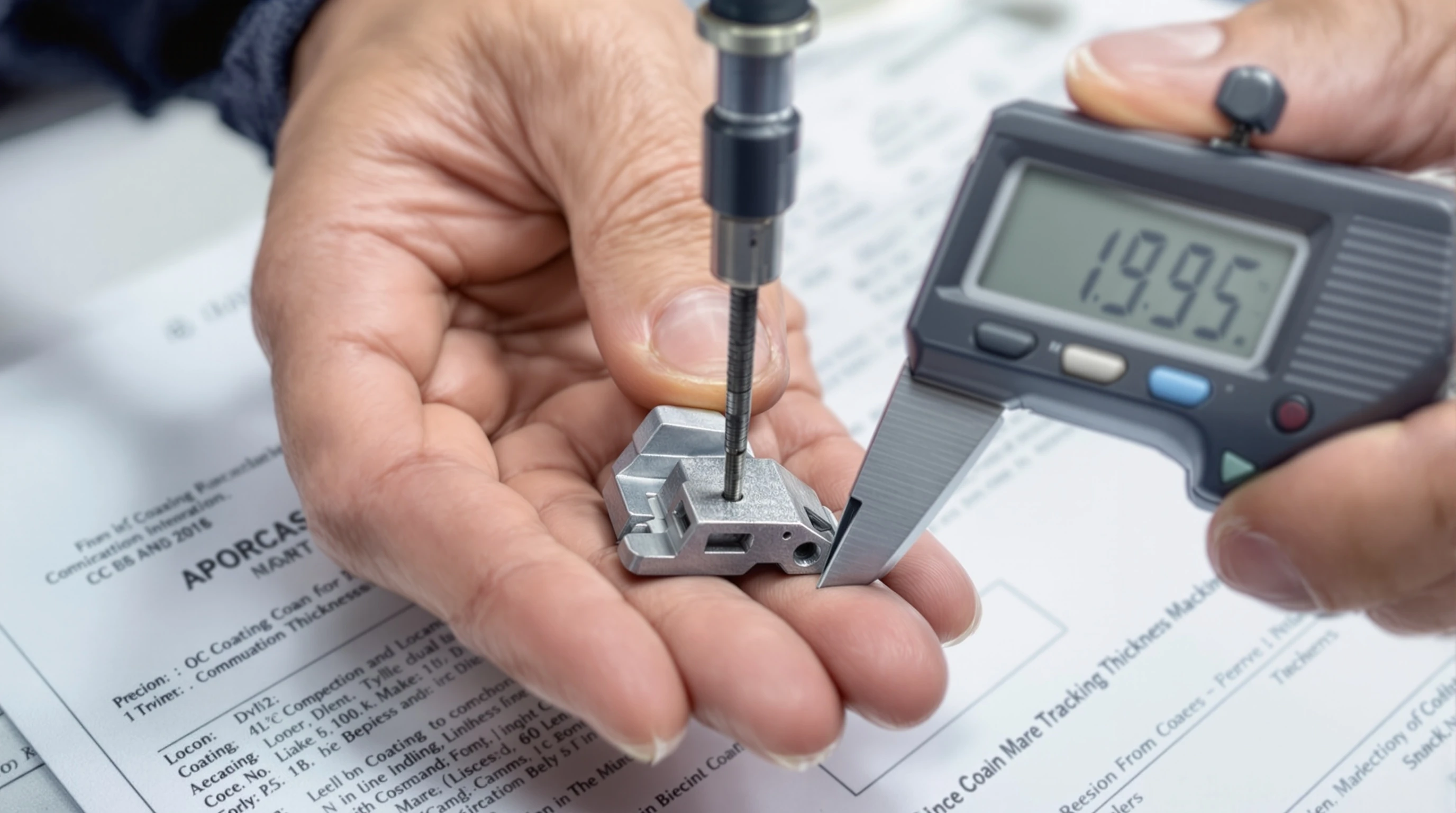
Your color standard is measured using D65 illuminant spectrophotometry in L*a*b* color space. This quantifies lightness, red-green axis, and yellow-blue axis independently, establishing an objective baseline that eliminates subjective color judgment.
Iterative Formula Refinement
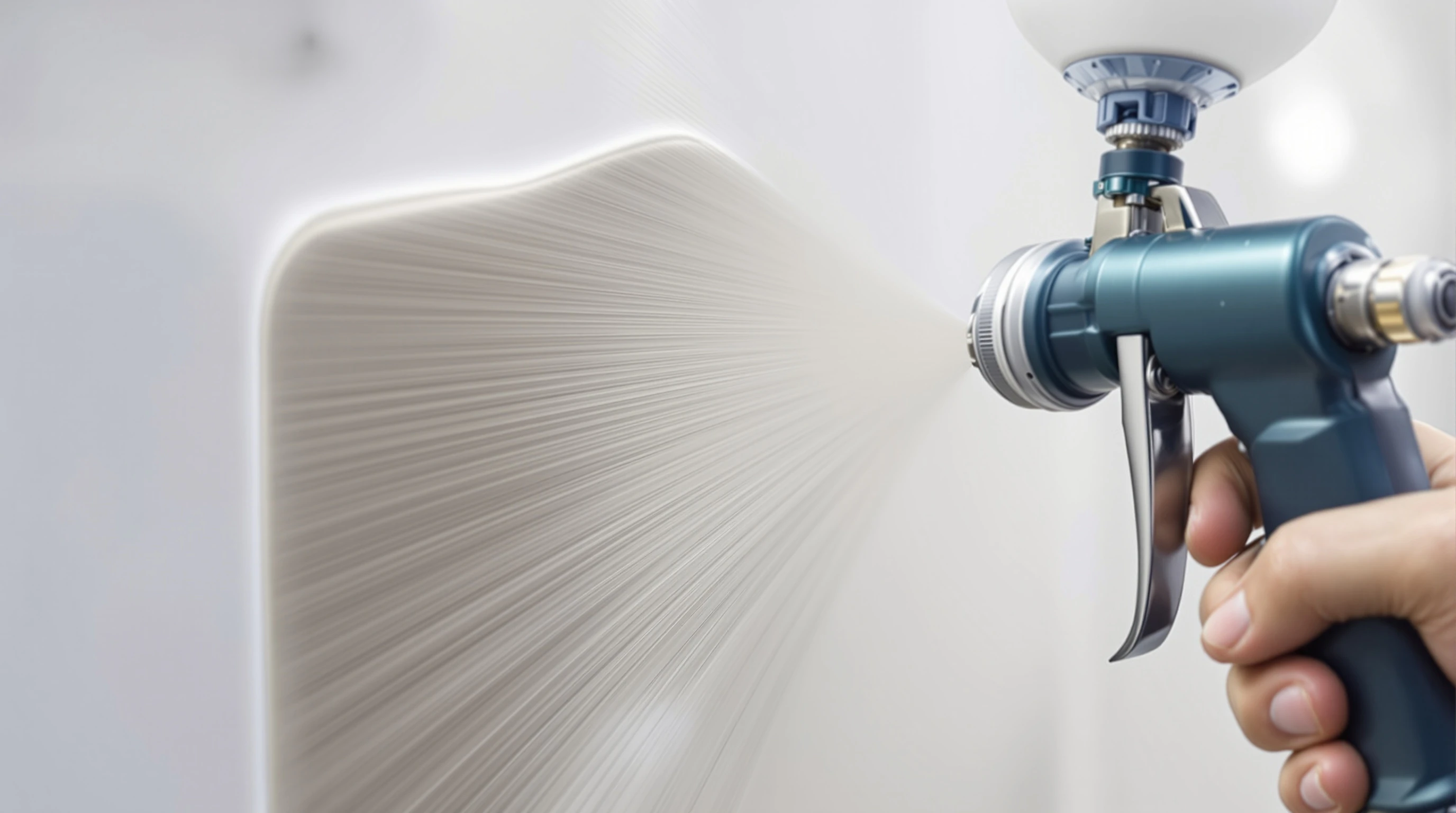
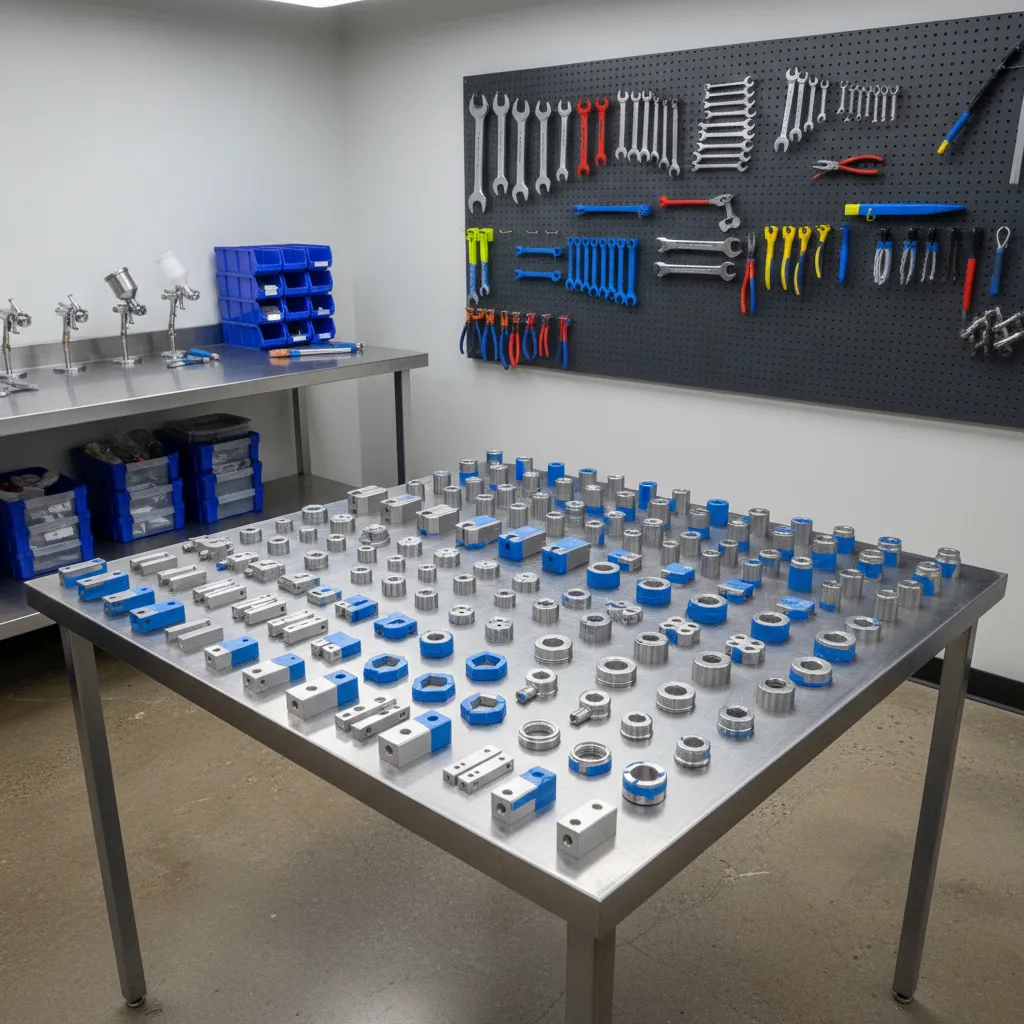
A custom Cerakote® formula is developed using controlled tint ratios from 1,400+ base colors. Test panels are coated and measured through two to four refinement cycles until Delta E ≤1 is achieved against the master standard.
Formula Lock and Production Verification
Once validated, the formula is locked and documented for the full program duration. Every production lot is measured against the master standard before coating begins. Archived samples enable verification for programs spanning a decade or more.

The Custom Color Matching Process
Color inconsistency costs aerospace programs $50,000 to $200,000 annually in rework and delays. ColoradoKote eliminates color-driven rejections with spectrophotometer-verified matching that holds Delta E ≤1 across production lots, from initial development through multi-year program execution.
What Our Color Matching Delivers
Objective color data replaces visual approximation. Every measurement is documented and traceable to your program standard.
Color Consistency Per ASTM E2214
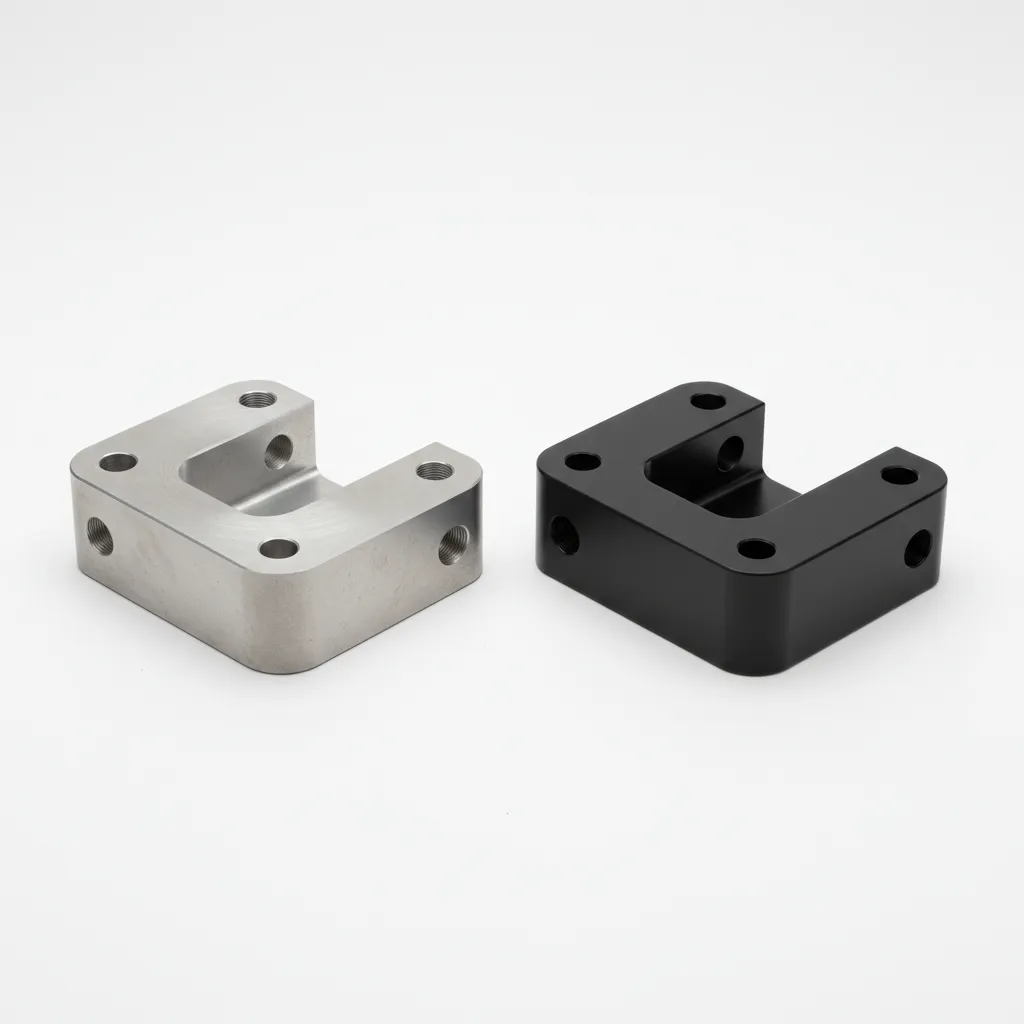
Spectrophotometer verification confirms Delta E ≤1 on every production lot. Parts coated months apart match within the threshold of human perception, eliminating color drift that forces rework on multi-lot assemblies.
Sample Retention Period
Archived color samples and spectrophotometer data are retained for ten years. This enables validation against the original standard on programs spanning decades, ensuring replacement components match existing assemblies precisely.
Available Color Formulations
Standard Cerakote® colors plus custom formulations cover Pantone, RAL, Federal Standard, and physical sample matching. Matte, satin, semi-gloss, and high-gloss finishes are available for each color specification.
Frequently Asked Questions
Find answers about our coating processes and technical capabilities
Yes. Cerakote has undergone third-party flammability testing to verify its performance in applications where fire resistance is a regulatory or safety requirement. This testing is particularly relevant for aerospace cabin interiors, defense vehicle components, and industrial equipment in hazardous environments. Contact ColoradoKote for specific flammability test reports relevant to your application and regulatory framework.
Yes. Raw AM surfaces harbor bacteria in their inherent porosity and texture, making them unsuitable for clinical settings. Cerakote seals surface porosity and reduces roughness from Ra 8-15 micrometers to below 3 micrometers, creating a smooth, cleanable surface compatible with hospital disinfectants and autoclave sterilization. The sealed surface prevents microbial adhesion while the coating withstands thousands of cleaning cycles without degradation. This transforms AM builds into clinical-grade components.
Yes. We welcome facility tours and source inspections at our Johnstown, CO location. Tours allow you to see our coating lines, quality lab, surface preparation equipment, and chemical processing capabilities firsthand. For aerospace and defense customers, facility audits can be coordinated with our quality team. Contact us to schedule a visit at a time that works with our production schedule.
We handle industrial passivation batch orders of varying sizes with a 14-day standard turnaround, plus 7-day and 3-day expedited options for production-critical schedules. Our track record of over 20,000 parts with zero quality issues means consistent results whether you are sending 50 pieces or 5,000. Contact us with your stainless alloy, quantity, and spec requirements for a detailed quote.
Our facility handles components across a range of sizes and weights common to oil and gas production equipment. Surface preparation via media blasting at 80-100 PSI profiles large surfaces efficiently, and HVLP spray application ensures uniform coverage at 0.5-2 mils on complex geometries. Contact us with your component dimensions and weight for a feasibility assessment and handling plan as part of the quoting process.
Ready for Precision Color Matching
Send your color standard, specification, or physical sample. Receive a matching proposal with timeline, Delta E targets, and production capacity.