
ColoradoKote
Precision Cerakote ceramic coatings for aerospace, defense, and industrial components.
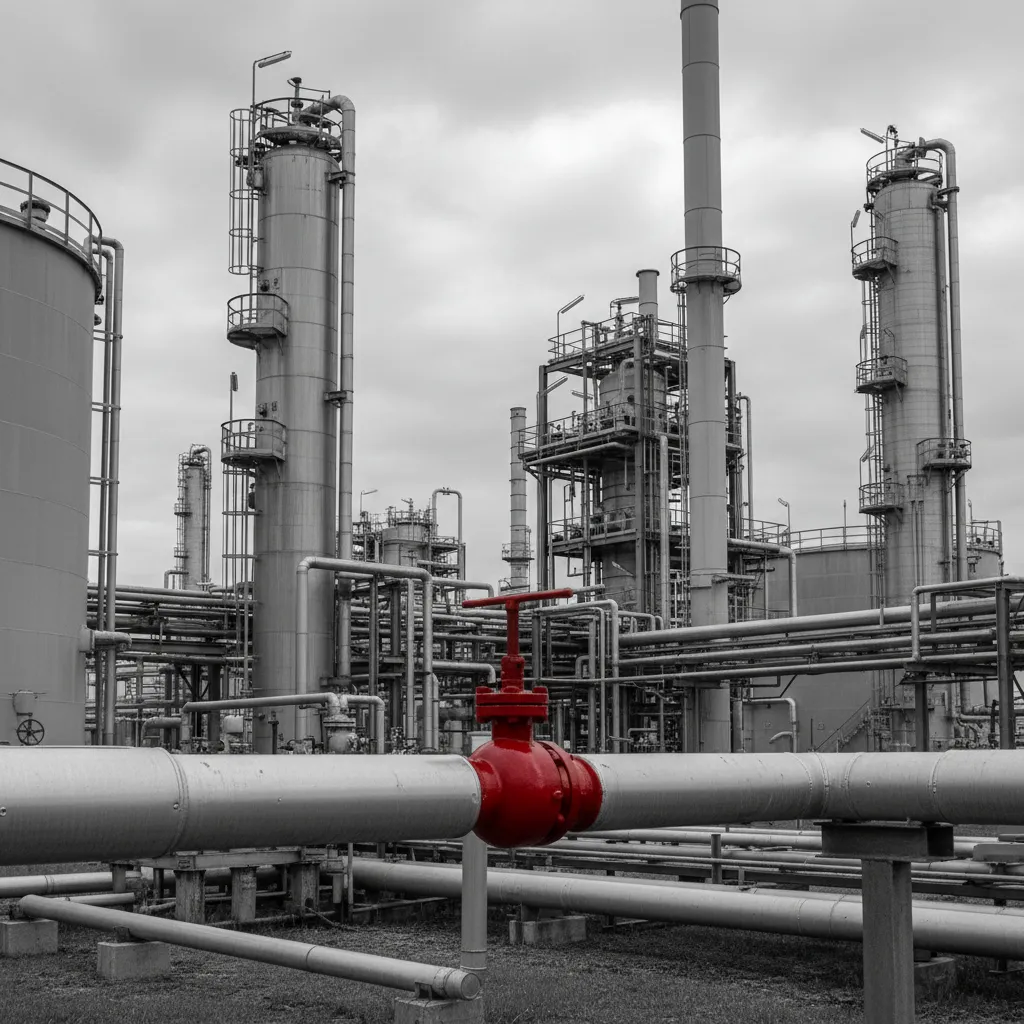
Three Stages of Polymer Coating
The same AS9100 quality system governs polymer coating operations, from surface preparation through final inspection.
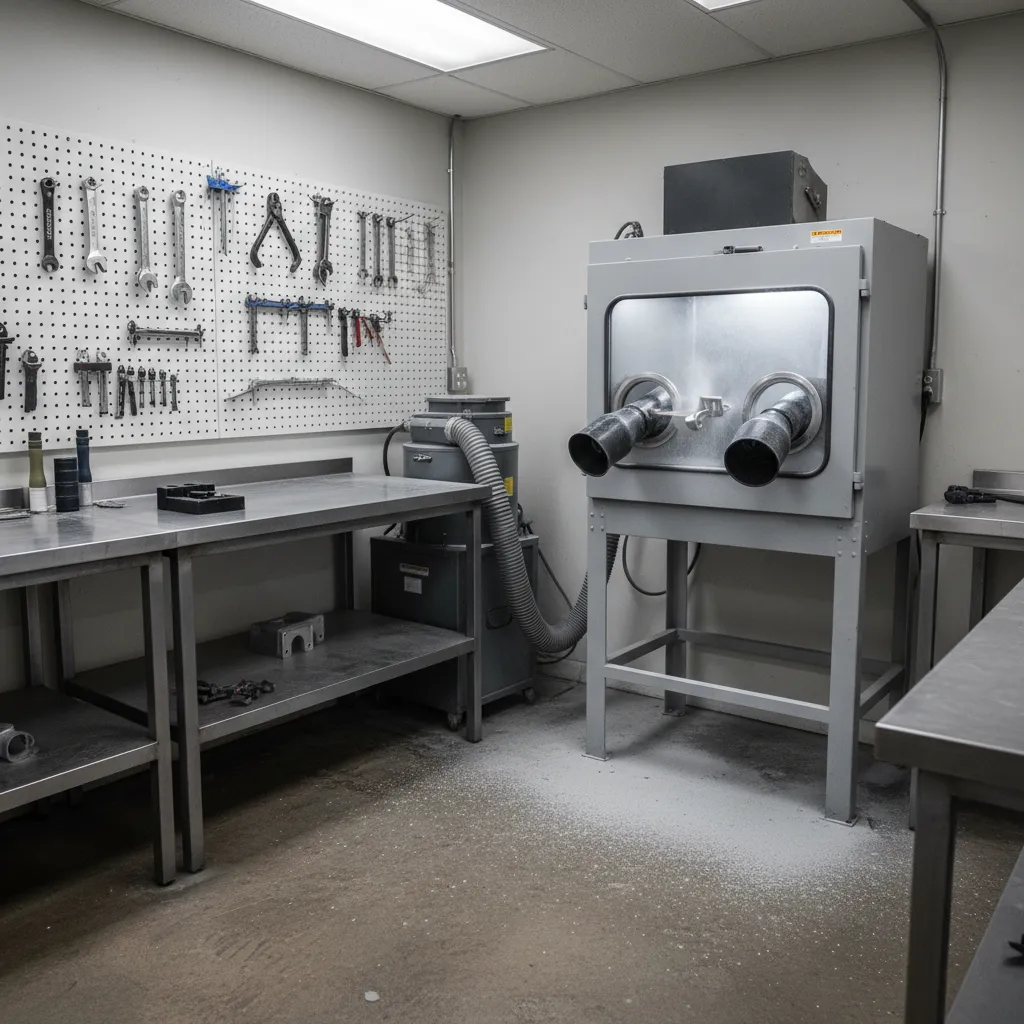
Substrate-Matched Surface Preparation
Surface cleaning and profiling are matched to the base material. Metal substrates receive blast profiling for mechanical adhesion. Polymer and composite substrates receive chemical surface activation. All preparation is documented under AS9100 protocols.
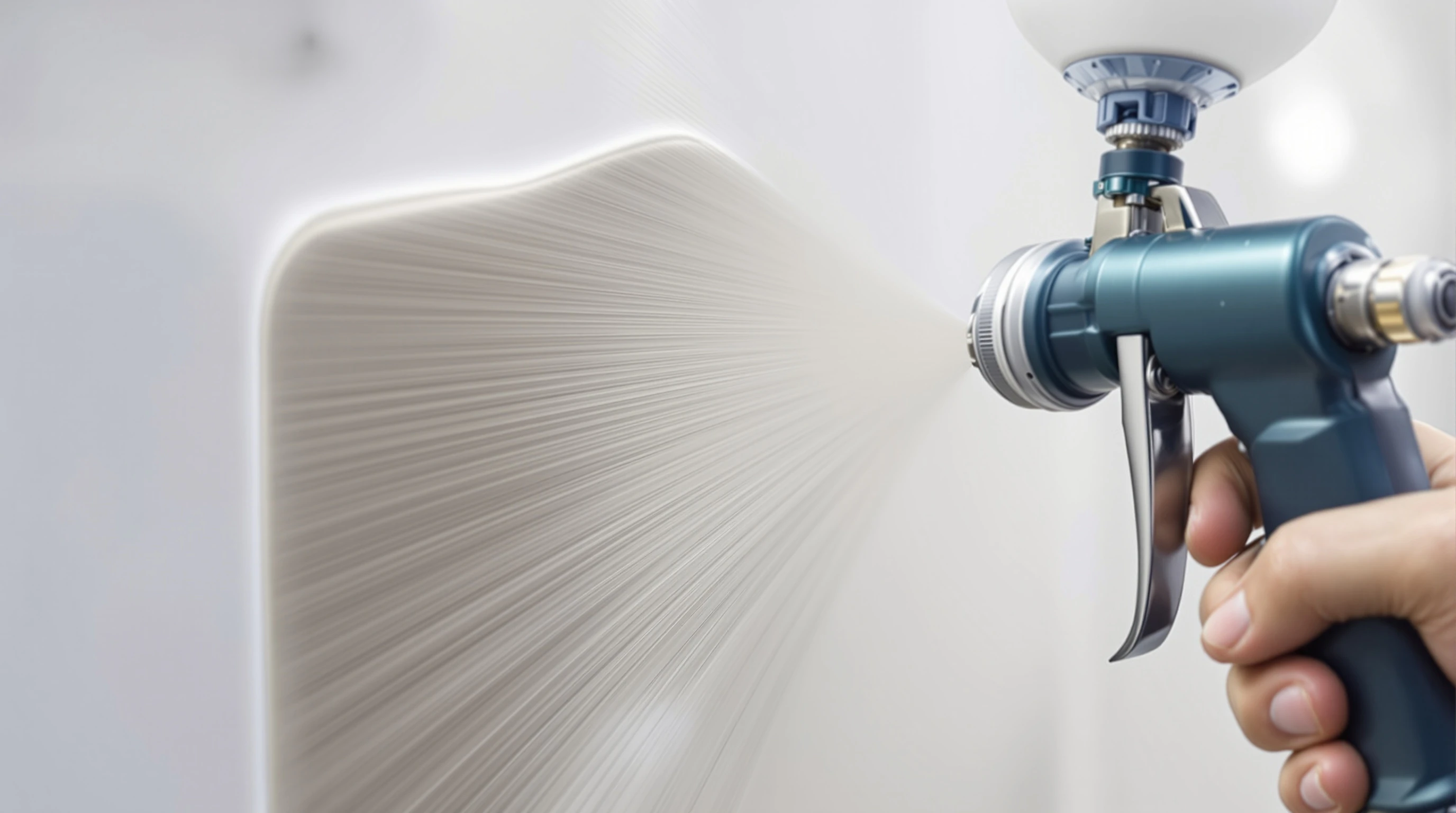
Controlled Film Build
Polymer coating is applied via calibrated spray equipment in controlled layers. Film thickness is verified at each stage to achieve the specified build. Air-cure formulations eliminate the need for oven curing, accommodating oversized and heat-sensitive components.
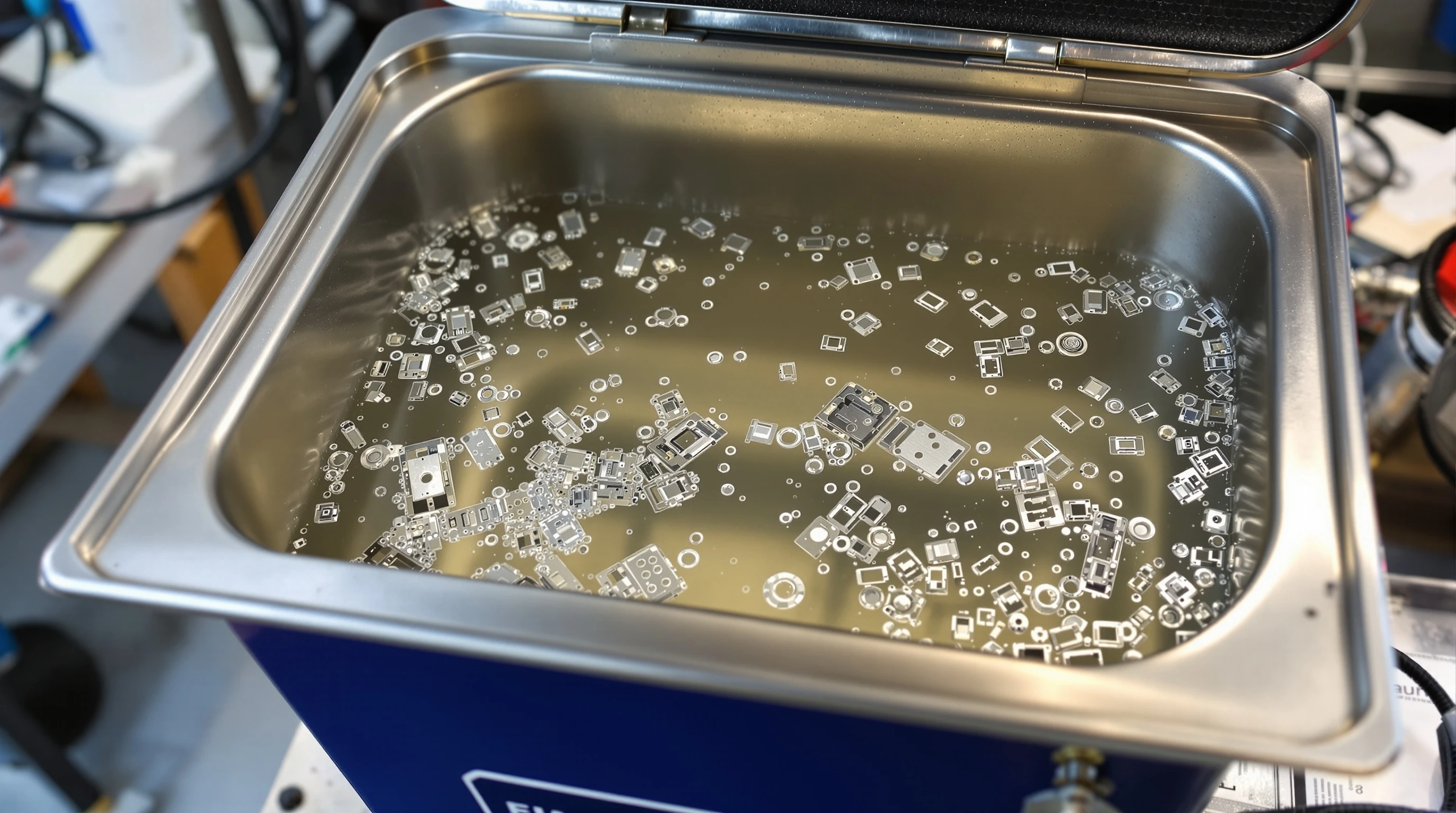
Performance Verification
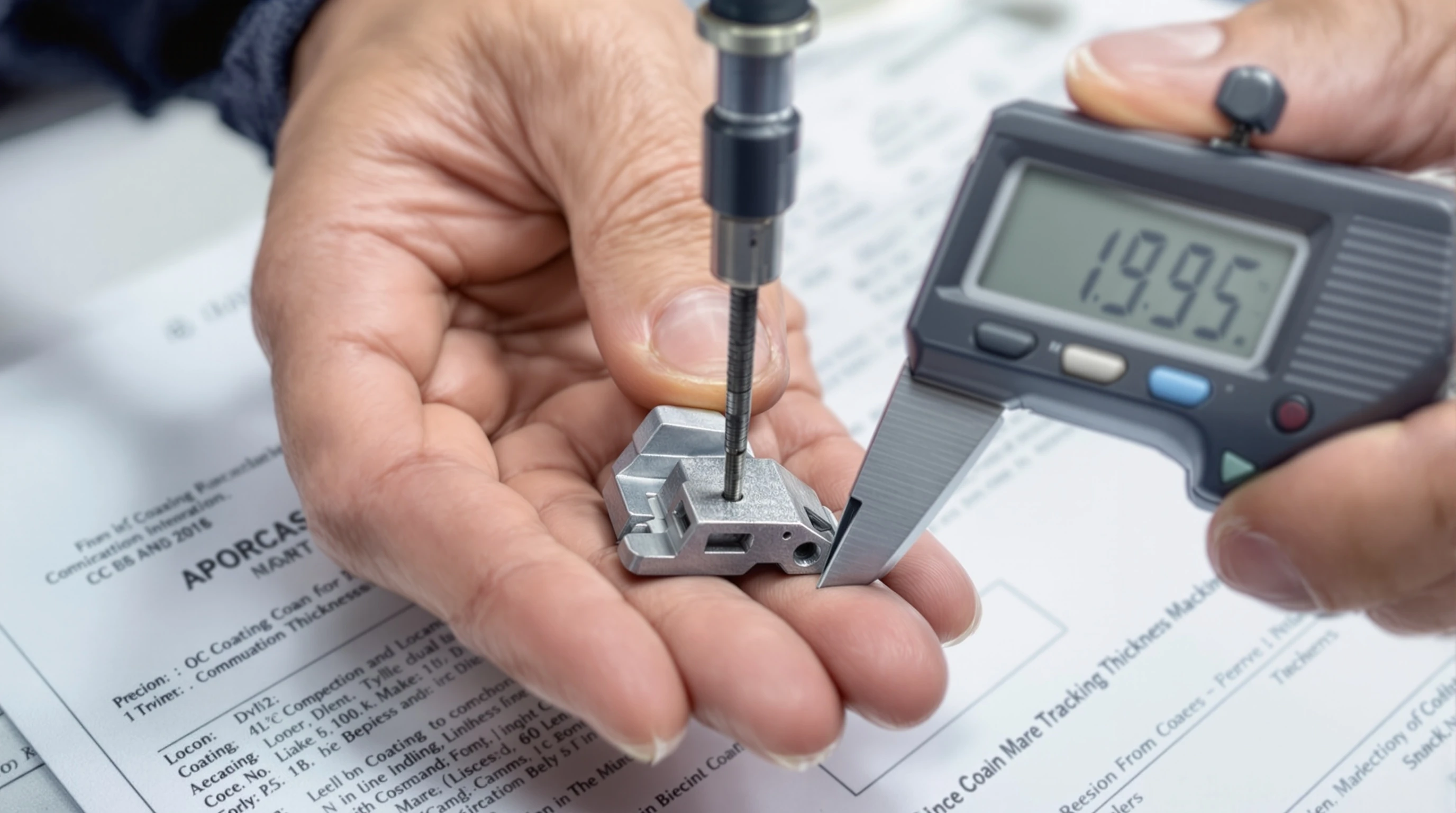
Post-application inspection verifies film thickness, adhesion, visual appearance, and surface uniformity. Adhesion testing confirms bond integrity on the specific substrate. Full documentation accompanies every shipment with measured results.
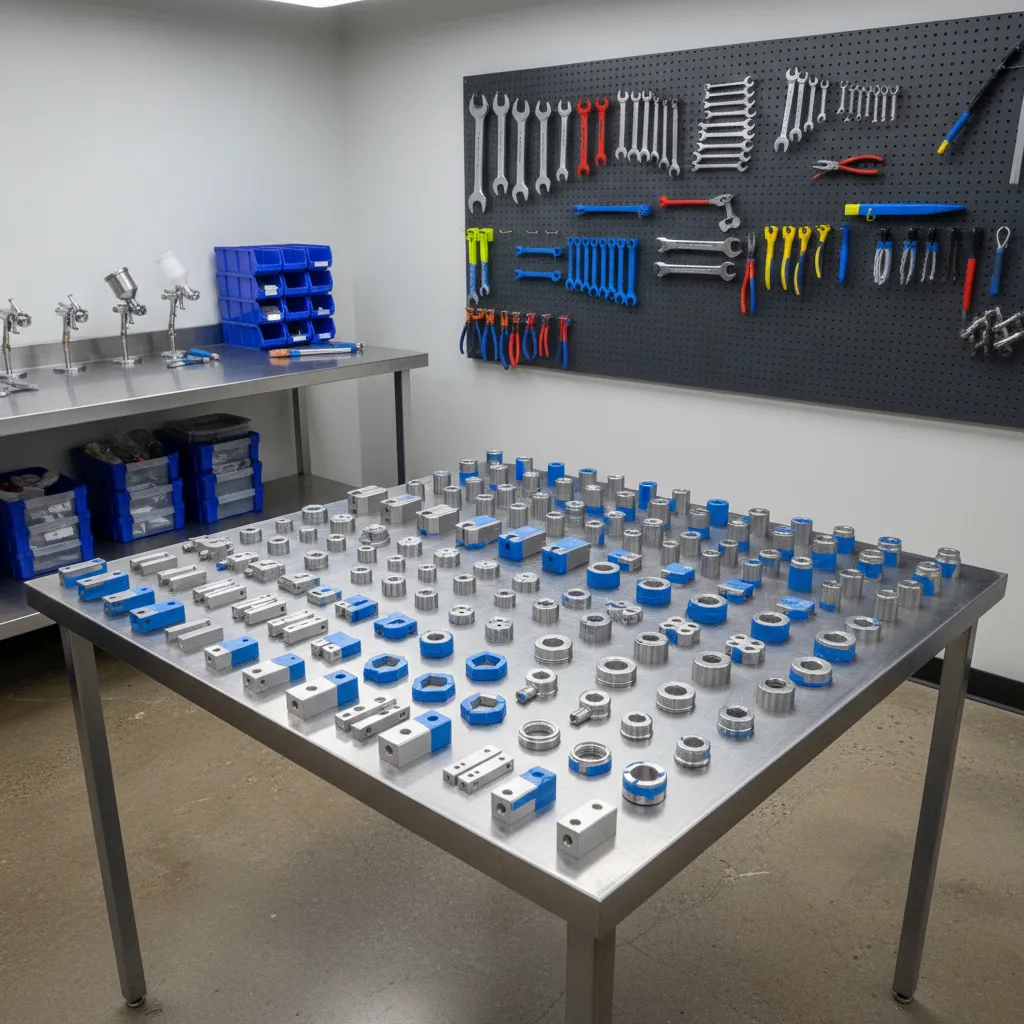

The Polymer Coating Process
Polymer coatings form a continuous, flexible film that absorbs substrate movement without cracking or delamination. ColoradoKote applies polymer coatings under the same AS9100 quality system that governs ceramic operations, delivering documented quality for gaskets, seals, sliding interfaces, and chemically exposed surfaces.
What Our Polymer Coating Delivers
Polymer coatings solve problems that rigid ceramic coatings cannot address. Each result is verified through standardized testing.
Chemical Resistance Rating
Polymer coatings withstand acids, alkalis, solvents, and fuels that attack unprotected substrates. The continuous film prevents chemical penetration to the base material, extending service life in harsh chemical environments.
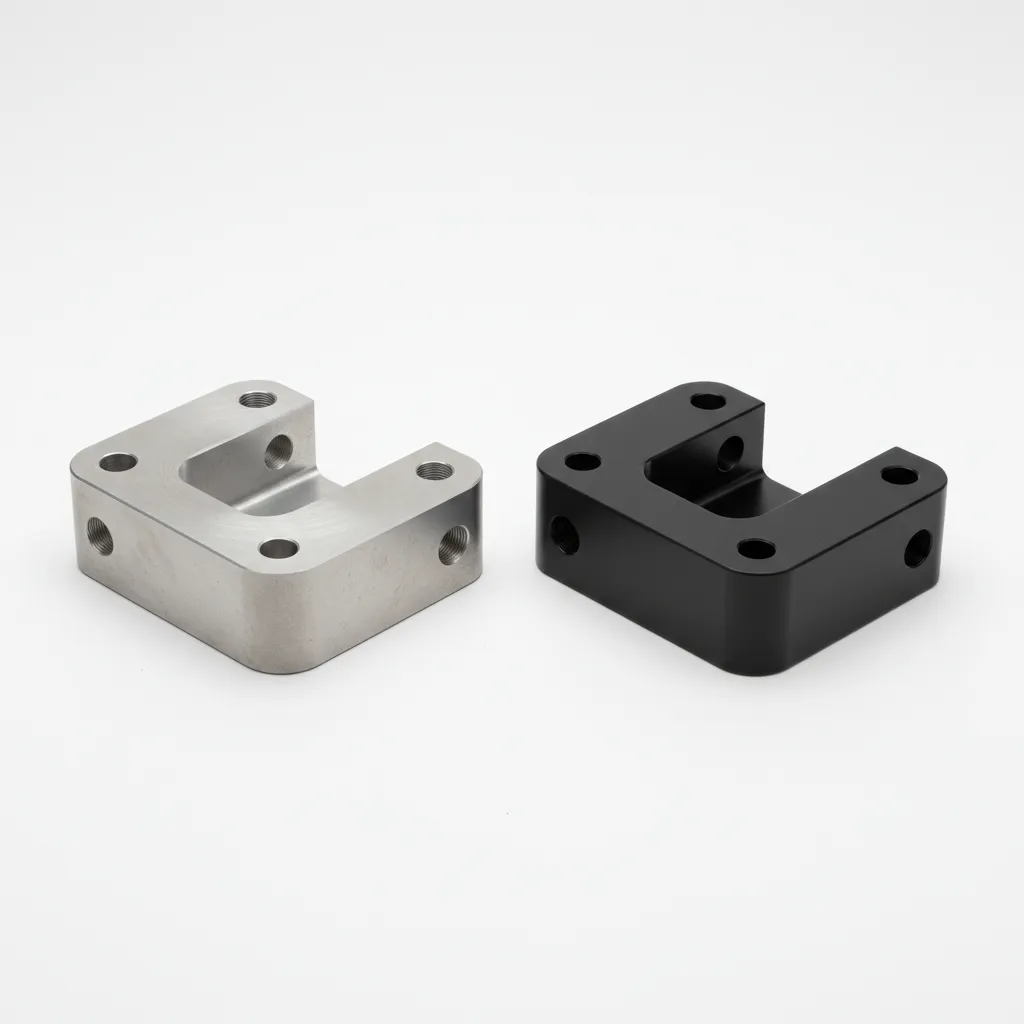
Coefficient of Friction
Polymer coatings provide lubricious surfaces that reduce wear on sliding interfaces. The low friction coefficient minimizes heat generation and mechanical stress on dynamic components requiring smooth, consistent operation.
Substrate Conformability
Polymer films conform to substrate movement, vibration, and thermal cycling without adhesion loss or cracking. This flexibility makes polymer the correct choice for gaskets, seals, and components subject to repeated dynamic stress.
Frequently Asked Questions
Find answers about our coating processes and technical capabilities
Performance and racing applications increasingly use AM for intake manifolds, brackets, sensor housings, and custom ducting with optimized geometries. ColoradoKote's post-processing transforms these raw prints into professional, functional components. Cerakote reduces surface roughness from Ra 8-15 micrometers to below 3 micrometers for improved airflow on intake components, adds thermal barrier properties for heat management, and provides the durability to survive race conditions. Custom color matching to team or sponsor colors is available to Delta E 1.5.
At 0.5-2 mils thickness, Cerakote preserves interference fits and thread engagement that powder coating at 4-6 mils cannot maintain. We mask threaded holes, bearing surfaces, and critical datum features per documented masking plans reviewed against your engineering drawings. Over 20,000 parts coated with zero quality issues demonstrates the process control needed for precision aerospace hardware.
Yes. Cerakote V-Series formulations are rated to 2,000 degrees F, providing thermal protection for AM parts deployed in high-temperature industrial applications. The coating also serves as a thermal barrier, reducing heat transfer into the AM substrate. For polymer AM parts, H-Series Cerakote provides protection at standard industrial operating temperatures while adding the corrosion and chemical resistance that raw PA12 and PA11 surfaces lack. Temperature requirements drive formulation selection during our engineering review.
Yes. Cerakote's 9H pencil hardness and 4,000 cycles per mil abrasion resistance dramatically outperform the raw surface of AM parts exposed to soil contact. For non-ground-engaging AM components like sensor housings, seed meter bodies, and equipment guards, Cerakote provides abrasion protection that extends part life through multiple growing seasons. For high-wear ground-engaging surfaces, we recommend Cerakote for corrosion protection with the understanding that extreme abrasive contact will eventually wear through any coating system.
Valve trim components including seats, stems, and plugs face abrasive particulates, corrosive fluids, and high-cycle mechanical wear in oil and gas service. Cerakote's 9H hardness and 4,000 cycles per mil abrasion resistance protect sealing surfaces from erosion and scoring. Combined with passivation on stainless steel trim, the dual-layer defense extends service intervals and reduces unplanned maintenance shutdowns.
Ready for Polymer Coating
Describe your application requirements including substrate material, operating environment, and performance needs. Receive a recommendation with the appropriate polymer formulation.