ColoradoKote
Precision Cerakote ceramic coatings for aerospace, defense, and industrial components.
Three Stages of Surface Preparation
Eighty percent of coating failures trace to inadequate surface preparation. Every stage is controlled and documented to prevent this.
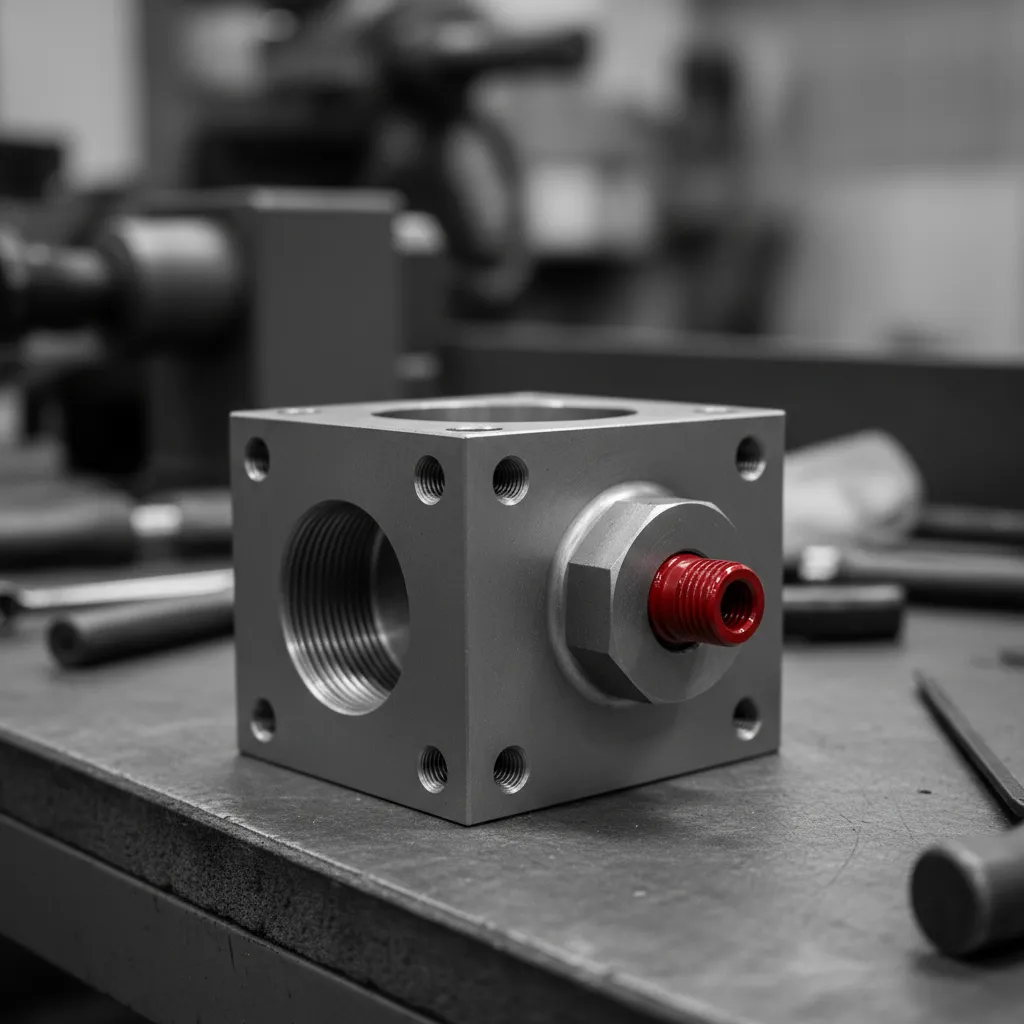
Solvent Cleaning Per SSPC-SP 1
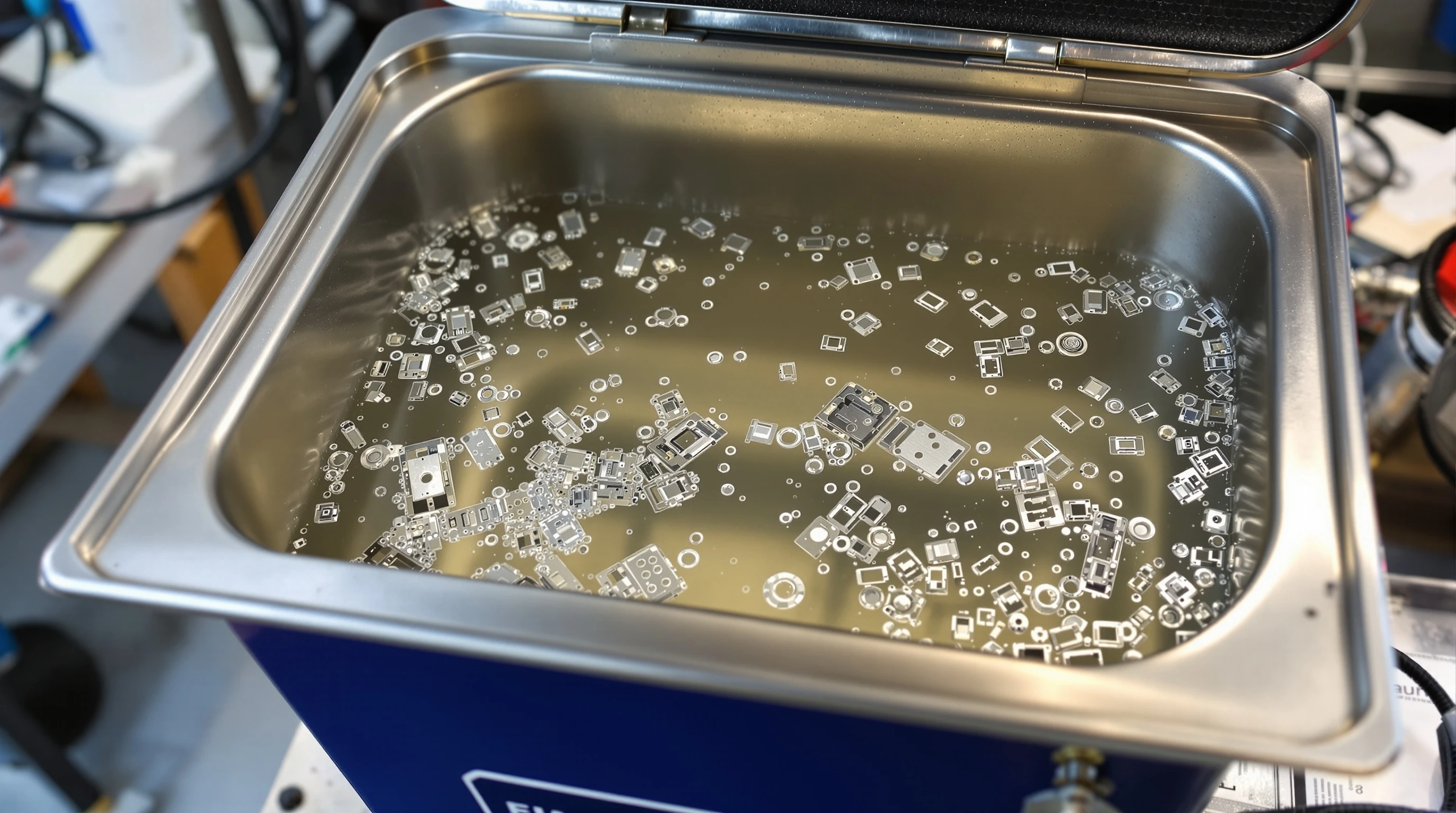
Parts are solvent-cleaned to remove machining oils, cutting fluids, and handling residues. This initial decontamination prevents contaminants from being driven into the surface profile during blasting. Visual inspection confirms a clean surface before media contact.
Controlled Media Blasting at 40-80 PSI
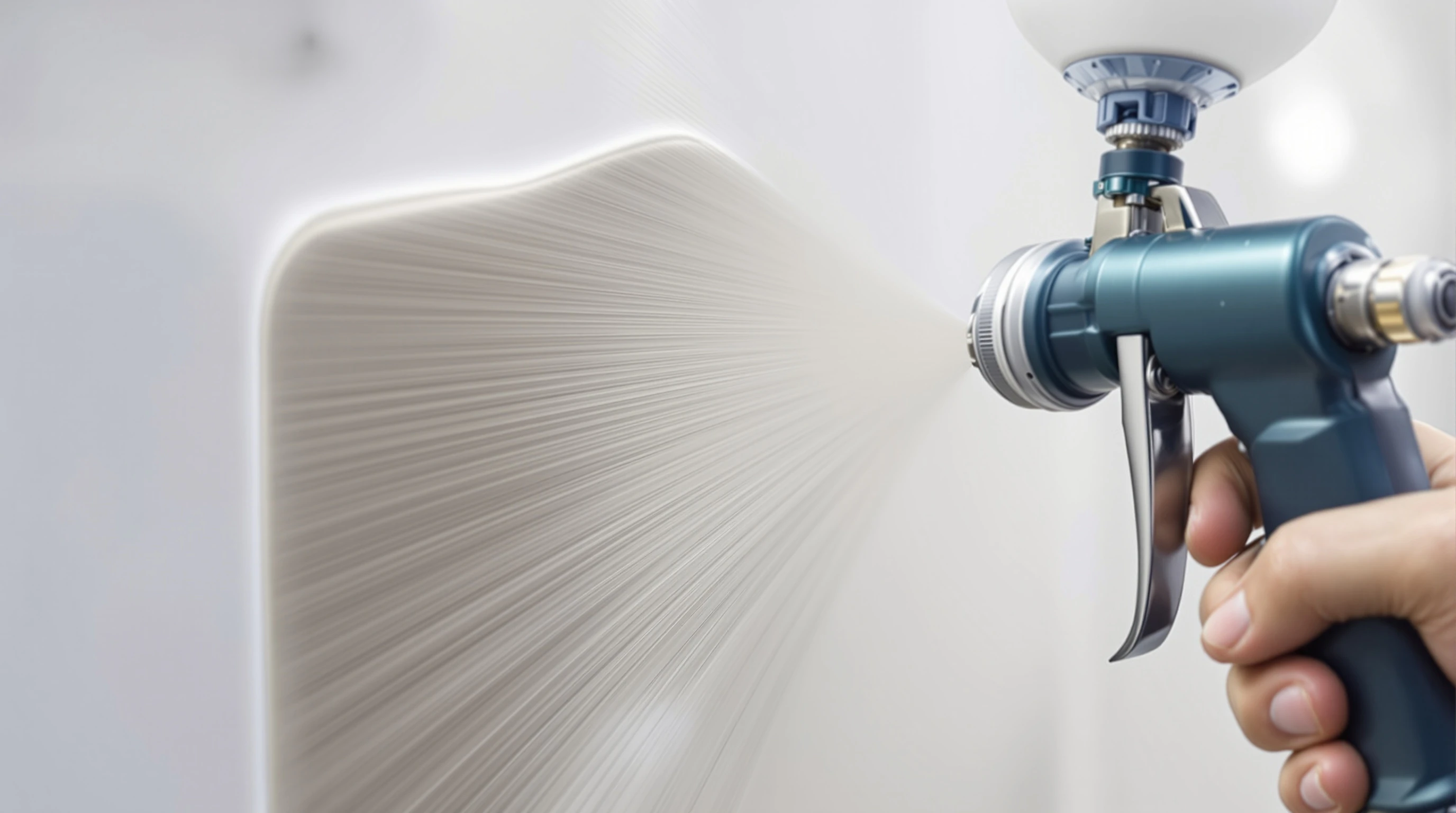
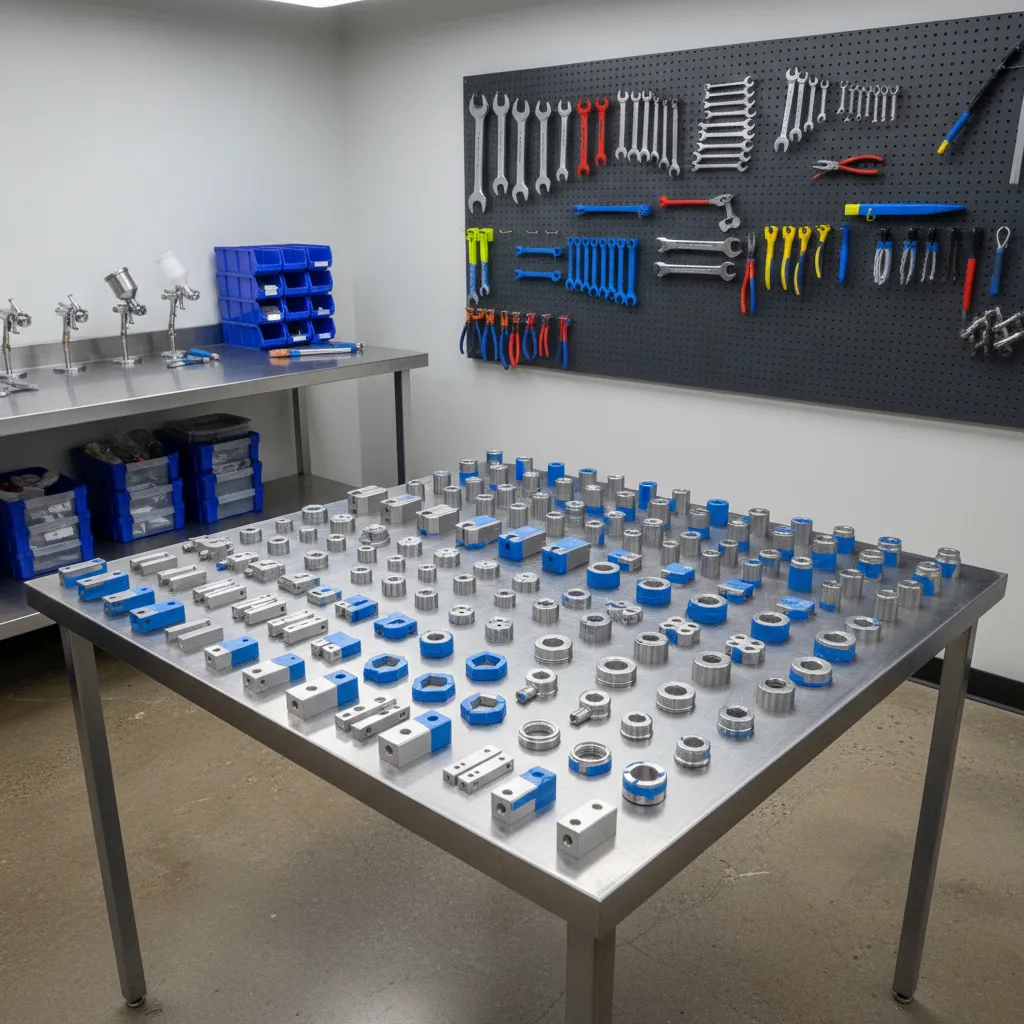
Media type and blast pressure are selected for the substrate. Aluminum oxide creates 0.5-1 mil anchor patterns on steel and titanium. Aluminum Oxide and Garnet Sand provides gentle profiling for aluminum and thin-walled AM parts. Precision masking protects critical dimensions throughout.
Profile and Dimensional Confirmation
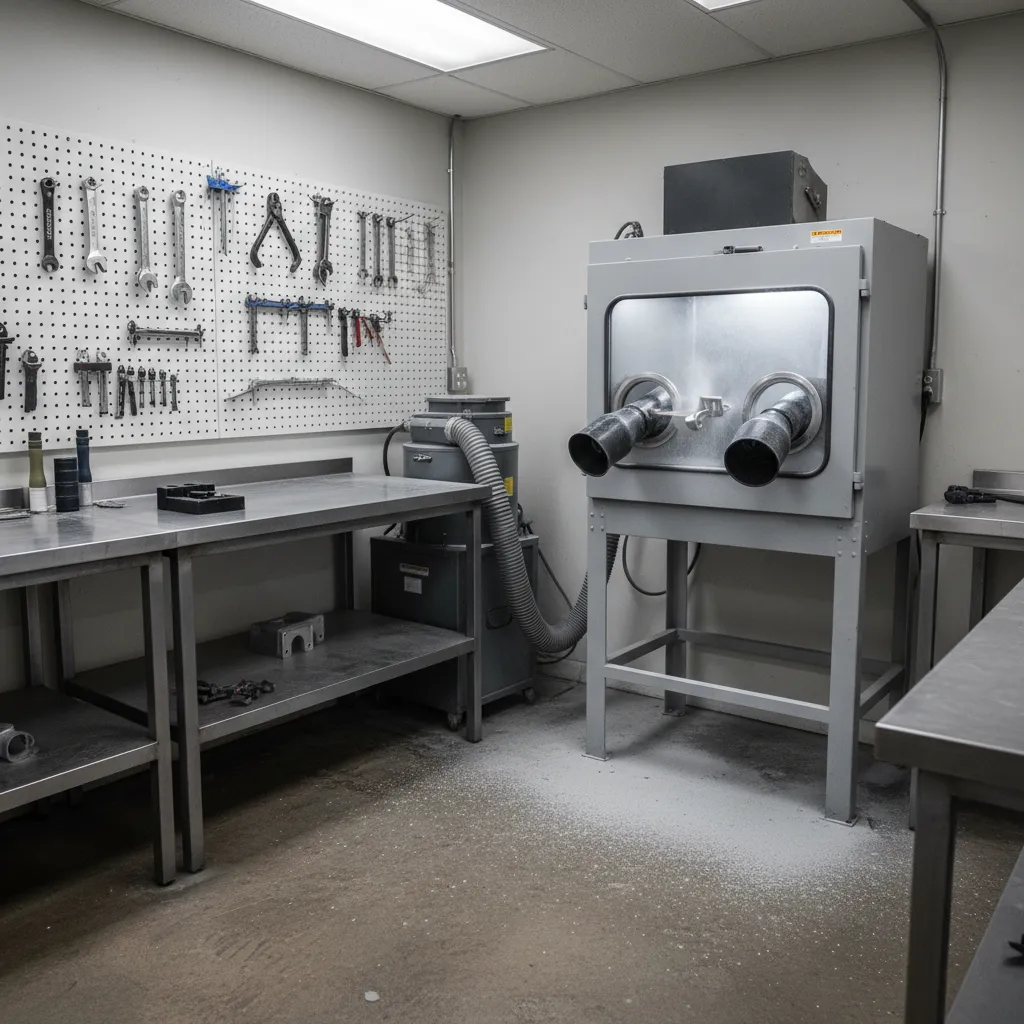
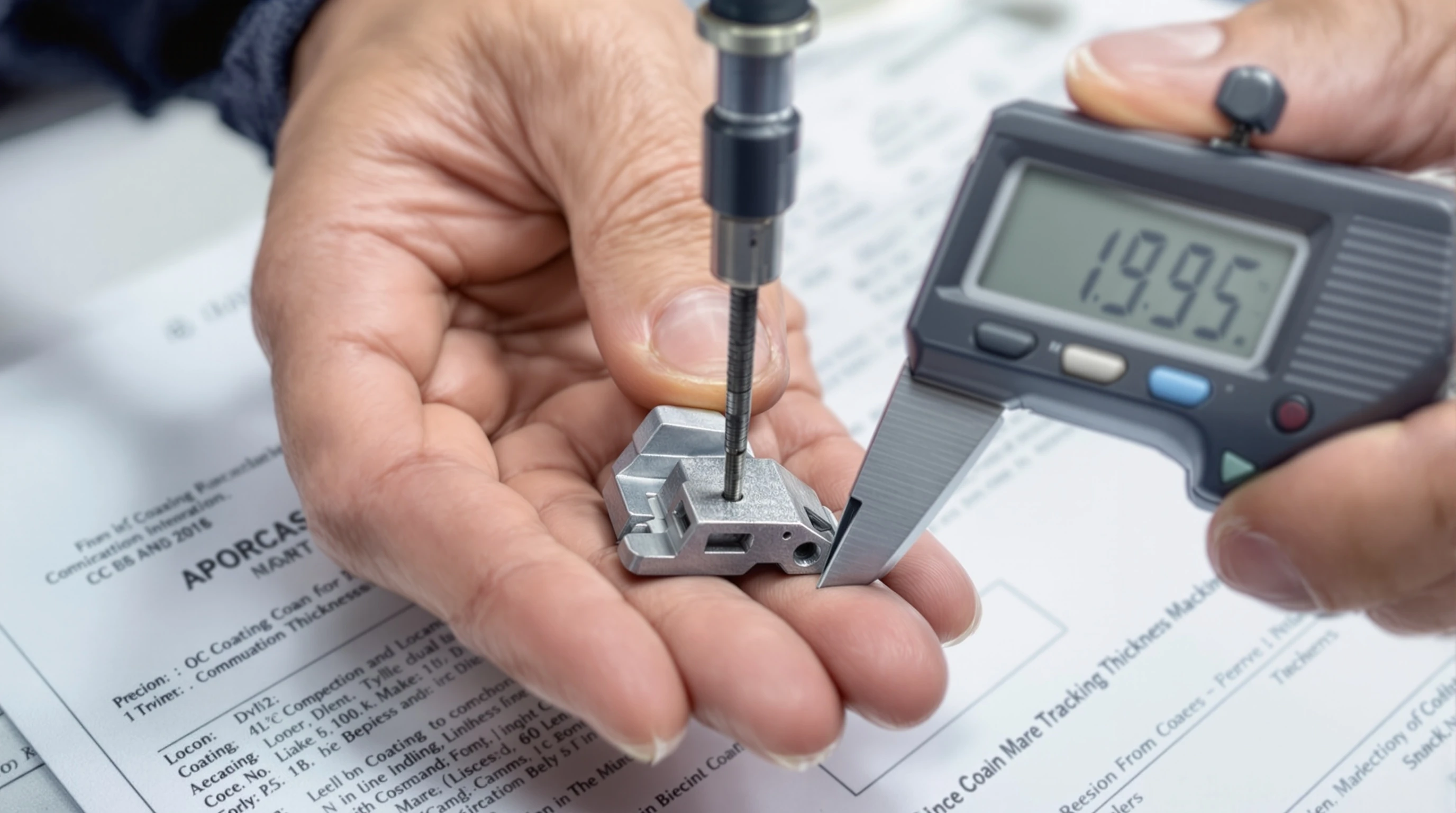
Surface profile is verified with calibrated gauges per ASTM D4417. For AM parts, CMM measurement confirms dimensional integrity within ±0.0002 inches before and after blasting. Parts transfer to coating within 2-4 hours to prevent recontamination.

The Surface Preparation Process
Proper surface preparation creates the mechanical bond sites that anchor coating at the molecular level. ColoradoKote maintains AS9100-certified preparation processes with media selection matched to each substrate, preserving dimensional tolerances on precision components including additive manufacturing parts.
What Our Surface Prep Delivers
Surface preparation quality is measured, documented, and traceable to each part for complete quality evidence.
Anchor Profile Depth
Aluminum oxide media creates a consistent 2-4 mil surface profile that maximizes coating adhesion. Profile depth is verified with calibrated gauges and documented per ASTM D4417 for every job.
SSPC Surface Cleanliness
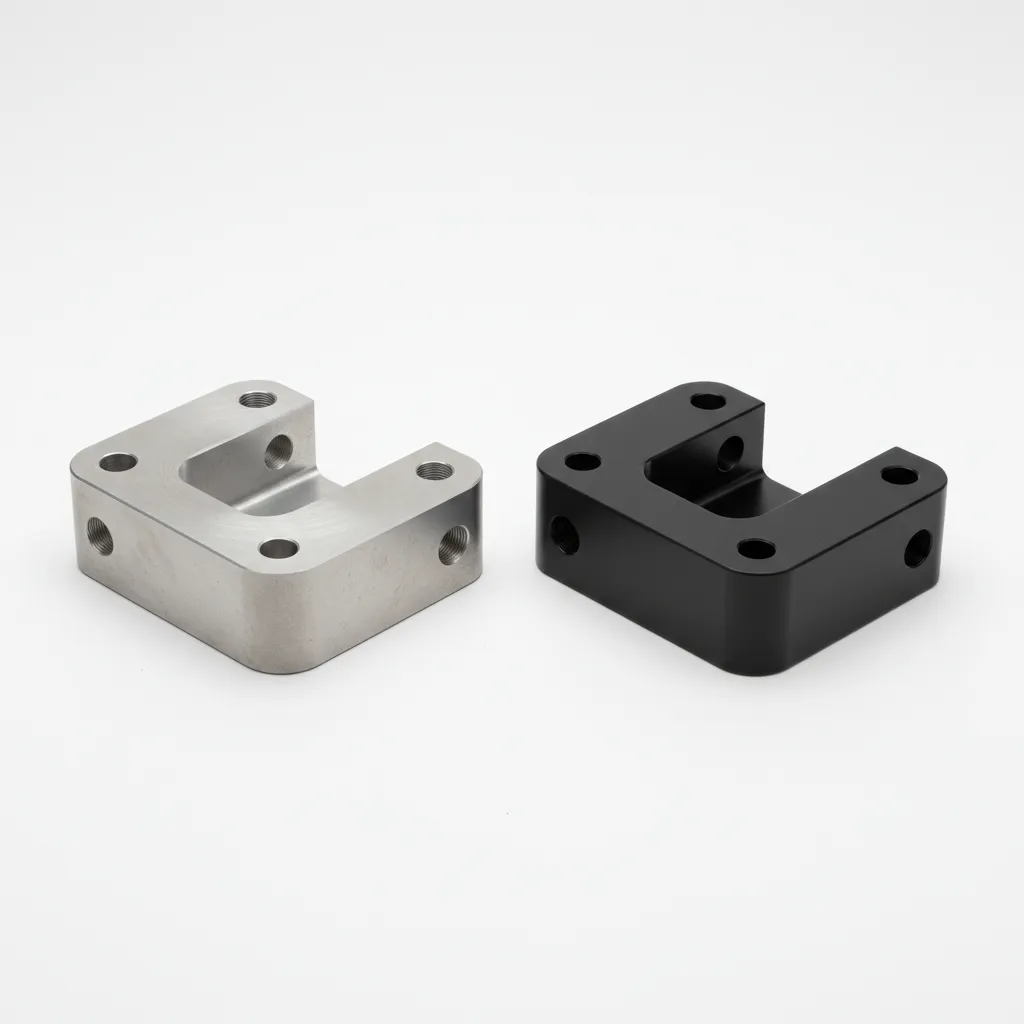
SSPC-SP 10 near-white blast removes 95% of surface contaminants, creating the cleanliness level required for maximum coating bond strength. Uniform profiles ensure consistent adhesion across the entire part geometry.
Tolerance on AM Parts
Controlled blast pressure and fine media selection maintain dimensional tolerances within ±0.0002 inches on additive manufacturing parts. CMM verification before and after blasting confirms zero dimensional distortion.
Frequently Asked Questions
Find answers about our coating processes and technical capabilities
Cerakote's high-temperature series withstands sustained temperatures up to 2,000°F, making it ideal for exhaust manifolds, turbo housings, heat shields, and headers. The coating provides thermal management benefits while protecting against corrosion and maintaining appearance. Unlike ceramic wrap or spray-on heat coatings that degrade over time, Cerakote bonds at the molecular level to the substrate for long-term performance.
Provide the substrate material, part dimensions and quantity, desired Cerakote series (H-Series, Elite, or V-Series), color requirements, any masking locations, applicable specifications or drawings, and your required turnaround time. Photos or CAD files help us assess complexity. Standard turnaround is 14 days, with 3-day and 7-day expedited available. We respond within 24 business hours with a technical approach, pricing, and confirmed lead time.
Yes. Downhole tools returned from service carry production chemicals, scale, and corrosion products that must be completely removed before inspection and recoating. Ultrasonic cavitation reaches contaminants in thread roots, seal grooves, and internal flow passages that determine tool serviceability. Verified cleanliness after ultrasonic processing allows accurate inspection of the substrate condition and ensures that reapplied Cerakote bonds properly for the tool's next deployment in corrosive downhole environments.
Additive manufacturing parts have inherent porosity, layer lines, and often thin-wall geometries that cannot withstand standard 80-100 PSI blasting. Our 40-60 PSI low-pressure blasting removes loose powder and partially sintered particles, reduces surface roughness peaks, and creates adequate anchor profile for Cerakote adhesion without distorting thin walls, collapsing lattice structures, or peening delicate features. This controlled approach preserves the geometric complexity that makes AM valuable.
Yes. We perform chemical conversion coating per MIL-DTL-5541 on aluminum substrates followed by Cerakote ceramic topcoat, all under one roof. This combined stack eliminates the need to ship parts between vendors, reducing lead time and handling risk. Our 14-day standard turnaround with 3-day and 7-day expedited options keeps your production schedule on track.
Ready for Surface Preparation
Provide your substrate material, dimensional requirements, and coating specification. Receive a preparation plan with media selection and processing details.