ColoradoKote
Precision Cerakote ceramic coatings for aerospace, defense, and industrial components.
Three Stages of Precision Ultrasonic Cleaning
Each stage is controlled, documented, and verified under AS9100 quality protocols.
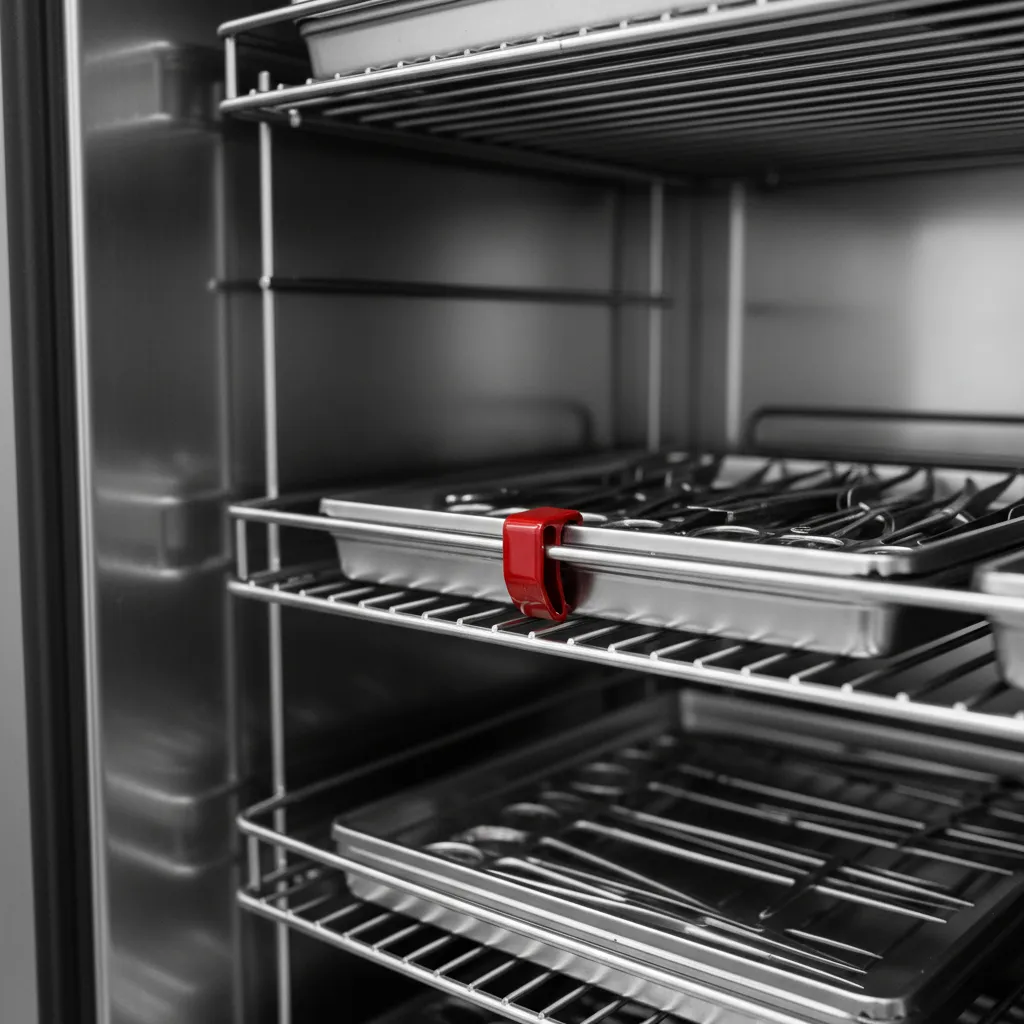
Cleaning solution chemistry is matched to the substrate material and contamination type. Alkaline solutions for aluminum, neutral formulations for titanium to prevent hydrogen embrittlement, and polymer-safe solutions for additive manufacturing parts. Temperature and concentration are set to documented parameters.
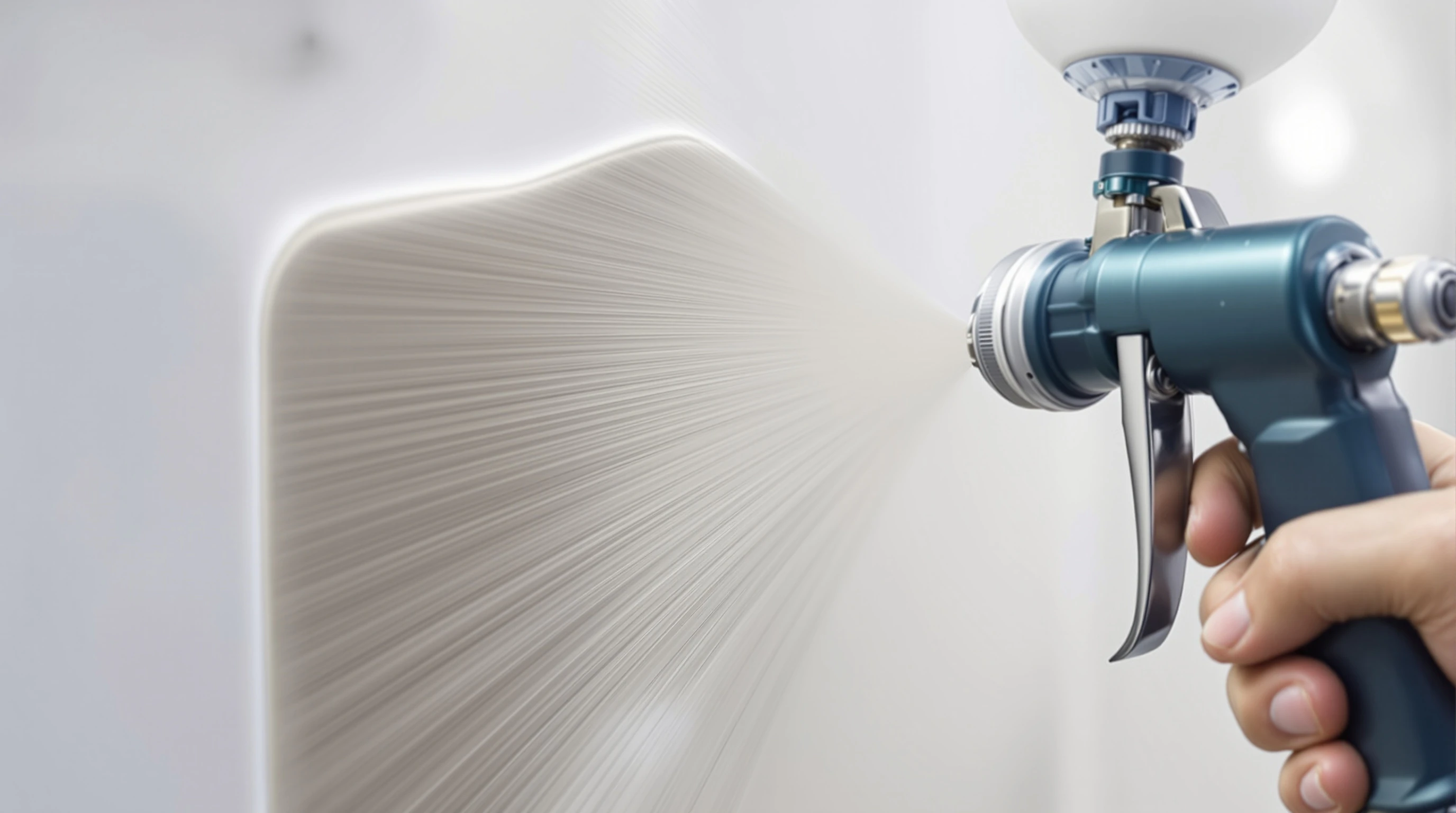
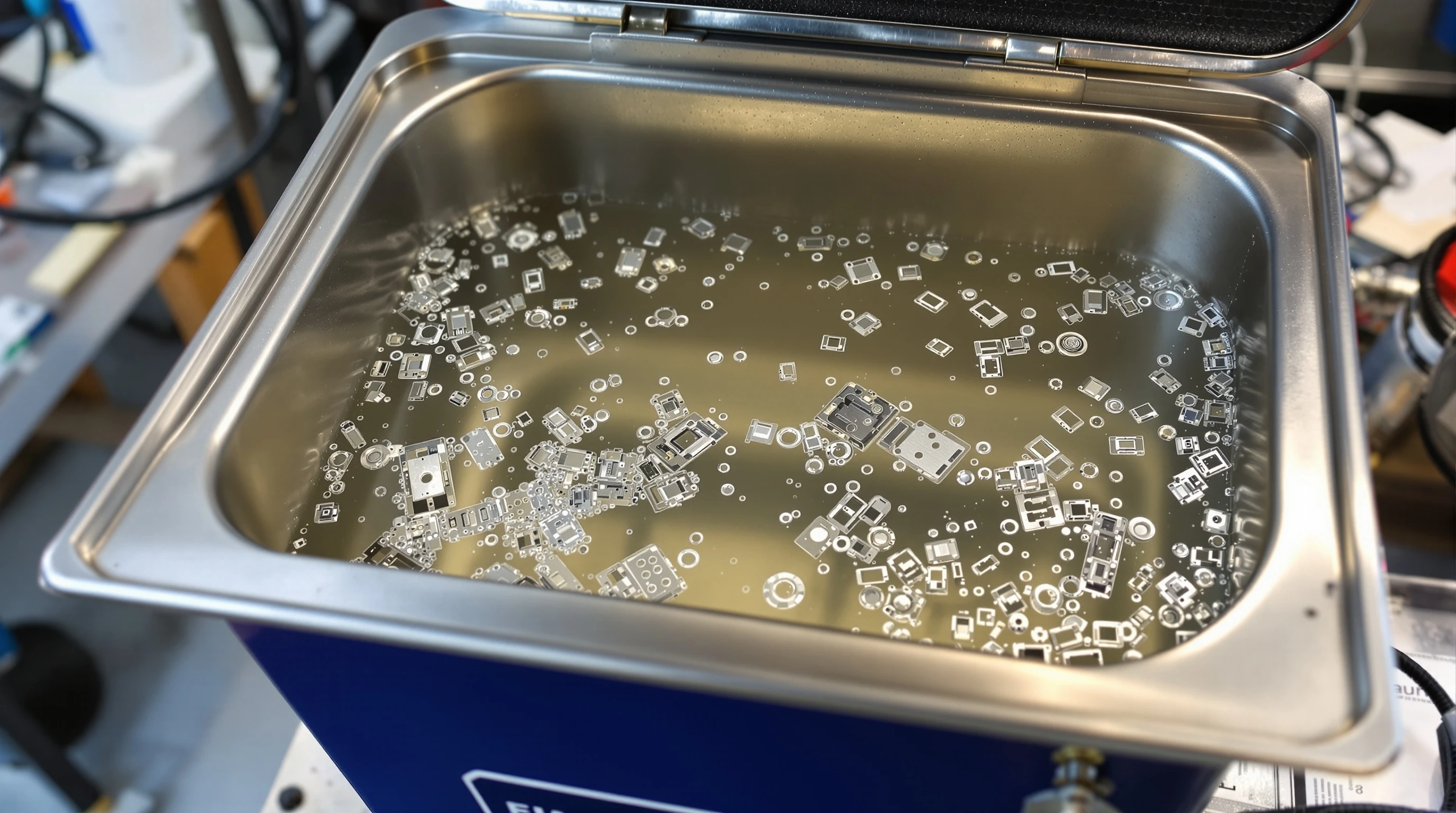
Parts are submerged in heated cleaning solution. A 40 kHz transducer generates millions of microscopic cavitation bubbles that implode against every surface, penetrating blind holes, internal threads, lattice structures, and complex geometries that manual cleaning cannot reach.
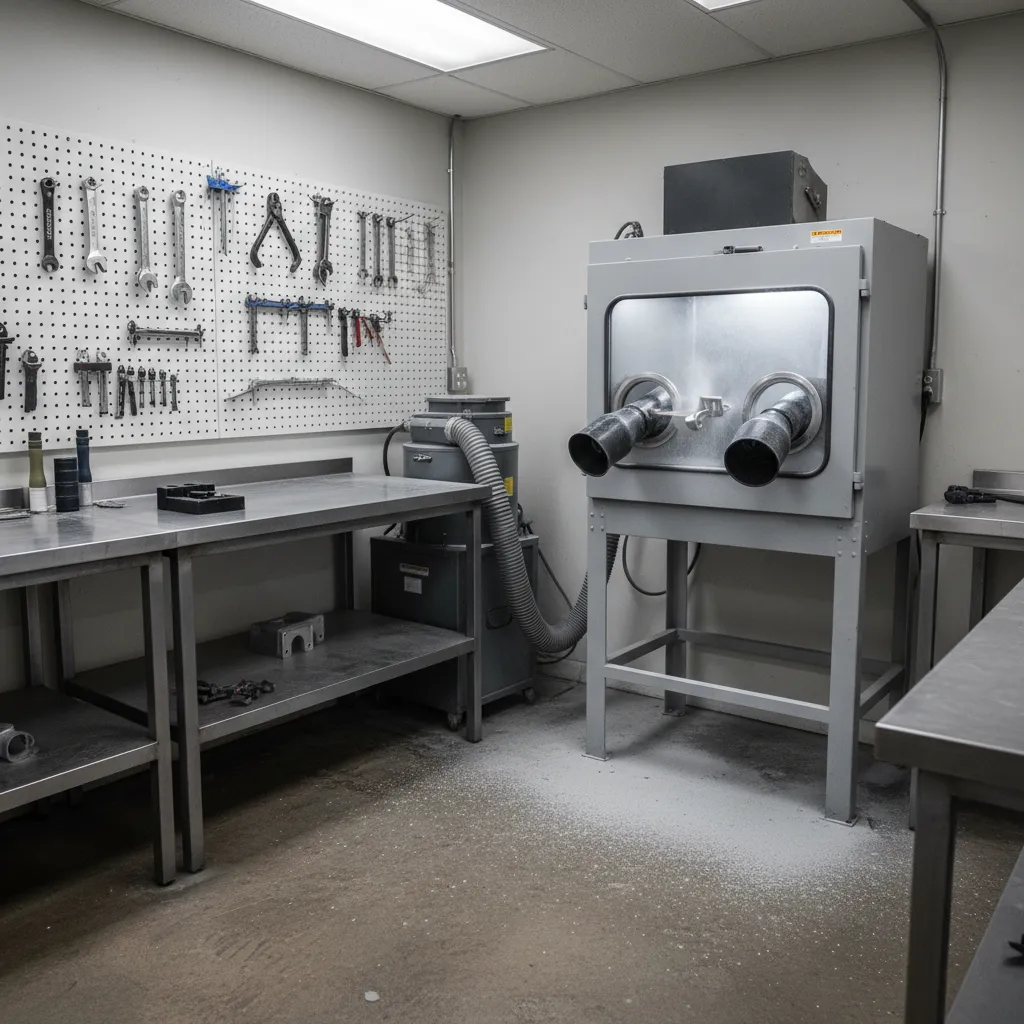
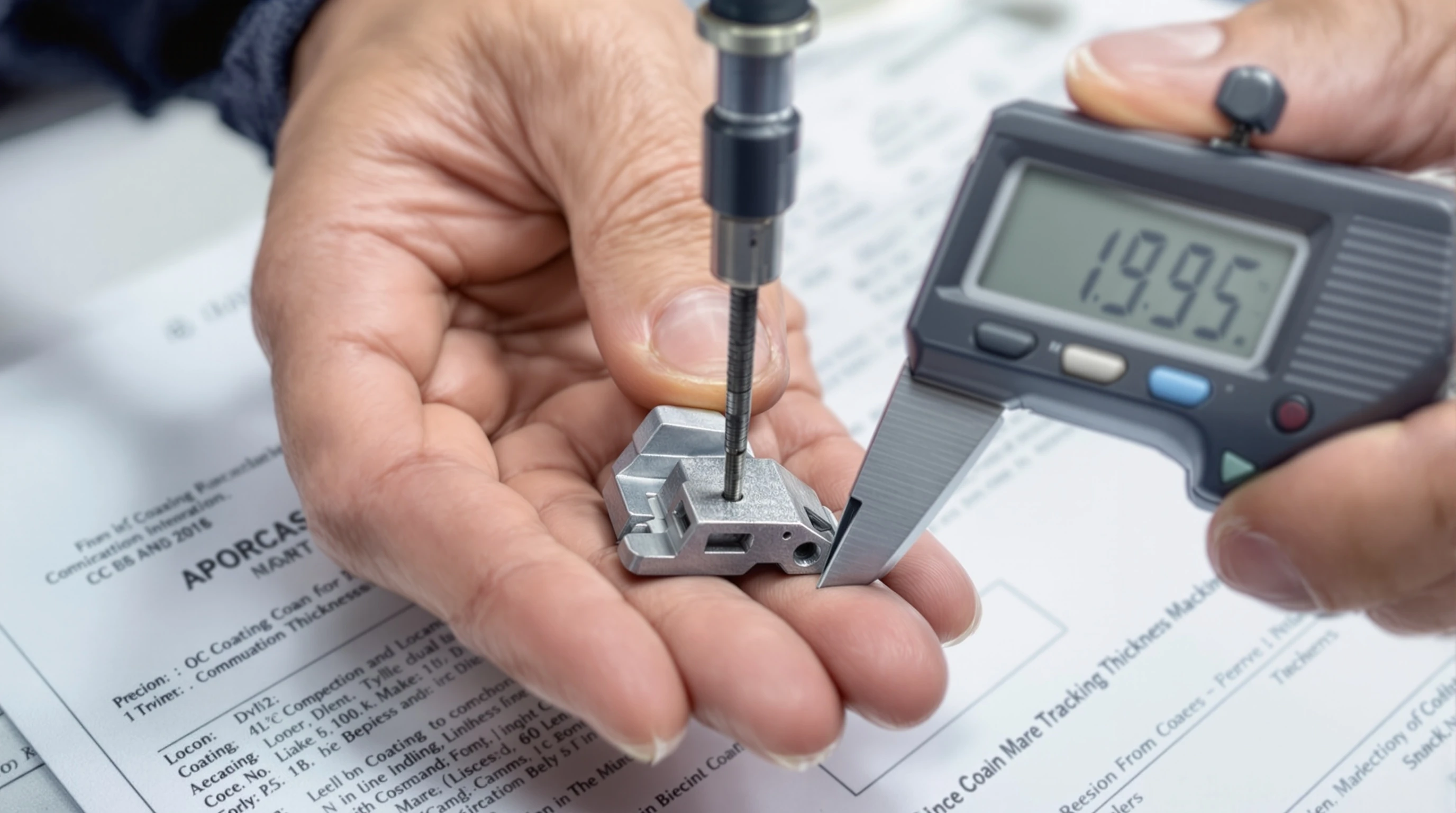
Water-break testing confirms DI water sheets uniformly with zero beading. White-glove inspection checks for particulate transfer. For critical aerospace applications, dyne pen testing measures surface energy. Parts that fail any verification step are re-cleaned before release.

How the Ultrasonic Cleaning Process Works
40 kHz ultrasonic cavitation generates millions of imploding bubbles that strip oils, machining fluids, and particulates from blind holes, threads, and complex geometries. Available as standalone precision cleaning or integrated surface preparation before Cerakote® coating.
Verified Cleanliness for Critical Components
Every cleaning batch is documented with solution parameters, cycle data, and verification results under AS9100 controls.
Cavitation Frequency
Industrial-grade ultrasonic transducers tuned for optimal contaminant removal across metals, polymers, and composites.
Multi-Method Verification
Water-break testing, white-glove inspection, and dyne pen testing confirm parts meet cleanliness specification before release.
Solution Temperature
Heated cleaning solutions matched to substrate material for maximum contaminant removal without surface damage.
Frequently Asked Questions
Find answers about our coating processes and technical capabilities
Yes. Agricultural parts often arrive with pitting corrosion from chemical exposure and moisture. Ultrasonic cavitation removes corrosion products from pit interiors and surface irregularities that blasting alone cannot fully clean. Corrosion products left in pits create adhesion weak spots where the new coating fails first. The combination of ultrasonic cleaning followed by sandblasting at 80-100 PSI produces the contamination-free, properly profiled surface that delivers maximum Cerakote adhesion and corrosion protection on agricultural equipment.
Yes. We coat valve bodies, stems, seats, and trim components for corrosive service environments including sour gas applications. Passivation of stainless steel substrates followed by Cerakote ceramic topcoat creates a dual-layer defense against hydrogen sulfide and chloride attack. Our quality documentation supports NACE MR0175 compliance requirements for materials used in sour service.
Yes. Cerakote V-Series formulations are rated to 2,000 degrees F, providing thermal protection for AM parts deployed in high-temperature industrial applications. The coating also serves as a thermal barrier, reducing heat transfer into the AM substrate. For polymer AM parts, H-Series Cerakote provides protection at standard industrial operating temperatures while adding the corrosion and chemical resistance that raw PA12 and PA11 surfaces lack. Temperature requirements drive formulation selection during our engineering review.
Yes. Fertilizers, herbicides, and pesticides contain aggressive chemical compounds that attack conventional paint and powder coat finishes. Cerakote's ceramic-polymer chemistry resists this chemical attack while maintaining color stability. ColoradoKote verifies color hold through chemical exposure as part of our quality process. For sprayer components and chemical application equipment, Cerakote provides both chemical protection and lasting color identification that conventional coatings cannot maintain in agricultural chemical environments.
We offer over 200 standard Cerakote colors spanning the full spectrum from flat tactical blacks to high-gloss automotive finishes. For proprietary colors, our custom color matching service can replicate Pantone references, RAL numbers, OEM paint codes, or physical samples to within Delta E 1.5. Multi-year production programs receive documented color standards that ensure consistency across reorders.
Get Contamination-Free Surfaces
Tell us about your parts, substrate material, and contamination type. We respond within 24 business hours.