
Weight Reduction
Precision Cerakote ceramic coatings for aerospace, defense, and industrial components.

What Thick Coatings Cost Your Lightweighting Program
Every gram removed through topology optimization, material substitution, or additive manufacturing represents engineering investment. A 4-6 mil powder coating adds that weight back, consuming dimensional tolerance budgets and compounding across production volumes. For aerospace fleets, the penalty multiplies across hundreds of aircraft and thousands of flight hours.
- Tolerance consumed: Powder coating at 3-5 mils adds up to 0.003 inches per side, exceeding tight-tolerance budgets on precision mating surfaces and threaded features
- Weight compounding: Across 5,000 coated interior components per aircraft, thick coatings add 156 lbs versus 37.5 lbs with thin-film application, a 118.5 lb penalty per airframe
- Interference fits: Complex AM geometries, lattice structures, and conformal cooling channels clog or bridge when coated at 4+ mils, requiring rework or scrapping optimized parts
Thin-Film Ceramic Coating at 0.5-2 Mils
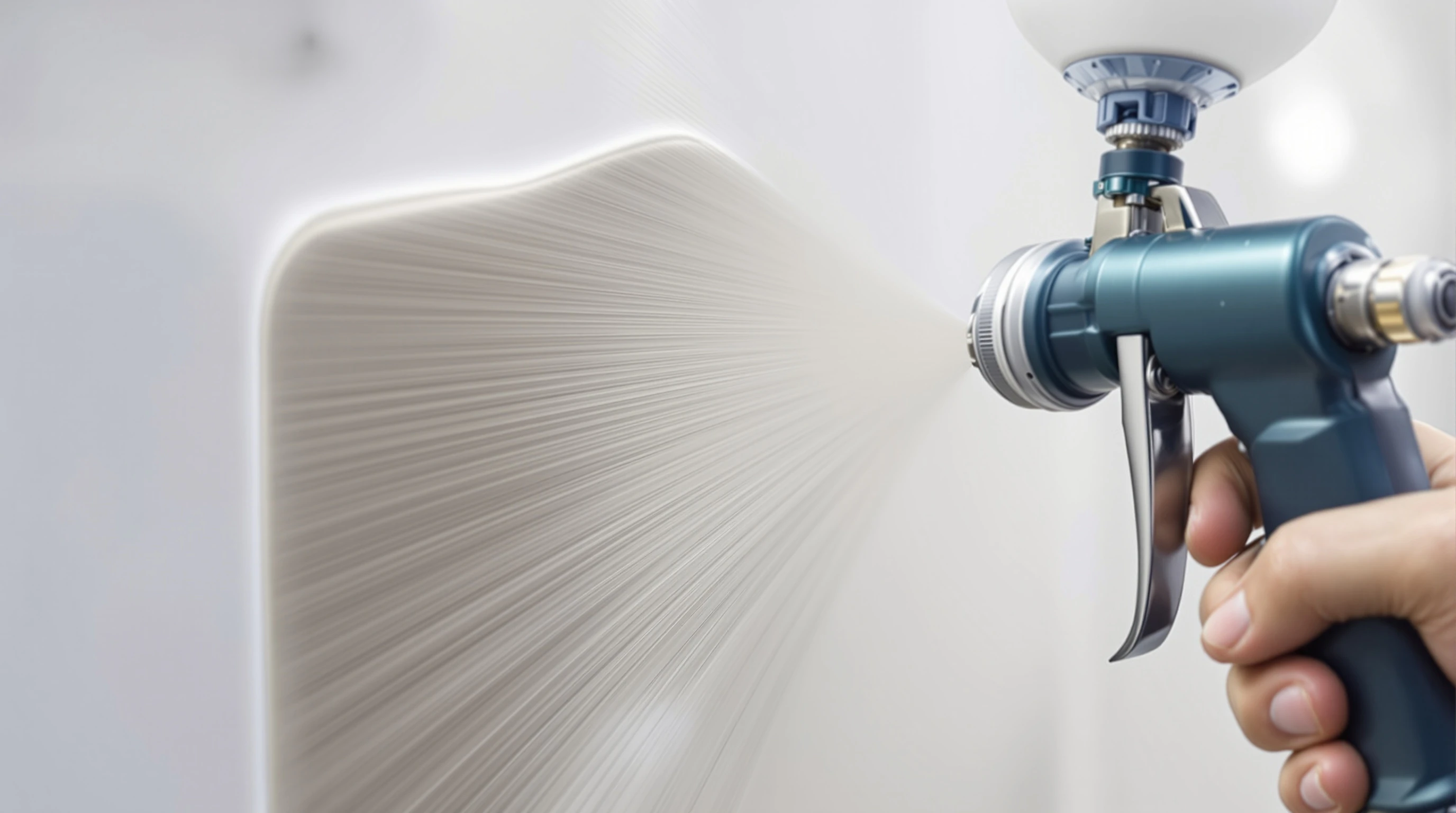
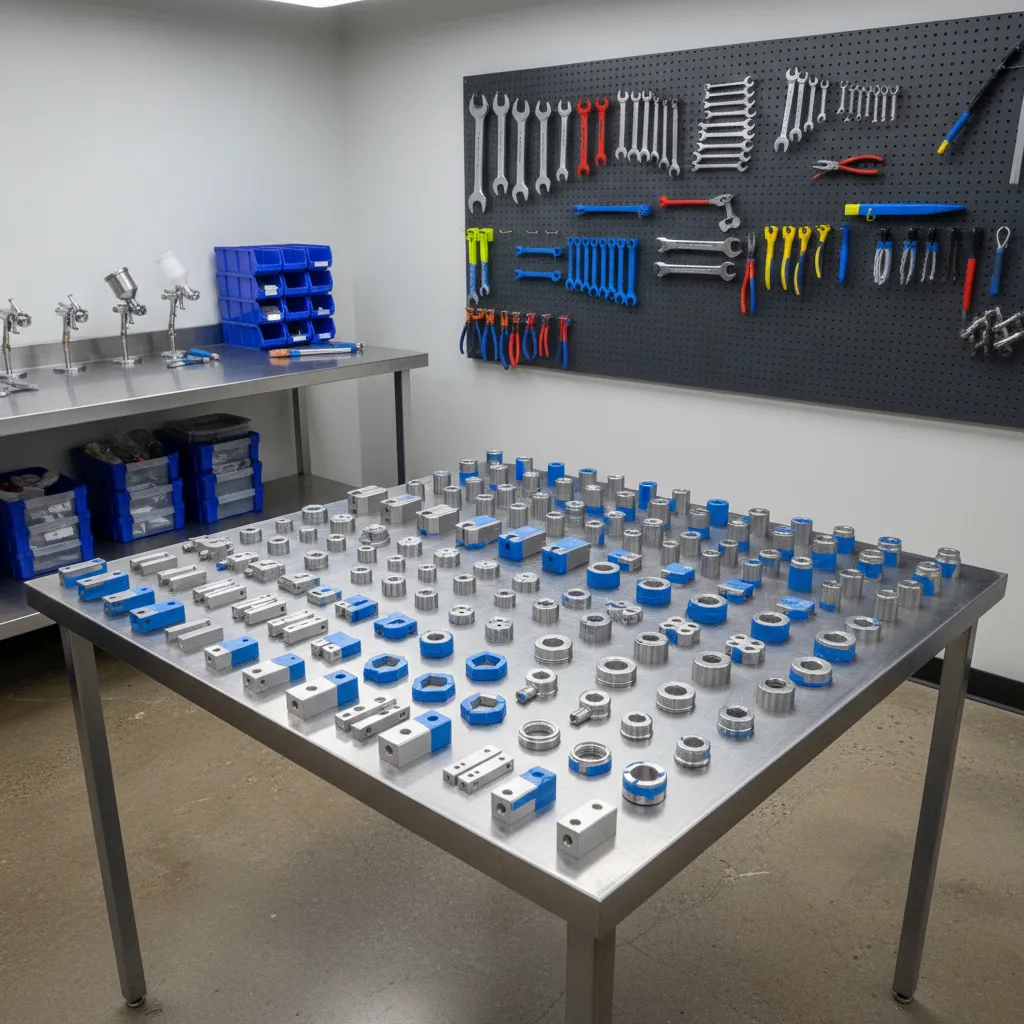
Cerakote® ceramic coating bonds at the molecular level in a 0.5-2 mil film, delivering full corrosion and wear protection without measurable weight penalty. The thin-film application conforms to complex geometries, preserves dimensional tolerances to within 0.001 inches, and maintains performance that thick coatings require 3-5 mils to achieve.
- 200-400g savings per part: At 0.5-2 mils versus powder coating at 3-5 mils, each component carries a fraction of the coating weight while retaining 3,000+ hours of salt spray resistance (ASTM B117)
- Tolerance preservation: A 1 mil application adds only 0.001 inches per side, maintaining thread class fit and press-fit dimensions that powder coating destroys at 4+ mils
- Complex geometry conformance: Thin-film coating follows lattice structures, topology-optimized features, and internal channels without bridging or clogging passages critical to AM part function
Measured Thickness, Verified Weight Savings
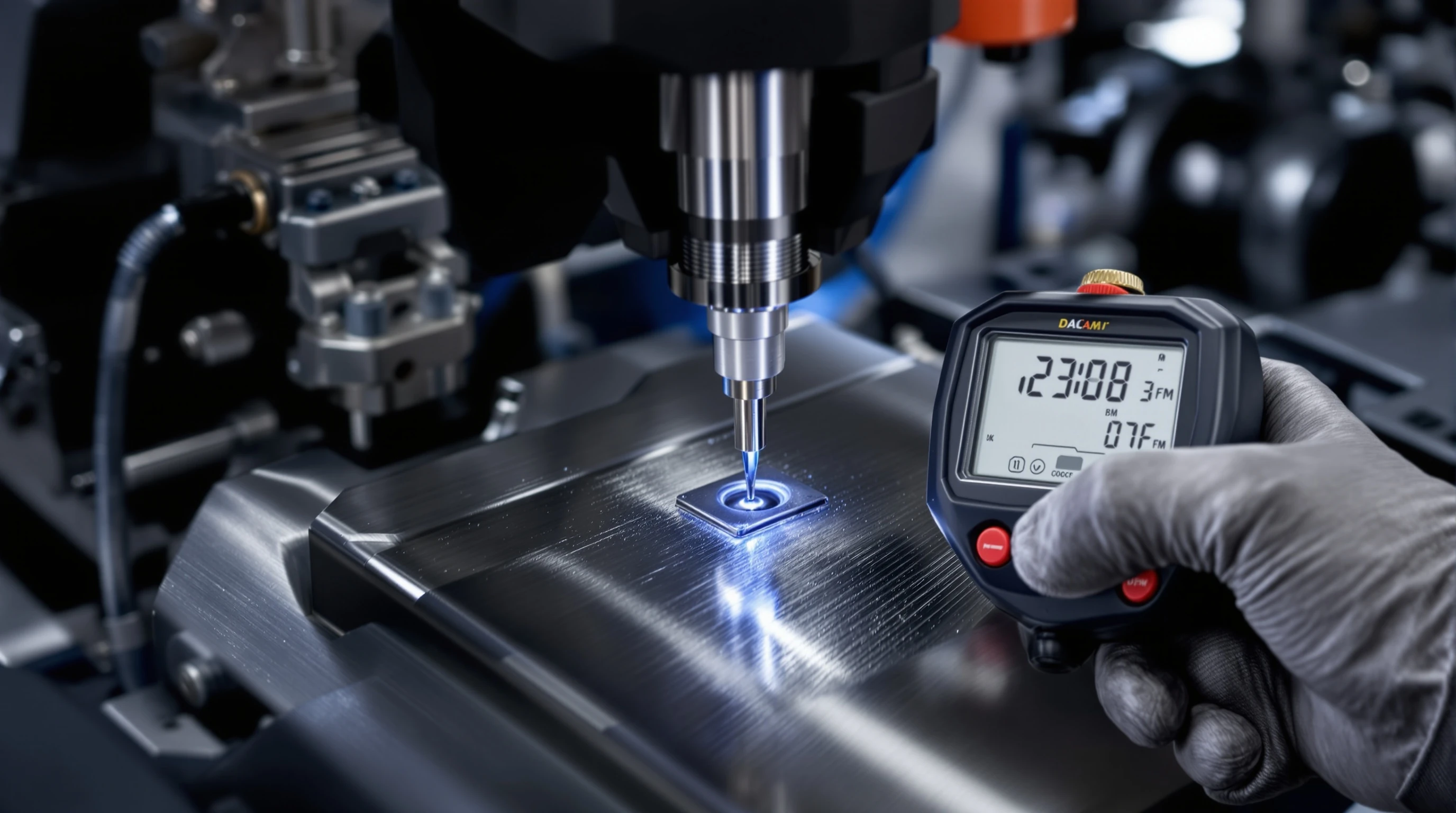
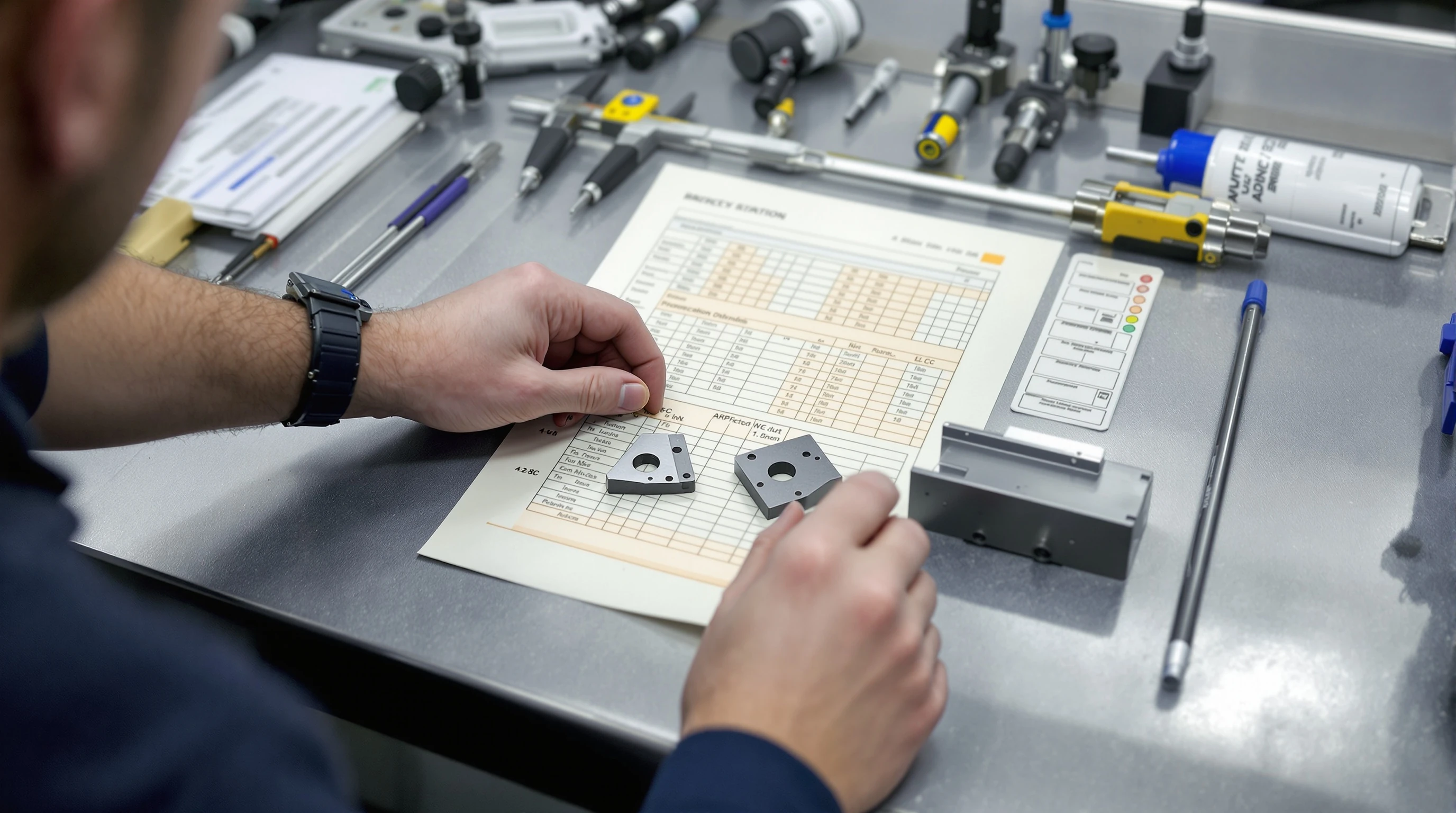
Every weight reduction claim is verified through dry film thickness measurement (ASTM B499), pre- and post-coating dimensional inspection, and gravimetric analysis. AS9100 documentation captures coating thickness, dimensional data, and weight calculations for each production lot.
- Coating thickness: 0.5-2.0 mils measured via magnetic induction and eddy current methods per ASTM B499, with uniformity of 0.0002 inches on flat surfaces and 0.0005 inches on complex geometries
- Dimensional verification: Pre- and post-coating CMM measurement confirms tolerance preservation, with AS9102 First Article Inspection available for aerospace programs
- Full protection at thin film: 3,000+ hours salt spray resistance (ASTM B117), 9H pencil hardness (ASTM D3363), and 8,000+ wear cycles per mil (ASTM D4060), all achieved at 0.5-2 mils

Industries Where Weight Matters
Thin-film ceramic coating for weight-sensitive components.
Weight Reduction for Oil and Gas Equipment
Thick coatings add mass to equipment transported to remote wellsites and offshore platforms. Cerakote at 0.5-2 mils saves 200-400g per part versus powder coating. ISO 9001 certified.
Weight Reduction for Medical Device Components
Surgical instruments must be light enough for hours of precise use. Cerakote at 0.5-2 mils saves 200-400g per part versus powder coating without compromising protection. ISO 9001 certified.
Weight Reduction for Maritime Equipment
Heavy coatings add mass to marine hardware that affects vessel performance and handling. Cerakote at 0.5-2 mils saves 200-400g per part versus powder coating. ISO 9001 certified.
Weight Reduction for Industrial OEM Components
Thick coatings add unnecessary mass to engineered equipment. Cerakote at 0.5-2 mils delivers 200-400g savings per part versus powder coating while preserving tolerances. ISO 9001 certified.
Weight Reduction for Defense and Tactical Equipment
Tactical systems carry weight penalties from thick coatings that reduce mobility and increase operator fatigue. Cerakote at 0.5-2 mils saves 200-400g per part. ITAR registered, AS9100 certified.
Weight Reduction for Automotive R&D Prototypes
Every 100 lbs of EV mass costs 2-3 percent range. Cerakote at 0.5-2 mils saves 200-400g per part versus powder coating, protecting prototypes without adding mass. ISO 9001 certified.
Weight Reduction for Agriculture Equipment
Heavy coatings add mass to field equipment that operators must handle and transport. Cerakote at 0.5-2 mils saves 200-400g per part versus powder coating. ISO 9001 certified.
Weight Reduction for Aerospace Components
Thick coatings add avoidable weight to lightweighted airframe structures. Cerakote at 0.5-2 mils delivers 200-400g savings per part versus powder coating. AS9100-certified with full traceability.
How We Deliver Weight Reduction
Full protection at 0.5-2 mils versus 3-5 mils for powder coating.
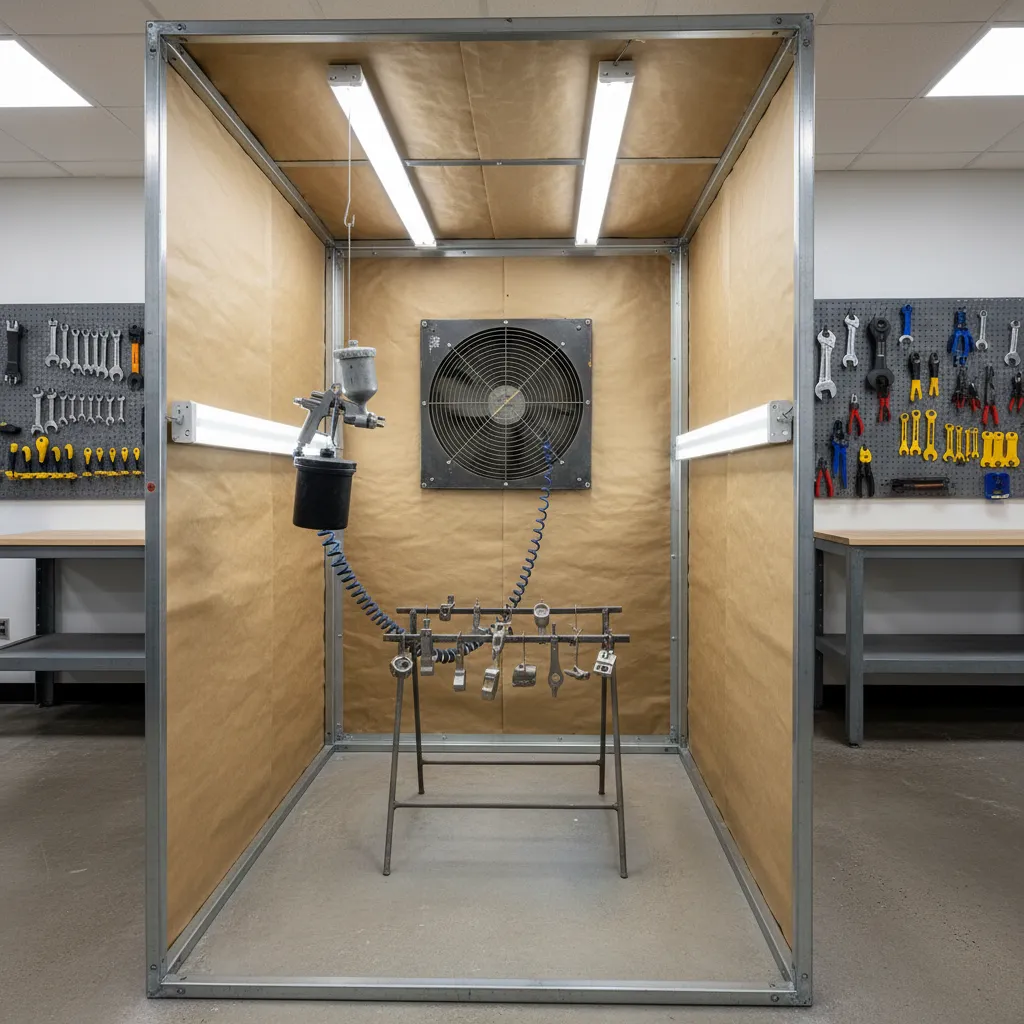
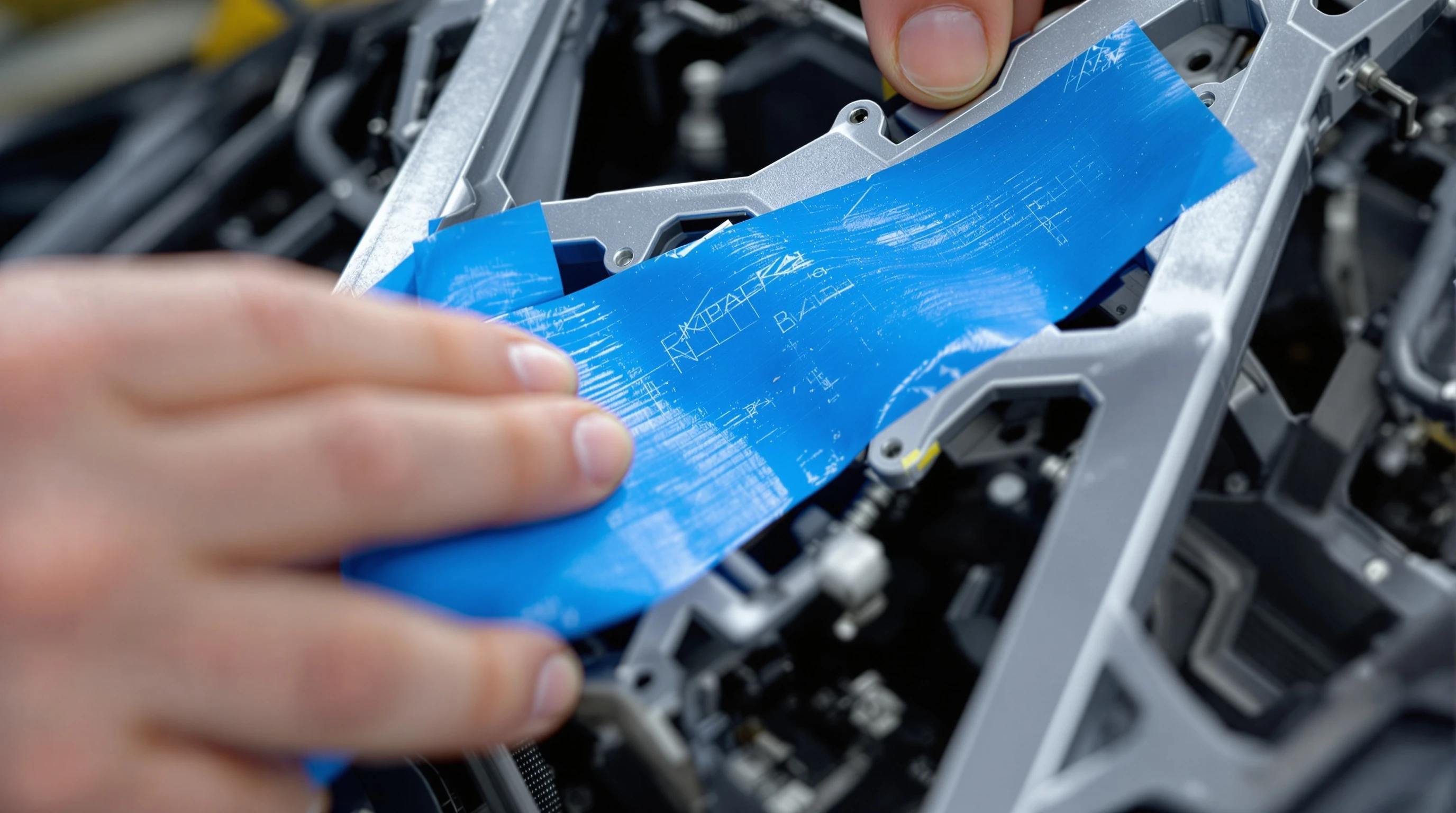
High-velocity application
Atomized coating reaches every surface and crevice.
Complete submersion coating
Total coverage for complex geometries and internal passages.
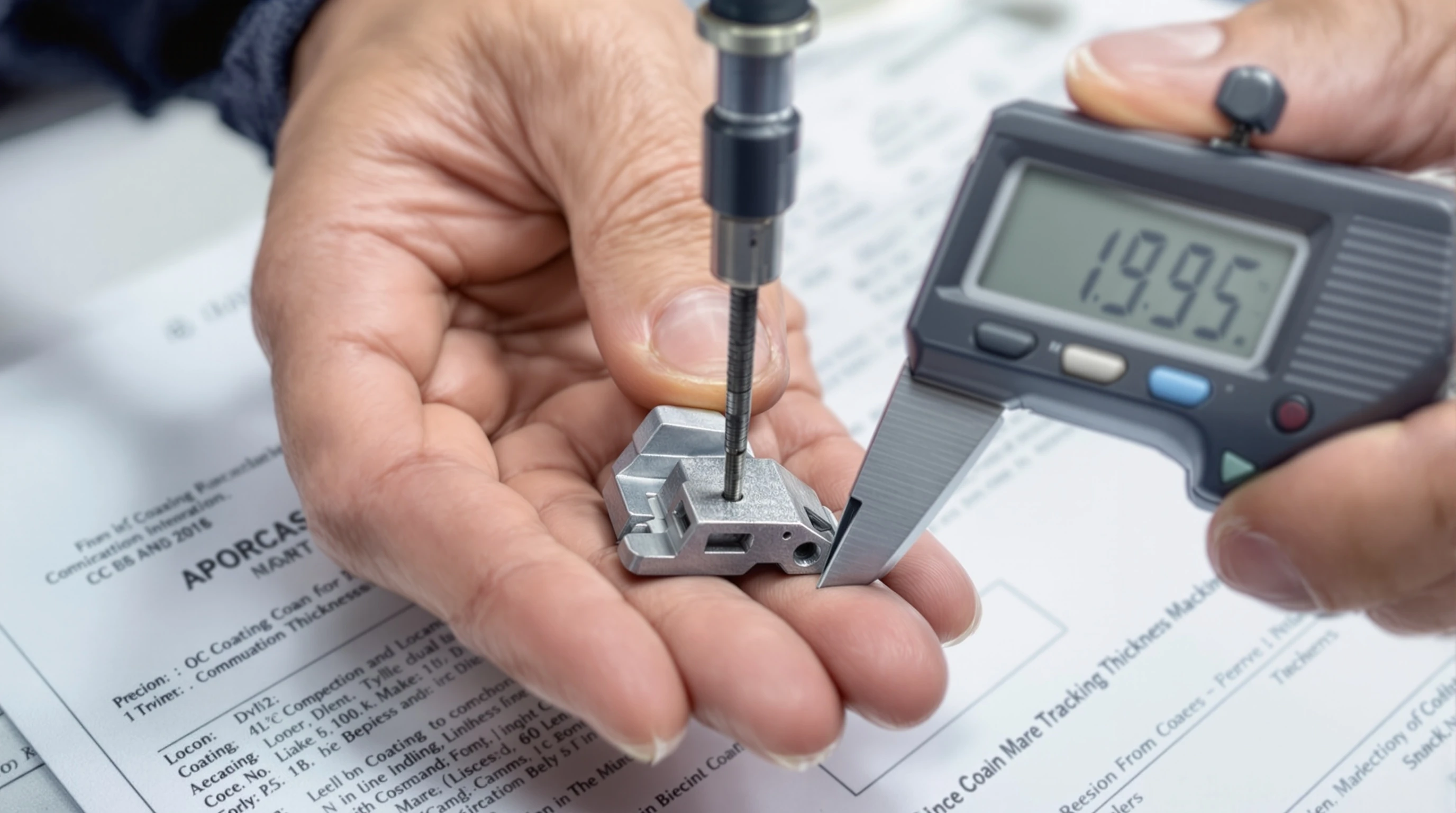
Precision hand application
Controlled placement for selective protection on assemblies.
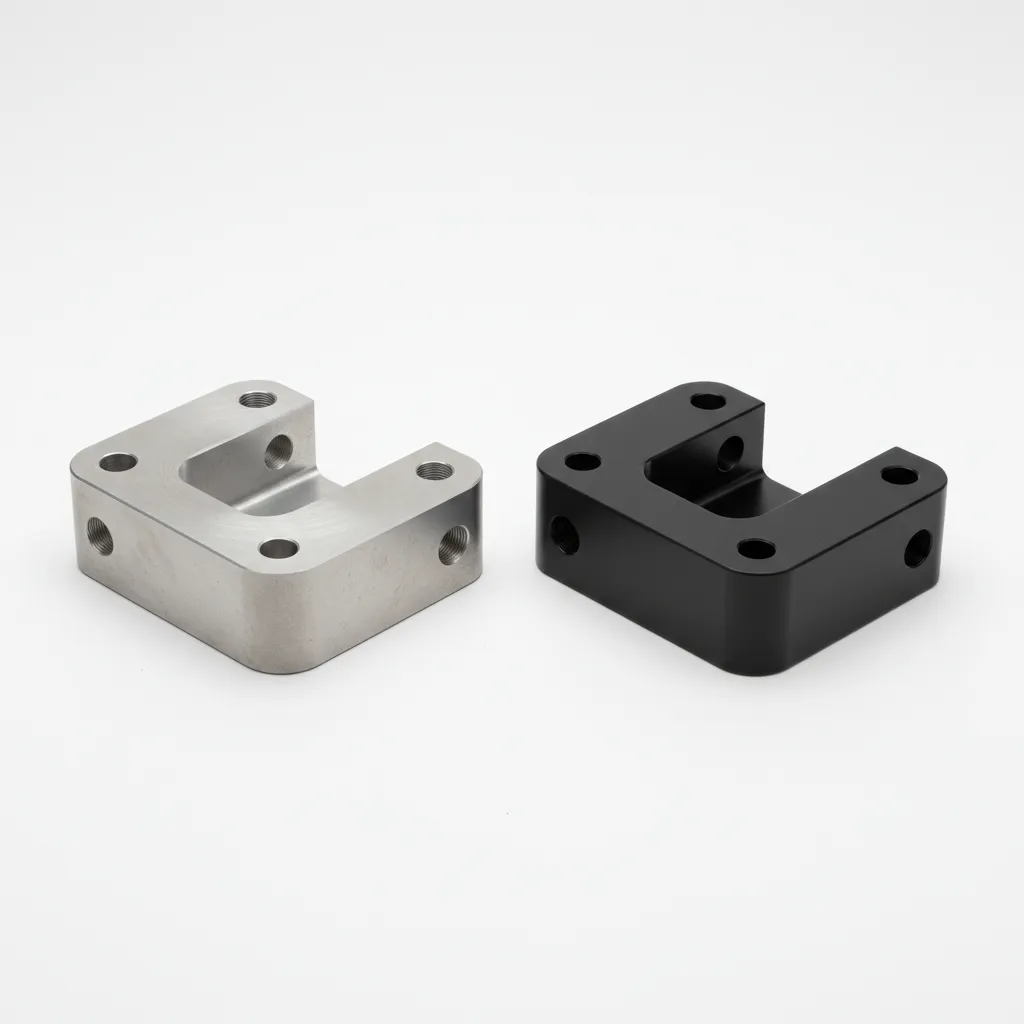
Charged particle deposition
Uniform thickness with minimal overspray and material waste.
Aerospace fasteners tested in the field
A military contractor needed corrosion resistance on landing gear fasteners exposed to salt spray and thermal cycling. ColoradoKote's ceramic coating passed 5,000+ hours of ASTM B117 testing with zero red rust.
Frequently Asked Questions
Find answers about our coating processes and technical capabilities
The corrosion protection from passivation is inherent to the stainless steel itself. By removing contaminants and maximizing surface chromium, passivation restores the material to its designed corrosion resistance, which can last the lifetime of the part in appropriate environments. For environments that exceed stainless steel's natural limits, adding a Cerakote topcoat at 0.5-2 mils extends measurable salt spray resistance to 3,000 hours per ASTM B117.
Implantable device housings require coating that protects without adding dimensional bulk to components engineered for minimal invasiveness. Cerakote's 0.5 to 2 mil film build provides biocompatible surface protection while preserving the tight tolerances and small profiles these devices demand. This is a fraction of the thickness conventional coatings would add, keeping device dimensions within design specifications.
Performance and track vehicles face road salt, brake dust, fuel exposure, and underhood heat that attack unprotected metal surfaces. Cerakote's 3,000-hour salt spray protection and broad chemical resistance defend against all of these simultaneously. For show vehicles, the coating preserves underhood, suspension, and brake component appearance through seasons of use without the dulling and degradation conventional finishes show.
ColoradoKote processes ITAR-controlled aluminum defense components through both MIL-DTL-5541 Type I and Type II chemical conversion coating. Our 14-day standard turnaround includes full lot traceability, with 7-day and 3-day expedited options when mission timelines compress. Every batch is documented to the spec requirements your defense program demands.
For maximum coating adhesion and longevity, our recommended full preparation stack is: ultrasonic cleaning to remove all chemical and organic contaminants, followed by sandblasting to SSPC-SP 10 with 2-4 mil anchor profile, followed by chemical conversion or passivation where applicable for the substrate material, then Cerakote application. Each step addresses a specific adhesion requirement. Skipping any step reduces the final coating performance. This full stack is what delivers salt spray resistance exceeding 3,000 hours consistently.
Get Your Weight Analysis
Request a weight analysis for your parts. We respond within 24 hours with specifications.