
Corrosion Protection
Precision Cerakote ceramic coatings for aerospace, defense, and industrial components.

What Happens When Corrosion Goes Unchecked
Unprotected metal components face relentless environmental attack. Moisture, salt spray, de-icing chemicals, hydraulic fluids, and temperature cycling break down surfaces over time. The damage is cumulative, and by the time it is visible, the part has already compromised system integrity.
The real cost of corrosion
- Part replacement: Failed components require emergency procurement, disrupting production schedules and triggering expedite fees that exceed the original part cost
- Downtime: Equipment pulled from service for inspection, repair, or replacement costs thousands per hour in aerospace and defense applications
- Safety risk: Corroded structural components compromise system integrity and can trigger mandatory grounding events or field recalls
- Audit failures: Non-conforming parts generate quality escapes, customer notifications, and costly corrective action investigations
These costs compound across production runs. A single unprotected batch can cascade into weeks of disruption, eroding customer confidence and threatening long-term contracts.
How Cerakote® Ceramic Coating Stops Corrosion at the Source
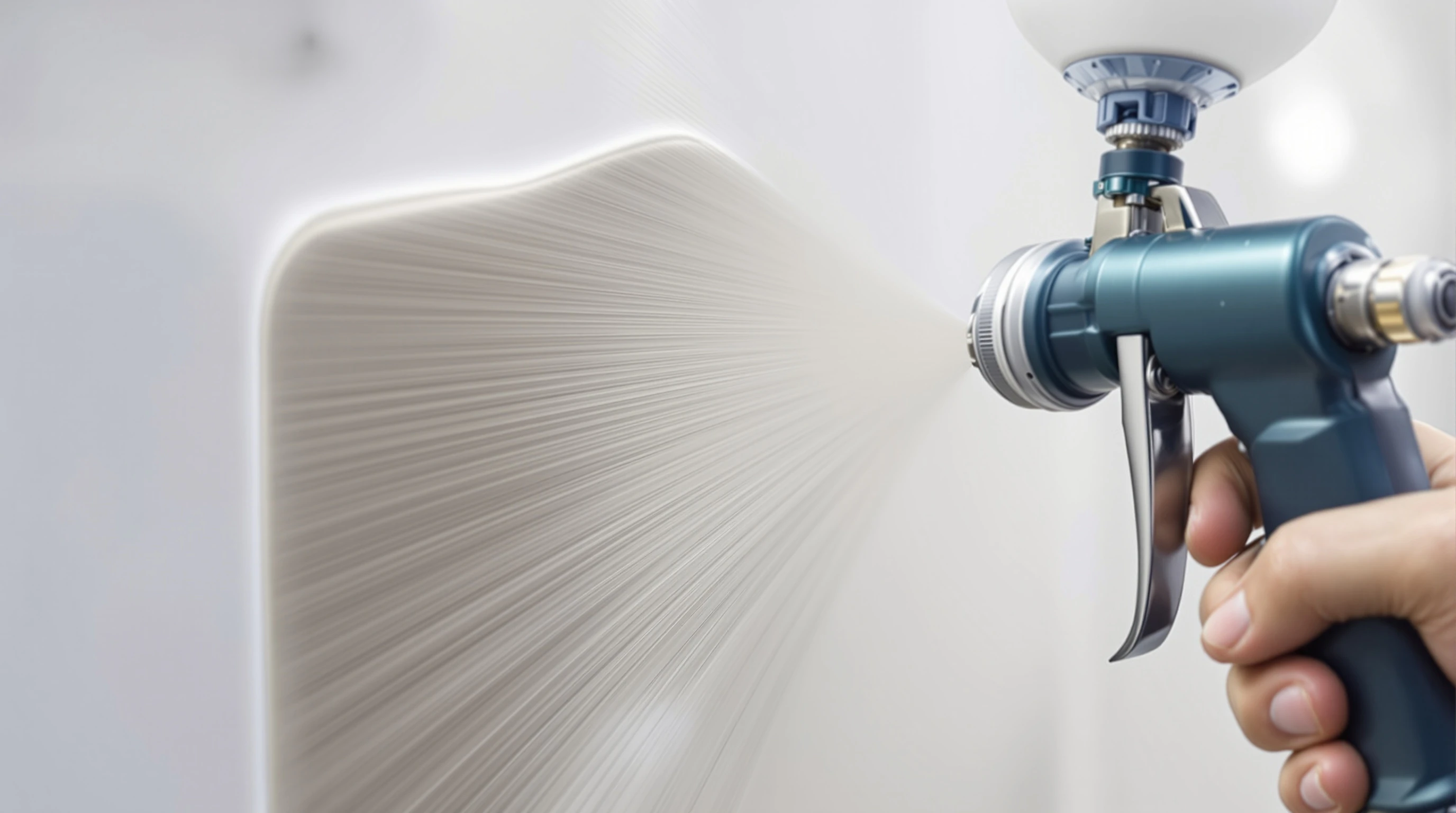
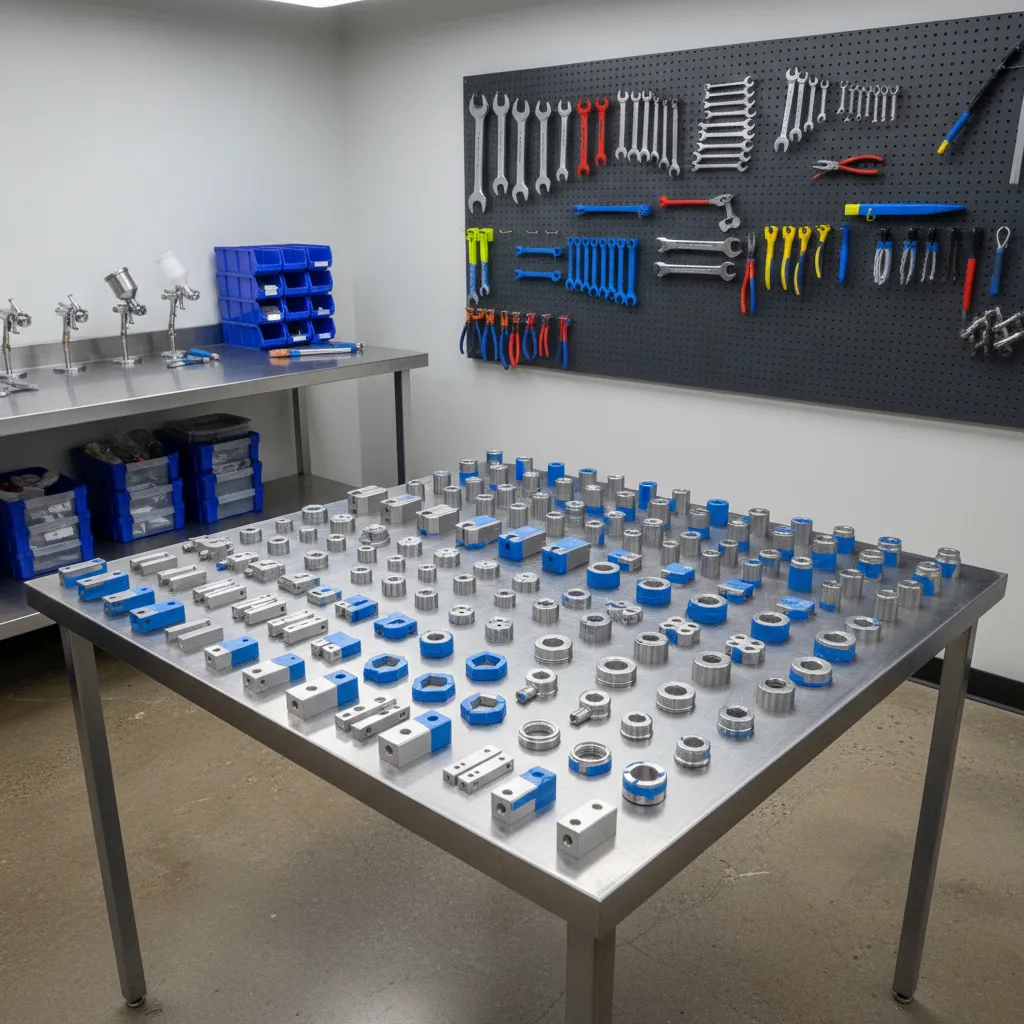
Cerakote® creates a molecular bond with the substrate, forming a barrier that resists corrosion at the chemical level. Unlike paint or plating that sits on the surface, Cerakote integrates with the metal.
Why Cerakote Outperforms Alternative Coatings
Anodizing provides 336-1,000 hours of salt spray resistance and works only on aluminum. Powder coating adds 4-6 mils of thickness, causing dimensional interference. Chrome plating faces increasing regulatory restriction. Cerakote delivers 3,000 hours across all metals, polymers, and composites at 0.5-2 mils, with zero hazardous waste.
Independent Competitor Comparison
In third-party ASTM B117 salt spray testing, Cerakote® achieved 3,000 hours of corrosion resistance. Competitor Xylan coating was pulled at 1,871 hours due to excessive corrosion.
The Numbers Behind Our Corrosion Protection
| Performance Metric | Result | Standard |
|---|---|---|
| Salt Spray Resistance | 3,000 hours | ASTM B117 |
| Pencil Hardness | 9H (maximum) | ASTM D3363 |
| Impact Strength | 160/160 in-lbs | ASTM D2794 |
| Taber Abrasion | 4,000 cycles/mil | ASTM D4060 |
| Coating Thickness | 0.5-2.0 mils | DFT Measurement |
| Flammability | Third-party tested per Cerakote lab reports | FAR 25.853 |

Industries That Depend on Corrosion Protection
Ceramic coating corrosion protection for components across these industries.
Weight Reduction for Oil and Gas Equipment
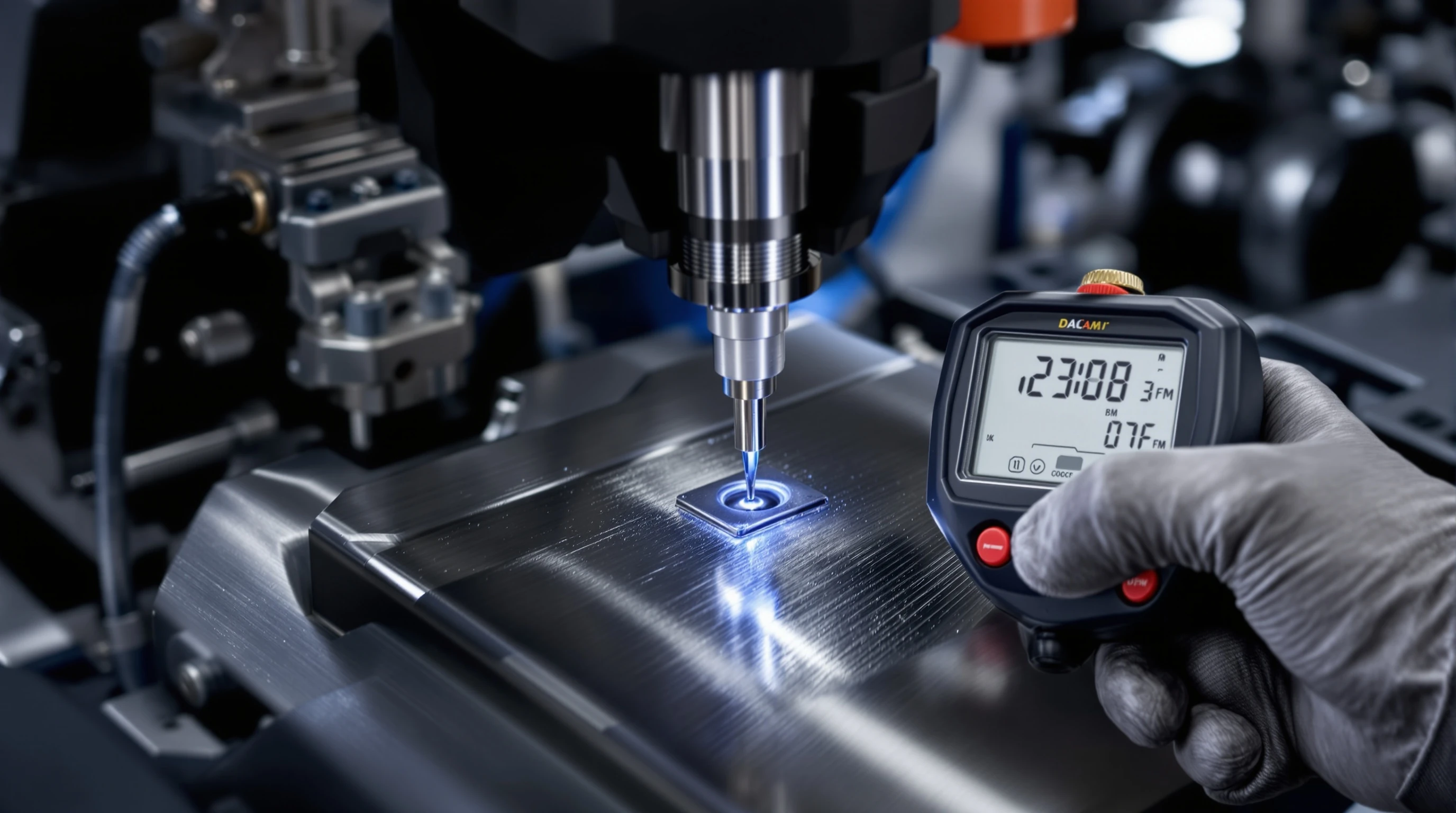
Thick coatings add mass to equipment transported to remote wellsites and offshore platforms. Cerakote at 0.5-2 mils saves 200-400g per part versus powder coating. ISO 9001 certified.
Weight Reduction for Medical Device Components
Surgical instruments must be light enough for hours of precise use. Cerakote at 0.5-2 mils saves 200-400g per part versus powder coating without compromising protection. ISO 9001 certified.
Weight Reduction for Maritime Equipment
Heavy coatings add mass to marine hardware that affects vessel performance and handling. Cerakote at 0.5-2 mils saves 200-400g per part versus powder coating. ISO 9001 certified.
Weight Reduction for Industrial OEM Components
Thick coatings add unnecessary mass to engineered equipment. Cerakote at 0.5-2 mils delivers 200-400g savings per part versus powder coating while preserving tolerances. ISO 9001 certified.
Weight Reduction for Defense and Tactical Equipment
Tactical systems carry weight penalties from thick coatings that reduce mobility and increase operator fatigue. Cerakote at 0.5-2 mils saves 200-400g per part. ITAR registered, AS9100 certified.
Weight Reduction for Automotive R&D Prototypes
Every 100 lbs of EV mass costs 2-3 percent range. Cerakote at 0.5-2 mils saves 200-400g per part versus powder coating, protecting prototypes without adding mass. ISO 9001 certified.
Weight Reduction for Agriculture Equipment
Heavy coatings add mass to field equipment that operators must handle and transport. Cerakote at 0.5-2 mils saves 200-400g per part versus powder coating. ISO 9001 certified.
Weight Reduction for Aerospace Components
Thick coatings add avoidable weight to lightweighted airframe structures. Cerakote at 0.5-2 mils delivers 200-400g savings per part versus powder coating. AS9100-certified with full traceability.
How We Deliver Corrosion Protection
AS9100-certified Cerakote® application with documented verification.
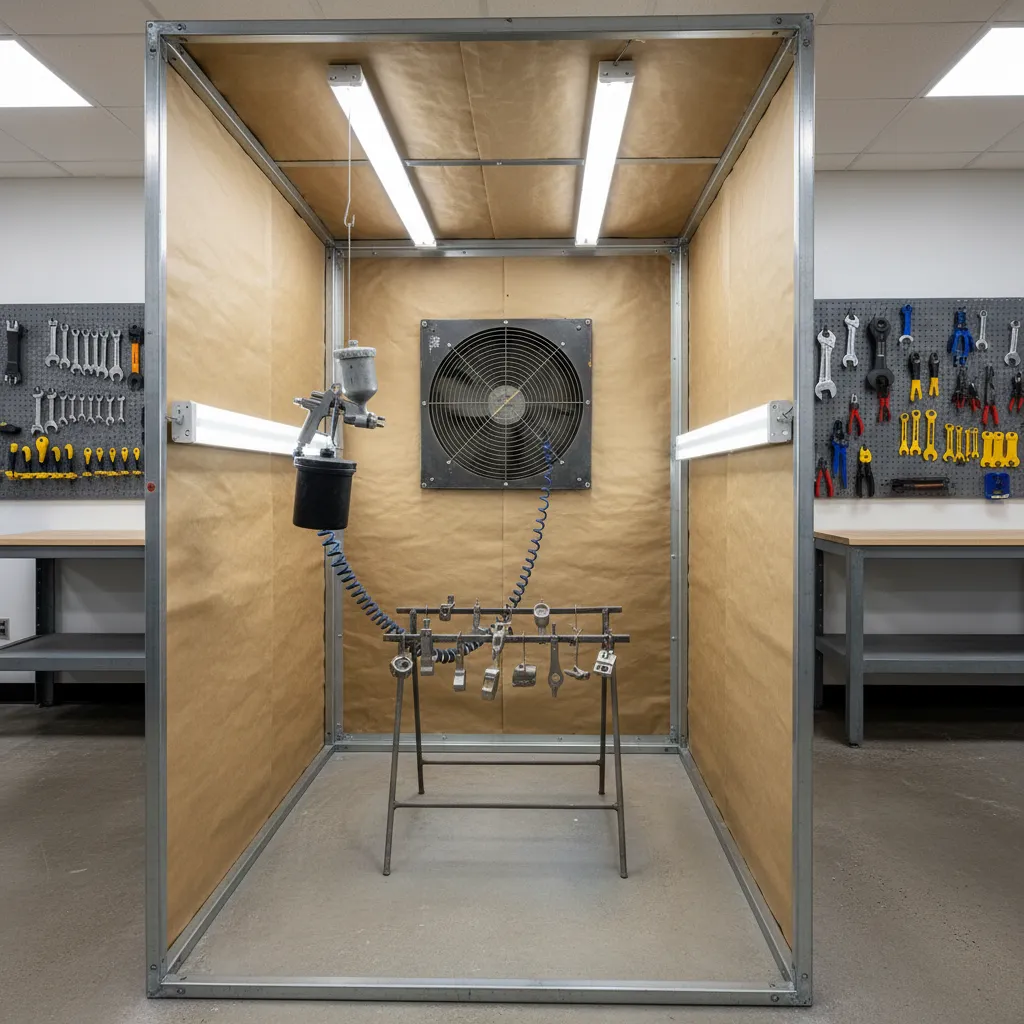
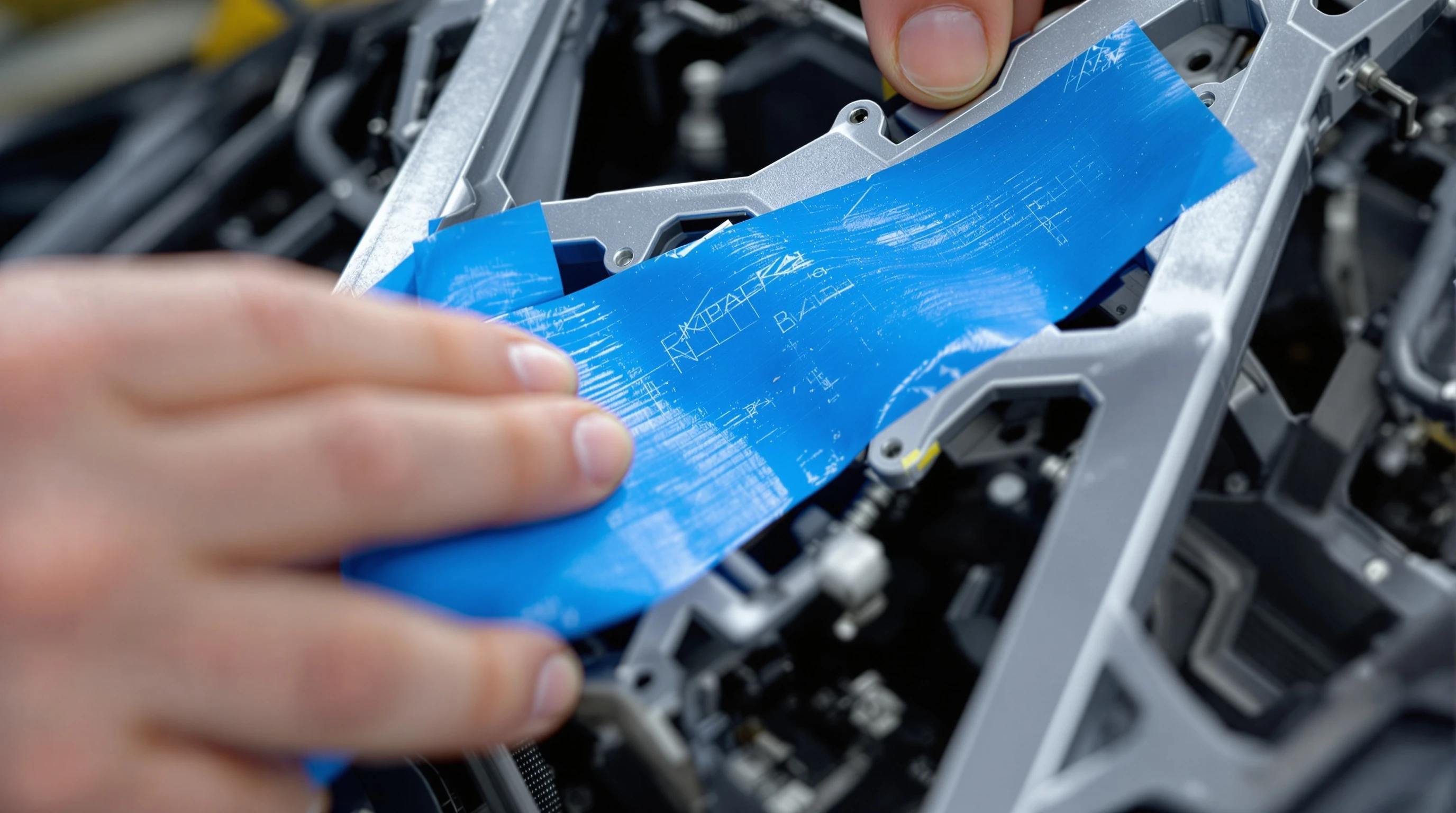
High-velocity application
Atomized coating reaches every surface and crevice.
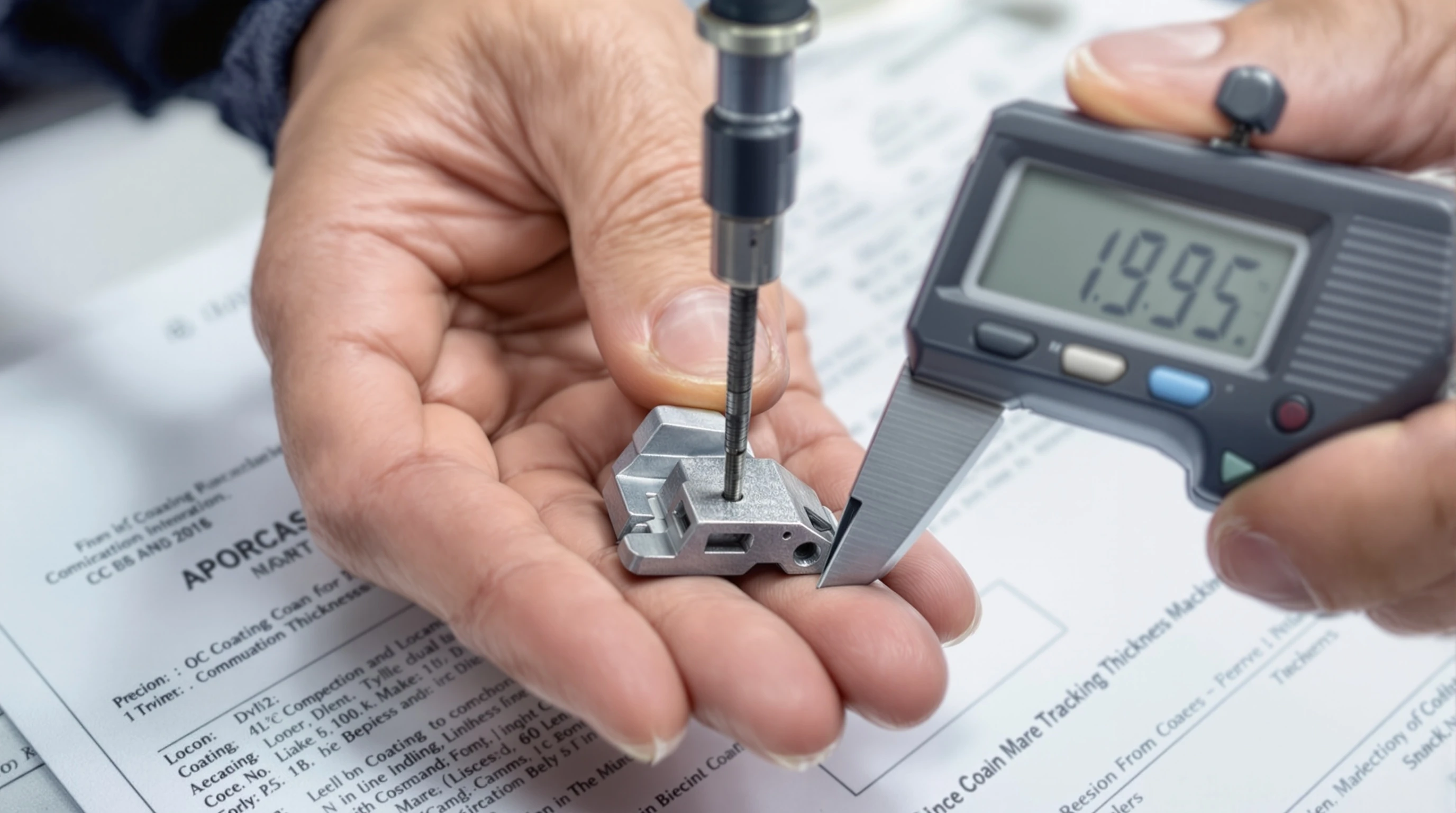
Complete submersion coating
Total coverage for complex geometries and internal passages.
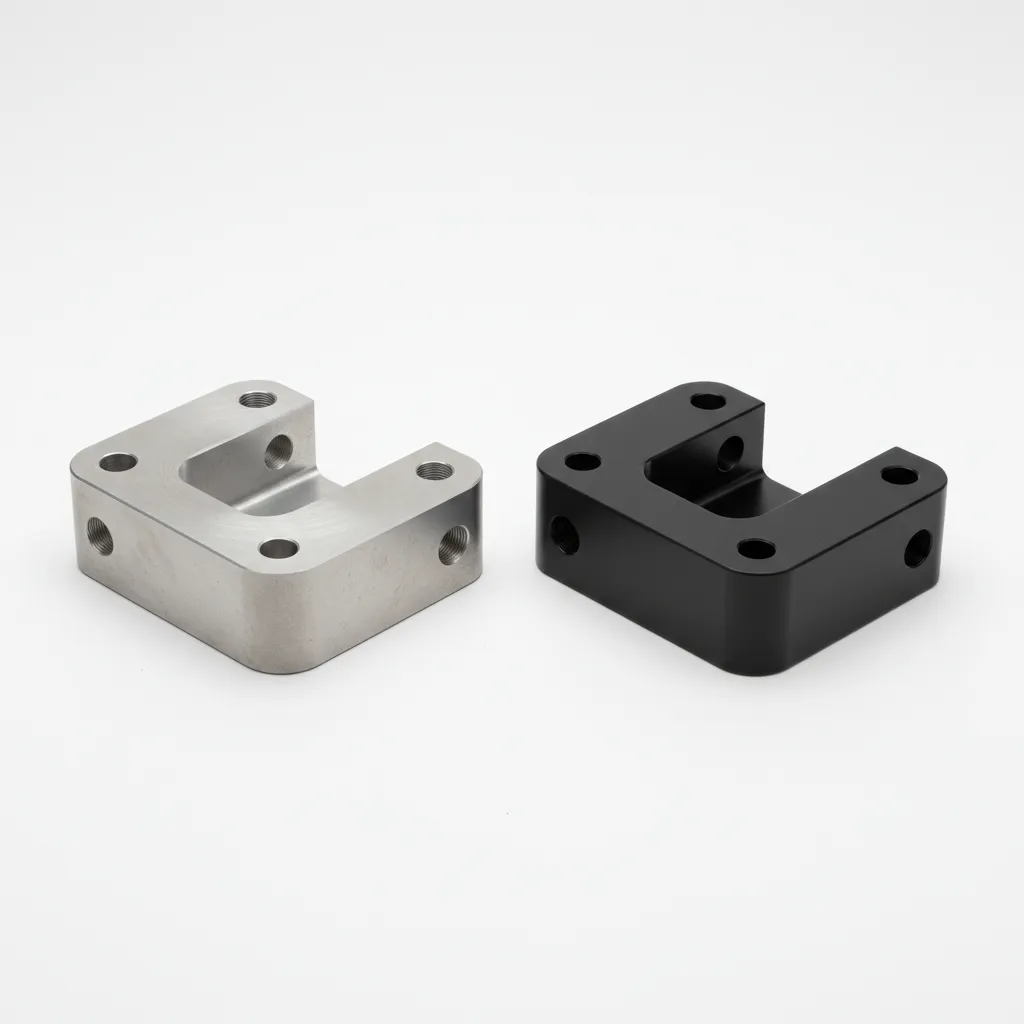
Precision hand application
Controlled placement for selective protection on assemblies.
Charged particle deposition
Uniform thickness with minimal overspray and material waste.
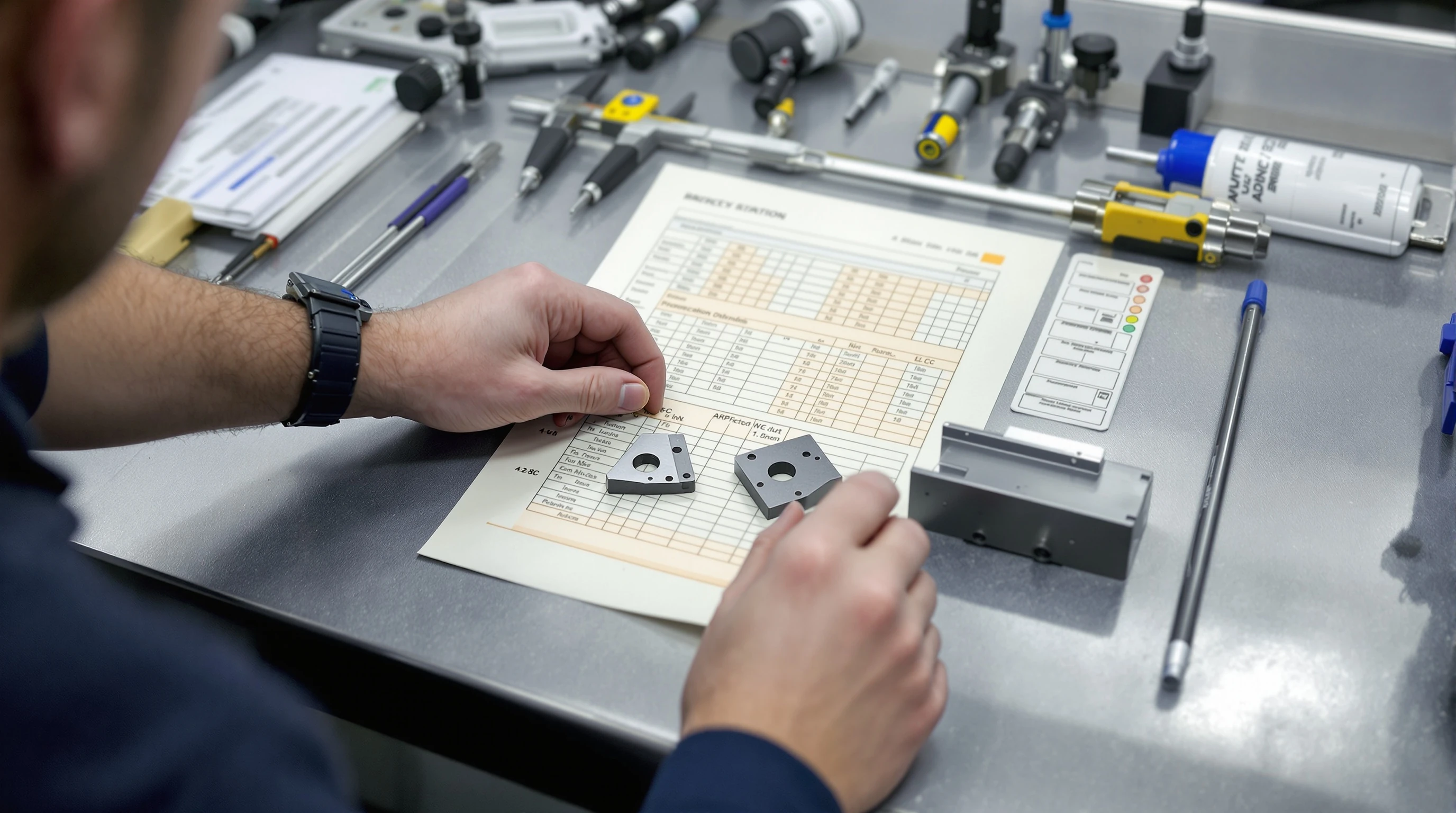
Aerospace fasteners tested in the field
A military contractor needed corrosion resistance on landing gear fasteners exposed to salt spray and thermal cycling. ColoradoKote's ceramic coating passed 5,000+ hours of ASTM B117 testing with zero red rust.
Frequently Asked Questions
Find answers about our coating processes and technical capabilities
Yes. Our standard turnaround for chemical conversion coating is 14 days, with 7-day and 3-day expedited options available for production-critical aerospace schedules. We process both Type I and Type II MIL-DTL-5541 in-house, so there is no subcontracting delay. For programs requiring ongoing throughput, we work with your procurement team to establish recurring capacity.
Cerakote is a ceramic-polymer hybrid coating applied via HVLP spray at 0.5-2 mils thickness. It delivers 3,000 hours of salt spray resistance (ASTM B117), compared to 336-1,000 hours for anodizing and 500-1,500 hours for powder coating. Cerakote bonds to all metals, polymers, and composites, while anodizing works only on aluminum. At 0.5-2 mils, it preserves tight tolerances that powder coating at 4-6 mils cannot maintain, and it eliminates the 20-60% fatigue debit caused by anodizing.
Blasting itself does not reduce weight, but it enables the lightweight coating stack that does. By preparing surfaces for Cerakote at 0.5-2 mils instead of powder coating at 4-6 mils, proper blast preparation supports the thin-film approach that saves measurable weight. On programs with hundreds or thousands of parts, the cumulative weight reduction from Cerakote versus heavier alternatives becomes significant, particularly in aerospace and defense applications where every gram matters.
Passivation is the lightest corrosion treatment available for stainless steel because it adds zero thickness and zero weight. It works by optimizing the material's own passive layer rather than adding a coating. For applications where additional protection beyond passivation is needed without bulk, the passivation plus Cerakote stack at 0.5-2 mils provides 3,000 hours of salt spray resistance, roughly one-third the thickness and weight of a powder coat system at 4-6 mils.
Yes. Our blast operations run in a dedicated cabinet with controlled media flow, filtered exhaust, and humidity monitoring. Contamination from prior substrates is prevented through media segregation and cabinet purging between material types. This matters for aerospace because cross-contamination, particularly iron transfer to titanium or aluminum, causes corrosion initiation sites that undermine the entire coating system. All controls are documented under AS9100.
Get Corrosion Protection That Lasts
Send us your parts list, material specifications, and environmental exposure conditions. We respond within 24 hours.