Aesthetic Finishing
Precision Cerakote ceramic coatings for aerospace, defense, and industrial components.
What Color Variance Costs Your Program
Production assemblies require color uniformity across hundreds or thousands of parts. When coating processes cannot hold tight color tolerances, the result is visible patchwork on finished products. Anodizing delivers Delta E greater than 5, a mismatch obvious to the human eye, because organic dyes absorb unevenly into the porous oxide layer.
- Rejection rates: Anodizing color variation drives 8-12% part rejection rates, pulling components from production lines and delaying assembly schedules
- Rework costs: Aircraft cabin programs lose $50,000 to $200,000 per year stripping, recoating, and reinspecting color-failed parts
- Schedule exposure: Color failures cascade into delivery delays, triggering OEM supplier audits and threatening long-term contracts
How Cerakote® Ceramic Coating Locks Color Across Production Runs
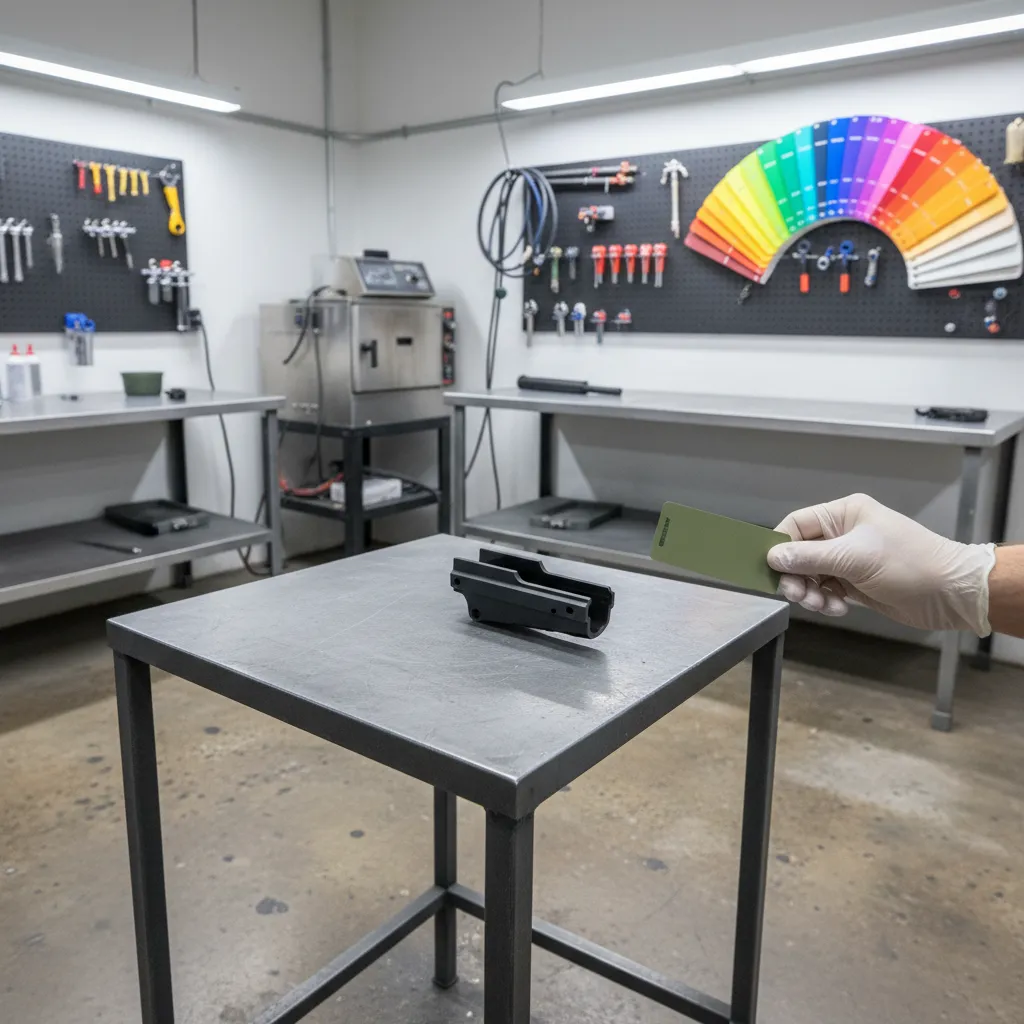
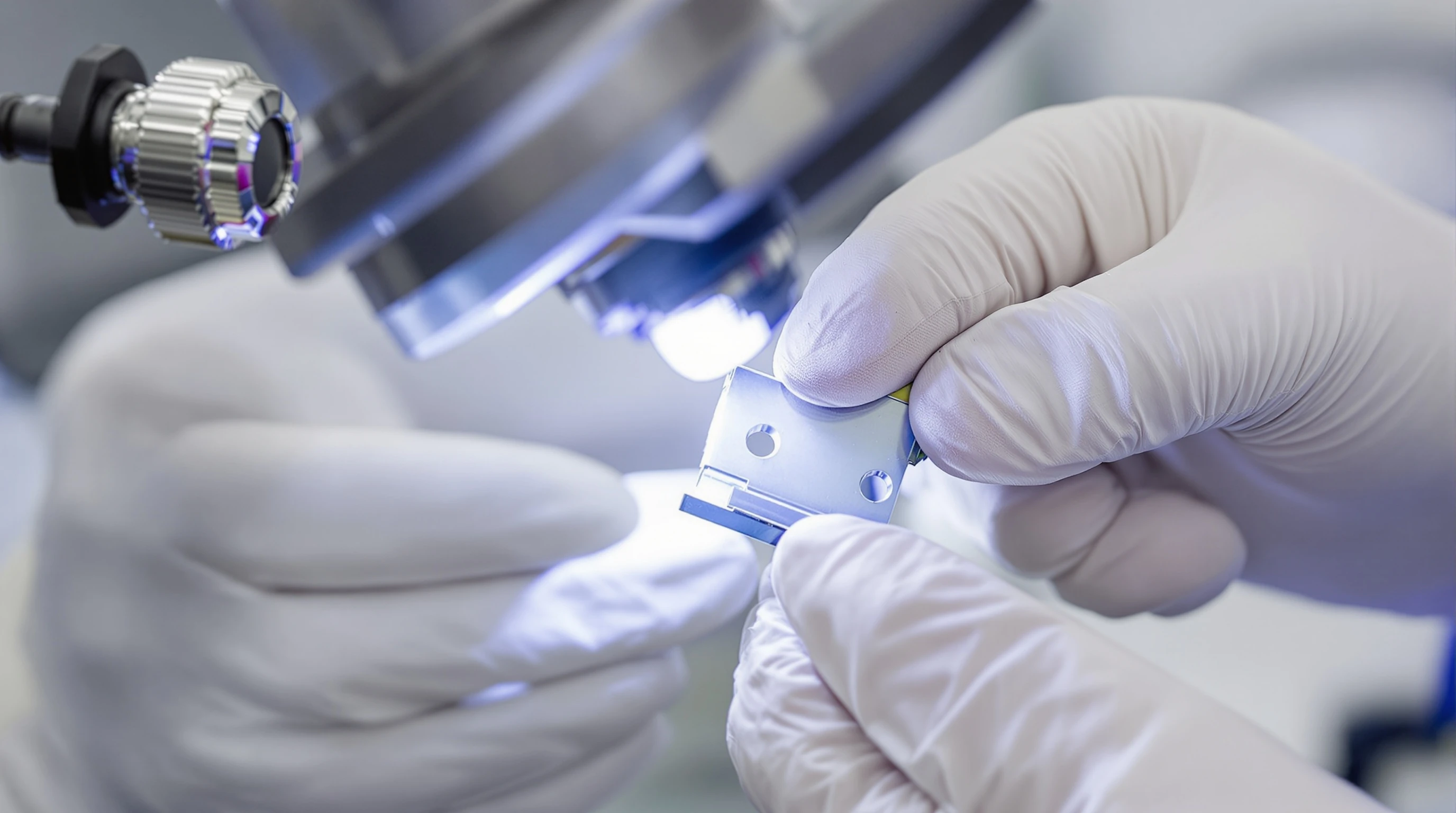
Cerakote® uses inorganic pigments suspended in a ceramic-polymer matrix. Unlike anodizing, which relies on organic dyes absorbed into a porous oxide layer, Cerakote color formulas are chemically defined and repeatable. Each formula is locked and documented, producing Delta E 1.5 consistency verified by spectrophotometer on every batch. The average person only perceives changes at Delta 2.0.
- 200+ standard colors including Federal Standard 595 defense colors
- UV-stable inorganic pigments resist fading from UV and thermal cycling
- Multi-substrate consistency: aluminum, steel, titanium, and polymer parts all coat to the same color at 0.5-2 mils with no alloy-dependent variation
Case Study: Spec-Proven Aerospace Cabin Interior Program
Challenge: An aerospace OEM needed consistent color across cabin interior components for a multi-year production program. Previous anodizing produced Delta E >5 variation, driving 8-12% rejection rates and significant annual rework costs.
Solution: ColoradoKote locked the color formula by spectrophotometer, applied Cerakote® under AS9100 controls, and verified Delta E on every batch.
Result: Over 20,000 parts delivered with zero color rejections. Delta E 1.5 verified on every batch. The OEM eliminated color-related rework entirely. Spec-proven program for a major aerospace manufacturer.
Industries That Demand Color Consistency
Precision aesthetic finishing for components across these industries.
Weight Reduction for Oil and Gas Equipment
Thick coatings add mass to equipment transported to remote wellsites and offshore platforms. Cerakote at 0.5-2 mils saves 200-400g per part versus powder coating. ISO 9001 certified.
Weight Reduction for Medical Device Components
Surgical instruments must be light enough for hours of precise use. Cerakote at 0.5-2 mils saves 200-400g per part versus powder coating without compromising protection. ISO 9001 certified.
Weight Reduction for Maritime Equipment
Heavy coatings add mass to marine hardware that affects vessel performance and handling. Cerakote at 0.5-2 mils saves 200-400g per part versus powder coating. ISO 9001 certified.
Weight Reduction for Industrial OEM Components
Thick coatings add unnecessary mass to engineered equipment. Cerakote at 0.5-2 mils delivers 200-400g savings per part versus powder coating while preserving tolerances. ISO 9001 certified.
Weight Reduction for Defense and Tactical Equipment
Tactical systems carry weight penalties from thick coatings that reduce mobility and increase operator fatigue. Cerakote at 0.5-2 mils saves 200-400g per part. ITAR registered, AS9100 certified.
Weight Reduction for Automotive R&D Prototypes
Every 100 lbs of EV mass costs 2-3 percent range. Cerakote at 0.5-2 mils saves 200-400g per part versus powder coating, protecting prototypes without adding mass. ISO 9001 certified.
Weight Reduction for Agriculture Equipment
Heavy coatings add mass to field equipment that operators must handle and transport. Cerakote at 0.5-2 mils saves 200-400g per part versus powder coating. ISO 9001 certified.
Weight Reduction for Aerospace Components
Thick coatings add avoidable weight to lightweighted airframe structures. Cerakote at 0.5-2 mils delivers 200-400g savings per part versus powder coating. AS9100-certified with full traceability.
How We Deliver Consistent Color
Cerakote® color matching with spectrophotometer verification on every batch.
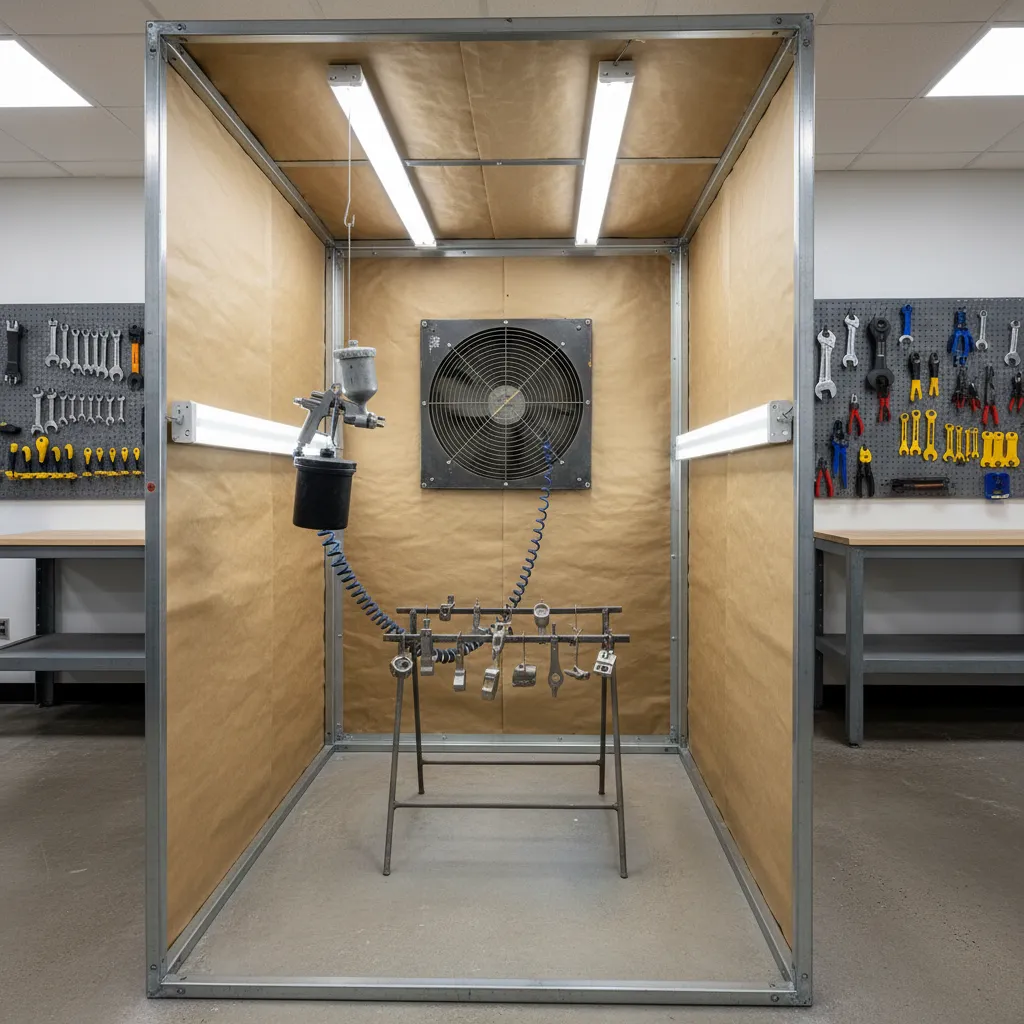
High-velocity application
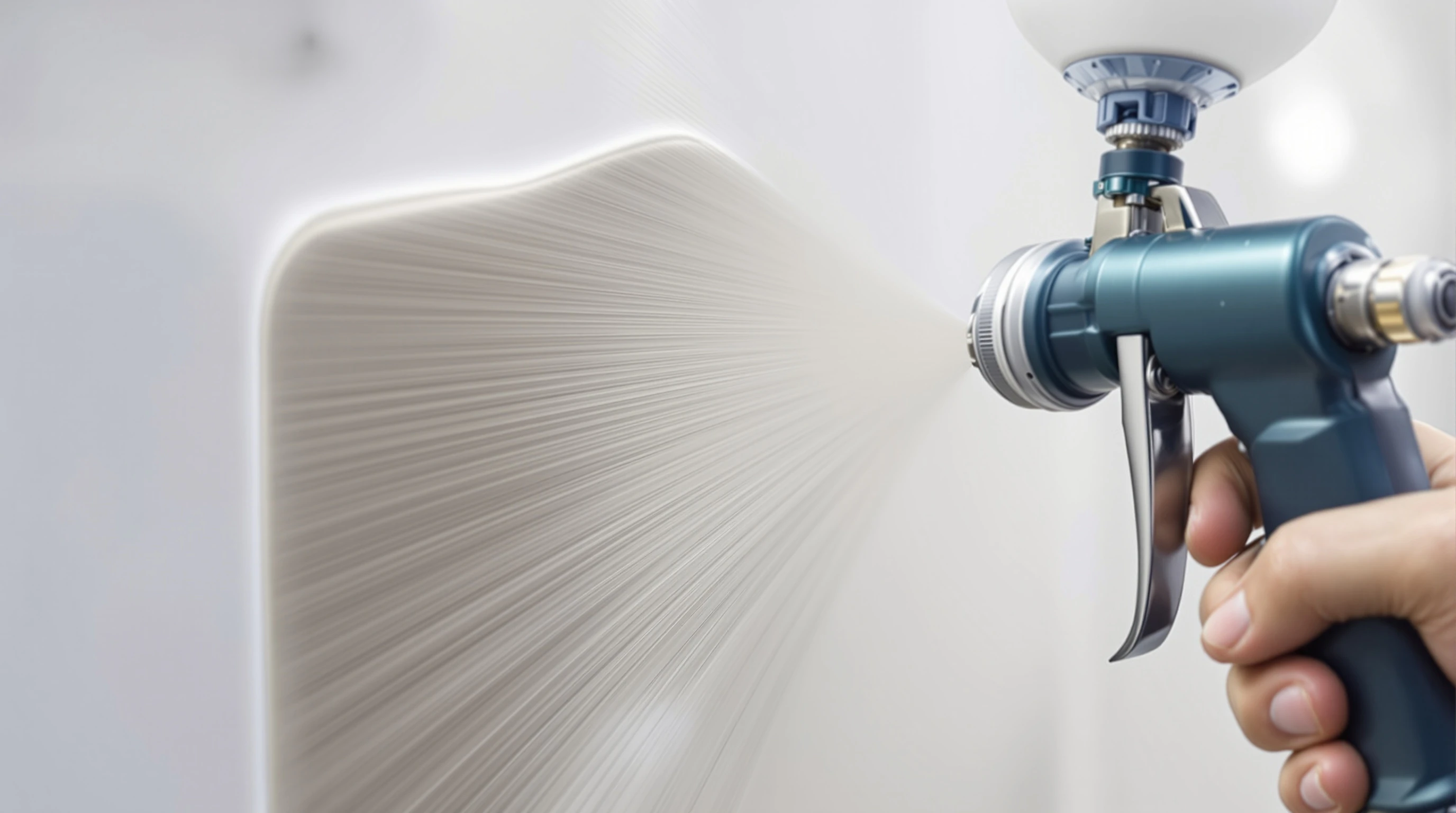
Atomized coating reaches every surface and crevice.
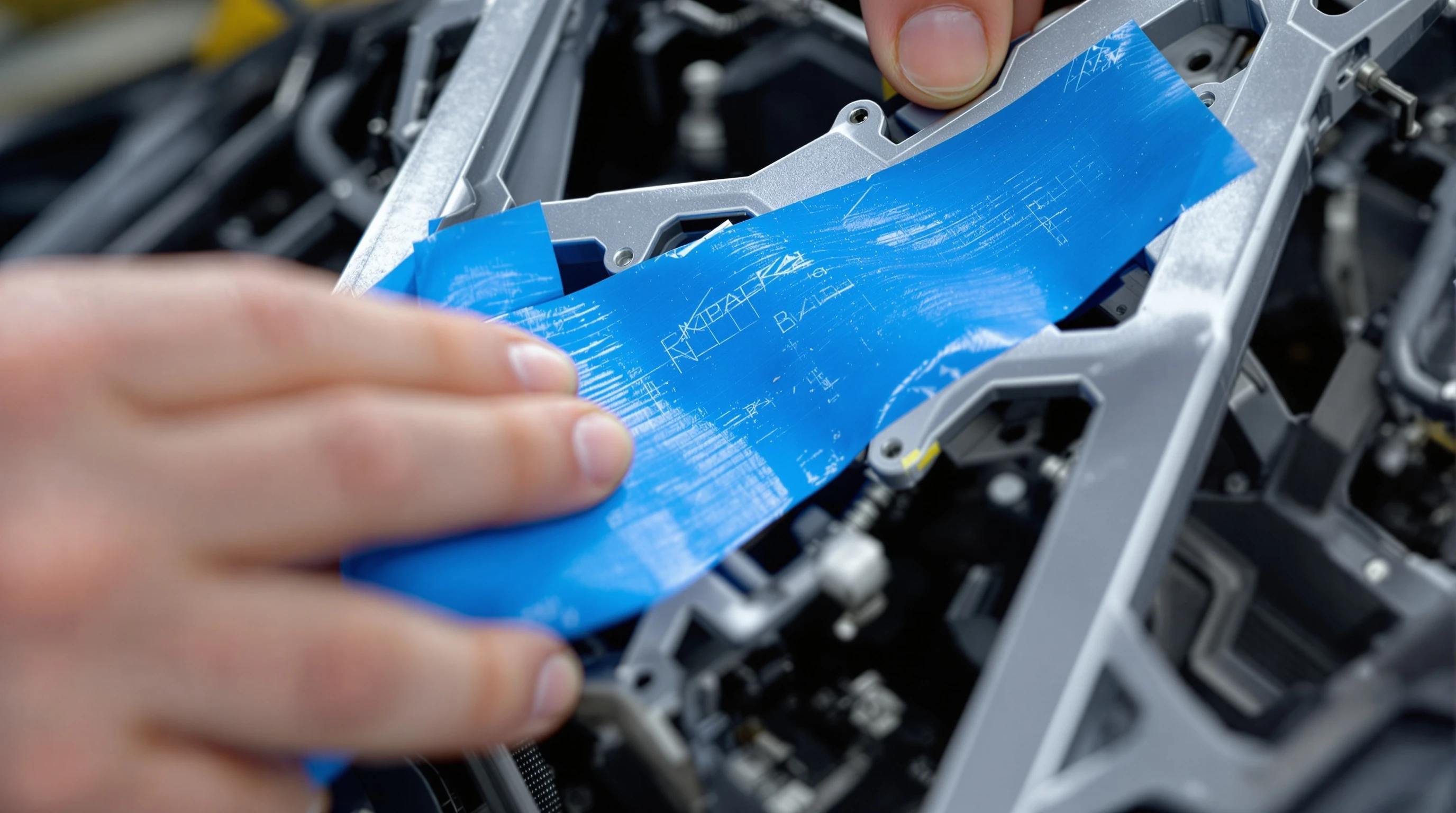
Complete submersion coating
Total coverage for complex geometries and internal passages.
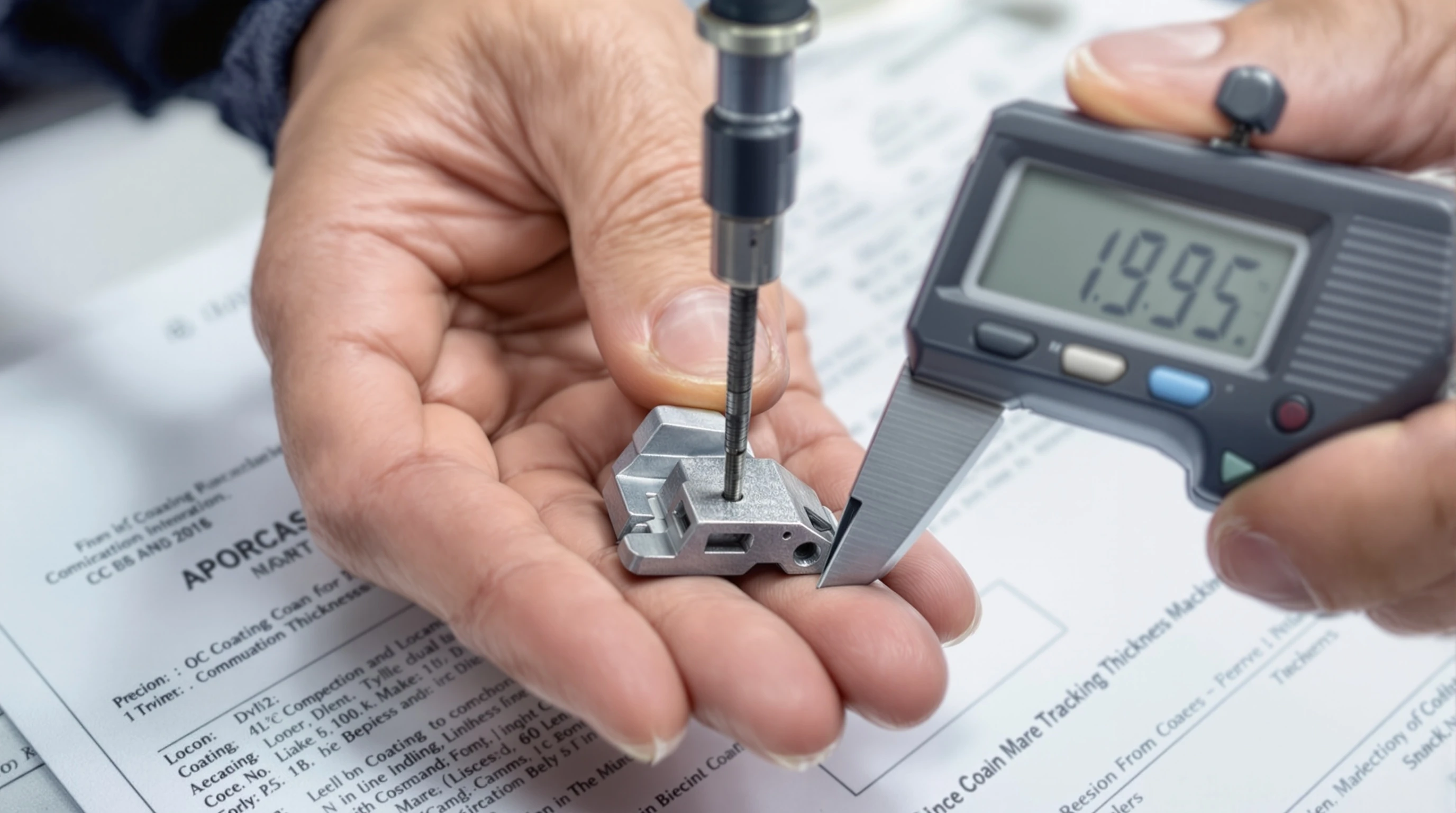
Precision hand application
Controlled placement for selective protection on assemblies.
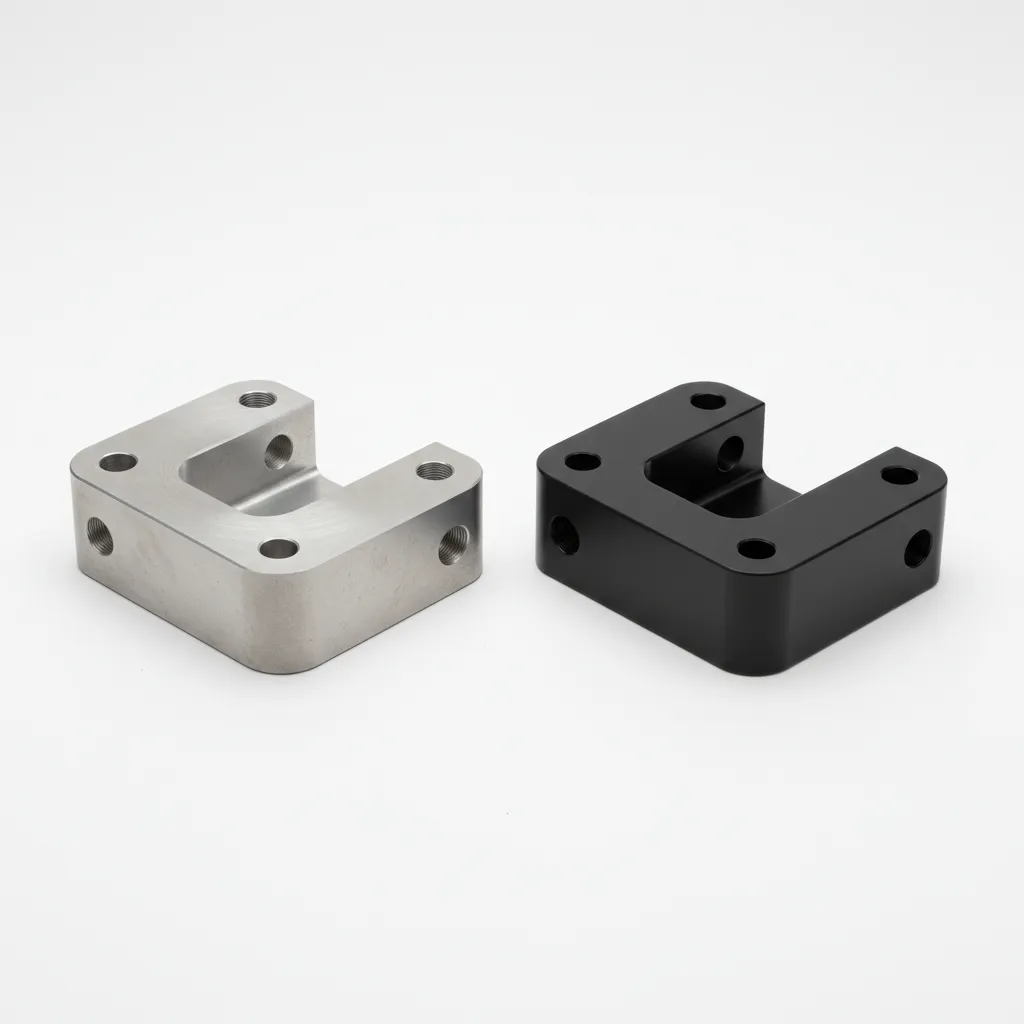
Charged particle deposition
Uniform thickness with minimal overspray and material waste.
Aerospace fasteners tested in the field
A military contractor needed corrosion resistance on landing gear fasteners exposed to salt spray and thermal cycling. ColoradoKote's ceramic coating passed 5,000+ hours of ASTM B117 testing with zero red rust.
Frequently Asked Questions
Find answers about our coating processes and technical capabilities
Our services form a complete finishing pipeline. Ultrasonic cleaning removes contamination. Sandblasting creates the mechanical bonding surface. Custom color matching develops and verifies your specified appearance. Cerakote or polymer coating provides the functional and aesthetic finish layer. For AM parts, this entire sequence transforms raw 3D-printed components into production-quality finished parts. Running all steps in one facility under one AS9100 quality system eliminates the handoff risks and quality gaps of multi-vendor finishing.
Yes. Machining fluids, cutting oils, and coolant residue are the most common contaminants on incoming aerospace parts. Ultrasonic cavitation penetrates into every surface feature including cross-drilled holes, internal channels, and thread roots to dislodge and dissolve these contaminants. Alkaline cleaning solutions emulsify and suspend petroleum-based fluids for removal. Post-cleaning rinse in deionized water ensures no cleaning solution residue remains. The entire cleaning process is documented under AS9100.
Chemical conversion coating serves as the ideal foundation layer for defense multi-coat systems on aluminum substrates. The sub-micron conversion layer provides excellent paint adhesion while adding its own corrosion barrier. When topped with Cerakote at 0.5-2 mils, the full stack delivers 3,000 hours of salt spray protection (ASTM B117) while keeping total buildup far below powder coating's 4-6 mils, preserving critical tolerances on weapon systems and equipment.
Yes. Wellbore deposits including scale, paraffin, and corrosion products resist conventional cleaning methods but respond to ultrasonic cavitation. The 40 kHz cavitation energy penetrates into threads, seal grooves, ports, and internal passages where these deposits accumulate. Sequential cleaning cycles may be used for heavily contaminated downhole tools, with solution chemistry tailored to the deposit type. This thorough cleaning is essential before inspection and recoating of reusable downhole equipment.
Cerakote provides 9H pencil hardness (ASTM D3363) and 4,000 abrasion cycles per mil (ASTM D4060) without the hydrogen embrittlement risk, hazardous waste, or dimensional buildup of electroplating processes. Hard chrome and nickel plating can achieve higher absolute hardness values, but they add significant thickness and require post-grinding to hold tolerances. Cerakote applies at 0.5-2 mils with no secondary machining, making it the more practical solution for most wear applications.
Get Your Cerakote® Color Quote
Send us your color spec, a physical sample, or a Federal Standard reference number. We respond within 24 hours with a color match plan and pricing.