Abrasion and Wear Protection
Precision Cerakote ceramic coatings for aerospace, defense, and industrial components.

What Happens When Wear Goes Unchecked
Moving parts, abrasive particles, handling impacts, and chemical exposure degrade unprotected surfaces in every operating cycle. Sand, dust, and grit score metal. Repeated contact strips material away. By the time wear becomes visible, the part has already moved out of tolerance and compromised the system around it.
- Unplanned downtime: Worn components force equipment offline for inspection and replacement, costing thousands per hour in production environments
- Accelerating failure: Surface damage exposes base material to corrosion and chemical attack, compounding the original wear damage
- Tolerance loss: Abrasion removes material from precision surfaces, pushing parts beyond dimensional limits and triggering scrap or rework
How Ceramic Coating Defeats Surface Wear
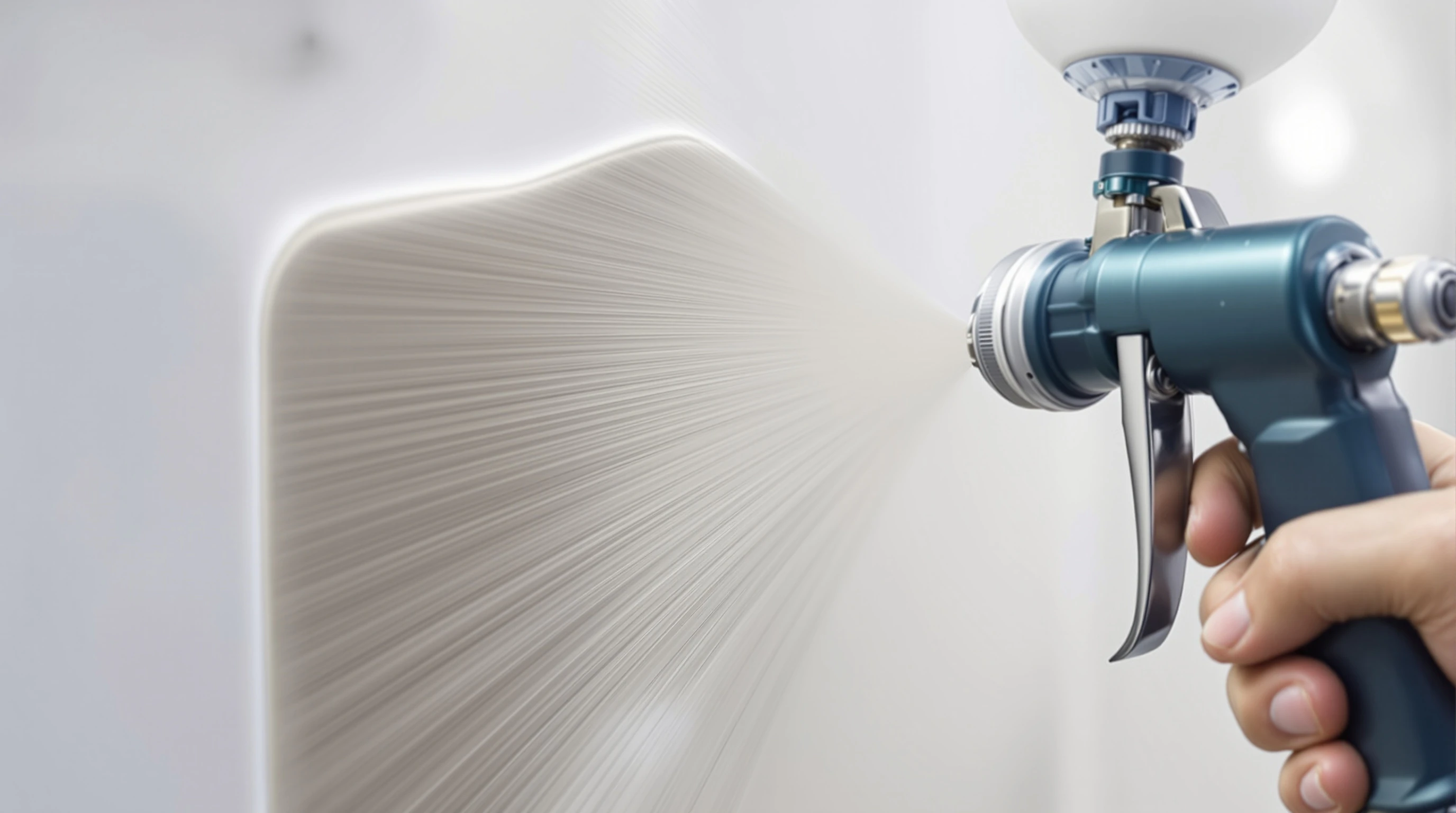
Cerakote® creates a ceramic-polymer matrix that bonds at the molecular level with the substrate. The ceramic particles deliver 9H pencil hardness, the maximum on the ASTM D3363 scale, while the polymer matrix absorbs impact energy without cracking. The result is a coating that is hard enough to resist abrasion yet flexible enough to survive mechanical shock.
- Abrasion resistance: 8,000+ wear cycles per mil (ASTM D4060), outperforming Teflon coatings by more than 8 to 1 in standardized Taber testing
- Impact strength: 160/160 in-lbs direct and reverse impact (ASTM D2794) with no cracking or delamination, unlike hard anodizing which fractures under shock
- Low friction: Elite Series achieves a coefficient of friction of approximately 0.11, rivaling Teflon dry lubricity while maintaining superior hardness and wear life
Tested and Verified Wear Performance
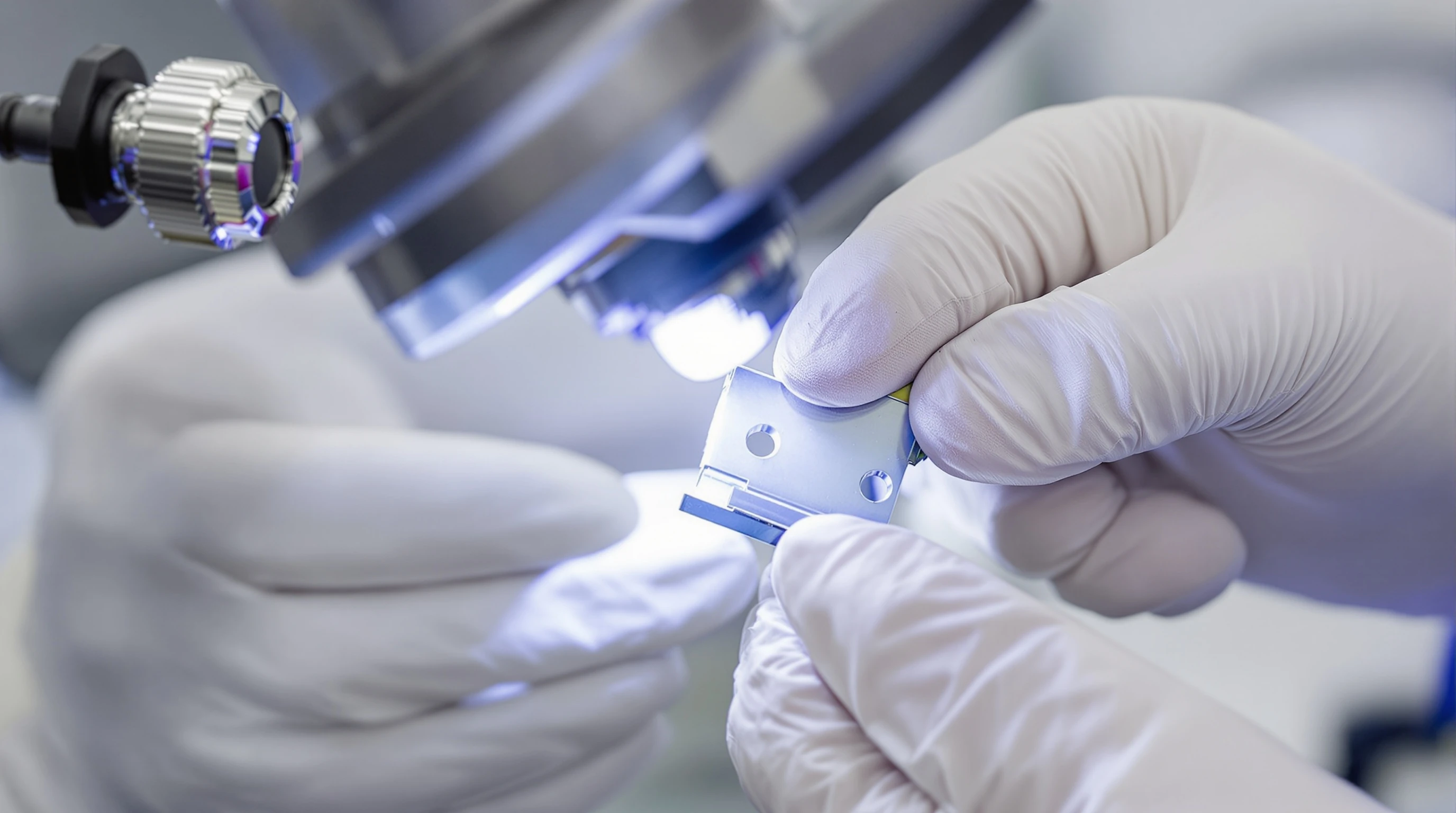
Every wear performance claim is verified through independent laboratory testing per ASTM standards. Results are documented under AS9100:2015 quality controls with full traceability from raw material to finished part. Test reports are available for download upon request.
- Pencil hardness (ASTM D3363): 9H, the maximum rating on the scale, exceeding Type III hard anodizing at 7H-8H and powder coating at 4H-6H
- Impact resistance (ASTM D2794): 160/160 in-lbs with zero cracking or delamination, more than double the 20-40 in-lbs typical of aerospace paint systems
- Taber abrasion (ASTM D4060): 8,000+ wear cycles per mil, verified against Teflon coatings at under 1,000 cycles under identical test conditions
- Flexibility (ASTM D522): 180-degree mandrel bend with 0 mm coating loss, proving the coating resists wear without becoming brittle
- Certification stack: AS9100:2015, ISO 9001:2015, ITAR registered, and Cerakote® Advanced Applicator, the highest tier from NIC Industries held by fewer than 5% of applicators
Industries That Need Wear Protection
Abrasion-resistant ceramic coating for high-wear components.
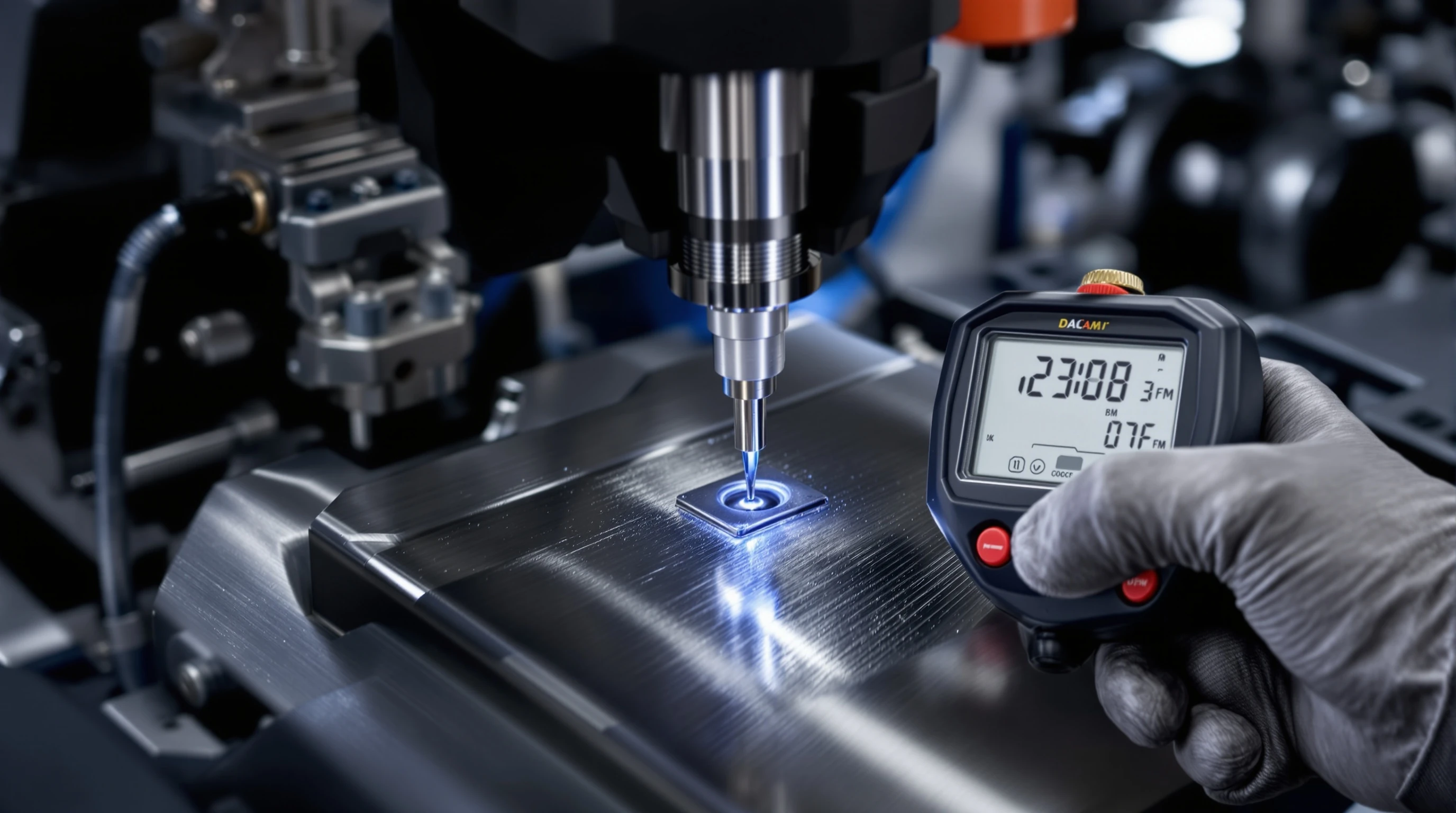
Weight Reduction for Oil and Gas Equipment
Thick coatings add mass to equipment transported to remote wellsites and offshore platforms. Cerakote at 0.5-2 mils saves 200-400g per part versus powder coating. ISO 9001 certified.
Weight Reduction for Medical Device Components
Surgical instruments must be light enough for hours of precise use. Cerakote at 0.5-2 mils saves 200-400g per part versus powder coating without compromising protection. ISO 9001 certified.
Weight Reduction for Maritime Equipment
Heavy coatings add mass to marine hardware that affects vessel performance and handling. Cerakote at 0.5-2 mils saves 200-400g per part versus powder coating. ISO 9001 certified.
Weight Reduction for Industrial OEM Components
Thick coatings add unnecessary mass to engineered equipment. Cerakote at 0.5-2 mils delivers 200-400g savings per part versus powder coating while preserving tolerances. ISO 9001 certified.
Weight Reduction for Defense and Tactical Equipment
Tactical systems carry weight penalties from thick coatings that reduce mobility and increase operator fatigue. Cerakote at 0.5-2 mils saves 200-400g per part. ITAR registered, AS9100 certified.
Weight Reduction for Automotive R&D Prototypes
Every 100 lbs of EV mass costs 2-3 percent range. Cerakote at 0.5-2 mils saves 200-400g per part versus powder coating, protecting prototypes without adding mass. ISO 9001 certified.
Weight Reduction for Agriculture Equipment
Heavy coatings add mass to field equipment that operators must handle and transport. Cerakote at 0.5-2 mils saves 200-400g per part versus powder coating. ISO 9001 certified.
Weight Reduction for Aerospace Components
Thick coatings add avoidable weight to lightweighted airframe structures. Cerakote at 0.5-2 mils delivers 200-400g savings per part versus powder coating. AS9100-certified with full traceability.
How We Deliver Wear Protection
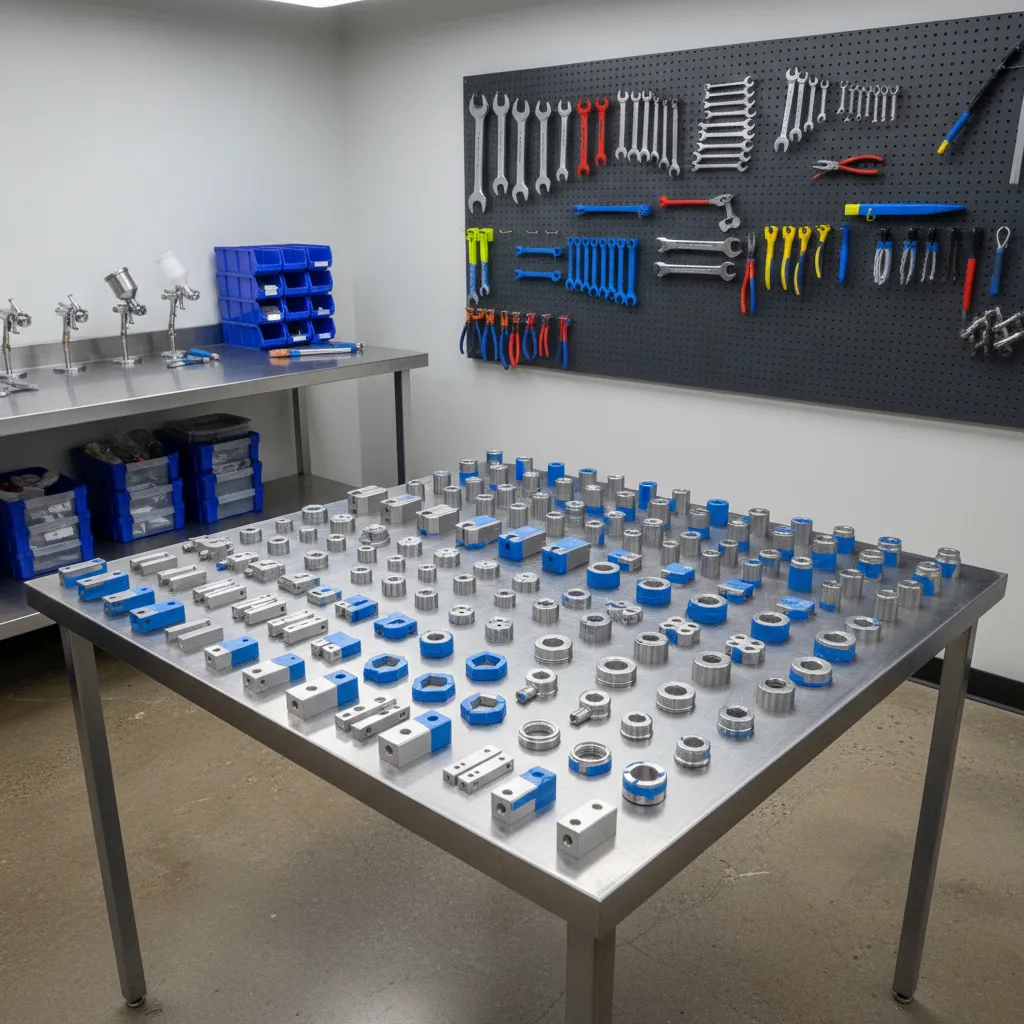
Full protection at 0.5-2 mils versus 4-6 mils for powder coating.
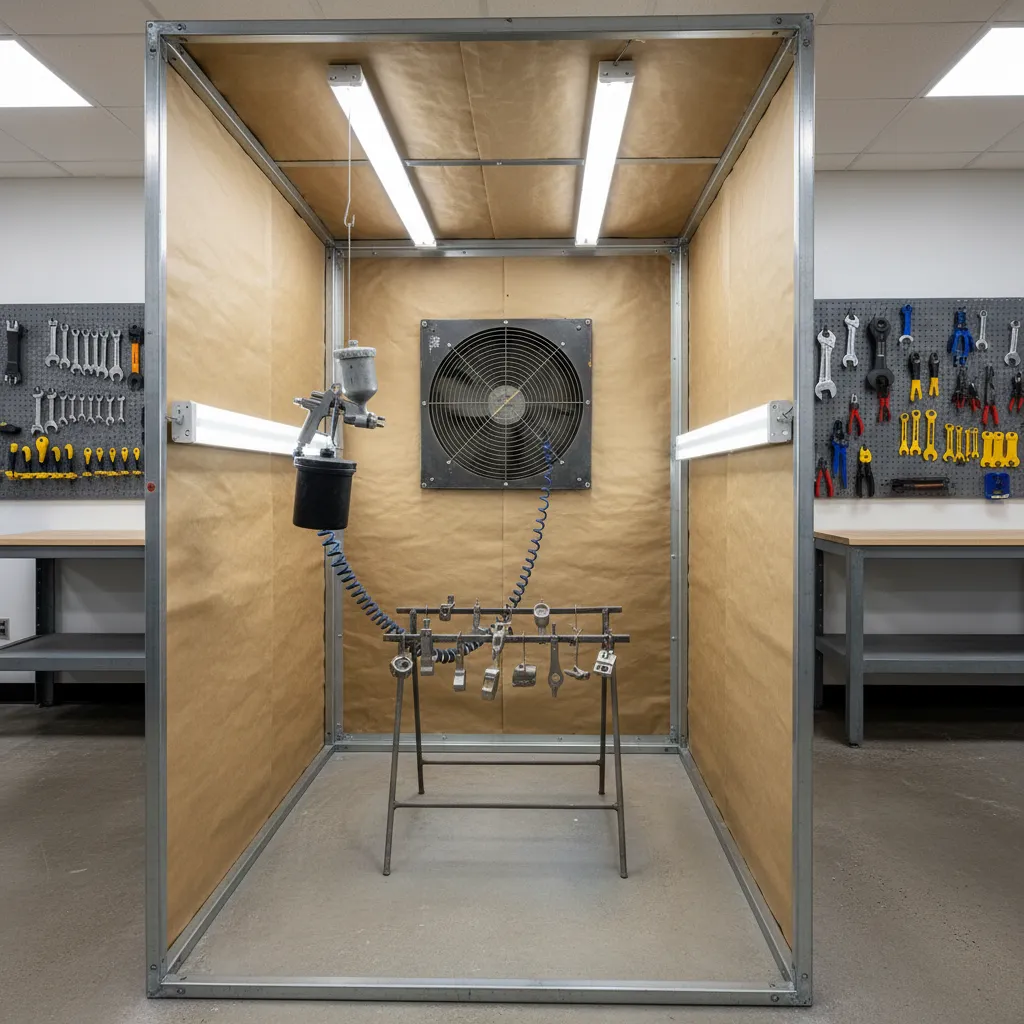
High-velocity application
Atomized coating reaches every surface and crevice.
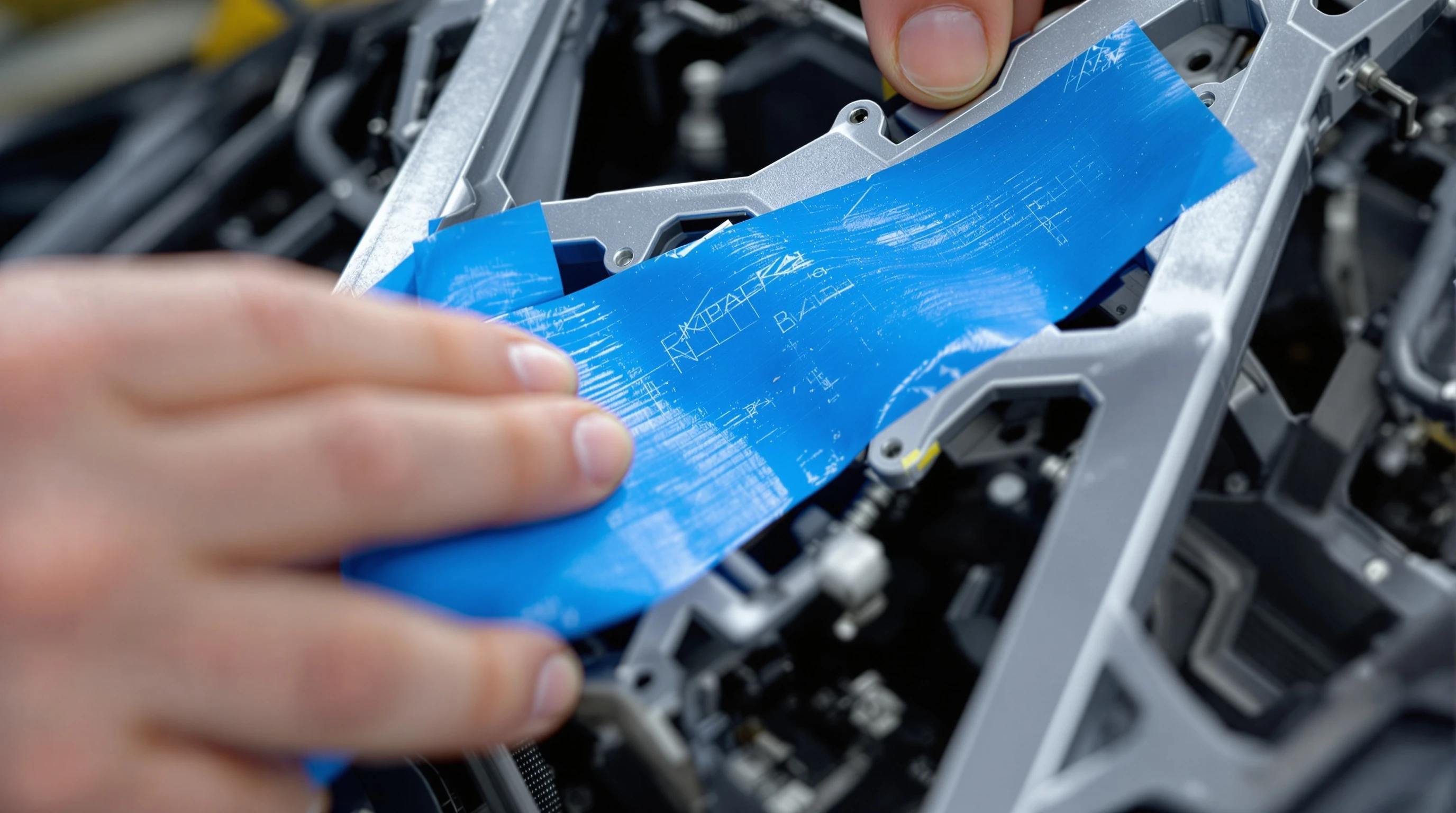
Complete submersion coating
Total coverage for complex geometries and internal passages.
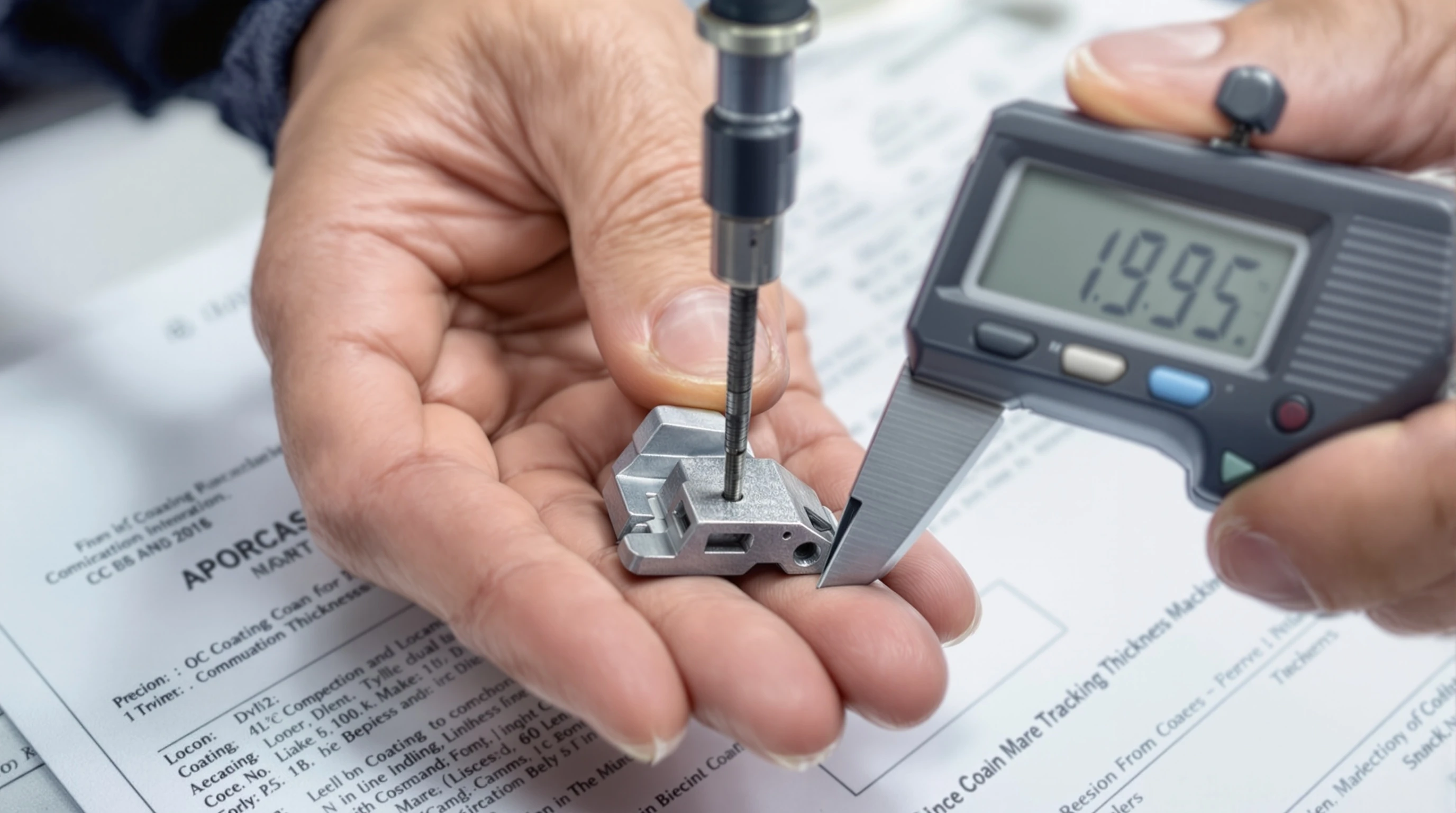
Precision hand application
Controlled placement for selective protection on assemblies.
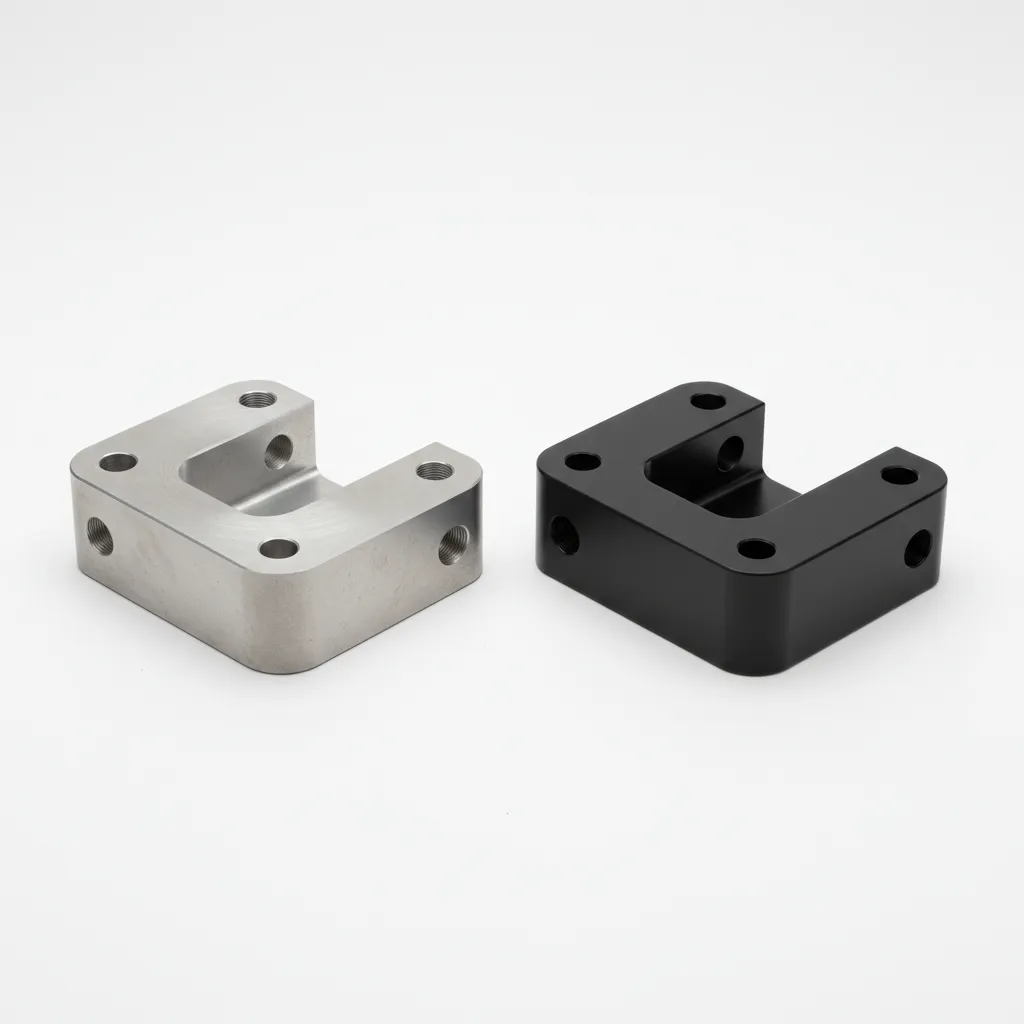
Charged particle deposition
Uniform thickness with minimal overspray and material waste.
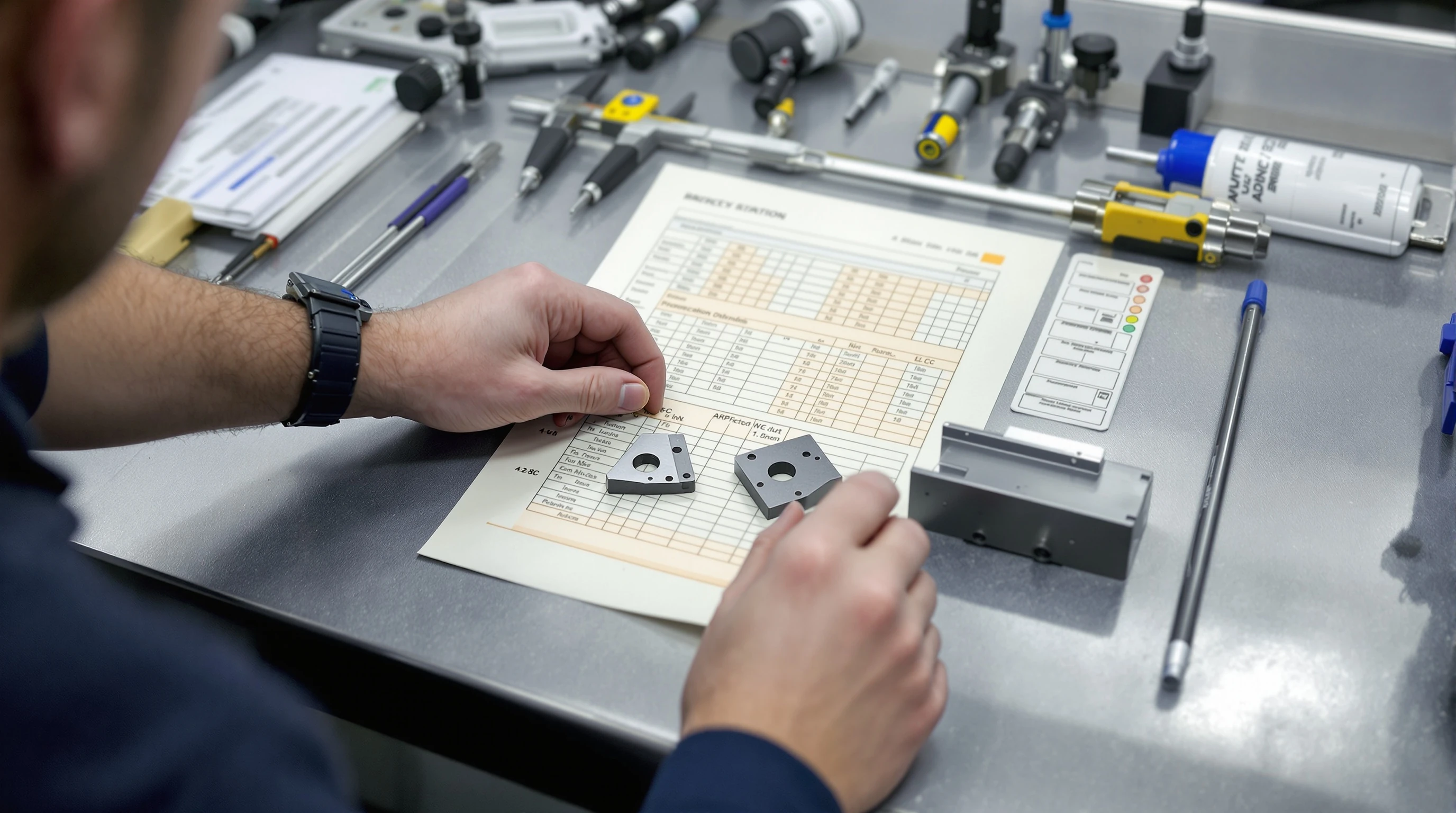
Aerospace fasteners tested in the field
A military contractor needed corrosion resistance on landing gear fasteners exposed to salt spray and thermal cycling. ColoradoKote's ceramic coating passed 5,000+ hours of ASTM B117 testing with zero red rust.
Frequently Asked Questions
Find answers about our coating processes and technical capabilities
Yes. ColoradoKote is registered with the Directorate of Defense Trade Controls (DDTC) under ITAR. Our facility, personnel, and processes meet all requirements for handling defense-related components and technical data. ITAR registration operates alongside our AS9100:2015 and ISO 9001:2015 certifications, so defense projects receive the same documented quality controls as our aerospace production work.
Yes. Every order ships with a Certificate of Conformance documenting coating formulation, lot traceability, thickness measurements, adhesion results, and cure parameters. Our AS9100 quality system generates documentation that meets aerospace and defense requirements, but we provide certificates for all orders regardless of industry. Custom documentation formats and additional test reports are available upon request.
In many applications, yes. Cerakote provides comparable hardness (9H pencil hardness, ASTM D3363) and superior corrosion resistance (3,000 hours ASTM B117 versus 200-500 hours for decorative chrome) without the hexavalent chromium hazardous waste stream. The coating applies at 0.5-2 mils with no hydrogen embrittlement risk. For industrial components where chrome plating is specified, we recommend qualification testing on sample parts before full production conversion.
Marine components face the most aggressive natural corrosion environment: constant salt water contact, salt spray atmosphere, and UV exposure. Cerakote's 3,000-hour ASTM B117 salt spray rating provides the highest thin-film corrosion protection available for marine hardware. Our chemical conversion coating for aluminum and passivation for stainless steel substrates provide additional protection layers before Cerakote application, creating a comprehensive marine corrosion defense system.
Ultrasonic cleaning and sandblasting serve different purposes and typically complement each other in the coating preparation sequence. Ultrasonic cleaning removes chemical and organic contaminants (oils, fluids, films) from the substrate. Sandblasting creates the mechanical anchor profile for coating adhesion. For the highest coating performance, we use ultrasonic cleaning first to remove contaminants, followed by sandblasting for surface profile, then proceed to coating application. The sequence matters.
Protect Your Parts From Wear
Request a wear protection quote. We respond within 24 hours with technical approach and pricing.