Abrasion and Wear Protection for Additive Manufacturing
Precision Cerakote ceramic coatings for aerospace, defense, and industrial components.
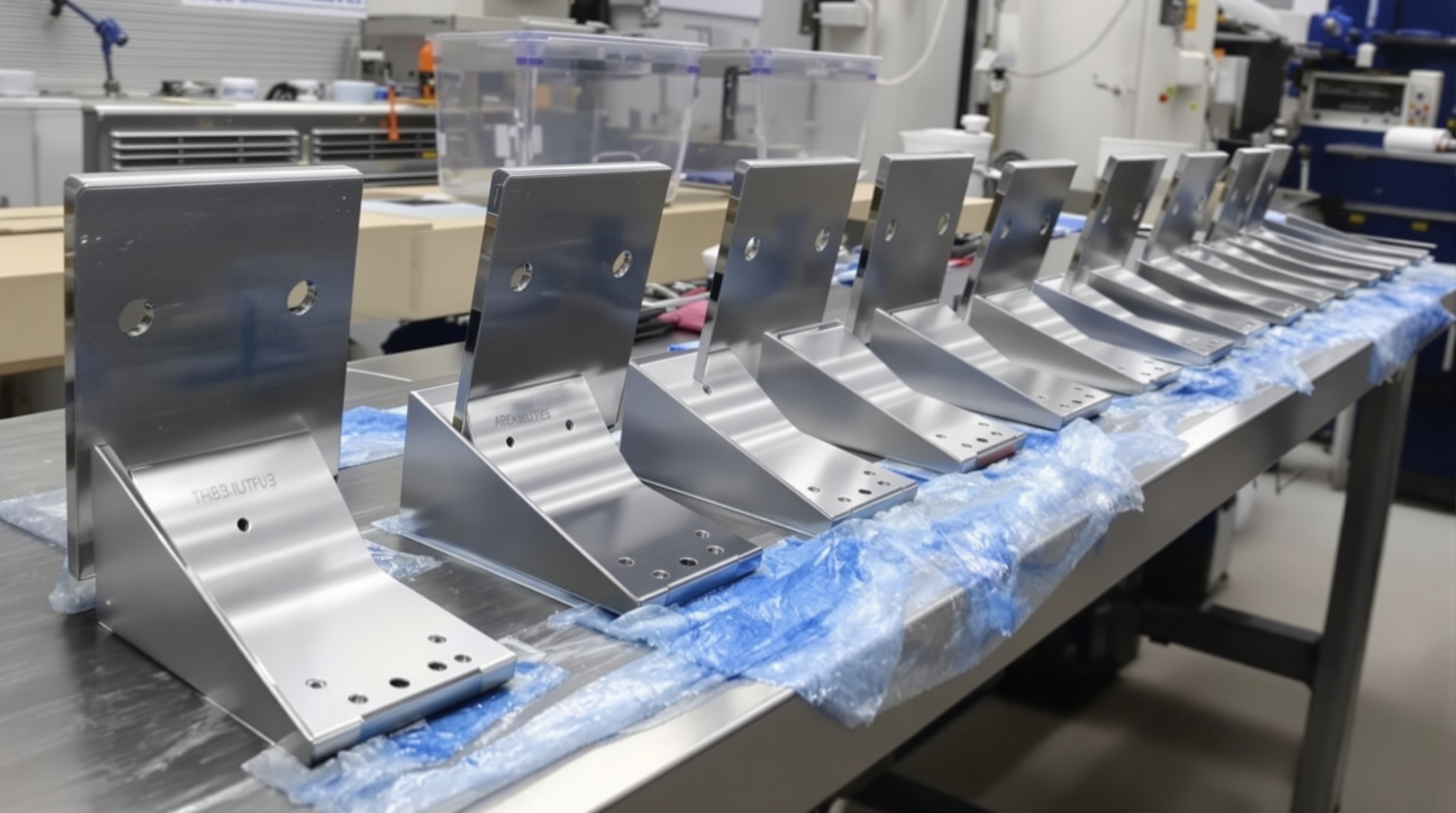
The Wear Problem in Additive Manufacturing
Porosity turns end-use parts into wear liabilities
The challenge
Harsh environments demand coatings that hold.
The solution
ColoradoKote ceramic coating stops corrosion cold.
Why Cerakote for AM Wear Protection
Hardness and surface finish in a single coating step

Abrasion resistance on porous substrates
8,000+ wear cycles per mil (ASTM D4060) on PA12, PA11, and metal AM substrates. Cerakote fills the micro-porosity that makes raw AM surfaces vulnerable to accelerated wear. Teflon coatings fail at under 1,000 cycles under identical test conditions, making them inadequate for AM end-use applications requiring extended service life.
Tolerance preservation at 0.5-2 mils
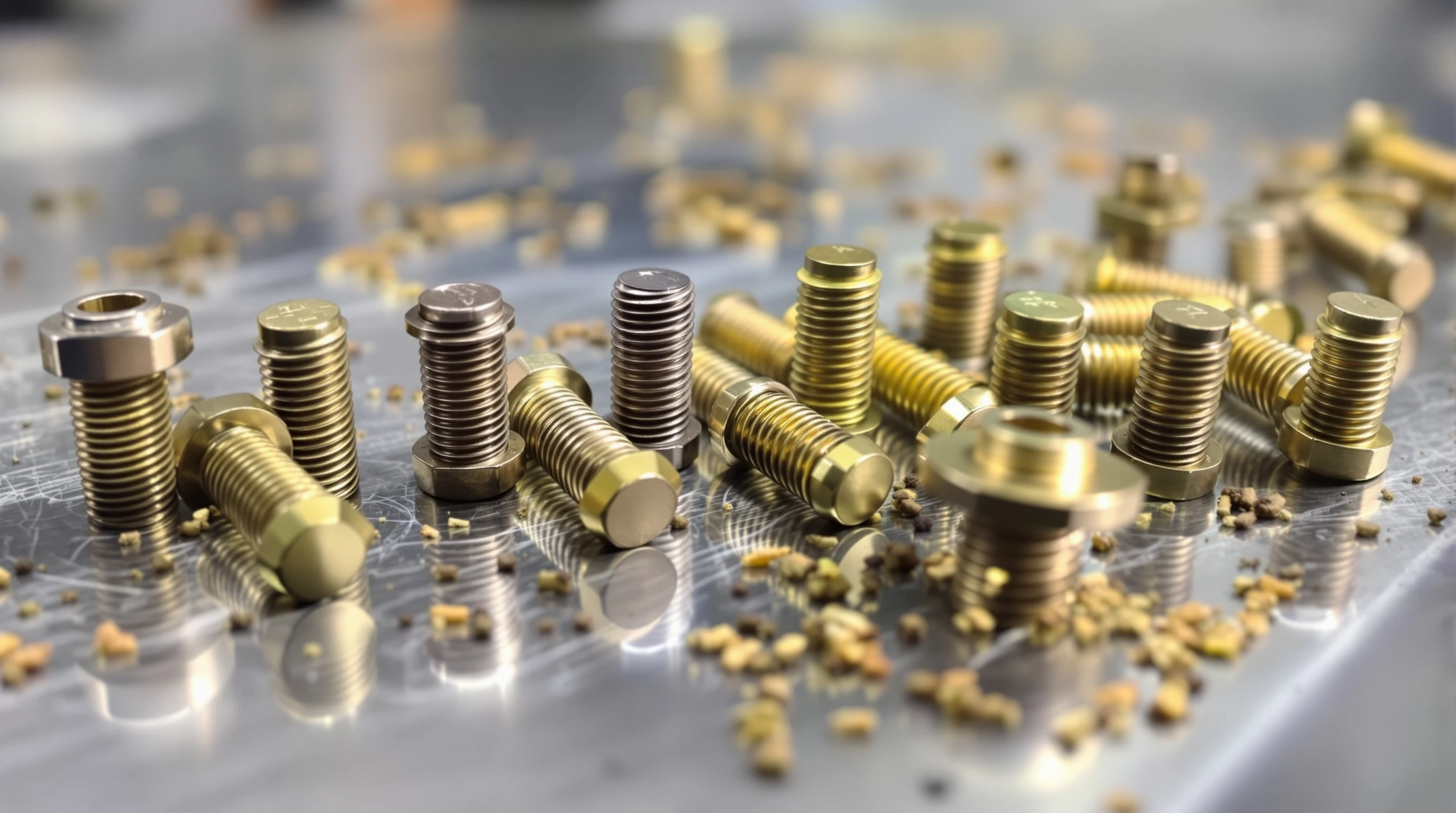
Thin-film application adds only 0.001 to 0.002 inches per coated surface, keeping parts within the plus or minus 0.005 inch tolerance envelope. Topology-optimized lattice structures, conformal cooling channels, and lightweighted brackets retain their design geometry. Powder coating at 4-6 mils per surface pushes AM parts outside tolerance, requiring CNC post-machining that destroys optimized features.
AS9100 documentation for aerospace AM
Every wear coating parameter is documented per AS9100 requirements for aerospace additive manufacturing programs. Certificate of Conformance includes before-and-after Ra measurements, DFT data, material batch records, and cure parameters. ITAR registration covers defense AM articles. First Article Inspection reports available upon request.
Multi-material AM compatibility
Cerakote bonds to PA12, PA11, glass-filled nylon, Ti-6Al-4V, AlSi10Mg, Inconel, and stainless steel AM substrates. One coating partner and one quality system for your entire AM parts portfolio, whether polymer or metal. Material-specific preparation protocols ensure maximum adhesion on each substrate type.
Wear Protection Specs for AM Applications
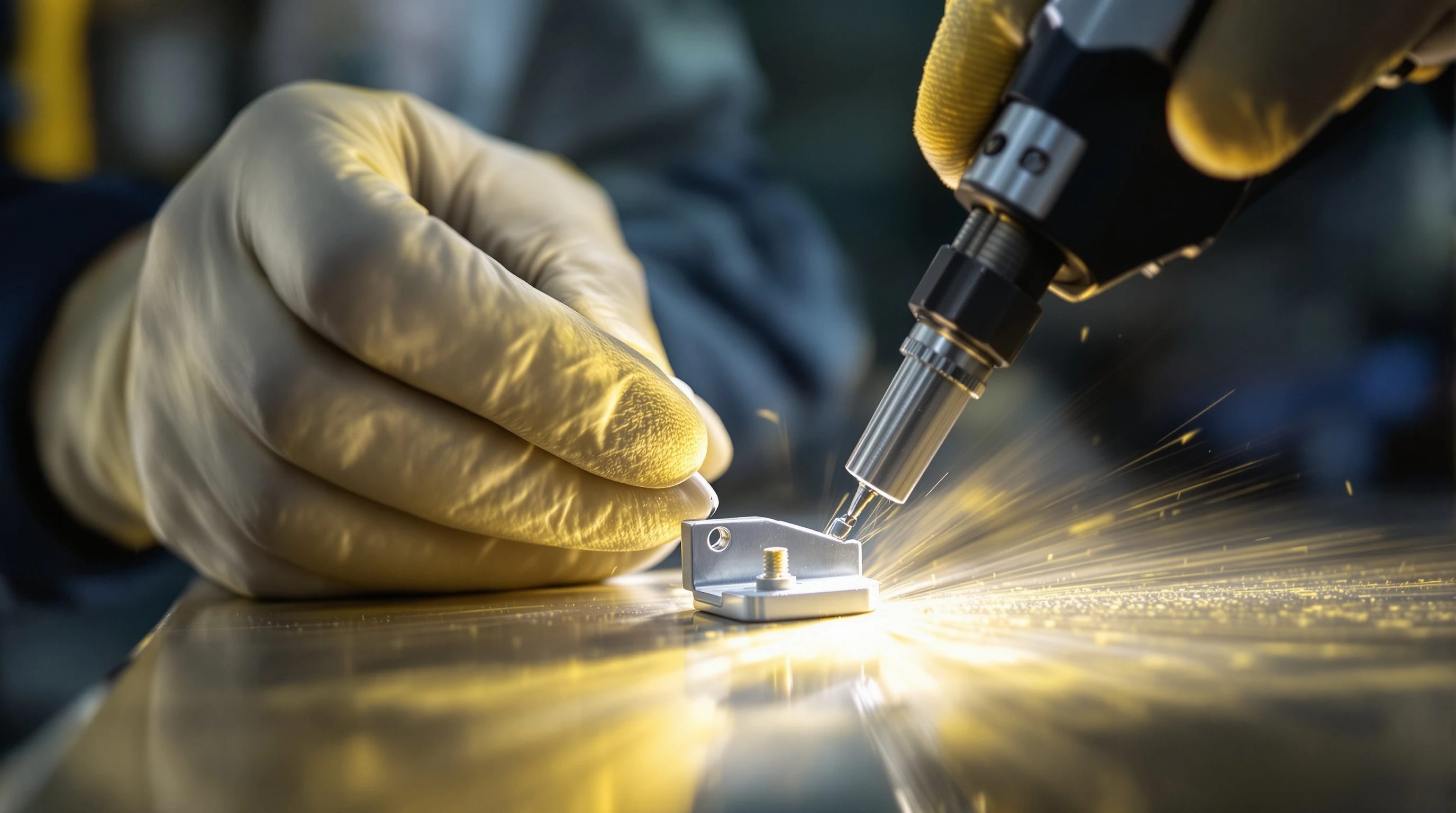
How We Deliver Wear Protection for AM Parts
Material-specific protocols for polymer and metal AM wear coating
AM Substrate Assessment and Surface Preparation
Every AM part begins with substrate identification: PA12, PA11, glass-filled nylon, Ti-6Al-4V, AlSi10Mg, Inconel, or stainless steel. Polymer parts receive low-pressure aluminum oxide blasting at 30-40 PSI to avoid distortion of thin-walled features and lattice structures while creating the surface profile required for wear coating adhesion. Metal AM parts receive preparation tailored to alloy type, removing support structure witness marks.

Wear-Optimized Coating Application
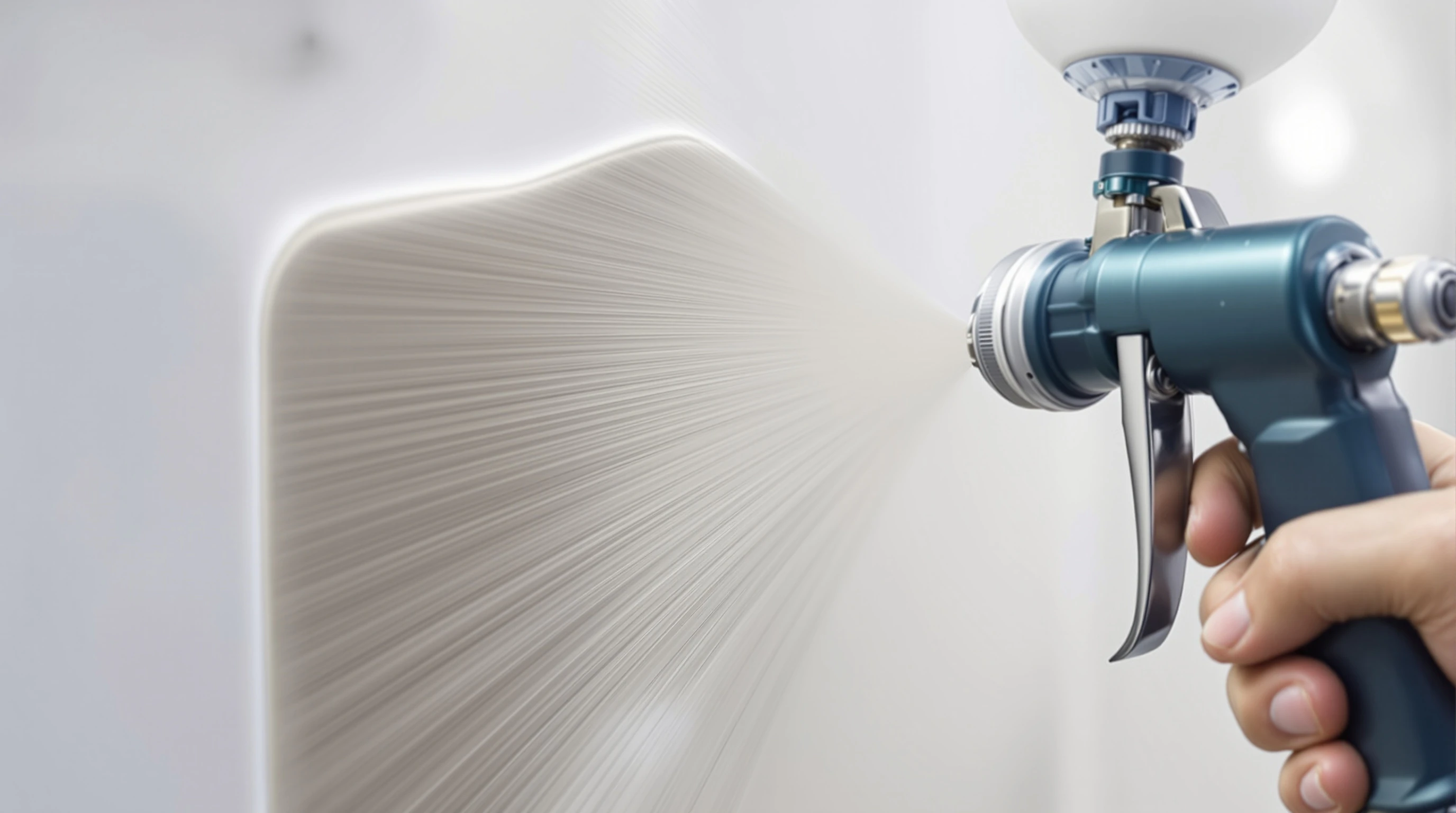
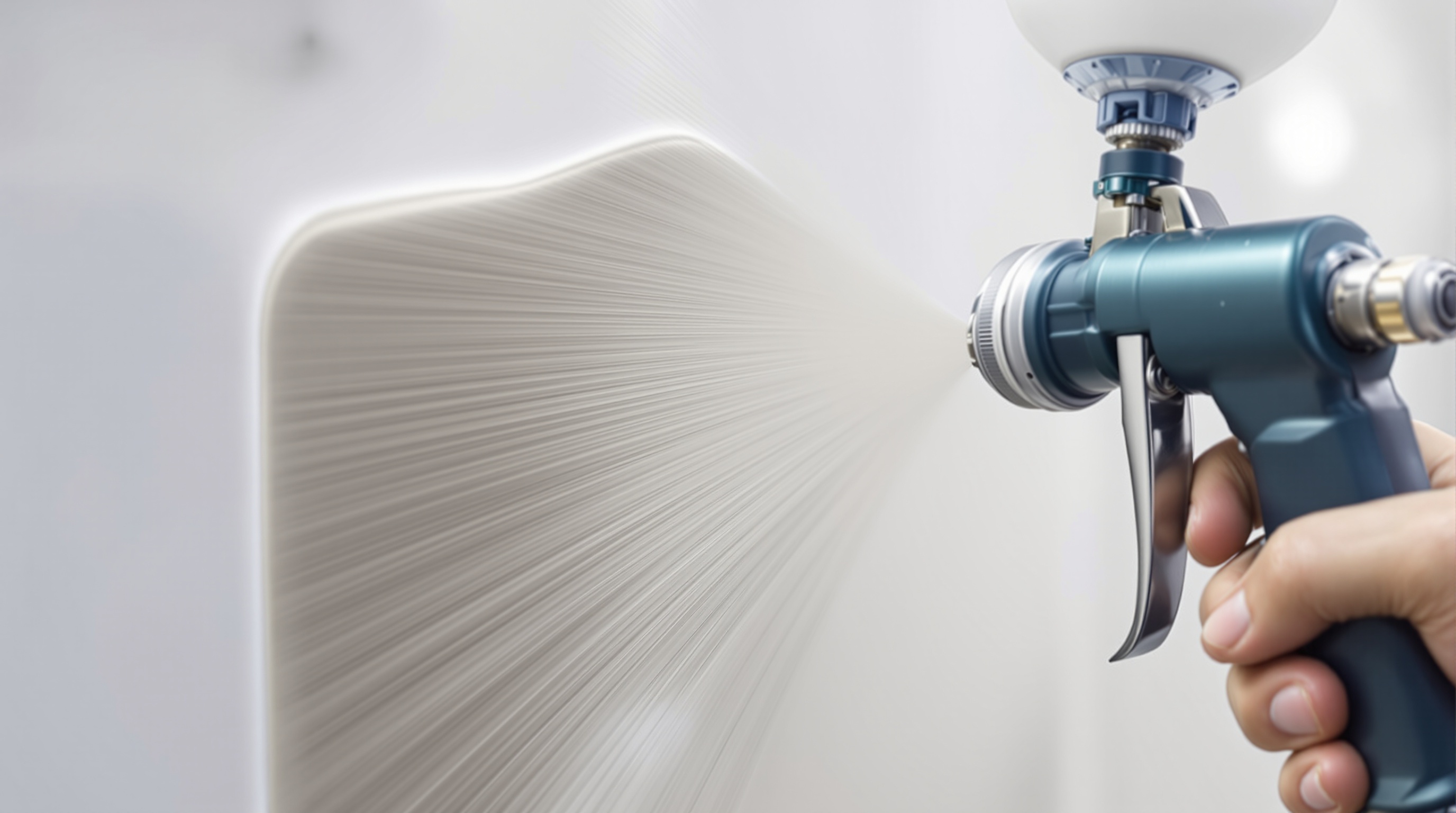
Cerakote is applied via calibrated HVLP equipment at 0.5-2 mil thickness, targeting maximum abrasion resistance. Polymer parts cure at 250 F, below PA12 heat deflection temperature, to prevent warping. For applications requiring low-friction wear performance, Elite Series formulations deliver a coefficient of friction of approximately 0.11. In-process DFT measurement confirms dimensional compliance on every part.
Dimensional Verification and Wear Performance Documentation
Post-coating CMM measurement confirms parts remain within the plus or minus 0.005 inch tolerance envelope. Before-and-after Ra measurements document surface roughness improvement from Ra 8-15 to under 3 micrometers. Certificate of Conformance includes hardness verification, dimensional data, material batch records, and cure parameters.

Proven Wear Protection for AM Components
Wear protection performance on AM substrates is verified through standardized ASTM testing under AS9100 quality controls. Before-and-after Ra measurements and post-coating CMM dimensional data ship with every order, giving AM production managers the evidence they need to qualify coated parts for end-use service.
8,000+ wear cycles per mil
Validated against ASTM D4060 Taber abrasion standards on both polymer and metal AM substrates. Teflon coatings fail at under 1,000 cycles under identical conditions. For AM production tooling, fixtures, and end-use components, this performance translates to service life that justifies the investment in additive manufacturing over traditional fabrication.
Wear cycles per mil (ASTM D4060)
Other services to consider
Explore what else we offer.

Weight Reduction for Oil and Gas Equipment
Thick coatings add mass to equipment transported to remote wellsites and offshore platforms. Cerakote at 0.5-2 mils saves 200-400g per part versus powder coating. ISO 9001 certified.

Weight Reduction for Medical Device Components
Surgical instruments must be light enough for hours of precise use. Cerakote at 0.5-2 mils saves 200-400g per part versus powder coating without compromising protection. ISO 9001 certified.

Weight Reduction for Maritime Equipment
Heavy coatings add mass to marine hardware that affects vessel performance and handling. Cerakote at 0.5-2 mils saves 200-400g per part versus powder coating. ISO 9001 certified.
Weight Reduction for Industrial OEM Components
Thick coatings add unnecessary mass to engineered equipment. Cerakote at 0.5-2 mils delivers 200-400g savings per part versus powder coating while preserving tolerances. ISO 9001 certified.
Certified and compliant for your industry
Protect Your AM Parts From Wear
Send part files for a wear protection RFP. We respond within 24 hours with pricing.
Frequently Asked Questions
Find answers about our coating processes and technical capabilities
Yes. The same Cerakote color applied to SLS PA12, MJF polymer, and metal AM substrates (Ti-6Al-4V, AlSi10Mg, 316L) produces consistent visual results when measured by spectrophotometer. Substrate color and surface texture affect perceived appearance, which is why we verify by instrument rather than visual inspection alone. Surface preparation parameters are adjusted per substrate to ensure consistent coating thickness and therefore consistent color appearance across material types.
Chemical conversion coating adds less than 1 micron of thickness and virtually zero measurable weight to aluminum components. This makes it the ideal corrosion treatment when weight reduction is a design driver. Compare this to anodizing (0.5-3 mils) or powder coating (4-6 mils), both of which add meaningful weight on high-volume or large-surface-area parts. Even with a Cerakote topcoat at 0.5-2 mils, total buildup stays minimal.
Yes. We coat SLS nylon (PA12, PA11), MJF polymer parts, and metal additive builds including titanium and stainless steel. Cerakote bonds chemically to these substrates without dimensional distortion, adding only 0.5-2 mils of thickness. For polymer AM parts, the coating also reduces surface roughness and provides corrosion and chemical resistance not achievable with raw printed surfaces. Current capacity is 200 AM parts per week with 7-10 day standard turnaround.
Standard turnaround for passivation is 14 days, with 7-day and 3-day expedited options for time-sensitive AM production runs. We can process passivation and Cerakote application in sequence without shipping to a second facility, saving days off your total lead time. Over 20,000 parts processed with zero quality issues means your AM investment is protected from print to finish.
Ship parts to our facility in Johnstown, CO with adequate packaging to prevent damage in transit. Include a packing slip referencing your quote number and any special instructions. For ITAR-controlled items, contact us before shipping to confirm proper handling procedures. We inspect all incoming parts upon receipt and document condition before processing begins. Shipping instructions and our facility address are provided with your approved quote.