
Weight Reduction for Medical Devices
Precision Cerakote ceramic coatings for aerospace, defense, and industrial components.

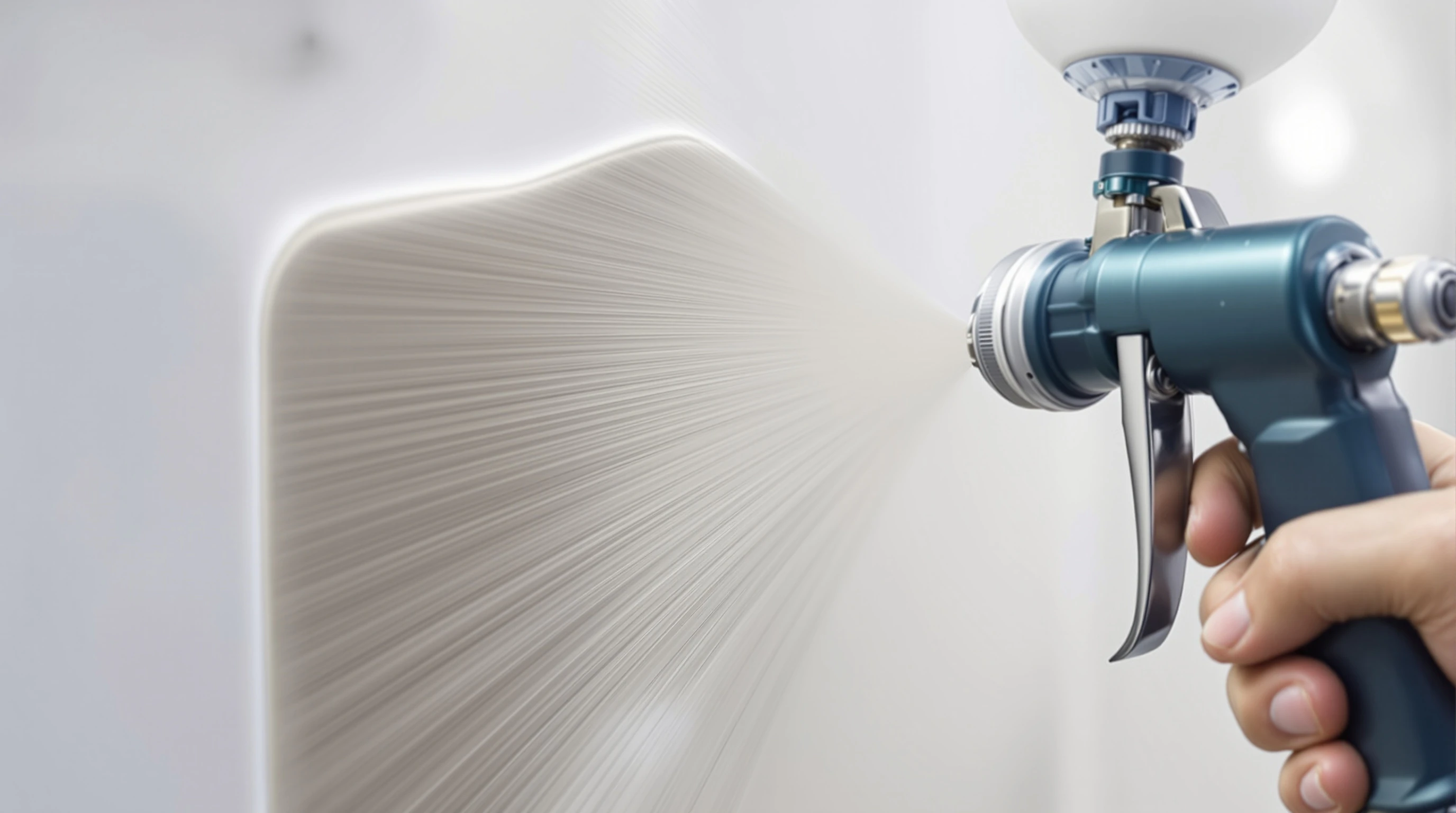
The Weight Problem in Medical Instruments
Where coating mass affects surgical precision
The challenge
Harsh environments demand coatings that hold.
The solution
ColoradoKote ceramic coating stops corrosion cold.
Why Cerakote for Medical Weight Reduction
Thin-film protection for precision instruments

200-400g savings per instrument
Cerakote at 0.5-2 mils replaces powder coating at 3-5 mils, preserving the balanced weight that surgeons rely on during extended procedures. Lighter instruments reduce hand fatigue and maintain the tactile precision that complex procedures demand.
Instrument geometry preserved
A 1 mil application adds only 0.001 inches per side, maintaining jaw closure dimensions, cutting edge profiles, and mating surface specifications. Instruments coat to functional specification without post-coating rework that risks damaging precision features.
ISO 9001 documented traceability
Certificate of Conformance includes DFT measurements, material batch numbers, and inspection results. Documented traceability supports device manufacturer quality system requirements and provides records for regulatory submissions.
Sterilization-resistant thin film
Cerakote resists degradation from autoclave steam, ethylene oxide, and hydrogen peroxide plasma at 0.5-2 mils. The thin film maintains 9H pencil hardness through hundreds of sterilization cycles, providing durable color coding for instrument identification without adding mass.
Weight Reduction Specs for Medical Devices
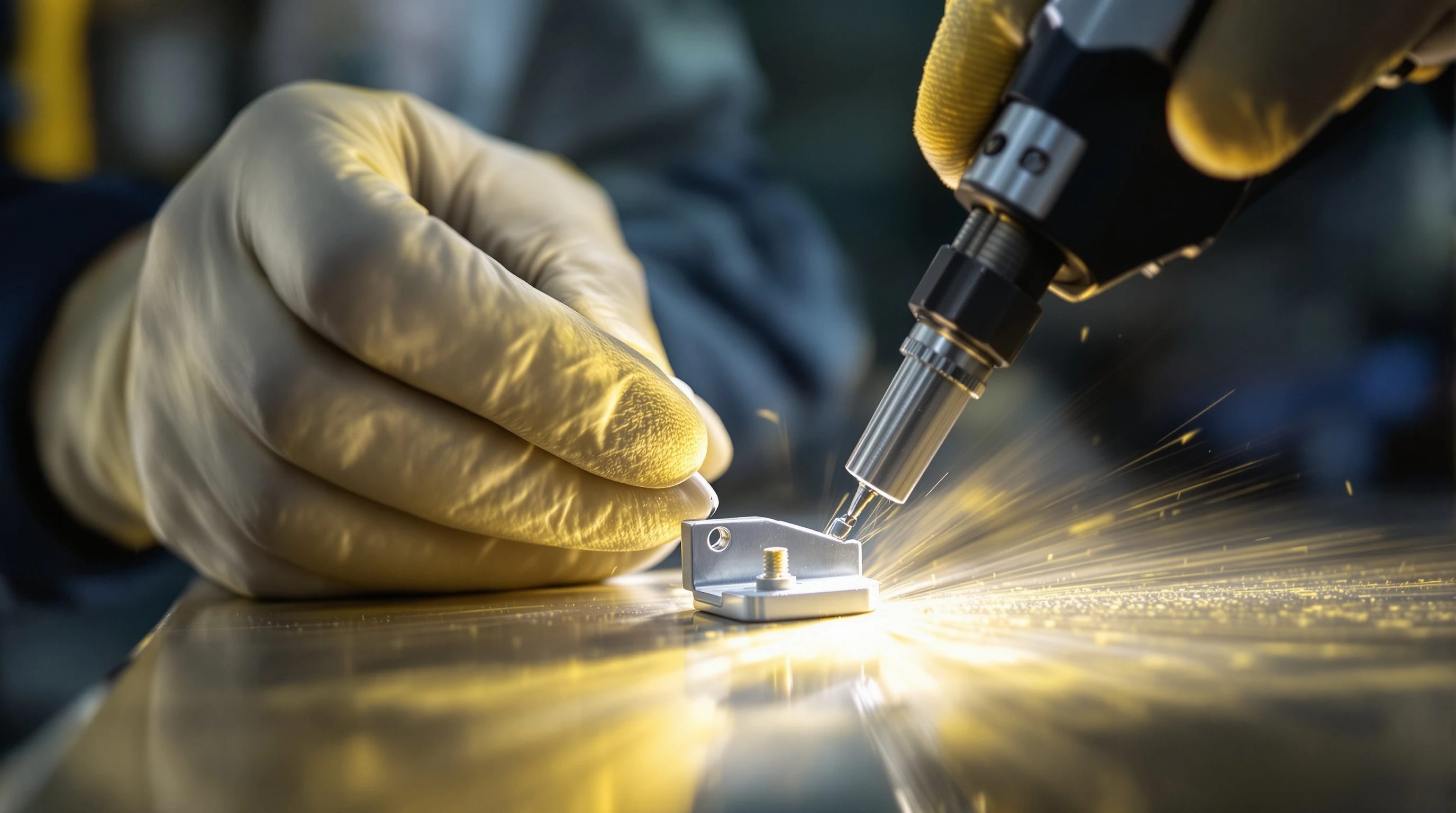
How We Deliver Weight Reduction for Medical
Controlled thin-film application for instrument-grade precision
Surface Preparation for Medical Substrates
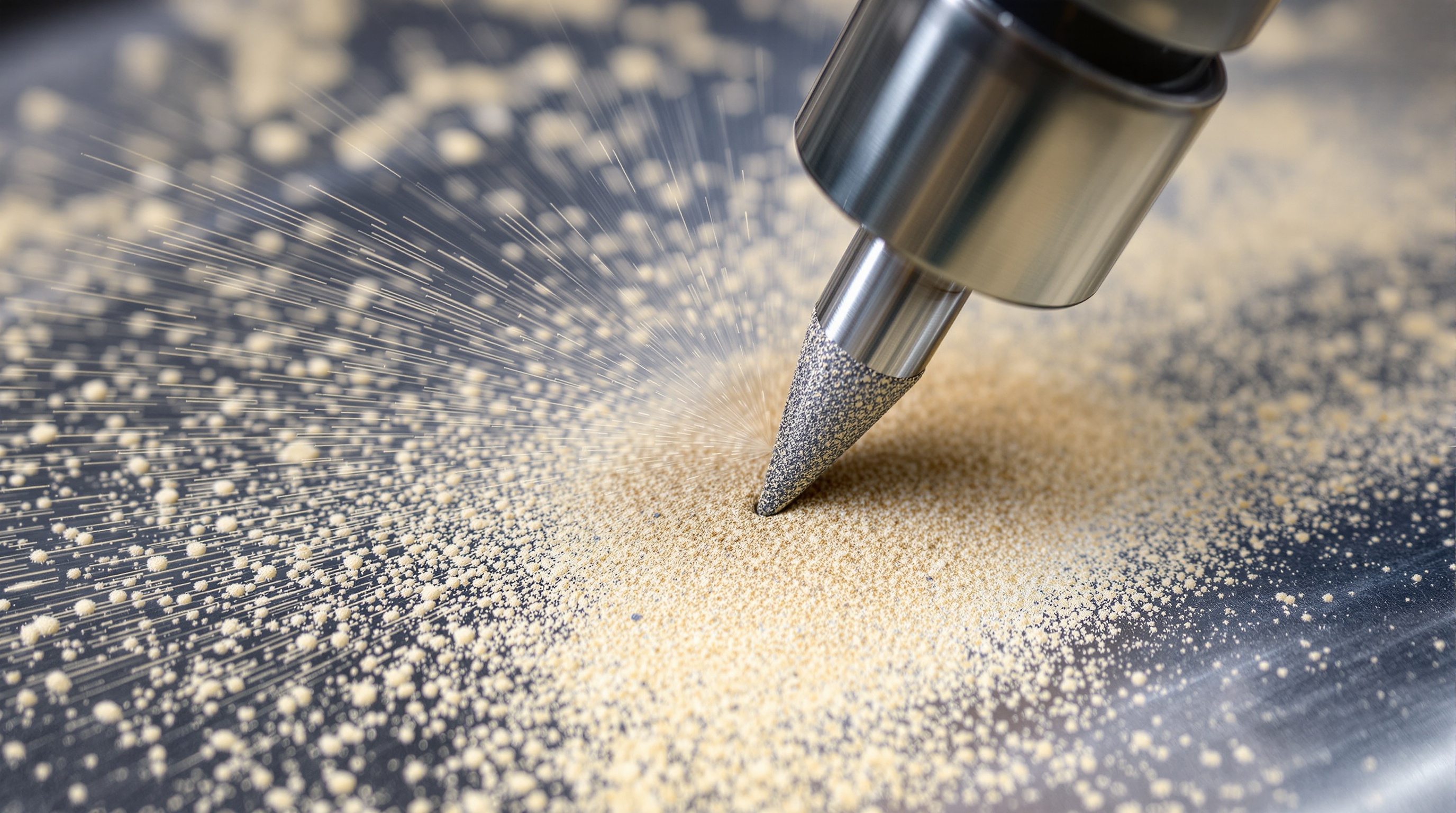
Stainless steel and titanium instruments are ultrasonically cleaned and degreased. Tailored media blasting creates the surface profile for coating adhesion without altering instrument geometry. Masking protects cutting edges, jaw surfaces, and mating features that must remain uncoated.
Thin-Film Coating Application
Cerakote is applied via calibrated HVLP equipment at 0.5-2 mil thickness. In-process DFT measurements confirm uniform coverage without excess buildup on precision instrument features. Color-coded applications use spectrophotometer-verified colors for consistent instrument identification.

Inspection and Documentation
Final inspection verifies coating thickness, adhesion per ASTM D3359, color consistency, and visual appearance under magnification. Certificate of Conformance documents all measurements and material batch records. Documentation supports device manufacturer quality system requirements.
Verified Weight Savings for Medical Parts
Weight savings are verified through DFT measurement and gravimetric analysis on every production lot. ISO 9001 documentation captures coating thickness and weight data for your quality records and regulatory submissions.
200-400g savings per part vs powder coating
At 0.5-2 mils versus 3-5 mils, each instrument retains its designed balance and handling characteristics. The thin film provides chip resistance 2-3x superior to powder coating, maintaining surface integrity and color coding identification through hundreds of sterilization cycles.
Weight savings vs powder coating
Other services to consider
Explore what else we offer.

Weight Reduction for Oil and Gas Equipment
Thick coatings add mass to equipment transported to remote wellsites and offshore platforms. Cerakote at 0.5-2 mils saves 200-400g per part versus powder coating. ISO 9001 certified.
Weight Reduction for Medical Device Components
Surgical instruments must be light enough for hours of precise use. Cerakote at 0.5-2 mils saves 200-400g per part versus powder coating without compromising protection. ISO 9001 certified.

Weight Reduction for Maritime Equipment
Heavy coatings add mass to marine hardware that affects vessel performance and handling. Cerakote at 0.5-2 mils saves 200-400g per part versus powder coating. ISO 9001 certified.
Weight Reduction for Industrial OEM Components
Thick coatings add unnecessary mass to engineered equipment. Cerakote at 0.5-2 mils delivers 200-400g savings per part versus powder coating while preserving tolerances. ISO 9001 certified.
Certified and compliant for your industry


Discuss Your Medical Device Project
Request a consultation for medical device coating. We respond within 24 hours with recommendations.
Frequently Asked Questions
Find answers about our coating processes and technical capabilities
Yes. Chloride contamination trapped in crevices, fastener holes, and under-deposit areas is the primary cause of crevice corrosion on marine hardware. Ultrasonic cavitation penetrates these restricted geometries where spray cleaning and immersion alone cannot provide adequate cleaning action. The 40 kHz cavitation energy dislodges crystallized salt deposits and dissolves chloride films. Verified chloride removal from all surfaces and crevices is essential before any coating provides lasting protection in the marine environment.
Yes. Cerakote's 9H pencil hardness and 4,000 cycles per mil abrasion resistance transforms the soft, porous surface of raw AM parts into wear-resistant production components. For industrial applications involving sliding contact, particle erosion, or repeated handling, Cerakote on AM parts performs comparably to conventionally manufactured and coated equivalents. The key is our controlled surface preparation at 40-60 PSI, which creates proper adhesion without damaging the AM geometry, ensuring the wear coating stays bonded under load.
Yes. Our spectrophotometer-verified color matching system achieves Delta E within 1.5, below the 2.0 threshold where the average person perceives color difference. We can match OEM paint codes, Pantone references, or physical samples for performance and show car applications. With over 200 standard Cerakote colors plus custom matching capability, we cover the full spectrum of automotive finishing needs.
Cerakote is fully cured at 250-300 degrees F (H-Series and Elite) during application, and the ceramic-polymer matrix is chemically stable after curing. Outgassing is minimal and can be characterized through testing per your specific cleanroom or vacuum requirements. For aerospace and medical applications with outgassing specifications, we recommend discussing your threshold values during the quoting process so we can provide relevant test data or arrange third-party testing.
Yes. Marine hardware ranges from heavy structural fittings to precision instruments and electronic housings. We match blast pressure and media to the specific component. Structural fittings receive standard 80-100 PSI preparation, while delicate marine electronics housings and sensor components are blasted at reduced pressure. All marine prep includes verification that chloride contamination is fully removed before coating proceeds.