Weight Reduction for Oil and Gas
Precision Cerakote ceramic coatings for aerospace, defense, and industrial components.

The Weight Problem in Oil and Gas Equipment
Where coating mass increases logistics cost
The challenge
Harsh environments demand coatings that hold.
The solution
ColoradoKote ceramic coating stops corrosion cold.
Why Cerakote for Oil and Gas Weight Savings
Thin-film protection for demanding environments

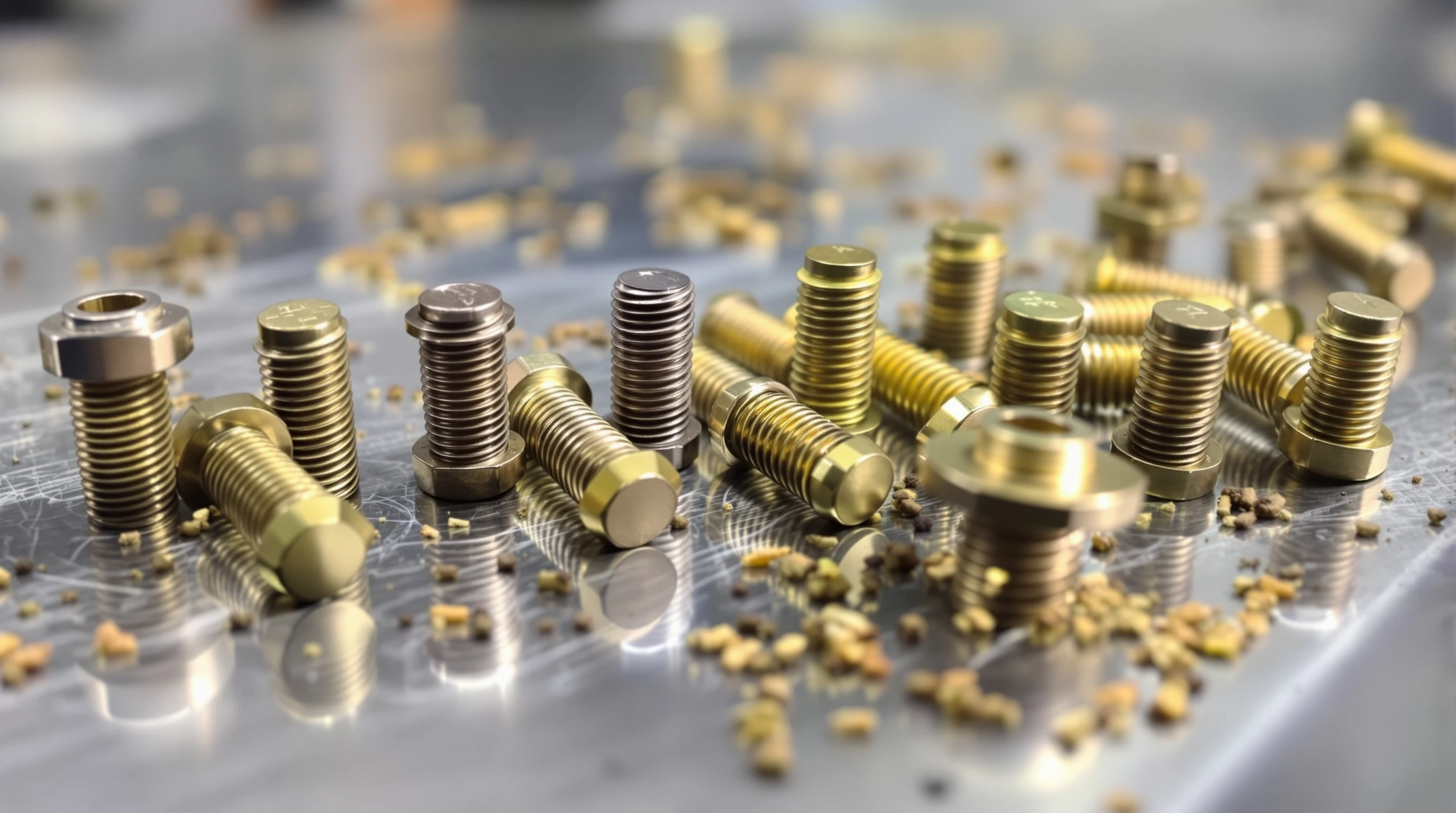
200-400g savings per component
Cerakote at 0.5-2 mils replaces powder coating at 3-5 mils, reducing coating weight on valves, pumps, and downhole tools. For offshore and remote operations, lighter equipment simplifies transport logistics and reduces crane lift requirements.
Precision preserved on critical sealing surfaces
A 1 mil application adds only 0.001 inches per side, maintaining valve seat geometry, seal surface tolerances, and threaded connections. Components coat to specification without post-coating machining that compromises surface finish on sealing areas.
ISO 9001 documented traceability
Certificate of Conformance includes DFT measurements, material batch numbers, and inspection results. Weight data is available for equipment requiring documented mass verification for lift planning and installation engineering.
Combined corrosion and erosion resistance
One thin-film coating delivers 4,000+ hours salt spray resistance and 8,000+ wear cycles per mil. Oil and gas equipment faces both chemical corrosion from H2S and CO2 and particle erosion from produced fluids. Cerakote addresses both without the weight of multi-layer coating systems.
Weight Reduction Specs for Oil and Gas
How We Deliver Weight Reduction for Oil & Gas
Controlled thin-film application with full lot traceability
Substrate Evaluation and Surface Preparation
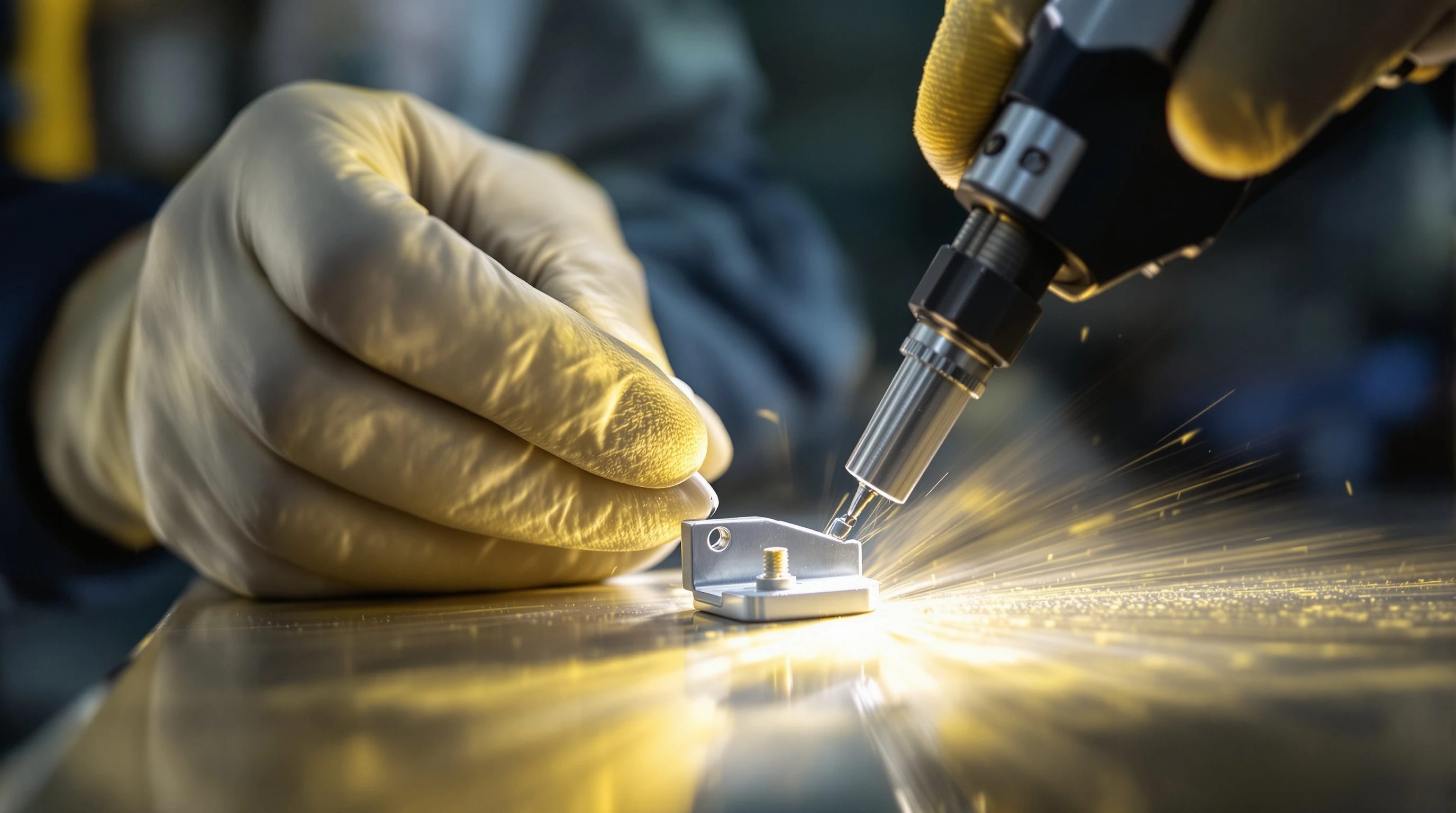
Components are assessed for substrate composition, typically carbon steel, stainless steel, or nickel alloys. Ultrasonic cleaning removes production oils and drilling fluid residue. Tailored media blasting creates the surface profile for maximum adhesion. Masking protects valve seats, seal surfaces, and threaded connections.

Thin-Film Coating Application
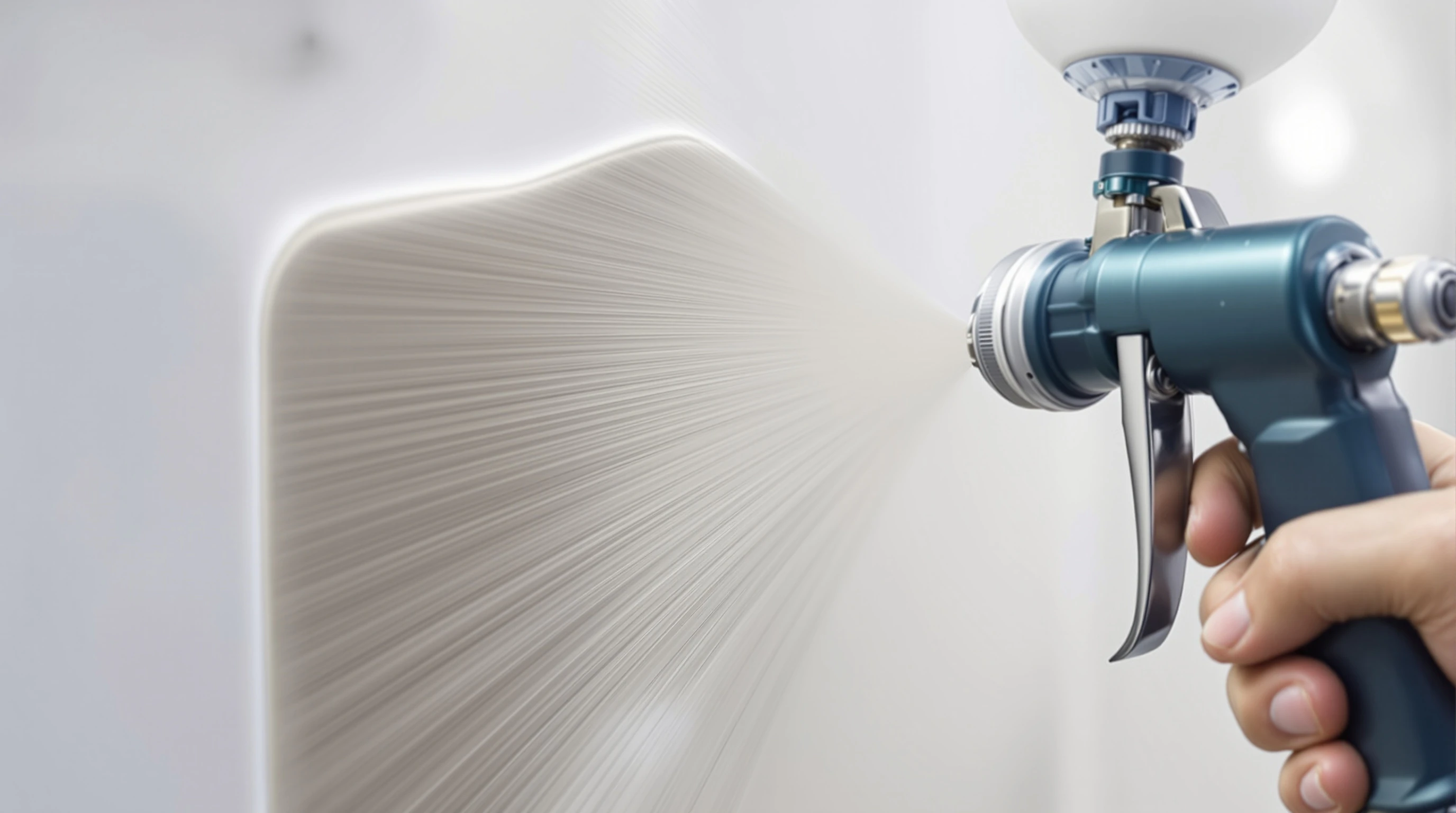
Cerakote is applied via calibrated HVLP equipment targeting 0.5-2 mils. In-process DFT measurements confirm thickness on sealing surfaces and critical dimensions. The thin film provides a continuous barrier against H2S, CO2, and chloride corrosion without the mass of thicker alternatives.
Inspection and Weight Documentation
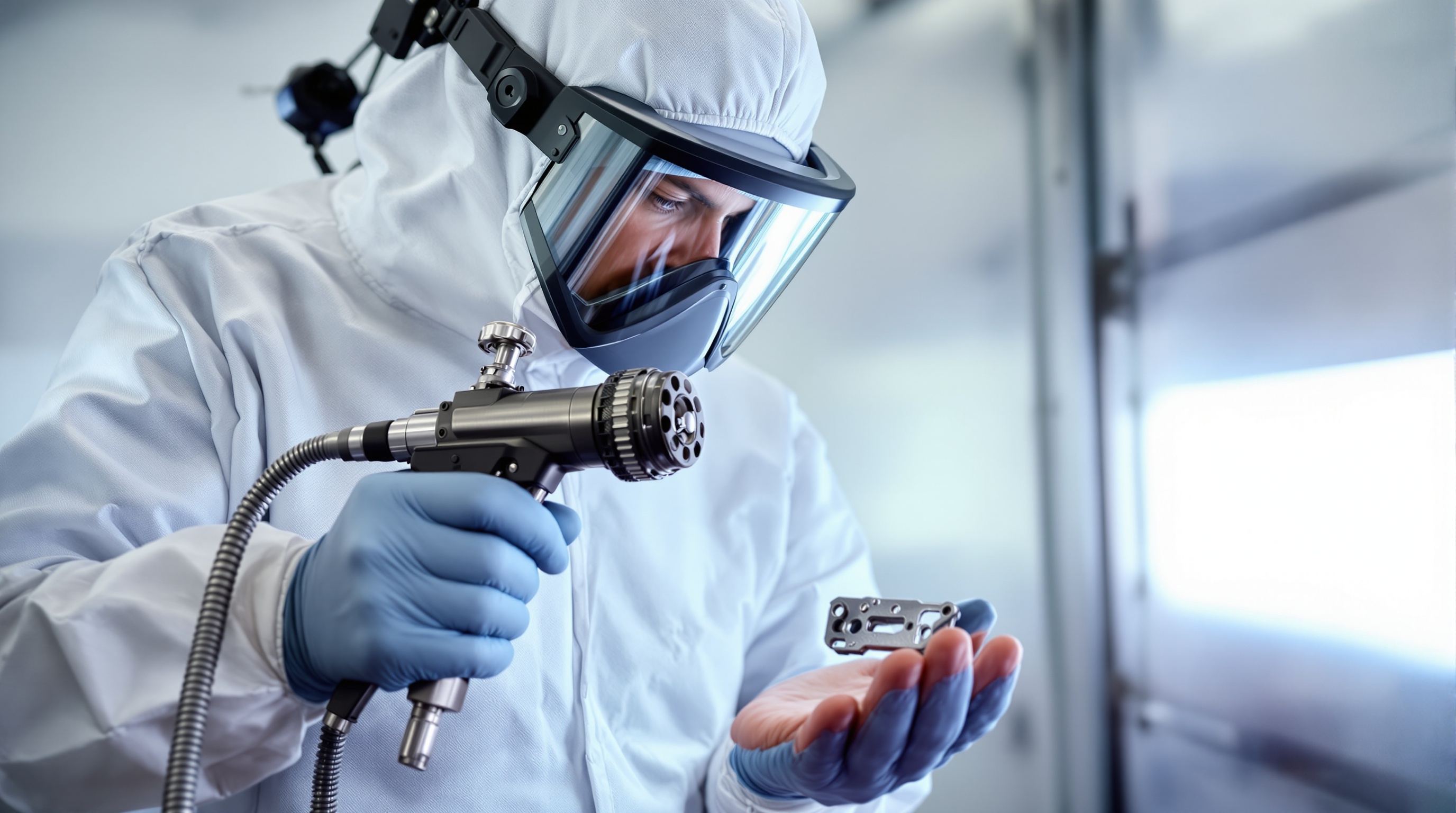
Multi-point final inspection verifies coating thickness, adhesion, and visual appearance. Pre- and post-coating weight measurements are available for equipment requiring documented mass data for lift planning. Certificate of Conformance documents all measurements under ISO 9001 quality controls.

Verified Weight Savings for Oil and Gas
Weight reduction performance is verified through DFT measurement and gravimetric analysis on production lots. ISO 9001 documentation captures coating thickness and weight data for your engineering and logistics records.
200-400g savings per part vs powder coating
At 0.5-2 mils versus 3-5 mils, each component carries less coating mass while retaining corrosion resistance against H2S and CO2 environments. The thin film also provides chip resistance 2-3x superior to powder coating, maintaining barrier integrity under handling and installation impact.
Weight savings vs powder coating
Other services to consider
Explore what else we offer.
Weight Reduction for Oil and Gas Equipment
Thick coatings add mass to equipment transported to remote wellsites and offshore platforms. Cerakote at 0.5-2 mils saves 200-400g per part versus powder coating. ISO 9001 certified.

Weight Reduction for Medical Device Components
Surgical instruments must be light enough for hours of precise use. Cerakote at 0.5-2 mils saves 200-400g per part versus powder coating without compromising protection. ISO 9001 certified.

Weight Reduction for Maritime Equipment
Heavy coatings add mass to marine hardware that affects vessel performance and handling. Cerakote at 0.5-2 mils saves 200-400g per part versus powder coating. ISO 9001 certified.
Weight Reduction for Industrial OEM Components
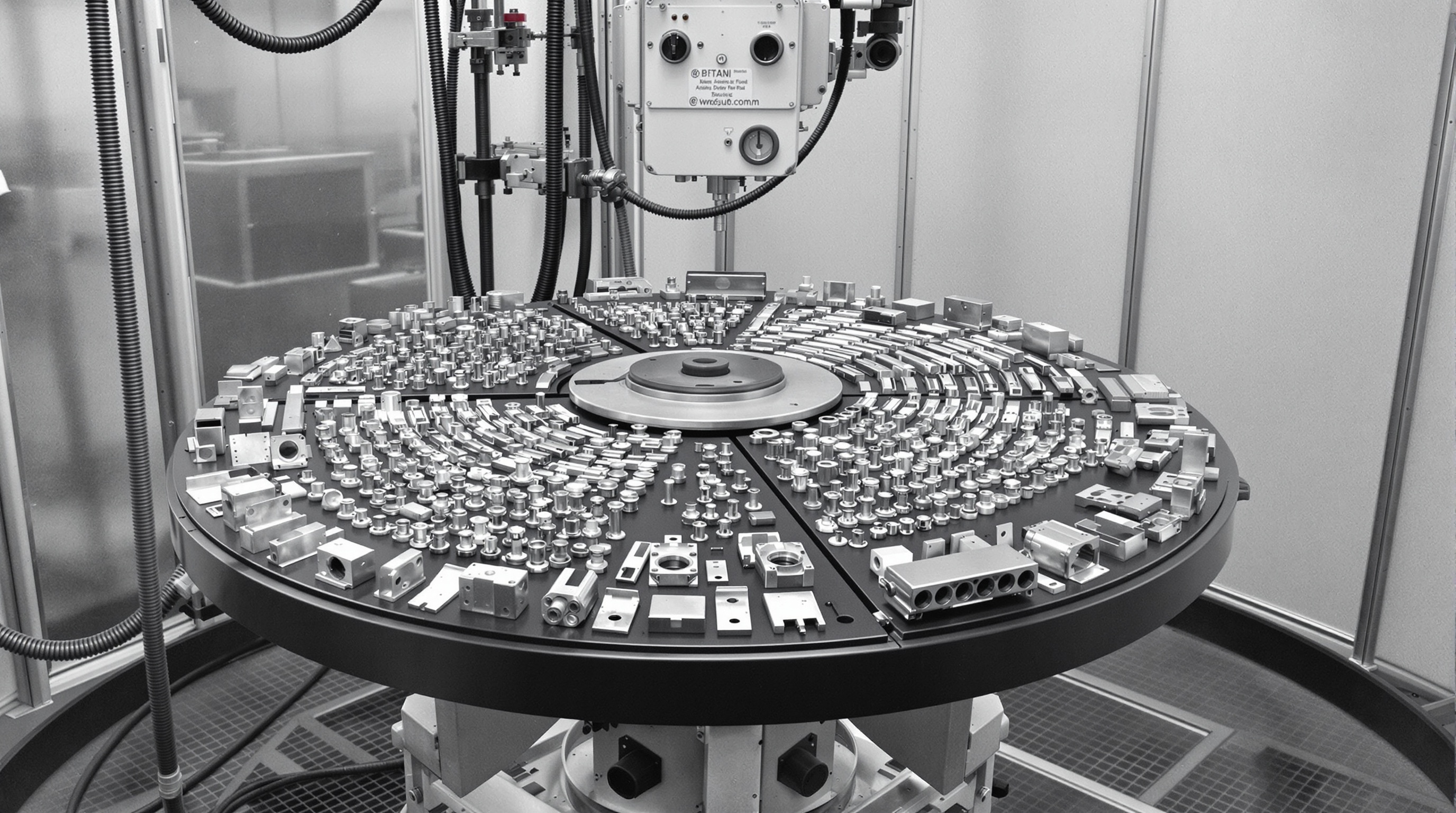
Thick coatings add unnecessary mass to engineered equipment. Cerakote at 0.5-2 mils delivers 200-400g savings per part versus powder coating while preserving tolerances. ISO 9001 certified.
Certified and compliant for your industry
Reduce Your Equipment Coating Mass
Send your specs for a coating evaluation. We respond within 24 hours with approach and pricing.
Frequently Asked Questions
Find answers about our coating processes and technical capabilities
Yes. Additive manufactured jigs, fixtures, and production tooling made from SLS nylon or metal AM benefit significantly from Cerakote's 9H hardness. Uncoated AM surfaces wear quickly at contact points, limiting tooling life. Cerakote transforms these surfaces into hardened, abrasion-resistant working faces that extend tooling service life by multiples. Our 14-day standard turnaround with expedited options keeps your tooling production on schedule.
Yes. Aluminum marine components receive chemical conversion coating per MIL-DTL-5541 followed by Cerakote ceramic topcoat for comprehensive corrosion protection. This combined stack addresses galvanic corrosion concerns and provides the salt spray resistance marine hardware demands. We process both individual replacement parts and production batches for marine equipment manufacturers.
Yes. Brake calipers see temperatures exceeding 500 degrees F during hard braking, and suspension components face constant salt spray, gravel, and chemical exposure. H-Series Cerakote handles caliper temperatures while providing 3,000 hours salt spray resistance (ASTM B117). Abrasion resistance of 4,000 cycles per mil (ASTM D4060) protects against stone chips on A-arms, control arms, and subframe components.
Cerakote acts as an electrical insulator between dissimilar metals, breaking the galvanic circuit that drives accelerated corrosion at material interfaces. Dielectric strength of 3,000 volts per mil (H-900 series) provides substantial electrical isolation. This is particularly valuable on assemblies combining aluminum with steel, titanium with stainless, or any multi-material design where galvanic corrosion would otherwise require sacrificial anodes or isolation washers.
Ultrasonic cleaning reaches contaminants trapped in lattice structures and internal passages that manual cleaning cannot access. HVLP spray application with calibrated parameters coats complex external geometries evenly at 0.5-2 mils. For internal channels requiring coating, we work with your engineering team to develop application strategies during the quoting process. DFT gauge measurements verify thickness on accessible surfaces per our AS9100 process controls.