Weight Reduction for Maritime
Precision Cerakote ceramic coatings for aerospace, defense, and industrial components.

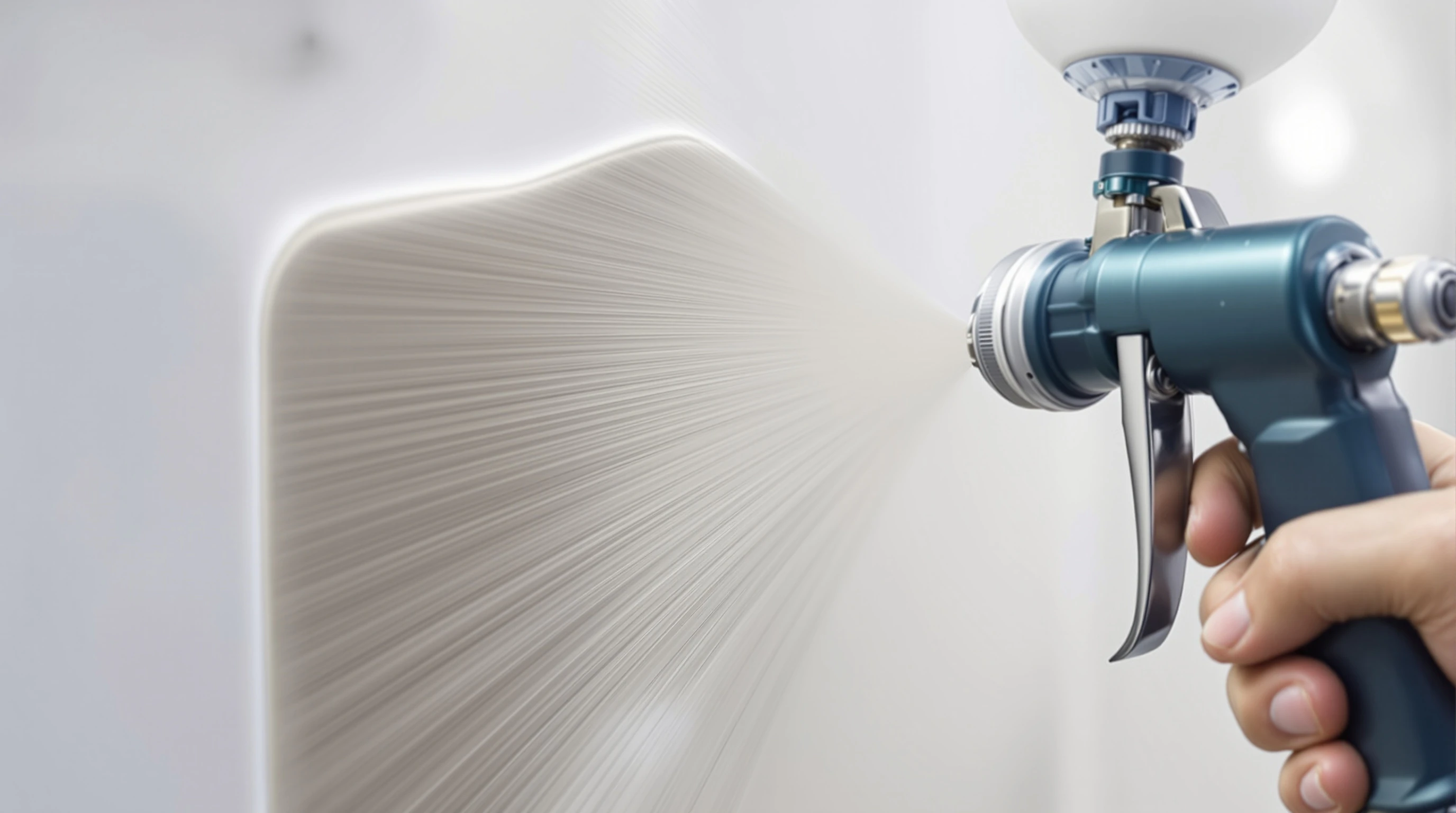
The Weight Problem in Marine Equipment
Where coating mass affects vessel balance
The challenge
Harsh environments demand coatings that hold.
The solution
ColoradoKote ceramic coating stops corrosion cold.
Why Cerakote for Maritime Weight Reduction
Thin-film saltwater protection at reduced mass

200-400g savings per marine component
Cerakote at 0.5-2 mils replaces powder coating at 3-5 mils, reducing coating mass on deck hardware, fittings, and fasteners. Across hundreds of components per vessel, the cumulative savings improve topside weight distribution and reduce installation handling effort.
Dimensional precision on fittings
A 1 mil application adds only 0.001 inches per side, maintaining thread tolerances and mating surface specifications on marine hardware. Parts coat to dimension without post-coating modification, preserving the fit that saltwater-grade connections require.
ISO 9001 quality documentation
Certificate of Conformance includes DFT measurements, material batch numbers, and inspection results. Documented quality supports marine equipment manufacturer compliance requirements and provides traceability for warranty programs.
Galvanic isolation on mixed metals
Cerakote bonds to stainless steel, aluminum, and bronze, the dissimilar metals commonly combined in marine assemblies. The ceramic barrier isolates contact surfaces to reduce galvanic corrosion risk while adding minimal coating weight compared to thicker isolation methods.
Weight Reduction Specs for Maritime

How We Deliver Weight Reduction for Marine
Substrate-specific preparation for saltwater-grade thin-film coating
Surface Preparation for Marine Substrates
Ultrasonic cleaning removes salt deposits, marine oils, and surface contaminants. Degreasing and tailored media blasting create the surface profile for maximum adhesion on stainless steel, aluminum, and bronze substrates. Masking protects threads, mating surfaces, and functional areas.
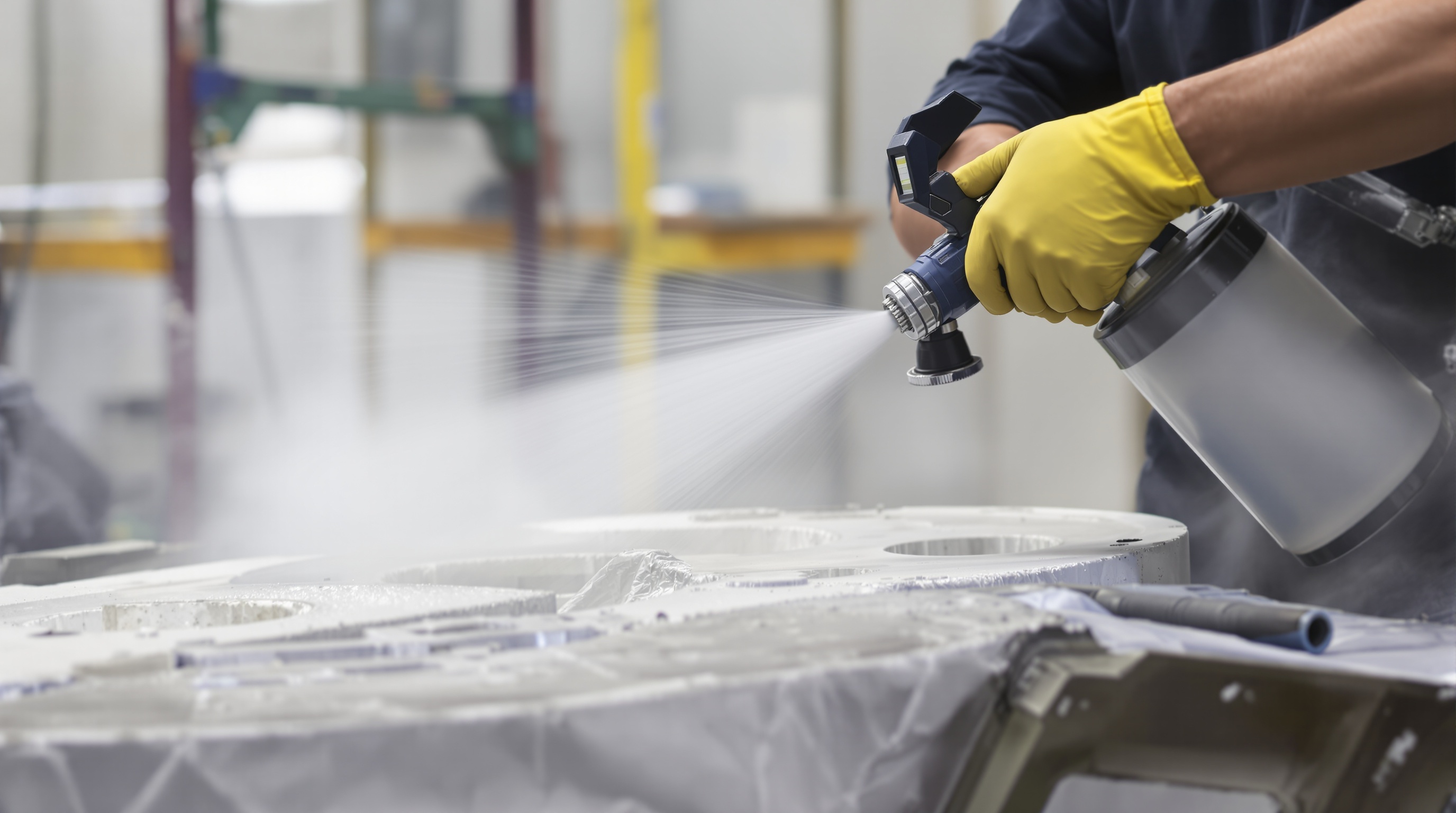
Thin-Film Coating Application
Cerakote is applied via calibrated HVLP equipment at 0.5-2 mil thickness. In-process DFT measurements confirm uniform coverage without excess buildup on precision fittings. Multi-substrate compatibility means all components in a mixed-metal assembly coat under a single work order.

Inspection and Documentation
Final inspection verifies coating thickness, adhesion, and visual appearance. Certificate of Conformance documents all measurements and material batch records. ISO 9001 quality controls ensure consistent coating weight across production lots.

Verified Weight Savings for Marine Parts
Weight savings are verified through DFT measurement and gravimetric analysis. ISO 9001 documentation captures coating thickness and weight data for your engineering and quality records.
200-400g savings per part vs powder coating
At 0.5-2 mils versus 3-5 mils, each marine component carries less coating mass while retaining 4,000+ hours salt spray resistance for continuous saltwater exposure. Chip resistance 2-3x superior to powder coating maintains the protective barrier under deck handling and rigging contact.
Weight savings vs powder coating

Other services to consider
Explore what else we offer.

Weight Reduction for Oil and Gas Equipment
Thick coatings add mass to equipment transported to remote wellsites and offshore platforms. Cerakote at 0.5-2 mils saves 200-400g per part versus powder coating. ISO 9001 certified.

Weight Reduction for Medical Device Components
Surgical instruments must be light enough for hours of precise use. Cerakote at 0.5-2 mils saves 200-400g per part versus powder coating without compromising protection. ISO 9001 certified.
Weight Reduction for Maritime Equipment
Heavy coatings add mass to marine hardware that affects vessel performance and handling. Cerakote at 0.5-2 mils saves 200-400g per part versus powder coating. ISO 9001 certified.
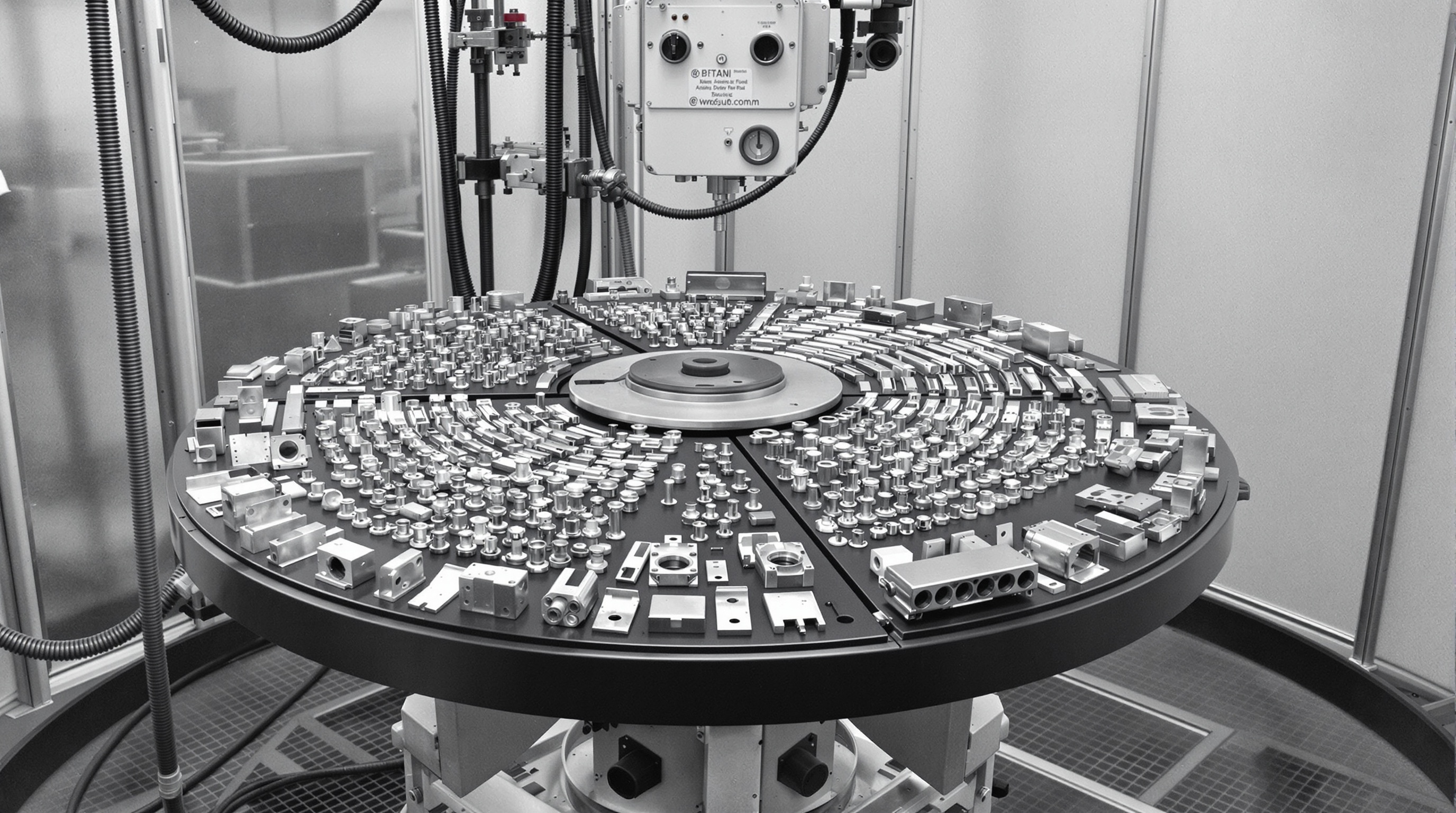
Weight Reduction for Industrial OEM Components
Thick coatings add unnecessary mass to engineered equipment. Cerakote at 0.5-2 mils delivers 200-400g savings per part versus powder coating while preserving tolerances. ISO 9001 certified.
Certified and compliant for your industry
Lighten Your Marine Hardware
Submit an RFP for marine equipment coating. We respond within 24 hours with pricing.
Frequently Asked Questions
Find answers about our coating processes and technical capabilities
Standard passivation turnaround is 14 days, with 7-day and 3-day expedited options to match seasonal agricultural equipment production schedules. We handle batch orders of all sizes and maintain consistent processing quality, backed by over 20,000 parts with zero quality issues. For operations running both stainless and aluminum components, we can process both materials under one roof to simplify your supply chain.
Performance and track vehicles face road salt, brake dust, fuel exposure, and underhood heat that attack unprotected metal surfaces. Cerakote's 3,000-hour salt spray protection and broad chemical resistance defend against all of these simultaneously. For show vehicles, the coating preserves underhood, suspension, and brake component appearance through seasons of use without the dulling and degradation conventional finishes show.
No. Cerakote's 0.5 to 2 mil film build adds minimal mass to AM parts that are often topology-optimized for minimum weight. Powder coat at 4 to 6 mils would partially negate the weight savings that drove the AM design decision. Cerakote preserves both the weight advantage and the dimensional accuracy of additive manufactured components while adding full corrosion, wear, and aesthetic performance.
Yes. Our over 200 standard colors and custom color matching to Delta E 1.5 accommodate OEM brand colors, safety markings, and identification coding on agricultural equipment. Cerakote's UV stability and abrasion resistance maintain color accuracy through seasons of outdoor exposure that fade conventional agricultural paint. This keeps branded equipment looking professional in the field and maintains safety color coding visibility.
Yes. Medical instruments with articulating joints, flexible shafts, and spring mechanisms need coatings that move with the component without cracking. Polymer coating provides chemical resistance for autoclave sterilization and hospital disinfectants while maintaining flexibility through thousands of use cycles. For instruments requiring both flexibility and surface hardness on specific areas, we combine polymer coating on flex zones with Cerakote on rigid surfaces for optimized performance across the entire device.