Weight Reduction for Industrial OEM
Precision Cerakote ceramic coatings for aerospace, defense, and industrial components.
The Weight Problem in Industrial Equipment
Where coating mass impacts equipment performance
The challenge
Harsh environments demand coatings that hold.
The solution
ColoradoKote ceramic coating stops corrosion cold.
Why Cerakote for Industrial Weight Reduction
Thin-film protection that preserves design tolerances

200-400g savings per component
Cerakote at 0.5-2 mils replaces powder coating at 3-5 mils, removing measurable coating weight from each component. Across multi-component assemblies with dozens of coated parts, the cumulative savings reduce total equipment weight and improve handling characteristics.
Tolerance preservation on precision fits
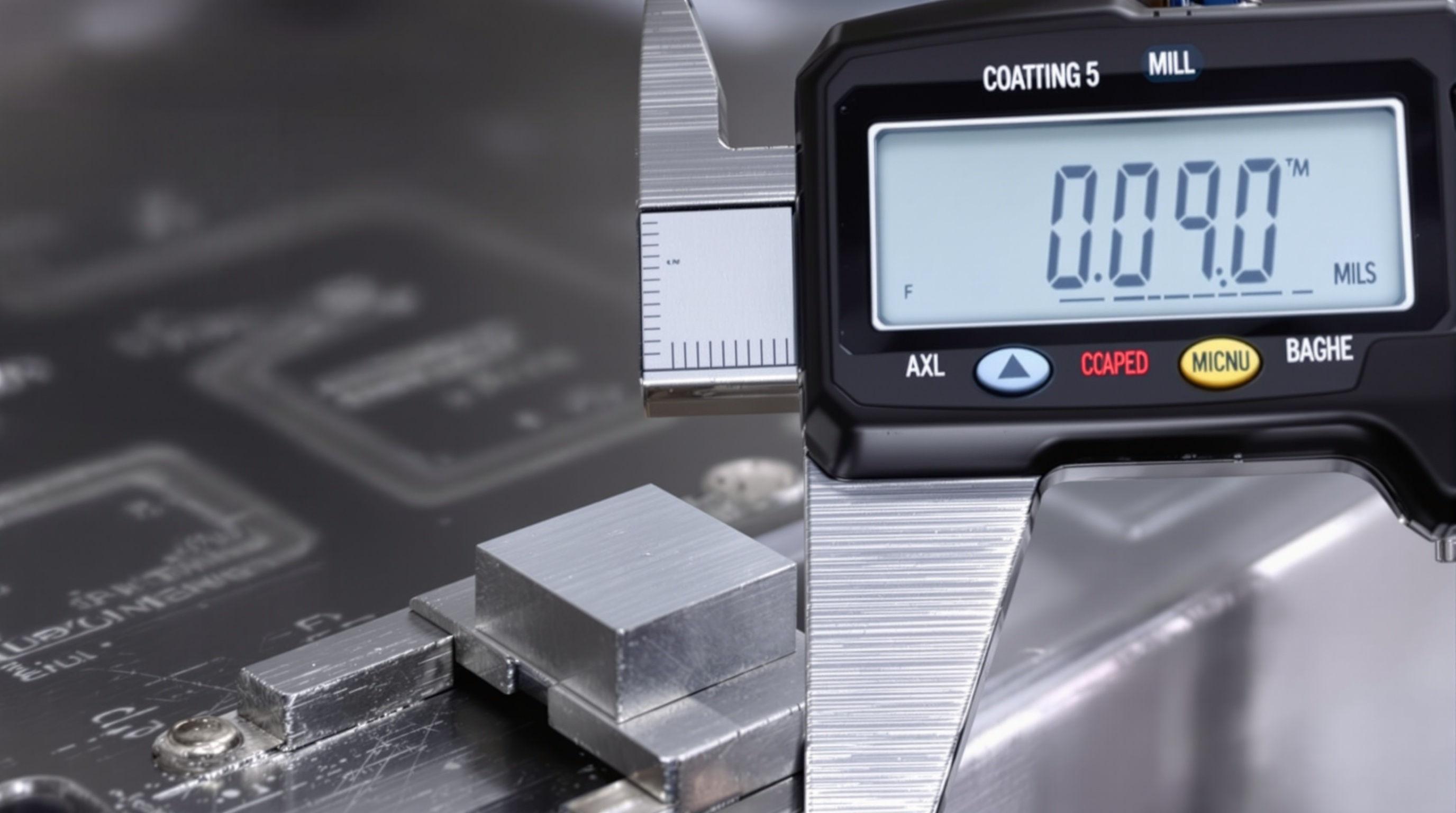
A 1 mil application adds only 0.001 inches per side, maintaining bearing fits, thread class tolerances, and mating surface specifications. Pump housings, valve bodies, and hydraulic fittings coat to dimension without post-coating machining or thread chasing.
ISO 9001 documented quality
Every coating parameter is documented under ISO 9001:2015 quality controls. Certificate of Conformance includes DFT measurements, material batch numbers, and inspection results. Weight data is recorded for production lots requiring documented mass verification.
Multi-substrate single-vendor convenience
Cerakote bonds to aluminum, steel, stainless steel, and titanium. Mixed-material assemblies coat under a single work order with consistent thickness and weight documentation across all substrates. One vendor replaces the multiple coating suppliers that thick-film processes require.
Weight Reduction Specs for Industrial OEM

How We Deliver Weight Reduction for OEM Parts
Controlled thin-film application with full lot traceability
Substrate Evaluation and Surface Preparation
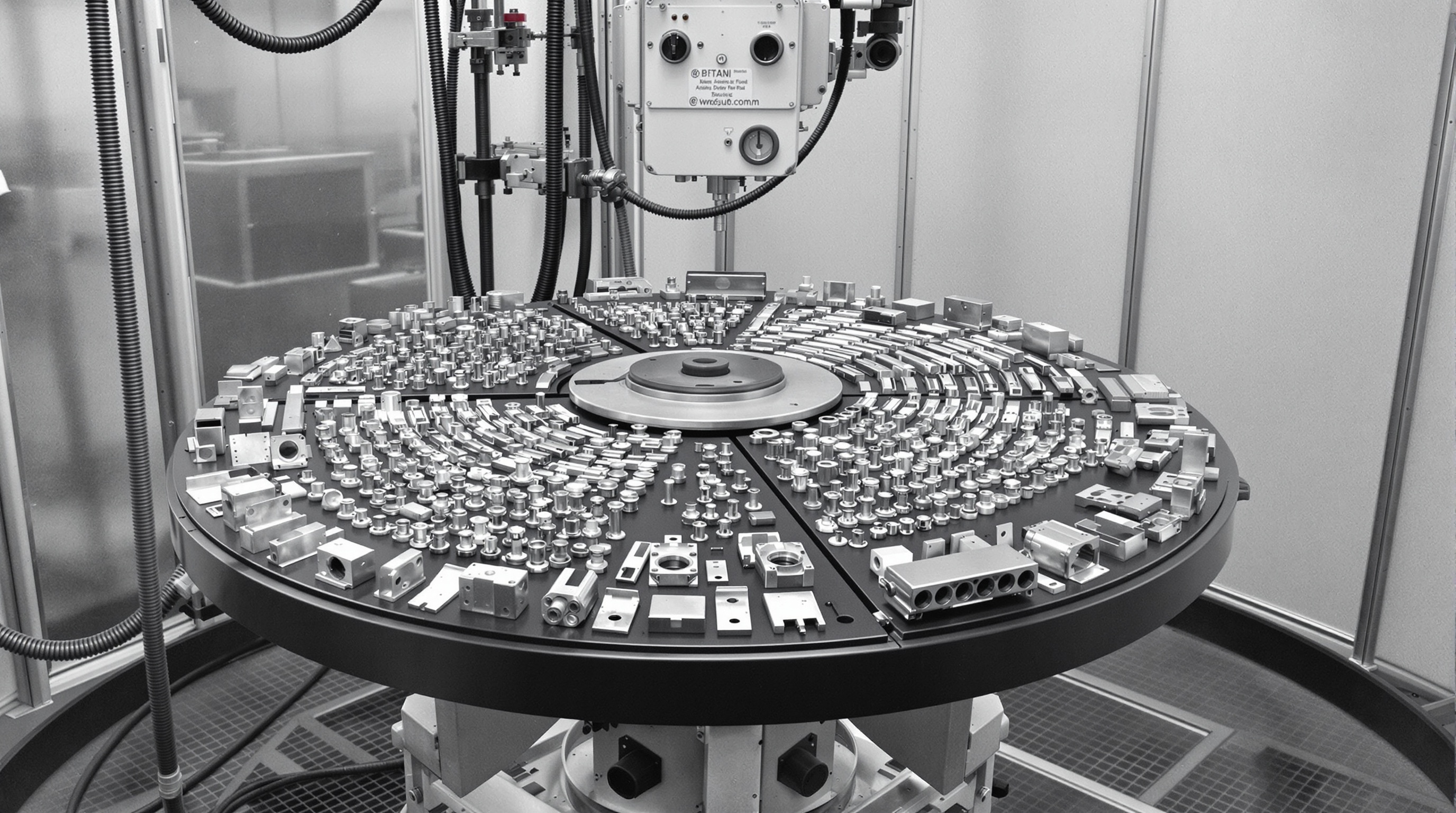
Components are assessed for substrate composition and dimensional requirements. Ultrasonic cleaning removes production oils and cutting fluids. Tailored media blasting creates the surface profile for maximum adhesion. Masking protects threaded holes, bearing journals, mating surfaces, and datum features where zero buildup is required.

Thin-Film Coating Application
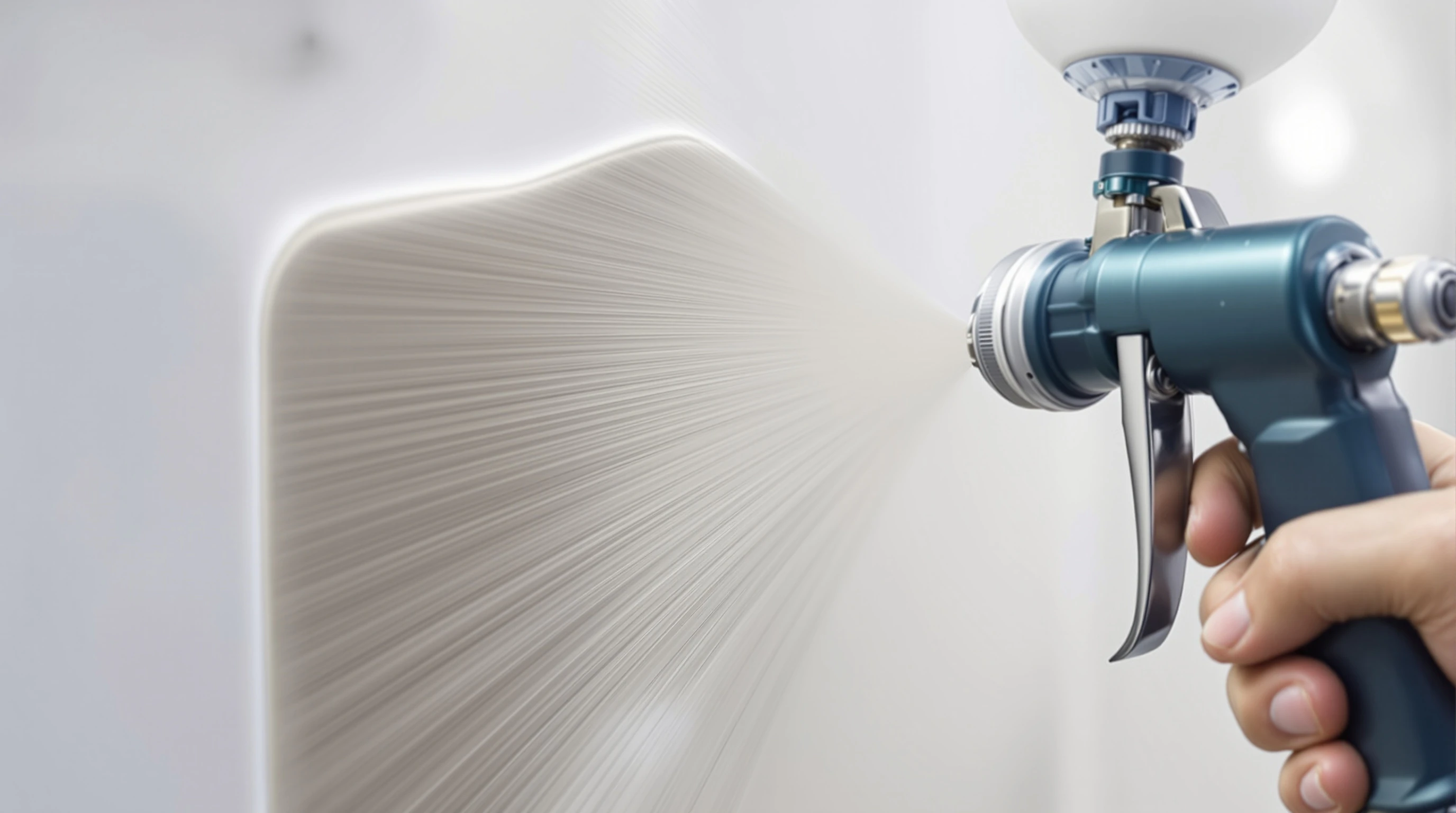
Cerakote is applied via calibrated HVLP equipment targeting 0.5-2 mils. In-process DFT measurements confirm thickness at multiple points per part, ensuring uniform coverage without excess buildup on precision surfaces. The same formulation bonds to aluminum, steel, and stainless steel without separate processes.

Inspection and Weight Documentation
Multi-point final inspection verifies coating thickness, adhesion per ASTM D3359, and visual appearance. Pre- and post-coating weight measurements are recorded when required by your engineering specifications. Certificate of Conformance documents all measurements under ISO 9001 quality controls.
Verified Weight Savings for Industrial OEM
Weight reduction performance is verified through gravimetric analysis and DFT measurement on production lots. ISO 9001 documentation captures coating thickness and weight data for your quality records and engineering verification.
200-400g savings per part vs powder coating
At 0.5-2 mils versus 3-5 mils, each component carries a fraction of the coating weight while retaining 4,000+ hours salt spray resistance and chip resistance 2-3x superior to powder coating. For OEM production runs, consistent thin-film application maintains weight targets across every lot.
Weight savings vs powder coating

Other services to consider
Explore what else we offer.

Weight Reduction for Oil and Gas Equipment
Thick coatings add mass to equipment transported to remote wellsites and offshore platforms. Cerakote at 0.5-2 mils saves 200-400g per part versus powder coating. ISO 9001 certified.

Weight Reduction for Medical Device Components
Surgical instruments must be light enough for hours of precise use. Cerakote at 0.5-2 mils saves 200-400g per part versus powder coating without compromising protection. ISO 9001 certified.

Weight Reduction for Maritime Equipment
Heavy coatings add mass to marine hardware that affects vessel performance and handling. Cerakote at 0.5-2 mils saves 200-400g per part versus powder coating. ISO 9001 certified.
Weight Reduction for Industrial OEM Components
Thick coatings add unnecessary mass to engineered equipment. Cerakote at 0.5-2 mils delivers 200-400g savings per part versus powder coating while preserving tolerances. ISO 9001 certified.
Certified and compliant for your industry
Reduce Your Equipment Coating Weight
Send part details for a weight analysis. We respond within 24 hours with approach and pricing.
Frequently Asked Questions
Find answers about our coating processes and technical capabilities
ColoradoKote coats marine hardware, deck fittings, hatch mechanisms, railing components, navigation equipment housings, and engine room parts exposed to salt water and marine atmosphere. Cerakote's 3,000-hour salt spray performance per ASTM B117 directly addresses the accelerated corrosion salt water environments cause. Our chemical conversion and passivation capabilities prep aluminum and stainless steel substrates before topcoating.
Provide the substrate material, part dimensions and quantity, desired Cerakote series (H-Series, Elite, or V-Series), color requirements, any masking locations, applicable specifications or drawings, and your required turnaround time. Photos or CAD files help us assess complexity. Standard turnaround is 14 days, with 3-day and 7-day expedited available. We respond within 24 business hours with a technical approach, pricing, and confirmed lead time.
We hold full capability for MIL-DTL-5541 Type I and Type II chemical conversion coating on defense aluminum components. Type I provides 168-240+ hours of salt spray resistance (ASTM B117), meeting the corrosion requirements for fielded military hardware. Our facility has processed over 20,000 parts with zero quality issues, including work spec-proven for major aerospace OEMs.
Yes. Surface-mounted pipeline components, valve actuators, and wellhead equipment face continuous UV exposure alongside chemical contact from production fluids and treatment chemicals. Cerakote maintains color stability through both UV degradation and chemical attack that rapidly fades and chalks conventional paint systems. ColoradoKote verifies color consistency by spectrophotometer on every production lot, ensuring replacement parts match installed equipment even years after the original installation.
Yes. Cerakote delivers 3,000 hours salt spray resistance (ASTM B117) at 0.5-2 mils, while powder coating achieves only 500-1,500 hours at 4-6 mils. This means you get superior corrosion protection at a fraction of the coating weight. For applications where every gram matters, such as aerospace structures, UAVs, and performance vehicles, Cerakote provides the protection of a heavy coating system in a lightweight package.