
Abrasion and Wear Protection for Aerospace
Precision Cerakote ceramic coatings for aerospace, defense, and industrial components.
The Wear Problem in Aerospace
Where surface damage compounds into system failure
The challenge
Harsh environments demand coatings that hold.
The solution
ColoradoKote ceramic coating stops corrosion cold.
Why Cerakote for Aerospace Wear Protection
Hardness, flexibility, and traceability in one coating

Superior abrasion resistance
8,000+ wear cycles per mil (ASTM D4060) outperforms Teflon coatings by a factor of eight under identical Taber abrasion testing. At 9H pencil hardness, the maximum on the ASTM D3363 scale, Cerakote resists scratching from tools, adjacent components, and handling contact that degrades softer coatings within a single maintenance cycle.
Dimensional precision at 0.5-2 mils
Thin-film application preserves critical dimensions on interference-fit fasteners, actuator shafts, and bearing surfaces. Parts coat to specification without post-coating machining. Powder coating at 3-5 mils forces dimensional rework on the same components. Cerakote eliminates that rework while adding 200-400 g less weight per part.
Full AS9100 traceability
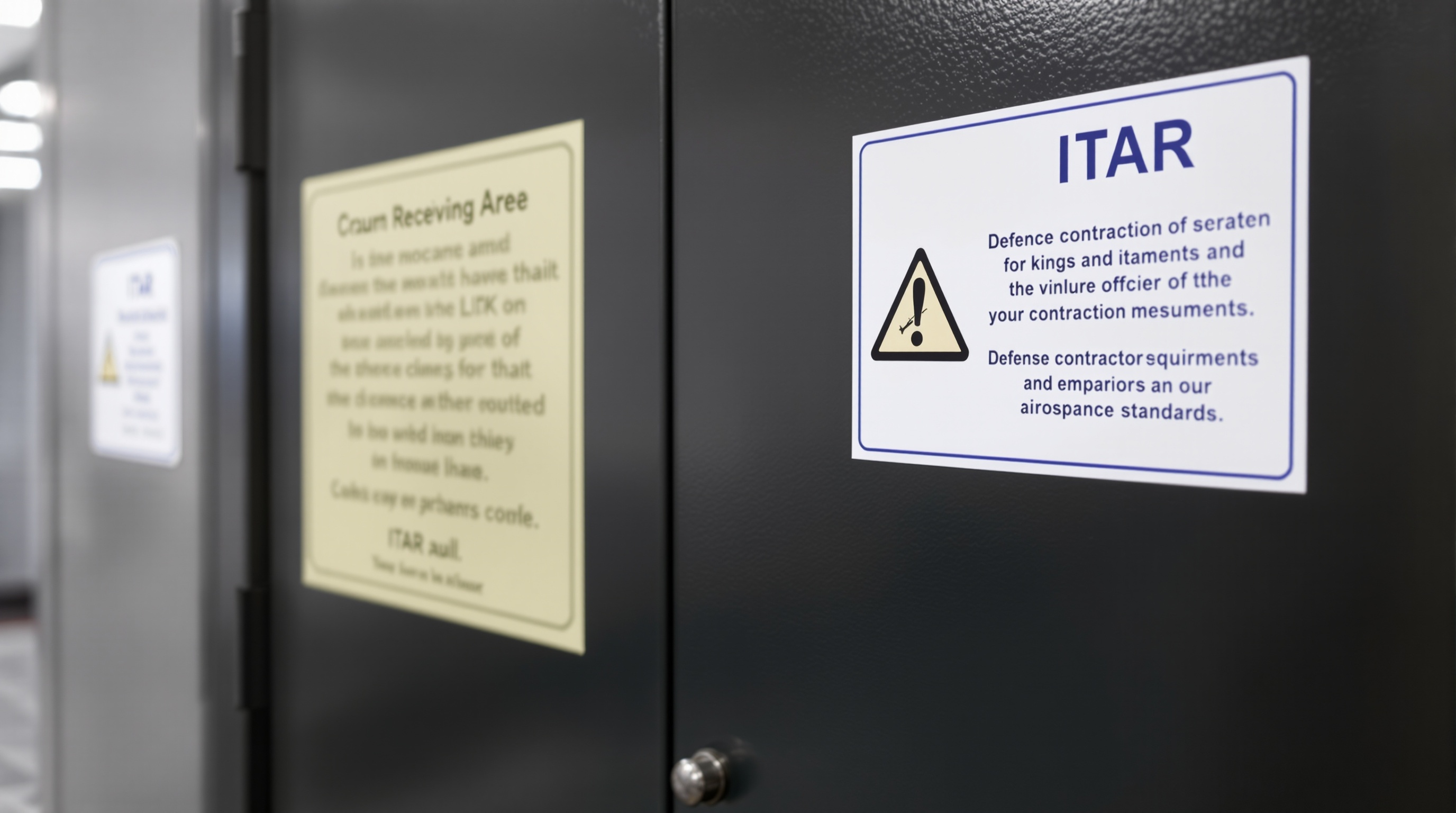
Every coating parameter is documented per AS9100 requirements. Certificate of Conformance includes material batch numbers, application data, cure records, hardness verification, and inspection results. ITAR registration covers defense-related aerospace articles. Your quality team receives exactly what auditors expect.
Universal aerospace substrate compatibility
Cerakote bonds to aluminum, steel, titanium, Inconel, and polymer substrates. One coating system protects your entire aerospace parts portfolio regardless of base material, eliminating the need to qualify separate wear protection processes for each alloy in your assembly.
Wear Protection Specs for Aerospace Applications
How We Deliver Wear Protection for Aerospace
Three steps with full AS9100 documentation and ITAR-compliant handling
Aerospace Surface Preparation for Wear Resistance
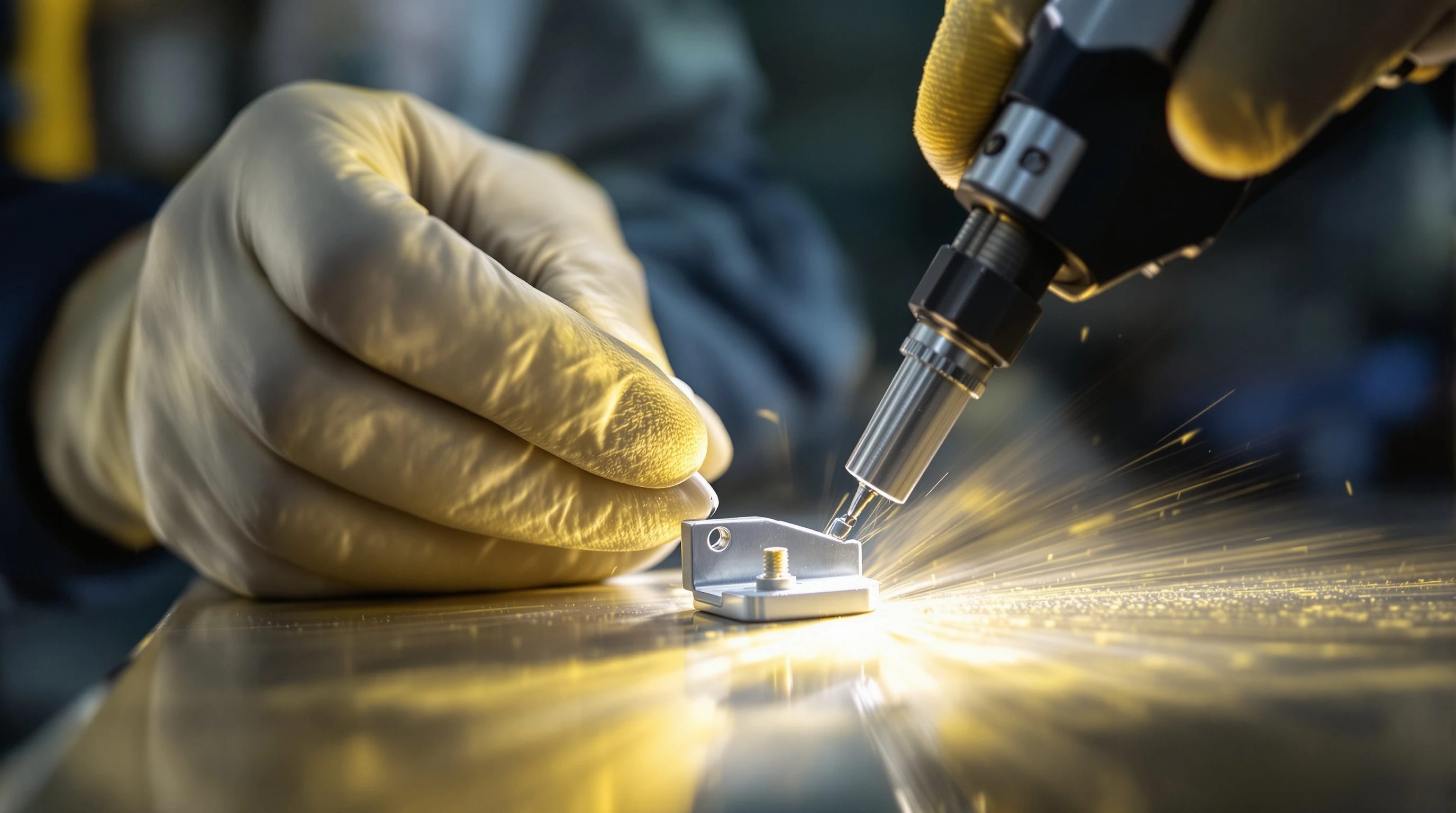
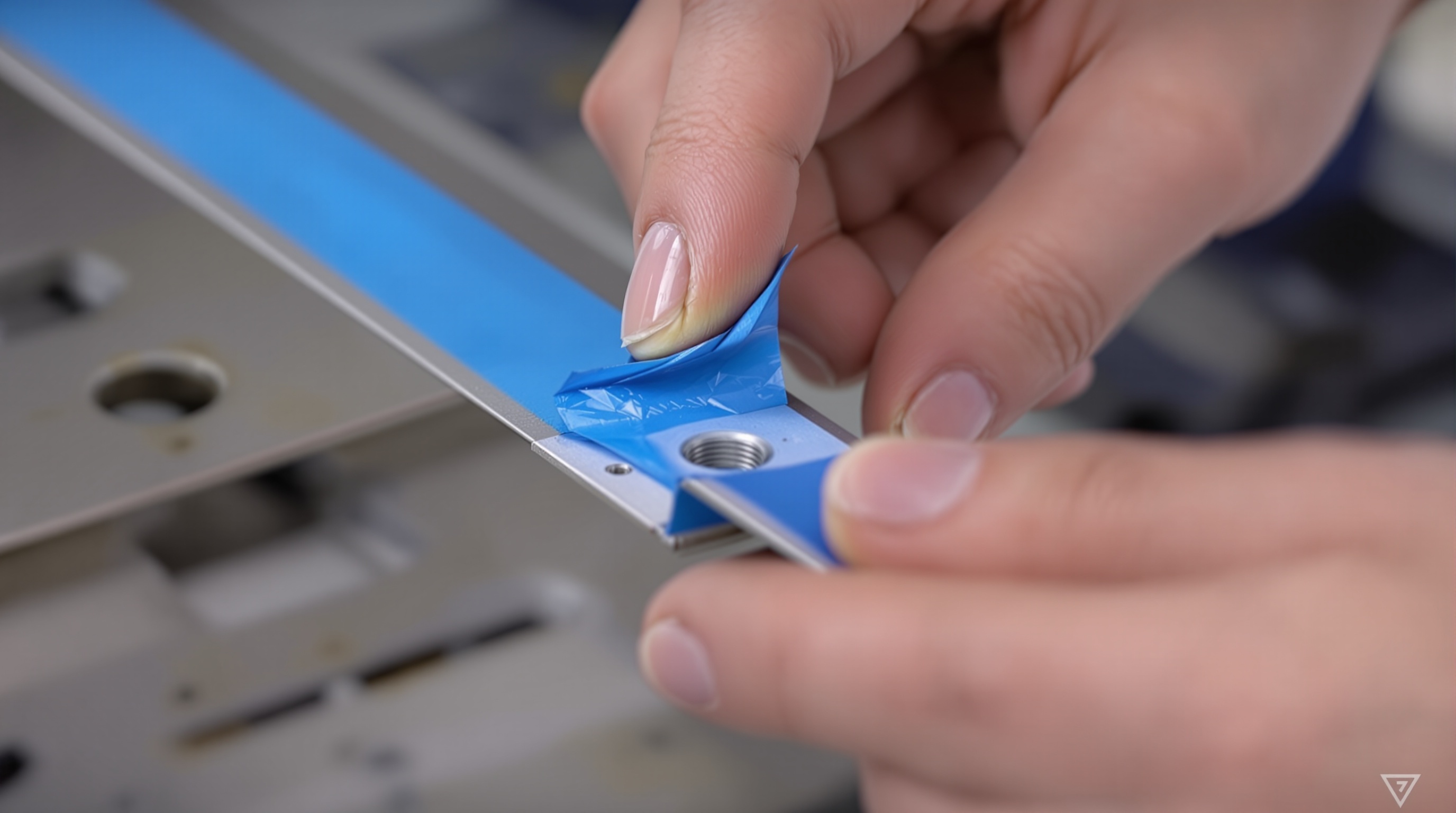
Each substrate receives tailored preparation to maximize coating adhesion and wear performance. Titanium, aluminum, and steel follow different cleaning and profiling sequences optimized for abrasion resistance. Masking protects bearing surfaces, threads, and interference-fit areas where zero buildup is required. Surface preparation quality directly determines how many wear cycles the finished coating delivers.
Controlled Wear Coating Application
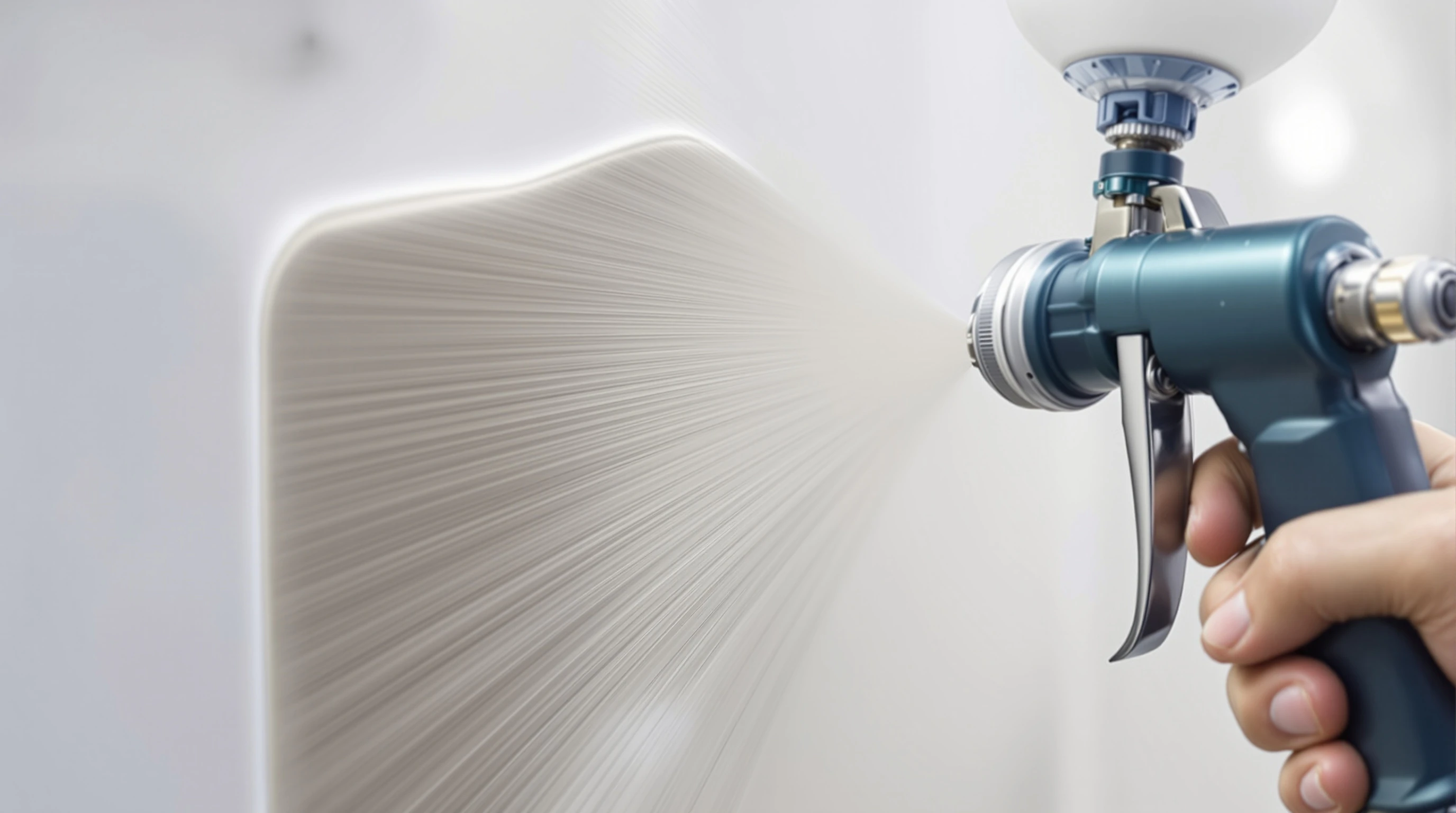
Cerakote is applied in monitored layers targeting the specified 0.5-2 mil thickness for wear protection. In-process DFT measurements confirm dimensional compliance on every part. For components requiring low-friction wear performance, Elite Series formulations achieve a coefficient of friction of approximately 0.11, rivaling Teflon dry lubricity while maintaining 9H hardness.

Curing, Hardness Verification, and Inspection
Parts cure per the prescribed schedule in temperature-monitored ovens to develop full 9H hardness. Final inspection verifies coating thickness, adhesion per ASTM D3359, pencil hardness per ASTM D3363, and visual appearance. Certificate of Conformance documents all wear-relevant test results alongside material batch and cure data.
Proven Wear Protection for Aerospace
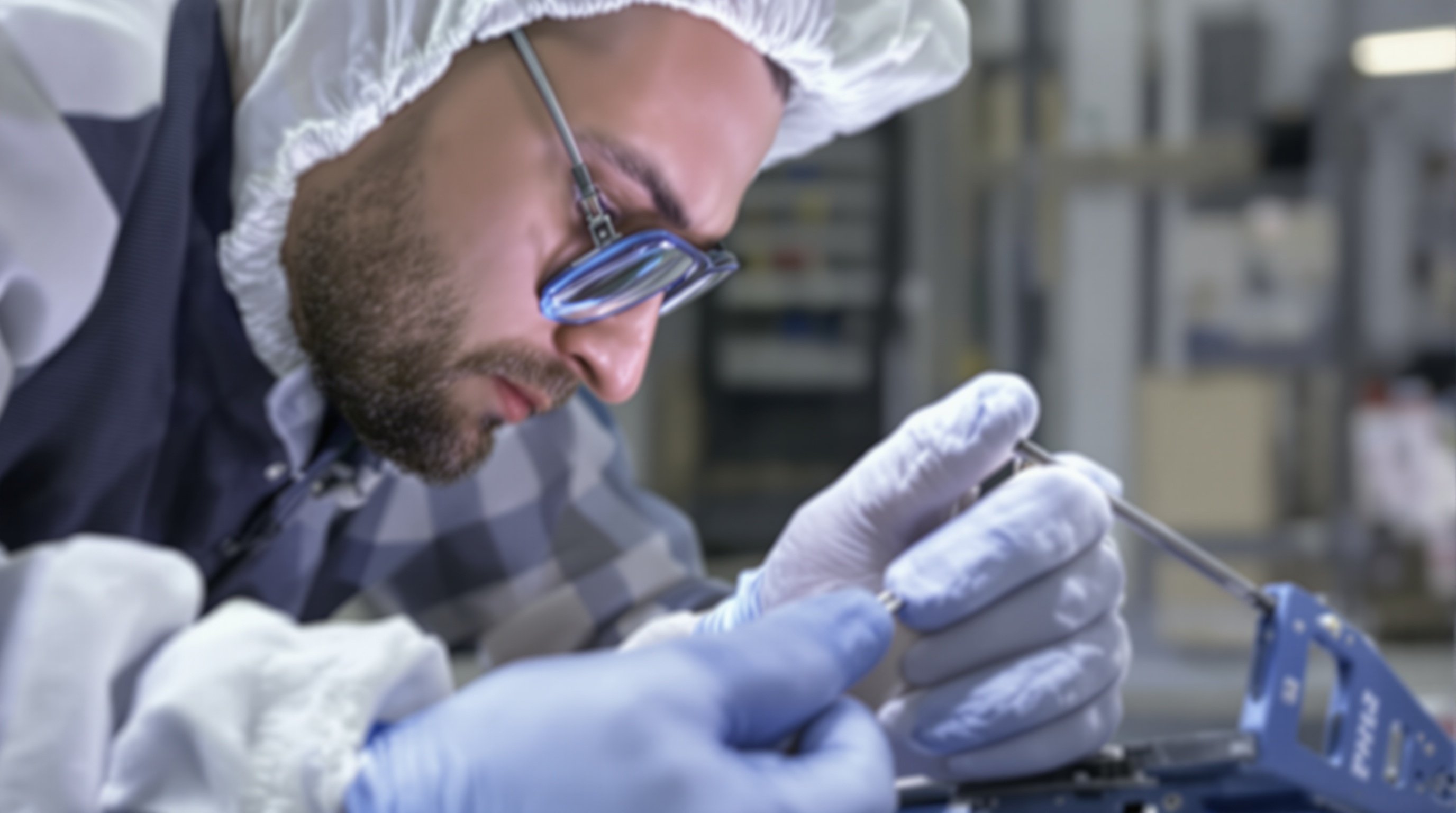
Wear protection performance is verified through standardized ASTM testing, not manufacturer estimates. Every production batch undergoes the same quality checks under our AS9100 quality system, and results are documented on your Certificate of Conformance.
8,000+ wear cycles per mil
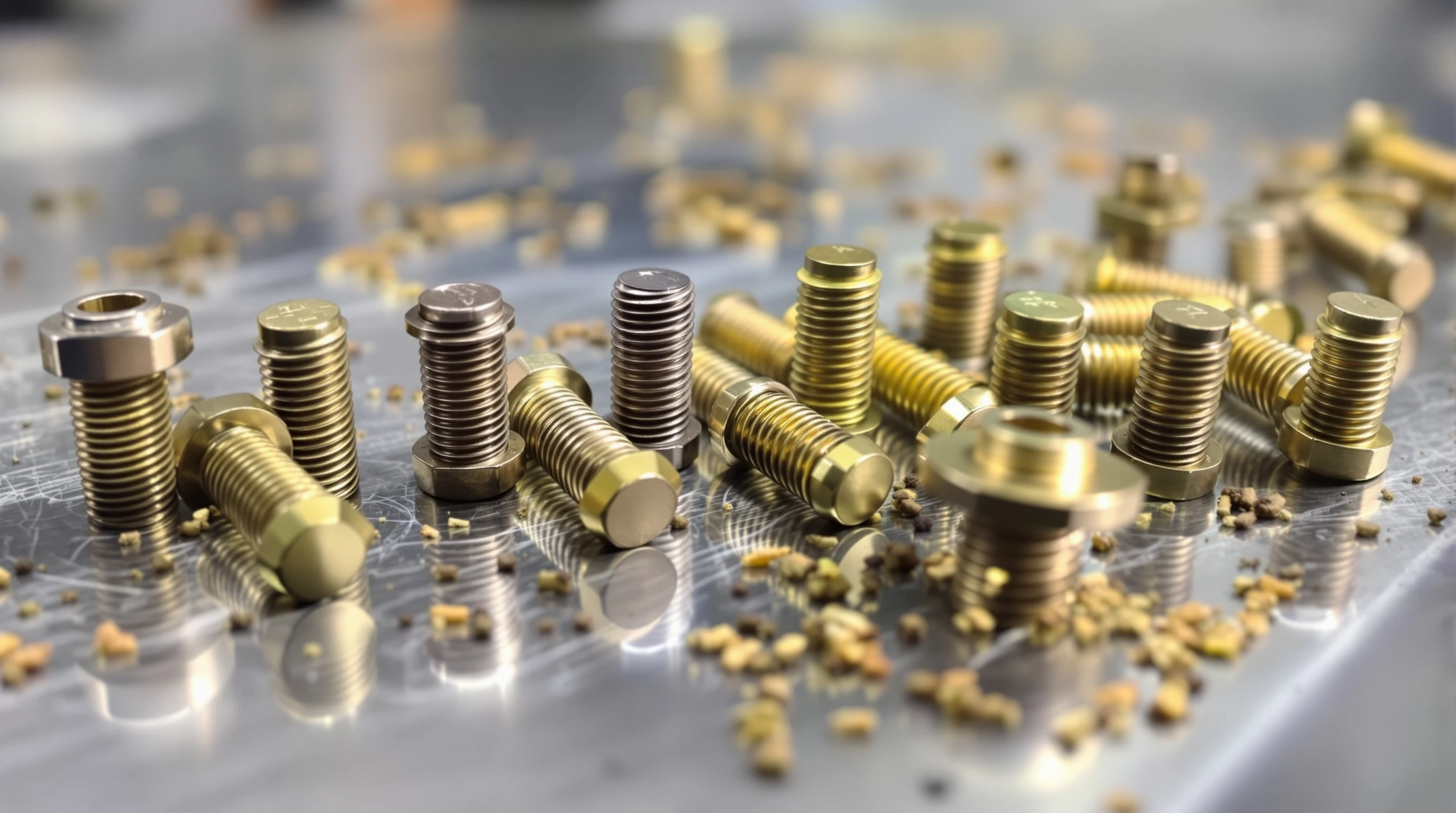
Validated against ASTM D4060 Taber abrasion standards used across the aerospace industry. Under identical test conditions, Teflon coatings fail at under 1,000 cycles. For aerospace components facing handling damage, sand ingestion, and friction wear, this performance translates to extended service intervals between mandatory inspections and reduced unplanned part replacement.
Wear cycles per mil (ASTM D4060)
Other services to consider
Explore what else we offer.

Weight Reduction for Oil and Gas Equipment
Thick coatings add mass to equipment transported to remote wellsites and offshore platforms. Cerakote at 0.5-2 mils saves 200-400g per part versus powder coating. ISO 9001 certified.

Weight Reduction for Medical Device Components
Surgical instruments must be light enough for hours of precise use. Cerakote at 0.5-2 mils saves 200-400g per part versus powder coating without compromising protection. ISO 9001 certified.

Weight Reduction for Maritime Equipment
Heavy coatings add mass to marine hardware that affects vessel performance and handling. Cerakote at 0.5-2 mils saves 200-400g per part versus powder coating. ISO 9001 certified.
Weight Reduction for Industrial OEM Components
Thick coatings add unnecessary mass to engineered equipment. Cerakote at 0.5-2 mils delivers 200-400g savings per part versus powder coating while preserving tolerances. ISO 9001 certified.
Certified and compliant for your industry
Protect Your Aerospace Parts
Submit a wear protection RFP. We respond within 24 hours with technical approach and pricing.
Frequently Asked Questions
Find answers about our coating processes and technical capabilities
The combined stack provides layered protection: chemical conversion coating creates an adhesion-promoting base and initial corrosion barrier, passivation removes free iron and surface contaminants, and Cerakote delivers the final 3,000-hour salt spray barrier (ASTM B117). Running all three processes under one roof at ColoradoKote eliminates the handling damage and contamination risk of shipping parts between multiple vendors for each step.
Sprayer pump internals endure chemical immersion, abrasive particulate in fertilizer solutions, and rapid thermal cycling between cold tank filling and sun-heated field operation. Polymer coating provides the flexible chemical barrier these conditions demand. The coating accommodates the pressure cycling and vibration of pump operation without cracking, maintaining chemical resistance season after season. When combined with proper surface preparation, polymer-coated pump internals outlast uncoated components by multiple growing seasons.
We offer 14-day standard turnaround for passivation, with 7-day and 3-day expedited options for build deadlines and race season prep. For automotive projects using both stainless and aluminum components, we can passivate the stainless, apply chemical conversion coating to the aluminum, and Cerakote everything in a single facility. This single-source approach saves time and ensures finish consistency across mixed-material builds.
Corroded marine parts undergo ultrasonic cleaning to remove salt deposits, oxidation products, and contaminants from pits and crevices. Media blasting at 80-100 PSI removes remaining corrosion and profiles the surface for optimal Cerakote adhesion. The combined cleaning and blasting sequence, run under our ISO 9001 process controls, restores the substrate surface to a condition that accepts coating reliably, extending the component's service life significantly.
We provide full lot traceability and processing documentation to MIL-DTL-5541 specifications for all oil and gas chemical conversion coating work. Our facility has processed over 20,000 parts with zero quality issues, and our documentation packages meet the traceability requirements that oil and gas operators and OEMs demand for downhole and surface equipment.