
Abrasion and Wear Protection for Agriculture Equipment
Precision Cerakote ceramic coatings for aerospace, defense, and industrial components.

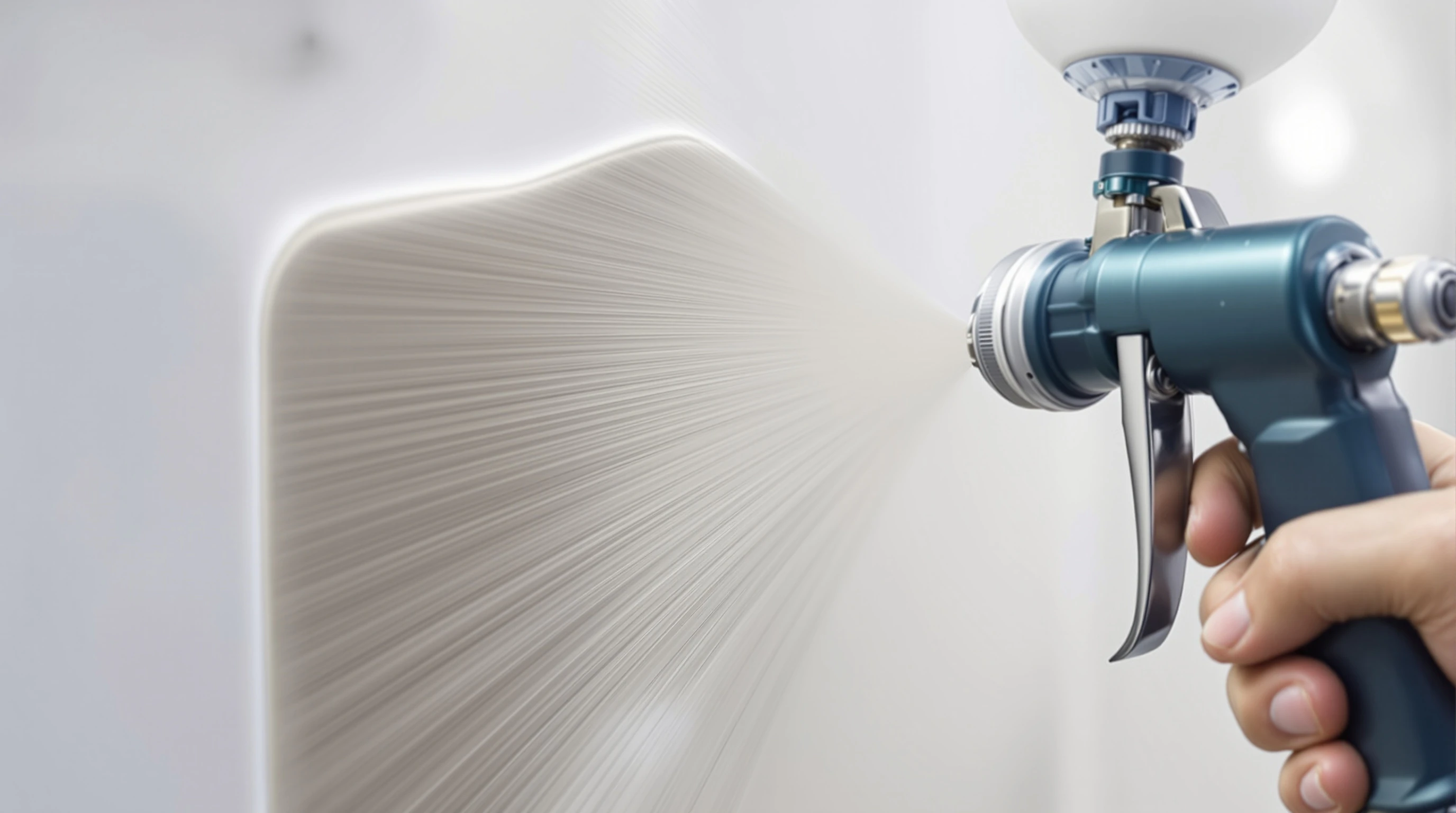
The Wear Problem in Agriculture
Soil abrasion destroys standard finishes fast
The challenge
Harsh environments demand coatings that hold.
The solution
ColoradoKote ceramic coating stops corrosion cold.
Why Cerakote for Agricultural Wear Protection
Outlast the season on soil-contact surfaces

Abrasion resistance for soil contact
8,000+ wear cycles per mil (ASTM D4060) protects tillage tools, planter discs, and harvester components against the soil abrasion that strips conventional finishes. At 9H pencil hardness, the coating withstands mechanical wear that destroys paint and powder coating within weeks of field operation.
Dimensional preservation at 0.5-2 mils
Thin-film application preserves tolerances on hydraulic fittings, mating surfaces, and threaded connections. Components coat to specification without post-coating modification. This controlled thickness adds wear protection without altering the fit of assembled equipment.
ISO 9001 documented quality
Every coating parameter is documented under ISO 9001:2015 quality controls. Certificate of Conformance includes DFT measurements, adhesion data, and material batch records. Consistent inspection standards ensure every part meets the same performance criteria.
Combined wear and corrosion protection
A single Cerakote layer delivers both abrasion resistance and 4,000+ hours salt spray resistance (ASTM B117). When soil abrasion wears through conventional coatings, exposed metal corrodes rapidly from fertilizers and moisture. Cerakote eliminates the secondary failure mode that compounds wear damage.
Wear Specs for Agriculture Applications

How We Deliver Wear Protection for Ag Parts
Controlled application for consistent field performance
Surface Preparation for Soil-Contact Durability
Components are cleaned, degreased, and media-blasted to create the surface profile required for maximum wear coating adhesion. Masking protects threads, bearing surfaces, and hydraulic sealing areas. Proper surface preparation determines how long the coating lasts under continuous soil contact.

Wear-Optimized Cerakote Application
Cerakote is applied via calibrated HVLP equipment at 0.5-2 mil thickness targeting maximum abrasion resistance on soil-contact surfaces. In-process DFT measurements confirm dimensional compliance. The coating provides combined wear and corrosion protection in a single application layer.

Inspection and Documentation
Final inspection verifies coating thickness, adhesion, and visual appearance. Certificate of Conformance documents all measurements and material batch records. Consistent inspection standards ensure every production part meets the same wear performance criteria.
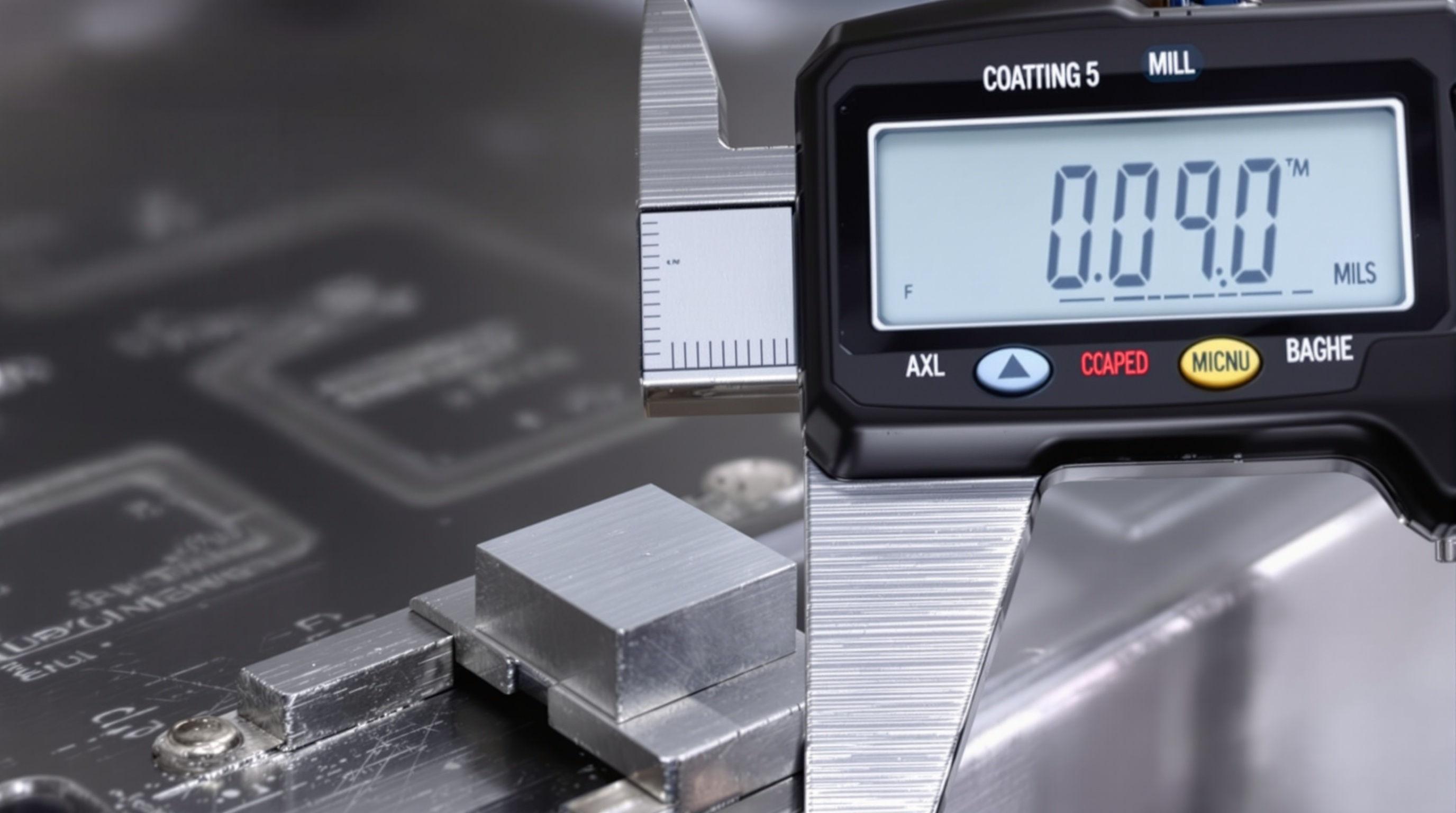
Proven Wear Protection for Agriculture
Wear protection performance is verified through standardized ASTM testing under ISO 9001 quality controls. Results are documented on your Certificate of Conformance.
8,000+ wear cycles per mil
Validated against ASTM D4060 Taber abrasion standards. For agricultural components facing continuous soil contact, this performance extends equipment service life through the growing season and reduces mid-season failures that cost operators both money and critical harvest time.
Wear cycles per mil (ASTM D4060)
Other services to consider
Explore what else we offer.

Weight Reduction for Oil and Gas Equipment
Thick coatings add mass to equipment transported to remote wellsites and offshore platforms. Cerakote at 0.5-2 mils saves 200-400g per part versus powder coating. ISO 9001 certified.

Weight Reduction for Medical Device Components
Surgical instruments must be light enough for hours of precise use. Cerakote at 0.5-2 mils saves 200-400g per part versus powder coating without compromising protection. ISO 9001 certified.

Weight Reduction for Maritime Equipment
Heavy coatings add mass to marine hardware that affects vessel performance and handling. Cerakote at 0.5-2 mils saves 200-400g per part versus powder coating. ISO 9001 certified.
Weight Reduction for Industrial OEM Components
Thick coatings add unnecessary mass to engineered equipment. Cerakote at 0.5-2 mils delivers 200-400g savings per part versus powder coating while preserving tolerances. ISO 9001 certified.
Certified and compliant for your industry

Protect Your Farm Equipment
Submit a wear protection RFP. We respond within 24 hours with recommendations and pricing.
Frequently Asked Questions
Find answers about our coating processes and technical capabilities
Agricultural equipment returns for recoating carrying accumulated soil, fertilizer residue, herbicide deposits, and corroded original finish material. Ultrasonic cavitation breaks down these contaminants, including chemical residues embedded in surface pits and corrosion craters that manual cleaning leaves behind. For agricultural components being stripped and recoated, thorough ultrasonic cleaning ensures the new Cerakote system bonds to clean metal, delivering its full 3,000-hour salt spray performance and 4,000 cycles per mil abrasion resistance.
Cerakote's 3,000-hour salt spray performance and 4,000 cycles per mil abrasion resistance significantly extend the interval between refurbishment cycles on cabin interiors and high-touch components. Thinner film builds of 0.5 to 2 mils versus 4 to 6 mils for powder coat preserve critical tolerances on seat mechanisms and galley hardware. Longer part life means fewer removals, less downtime, and lower lifecycle cost for fleet operators.
Yes. All additive manufacturing post-processing for defense applications is performed within our ITAR-registered facility under controlled access. The same 40-60 PSI blasting, ultrasonic cleaning, and Cerakote application process applies, with the additional security controls required for defense technical data and components. Documentation meets both AS9100 and defense-specific quality requirements for full traceability of ITAR-controlled AM parts.
Yes. Fertilizer crystallization, herbicide residue, and pesticide deposits accumulate in sprayer nozzles, valve internals, and pump housings. These chemical deposits corrode metal surfaces and prevent coating adhesion if not fully removed. Ultrasonic cavitation at 40 kHz dissolves and dislodges these deposits from flow passages, orifices, and internal geometries that flushing alone cannot clean. Clean sprayer components accept Cerakote or polymer coating with full adhesion for lasting chemical protection through subsequent growing seasons.
Automotive components like brake calipers, shift knobs, door handles, and engine covers endure constant mechanical contact and thermal cycling. Cerakote's 9H pencil hardness resists scratching from tools and debris, while 4,000 cycles per mil abrasion resistance maintains finish integrity through years of use. The temperature range from -40°F to 2,000°F covers everything from frozen winter starts to sustained high-RPM exhaust temperatures.