
Abrasion and Wear Protection for Automotive R&D
Precision Cerakote ceramic coatings for aerospace, defense, and industrial components.
The Wear Problem in Automotive R&D
Prototypes must survive testing, not just look good
The challenge
Harsh environments demand coatings that hold.
The solution
ColoradoKote ceramic coating stops corrosion cold.
Why Cerakote for Automotive R&D Wear Protection
Chip resistance and hardness at prototype speed

Chip and abrasion resistance for validation
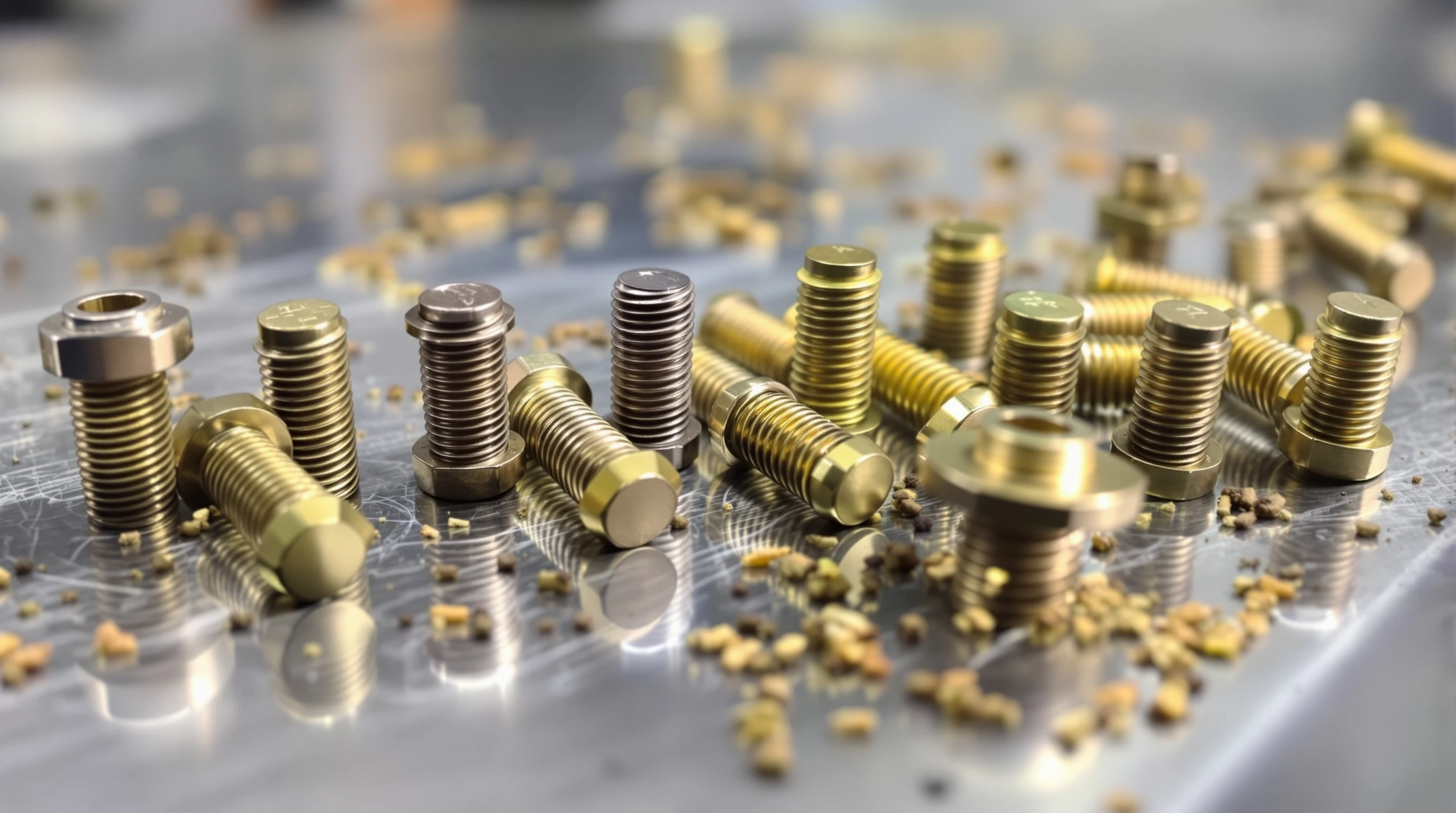
8,000+ wear cycles per mil (ASTM D4060) with chip resistance two to three times superior to powder coating. Prototypes survive accelerated durability testing without coating failure, producing clean validation data that reflects component performance rather than coating weakness. At 9H pencil hardness, surfaces resist tool marks and handling scratches throughout the build cycle.
Thin-film weight advantage
0.5-2 mil application adds 200-400 g less weight per part than powder coating at 3-5 mils. On an EV prototype with 200 or more coated components, the cumulative savings reach 3 to 10 lbs of total coating weight. That weight directly translates to range and performance targets that prototype engineers track against program requirements.
ISO 9001 documented quality
Every coating parameter is documented under ISO 9001:2015 quality controls. Certificate of Conformance includes DFT measurements, adhesion data, and hardness verification. Validation testing requires traceable coating data to correlate durability results with specific coating specifications.
Multi-substrate prototype compatibility
Carbon fiber, aluminum, titanium, steel, and 3D printed prototype parts coated with one process from one supplier. Consistent wear protection across all substrates in a prototype assembly eliminates variables in durability validation. One lead time, one quality system, one set of test data for the full vehicle.
Wear Specs for Automotive R&D Applications
How We Deliver Wear Protection for Auto R&D
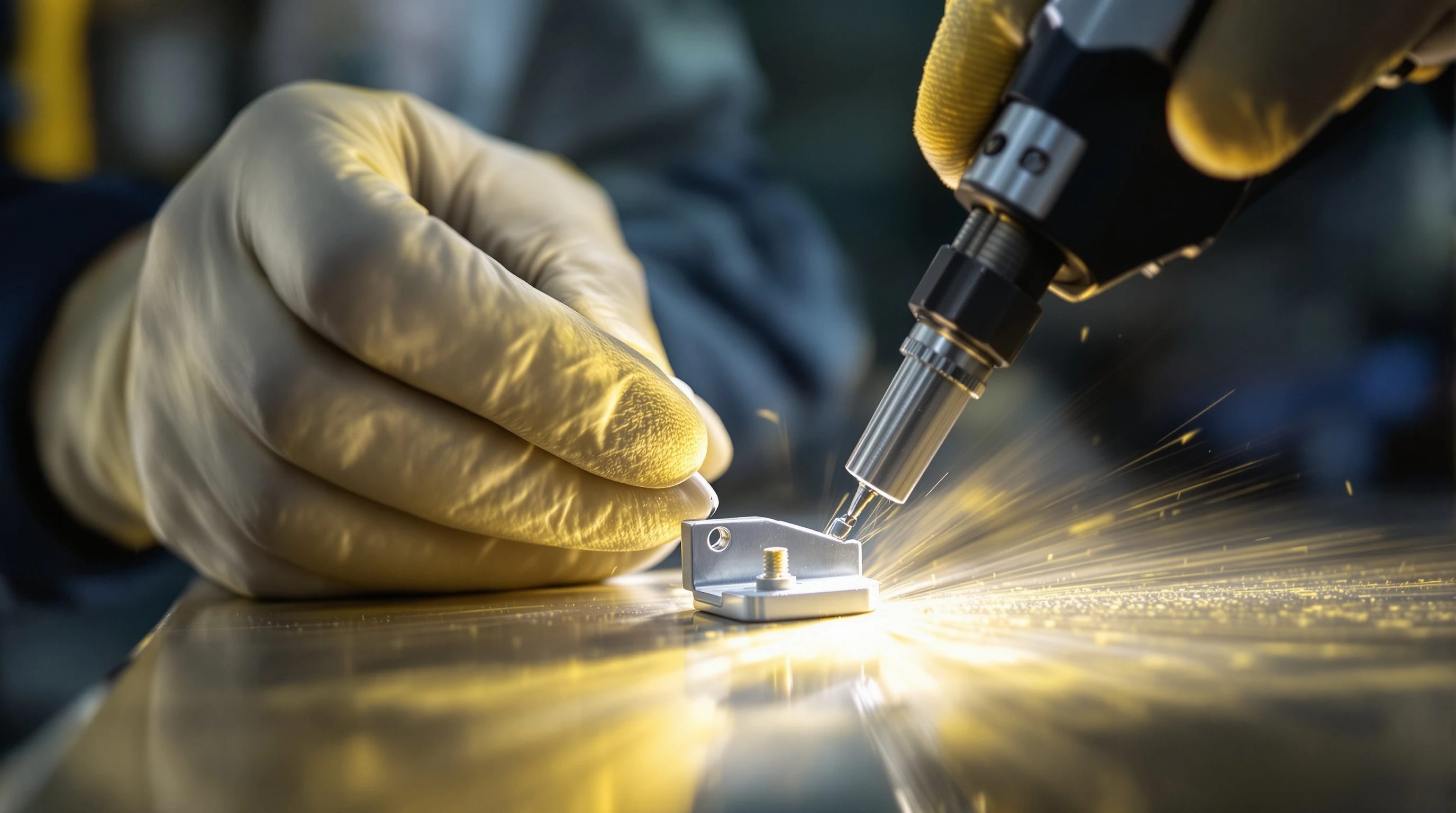
Multi-substrate process built for prototype speed and durability requirements
Multi-Substrate Surface Preparation
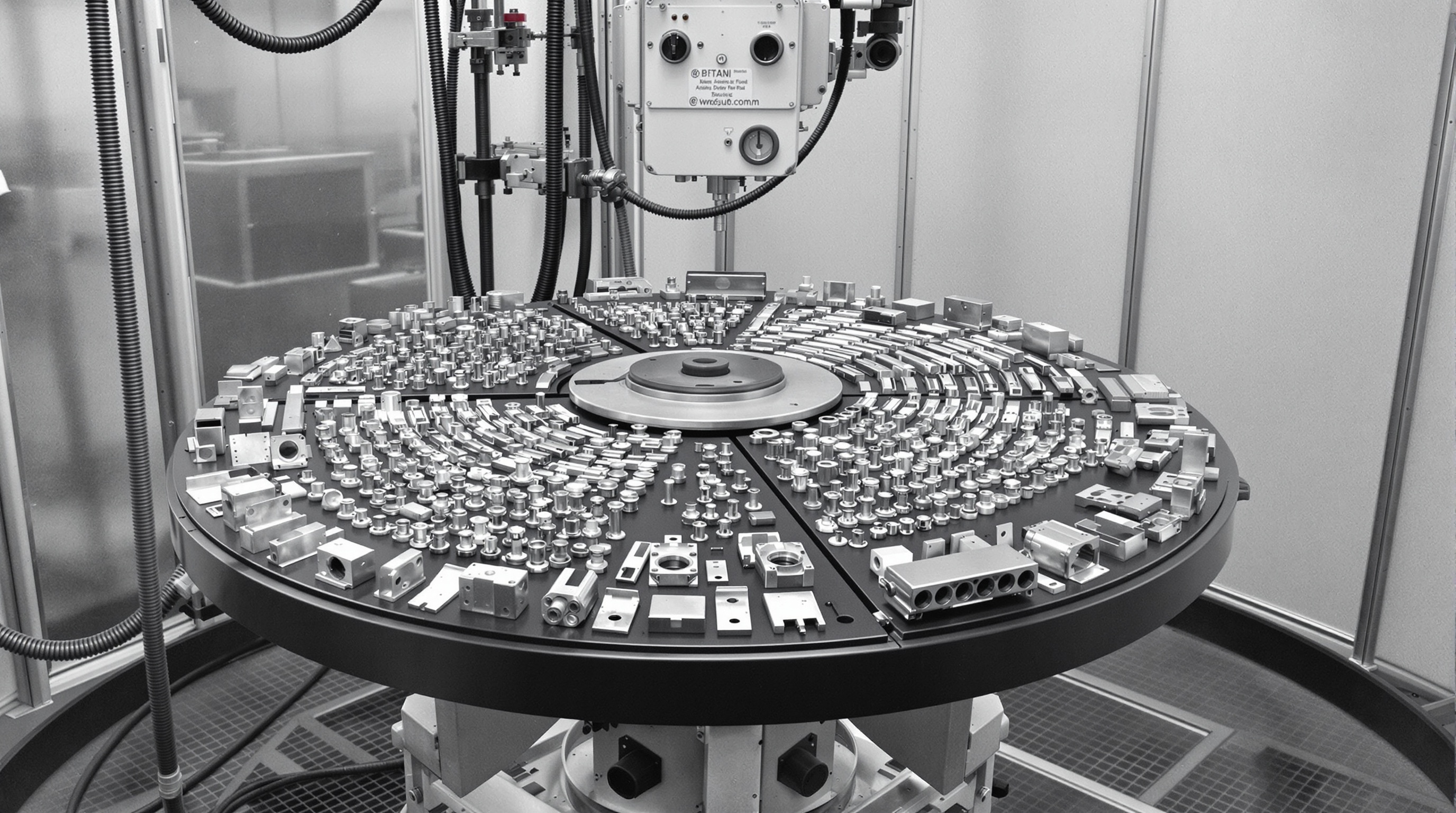
Each substrate receives tailored preparation for maximum wear coating adhesion. Carbon fiber gets light scuff sanding and ultrasonic cleaning. Aluminum receives sandblast and conversion coating. Steel and titanium follow alloy-specific preparation sequences. Masking protects critical surfaces, threads, and mating areas across all materials in the prototype batch.
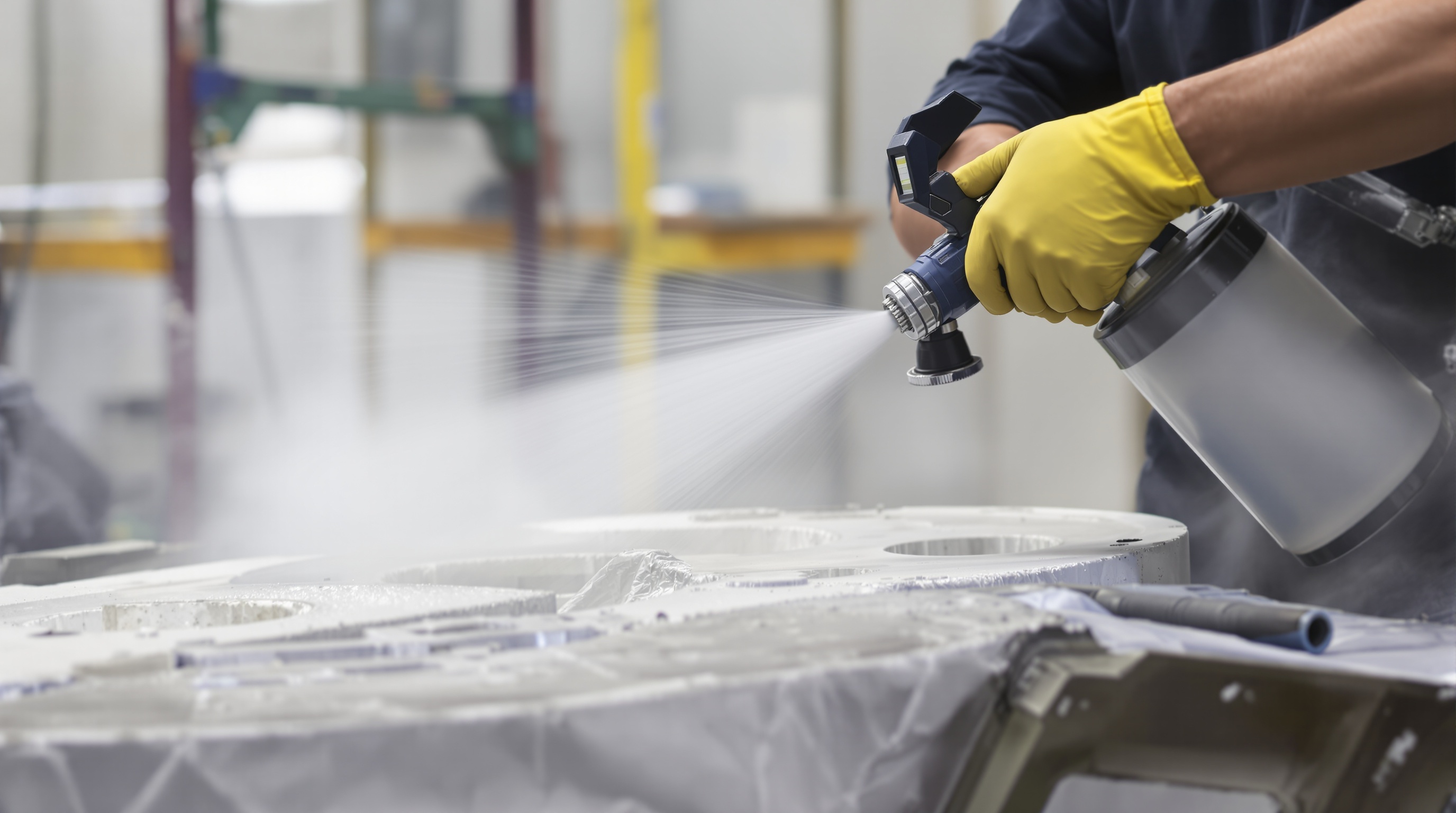
Wear-Optimized Coating Application
Cerakote is applied via calibrated HVLP equipment at 0.5-2 mil thickness targeting maximum chip and abrasion resistance. In-process DFT measurement confirms thickness on every part. Color is verified by spectrophotometer to Delta E of 1 or less across all substrates, ensuring visual consistency throughout the prototype assembly.

Curing, Hardness Verification, and Documentation
Parts cure at 250-300 F in temperature-controlled ovens. Final inspection verifies coating thickness, adhesion, pencil hardness, and visual appearance. Certificate of Conformance documents all wear-relevant measurements. Expedited turnaround available for auto show and validation testing deadlines.

Proven Wear Protection for Automotive R&D
Wear protection performance is verified through standardized ASTM testing under ISO 9001 quality controls. Traceable test data supports durability validation programs where coating performance must correlate to specific specifications.
8,000+ wear cycles per mil
Validated against ASTM D4060 Taber abrasion standards. For automotive prototypes facing accelerated durability testing, stone chip impact, and road debris, this performance produces clean validation data. Chip resistance at two to three times powder coating levels means fewer re-coats and faster program timelines.
Wear cycles per mil (ASTM D4060)
Other services to consider
Explore what else we offer.

Weight Reduction for Oil and Gas Equipment
Thick coatings add mass to equipment transported to remote wellsites and offshore platforms. Cerakote at 0.5-2 mils saves 200-400g per part versus powder coating. ISO 9001 certified.

Weight Reduction for Medical Device Components
Surgical instruments must be light enough for hours of precise use. Cerakote at 0.5-2 mils saves 200-400g per part versus powder coating without compromising protection. ISO 9001 certified.

Weight Reduction for Maritime Equipment
Heavy coatings add mass to marine hardware that affects vessel performance and handling. Cerakote at 0.5-2 mils saves 200-400g per part versus powder coating. ISO 9001 certified.
Weight Reduction for Industrial OEM Components
Thick coatings add unnecessary mass to engineered equipment. Cerakote at 0.5-2 mils delivers 200-400g savings per part versus powder coating while preserving tolerances. ISO 9001 certified.
Certified and compliant for your industry
Protect Your Prototype Components
Submit a wear protection RFP with your prototype specs. We respond within 24 hours.
Frequently Asked Questions
Find answers about our coating processes and technical capabilities
Yes. Our spectrophotometer-verified color matching replicates OEM brand colors to within Delta E 1.5, ensuring coated components match your corporate identity specifications exactly. We document the color standard for each OEM program and maintain it across production runs for consistent branded appearance. This is particularly valuable for customer-visible equipment housings, control panels, and branded components.
Yes. The same Cerakote color applied to SLS PA12, MJF polymer, and metal AM substrates (Ti-6Al-4V, AlSi10Mg, 316L) produces consistent visual results when measured by spectrophotometer. Substrate color and surface texture affect perceived appearance, which is why we verify by instrument rather than visual inspection alone. Surface preparation parameters are adjusted per substrate to ensure consistent coating thickness and therefore consistent color appearance across material types.
Yes. Cerakote delivers 3,000 hours salt spray resistance (ASTM B117) at 0.5-2 mils, while powder coating achieves only 500-1,500 hours at 4-6 mils. This means you get superior corrosion protection at a fraction of the coating weight. For applications where every gram matters, such as aerospace structures, UAVs, and performance vehicles, Cerakote provides the protection of a heavy coating system in a lightweight package.
Yes. A properly passivated stainless steel surface forms a chromium-rich oxide layer that withstands repeated autoclaving, chemical sterilization, and harsh cleaning protocols. For medical devices needing additional protection against specific chemicals or color-coding for instrument identification, we can apply Cerakote over the passivated surface at just 0.5-2 mils, delivering 3,000 hours of salt spray resistance without affecting sterilization compatibility.
Downhole tools, drill components, and wellhead hardware face abrasion from sand, proppant, scale, and metal-on-metal contact. Cerakote's 9H pencil hardness and 4,000 cycles per mil abrasion resistance maintain the coating's protective barrier through extended service intervals. Impact resistance of 160/160 inch-pounds handles the mechanical shock of tool running, wireline operations, and field handling.