Abrasion and Wear Protection for Defense
Precision Cerakote ceramic coatings for aerospace, defense, and industrial components.

The Wear Problem in Defense Equipment
Field conditions do not forgive weak surfaces
The challenge
Harsh environments demand coatings that hold.
The solution
ColoradoKote ceramic coating stops corrosion cold.
Why Cerakote for Defense Wear Protection
Field-proven hardness with ITAR compliance

Abrasion resistance for field conditions
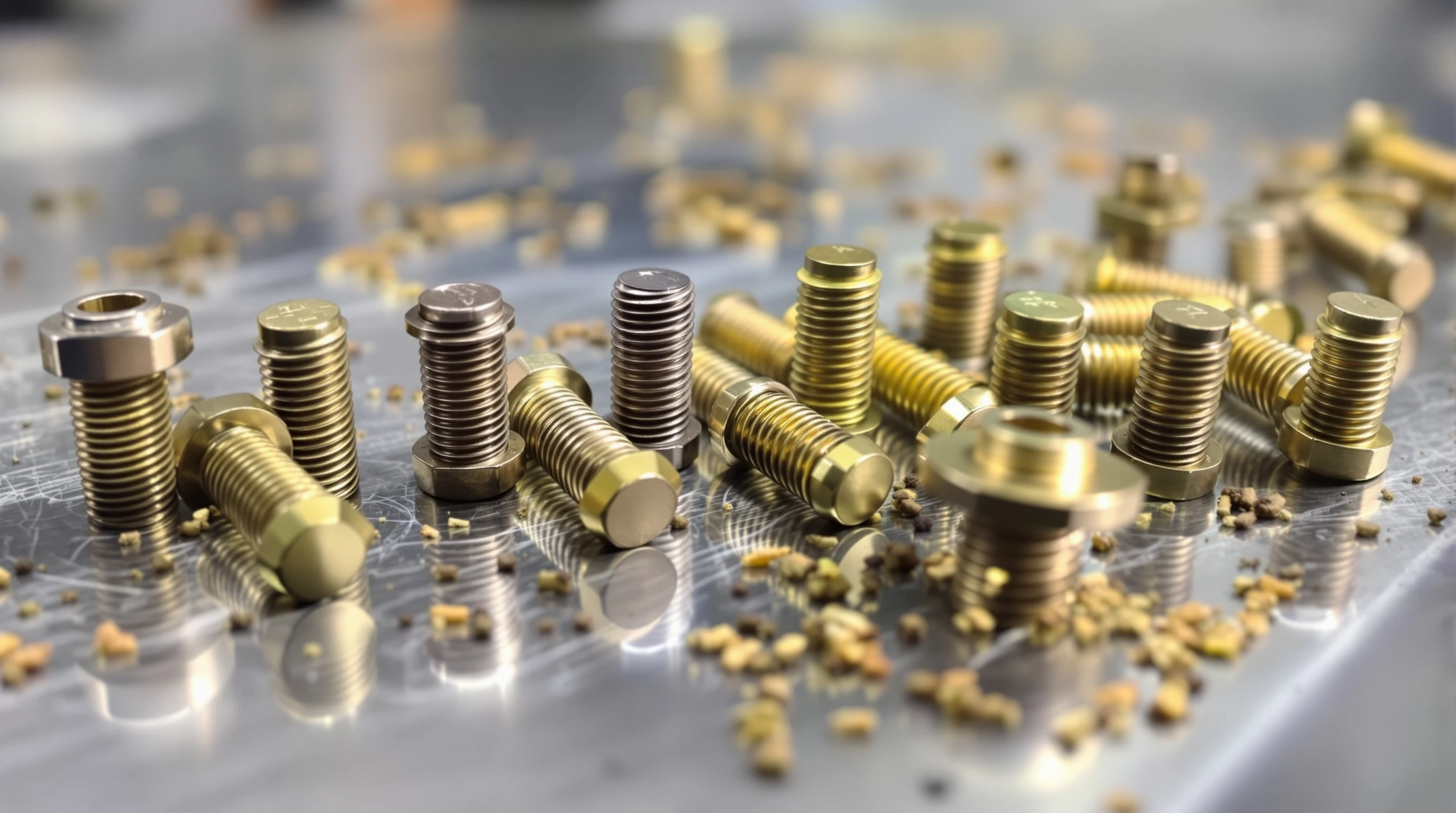
8,000+ wear cycles per mil (ASTM D4060) resists sand abrasion, handling contact, and rack mounting wear that degrades Parkerized and painted surfaces within a single deployment. At 9H pencil hardness, the coating maintains surface integrity through conditions that strip conventional Mil-Spec finishes.
Dimensional precision on weapon systems
0.5-2 mil coating thickness preserves the tight tolerances critical for weapon system accuracy and function. Rails, action surfaces, and precision assemblies coat to specification without post-coating rework. Elite Series formulations achieve a coefficient of friction of approximately 0.11 for low-friction wear surfaces that rival Teflon dry lubricity.
ITAR-compliant documentation
ColoradoKote is ITAR registered with the Directorate of Defense Trade Controls. Every wear coating parameter is documented per AS9100 under chain-of-custody protocols. Certificate of Conformance includes material batch records, hardness verification, and inspection results. Defense articles are handled under controlled-access procedures throughout the process.
Multi-substrate defense capability
Cerakote bonds to steel, aluminum, titanium, and polymer substrates used across defense platforms. One coating system protects weapon components, tactical equipment, vehicle hardware, and communications housings. Federal Standard 595 color matching verified by spectrophotometer for ODG, FDE, and Coyote Brown.
Wear Specs for Defense Applications
How We Deliver Wear Protection for Defense
ITAR-controlled process with chain-of-custody documentation
Controlled Intake and Surface Preparation
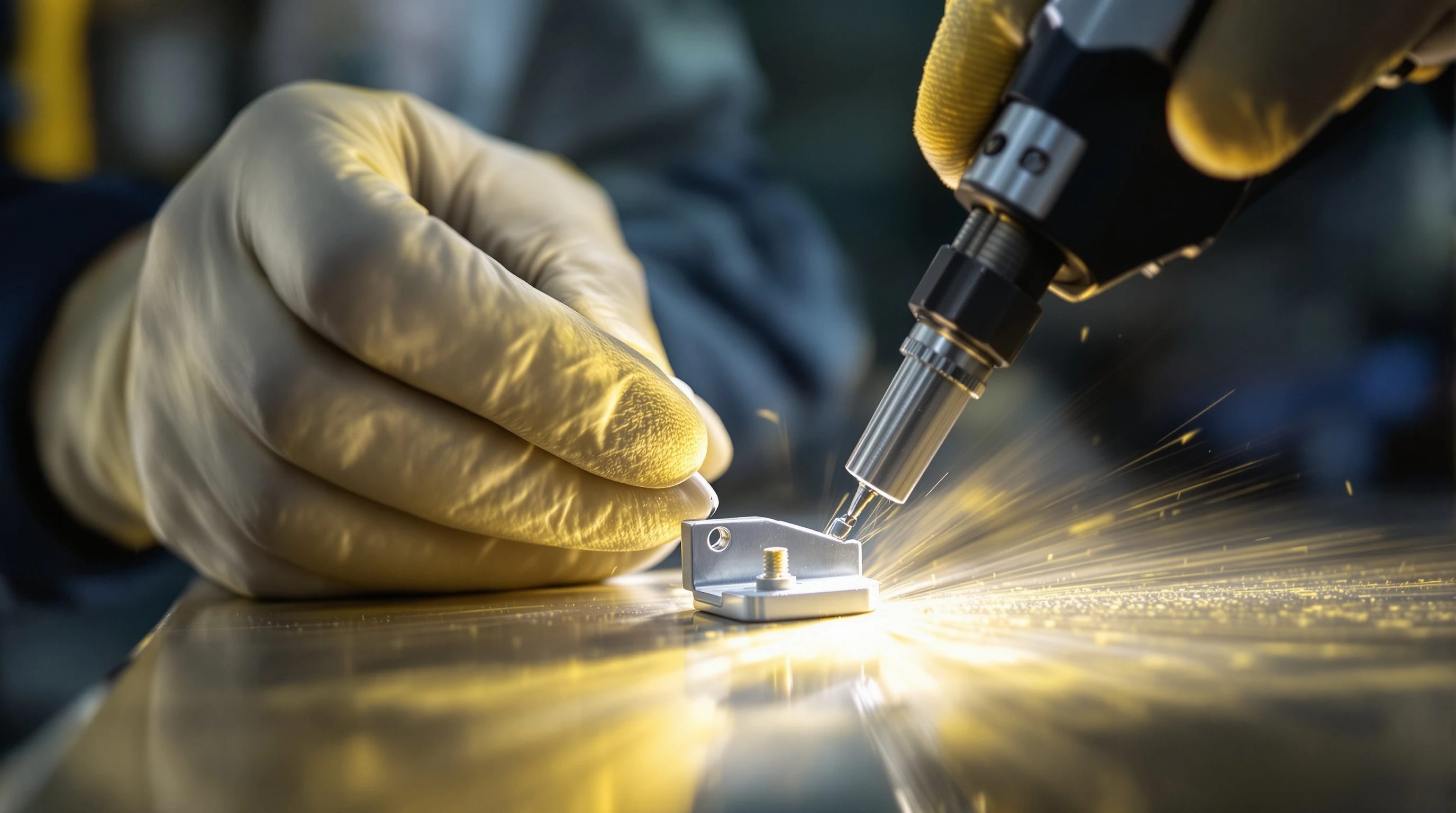
Defense articles enter our controlled-access facility under chain-of-custody documentation. Parts are logged against purchase orders and assigned lot numbers. Substrates undergo ultrasonic cleaning, degreasing, and tailored media blasting to create the surface profile required for maximum wear coating adhesion. Masking protects threads, bearing areas, and precision mating surfaces.
Wear-Optimized Coating Application
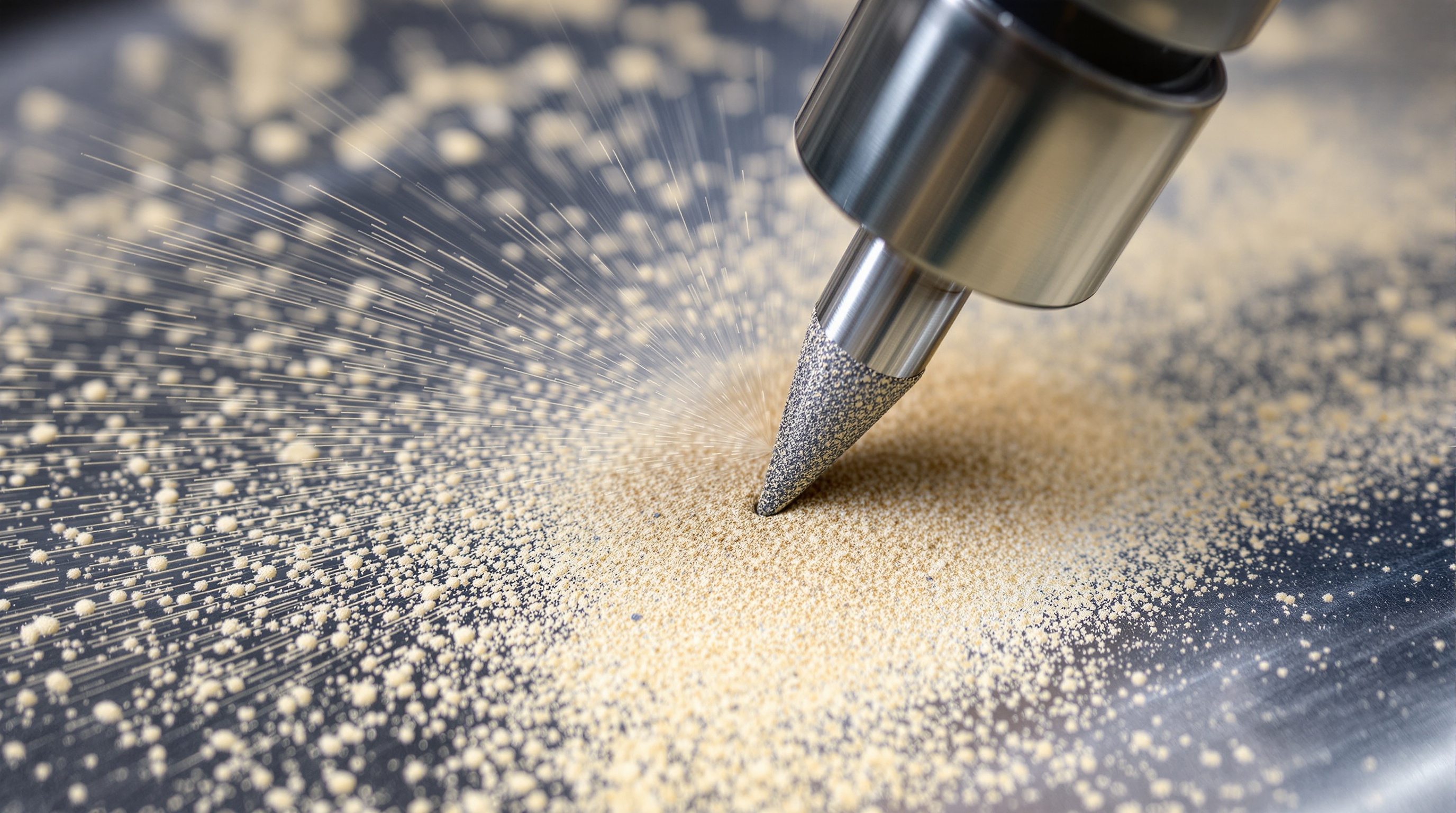
Cerakote is applied via calibrated HVLP equipment at 0.5-2 mil thickness targeting maximum abrasion resistance. In-process DFT measurements confirm dimensional compliance. Federal Standard 595 tactical colors are verified by spectrophotometer to Delta E of 1 or less. Application parameters are documented for full traceability.

Hardness Verification and Inspection
Parts cure per the prescribed schedule to develop full 9H hardness. Final inspection verifies coating thickness, adhesion per ASTM D3359, pencil hardness per ASTM D3363, and color consistency. Certificate of Conformance documents all wear performance data alongside material batch and cure records. AS9102 first article inspection capability is available for new defense programs.

Proven Wear Protection for Defense Systems
Wear protection performance is verified through standardized ASTM testing under AS9100 quality controls with ITAR-compliant documentation. Results are recorded on your Certificate of Conformance with full lot traceability from raw material through finished part.
8,000+ wear cycles per mil
Validated against ASTM D4060 Taber abrasion standards. Teflon coatings fail at under 1,000 cycles under identical conditions. For defense components facing sand exposure, field handling, and transport wear, this performance extends service intervals between scheduled maintenance and reduces unplanned equipment downtime in operational environments.
Wear cycles per mil (ASTM D4060)
Other services to consider
Explore what else we offer.

Weight Reduction for Oil and Gas Equipment
Thick coatings add mass to equipment transported to remote wellsites and offshore platforms. Cerakote at 0.5-2 mils saves 200-400g per part versus powder coating. ISO 9001 certified.
Weight Reduction for Medical Device Components
Surgical instruments must be light enough for hours of precise use. Cerakote at 0.5-2 mils saves 200-400g per part versus powder coating without compromising protection. ISO 9001 certified.

Weight Reduction for Maritime Equipment
Heavy coatings add mass to marine hardware that affects vessel performance and handling. Cerakote at 0.5-2 mils saves 200-400g per part versus powder coating. ISO 9001 certified.
Weight Reduction for Industrial OEM Components
Thick coatings add unnecessary mass to engineered equipment. Cerakote at 0.5-2 mils delivers 200-400g savings per part versus powder coating while preserving tolerances. ISO 9001 certified.
Certified and compliant for your industry
Protect Your Defense Components
Submit an ITAR-compliant wear protection RFP. We respond within 24 hours with pricing.
Frequently Asked Questions
Find answers about our coating processes and technical capabilities
Defense equipment in the field contacts fuels, lubricants, hydraulic fluid, solvents, and decontamination chemicals that degrade conventional finishes. Cerakote's ceramic matrix resists all of these chemical exposures while maintaining its 3,000-hour salt spray barrier and low-visibility appearance. This chemical durability means field equipment retains both its functional protection and tactical appearance through extended deployment cycles.
Yes. Titanium requires specific blast parameters to avoid surface contamination and hydrogen embrittlement. We use clean aluminum oxide media at controlled pressures, with processing time limited to prevent excessive surface heating. Parts proceed to coating promptly after blasting to prevent oxide layer reformation. These titanium-specific controls are documented in our AS9100 process routing and validated through our spec-proven work for multiple manufacturers and other aerospace primes.
Agricultural equipment returns for recoating carrying accumulated soil, fertilizer residue, herbicide deposits, and corroded original finish material. Ultrasonic cavitation breaks down these contaminants, including chemical residues embedded in surface pits and corrosion craters that manual cleaning leaves behind. For agricultural components being stripped and recoated, thorough ultrasonic cleaning ensures the new Cerakote system bonds to clean metal, delivering its full 3,000-hour salt spray performance and 4,000 cycles per mil abrasion resistance.
The combined stack provides layered protection: chemical conversion coating creates an adhesion-promoting base and initial corrosion barrier, passivation removes free iron and surface contaminants, and Cerakote delivers the final 3,000-hour salt spray barrier (ASTM B117). Running all three processes under one roof at ColoradoKote eliminates the handling damage and contamination risk of shipping parts between multiple vendors for each step.
Choose polymer coating when your parts experience significant flexing, vibration, thermal expansion cycling, or require chemical immersion resistance beyond what rigid ceramic coatings provide. Examples include flexible hoses, rubber-to-metal transitions, vibration-dampening mounts, and chemical tank internals. If your application demands hardness and abrasion resistance, Cerakote is the better choice. We evaluate your specific application and recommend the right coating, or combination, for the operating conditions.