
Abrasion and Wear Protection for Industrial OEM
Precision Cerakote ceramic coatings for aerospace, defense, and industrial components.
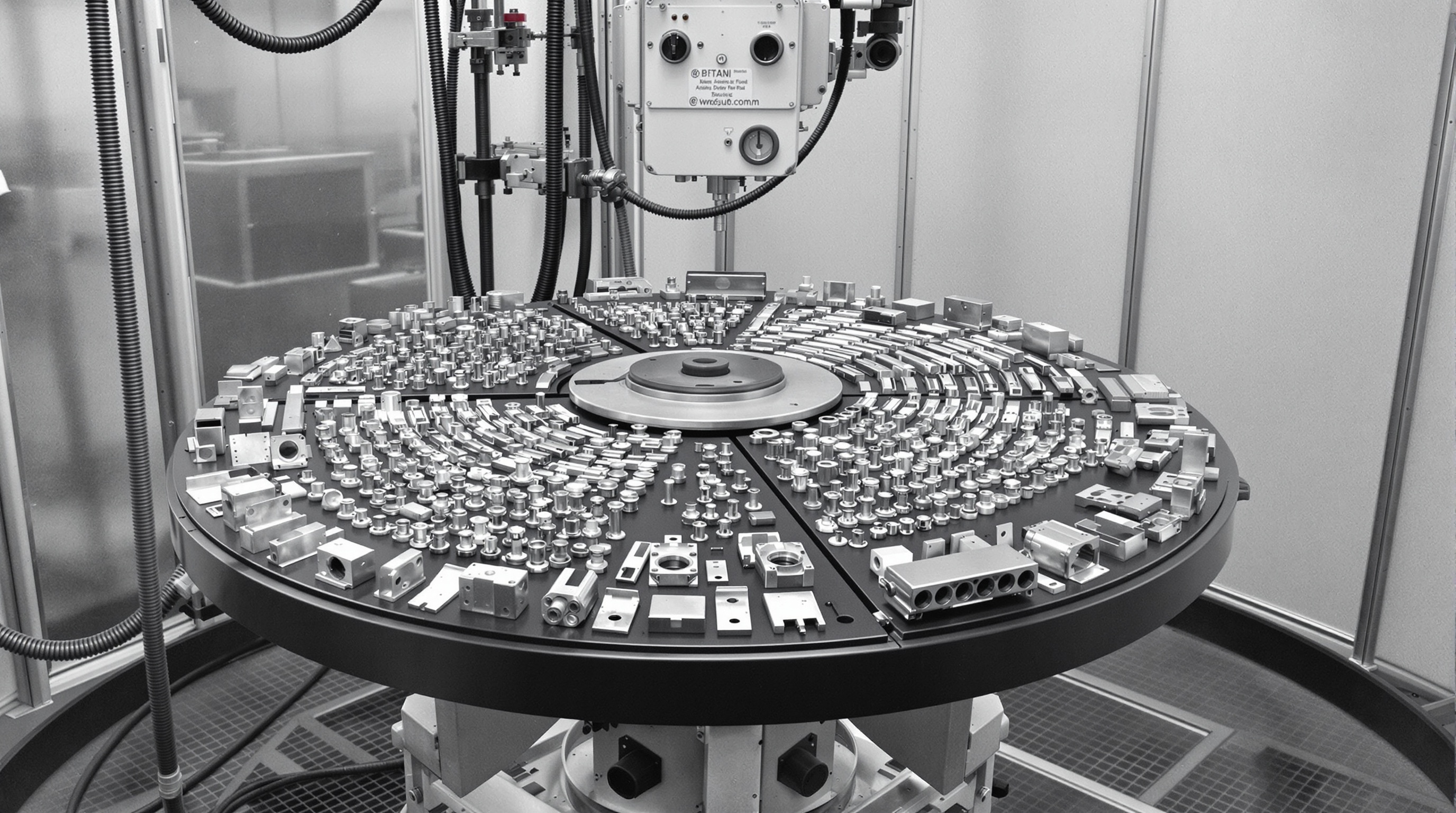
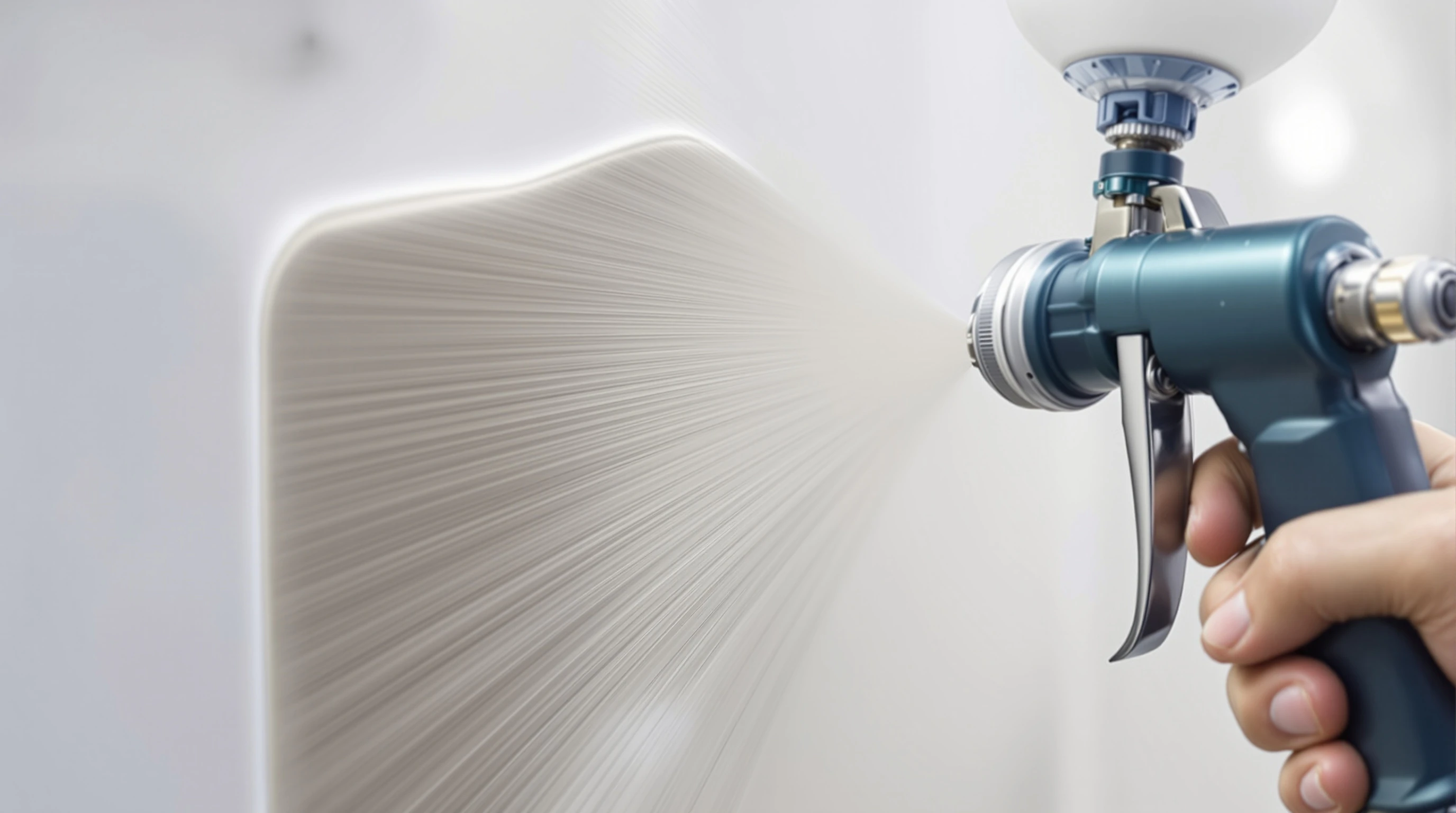
The Wear Problem in Industrial Equipment
Where abrasion quietly erodes your bottom line
The challenge
Harsh environments demand coatings that hold.
The solution
ColoradoKote ceramic coating stops corrosion cold.
Why Cerakote for Industrial Wear Protection
Extend equipment life without changing dimensions

Abrasion resistance that outlasts alternatives
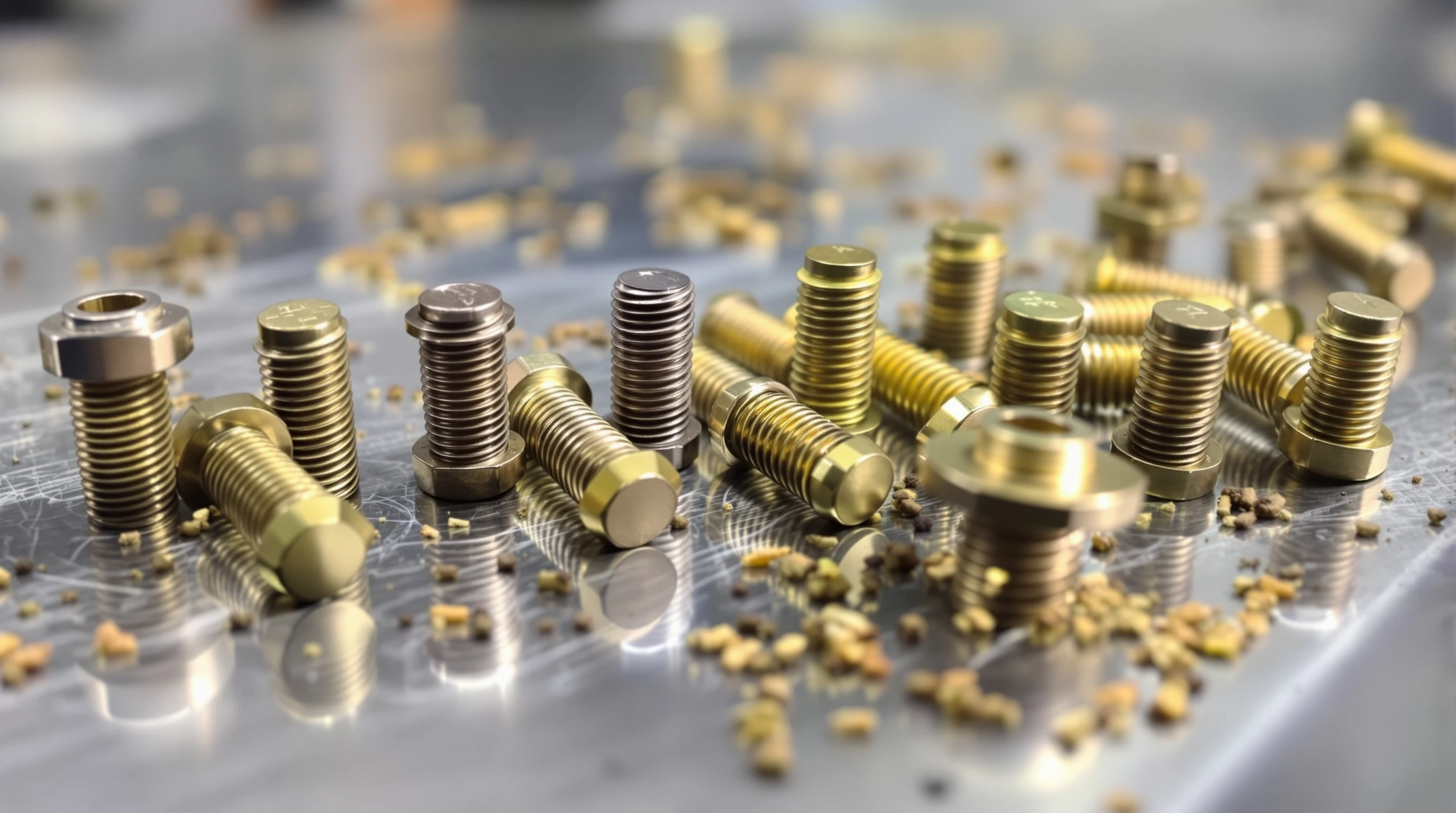
8,000+ wear cycles per mil (ASTM D4060) protects pump internals, valve seats, and production tooling against particulate erosion and mechanical contact. At 9H pencil hardness, Cerakote resists surface damage that destroys conventional paint and powder coating within weeks of industrial service.
Tolerance preservation at 0.5-2 mils
Thin-film application maintains tight clearances on precision assemblies. Bearing fits hold specification, threaded connections remain functional, and mating surfaces require no post-coating rework. Powder coating at 4-6 mils forces dimensional rework on these same components, adding cost and lead time.
ISO 9001 documented quality
Every coating parameter is documented under ISO 9001:2015 quality controls. Certificate of Conformance includes material batch numbers, DFT measurements, adhesion results, and cure parameters. Quality records provide traceability for customer audits and warranty documentation.
Multi-substrate consolidation
Cerakote bonds to aluminum, steel, stainless steel, and titanium. One coating partner replaces separate vendors for each substrate material. One quality system, one color match, and one documentation package simplify procurement and eliminate color inconsistency across mixed-metal assemblies.
Wear Specs for Industrial OEM Applications
How We Deliver Wear Protection for OEM Parts
ISO 9001 documented from surface preparation through final inspection
Surface Preparation for Maximum Wear Life
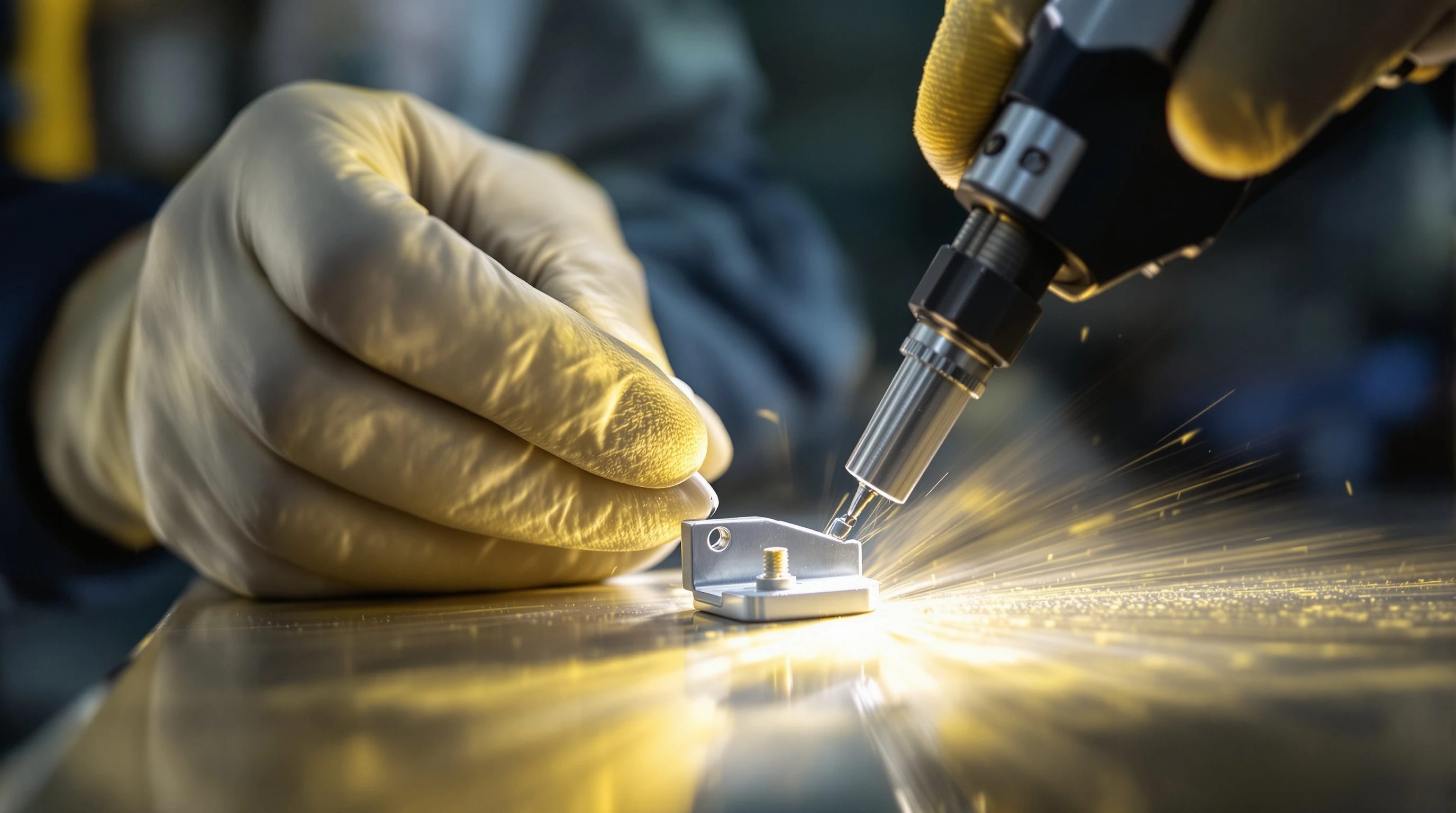
Components are cleaned via ultrasonic bath and degreased to remove oils, cutting fluids, and surface contaminants. Tailored media blasting creates the surface profile required for maximum coating adhesion and wear performance. Masking protects threaded holes, bearing journals, mating surfaces, and O-ring grooves where zero coating buildup is required.

Wear-Optimized Cerakote Application
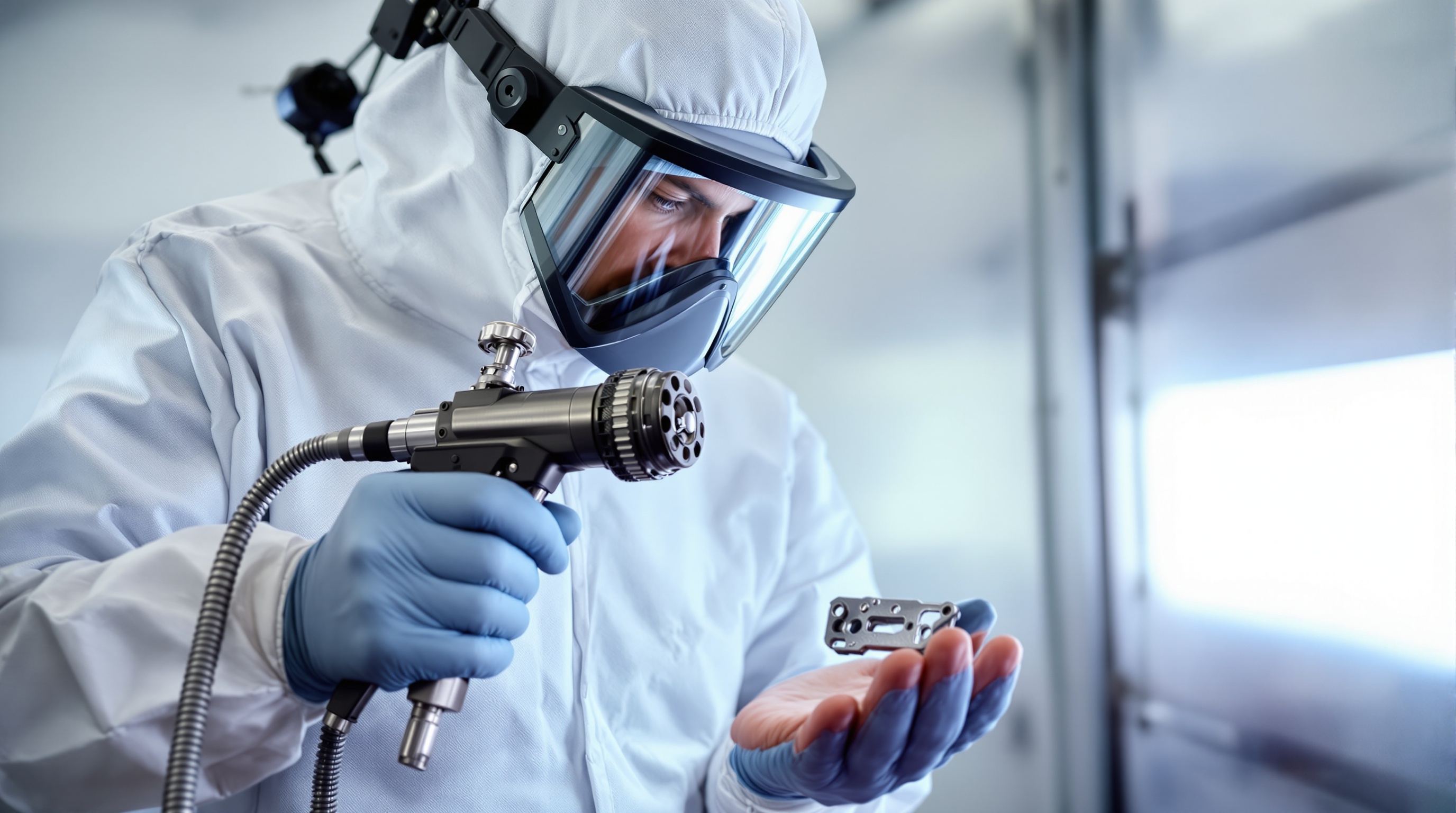
Cerakote is applied via calibrated HVLP equipment at 0.5-2 mil thickness targeting maximum abrasion resistance. In-process DFT measurements confirm dimensional compliance on every part. The same formulation bonds to aluminum, steel, stainless steel, and titanium, enabling mixed-material assemblies in a single coating run.
Hardness Verification and Quality Inspection
Parts cure per the prescribed schedule to develop full 9H hardness. Multi-point final inspection verifies coating thickness, adhesion per ASTM D3359, and visual appearance. Certificate of Conformance documents all measurements. ISO 9001 quality records provide traceability for customer audits.

Proven Wear Protection for Industrial OEM
Wear protection performance is verified through standardized ASTM testing under ISO 9001 quality controls. Results are documented on your Certificate of Conformance with full lot traceability.
8,000+ wear cycles per mil
Validated against ASTM D4060 Taber abrasion standards used across industrial manufacturing. For OEM components facing particulate erosion, mechanical contact, and vibration wear, this performance extends service intervals and reduces the replacement frequency that drives unplanned downtime and maintenance costs.
Wear cycles per mil (ASTM D4060)
Other services to consider
Explore what else we offer.

Weight Reduction for Oil and Gas Equipment
Thick coatings add mass to equipment transported to remote wellsites and offshore platforms. Cerakote at 0.5-2 mils saves 200-400g per part versus powder coating. ISO 9001 certified.

Weight Reduction for Medical Device Components
Surgical instruments must be light enough for hours of precise use. Cerakote at 0.5-2 mils saves 200-400g per part versus powder coating without compromising protection. ISO 9001 certified.

Weight Reduction for Maritime Equipment
Heavy coatings add mass to marine hardware that affects vessel performance and handling. Cerakote at 0.5-2 mils saves 200-400g per part versus powder coating. ISO 9001 certified.
Weight Reduction for Industrial OEM Components
Thick coatings add unnecessary mass to engineered equipment. Cerakote at 0.5-2 mils delivers 200-400g savings per part versus powder coating while preserving tolerances. ISO 9001 certified.
Certified and compliant for your industry
Extend Your Equipment Service Life
Submit a wear protection RFP. We respond within 24 hours with approach and pricing.
Frequently Asked Questions
Find answers about our coating processes and technical capabilities
Passivation per ASTM A967 is a standard requirement for medical-grade stainless steel instruments, implants, and device components. The process removes free iron and surface contaminants that could cause corrosion or biocompatibility issues in clinical environments. ColoradoKote's passivation adds no dimensional change, preserving the precision tolerances that surgical instruments and implantable hardware demand.
Yes, and this is one of our most valuable additive manufacturing workflows. Passivation first cleans and protects the stainless substrate, then Cerakote adds 3,000 hours of salt spray resistance (ASTM B117) at just 0.5-2 mils. For AM parts, the thin Cerakote layer preserves fine features and tolerances that thicker coatings like powder coat (4-6 mils) would compromise. Few coating shops offer this passivation-to-Cerakote stack under one roof.
Oil and gas operators use color-coded pressure ratings to prevent cross-connection of equipment rated for different service levels. Cerakote's 3,000-hour salt spray resistance means color coding survives the wellsite chemical exposure and UV degradation that strips conventional paint within months. ColoradoKote matches your operator-specified pressure class colors by spectrophotometer to Delta E 1.5 and documents color verification on every Certificate of Conformance.
Yes. Polymer coatings maintain adhesion and chemical integrity through repeated autoclave cycles at standard sterilization temperatures and pressures. Unlike rigid coatings that can microcrack under the thermal shock of autoclave cycling, polymer coatings flex with the substrate during thermal expansion and contraction. This thermal cycling durability is critical for reusable medical devices that undergo sterilization between every patient use. Coating integrity is maintained through hundreds of sterilization cycles.
Yes. Medical device OEMs often require precise brand color matching on instrument handles, device housings, and equipment panels. Our spectrophotometer-verified matching to Delta E 1.5 ensures your devices maintain consistent brand identity across production lots and reorders. Cerakote's durability through sterilization and clinical use preserves brand appearance far longer than paint or pad printing alternatives.