Abrasion and Wear Protection for Maritime
Precision Cerakote ceramic coatings for aerospace, defense, and industrial components.

The Wear Problem in Maritime Equipment
Salt, sun, and contact wear attack together
The challenge
Harsh environments demand coatings that hold.
The solution
ColoradoKote ceramic coating stops corrosion cold.
Why Cerakote for Maritime Wear Protection
Hardness and salt protection in one coating

Abrasion resistance in marine service
8,000+ wear cycles per mil (ASTM D4060) protects deck hardware, fairleads, and winch components against line abrasion and mechanical contact. At 9H pencil hardness, the coating resists tool marks, anchor chain wear, and rigging contact that strips softer marine finishes within a single season.
Dimensional preservation at 0.5-2 mils
Thin-film application maintains tolerances on precision marine fittings, threaded fasteners, and mating surfaces. Components coat to specification without altering the fit of assembled hardware. This controlled thickness adds wear protection to existing parts without requiring redesign.
ISO 9001 documented quality
Every coating parameter is documented under ISO 9001:2015 quality controls. Certificate of Conformance includes DFT measurements, adhesion data, and material batch records. Consistent quality standards ensure every production lot meets the same wear and corrosion performance.
Combined wear and saltwater protection
A single Cerakote layer delivers abrasion resistance alongside 4,000+ hours salt spray resistance (ASTM B117). When line wear exposes base metal on unprotected hardware, saltwater accelerates destruction at the contact point. Cerakote maintains its corrosion barrier even on high-wear surfaces.
Wear Specs for Maritime Applications

How We Deliver Wear Protection for Maritime
Substrate-specific preparation for marine wear and corrosion
Marine Surface Preparation
Ultrasonic cleaning removes salt deposits, marine oils, and surface contaminants. Degreasing and tailored media blasting create the surface profile required for maximum wear coating adhesion on stainless steel, aluminum, and bronze substrates. Masking protects threads, mating surfaces, and functional areas.

Wear-Optimized Cerakote Application
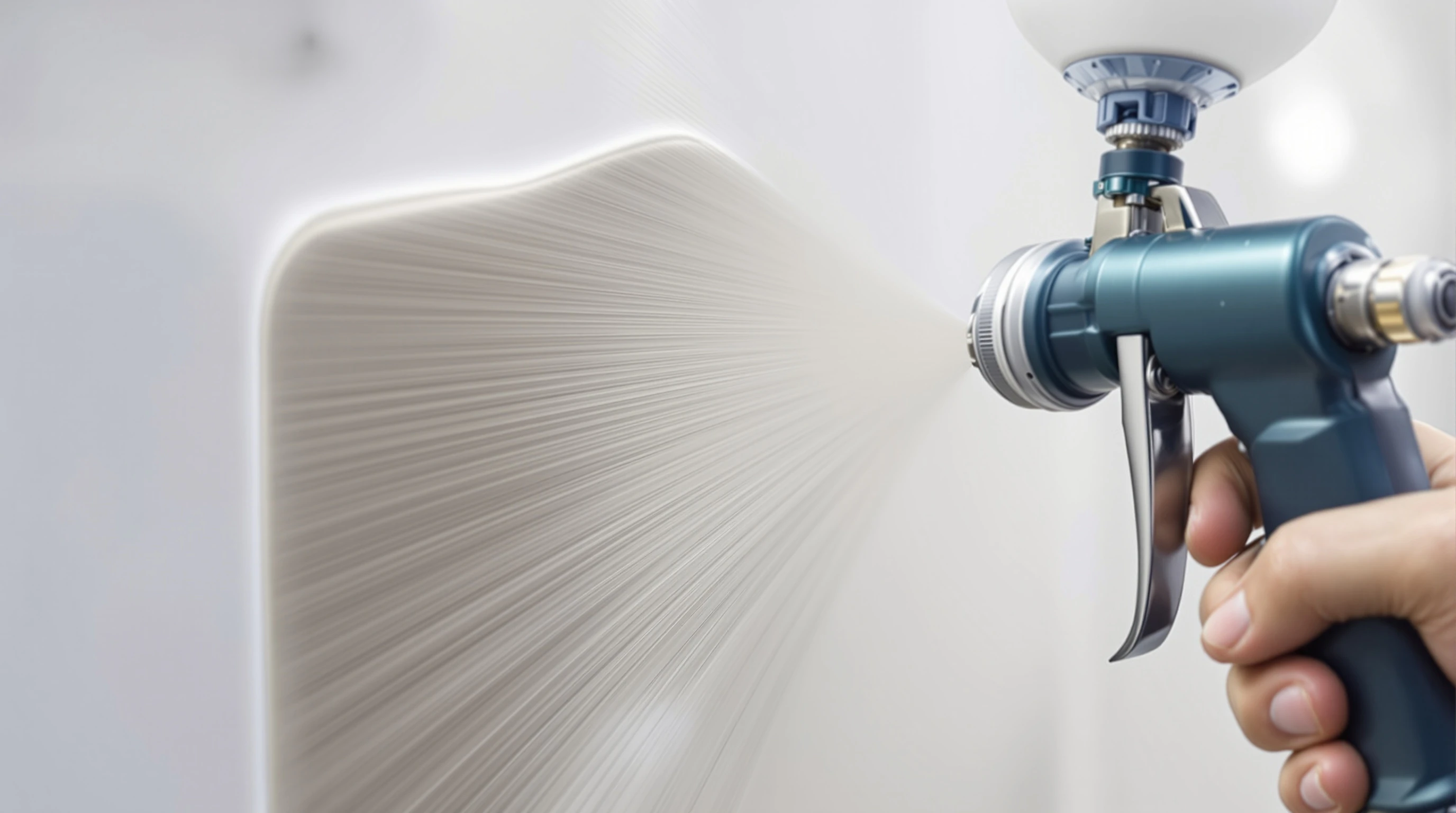
Cerakote is applied via calibrated HVLP equipment at 0.5-2 mil thickness targeting maximum abrasion resistance on high-contact marine surfaces. In-process DFT measurements confirm dimensional compliance. The coating provides combined wear and corrosion protection in a single application layer.
Inspection and Documentation
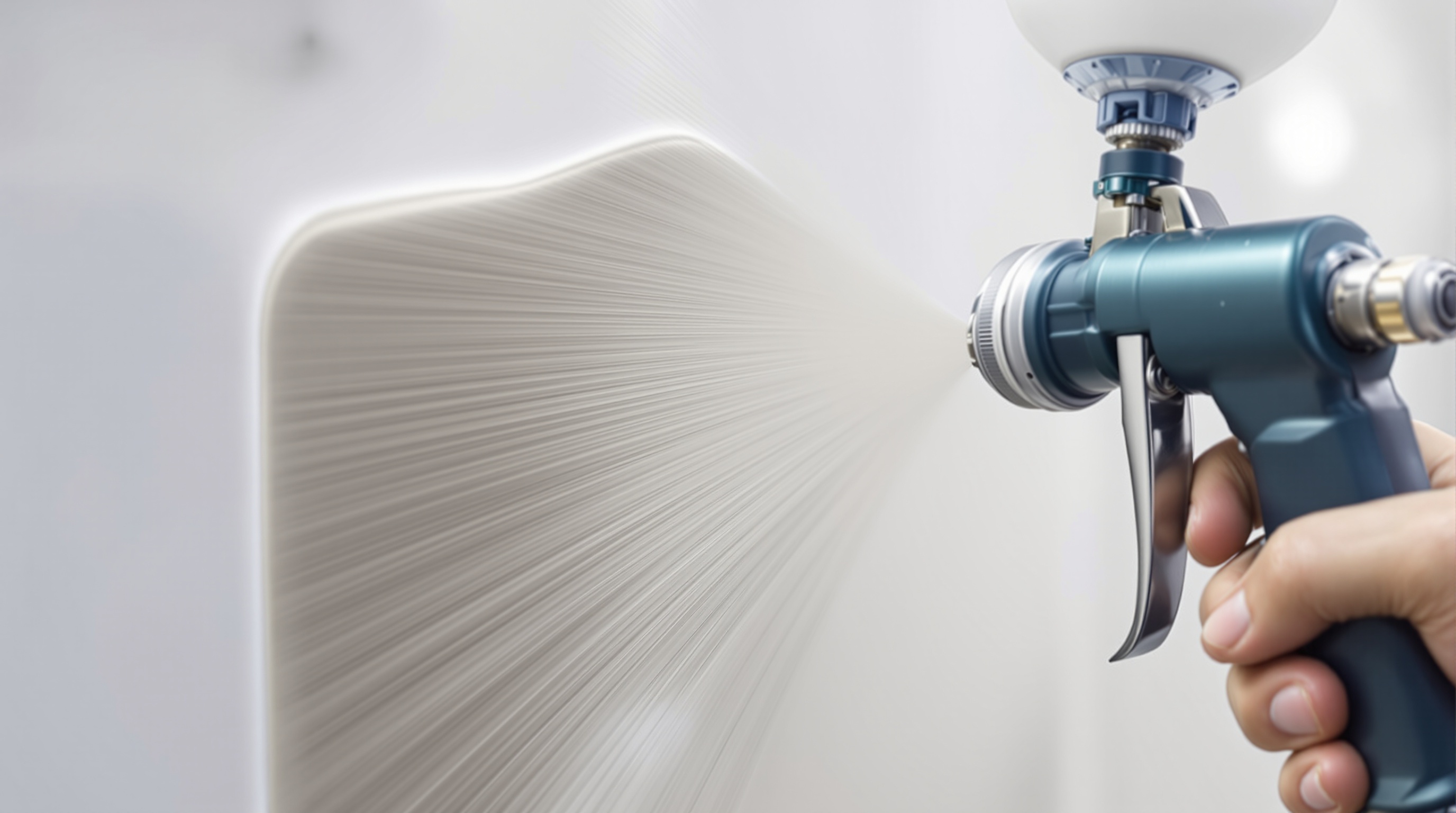
Multi-point final inspection verifies coating thickness, adhesion, color consistency, and visual appearance. Certificate of Conformance documents all measurements and material batch records. ISO 9001 quality system ensures consistent processes across production lots.

Proven Wear Protection for Marine Equipment
Wear protection performance is verified through standardized ASTM testing under ISO 9001 quality controls. Results are documented on your Certificate of Conformance.
8,000+ wear cycles per mil
Validated against ASTM D4060 Taber abrasion standards. For marine hardware facing line abrasion, tool contact, and saltwater exposure, this performance extends service life and reduces the mid-season replacements that cost operators both money and operational availability.
Wear cycles per mil (ASTM D4060)

Other services to consider
Explore what else we offer.

Weight Reduction for Oil and Gas Equipment
Thick coatings add mass to equipment transported to remote wellsites and offshore platforms. Cerakote at 0.5-2 mils saves 200-400g per part versus powder coating. ISO 9001 certified.

Weight Reduction for Medical Device Components
Surgical instruments must be light enough for hours of precise use. Cerakote at 0.5-2 mils saves 200-400g per part versus powder coating without compromising protection. ISO 9001 certified.
Weight Reduction for Maritime Equipment
Heavy coatings add mass to marine hardware that affects vessel performance and handling. Cerakote at 0.5-2 mils saves 200-400g per part versus powder coating. ISO 9001 certified.
Weight Reduction for Industrial OEM Components
Thick coatings add unnecessary mass to engineered equipment. Cerakote at 0.5-2 mils delivers 200-400g savings per part versus powder coating while preserving tolerances. ISO 9001 certified.
Certified and compliant for your industry
Protect Your Marine Hardware
Submit a wear protection RFP for marine components. We respond within 24 hours.
Frequently Asked Questions
Find answers about our coating processes and technical capabilities
Yes. Coating adhesion is the single most critical factor in corrosion protection performance. Any contamination between the substrate and coating creates a weak bond that allows corrosive agents to undercut the coating from the failure point. Ultrasonic cleaning removes contaminants that other cleaning methods leave behind, particularly in complex geometries. This thorough pre-coating cleanliness is why our Cerakote applications consistently achieve salt spray resistance exceeding 3,000 hours.
Cerakote delivers 9H pencil hardness and 4,000 cycles per mil abrasion resistance, significantly outperforming conventional epoxy and urethane coatings on high-wear surfaces. Impact resistance of 160/160 inch-pounds means the coating withstands mechanical shock without chipping or delamination. At 0.5 to 2 mils film build, Cerakote protects wear surfaces while preserving the tight clearances industrial equipment demands.
Individual part weight savings range from fractions of a gram to several grams depending on surface area. Across a full program with hundreds or thousands of coated components, the aggregate reduction is measurable in pounds. For aerospace programs where weight directly affects fuel burn and payload capacity, and for performance automotive where weight affects lap times, the cumulative benefit of thin-film Cerakote over thick-film alternatives contributes to overall system weight targets.
The Cerakote color catalog includes 200+ standard colors across the H-Series, Elite, and V-Series product lines. Standard colors ship from NIC Industries inventory, which means no custom formulation lead time. For applications requiring a specific non-standard color, custom formulation through Cerakote is possible but involves higher cost and additional development time. We help you identify the closest standard color match before recommending custom formulation.
Cerakote is a ceramic-polymer hybrid coating applied via HVLP spray at 0.5-2 mils thickness. It delivers 3,000 hours of salt spray resistance (ASTM B117), compared to 336-1,000 hours for anodizing and 500-1,500 hours for powder coating. Cerakote bonds to all metals, polymers, and composites, while anodizing works only on aluminum. At 0.5-2 mils, it preserves tight tolerances that powder coating at 4-6 mils cannot maintain, and it eliminates the 20-60% fatigue debit caused by anodizing.