
Abrasion and Wear Protection for Medical Devices
Precision Cerakote ceramic coatings for aerospace, defense, and industrial components.

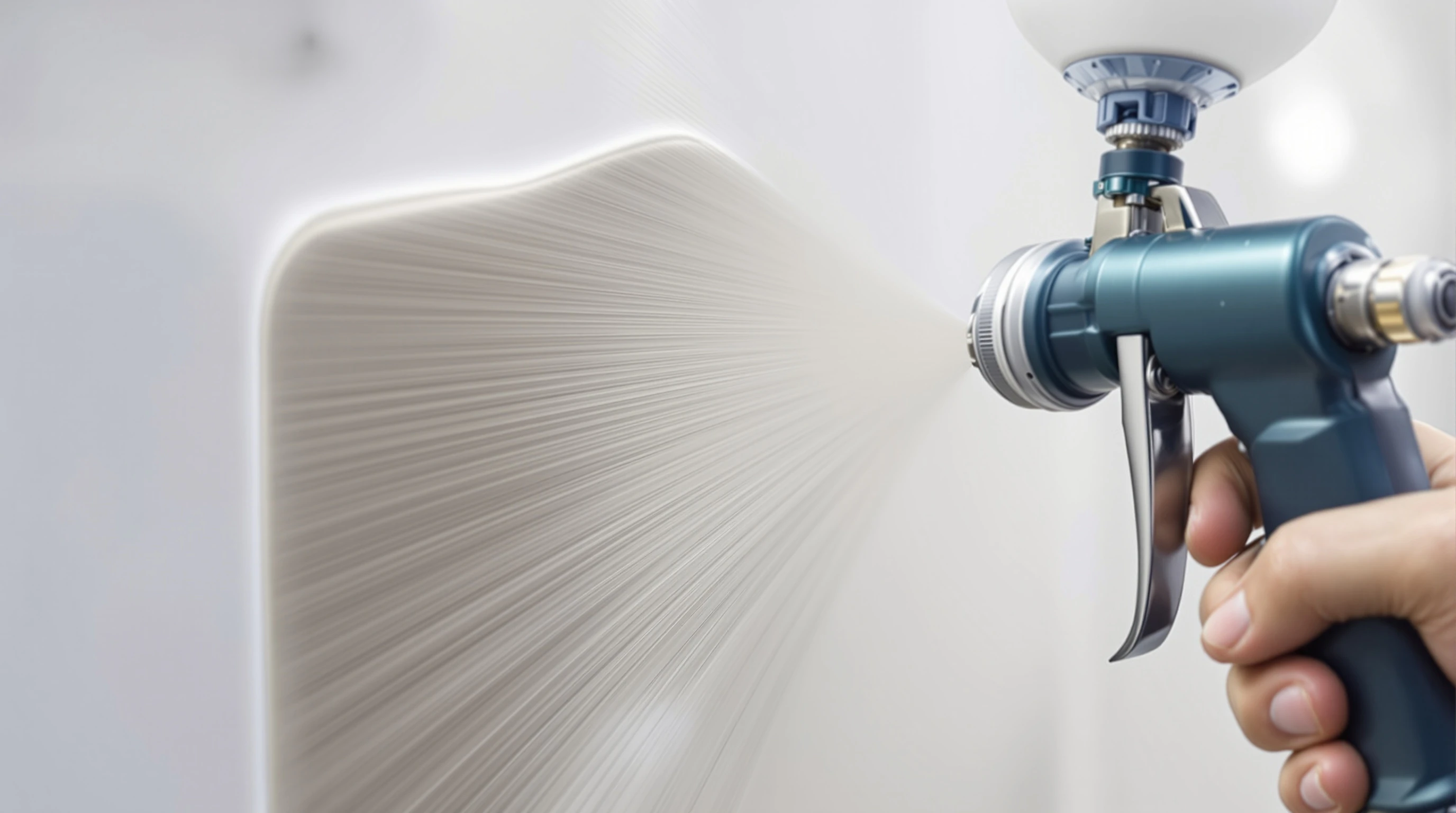
The Wear Problem in Medical Devices
Sterilization and handling degrade surfaces fast
The challenge
Harsh environments demand coatings that hold.
The solution
ColoradoKote ceramic coating stops corrosion cold.
Why Cerakote for Medical Device Wear Protection
Sterilization-resistant hardness at thin-film thickness

Wear resistance through sterilization cycles
8,000+ wear cycles per mil (ASTM D4060) combined with chemical resistance against autoclave steam, ethylene oxide, and hydrogen peroxide plasma. At 9H pencil hardness, the coating maintains surface integrity through hundreds of sterilization and handling cycles that degrade softer coatings.
Dimensional preservation on instruments
0.5-2 mil application preserves the dimensional tolerances critical to surgical instrument function. Jaw closures, cutting edges, and mating surfaces maintain their engineered geometry after coating. This is 60-75% thinner than powder coating at 3-5 mils, eliminating functional failures caused by oversized coatings.
ISO 9001 documented quality
Every coating parameter is documented under ISO 9001:2015 quality controls. Certificate of Conformance includes DFT measurements, adhesion data, and material batch records. Documentation supports device manufacturer quality system requirements and traceability needs.
Durable color identification
Cerakote maintains color coding through sterilization cycles that strip conventional identification coatings. 200+ catalog colors enable instrument set differentiation by size, specialty, and surgical discipline. Delta E of 1 or less ensures consistent color matching across instrument sets ordered at different times.
Wear Specs for Medical Device Applications
How We Deliver Wear Protection for Medical
Controlled environment with full traceability for device manufacturers
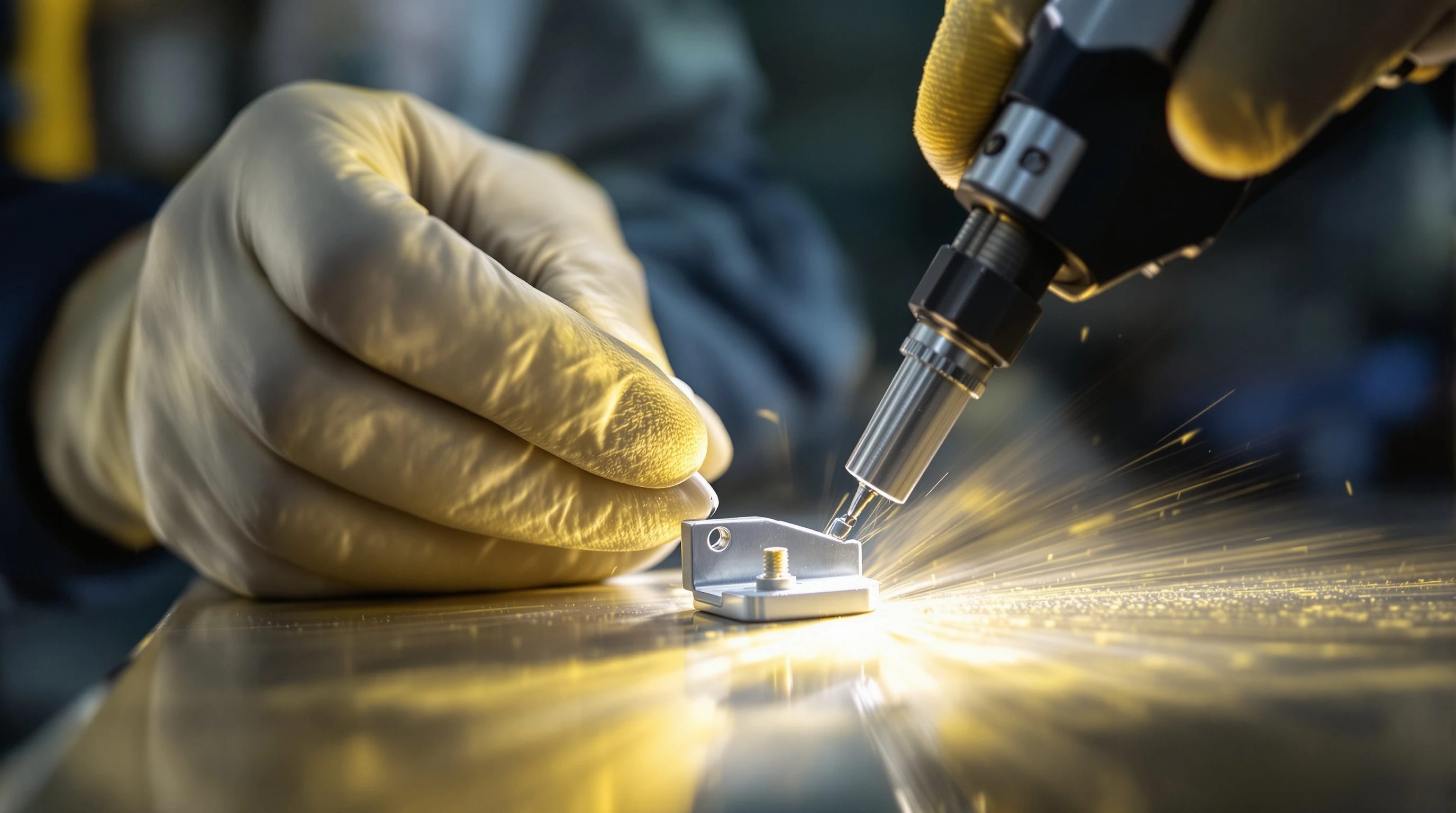
Medical-Grade Surface Preparation
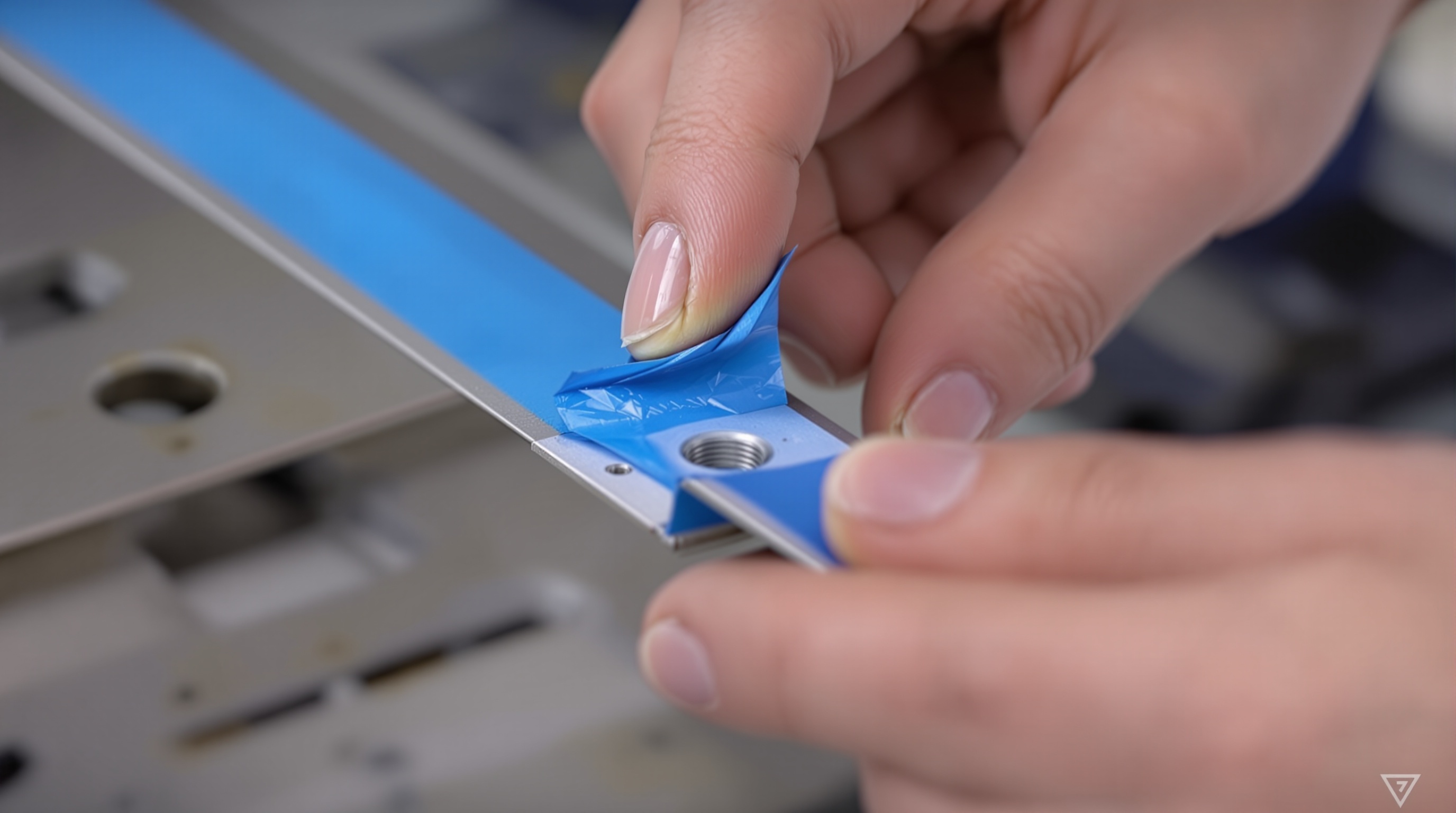
Stainless steel and titanium instruments receive preparation methods matched to their alloy composition for maximum wear coating adhesion. Ultrasonic cleaning removes contaminants, followed by degreasing and tailored media blasting. Masking protects cutting edges, jaw closures, and mating features that must remain uncoated.
Wear-Optimized Coating Application
Cerakote is applied via calibrated HVLP equipment at 0.5-2 mil controlled thickness. In-process DFT measurement confirms dimensional compliance before curing at 250-300 F, a temperature range compatible with common medical device substrates. Color-coded applications use spectrophotometer-verified colors for consistent identification across instrument sets.

Inspection and Documentation
Multi-point final inspection verifies coating thickness, adhesion per ASTM D3359, hardness, color consistency, and visual appearance under magnification. Certificate of Conformance documents all measurement data and material batch records. Documentation supports device manufacturer quality and regulatory requirements.

Proven Wear Protection for Medical Devices
Wear protection performance is verified through standardized ASTM testing under ISO 9001 quality controls. Results are documented on your Certificate of Conformance with full lot traceability.
8,000+ wear cycles per mil
Validated against ASTM D4060 Taber abrasion standards. For surgical instruments and medical devices facing hundreds of sterilization cycles and repeated handling, this performance maintains surface integrity and color identification throughout the instrument service life.
Wear cycles per mil (ASTM D4060)
Other services to consider
Explore what else we offer.

Weight Reduction for Oil and Gas Equipment
Thick coatings add mass to equipment transported to remote wellsites and offshore platforms. Cerakote at 0.5-2 mils saves 200-400g per part versus powder coating. ISO 9001 certified.
Weight Reduction for Medical Device Components
Surgical instruments must be light enough for hours of precise use. Cerakote at 0.5-2 mils saves 200-400g per part versus powder coating without compromising protection. ISO 9001 certified.

Weight Reduction for Maritime Equipment
Heavy coatings add mass to marine hardware that affects vessel performance and handling. Cerakote at 0.5-2 mils saves 200-400g per part versus powder coating. ISO 9001 certified.
Weight Reduction for Industrial OEM Components
Thick coatings add unnecessary mass to engineered equipment. Cerakote at 0.5-2 mils delivers 200-400g savings per part versus powder coating while preserving tolerances. ISO 9001 certified.
Certified and compliant for your industry


Discuss Your Medical Project
Submit an RFP for medical device wear protection. We respond within 24 hours.
Frequently Asked Questions
Find answers about our coating processes and technical capabilities
Yes. Vibration isolation mounts and dampeners often involve rubber-to-metal interfaces and constant flexing under load. Polymer coating provides corrosion protection and chemical resistance on these components without the rigidity that would interfere with damping function. The coating flexibility accommodates the continuous movement and deformation that is the normal operating condition of these parts. All aerospace polymer coating work is documented under our AS9100 quality system.
The 2-4 mil anchor profile created by blasting gives Cerakote mechanical interlocking sites across the entire substrate surface. On wear components subject to sliding contact, impact, or particle erosion, this mechanical bond keeps the coating in place under forces that would delaminate a coating applied to a smooth surface. Combined with Cerakote's 4,000 cycles per mil abrasion resistance, proper blast preparation delivers maximum wear life.
Surgical instruments endure repeated mechanical stress from tissue contact, bone engagement, clamping forces, and tray handling. Cerakote's 9H pencil hardness and 4,000 cycles per mil abrasion resistance maintain the coating's protective barrier and visual appearance through the instrument's full service life. This reduces the frequency of instrument replacement compared to uncoated or conventionally finished instruments.
Oil and gas components accumulate wellbore fluids, scale, paraffin, corrosion products, and chemical treatment residue that must be removed before recoating or inspection. Ultrasonic cavitation breaks down these deposits in complex geometries including threaded connections, internal bores, and flow passages. Solution chemistry is selected based on the specific contamination profile. For components proceeding to coating, verified cleanliness ensures proper adhesion of the protective coating system.
Cerakote is a ceramic-polymer hybrid coating applied via HVLP spray at 0.5-2 mils thickness. It delivers 3,000 hours of salt spray resistance (ASTM B117), compared to 336-1,000 hours for anodizing and 500-1,500 hours for powder coating. Cerakote bonds to all metals, polymers, and composites, while anodizing works only on aluminum. At 0.5-2 mils, it preserves tight tolerances that powder coating at 4-6 mils cannot maintain, and it eliminates the 20-60% fatigue debit caused by anodizing.