
Abrasion and Wear Protection for Oil and Gas
Precision Cerakote ceramic coatings for aerospace, defense, and industrial components.

The Wear Problem in Oil and Gas
Sand erosion and particle impact never stop
The challenge
Harsh environments demand coatings that hold.
The solution
ColoradoKote ceramic coating stops corrosion cold.
Why Cerakote for Oil and Gas Wear Protection
Erosion resistance with corrosion protection built in

Sand and particle erosion resistance
8,000+ wear cycles per mil (ASTM D4060) protects pump internals, choke valves, and flow control surfaces against sand and proppant erosion. At 9H pencil hardness, the coating resists particle impact that chips and flakes traditional hard chrome plating, creating debris that damages downstream equipment.
Tolerance preservation at 0.5-2 mils
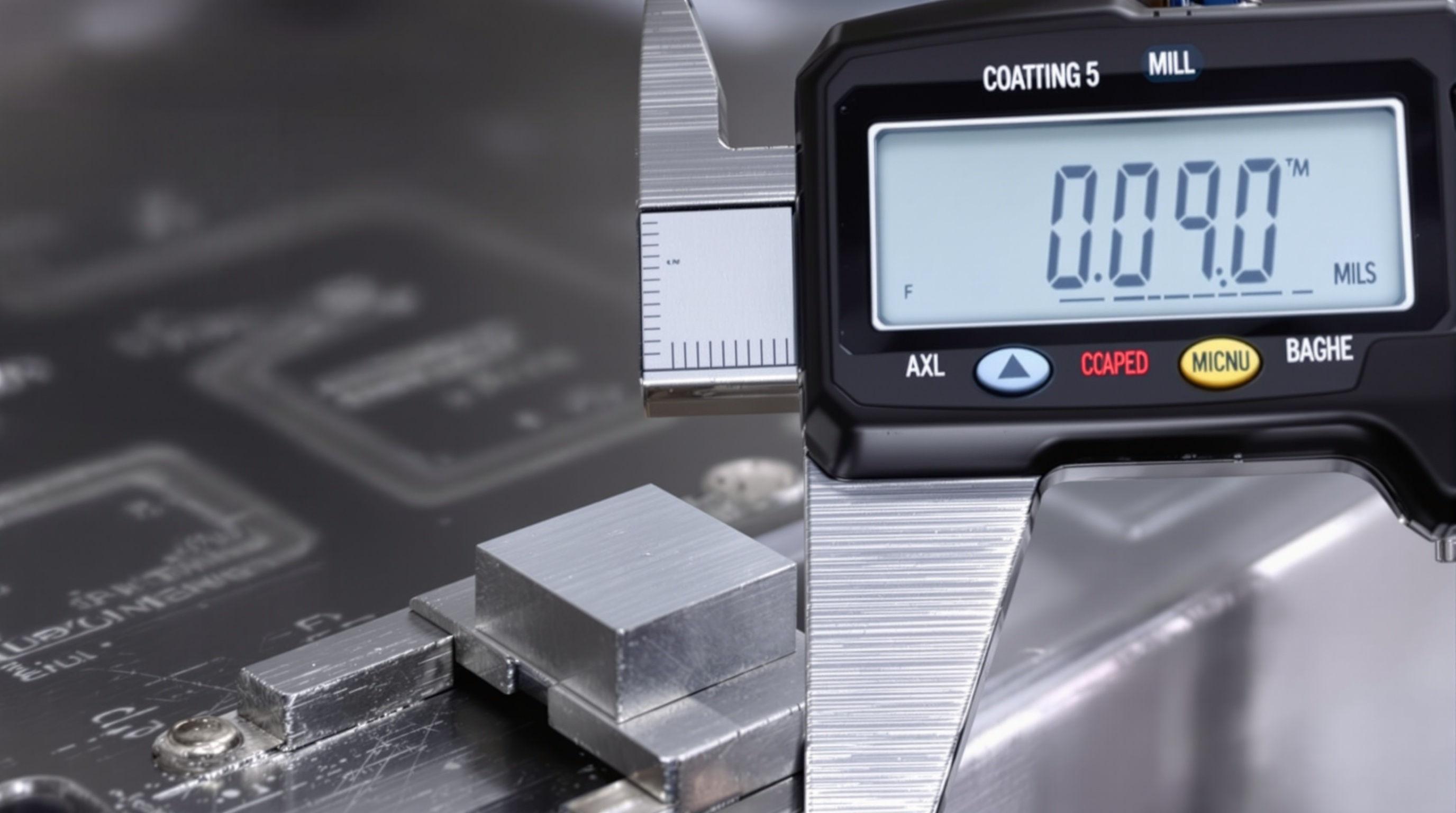
Thin-film application maintains the tight dimensional tolerances critical for valve seats, seal surfaces, and threaded connections. Components coat to specification without post-coating machining. Chrome plating and other thick-film alternatives alter these dimensions, requiring additional rework.
ISO 9001 documented quality
Every coating parameter is documented under ISO 9001:2015 quality controls. Certificate of Conformance includes DFT measurements, adhesion data, and material batch records. Lot traceability connects each part to coating specifications for your quality records.
Combined erosion and corrosion protection
A single Cerakote layer delivers abrasion resistance alongside 4,000+ hours salt spray resistance (ASTM B117). Equipment in sour gas service faces simultaneous erosion and H2S corrosion. Cerakote addresses both failure modes without the environmental concerns of hexavalent chrome plating.
Wear Specs for Oil and Gas Applications

How We Deliver Wear Protection for Oil & Gas
Controlled application with full lot traceability
Substrate Evaluation and Surface Preparation
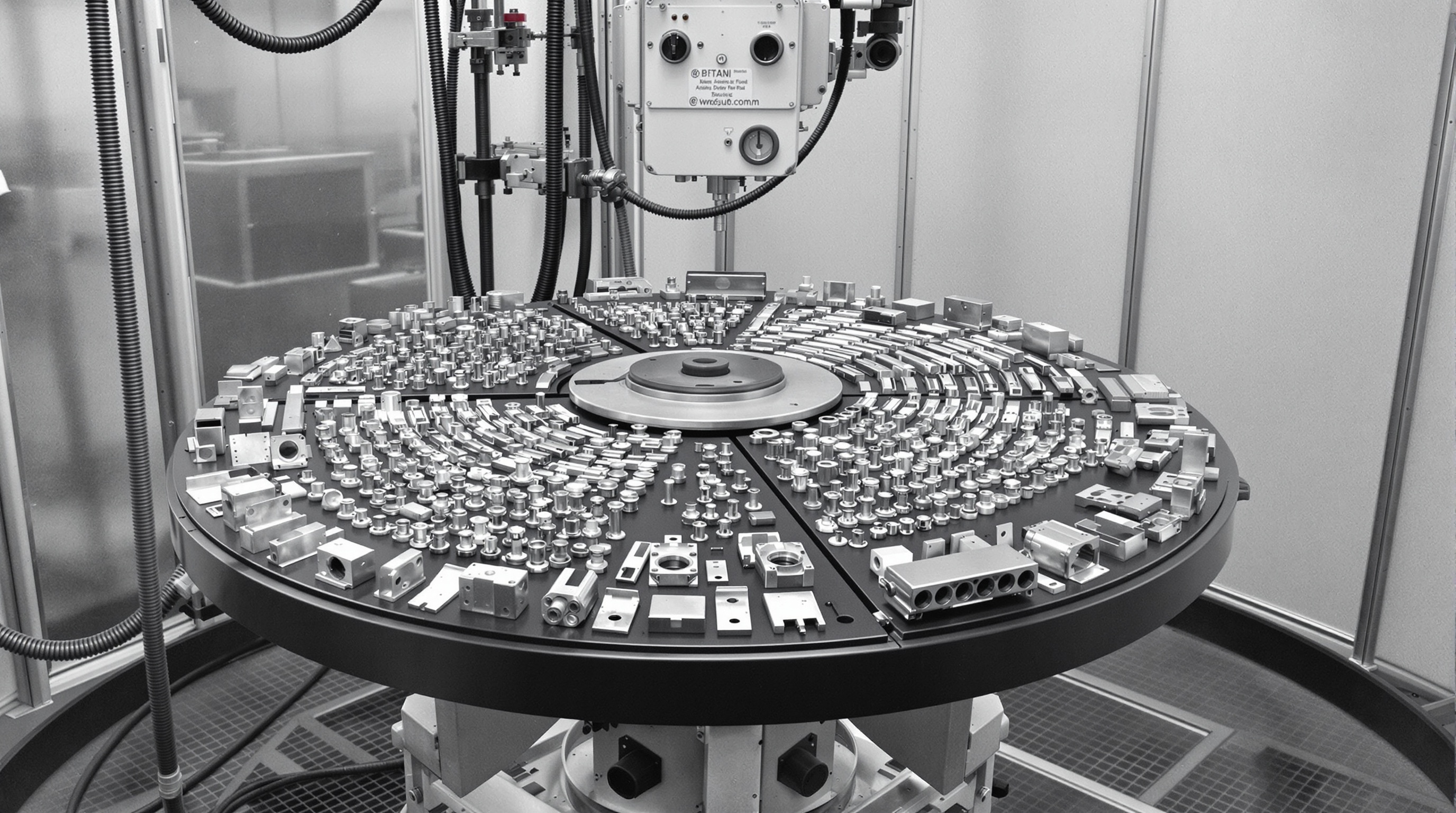
Components are evaluated for substrate composition, operating environment, and dimensional requirements. Carbon steel, stainless steel, and nickel alloy substrates each receive tailored cleaning and media blasting to create the surface profile for maximum wear coating adhesion. Masking protects threads, seal surfaces, and bearing areas.

Erosion-Resistant Coating Application
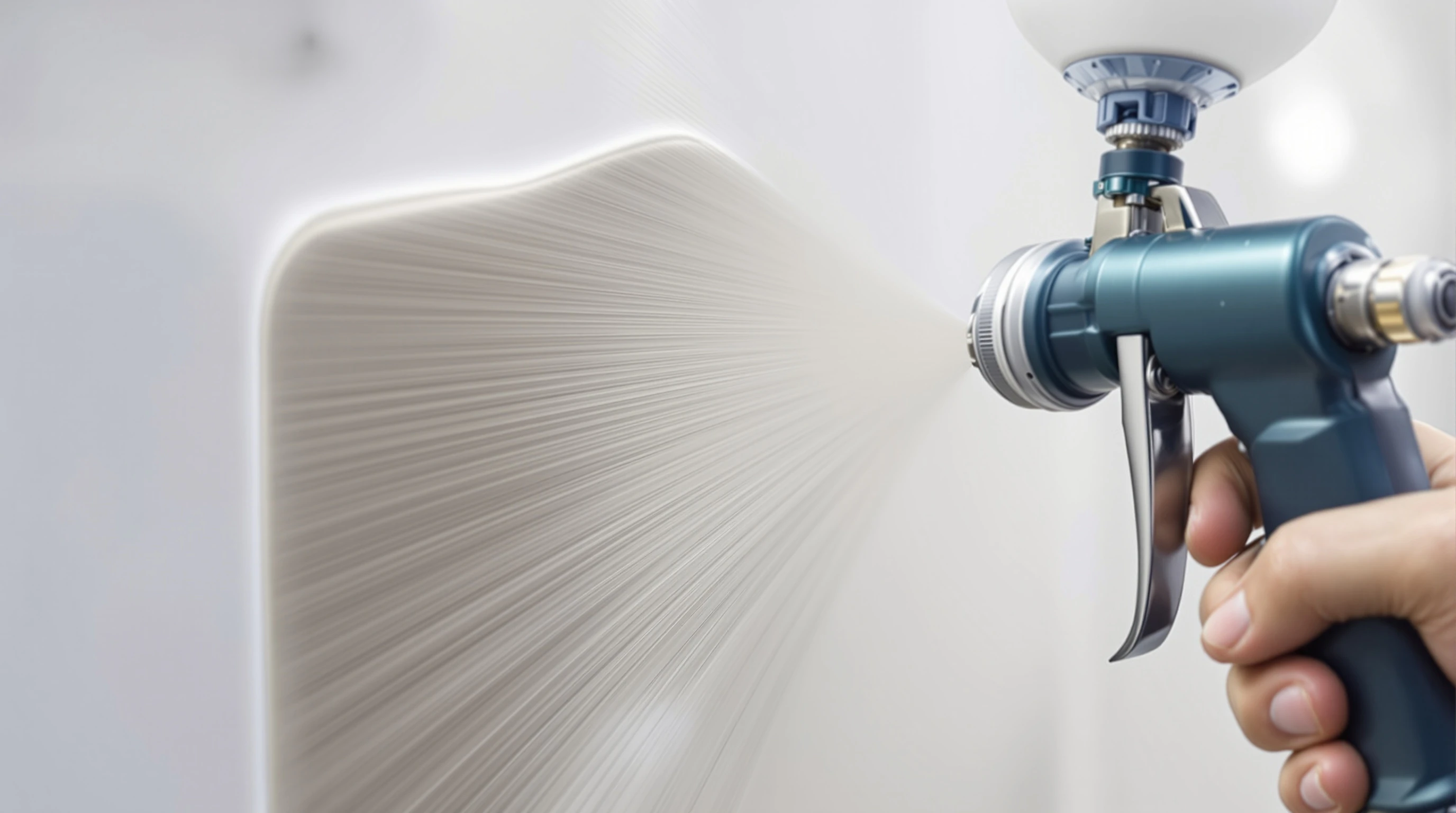
Cerakote is applied via calibrated HVLP equipment at 0.5-2 mil thickness targeting maximum abrasion and erosion resistance on flow-path surfaces. In-process DFT measurements confirm dimensional compliance on every part. The coating provides combined wear and corrosion protection in a single layer.

Inspection and Documentation
Multi-point final inspection verifies coating thickness, adhesion, and visual appearance against order specifications. Certificate of Conformance documents all measurements for your quality records. ISO 9001:2015 traceability connects each part to material batch numbers, application parameters, and cure conditions.
Proven Wear Protection for Oil and Gas
Wear protection performance is verified through standardized ASTM testing under ISO 9001 quality controls. Results are documented on your Certificate of Conformance with full lot traceability.
8,000+ wear cycles per mil
Validated against ASTM D4060 Taber abrasion standards. For oil and gas equipment facing sand erosion, proppant impact, and high-velocity particulate flow, this performance extends service intervals and reduces the equipment failures that generate hundreds of thousands in daily lost production.
Wear cycles per mil (ASTM D4060)

Other services to consider
Explore what else we offer.
Weight Reduction for Oil and Gas Equipment
Thick coatings add mass to equipment transported to remote wellsites and offshore platforms. Cerakote at 0.5-2 mils saves 200-400g per part versus powder coating. ISO 9001 certified.

Weight Reduction for Medical Device Components
Surgical instruments must be light enough for hours of precise use. Cerakote at 0.5-2 mils saves 200-400g per part versus powder coating without compromising protection. ISO 9001 certified.

Weight Reduction for Maritime Equipment
Heavy coatings add mass to marine hardware that affects vessel performance and handling. Cerakote at 0.5-2 mils saves 200-400g per part versus powder coating. ISO 9001 certified.
Weight Reduction for Industrial OEM Components
Thick coatings add unnecessary mass to engineered equipment. Cerakote at 0.5-2 mils delivers 200-400g savings per part versus powder coating while preserving tolerances. ISO 9001 certified.
Certified and compliant for your industry


Protect Your Equipment Surfaces
Send your specs for a wear protection RFP. We respond within 24 hours with pricing.
Frequently Asked Questions
Find answers about our coating processes and technical capabilities
Yes. Biofouling residue, salt crystal deposits, and marine corrosion products are effectively removed by ultrasonic cavitation combined with appropriate cleaning solution chemistry. The cavitation action breaks down biological films and mineralized deposits that resist manual scrubbing and solvent cleaning. For marine hardware being recoated, complete removal of biological and salt contamination is critical for coating adhesion and long-term corrosion protection in continued marine service.
Yes. Our post-processing sequence eliminates the layer lines and rough texture that identify parts as 3D-printed. Controlled blasting at 40-60 PSI levels the surface, and Cerakote at 0.5-2 mils fills remaining texture to achieve surface roughness below 3 micrometers. With 200+ colors and custom matching to Delta E 1.5, the finished result is visually indistinguishable from injection-molded or machined components. This show-quality capability makes AM viable for visible interior and engine bay components.
Yes. At 0.5-2 mils, Cerakote preserves crisp edges, knurling detail, engraved text, and machined surface features that powder coating at 4-6 mils buries or rounds over. This is particularly important for branded components, serialized parts, and decorative hardware where surface detail is part of the design intent. The thin film also produces a more uniform surface appearance without the orange-peel texture common in thicker coatings.
Every polymer-coated medical device order ships with a Certificate of Conformance documenting the coating formulation, lot traceability, thickness measurements, adhesion test results, and visual inspection findings. Our ISO 9001:2015 quality system maintains controlled records supporting FDA 21 CFR Part 820 and EU MDR requirements. Polymer formulation identification and chemical resistance data are included to support your regulatory file for device clearance or approval submissions.
AS9100:2015 governs our entire quality management system, from receiving inspection through final shipment. Every process variable is controlled and documented: surface preparation method, blast media selection, coating application parameters, cure temperature profiles, and inspection criteria. ISO 9001:2015 provides the foundation for continuous improvement. Calibrated instruments are maintained on documented schedules, and all personnel hold current Cerakote Advanced Applicator training.