Aesthetic Finishing for Additive Manufacturing
Precision Cerakote ceramic coatings for aerospace, defense, and industrial components.
The Aesthetic Problem in Additive Manufacturing
Where surface texture blocks end-use applications
The challenge
Harsh environments demand coatings that hold.
The solution
ColoradoKote ceramic coating stops corrosion cold.
Why Cerakote for AM Aesthetic Finishing
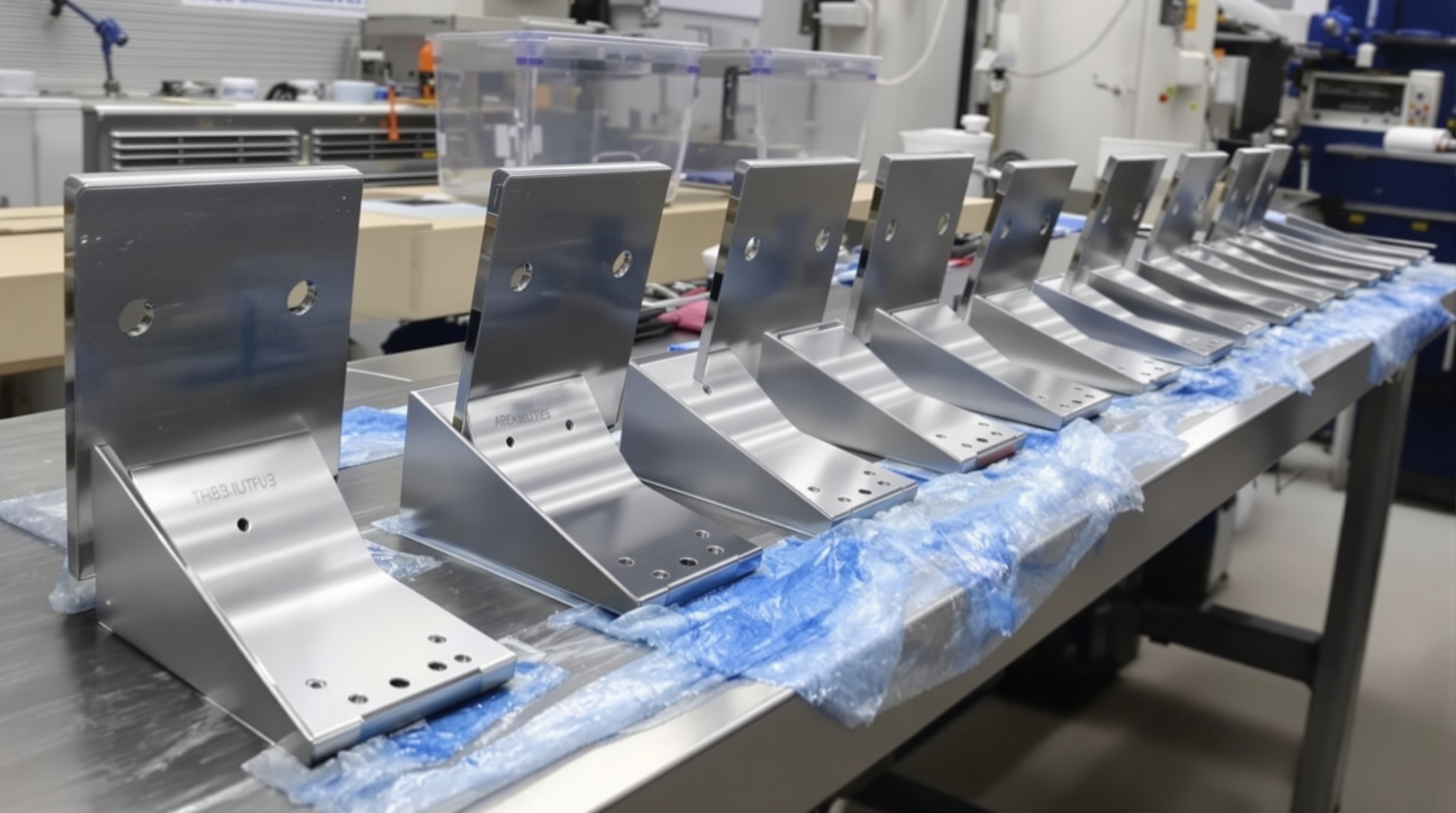
Production-grade finish on printed parts

Delta E ≤1 on polymer and metal AM parts
Spectrophotometer-verified color accuracy on PA12, PA11, Ti-6Al-4V, AlSi10Mg, and stainless steel substrates. Multi-material assemblies match to the same color standard regardless of build material or print technology. Anodizing cannot coat polymer AM parts at all, and delivers Delta E greater than 5 on metals.
Surface smoothing at 0.5-2 mils
Cerakote fills the micro-porosity left by SLS and MJF processes, reducing Ra from 8-15 to under 3 micrometers. At 0.5-2 mils, the coating preserves the dimensional tolerances AM production demands, adding only 0.001 to 0.002 inches per coated surface. Topology-optimized features and lattice structures retain their design geometry.
AS9100 documentation for aerospace AM
Aerospace AM programs require full traceability from print parameters through post-processing. Every aesthetic finishing order ships with a Certificate of Conformance documenting material batches, Ra measurements, Delta E readings, thickness data, and cure parameters. First article inspection reports are available for new programs.
200+ colors for end-use applications
The Cerakote catalog provides immediate color availability, including brand-matched custom colors for consumer products and Federal Standard 595 defense colors. One coating process replaces the combination of vapor polishing for smoothing plus painting for color that many AM operations currently use, eliminating a process step and reducing lead time.
Aesthetic Finishing Specs for AM Applications
How We Deliver Aesthetic Finishing for AM Parts
Material-specific protocols for polymer and metal additive manufacturing substrates
Material Assessment and Surface Preparation
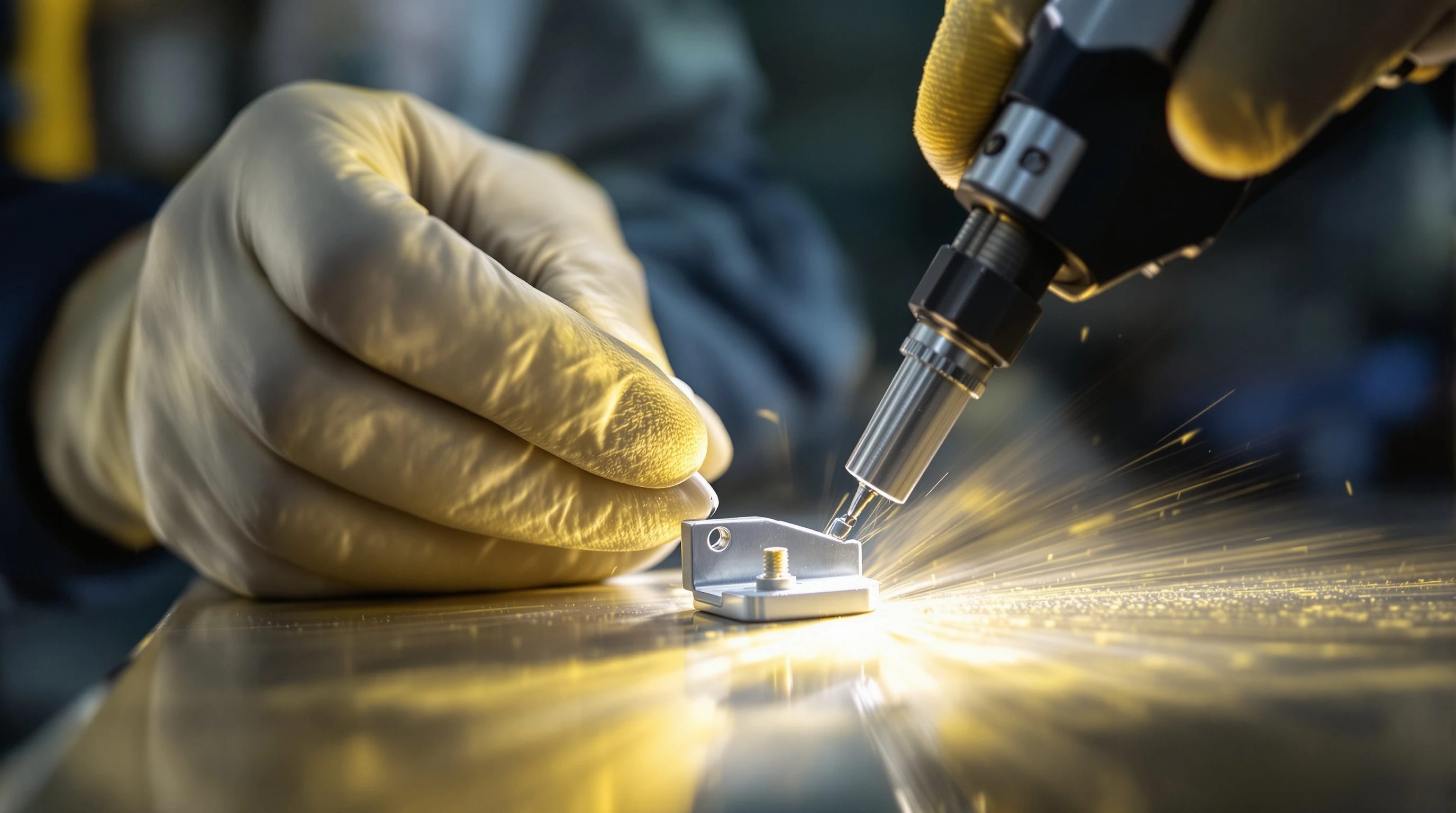
Every AM part begins with substrate identification: PA12, PA11, glass-filled nylon, AlSi10Mg, Ti-6Al-4V, or stainless steel. Polymer parts receive low-pressure aluminum oxide blasting at 30-40 PSI to avoid distortion of thin-walled features. Metal AM parts receive sandblast preparation matched to alloy type, removing support structure witness marks without altering geometry.

Color-Controlled Cerakote Application
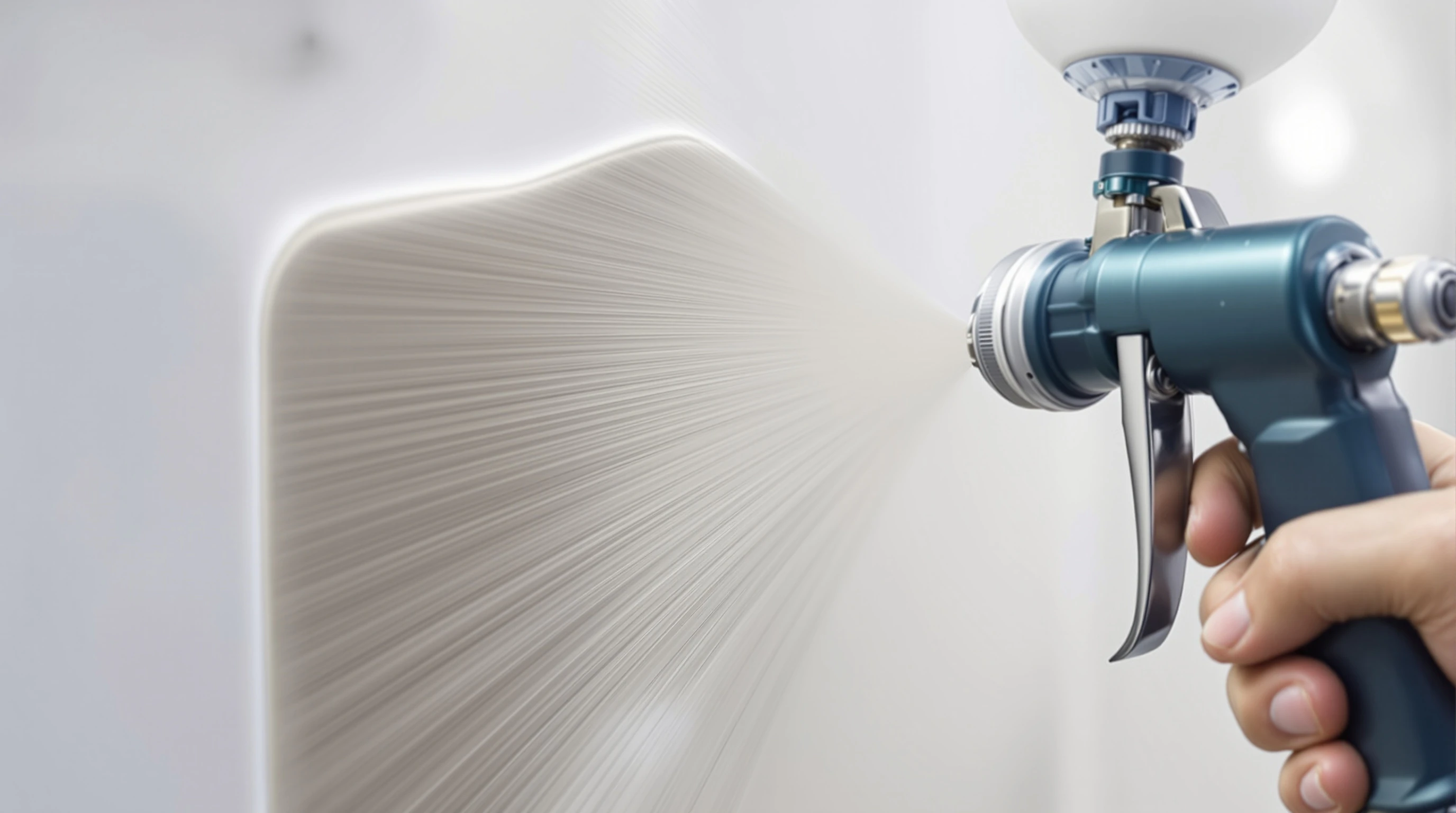
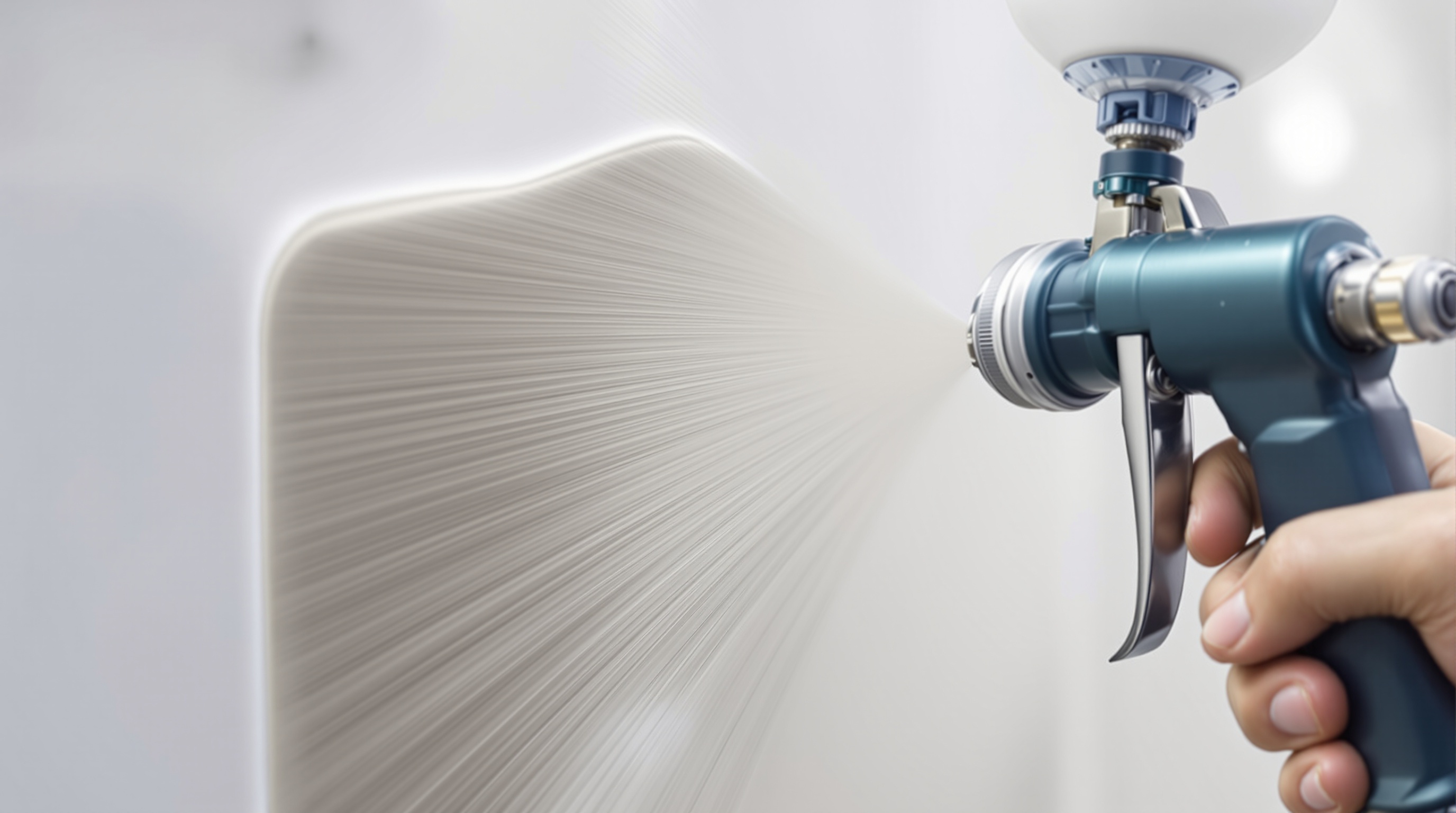
Cerakote is applied via calibrated HVLP equipment at 0.5-2 mil thickness. The locked color formula ensures batch-to-batch consistency verified by spectrophotometer against the master standard. Polymer parts cure at 250 F, below PA12 heat deflection temperature, to prevent warping. Metal AM parts follow standard cure profiles at 250-300 F.
Surface Quality Verification and Documentation
Post-coating surface profilometer readings confirm Ra improvement from 8-15 to under 3 micrometers. Spectrophotometer verification confirms Delta E ≤1 color accuracy. CMM measurement validates dimensional compliance. Every order ships with before-and-after Ra data, Delta E readings, and a Certificate of Conformance with full material traceability.

Proven Aesthetic Results for AM Production
Aesthetic finishing performance is measured with instruments, not visual approximation. Surface roughness is documented by profilometer, and color consistency is verified by spectrophotometer on every production batch under AS9100 quality controls. Before-and-after data ships with every order.
Delta E ≤1 color consistency
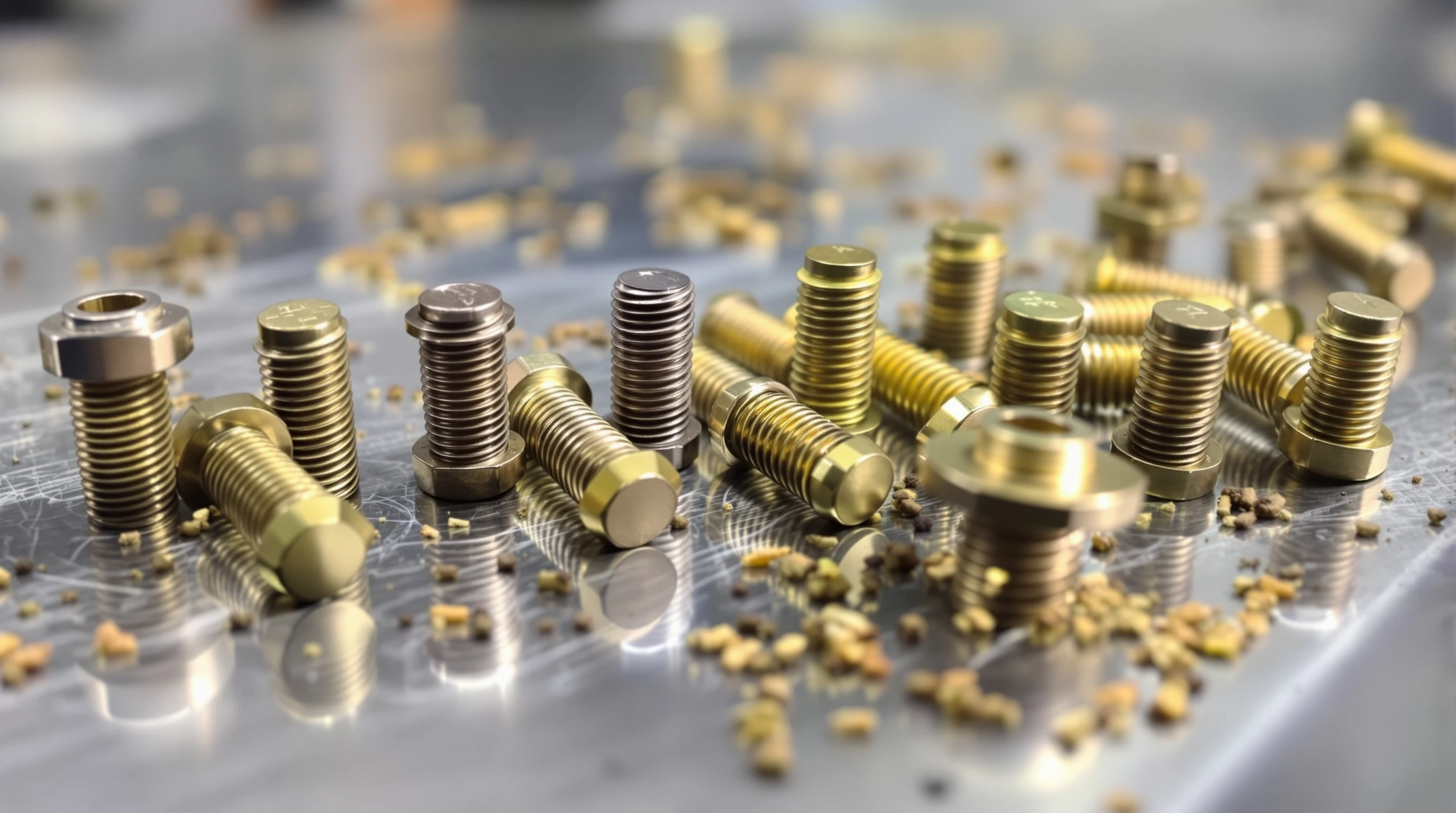
Verified across PA12, PA11, titanium, aluminum, and stainless steel AM substrates. Multi-material assemblies match to the same color standard, eliminating the visual inconsistency that blocks end-use adoption. ColoradoKote processes 200+ AM parts per week with this standard maintained on every batch.
Delta E color consistency
Other services to consider
Explore what else we offer.

Weight Reduction for Oil and Gas Equipment
Thick coatings add mass to equipment transported to remote wellsites and offshore platforms. Cerakote at 0.5-2 mils saves 200-400g per part versus powder coating. ISO 9001 certified.

Weight Reduction for Medical Device Components
Surgical instruments must be light enough for hours of precise use. Cerakote at 0.5-2 mils saves 200-400g per part versus powder coating without compromising protection. ISO 9001 certified.

Weight Reduction for Maritime Equipment
Heavy coatings add mass to marine hardware that affects vessel performance and handling. Cerakote at 0.5-2 mils saves 200-400g per part versus powder coating. ISO 9001 certified.
Weight Reduction for Industrial OEM Components
Thick coatings add unnecessary mass to engineered equipment. Cerakote at 0.5-2 mils delivers 200-400g savings per part versus powder coating while preserving tolerances. ISO 9001 certified.
Certified and compliant for your industry


Finish Your AM Parts Right
Send your part files and color requirements. We respond within 24 hours with pricing.
Frequently Asked Questions
Find answers about our coating processes and technical capabilities
Yes. AM parts deployed in industrial chemical environments benefit from Cerakote's broad chemical resistance across acids, bases, solvents, and petroleum products. The coating seals AM surface porosity that would otherwise allow chemical penetration into the substrate. For polymer AM parts, this chemical barrier is especially valuable because raw PA12 and PA11 absorb moisture and some chemicals. For metal AM parts, the coating prevents corrosion initiation at surface porosity sites.
Safety-critical color coding on industrial equipment, such as OSHA-compliant marking of hazard zones, emergency stops, and pressure ratings, requires durable, consistent color that does not fade or chip in harsh environments. Cerakote maintains color stability through chemical exposure, UV, abrasion, and thermal cycling that would degrade conventional paint. We match safety colors to your specification and verify by spectrophotometer to ensure compliance is maintained throughout the equipment service life.
ColoradoKote maintains four certifications: AS9100:2015 (aerospace quality management), ISO 9001:2015 (process consistency), ITAR registration with the Directorate of Defense Trade Controls (defense compliance), and Cerakote Advanced Applicator (highest tier from NIC Industries, held by fewer than 5% of applicators). Most competitors hold one or two of these certifications. ColoradoKote holds all four, covering our entire coating operation.
Every aerospace order ships with a Certificate of Conformance that includes material lot numbers, coating thickness measurements, cure parameters, and visual inspection results. Our AS9100 quality management system maintains full traceability from raw material receiving through final packaging. We support customer-specific documentation requirements and can accommodate source inspection visits at our Johnstown, CO facility.
Yes. Abrasion resistance of 4,000 cycles per mil (ASTM D4060) and 9H pencil hardness (ASTM D3363) provide substantial protection against the grinding abrasion of soil, sand, and crop material on coulter blades, seed openers, ground-engaging tools, and conveyor surfaces. For high-wear components, the full stack of chemical conversion coating plus Cerakote maximizes adhesion so the coating stays bonded under sustained abrasive contact.