
Aesthetic Finishing for Aerospace Interiors
Precision Cerakote ceramic coatings for aerospace, defense, and industrial components.
The Color Problem in Aerospace Interiors
Where visible mismatch costs $50,000 per aircraft
The challenge
Harsh environments demand coatings that hold.
The solution
ColoradoKote ceramic coating stops corrosion cold.
Why Cerakote for Aerospace Aesthetic Finishing
Color precision that production programs depend on

Delta E ≤1 color consistency
Spectrophotometer-verified color accuracy across every production batch. Part one matches part 90,000. Anodizing produces Delta E greater than 5, a fivefold gap in color precision that drives 8-12% rejection rates on cabin interior programs. Cerakote eliminates that variance with locked inorganic pigment formulas.
Thin-film finish at 0.5-2 mils
Cabin hardware maintains dimensional tolerances after coating. Seat tracks, hinge pins, and latch mechanisms fit without post-coating modification. Powder coating at 3-5 mils causes interference on close-tolerance assemblies, adding weight and requiring rework that delays production schedules.
Full AS9100 color documentation
Every batch ships with L*a*b* color space data, spectrophotometer readings, and Delta E measurements on the Certificate of Conformance. Material batch numbers, application parameters, and cure records provide complete traceability per AS9100. This documentation satisfies OEM quality audits without additional data requests.
200+ colors across all aerospace substrates
The Cerakote catalog includes Federal Standard 595 colors, metallics, and custom brand matches. Aluminum, steel, titanium, and polymer substrates all coat to the same color formula at the same thickness. One coating partner replaces separate anodizing, painting, and powder coating vendors for multi-material cabin assemblies.
Aesthetic Specifications for Aerospace Programs
How We Deliver Aesthetic Finishing for Aerospace
Locked color formulas, spectrophotometric verification, and AS9100 traceability
Substrate-Specific Surface Preparation
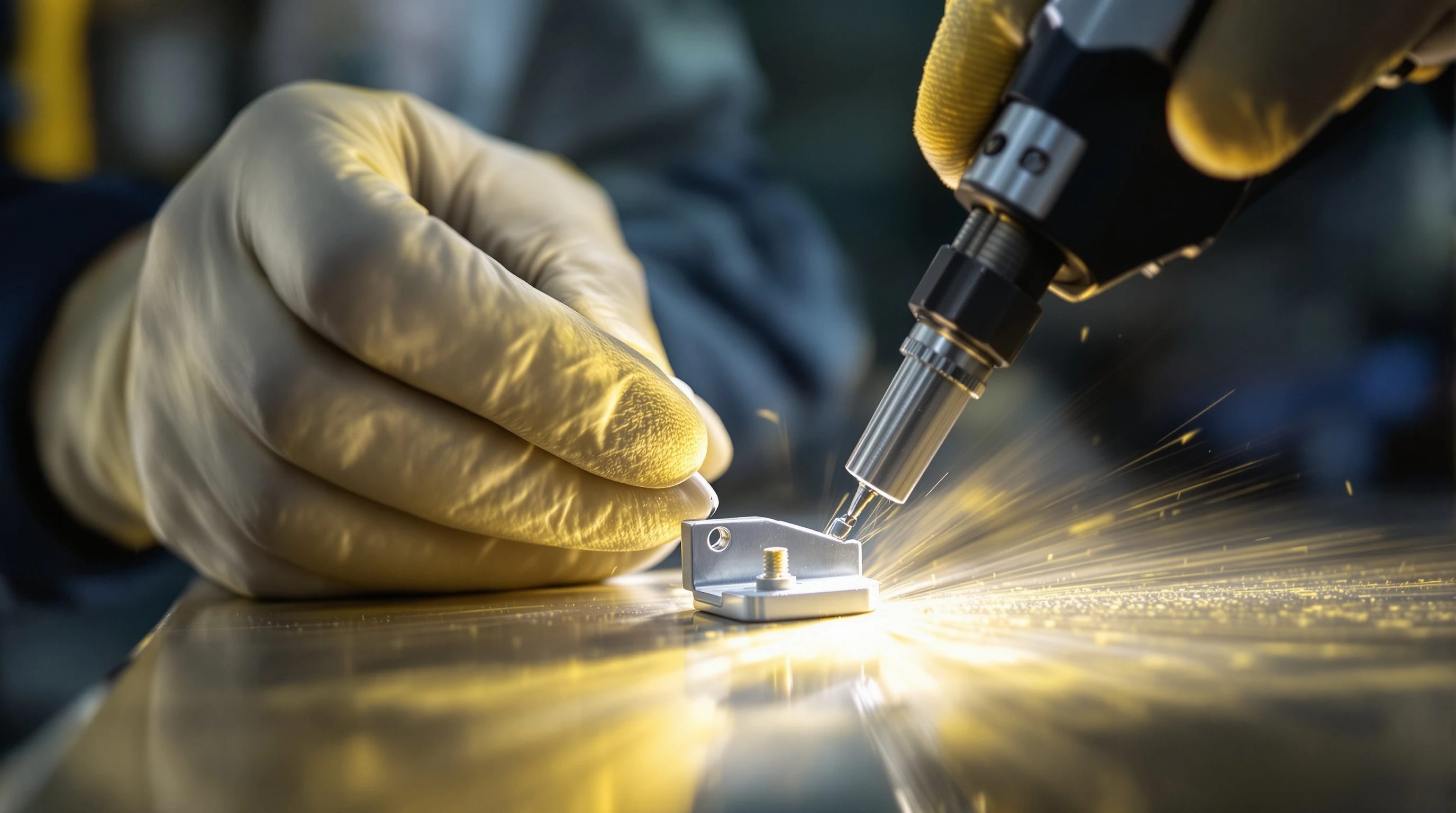
Each aerospace substrate follows a tailored cleaning and profiling sequence. Aluminum cabin hardware receives ultrasonic cleaning and controlled media blasting. Titanium and steel components follow alloy-specific preparation protocols. Masking protects threads, bearing surfaces, and mating features where zero buildup is required.
Color-Controlled Coating Application
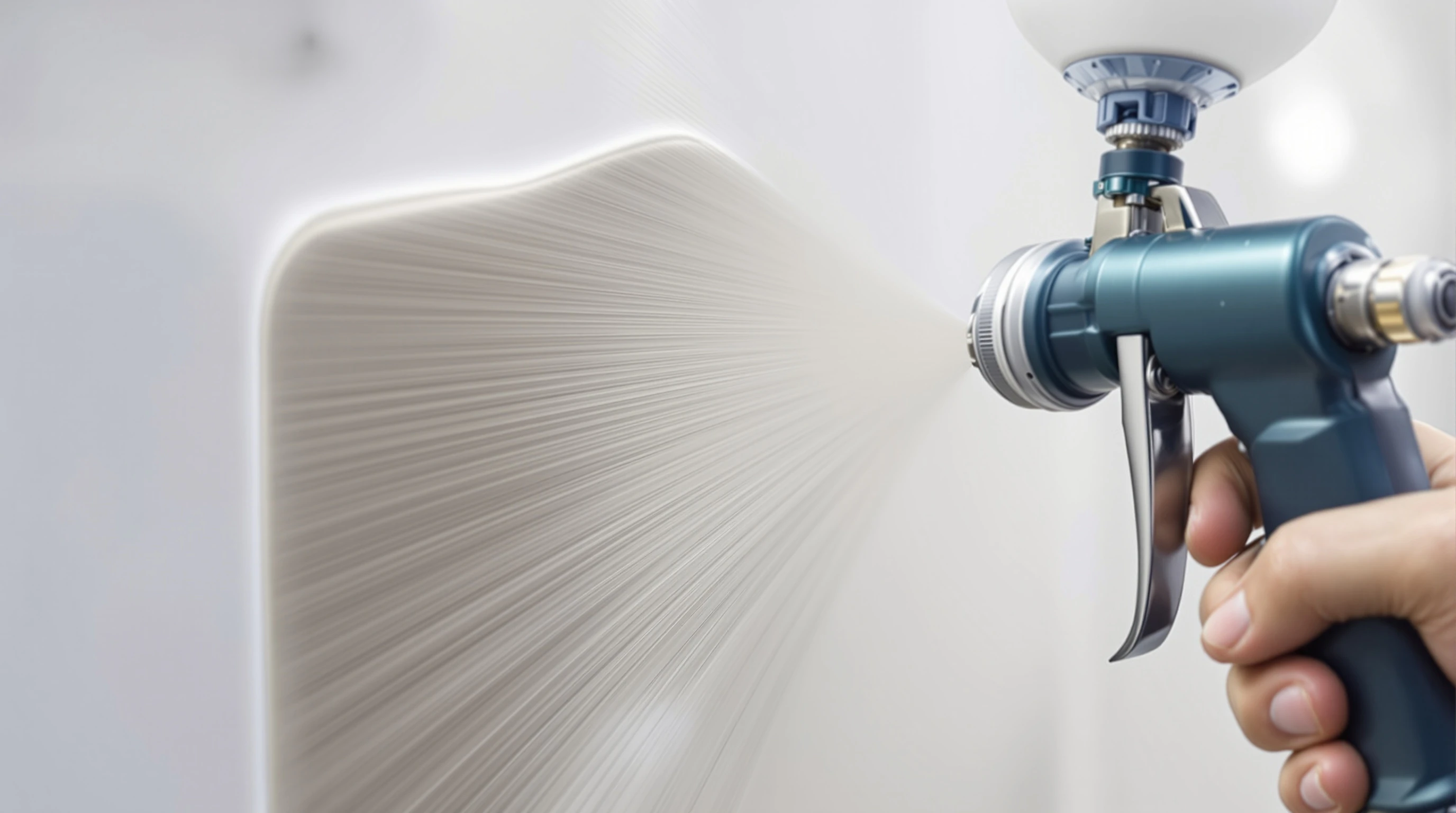
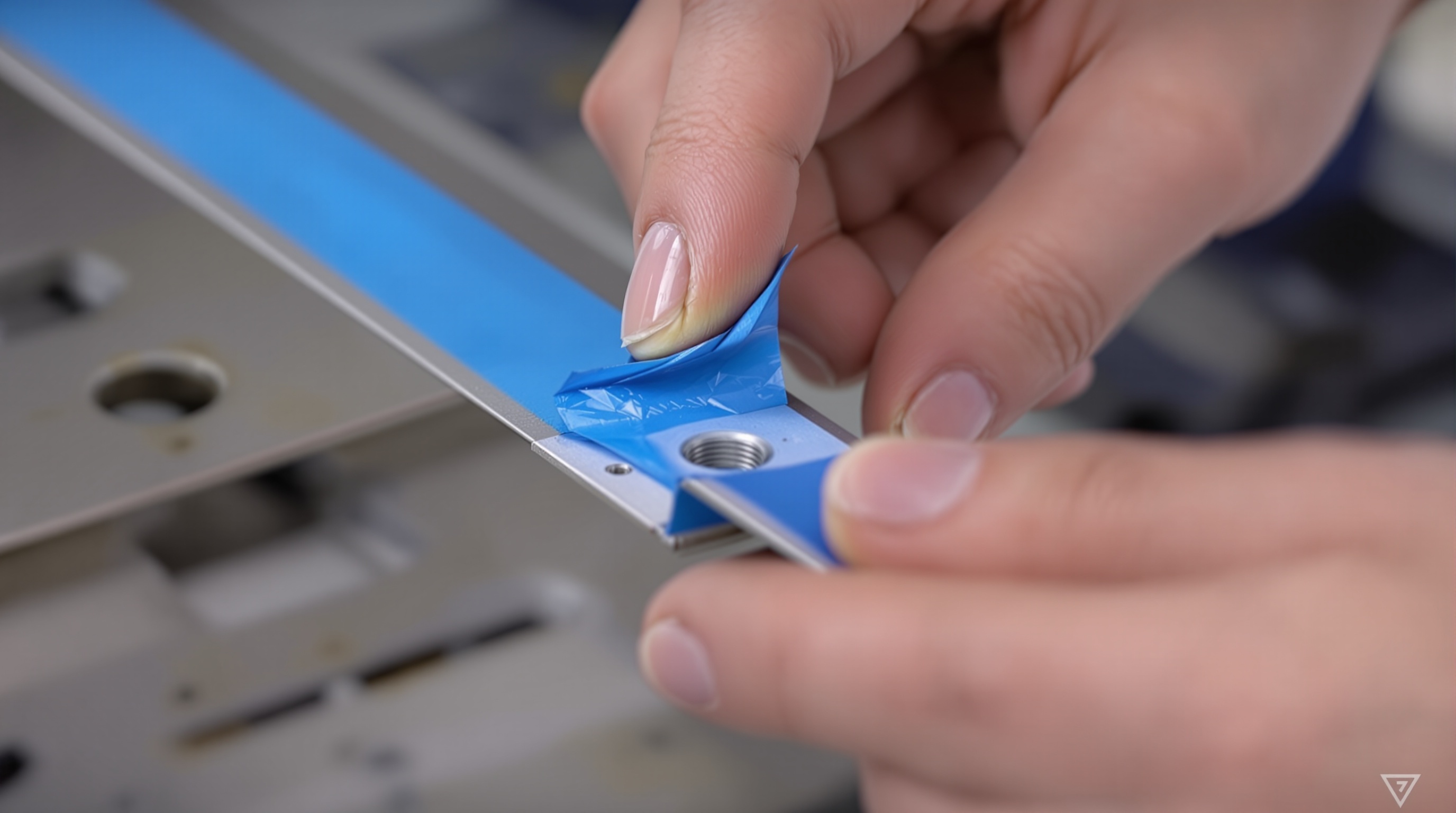
Cerakote is applied via calibrated HVLP equipment targeting the 0.5-2 mil specification. In-process DFT measurements confirm thickness on every part. The locked color formula ensures each batch reproduces the exact pigment ratio documented during initial color approval, eliminating the batch-to-batch drift that plagues dye-based processes.

Curing and Spectrophotometric Color Verification
Parts cure per the prescribed schedule in temperature-monitored ovens. After curing, spectrophotometer readings verify Delta E ≤1 against the master color standard. Final inspection confirms thickness, adhesion, color consistency, and visual appearance. Certificate of Conformance documents all L*a*b* data and measurement results.

Proven Color Consistency for Aerospace Programs
Color consistency claims are verified through spectrophotometric measurement on every production batch, not visual inspection or manufacturer assertions. L*a*b* color space data is documented under AS9100 process controls and included on every Certificate of Conformance.
Delta E ≤1 color consistency
ColoradoKote delivered a 90,000-part commercial aircraft cabin interior program across 10 aircraft with Delta E ≤1 maintained on every batch and zero color quality holds. Anodizing on the same program type produces Delta E greater than 5, generating $50,000 to $200,000 in rework costs per aircraft. Spectrophotometer verification eliminates that exposure.
Delta E color consistency

Other services to consider
Explore what else we offer.

Weight Reduction for Oil and Gas Equipment
Thick coatings add mass to equipment transported to remote wellsites and offshore platforms. Cerakote at 0.5-2 mils saves 200-400g per part versus powder coating. ISO 9001 certified.

Weight Reduction for Medical Device Components
Surgical instruments must be light enough for hours of precise use. Cerakote at 0.5-2 mils saves 200-400g per part versus powder coating without compromising protection. ISO 9001 certified.

Weight Reduction for Maritime Equipment
Heavy coatings add mass to marine hardware that affects vessel performance and handling. Cerakote at 0.5-2 mils saves 200-400g per part versus powder coating. ISO 9001 certified.
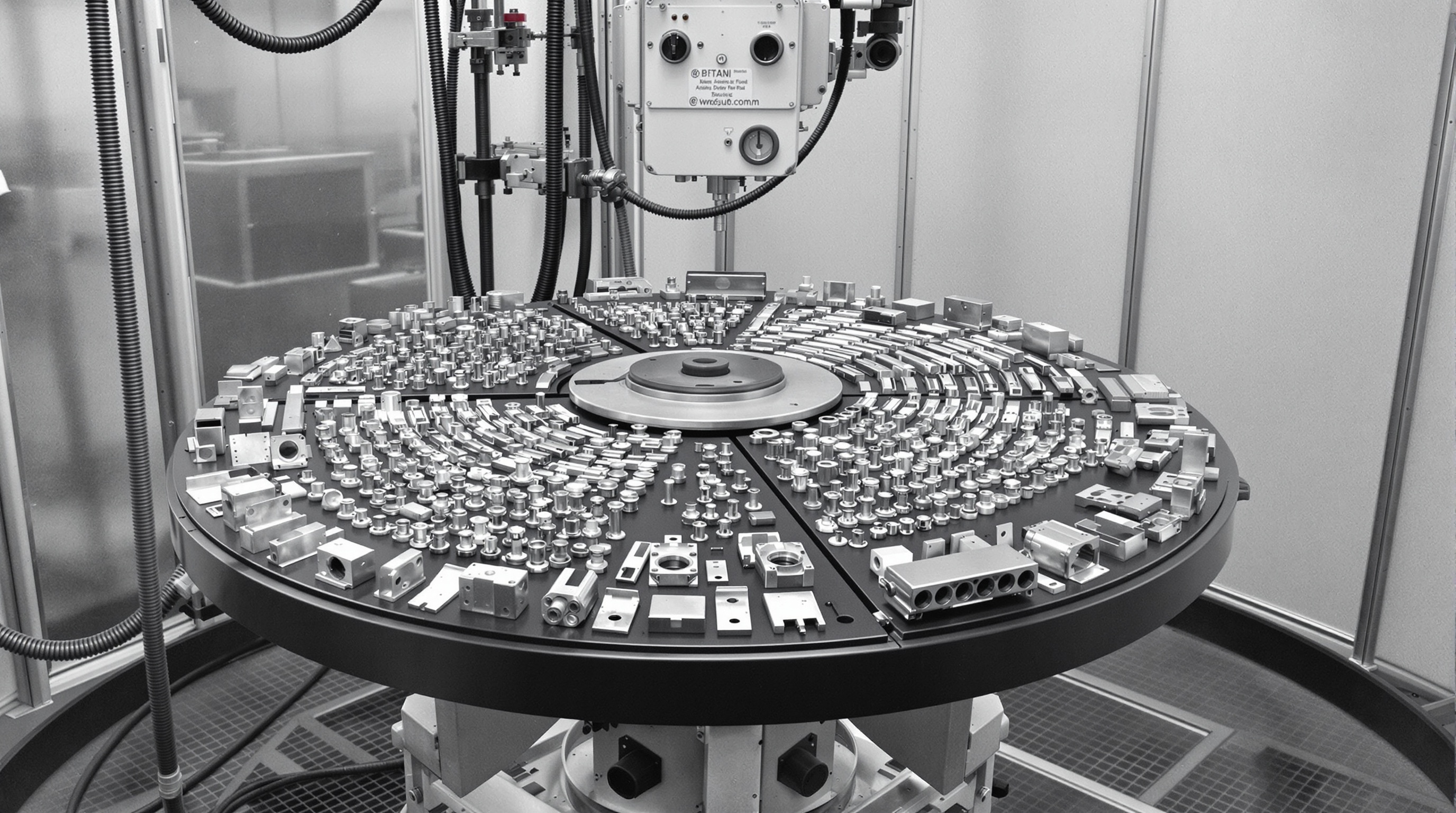
Weight Reduction for Industrial OEM Components
Thick coatings add unnecessary mass to engineered equipment. Cerakote at 0.5-2 mils delivers 200-400g savings per part versus powder coating while preserving tolerances. ISO 9001 certified.
Certified and compliant for your industry
Get Aerospace Color Consistency
Send your color spec or a physical sample. We respond within 24 hours with a matching plan.
Frequently Asked Questions
Find answers about our coating processes and technical capabilities
Cerakote applies at 0.5-2.0 mils (12.7-50.8 microns), controlled by in-process DFT gauge measurements. This thin-film application preserves dimensional tolerances on precision components, interference-fit fasteners, and close-tolerance assemblies. By comparison, powder coating adds 4-6 mils and frequently causes dimensional issues requiring post-coating machining. We mask threaded holes, bearing surfaces, and critical datum features to maintain your specified dimensions exactly.
Polymer coating creates a continuous, flexible barrier between the metal substrate and corrosive environments. Unlike rigid coatings that can crack under mechanical or thermal stress and expose the substrate, polymer coatings flex with the component while maintaining barrier integrity. This flexibility is the key advantage for corrosion protection in applications involving vibration, thermal cycling, or mechanical deflection. For maximum corrosion protection, we recommend the full surface preparation stack: blast, conversion coating where applicable, then polymer.
Yes. We match defense color requirements to MIL-STD specifications using spectrophotometer measurement. The Cerakote color catalog includes standard military colors, and custom matching is available for specific specification callouts. Delta E 1.5 verification ensures compliance with the visual acceptance criteria in most military coating specifications. All color documentation ships with the Certificate of Conformance for your quality records.
Each medical device order includes a Certificate of Conformance with coating formulation identification, lot traceability, thickness measurements, adhesion test results, and cure verification. Our ISO 9001:2015 quality system maintains controlled documentation that supports FDA 21 CFR Part 820 and EU MDR requirements. We retain quality records per your specified retention period.
When a downhole tool or surface component fails, traditional manufacturing replacement can take weeks or months. AM production combined with ColoradoKote's expedited 3-day post-processing delivers finished, coated replacement parts in a fraction of that timeline. The combination of additive manufacturing flexibility and our controlled post-processing sequence, including corrosion protection exceeding 3,000 hours salt spray, means replacement parts meet the same performance standards as originally manufactured components.