Aesthetic Finishing for Agriculture Equipment
Precision Cerakote ceramic coatings for aerospace, defense, and industrial components.

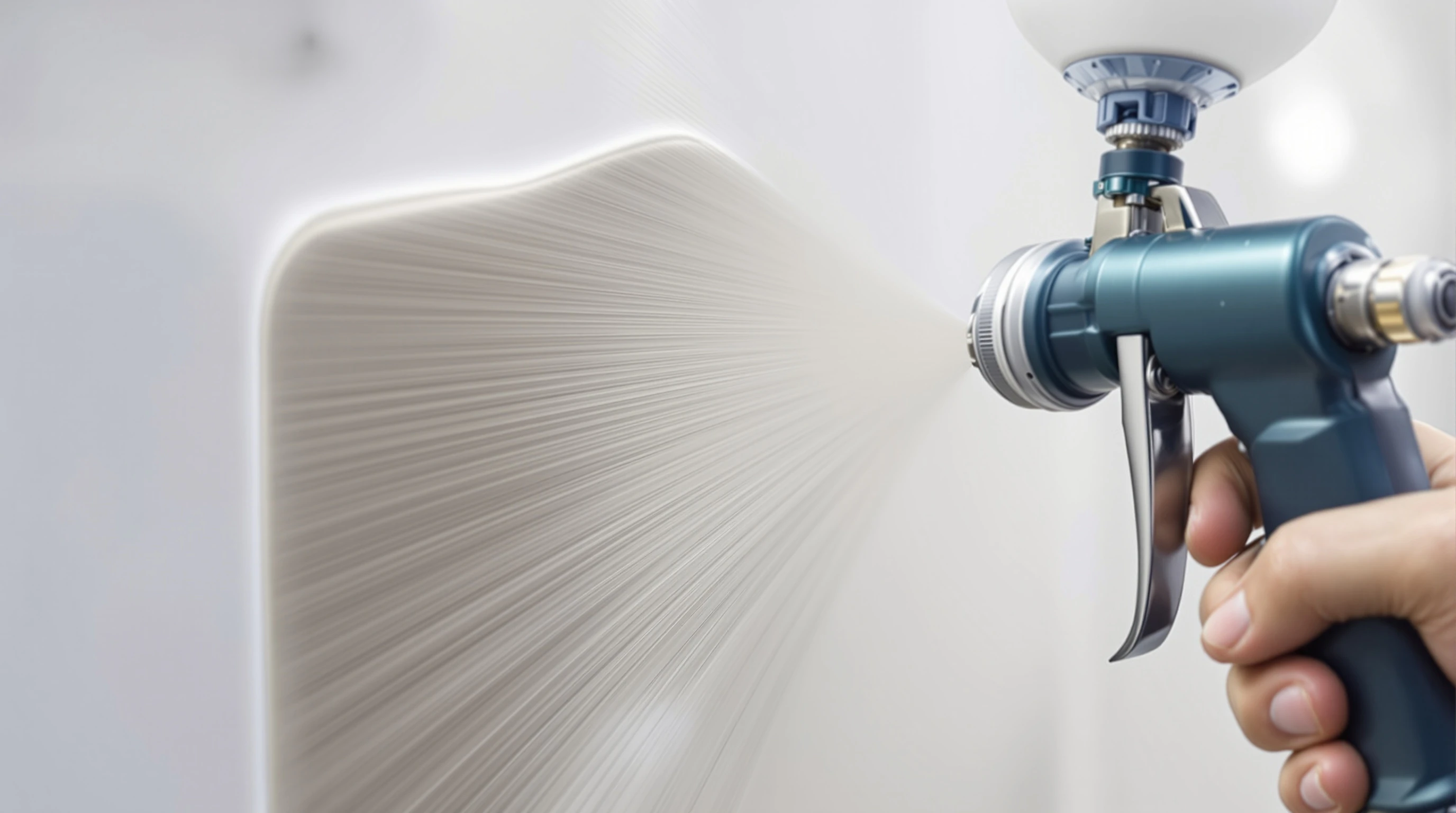
The Finish Problem on Farm Equipment
Where brand color fades before harvest
The challenge
Harsh environments demand coatings that hold.
The solution
ColoradoKote ceramic coating stops corrosion cold.
Why Cerakote for Agriculture Equipment Finish
Brand color that survives the field

Delta E ≤1 color across production runs
Spectrophotometer-verified color accuracy ensures equipment produced in different months maintains the same brand finish. Standard paint varies batch to batch, creating visible inconsistency across product lines. Cerakote locks the color formula for repeatable results on every order.
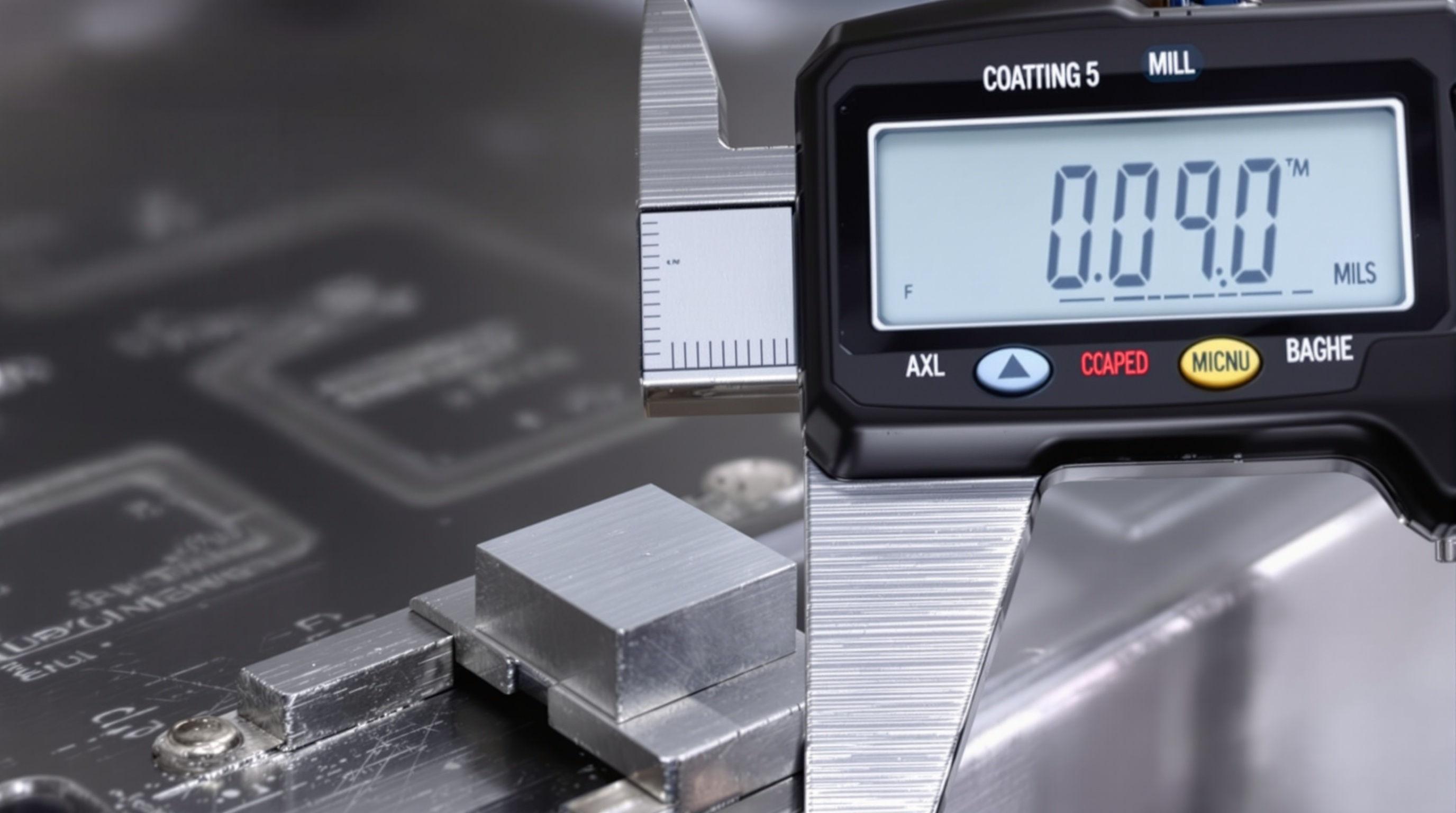
Thin-film application at 0.5-2 mils
Coating thickness preserves tolerances on hydraulic fittings, mating surfaces, and threaded connections. Powder coating at 3-5 mils requires post-coating chasing on threads and causes interference on precision assemblies. Cerakote adds surface protection without altering the fit of assembled components.
ISO 9001 documented quality
Certificate of Conformance with every order documents color measurements, coating thickness, and material batch records. ISO 9001 quality traceability provides the documentation that equipment manufacturers need for warranty records and production consistency tracking.
200+ colors for brand and safety marking
The Cerakote catalog includes custom brand colors, safety identification colors, and equipment classification finishes. Chip resistance 2-3 times superior to powder coating protects finishes through field service, transport, and dealer handling. One coating delivers brand aesthetics and physical protection in a single application.
Aesthetic Finishing Specs for Ag Equipment

How We Deliver Aesthetic Finishing for Ag Parts
Controlled color application with ISO 9001 documentation
Surface Preparation
Components are cleaned, degreased, and media-blasted to create the surface profile required for coating adhesion. Masking protects threads, bearing surfaces, and hydraulic sealing areas where zero buildup is required. Each substrate receives preparation matched to its material composition.

Brand Color Cerakote Application
Cerakote is applied via calibrated HVLP equipment at 0.5-2 mil thickness. The locked color formula matches the manufacturer brand standard, verified by spectrophotometer during application. In-process DFT measurement confirms coating thickness on every part in the production batch.

Quality Inspection and Documentation
Final inspection verifies coating thickness, adhesion, and spectrophotometer-confirmed color accuracy. Certificate of Conformance documents all measurements and material batch records. Consistent inspection standards ensure every part meets the same finish quality regardless of order size.
Proven Brand Color Durability for Ag Equipment
Color performance is verified through spectrophotometric measurement on every production batch, not visual approximation. Results are documented under ISO 9001 quality controls and included on the Certificate of Conformance.
Delta E ≤1 color consistency
Maintained across production runs with UV-stable inorganic pigments that resist fading from sun exposure and chemical contact. Combined with 9H pencil hardness, the finish resists both color degradation and physical chipping throughout growing seasons and idle storage periods.
Delta E color consistency

Other services to consider
Explore what else we offer.

Weight Reduction for Oil and Gas Equipment
Thick coatings add mass to equipment transported to remote wellsites and offshore platforms. Cerakote at 0.5-2 mils saves 200-400g per part versus powder coating. ISO 9001 certified.

Weight Reduction for Medical Device Components
Surgical instruments must be light enough for hours of precise use. Cerakote at 0.5-2 mils saves 200-400g per part versus powder coating without compromising protection. ISO 9001 certified.

Weight Reduction for Maritime Equipment
Heavy coatings add mass to marine hardware that affects vessel performance and handling. Cerakote at 0.5-2 mils saves 200-400g per part versus powder coating. ISO 9001 certified.
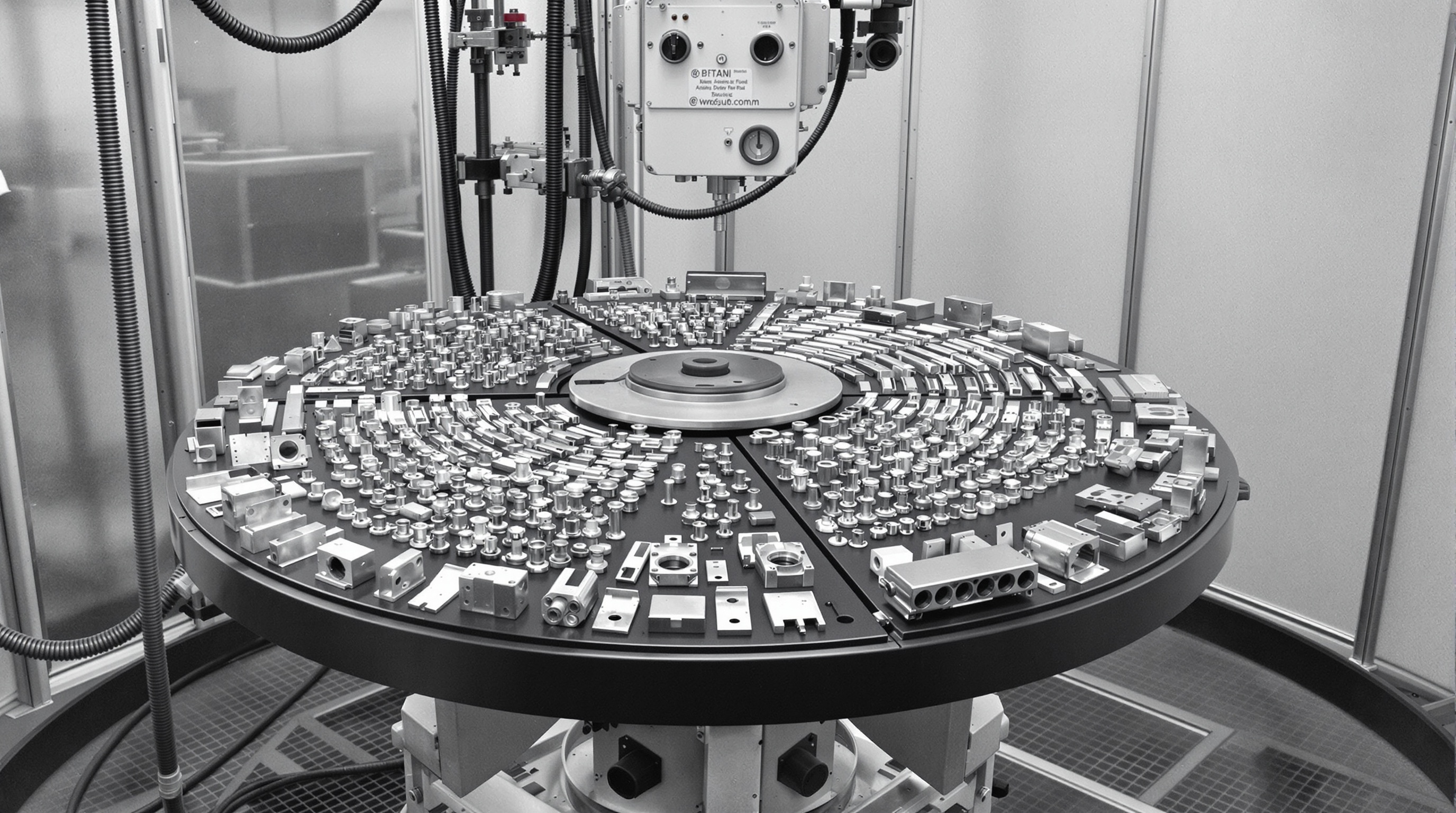
Weight Reduction for Industrial OEM Components
Thick coatings add unnecessary mass to engineered equipment. Cerakote at 0.5-2 mils delivers 200-400g savings per part versus powder coating while preserving tolerances. ISO 9001 certified.
Certified and compliant for your industry


Protect Your Brand Finish
Send your brand color spec for a coating RFP. We respond within 24 hours.
Frequently Asked Questions
Find answers about our coating processes and technical capabilities
Maritime equipment uses color coding for safety systems, navigation hardware, and equipment identification in environments where visibility and quick identification are critical. Cerakote maintains color integrity through continuous salt spray exposure, UV, and marine chemical contact that strips conventional marine paint within seasons. Spectrophotometer-verified color matching to Delta E 1.5 ensures your maritime color coding remains reliable and identifiable in the marine environment.
ColoradoKote processes ITAR-controlled aluminum defense components through both MIL-DTL-5541 Type I and Type II chemical conversion coating. Our 14-day standard turnaround includes full lot traceability, with 7-day and 3-day expedited options when mission timelines compress. Every batch is documented to the spec requirements your defense program demands.
Vapor smoothing works only on specific polymer AM materials and offers no protective properties, just surface smoothing. Cerakote post-processing reduces surface roughness from Ra 8-15 micrometers to below 3 micrometers while simultaneously adding corrosion protection exceeding 3,000 hours salt spray, abrasion resistance of 4,000 cycles per mil, and chemical resistance. Cerakote also works on both polymer and metal AM substrates, making it a universal post-processing solution that vapor smoothing cannot match in scope or performance.
Cerakote delivers 3,000 hours salt spray resistance (ASTM B117), which translates directly to protection against the chlorides, nitrates, and phosphates in fertilizers and agricultural chemicals. The ceramic-polymer bond resists the corrosive slurries that destroy conventional paint within a single growing season. At 0.5-2 mils thickness, the coating preserves hydraulic fitting threads, PTO shaft tolerances, and implement pin clearances.
Yes. Medical devices often incorporate elastomeric seals, grips, and dampening elements bonded to metal substrates. Polymer coating bridges the rubber-to-metal transition zone, providing corrosion protection on the metal while maintaining adhesion at the interface where differential thermal expansion creates stress. Rigid coatings crack at these transitions, exposing the substrate to sterilization chemicals and body fluids. Polymer coating accommodates the movement at these interfaces throughout the device service life.