Aesthetic Finishing for Automotive R&D
Precision Cerakote ceramic coatings for aerospace, defense, and industrial components.
The Color Problem in Automotive Prototypes
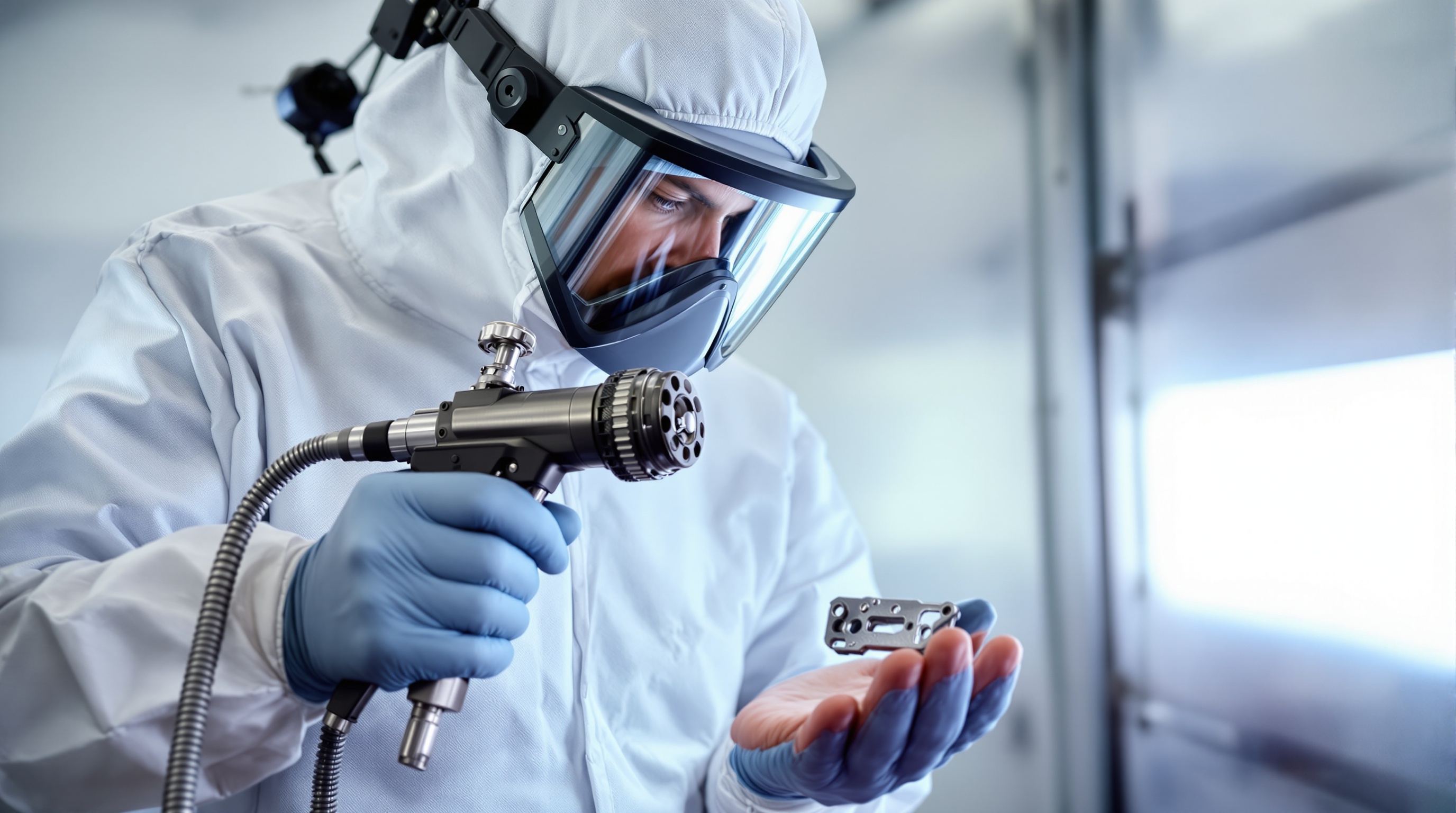
Where substrate mismatch signals prototype
The challenge
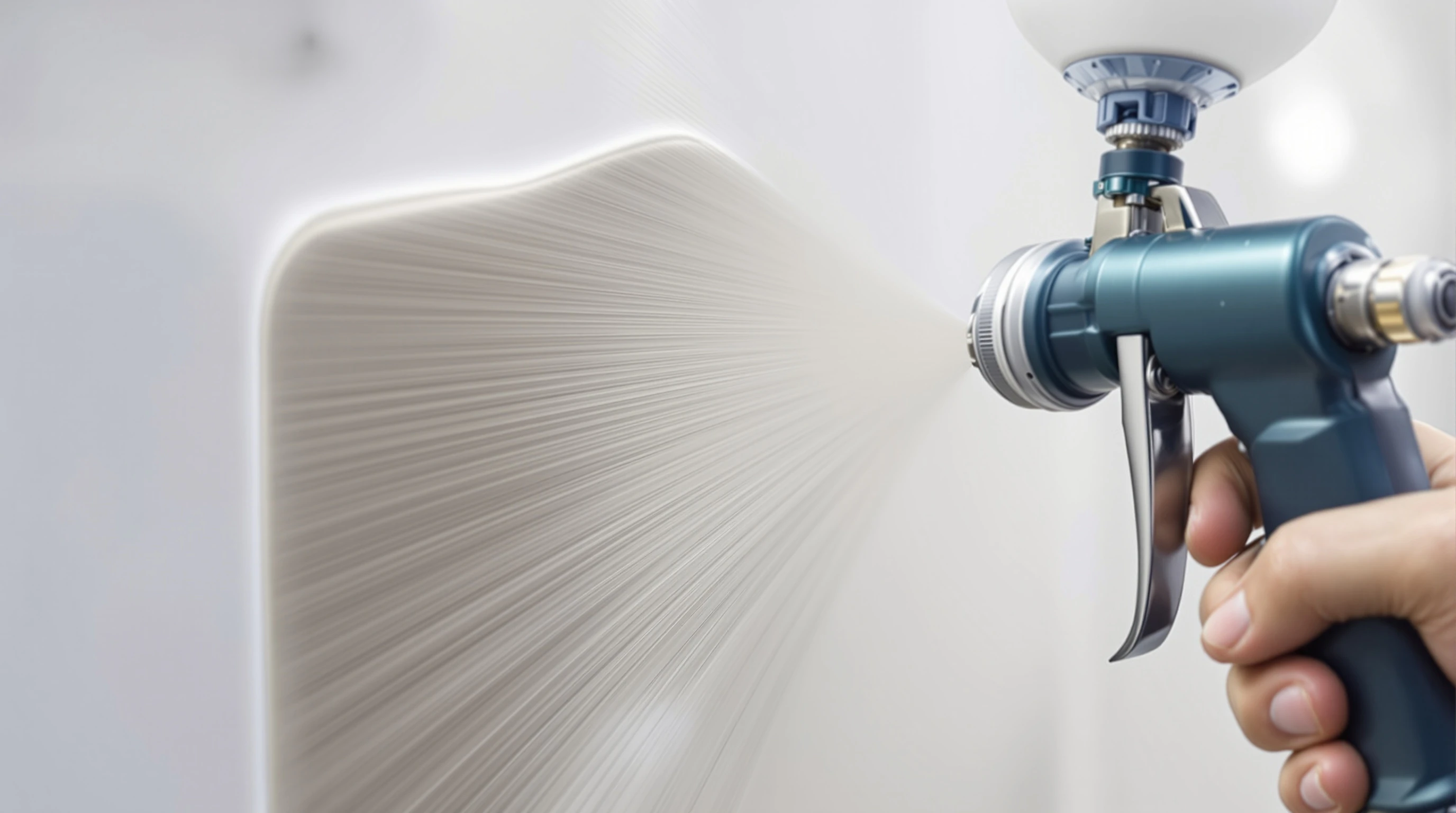
Harsh environments demand coatings that hold.
The solution
ColoradoKote ceramic coating stops corrosion cold.
Why Cerakote for Automotive R&D Aesthetics
Show-car finish on every prototype substrate

Delta E ≤1 across multi-material prototypes
Carbon fiber, aluminum, titanium, steel, and 3D printed metal parts all coat to the same color standard in the same production batch. Spectrophotometer verification confirms Delta E ≤1 on every substrate. Anodizing cannot coat carbon fiber or polymers, and delivers Delta E greater than 5 on aluminum alone.
Thin-film finish saving prototype weight
0.5-2 mil thickness adds 60-70% less coating weight than powder coating at 3-5 mils. On an EV battery enclosure, that difference translates to measurable weight savings that support the mass targets R&D teams are fighting to achieve. Prototype components maintain their designed dimensions without post-coating rework.
ISO 9001 color documentation for program records
Spectrophotometer readings, Delta E measurements, and L*a*b* color data are documented on the Certificate of Conformance for every prototype batch. This documentation supports design validation records and provides the baseline color specification for production transition.
200+ colors matching OEM paint codes
The Cerakote catalog includes standard automotive colors, custom OEM brand matches verified by spectrophotometer, metallics, and specialty finishes. Color matching to automotive paint codes ensures prototype components integrate visually with production body panels. 9H pencil hardness protects show-car finishes through handling, transport, and display.
Aesthetic Finishing Specs for Automotive R&D
How We Deliver Aesthetic Finishing for Auto R&D
Multi-substrate color matching with prototype-speed turnaround
Multi-Substrate Assessment and Preparation
Each prototype substrate receives tailored preparation. Carbon fiber gets light scuff sanding and ultrasonic cleaning to preserve fiber structure. Aluminum receives sandblast and conversion coating per MIL-DTL-5541. Titanium and 3D printed metal parts undergo alloy-specific preparation. Color specifications are confirmed against OEM paint codes using spectrophotometer matching.
Color-Matched Cerakote Application
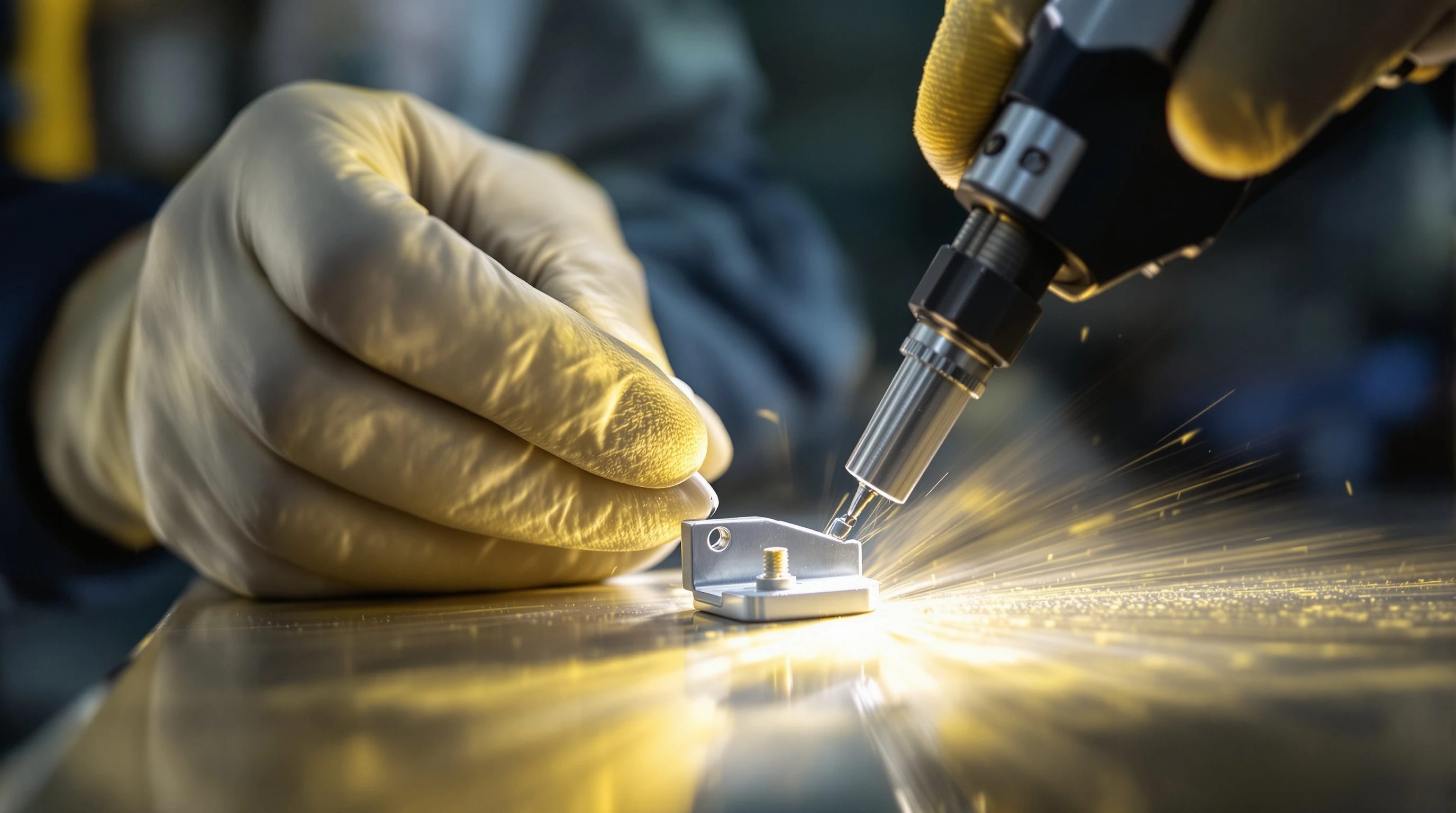
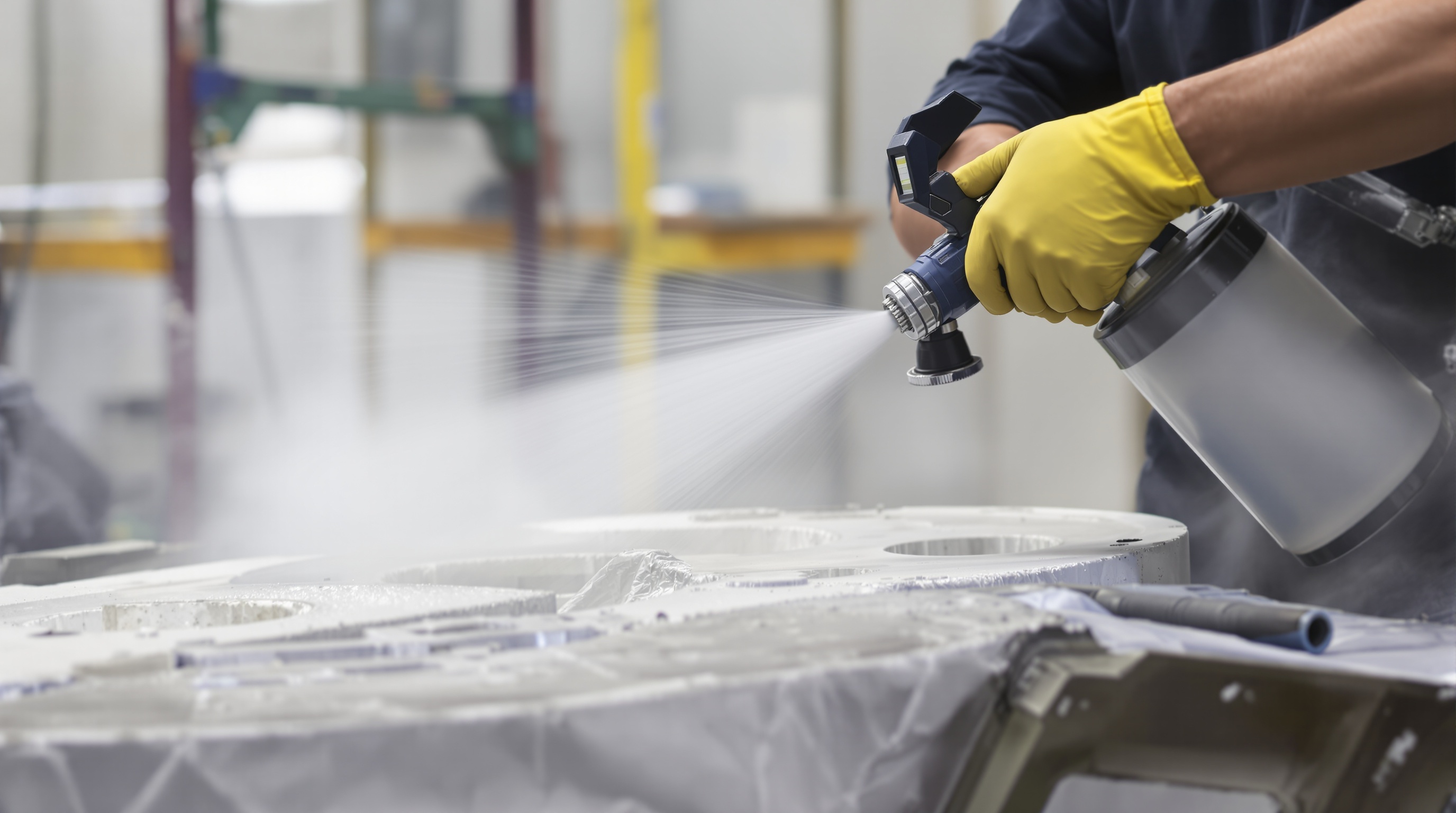
Cerakote is applied via calibrated HVLP equipment at 0.5-2 mil thickness with in-process DFT measurement on every part. The locked color formula produces identical color on carbon fiber, aluminum, titanium, and 3D printed substrates. Spectrophotometer readings confirm Delta E ≤1 across all materials in the batch before curing.

Curing and Show-Quality Inspection
Parts cure at 250-300 F, below carbon fiber composite post-cure thresholds. Final inspection verifies coating thickness, adhesion, and spectrophotometer-confirmed Delta E ≤1 color accuracy across all substrates. Certificate of Conformance documents all color data. Expedited turnaround is available for auto show and investor presentation deadlines.

Proven Color Accuracy for Automotive R&D
Color accuracy on automotive prototype programs is verified through spectrophotometric measurement against OEM paint code references. ISO 9001 quality controls ensure consistent processes, and all color data is documented on the Certificate of Conformance.
Delta E ≤1 color consistency
Maintained across carbon fiber, aluminum, titanium, and 3D printed metal substrates within the same prototype batch. Multi-material vehicle assemblies arrive with uniform color that meets show-car standards under any lighting condition. This eliminates the multi-vendor color coordination that adds weeks to prototype timelines.
Delta E color consistency
Other services to consider
Explore what else we offer.

Weight Reduction for Oil and Gas Equipment
Thick coatings add mass to equipment transported to remote wellsites and offshore platforms. Cerakote at 0.5-2 mils saves 200-400g per part versus powder coating. ISO 9001 certified.

Weight Reduction for Medical Device Components
Surgical instruments must be light enough for hours of precise use. Cerakote at 0.5-2 mils saves 200-400g per part versus powder coating without compromising protection. ISO 9001 certified.

Weight Reduction for Maritime Equipment
Heavy coatings add mass to marine hardware that affects vessel performance and handling. Cerakote at 0.5-2 mils saves 200-400g per part versus powder coating. ISO 9001 certified.
Weight Reduction for Industrial OEM Components
Thick coatings add unnecessary mass to engineered equipment. Cerakote at 0.5-2 mils delivers 200-400g savings per part versus powder coating while preserving tolerances. ISO 9001 certified.
Certified and compliant for your industry


Match Your Prototype Colors
Send your OEM color spec and substrate list. We respond within 24 hours with timeline.
Frequently Asked Questions
Find answers about our coating processes and technical capabilities
Color consistency on large aerospace programs requires controlled material batches, documented application parameters, and spectrophotometer verification on every production lot. We record coating material lot numbers, spray parameters, cure profiles, and Delta E measurements as part of our AS9100 quality system. This documentation ensures that parts produced on day one of a multi-month program match parts produced on the final day, verified by instrument, not visual judgment alone.
Yes. The combination of 3,000 hours salt spray resistance (ASTM B117) and 4,000 abrasion cycles per mil (ASTM D4060) makes Cerakote effective on shaft couplings, through-hull fittings, steering components, and trim tab hardware. Elite Series with its ~0.11 coefficient of friction adds dry lubrication to moving parts in wet environments. V-Series handles exhaust risers and manifolds at temperatures up to 2,000 degrees F.
Medical instruments use color coding for size differentiation, sterile versus non-sterile designation, and instrument set identification. Cerakote on AM-produced instruments provides durable color that withstands repeated autoclave sterilization without fading or chipping. We verify color consistency to Delta E 1.5 across production lots, ensuring that color-coded AM instruments remain reliably identifiable throughout their service life. The combined surface finishing and color identification makes AM viable for production medical instruments.
We provide full lot traceability and processing documentation to MIL-DTL-5541 specifications for all oil and gas chemical conversion coating work. Our facility has processed over 20,000 parts with zero quality issues, and our documentation packages meet the traceability requirements that oil and gas operators and OEMs demand for downhole and surface equipment.
ColoradoKote holds ISO 9001:2015 for quality management, AS9100:2015 for aerospace-grade process controls, and Cerakote Advanced Applicator certification. While many industrial applications do not require AS9100, having it means your OEM parts benefit from the same documented processes, traceability, and continuous improvement systems used for aerospace production. Quality costs the same either way.