Aesthetic Finishing for Defense
Precision Cerakote ceramic coatings for aerospace, defense, and industrial components.

The Color Problem in Defense Manufacturing
Where tactical color variance fails inspection
The challenge
Harsh environments demand coatings that hold.
The solution
ColoradoKote ceramic coating stops corrosion cold.
Why Cerakote for Defense Aesthetic Finishing
Federal Standard accuracy with field durability

Delta E ≤1 on Federal Standard 595 colors
Spectrophotometer-verified accuracy on ODG, FDE, Coyote Brown, and custom tactical colors. Locked formulas reproduce the same color across production lots spanning months or years. Anodizing delivers Delta E greater than 5, a variance that fails visual inspection on assembled tactical systems.
Thin-film finish preserving weapon tolerances
0.5-2 mil thickness maintains the dimensional precision required for weapon system assemblies, optics mounts, and precision mechanical components. Parts coat to spec without post-coating modification. 9H pencil hardness and chip resistance 2-3 times superior to powder coating protect the finish through field handling.
ITAR-controlled color documentation
Every batch ships with a Certificate of Conformance documenting L*a*b* color data, spectrophotometer readings, Delta E measurements, and Federal Standard 595 color verification. Full lot traceability under AS9100 and ITAR protocols satisfies prime contractor audit requirements without additional documentation requests.
200+ tactical and custom color options
The Cerakote catalog includes Federal Standard 595 defense colors, custom camouflage patterns, and brand-specific finishes. Aluminum, steel, titanium, and polymer substrates all coat to the same color at the same thickness. One ITAR-registered coating partner consolidates multi-vendor color matching for defense programs.
Aesthetic Finishing Specs for Defense Programs
How We Deliver Aesthetic Finishing for Defense
ITAR-controlled process with Federal Standard color verification
ITAR-Controlled Intake and Preparation
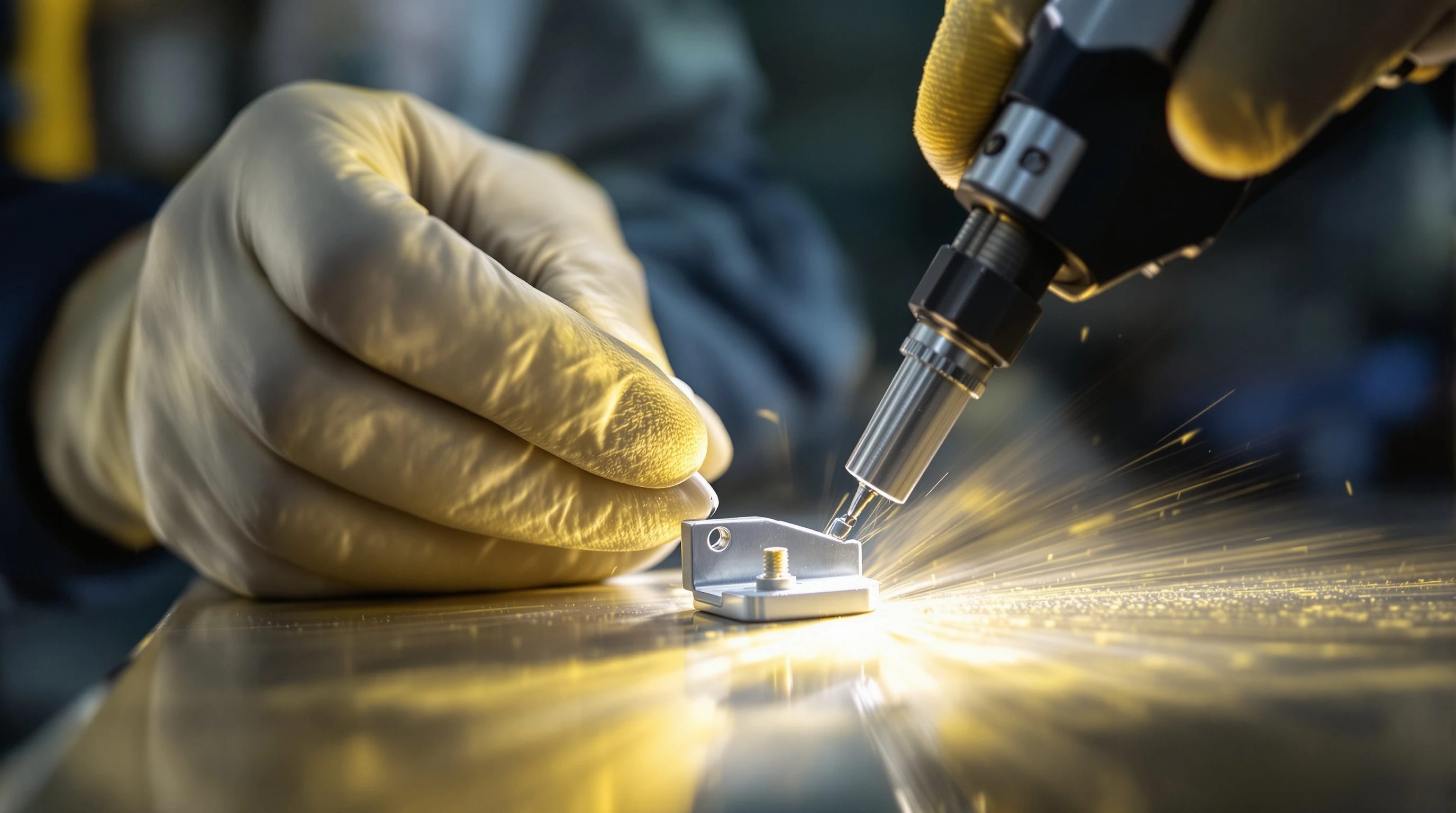
Defense articles enter chain-of-custody documentation at our controlled-access facility. Substrates undergo ultrasonic cleaning, degreasing, and tailored media blasting per the part specification. MIL-DTL-5541 chemical conversion pre-treatment is applied to aluminum components. Masking protects threads, optics interfaces, and precision mating surfaces.
Federal Standard Color Application
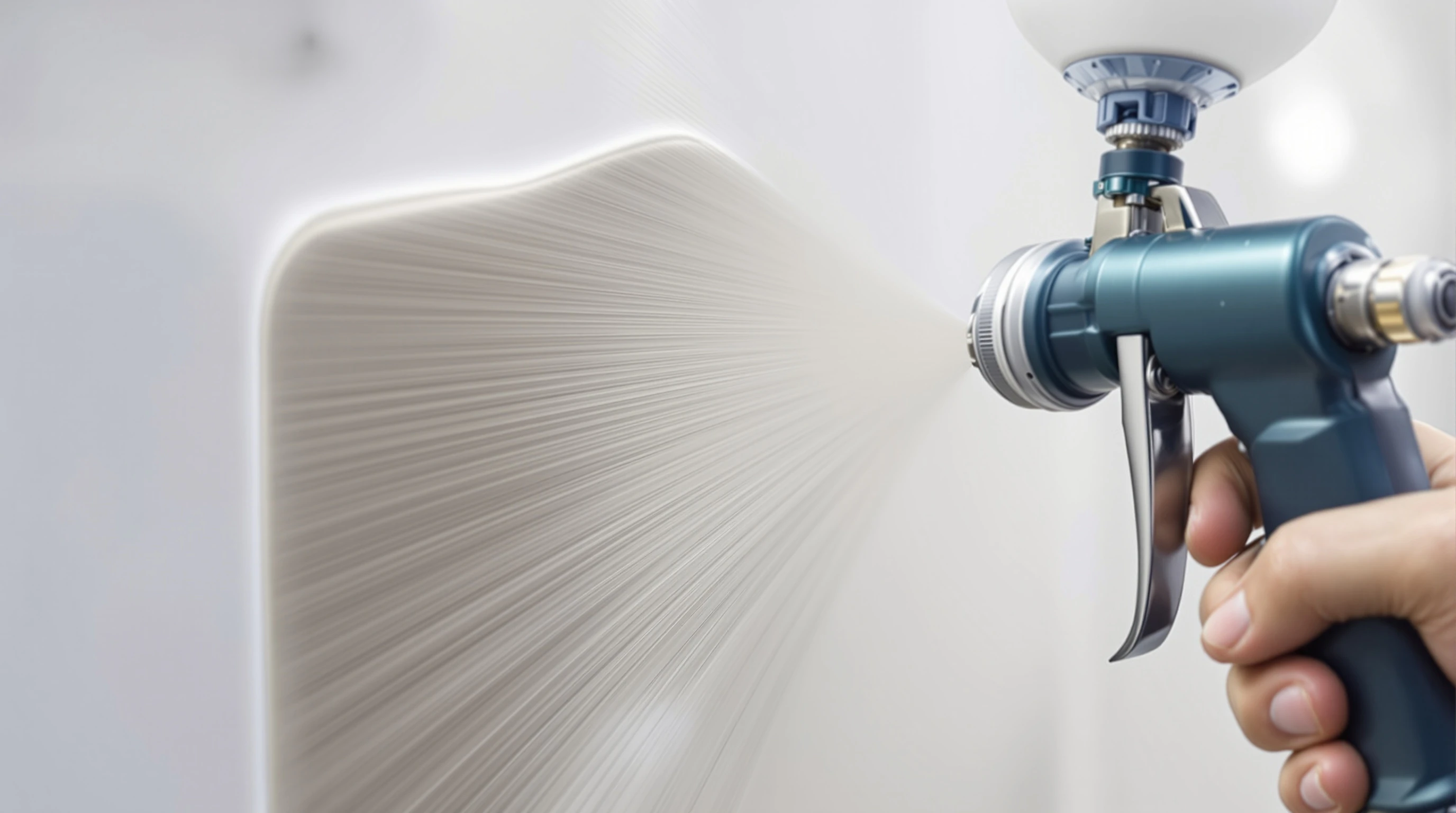
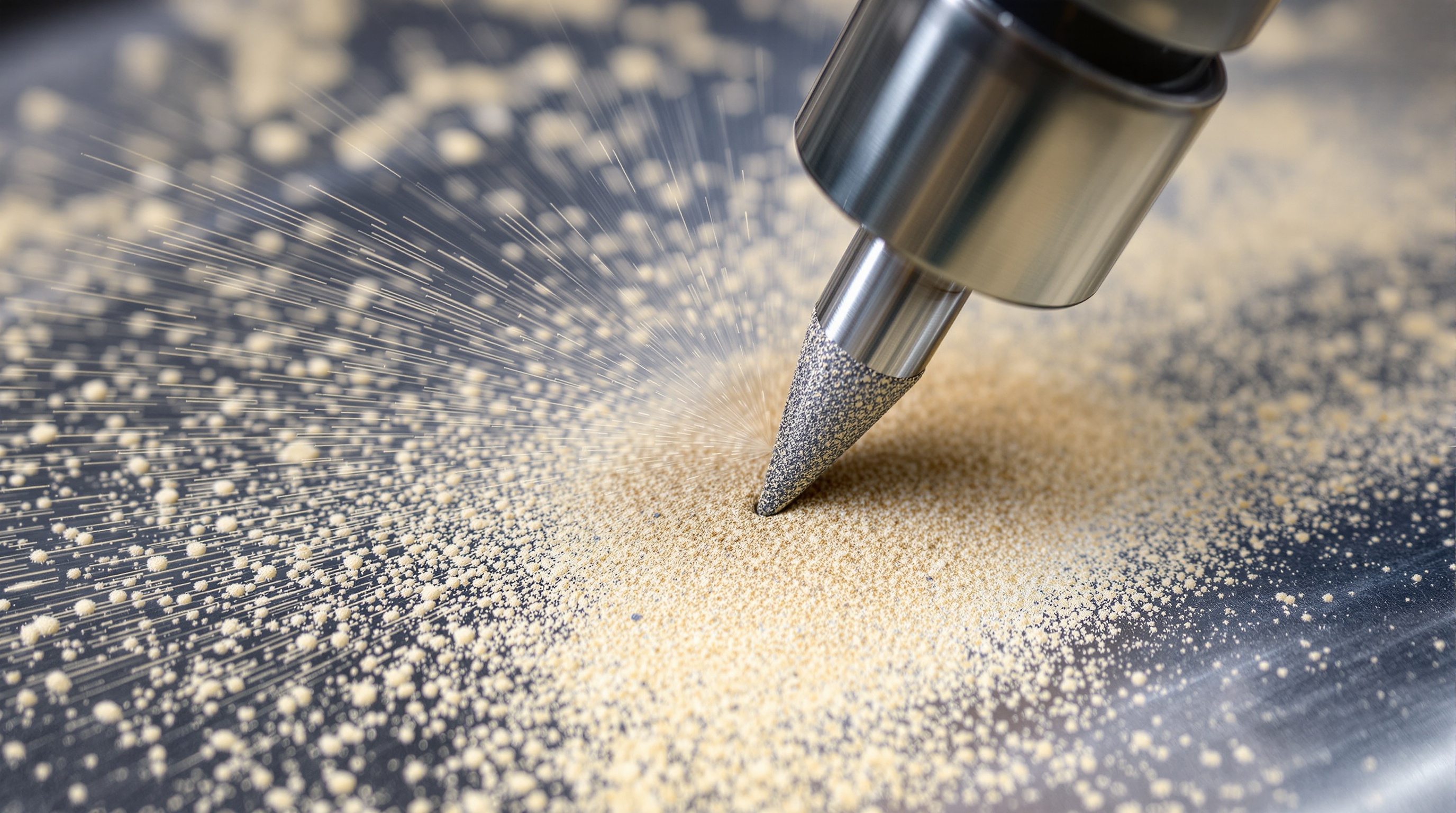
Cerakote is applied via calibrated HVLP equipment at 0.5-2 mil thickness with in-process DFT monitoring. The locked color formula matches Federal Standard 595 specifications verified by spectrophotometer during application. ODG, FDE, Coyote Brown, and custom tactical colors are applied with the same Delta E ≤1 precision across all substrate materials in the batch.

Curing and Color Inspection
Parts cure per the prescribed schedule in temperature-monitored ovens. Spectrophotometer readings verify Delta E ≤1 against the Federal Standard 595 master reference. Final inspection confirms thickness, adhesion per ASTM D3359, color accuracy, and visual appearance. Certificate of Conformance with full ITAR-compliant documentation ships with every order.

Proven Color Accuracy for Defense Programs
Color accuracy on defense programs is verified through spectrophotometric measurement under ITAR-controlled AS9100 quality processes. Every production batch is measured against the Federal Standard 595 master reference, and results are documented on the Certificate of Conformance.
Delta E ≤1 color consistency
Maintained across Federal Standard 595 tactical colors on multi-lot defense production. This precision eliminates the visible color patchwork that triggers inspection failures on assembled tactical systems. Anodizing produces Delta E greater than 5, a fivefold gap in accuracy that defense programs cannot accept on color-critical components.
Delta E color consistency

Other services to consider
Explore what else we offer.

Weight Reduction for Oil and Gas Equipment
Thick coatings add mass to equipment transported to remote wellsites and offshore platforms. Cerakote at 0.5-2 mils saves 200-400g per part versus powder coating. ISO 9001 certified.
Weight Reduction for Medical Device Components
Surgical instruments must be light enough for hours of precise use. Cerakote at 0.5-2 mils saves 200-400g per part versus powder coating without compromising protection. ISO 9001 certified.

Weight Reduction for Maritime Equipment
Heavy coatings add mass to marine hardware that affects vessel performance and handling. Cerakote at 0.5-2 mils saves 200-400g per part versus powder coating. ISO 9001 certified.
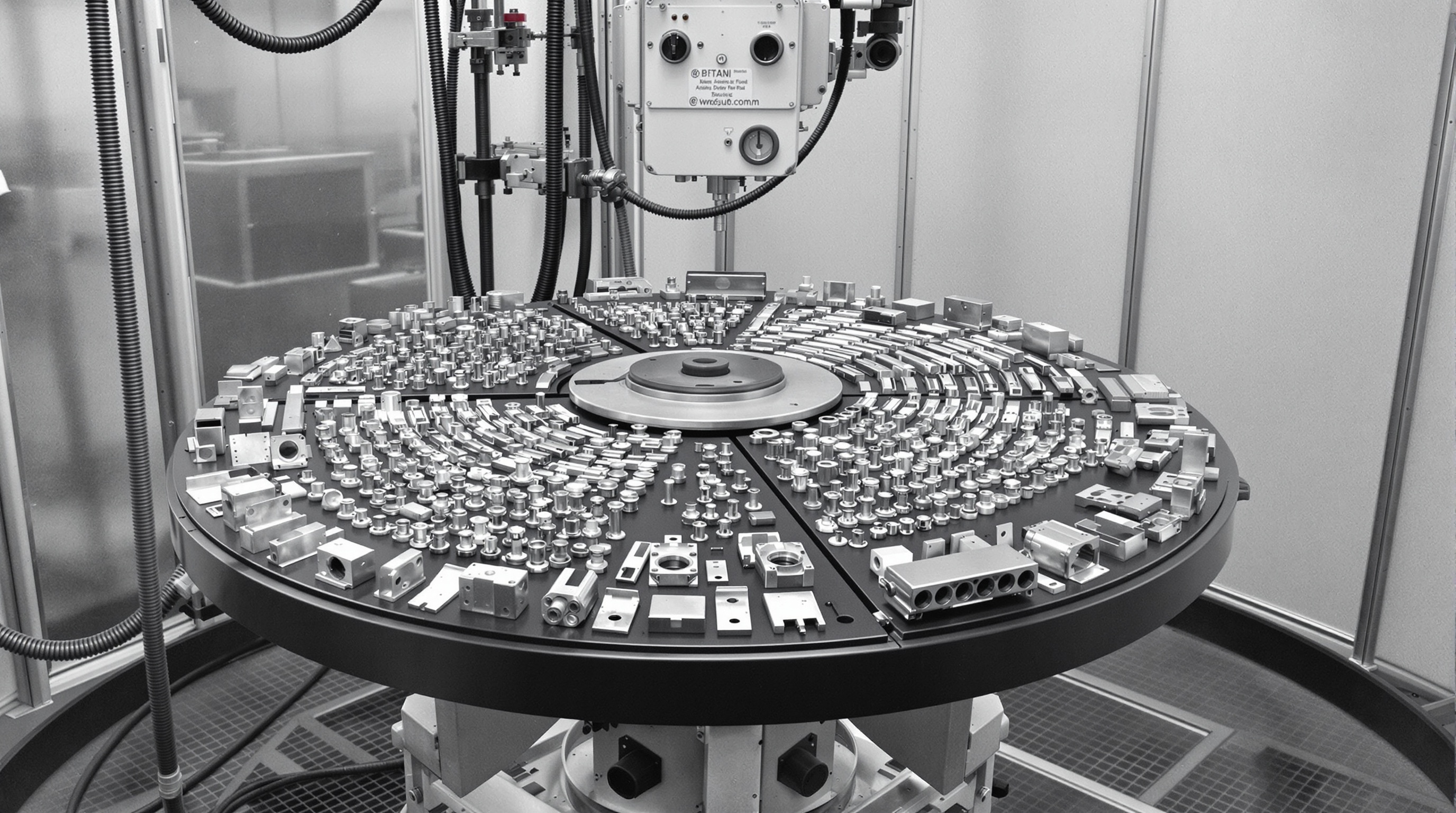
Weight Reduction for Industrial OEM Components
Thick coatings add unnecessary mass to engineered equipment. Cerakote at 0.5-2 mils delivers 200-400g savings per part versus powder coating while preserving tolerances. ISO 9001 certified.
Certified and compliant for your industry


Get Defense Color Accuracy
Send your Federal Standard color requirements. We respond within 24 hours with pricing.
Frequently Asked Questions
Find answers about our coating processes and technical capabilities
Defense AM parts face salt spray, sand abrasion, chemical exposure, and temperature extremes from -40 degrees F to elevated operating temperatures. Cerakote provides a combined defense: salt spray resistance exceeding 3,000 hours, abrasion resistance of 4,000 cycles per mil, chemical resistance across the pH spectrum, and thermal stability. Applied at 0.5-2 mils over properly prepared AM surfaces, Cerakote transforms vulnerable raw AM parts into field-ready defense components.
Yes. Maritime hardware requires coatings that survive continuous salt spray, UV exposure, and mechanical stress from wave action and handling. Polymer coating provides flexible corrosion protection that maintains adhesion through the constant movement and impact conditions of marine service. For hardware exposed to both salt corrosion and abrasion from lines, chains, or deck traffic, we recommend polymer coating for flexibility combined with Cerakote topcoat for surface hardness.
Yes. Oil and gas components often receive multi-layer coating systems including passivation followed by Cerakote, or polymer coating for chemical resistance with Cerakote topcoat for abrasion protection. Ultrasonic cleaning before each coating layer ensures contamination-free interfaces between layers. This inter-layer cleanliness prevents delamination at coating boundaries under the thermal cycling and pressure conditions of oil and gas service, maximizing the performance of the complete coating stack.
Choose polymer coating when your parts experience significant flexing, vibration, thermal expansion cycling, or require chemical immersion resistance beyond what rigid ceramic coatings provide. Examples include flexible hoses, rubber-to-metal transitions, vibration-dampening mounts, and chemical tank internals. If your application demands hardness and abrasion resistance, Cerakote is the better choice. We evaluate your specific application and recommend the right coating, or combination, for the operating conditions.
AM-produced intake manifolds and plenums benefit from Cerakote's thermal barrier properties, reducing heat soak that increases intake air temperature and reduces engine performance. The ceramic-polymer coating applied at 0.5-2 mils provides measurable thermal insulation on thin-wall AM structures where traditional thermal wraps or coatings would add unacceptable weight and bulk. Combined with surface smoothing below Ra 3 micrometers for improved airflow, post-processed AM intakes outperform raw prints on both thermal management and flow efficiency.