Aesthetic Finishing for Industrial OEM
Precision Cerakote ceramic coatings for aerospace, defense, and industrial components.
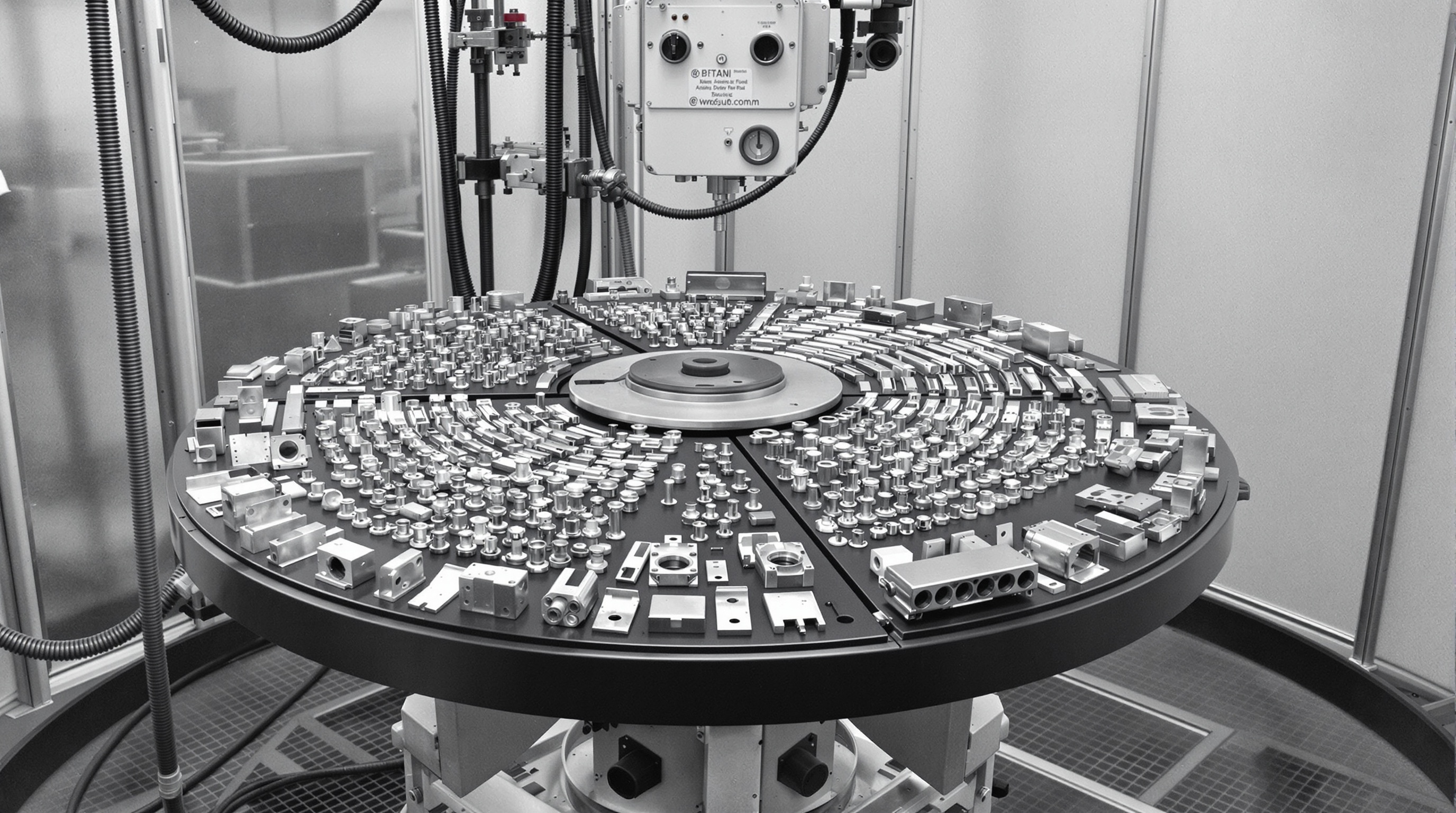
The Color Problem in Industrial Equipment
Where multi-substrate assemblies show mismatch
The challenge
Harsh environments demand coatings that hold.
The solution
ColoradoKote ceramic coating stops corrosion cold.
Why Cerakote for Industrial OEM Aesthetics
Consistent brand finish across all substrates

Delta E ≤1 across mixed-metal assemblies
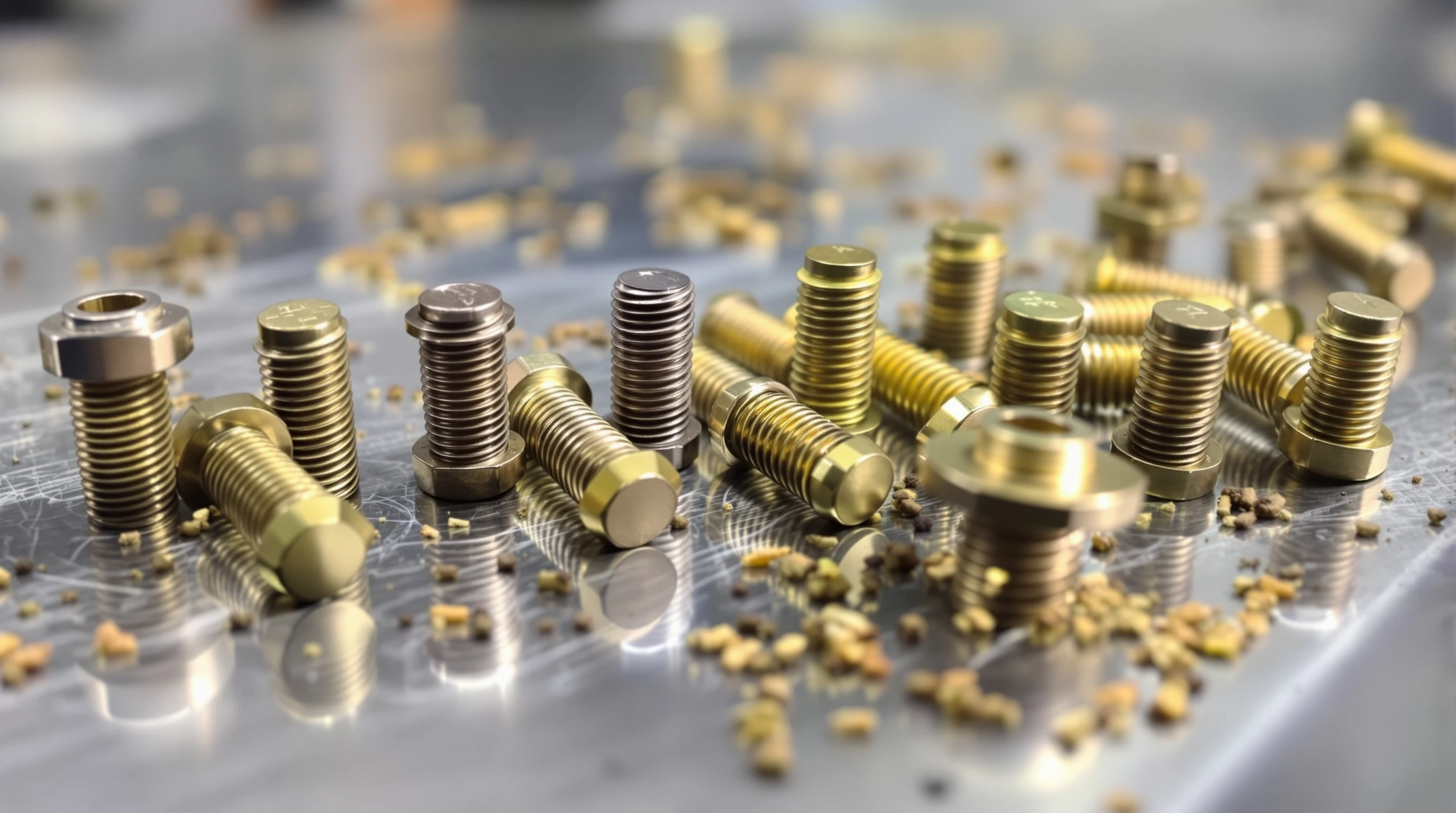
Aluminum, steel, stainless steel, and titanium components coat to the same color at the same thickness in the same production batch. Spectrophotometer verification confirms Delta E ≤1 on every lot. Anodizing works only on aluminum and delivers Delta E greater than 5, leaving multi-material assemblies visually inconsistent.
Thin-film finish preserving OEM tolerances
0.5-2 mil coating thickness maintains tight clearances on pump housings, valve assemblies, and production tooling. Mating surfaces, bearing fits, and threaded connections remain functional without post-coating modification. Powder coating at 3-5 mils causes dimensional interference that requires rework on precision industrial assemblies.
ISO 9001 color documentation
Every production batch ships with a Certificate of Conformance documenting spectrophotometer readings, Delta E measurements, coating thickness, and material batch records. ISO 9001 quality system traceability supports customer audits and warranty documentation for OEM equipment programs.
200+ colors for OEM brand standards
The Cerakote catalog includes custom brand color matching, safety colors, and equipment identification finishes. 9H pencil hardness and chip resistance 2-3 times superior to powder coating protect brand finishes through shipping, installation, and field service. One coating process delivers both aesthetic quality and surface protection.
Aesthetic Finishing Specs for Industrial OEM
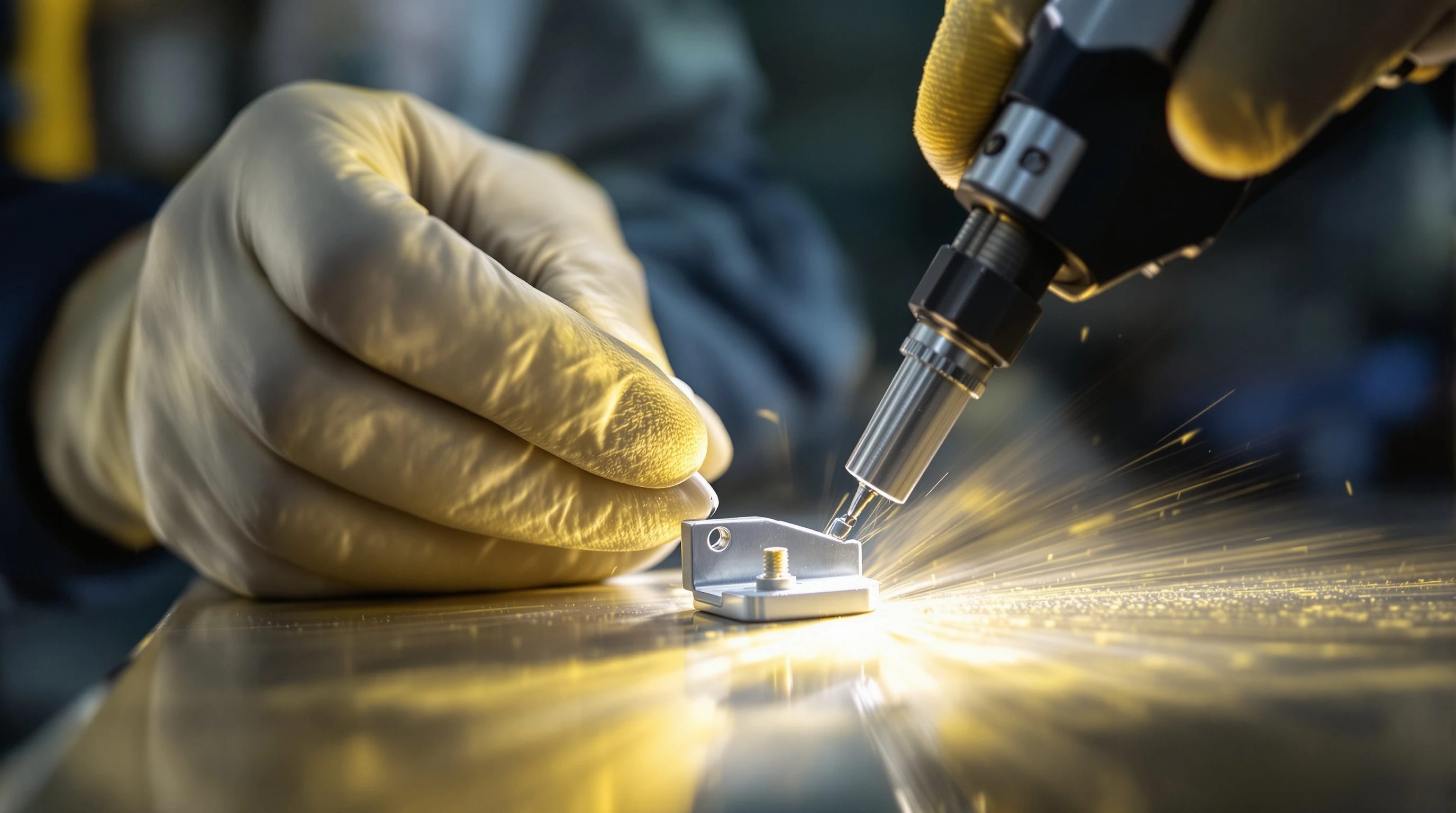
How We Deliver Aesthetic Finishing for OEM Parts
Multi-substrate color matching under ISO 9001 quality controls
Multi-Substrate Surface Preparation
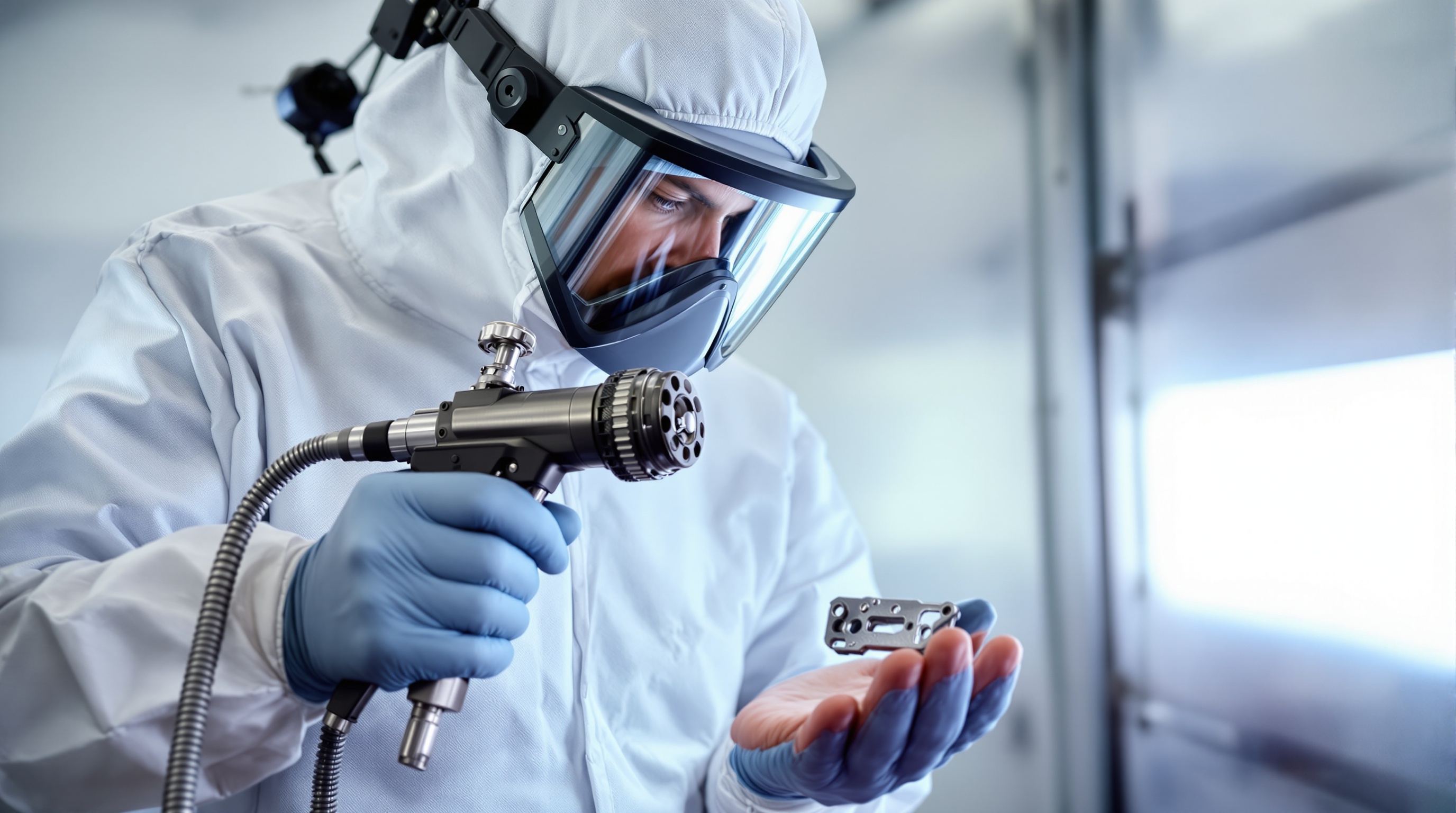
Aluminum, steel, and stainless steel components each receive tailored cleaning and profiling sequences. Ultrasonic cleaning and degreasing remove oils and cutting fluids. Controlled media blasting creates the surface profile required for maximum adhesion on each substrate. Masking protects threads, bearing journals, and mating surfaces.

Color-Matched Coating Application
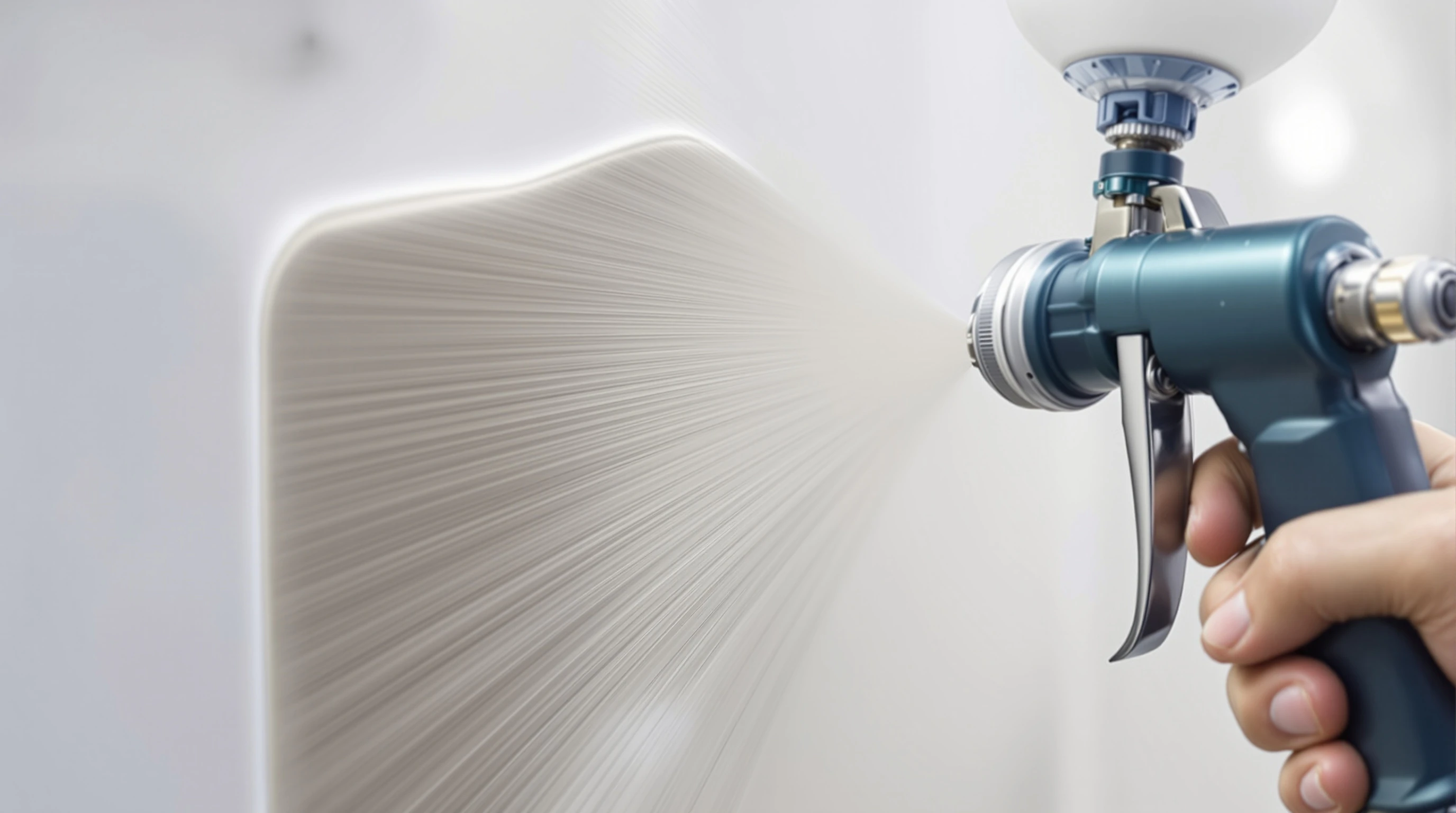
Cerakote is applied via calibrated HVLP equipment at 0.5-2 mil thickness with in-process DFT measurement. The locked color formula produces identical results on aluminum, steel, and stainless steel in the same production batch. Spectrophotometer readings during application confirm Delta E ≤1 against the OEM brand color standard.
Curing and Color Quality Inspection
Parts cure in temperature-controlled ovens per the prescribed Cerakote schedule. Final inspection verifies coating thickness, adhesion per ASTM D3359, and spectrophotometer-confirmed color consistency across all substrates in the lot. Certificate of Conformance documents all measurements for OEM quality records.

Proven Color Consistency for Industrial OEM
Color consistency on industrial OEM programs is verified through spectrophotometric measurement on every production batch. ISO 9001 quality controls ensure consistent processes, and results are documented on the Certificate of Conformance that ships with every order.
Delta E ≤1 color consistency
Maintained across aluminum, steel, stainless steel, and titanium substrates within the same production lot. Multi-material assemblies arrive with uniform color that reinforces OEM brand identity. This eliminates the cross-vendor color coordination that adds cost and lead time to mixed-substrate equipment programs.
Delta E color consistency
Other services to consider
Explore what else we offer.

Weight Reduction for Oil and Gas Equipment
Thick coatings add mass to equipment transported to remote wellsites and offshore platforms. Cerakote at 0.5-2 mils saves 200-400g per part versus powder coating. ISO 9001 certified.

Weight Reduction for Medical Device Components
Surgical instruments must be light enough for hours of precise use. Cerakote at 0.5-2 mils saves 200-400g per part versus powder coating without compromising protection. ISO 9001 certified.

Weight Reduction for Maritime Equipment
Heavy coatings add mass to marine hardware that affects vessel performance and handling. Cerakote at 0.5-2 mils saves 200-400g per part versus powder coating. ISO 9001 certified.
Weight Reduction for Industrial OEM Components
Thick coatings add unnecessary mass to engineered equipment. Cerakote at 0.5-2 mils delivers 200-400g savings per part versus powder coating while preserving tolerances. ISO 9001 certified.
Certified and compliant for your industry
Match Your OEM Brand Color
Send your brand color spec or a physical sample. We respond within 24 hours with pricing.
Frequently Asked Questions
Find answers about our coating processes and technical capabilities
Yes. Maritime hardware requires coatings that survive continuous salt spray, UV exposure, and mechanical stress from wave action and handling. Polymer coating provides flexible corrosion protection that maintains adhesion through the constant movement and impact conditions of marine service. For hardware exposed to both salt corrosion and abrasion from lines, chains, or deck traffic, we recommend polymer coating for flexibility combined with Cerakote topcoat for surface hardness.
Yes. All defense work at ColoradoKote, including surface preparation, is performed within our ITAR-registered facility with controlled access and documented handling procedures. Blast operations on ITAR-controlled components follow the same security protocols as coating application and inspection. Personnel handling defense parts are trained on ITAR requirements and access is restricted to authorized individuals only.
Passivation adds absolutely no dimensional change or weight to stainless steel components. The process actually removes material (free iron and contaminants) rather than adding it. This makes passivation the ideal corrosion treatment for weight-sensitive applications in aerospace, automotive, and other industries where every gram matters. Even when followed by a Cerakote topcoat at 0.5-2 mils, total added thickness is minimal compared to alternatives like powder coating at 4-6 mils.
Yes. Defense equipment deployed in marine environments faces salt spray, humidity, and chemical exposure simultaneously with mechanical stress from vibration and handling. Polymer coating provides flexible corrosion protection that maintains adhesion through the flexing and impact conditions of shipboard and littoral deployment. Combined with proper surface preparation, polymer coating delivers long-term corrosion protection in the demanding marine-defense environment.
Yes. Oil and gas operators use color coding for equipment identification, pressure ratings, and service type classification. Cerakote provides color durability that survives wellsite chemical exposure, UV degradation, and abrasion that rapidly degrades conventional paint systems. We match your operator-specified colors by spectrophotometer to Delta E 1.5 and verify consistency across production quantities so field identification remains reliable throughout equipment service life.