
Aesthetic Finishing for Maritime
Precision Cerakote ceramic coatings for aerospace, defense, and industrial components.

The Finish Problem in Maritime Equipment
Where salt and sun strip color in one season
The challenge
Harsh environments demand coatings that hold.
The solution
ColoradoKote ceramic coating stops corrosion cold.
Why Cerakote for Maritime Finish Quality
Color that holds up in saltwater service

Delta E ≤1 color in marine environments
Spectrophotometer-verified color accuracy on every production batch. UV-stable inorganic pigments resist fading from direct sun exposure, salt contact, and marine chemical cleaners. Standard marine paint fades and chalks within one season under the same conditions.
Thin-film finish at 0.5-2 mils
Coating thickness preserves tolerances on precision marine fittings, fasteners, and deck hardware. Powder coating at 3-5 mils causes interference on threaded connections and mating surfaces. Cerakote adds surface protection without altering the fit of assembled marine components.
ISO 9001 documented color quality
Certificate of Conformance documents spectrophotometer readings, coating thickness, and material batch records for every production lot. ISO 9001 traceability provides the quality documentation that marine equipment manufacturers need for production records.
200+ colors for marine applications
The Cerakote catalog includes marine-appropriate colors, safety identification finishes, and custom brand matches. Multi-substrate compatibility means stainless steel, aluminum, and bronze components all coat to the same color standard. Chip resistance 2-3 times superior to powder coating protects finishes through deck service conditions.
Aesthetic Finishing Specs for Maritime Parts
How We Deliver Aesthetic Finishing for Marine
Multi-substrate color matching for saltwater service
Surface Preparation for Marine Substrates
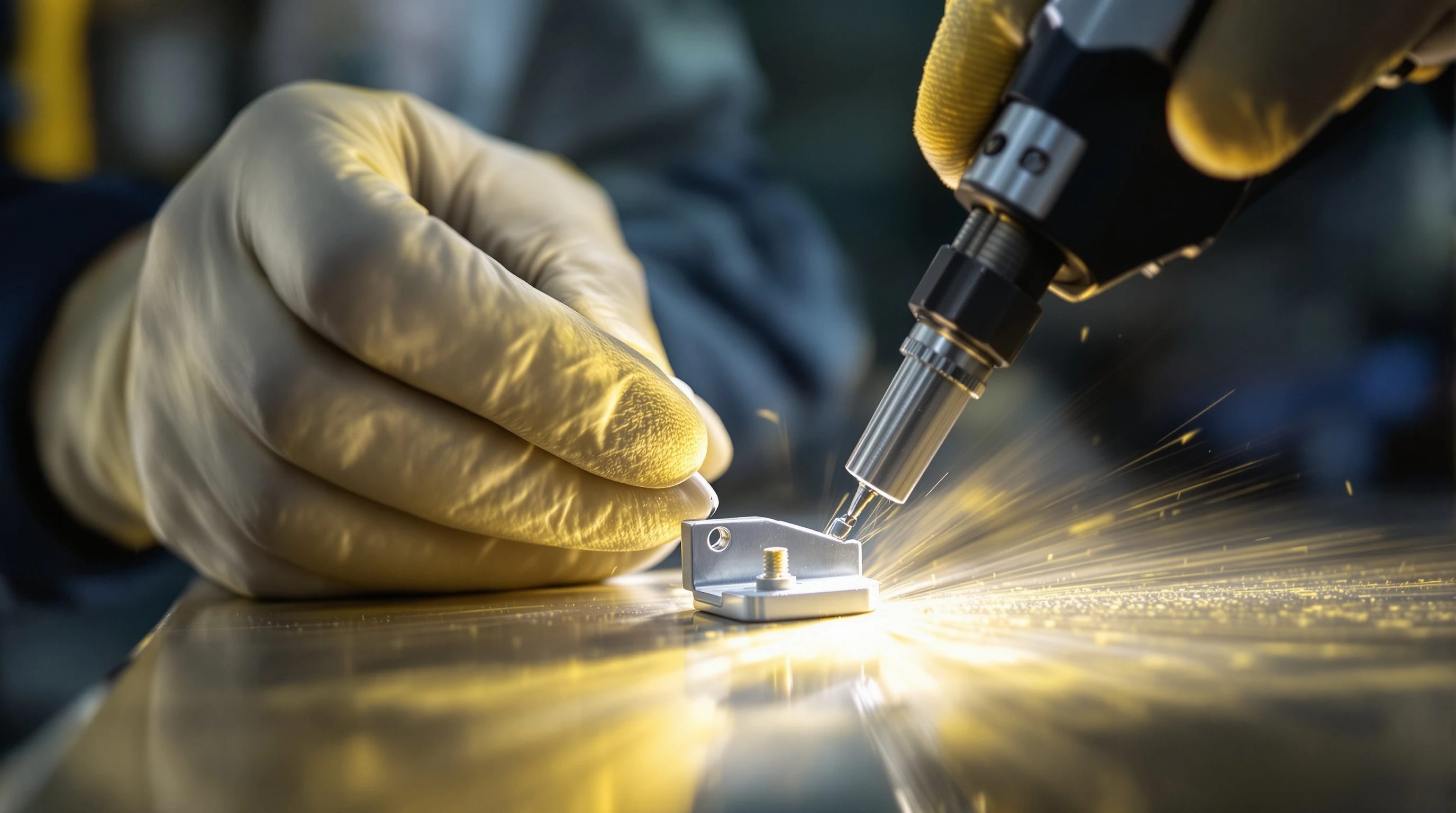
Ultrasonic cleaning removes salt deposits, marine oils, and surface contaminants. Degreasing and tailored media blasting create the surface profile required for maximum adhesion on stainless steel, aluminum, and bronze components. Masking protects threads, mating surfaces, and functional areas.

Color-Matched Cerakote Application
Cerakote is applied via calibrated HVLP equipment at 0.5-2 mil thickness with in-process DFT measurement. The locked color formula produces identical color across stainless steel, aluminum, and bronze in the same batch. Spectrophotometer readings confirm Delta E ≤1 against the specified color standard.
Inspection and Quality Documentation
Final inspection verifies coating thickness, adhesion, and spectrophotometer-confirmed color accuracy across all substrates. Certificate of Conformance documents all measurements and material batch records. ISO 9001 quality system ensures consistent color quality across production volumes.

Proven Color Durability for Marine Equipment
Color performance is verified through spectrophotometric measurement on every production batch under ISO 9001 quality controls. Results are documented on the Certificate of Conformance.
Delta E ≤1 color consistency
Maintained across stainless steel, aluminum, and bronze marine substrates with UV-stable inorganic pigments. Combined with 9H pencil hardness, the finish resists both color fading from sun exposure and physical chipping from deck service, maintaining appearance through saltwater operating conditions.
Delta E color consistency
Other services to consider
Explore what else we offer.

Weight Reduction for Oil and Gas Equipment
Thick coatings add mass to equipment transported to remote wellsites and offshore platforms. Cerakote at 0.5-2 mils saves 200-400g per part versus powder coating. ISO 9001 certified.

Weight Reduction for Medical Device Components
Surgical instruments must be light enough for hours of precise use. Cerakote at 0.5-2 mils saves 200-400g per part versus powder coating without compromising protection. ISO 9001 certified.
Weight Reduction for Maritime Equipment
Heavy coatings add mass to marine hardware that affects vessel performance and handling. Cerakote at 0.5-2 mils saves 200-400g per part versus powder coating. ISO 9001 certified.
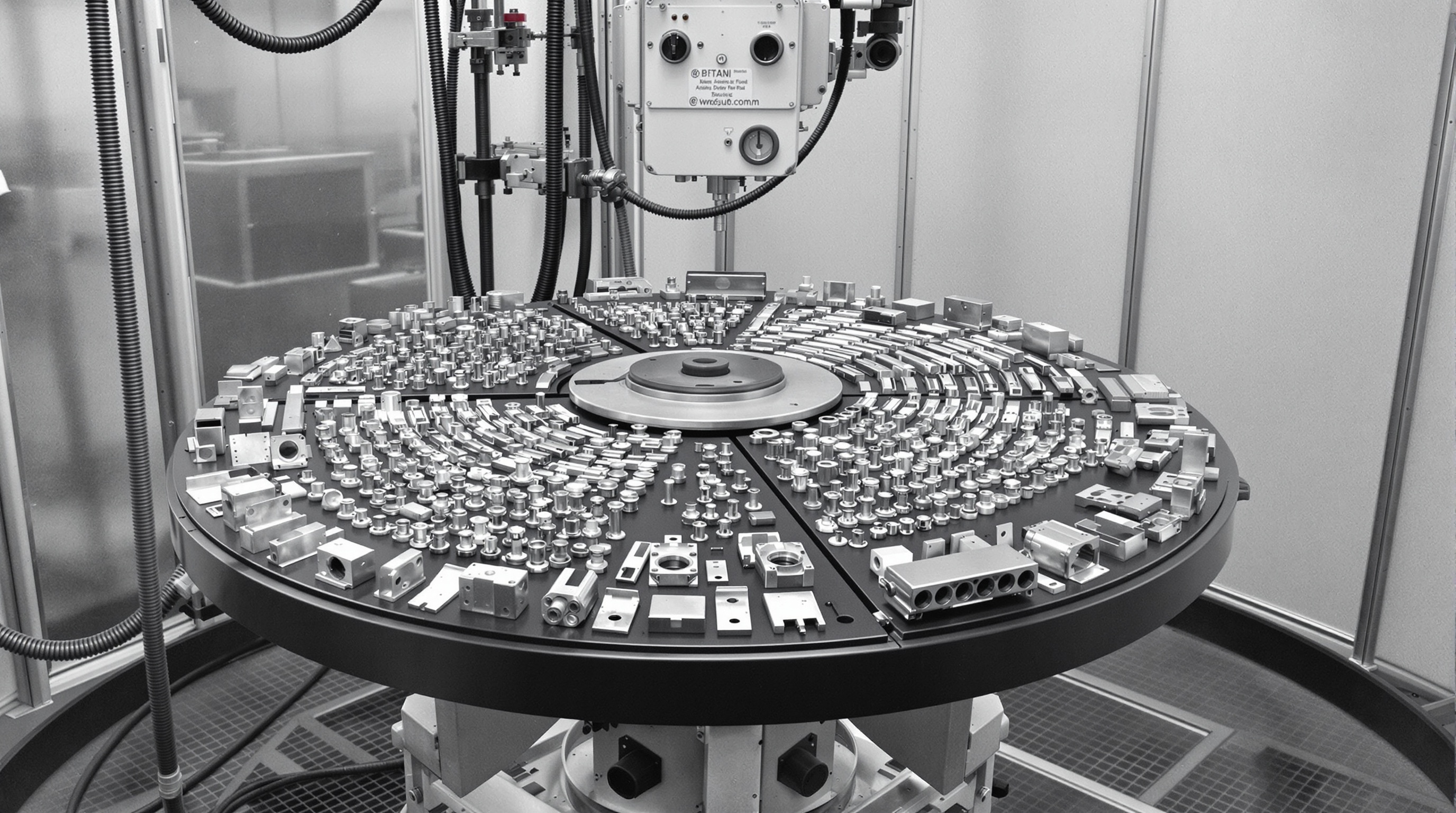
Weight Reduction for Industrial OEM Components
Thick coatings add unnecessary mass to engineered equipment. Cerakote at 0.5-2 mils delivers 200-400g savings per part versus powder coating while preserving tolerances. ISO 9001 certified.
Certified and compliant for your industry


Protect Your Marine Finish
Send your color and substrate requirements. We respond within 24 hours with pricing.
Frequently Asked Questions
Find answers about our coating processes and technical capabilities
Yes. Oil and gas equipment programs often span years, with replacement and expansion parts ordered long after the original batch. We retain the spectrophotometer data, formulation records, and Delta E measurements from every order so your custom color is exactly repeatable. Parts produced two years apart are verified to Delta E 1.5 against the original standard, ensuring consistent visual identification across your entire installed equipment base.
Aerospace components are blasted to SSPC-SP 10 near-white cleanliness at 80-100 PSI using media selected for the specific alloy. Aluminum, titanium, stainless steel, and Inconel each receive tailored blast parameters to achieve optimal 2-4 mil anchor profile without hydrogen embrittlement risk or surface damage. The entire process is documented per AS9100 with traceable media certifications, pressure readings, and before/after surface condition records.
Chemical conversion coating and anodizing serve different purposes on agricultural aluminum. Conversion coating is thinner (sub-micron vs. 0.5-3 mils for anodizing), faster to process, and provides excellent paint adhesion as a primer layer. For agricultural parts that need both a corrosion base coat and a durable topcoat, the chem conversion plus Cerakote stack delivers 3,000 hours of salt spray protection while keeping buildup to 0.5-2 mils total.
Yes. The same Cerakote color applied to SLS PA12, MJF polymer, and metal AM substrates (Ti-6Al-4V, AlSi10Mg, 316L) produces consistent visual results when measured by spectrophotometer. Substrate color and surface texture affect perceived appearance, which is why we verify by instrument rather than visual inspection alone. Surface preparation parameters are adjusted per substrate to ensure consistent coating thickness and therefore consistent color appearance across material types.
Standard blasting operates at 80-100 PSI for metal substrates, achieving SSPC-SP 10 near-white blast cleanliness and a 2-4 mil anchor profile optimized for Cerakote adhesion. For delicate substrates including additive manufacturing parts and thin-wall components, we reduce pressure to 40-60 PSI to prevent distortion while still achieving proper surface profile. All blast parameters are documented under our AS9100 quality system.