
Aesthetic Finishing for Medical Devices
Precision Cerakote ceramic coatings for aerospace, defense, and industrial components.

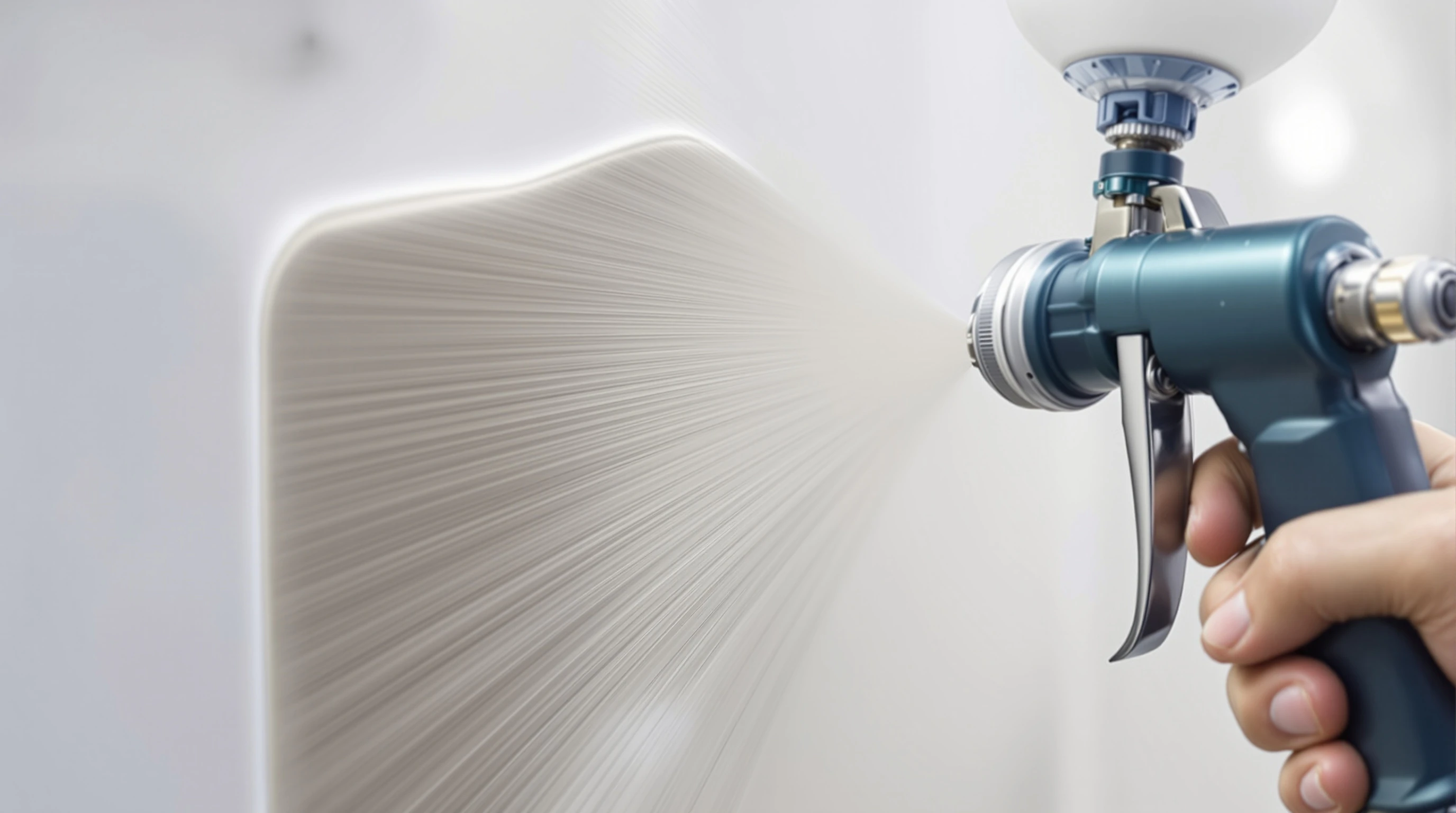
The Color Problem in Medical Instruments
Where sterilization destroys identification
The challenge
Harsh environments demand coatings that hold.
The solution
ColoradoKote ceramic coating stops corrosion cold.
Why Cerakote for Medical Device Aesthetics
Color coding that survives sterilization

Delta E ≤1 across instrument sets
Spectrophotometer-verified color accuracy ensures every instrument in a set matches, and replacement instruments match the original set color years later. Locked inorganic pigment formulas resist degradation from autoclave steam, ethylene oxide, and hydrogen peroxide plasma through hundreds of sterilization cycles.
Thin-film finish preserving instrument precision
0.5-2 mil coating thickness preserves the dimensional tolerances critical to surgical instrument function. Jaw closures, cutting edges, and mating surfaces maintain their engineered geometry after coating. Powder coating at 3-5 mils alters instrument dimensions and fails functional testing.
ISO 9001 color and process documentation
Certificate of Conformance documents spectrophotometer readings, Delta E measurements, coating thickness, and material batch records for every production lot. ISO 9001 traceability supports device manufacturer quality system requirements and regulatory documentation needs.
200+ colors for medical identification
The Cerakote catalog includes the full range of colors used for instrument set identification, specialty coding, and size differentiation. Multi-substrate compatibility means stainless steel and titanium instruments coat to the same color standard. Chip resistance 2-3 times superior to powder coating prevents particulate generation in sterile environments.
Aesthetic Finishing Specs for Medical Devices
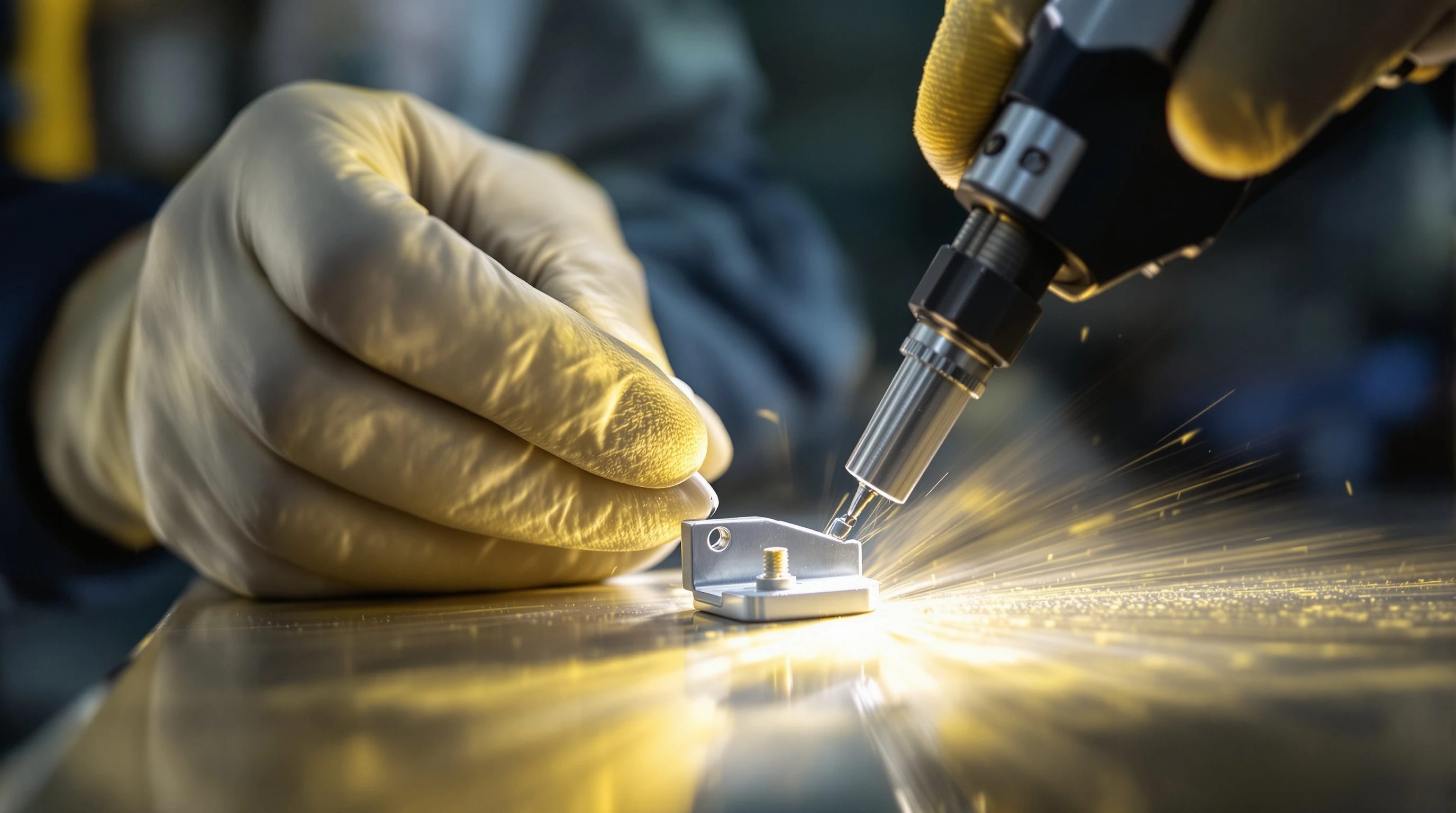
How We Deliver Aesthetic Finishing for Medical
Controlled color application for instrument identification
Instrument Assessment and Surface Preparation
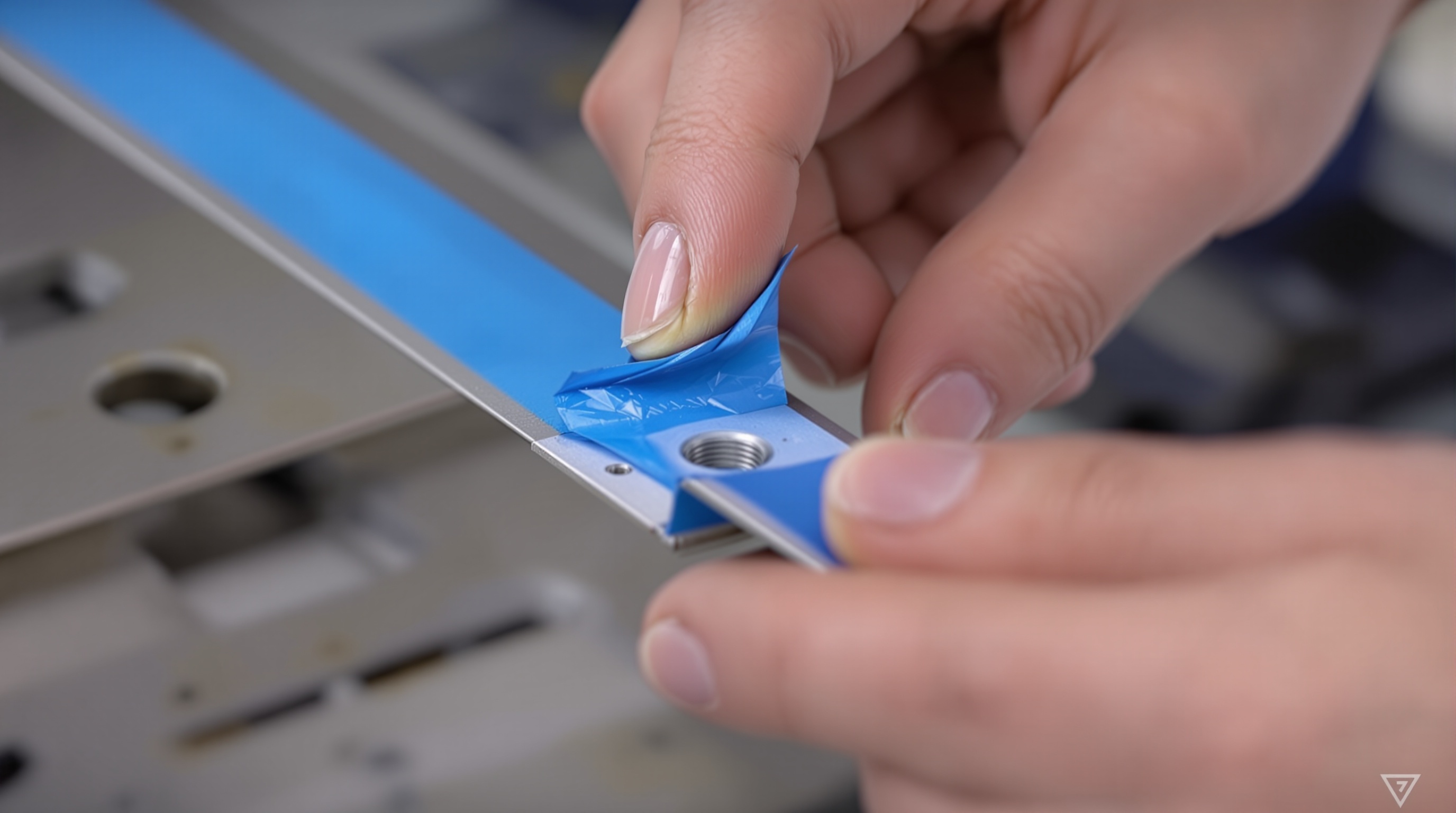
Stainless steel and titanium instruments receive preparation methods matched to their alloy composition. Ultrasonic cleaning removes contaminants, followed by degreasing and tailored media blasting. Masking protects cutting edges, jaw surfaces, and mating features that must remain uncoated to preserve instrument function.
Color-Coded Cerakote Application
Cerakote is applied via calibrated HVLP equipment at 0.5-2 mil thickness with in-process DFT measurement. The locked color formula ensures set-to-set consistency verified by spectrophotometer. Cure temperature of 250-300 F is compatible with common medical device substrates and does not alter instrument heat treatment.

Inspection and Quality Documentation
Final inspection verifies coating thickness, adhesion per ASTM D3359, and spectrophotometer-confirmed Delta E ≤1 color accuracy across the instrument set. Certificate of Conformance documents all measurements and material batch records. Documentation supports device manufacturer quality system requirements.
Proven Color Durability for Medical Instruments
Color performance is verified through spectrophotometric measurement on every production batch under ISO 9001 quality controls. Results are documented on the Certificate of Conformance. Biocompatibility validation remains the responsibility of the device manufacturer.
Delta E ≤1 color consistency
Maintained across stainless steel and titanium instrument substrates using inorganic pigments resistant to autoclave steam and chemical sterilants. Combined with 9H pencil hardness, the finish resists both color degradation and physical chipping through hundreds of sterilization cycles, maintaining instrument identification throughout service life.
Delta E color consistency
Other services to consider
Explore what else we offer.

Weight Reduction for Oil and Gas Equipment
Thick coatings add mass to equipment transported to remote wellsites and offshore platforms. Cerakote at 0.5-2 mils saves 200-400g per part versus powder coating. ISO 9001 certified.
Weight Reduction for Medical Device Components
Surgical instruments must be light enough for hours of precise use. Cerakote at 0.5-2 mils saves 200-400g per part versus powder coating without compromising protection. ISO 9001 certified.

Weight Reduction for Maritime Equipment
Heavy coatings add mass to marine hardware that affects vessel performance and handling. Cerakote at 0.5-2 mils saves 200-400g per part versus powder coating. ISO 9001 certified.
Weight Reduction for Industrial OEM Components
Thick coatings add unnecessary mass to engineered equipment. Cerakote at 0.5-2 mils delivers 200-400g savings per part versus powder coating while preserving tolerances. ISO 9001 certified.
Certified and compliant for your industry


Discuss Medical Device Coating
Request a consultation for instrument color coding feasibility. We respond within 24 hours.
Frequently Asked Questions
Find answers about our coating processes and technical capabilities
Yes. Additive manufactured jigs, fixtures, and production tooling made from SLS nylon or metal AM benefit significantly from Cerakote's 9H hardness. Uncoated AM surfaces wear quickly at contact points, limiting tooling life. Cerakote transforms these surfaces into hardened, abrasion-resistant working faces that extend tooling service life by multiples. Our 14-day standard turnaround with expedited options keeps your tooling production on schedule.
Yes. Abrasion resistance of 4,000 cycles per mil (ASTM D4060) and 9H pencil hardness (ASTM D3363) provide substantial protection against the grinding abrasion of soil, sand, and crop material on coulter blades, seed openers, ground-engaging tools, and conveyor surfaces. For high-wear components, the full stack of chemical conversion coating plus Cerakote maximizes adhesion so the coating stays bonded under sustained abrasive contact.
Hitch points, pivot joints, and articulating connections on agricultural equipment experience constant movement under heavy loads combined with soil abrasion and moisture exposure. Rigid coatings crack at these flex points, exposing metal to corrosion. Polymer coating maintains adhesion through the angular movement and load cycling these joints experience in field operation. The chemical resistance also protects against fertilizer and herbicide contact that accelerates corrosion at failed coating sites on conventional finishes.
Yes. Cerakote at 0.5-2 mils is significantly lighter than powder coating at 4-6 mils, plating, or multi-layer paint systems. When applied to weight-optimized AM geometries, Cerakote preserves the weight advantage that additive manufacturing provides. The coating adds protection and aesthetics without negating the design-for-weight-reduction intent of the AM part. This is particularly valuable for aerospace and defense applications where AM is selected specifically for weight savings.
Cerakote's performance comes from its ceramic-polymer hybrid chemistry, which creates a dense, cross-linked barrier at the molecular level when cured at 250-300 degrees F. The 3,000-hour salt spray rating (ASTM B117) reflects continuous exposure to 5% salt fog at 95 degrees F, a test far more aggressive than real-world service conditions. Surface preparation, including cleaning and media blasting at 80-100 PSI, ensures the coating bonds directly to a clean, profiled substrate with no contaminants to create failure initiation points.