Aesthetic Finishing for Oil and Gas
Precision Cerakote ceramic coatings for aerospace, defense, and industrial components.

The Finish Problem on Wellsite Equipment
Where safety markings fade in harsh service
The challenge
Harsh environments demand coatings that hold.
The solution
ColoradoKote ceramic coating stops corrosion cold.
Why Cerakote for Oil and Gas Finish Quality
Safety colors that survive the wellsite

Delta E ≤1 safety color accuracy
Spectrophotometer-verified color ensures safety identification markings and equipment classification colors meet specification on every production batch. Standard paint varies from batch to batch and degrades quickly in H2S and UV environments. Cerakote locks the formula for consistent results.
Thin-film finish at 0.5-2 mils
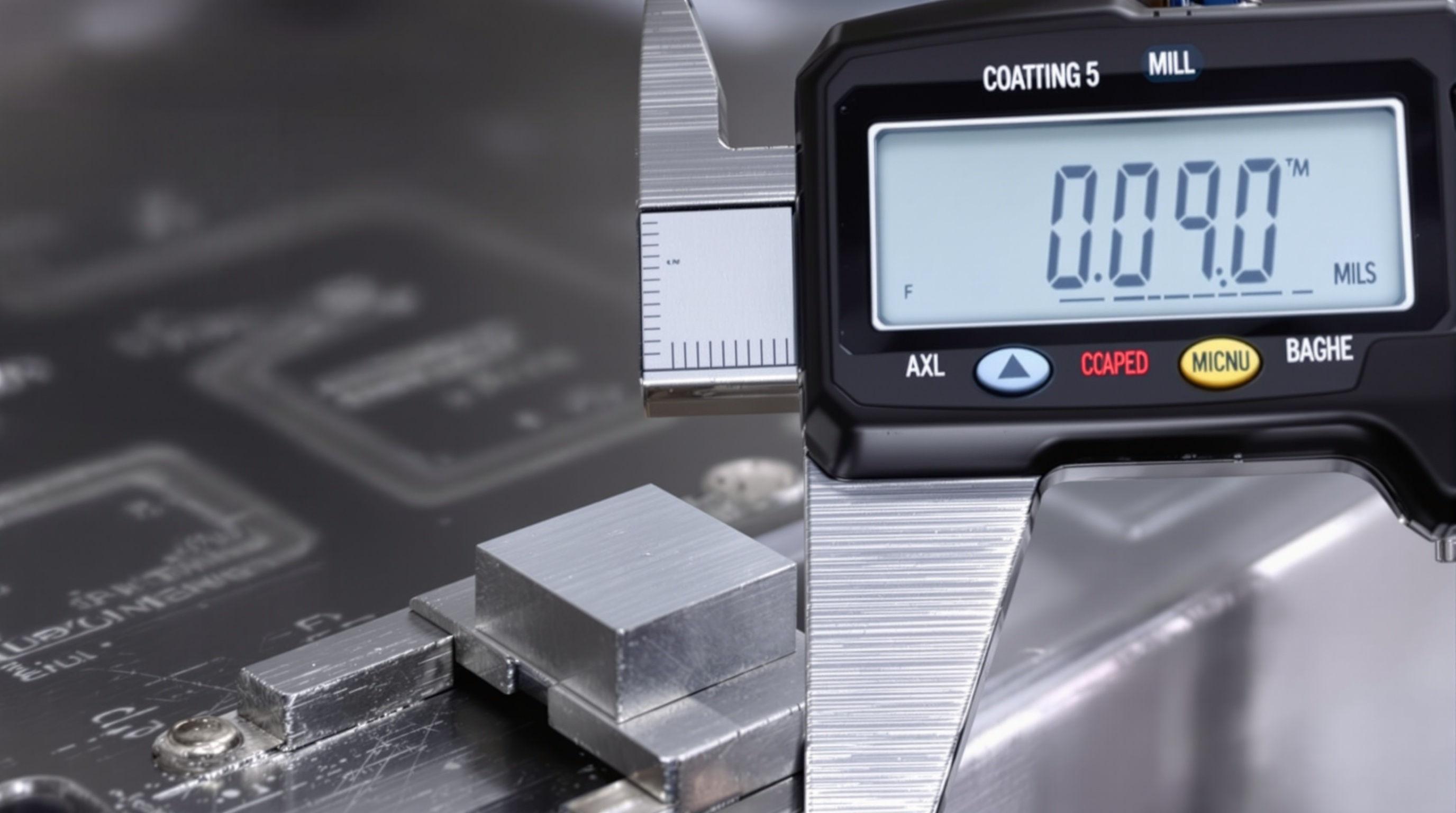
Coating thickness preserves critical dimensions on valve seats, seal surfaces, and threaded connections. Powder coating at 3-5 mils causes interference on precision flow control assemblies. Equipment coats to spec without post-coating modification of dimensional features.
ISO 9001 color and process documentation
Certificate of Conformance documents spectrophotometer readings, coating thickness, and material batch records for every production lot. ISO 9001 quality traceability supports equipment manufacturer quality records and field service documentation.
200+ colors for equipment identification
The Cerakote catalog includes safety colors, pressure rating identification colors, and custom equipment markings. Chip resistance 2-3 times superior to powder coating maintains marking legibility through sand exposure, handling, and chemical contact in wellsite service conditions.
Aesthetic Finishing Specs for Oil and Gas
How We Deliver Aesthetic Finishing for O&G
Controlled color application with full lot traceability
Substrate Evaluation and Preparation
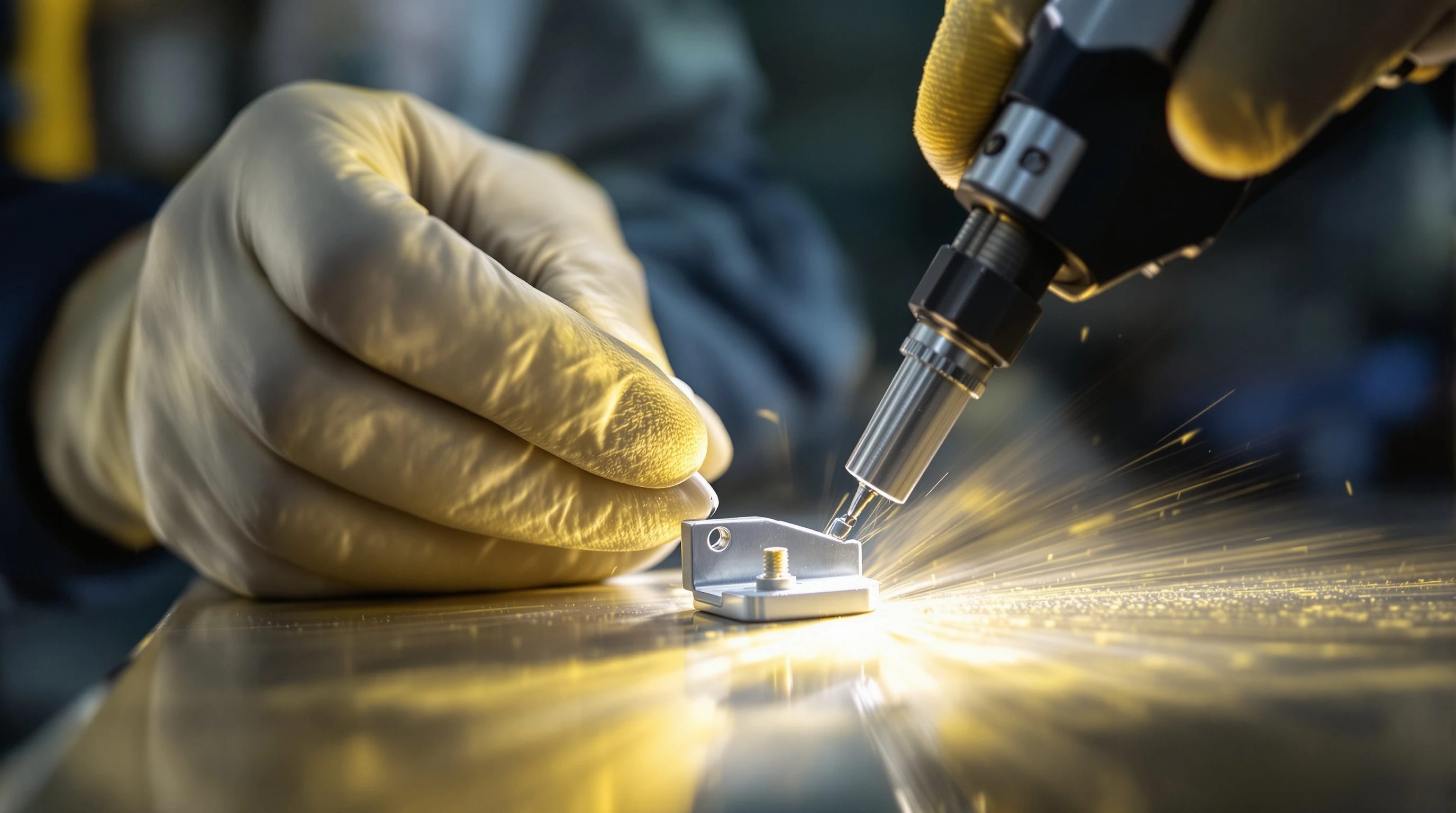
Components are evaluated for substrate composition and dimensional requirements. Carbon steel, stainless steel, and nickel alloy equipment each receive tailored ultrasonic cleaning and media blasting. Masking protects threads, seal surfaces, and bearing areas to preserve critical dimensions.

Safety Color Cerakote Application
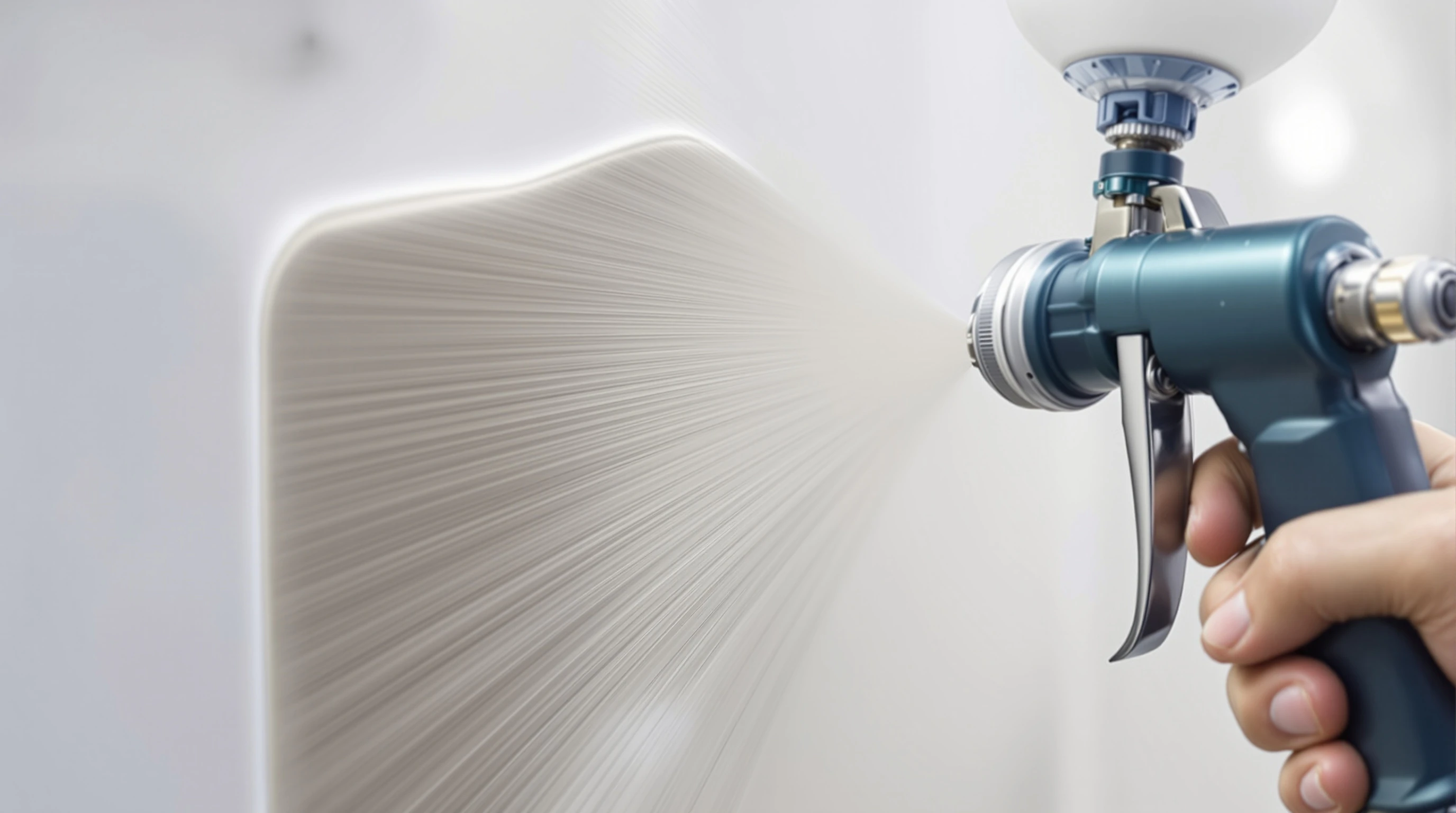
Cerakote is applied via calibrated HVLP equipment at 0.5-2 mil thickness with in-process DFT measurement. The locked color formula matches equipment identification specifications, verified by spectrophotometer during application. All substrates in the production batch coat to the same color standard.

Inspection and Documentation
Final inspection verifies coating thickness, adhesion, and spectrophotometer-confirmed color accuracy. Certificate of Conformance documents all measurements and material batch records. ISO 9001 traceability connects each component to application parameters and cure conditions.
Proven Color Durability for Oil and Gas
Color performance is verified through spectrophotometric measurement on every production batch under ISO 9001 quality controls. Results are documented on the Certificate of Conformance that ships with every order.
Delta E ≤1 color consistency
Maintained across production lots with UV-stable inorganic pigments that resist degradation from H2S exposure, UV radiation, and chemical contact. 9H pencil hardness protects identification markings from sand abrasion throughout field service, maintaining the visual identification that wellsite safety requires.
Delta E color consistency
Other services to consider
Explore what else we offer.
Weight Reduction for Oil and Gas Equipment
Thick coatings add mass to equipment transported to remote wellsites and offshore platforms. Cerakote at 0.5-2 mils saves 200-400g per part versus powder coating. ISO 9001 certified.

Weight Reduction for Medical Device Components
Surgical instruments must be light enough for hours of precise use. Cerakote at 0.5-2 mils saves 200-400g per part versus powder coating without compromising protection. ISO 9001 certified.

Weight Reduction for Maritime Equipment
Heavy coatings add mass to marine hardware that affects vessel performance and handling. Cerakote at 0.5-2 mils saves 200-400g per part versus powder coating. ISO 9001 certified.
Weight Reduction for Industrial OEM Components
Thick coatings add unnecessary mass to engineered equipment. Cerakote at 0.5-2 mils delivers 200-400g savings per part versus powder coating while preserving tolerances. ISO 9001 certified.
Certified and compliant for your industry
Get Equipment Color That Lasts
Send your color and equipment specs. We respond within 24 hours with pricing.
Frequently Asked Questions
Find answers about our coating processes and technical capabilities
Passivation is the essential first step for stainless steel in multi-layer aerospace coating systems. By removing free iron and maximizing surface chromium, passivation creates a clean, corrosion-resistant substrate for topcoats like Cerakote. The full stack of passivation plus Cerakote delivers 3,000 hours of salt spray protection (ASTM B117) at just 0.5-2 mils of topcoat. Few shops offer this combined capability under one roof, especially with aerospace-grade process control.
Clean substrate surfaces are the foundation for all downstream AM post-processing. Residual powder, oils from handling, and manufacturing residue create adhesion failures and surface defects in the finished coating. Ultrasonic cleaning integrated into the AM post-processing sequence, before blasting and coating, ensures every part starts from a verified-clean condition. This contributes to the consistent quality results that allow us to maintain our 20,000+ parts track record with zero quality issues.
Maritime equipment uses color coding for safety systems, navigation hardware, and equipment identification in environments where visibility and quick identification are critical. Cerakote maintains color integrity through continuous salt spray exposure, UV, and marine chemical contact that strips conventional marine paint within seasons. Spectrophotometer-verified color matching to Delta E 1.5 ensures your maritime color coding remains reliable and identifiable in the marine environment.
Yes. Agricultural parts often arrive with pitting corrosion from chemical exposure and moisture. Ultrasonic cavitation removes corrosion products from pit interiors and surface irregularities that blasting alone cannot fully clean. Corrosion products left in pits create adhesion weak spots where the new coating fails first. The combination of ultrasonic cleaning followed by sandblasting at 80-100 PSI produces the contamination-free, properly profiled surface that delivers maximum Cerakote adhesion and corrosion protection on agricultural equipment.
Yes. Cerakote's 9H pencil hardness and 4,000 cycles per mil abrasion resistance dramatically outperform the raw surface of AM parts exposed to soil contact. For non-ground-engaging AM components like sensor housings, seed meter bodies, and equipment guards, Cerakote provides abrasion protection that extends part life through multiple growing seasons. For high-wear ground-engaging surfaces, we recommend Cerakote for corrosion protection with the understanding that extreme abrasive contact will eventually wear through any coating system.