
AM Post-Processing Solutions
Precision Cerakote ceramic coatings for aerospace, defense, and industrial components.
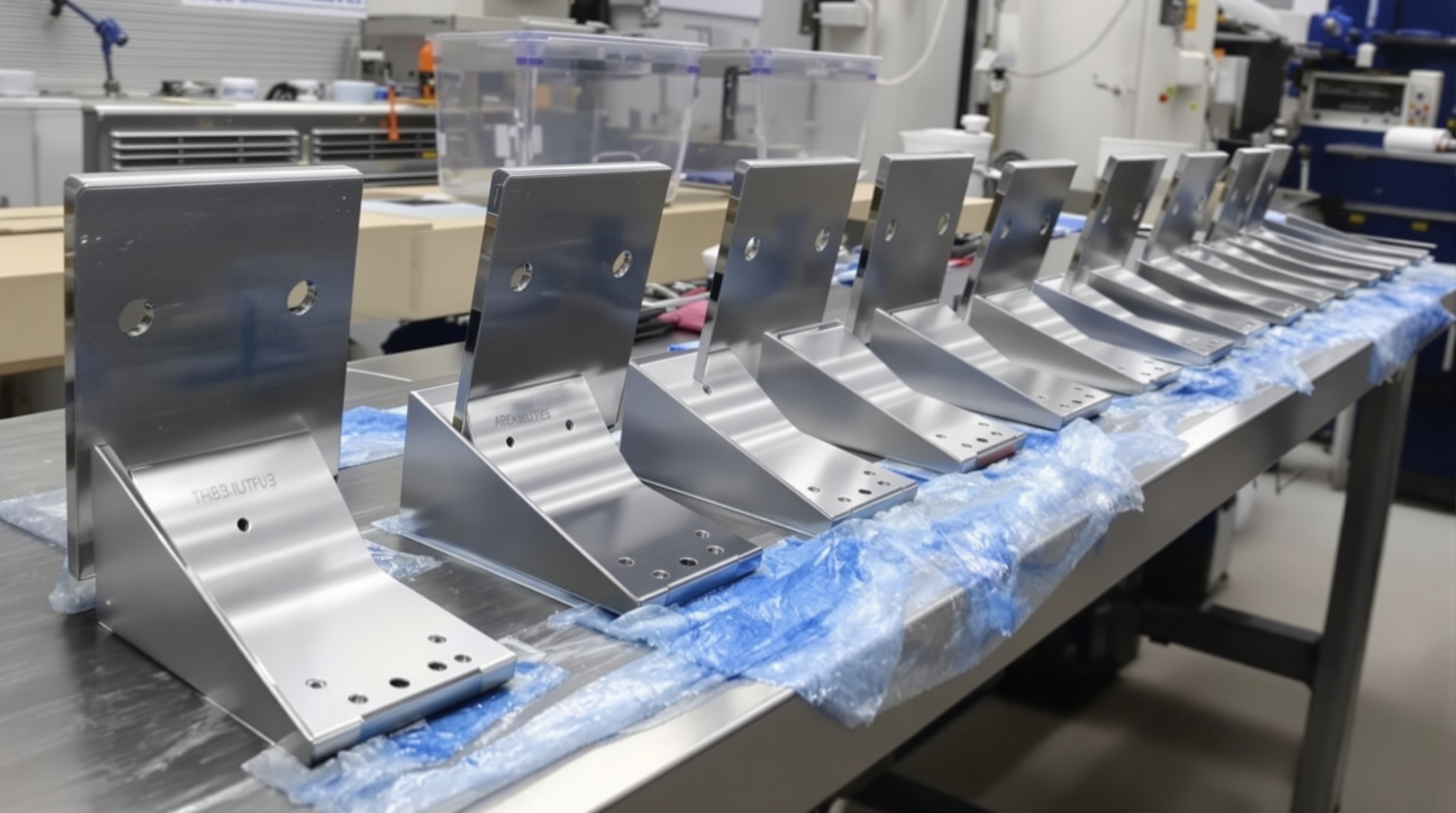
The Post-Processing Bottleneck in AM Production
Where design freedom meets finishing limitations
The challenge
Harsh environments demand coatings that hold.
The solution
ColoradoKote ceramic coating stops corrosion cold.
Why ColoradoKote for AM Post-Processing
Complete workflow for every AM material and technology

Full-spectrum AM material coverage
ColoradoKote maintains validated protocols for every common AM substrate. Polymer materials include PA12, PA11, and MJF nylon. Metal materials include Ti-6Al-4V titanium, AlSi10Mg aluminum, Inconel, and 316L stainless steel. AM technologies covered include SLS (selective laser sintering), MJF (Multi Jet Fusion), and PBF-LB/DMLS (metal powder bed fusion). Each material class follows its own preparation sequence, blast media selection, pressure parameters, and cure profile. No generic one-size-fits-all approach.
Surface finish and protection in one coating step
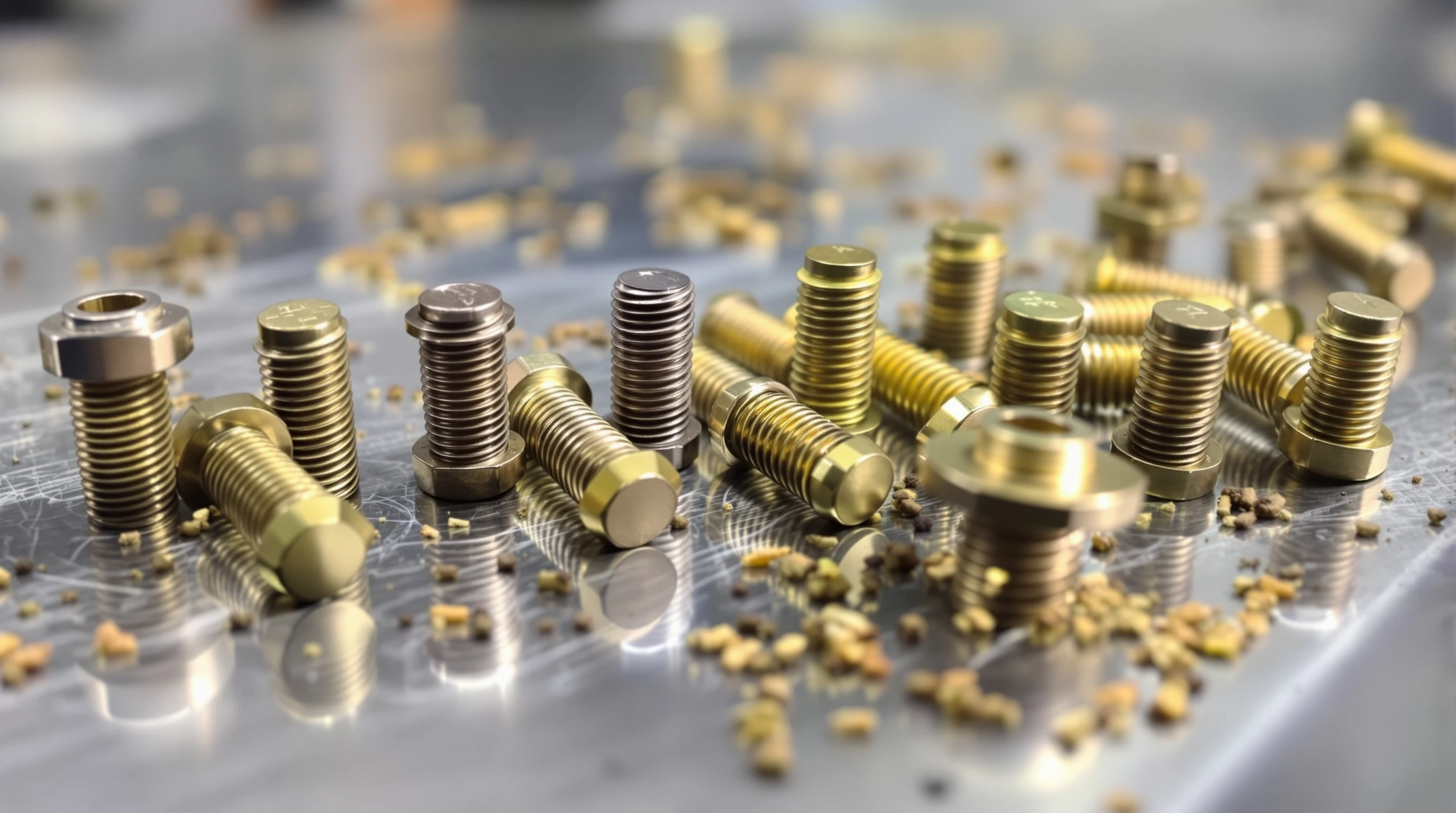
Cerakote fills micro-porosity inherent in powder bed fusion processes, reducing surface roughness from Ra 8-15 micrometers to below 3 micrometers measured by stylus profilometer. Simultaneously, the ceramic-polymer matrix delivers corrosion resistance of 3,000+ hours (ASTM B117) on metal AM substrates, 8H-9H pencil hardness (ASTM D3363), and 100+ color options. Vapor polishing, tumbling, and infiltration each address one finishing requirement. Cerakote addresses surface finish, protection, and aesthetics together.
Dimensional integrity across every AM geometry
Thin-film application at 0.5-2 mils adds only 0.001 to 0.002 inches per coated surface. CMM measurement on every production batch confirms parts remain within plus or minus 0.005 inches. Lattice structures, conformal cooling channels, snap fits, and lightweighted brackets maintain their designed geometry. Powder coating at 3-5 mils forces post-machining that eliminates topology-optimized features and adds cost back into the production chain.
Transparent capacity with certified documentation
Dedicated AM post-processing capacity of 200 parts per week with standard turnaround of 7-10 business days and expedited service at 3-4 business days. Capacity data is published because AM production managers need vendor transparency, not vague lead time promises. Every order ships with a Certificate of Conformance documenting before-and-after Ra measurements, dimensional verification, material batch records, and cure parameters. AS9100 documentation covers aerospace AM. ITAR registration covers defense AM.
AM Post-Processing Specifications
How We Post-Process AM Parts
Material-specific protocols from raw build to production-ready component
Material Identification and Substrate Preparation
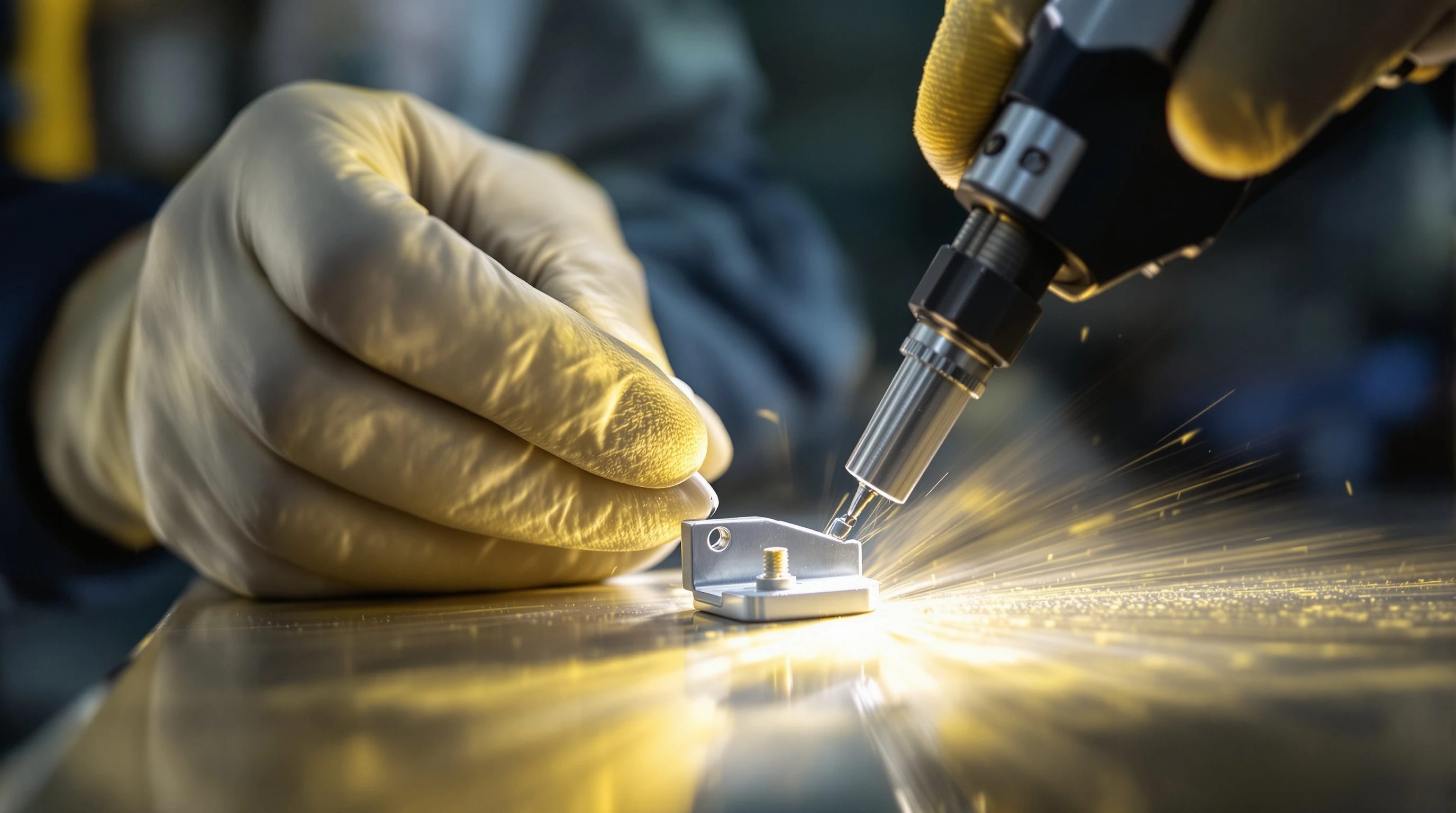
Every AM part begins with material and build technology verification: PA12 (SLS), PA11, MJF nylon, Ti-6Al-4V (PBF-LB/DMLS), AlSi10Mg, Inconel, or 316L stainless. Polymer parts receive compressed air blasting to clear embedded powder, followed by fine glass bead blasting at 40-50 PSI. Metal AM parts undergo ultrasonic cleaning to remove partially sintered particles, then aluminum oxide blasting at 50-60 PSI with targeted attention to support structure contact areas. Post-blast CMM measurement establishes baseline dimensions before coating. Selective masking protects threaded holes, datum surfaces, and critical mating features identified on engineering drawings.

Thin-Film Cerakote Application with Material-Specific Curing
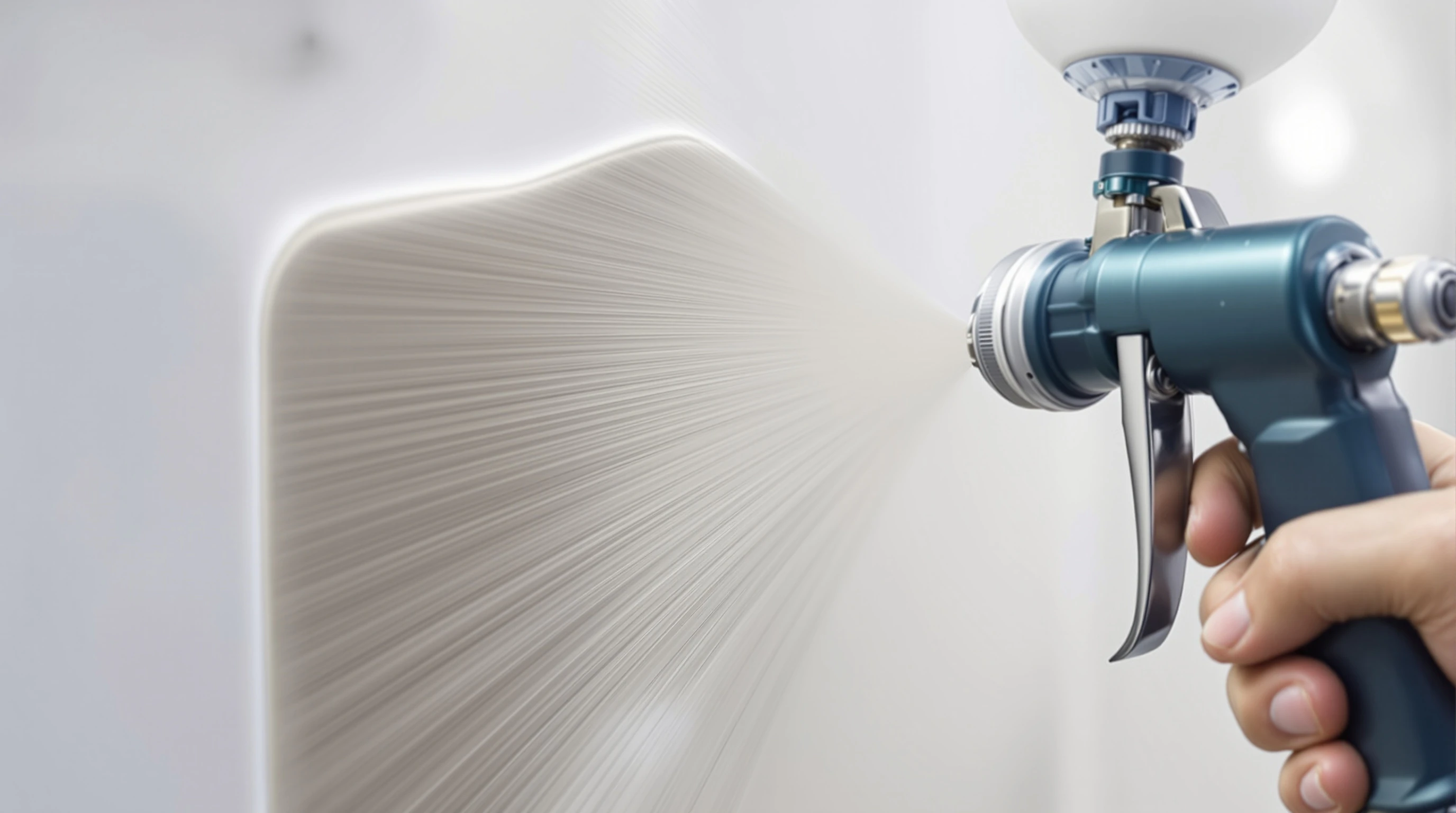
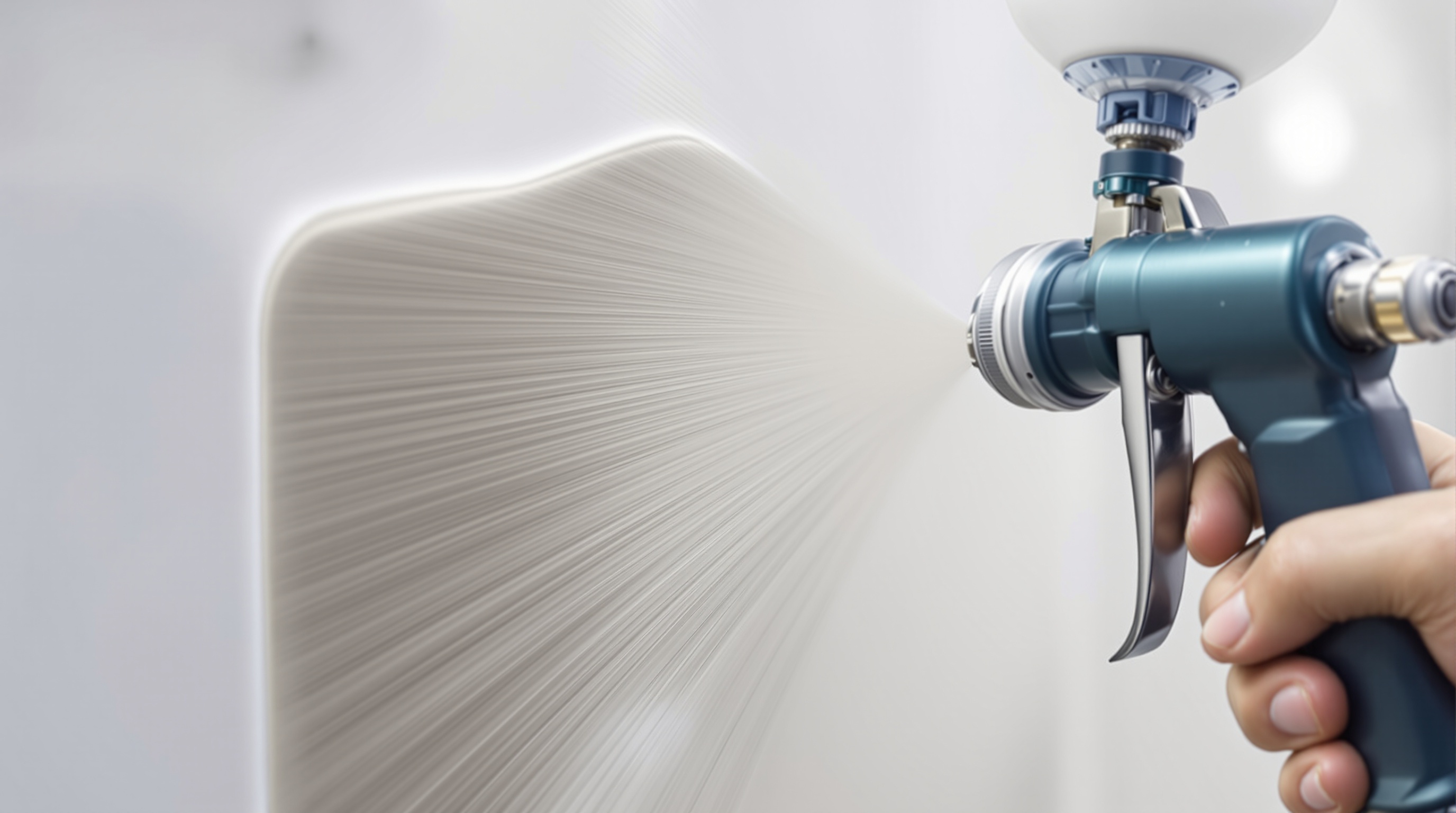
Cerakote is applied via calibrated HVLP equipment in a climate-controlled spray booth monitored for temperature (plus or minus 5 F) and humidity (plus or minus 10%). DFT gauges verify coating thickness at 0.5-2 mils during application. Tight-tolerance parts receive 0.5-1.0 mil for maximum dimensional preservation. Cosmetic-priority parts receive up to 2.0 mils for maximum surface smoothing. Polymer substrates cure at 250 F, below PA12 heat deflection temperature, preventing warping on thin-walled features. Metal AM substrates cure at 250-300 F per standard Cerakote profiles. Multiple thin coats prevent buildup and sagging on complex AM geometries including lattice structures and internal channels.
Multi-Point Inspection and Production Documentation
Post-coating inspection covers five verification points: coating thickness (DFT gauge), adhesion (ASTM D3359), surface roughness (stylus profilometer, target Ra below 3 micrometers), color consistency (spectrophotometer, Delta E at or below 1), and dimensional tolerance (CMM, plus or minus 0.005 inches). Before-and-after Ra documentation shows the measurable surface roughness improvement for every order. Certificate of Conformance ships with every batch, including material traceability, process parameters, cure records, and all inspection results. Aerospace AM parts receive full AS9100 documentation with first article inspection reports available upon request.

Proven AM Post-Processing at Production Scale
AM post-processing performance is verified through dimensional measurement, surface roughness testing, and standardized ASTM protocols, not manufacturer claims. ColoradoKote documents results on every production batch under AS9100 and ISO 9001 controls, and all data ships on your Certificate of Conformance with full lot traceability.
200 parts per week, documented and verified
ColoradoKote processes 200 AM parts per week across polymer and metal substrates with material-specific protocols for PA12, PA11, MJF nylon, Ti-6Al-4V, AlSi10Mg, Inconel, and 316L stainless steel. Surface roughness consistently reduces from Ra 8-15 micrometers to below 3 micrometers, measured by stylus profilometer on every batch. Dimensional tolerances hold within plus or minus 0.005 inches, verified by CMM. Standard turnaround is 7-10 business days, with expedited service at 3-4 business days for production deadlines that cannot move.
AM parts processed per week
Other services to consider
Explore what else we offer.

Weight Reduction for Oil and Gas Equipment
Thick coatings add mass to equipment transported to remote wellsites and offshore platforms. Cerakote at 0.5-2 mils saves 200-400g per part versus powder coating. ISO 9001 certified.

Weight Reduction for Medical Device Components
Surgical instruments must be light enough for hours of precise use. Cerakote at 0.5-2 mils saves 200-400g per part versus powder coating without compromising protection. ISO 9001 certified.

Weight Reduction for Maritime Equipment
Heavy coatings add mass to marine hardware that affects vessel performance and handling. Cerakote at 0.5-2 mils saves 200-400g per part versus powder coating. ISO 9001 certified.
Weight Reduction for Industrial OEM Components
Thick coatings add unnecessary mass to engineered equipment. Cerakote at 0.5-2 mils delivers 200-400g savings per part versus powder coating while preserving tolerances. ISO 9001 certified.
Certified and compliant for your industry


Get Your AM Parts Production-Ready
Submit AM parts for evaluation. We respond within 24 hours with material-specific pricing.
Frequently Asked Questions
Find answers about our coating processes and technical capabilities
Chemical conversion coating adds less than 1 micron of thickness and virtually zero measurable weight to aluminum components. This makes it the ideal corrosion treatment when weight reduction is a design driver. Compare this to anodizing (0.5-3 mils) or powder coating (4-6 mils), both of which add meaningful weight on high-volume or large-surface-area parts. Even with a Cerakote topcoat at 0.5-2 mils, total buildup stays minimal.
No. Cerakote achieves its performance specifications, including 3,000-hour salt spray, 9H pencil hardness, and 4,000 cycles per mil abrasion resistance, at its standard 0.5 to 2 mil thickness. The ceramic-polymer matrix delivers more protection per mil than conventional coatings. This means you get superior corrosion, abrasion, and chemical resistance in a fraction of the film build, maintaining both weight targets and dimensional tolerances.
Industrial components subject to abrasion, impact, and chemical exposure receive aggressive SSPC-SP 10 blast preparation at 80-100 PSI. The 2-4 mil anchor profile ensures Cerakote bonds with maximum adhesion on pump housings, valve bodies, hydraulic cylinders, and wear surfaces. For components returning for recoating, we strip the existing finish and re-blast to achieve a fresh bonding surface. Proper preparation on industrial parts directly extends service intervals.
V-Series Cerakote is air-cured and rated to 2,000 degrees F, making it ideal for exhaust manifolds, headers, turbo housings, and heat shields. H-Series protects engine bay brackets, reservoirs, and dress components with 3,000 hours salt spray resistance (ASTM B117) against road salt and chemical exposure. Both series add only 0.5-2 mils of thickness, preserving bolt patterns and gasket surfaces on precision engine components.
Stainless steel brackets, fasteners, and fixtures in aerospace assemblies benefit from passivation per ASTM A967 followed by Cerakote ceramic topcoat. Passivation restores the chromium oxide layer after machining or welding, and Cerakote adds 3,000-hour salt spray barrier protection on top. ColoradoKote performs both processes in-house under AS9100 quality controls, providing full traceability for each step in a single Certificate of Conformance.