
Cerakote for Additive Manufacturing
Precision Cerakote ceramic coatings for aerospace, defense, and industrial components.
Why Additive Manufacturing Needs Cerakote
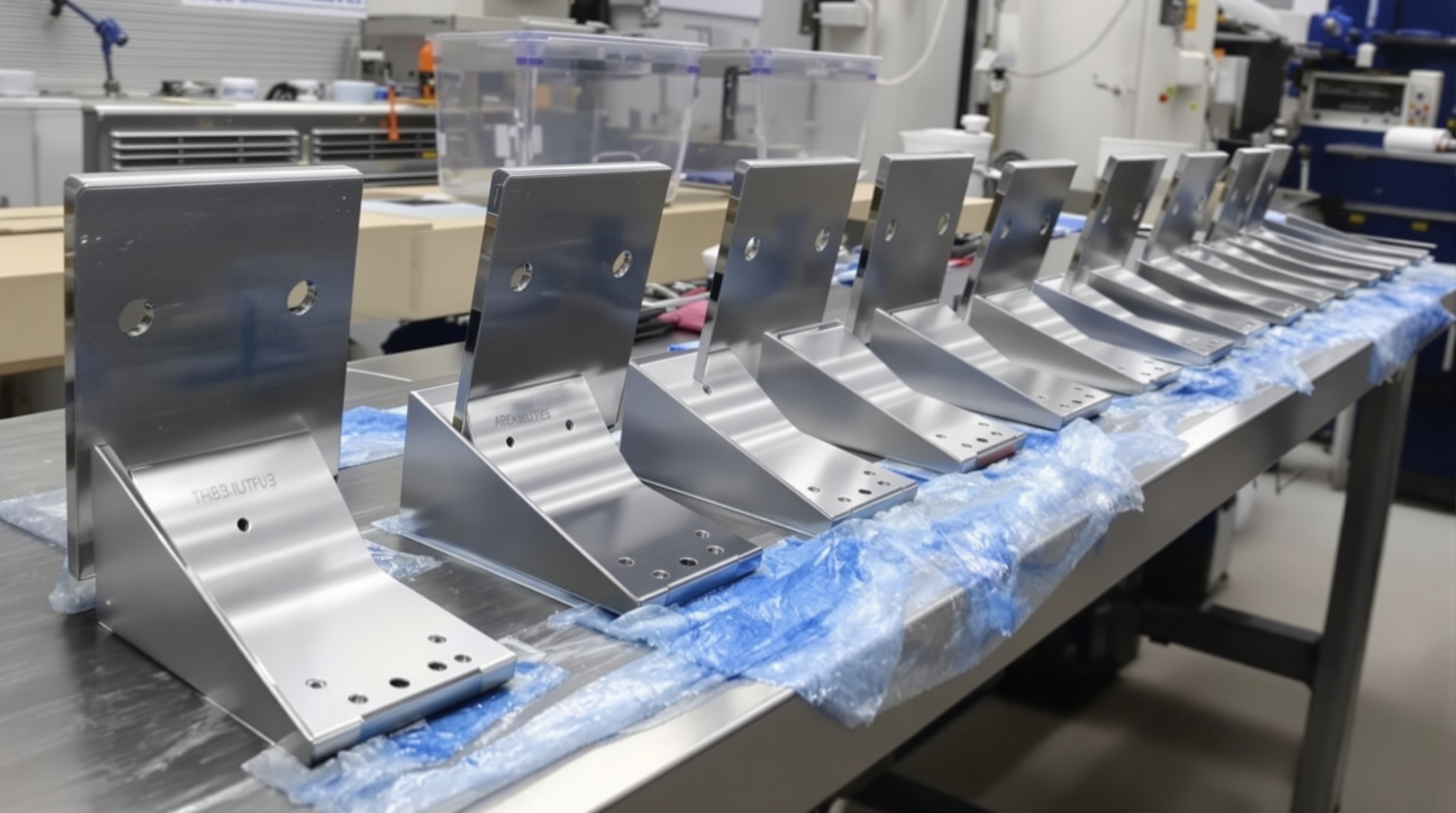
Printing is only 40% of the production timeline
The challenge
Harsh environments demand coatings that hold.
The solution
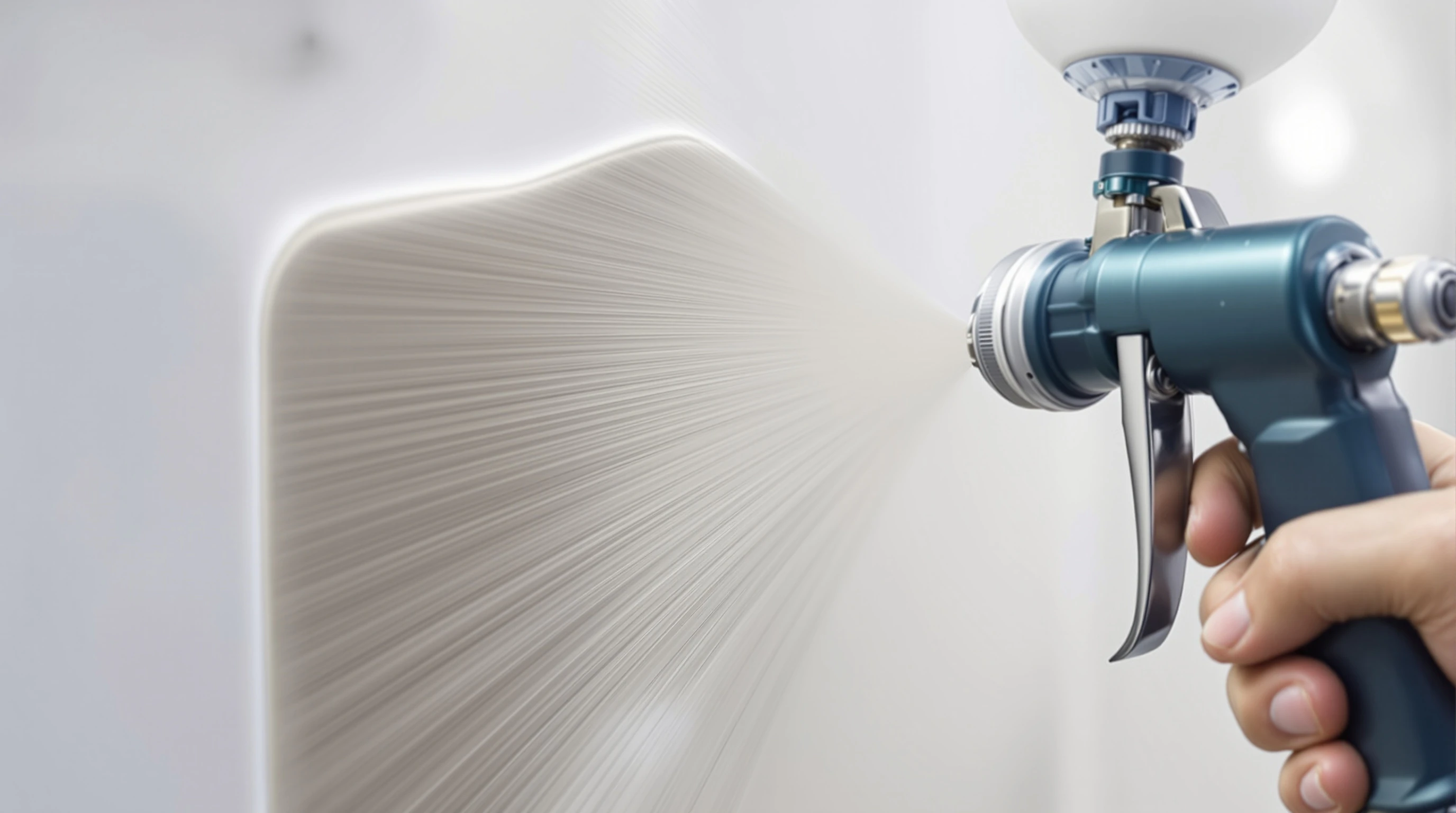
ColoradoKote ceramic coating stops corrosion cold.
Why ColoradoKote Cerakote for AM Production
Protection and precision that alternatives cannot match

Surface roughness reduction with functional protection
Cerakote fills micro-voids and smooths layer lines, reducing surface roughness from Ra 8-15 micrometers to below 3 micrometers measured by stylus profilometer. Unlike vapor polishing and tumbling, which remove material without adding any barrier, Cerakote simultaneously delivers corrosion resistance (3,000+ hours ASTM B117 on metal AM), 8H-9H pencil hardness (ASTM D3363), and 100+ color options. One coating step replaces three separate finishing operations.
Dimensional tolerance preservation at 0.5-2 mils
Thin-film application adds only 0.001 to 0.002 inches per coated surface. Parts remain within the plus or minus 0.005 inch tolerance envelope, verified by CMM measurement on every production batch. Powder coating at 3-5 mils pushes AM parts outside tolerance, requiring post-machining that eliminates topology-optimized features. Cerakote eliminates that rework entirely.
Material-specific protocols for every AM substrate
PA12 and MJF nylon receive fine glass bead blasting at 40-50 PSI to preserve thin walls. Ti-6Al-4V receives controlled aluminum oxide blasting at 50-60 PSI with cure profiles validated to prevent embrittlement. AlSi10Mg, Inconel, and 316L stainless each follow separate preparation sequences. Generic coating shops treat all AM parts identically, damaging thin-walled polymer structures and wasting expensive metal builds.
200 AM parts per week with certified traceability
Dedicated AM post-processing capacity processes 200 parts per week with standard turnaround of 7-10 business days and expedited service at 3-4 business days. Every order ships with a Certificate of Conformance documenting surface roughness data, dimensional verification, material batch records, and cure parameters. AS9100 documentation is available for aerospace AM applications, and ITAR registration covers defense AM work.
Cerakote Specifications for AM Applications

How We Apply Cerakote to AM Parts
Material-specific preparation protocols for polymer and metal additive manufacturing
Substrate Assessment and Surface Preparation
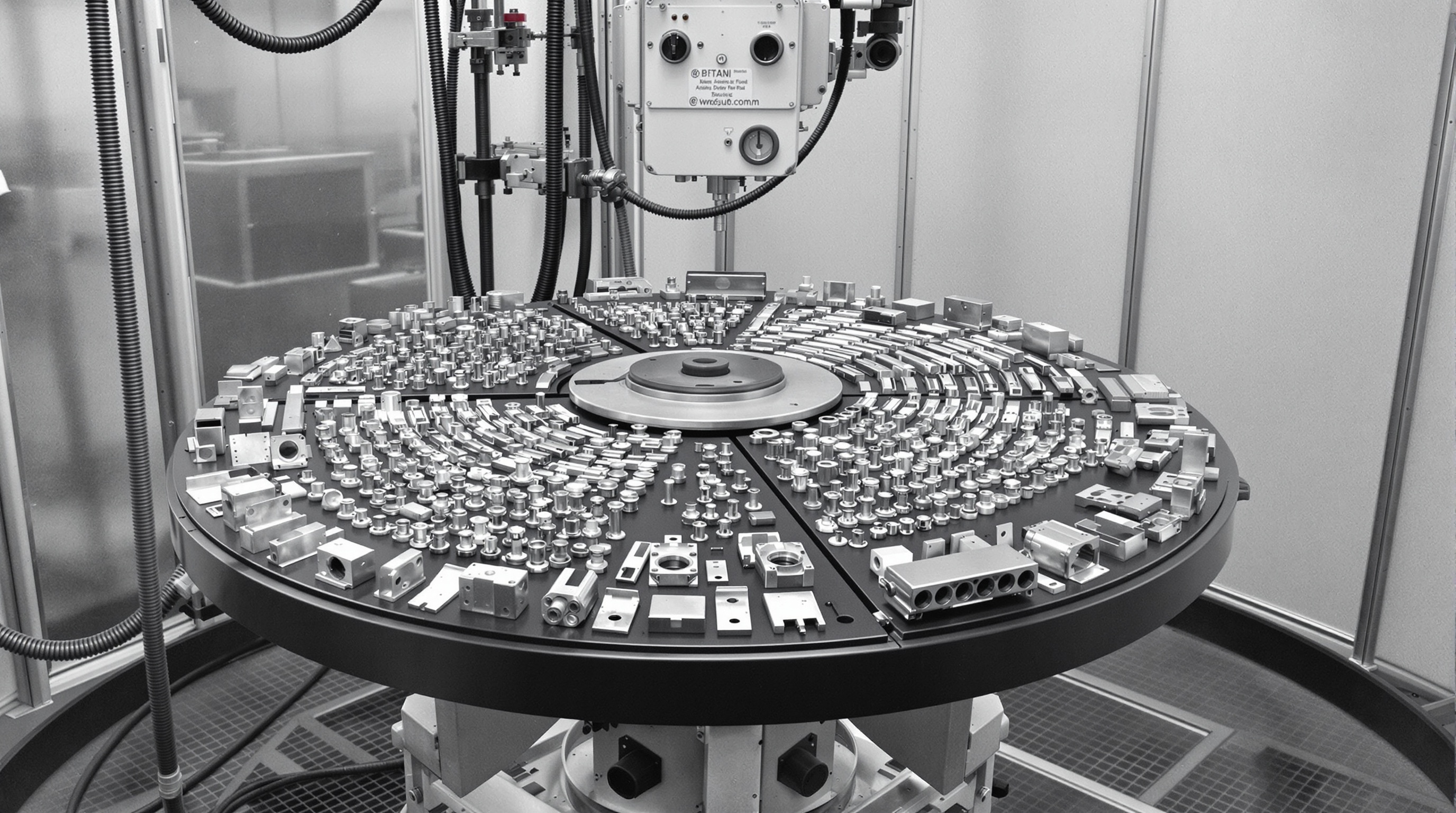
Every AM part is identified by material and build technology: PA12 (SLS), PA11, MJF nylon, Ti-6Al-4V (PBF-LB), AlSi10Mg, Inconel, or 316L stainless. Polymer parts receive fine glass bead blasting at 40-50 PSI to create an adhesion profile without distorting thin walls or lattice structures. Metal AM parts receive aluminum oxide blasting at 50-60 PSI with focused attention on support structure contact areas. Ultrasonic cleaning removes residual blast media and powder particles trapped in surface pores.

Calibrated Thin-Film Application
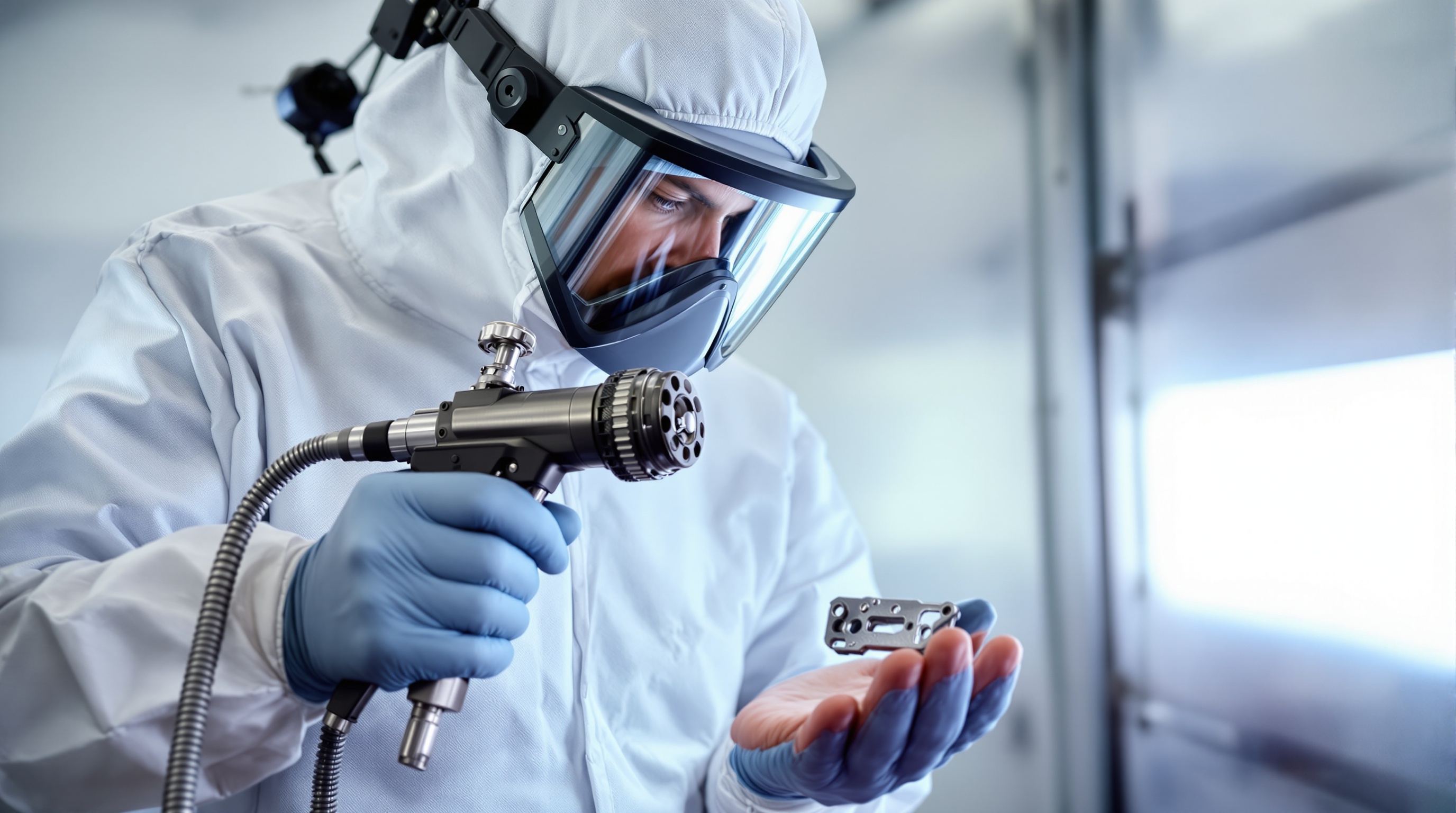
Cerakote is applied via calibrated HVLP equipment at 0.5-2 mil thickness, monitored in-process with DFT gauges. Tight-tolerance parts receive 0.5-1.0 mil application to maximize dimensional preservation. Cosmetic-priority parts receive up to 2.0 mils for maximum surface smoothing. Polymer substrates cure at 250 F, below PA12 heat deflection temperature, to prevent warping. Metal AM substrates follow standard cure profiles at 250-300 F. Climate-controlled spray booth monitors temperature within plus or minus 5 F and humidity within plus or minus 10% throughout application.
Dimensional Verification and Quality Documentation
Post-coating CMM measurement confirms parts remain within the plus or minus 0.005 inch tolerance envelope. Stylus profilometer verifies surface roughness reduction to below Ra 3 micrometers. Adhesion testing per ASTM D3359 and DFT thickness measurement complete the inspection sequence. Every order ships with a Certificate of Conformance including before-and-after Ra data, dimensional verification, material batch records, and cure parameters. AS9100 first article inspection reports are available for aerospace AM programs.

Proven Cerakote Performance on AM Parts
AM post-processing performance is verified through dimensional measurement and standardized ASTM testing, not manufacturer claims. ColoradoKote documents before-and-after results on every production batch under AS9100 and ISO 9001 controls, and all data ships on your Certificate of Conformance.
Plus or minus 0.005 inch tolerance maintained
CMM measurement confirms that Cerakote application at 0.5-2 mils adds only 0.001 to 0.002 inches per coated surface, keeping AM parts within their designed tolerance envelope. Powder coating at 3-5 mils causes dimensional interference that requires post-machining, eliminating the cost and lead time advantages of additive manufacturing. ColoradoKote has maintained this tolerance standard across PA12, PA11, Ti-6Al-4V, AlSi10Mg, and Inconel substrates at production volumes of 200 parts per week.
Tolerance maintained across AM substrates

Other services to consider
Explore what else we offer.

Weight Reduction for Oil and Gas Equipment
Thick coatings add mass to equipment transported to remote wellsites and offshore platforms. Cerakote at 0.5-2 mils saves 200-400g per part versus powder coating. ISO 9001 certified.

Weight Reduction for Medical Device Components
Surgical instruments must be light enough for hours of precise use. Cerakote at 0.5-2 mils saves 200-400g per part versus powder coating without compromising protection. ISO 9001 certified.

Weight Reduction for Maritime Equipment
Heavy coatings add mass to marine hardware that affects vessel performance and handling. Cerakote at 0.5-2 mils saves 200-400g per part versus powder coating. ISO 9001 certified.
Weight Reduction for Industrial OEM Components
Thick coatings add unnecessary mass to engineered equipment. Cerakote at 0.5-2 mils delivers 200-400g savings per part versus powder coating while preserving tolerances. ISO 9001 certified.
Certified and compliant for your industry


Start Your AM Coating Project
Send AM part files for a Cerakote quote. We respond within 24 hours with material-specific pricing.
Frequently Asked Questions
Find answers about our coating processes and technical capabilities
MIL-DTL-5541 Type I chemical conversion coating delivers 168-240+ hours of salt spray resistance per ASTM B117, while Type II non-chromate conversion provides 96-168+ hours. These are standalone results without any topcoat. When your application demands maximum corrosion protection, pairing conversion coating with Cerakote extends salt spray resistance to 3,000 hours (ASTM B117) in a total coating thickness of just 0.5-2 mils.
Marine hardware develops salt crystal deposits, biological growth residue, and corrosion products in every crevice and internal feature. Ultrasonic cavitation dissolves and removes these contaminants from complex geometries that manual cleaning cannot reach. For maritime components being recoated, thorough ultrasonic cleaning removes all chloride contamination that would otherwise initiate corrosion under the new coating. This cleaning step is essential for achieving full coating life on marine hardware.
We hold full capability for MIL-DTL-5541 Type I and Type II chemical conversion coating on defense aluminum components. Type I provides 168-240+ hours of salt spray resistance (ASTM B117), meeting the corrosion requirements for fielded military hardware. Our facility has processed over 20,000 parts with zero quality issues, including work spec-proven for major aerospace OEMs.
We coat steel, stainless steel, aluminum, titanium, copper alloys, and polymer substrates with corrosion-resistant Cerakote formulations. Each substrate receives appropriate preparation: chemical conversion for aluminum, passivation for stainless steel, and media blasting for ferrous metals and other materials. This multi-substrate capability means one vendor handles your full parts list regardless of material mix.
Every polymer-coated medical device order ships with a Certificate of Conformance documenting the coating formulation, lot traceability, thickness measurements, adhesion test results, and visual inspection findings. Our ISO 9001:2015 quality system maintains controlled records supporting FDA 21 CFR Part 820 and EU MDR requirements. Polymer formulation identification and chemical resistance data are included to support your regulatory file for device clearance or approval submissions.