
Cerakote for Aerospace
Precision Cerakote ceramic coatings for aerospace, defense, and industrial components.
Why Aerospace Needs Cerakote
Where coatings fail, aircraft stop flying
The challenge
Harsh environments demand coatings that hold.
The solution
ColoradoKote ceramic coating stops corrosion cold.
Why ColoradoKote Cerakote for Aerospace
One coating process for every aerospace substrate

Every aerospace substrate from one coating process
Cerakote bonds to aluminum, steel, titanium, Inconel, stainless steel, and composites. ColoradoKote qualifies once and covers your entire aerospace parts portfolio, replacing the 3-4 substrate-specific vendors that fragment most aerospace coating programs. Mixed-substrate batches move through one application cycle, one quality system, and one Certificate of Conformance. That consolidation eliminates cross-vendor color mismatch and cuts procurement overhead.
Controlled thin-film application at 0.5-2 mils
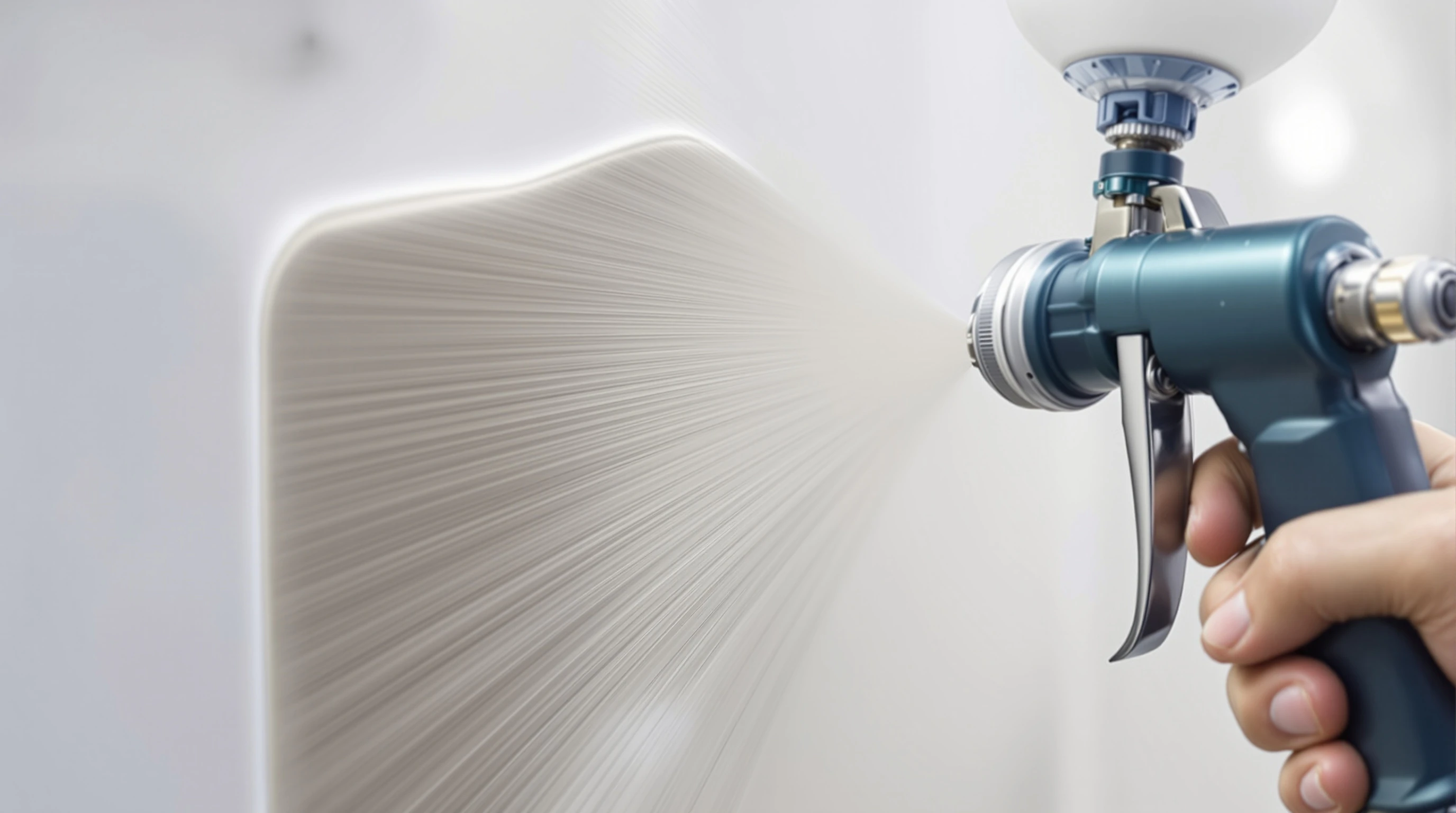
Calibrated HVLP equipment applies Cerakote in monitored layers with in-process DFT measurement on every part. This controlled application preserves interference-fit dimensions on structural fasteners and close-tolerance assemblies without post-coating machining. Powder coating at 3-5 mils causes dimensional interference and adds 200-400g per part. ColoradoKote's thin-film process eliminates both problems while delivering 4,000+ hours corrosion resistance (ASTM B117).
Dedicated facility with documented environmental controls
Climate-controlled spray booth holds temperature within 5 F and humidity within 10% throughout application, the specific controls that determine color development and cure consistency. 40 kHz ultrasonic cleaning prepares every substrate before coating. Advanced Applicator-certified technicians execute the same calibrated process on every part. These facility controls are why the 90,000-part commercial aircraft program delivered zero quality holds across three years.
AS9100 process documentation from intake to shipment
Every coating parameter is recorded: spray pressure, distance, layer count, booth temperature, humidity, and cure profile. Certificate of Conformance includes material batch numbers, application data, environmental conditions, and inspection results. First article inspection reports and PPAP documentation are available upon request. This documentation depth goes beyond test results to prove how every part was processed.
Cerakote Specifications for Aerospace
How We Apply Cerakote for Aerospace Parts
AS9100 documented from surface preparation through final inspection and shipment
Aerospace-Specific Surface Preparation
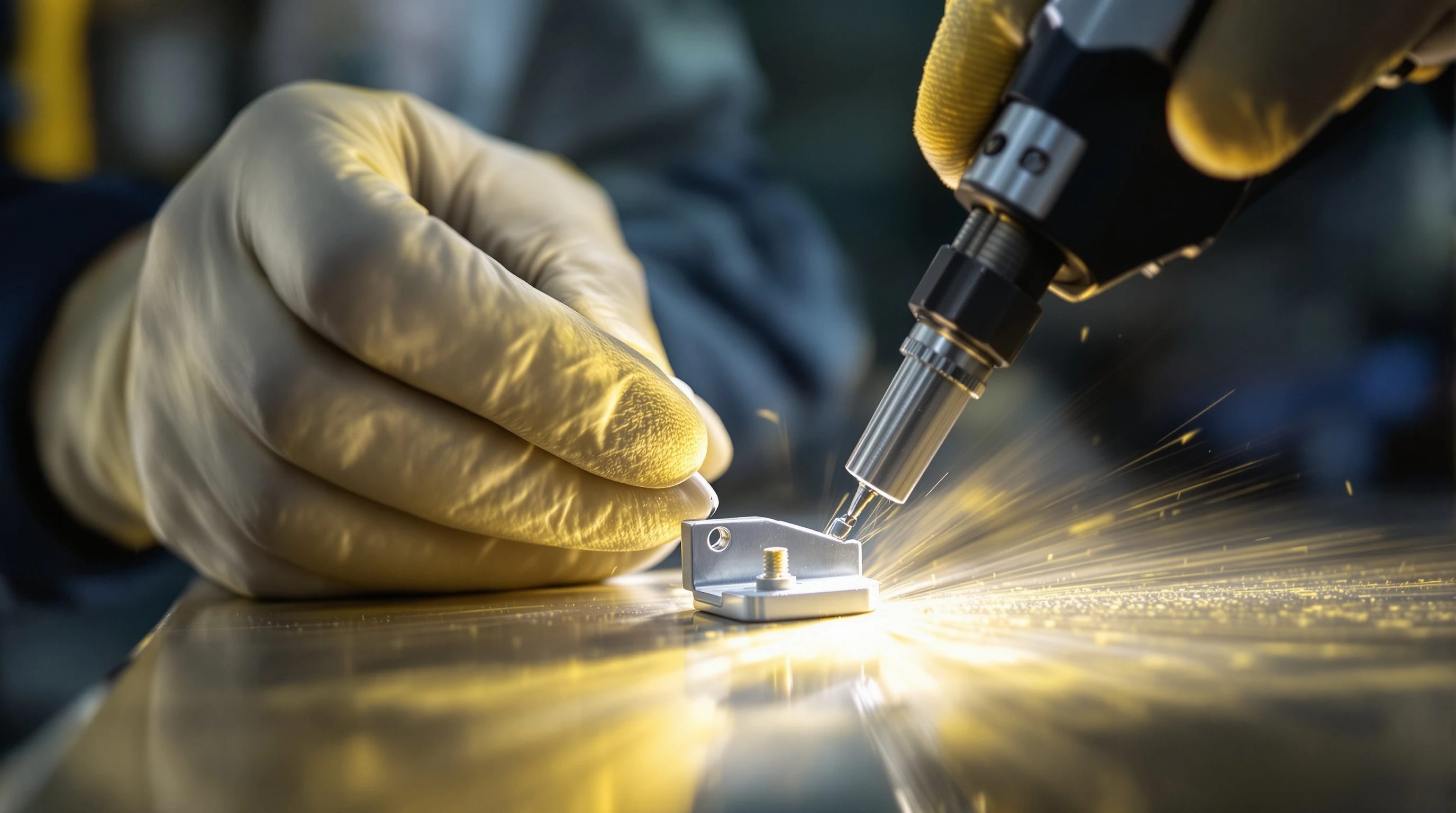
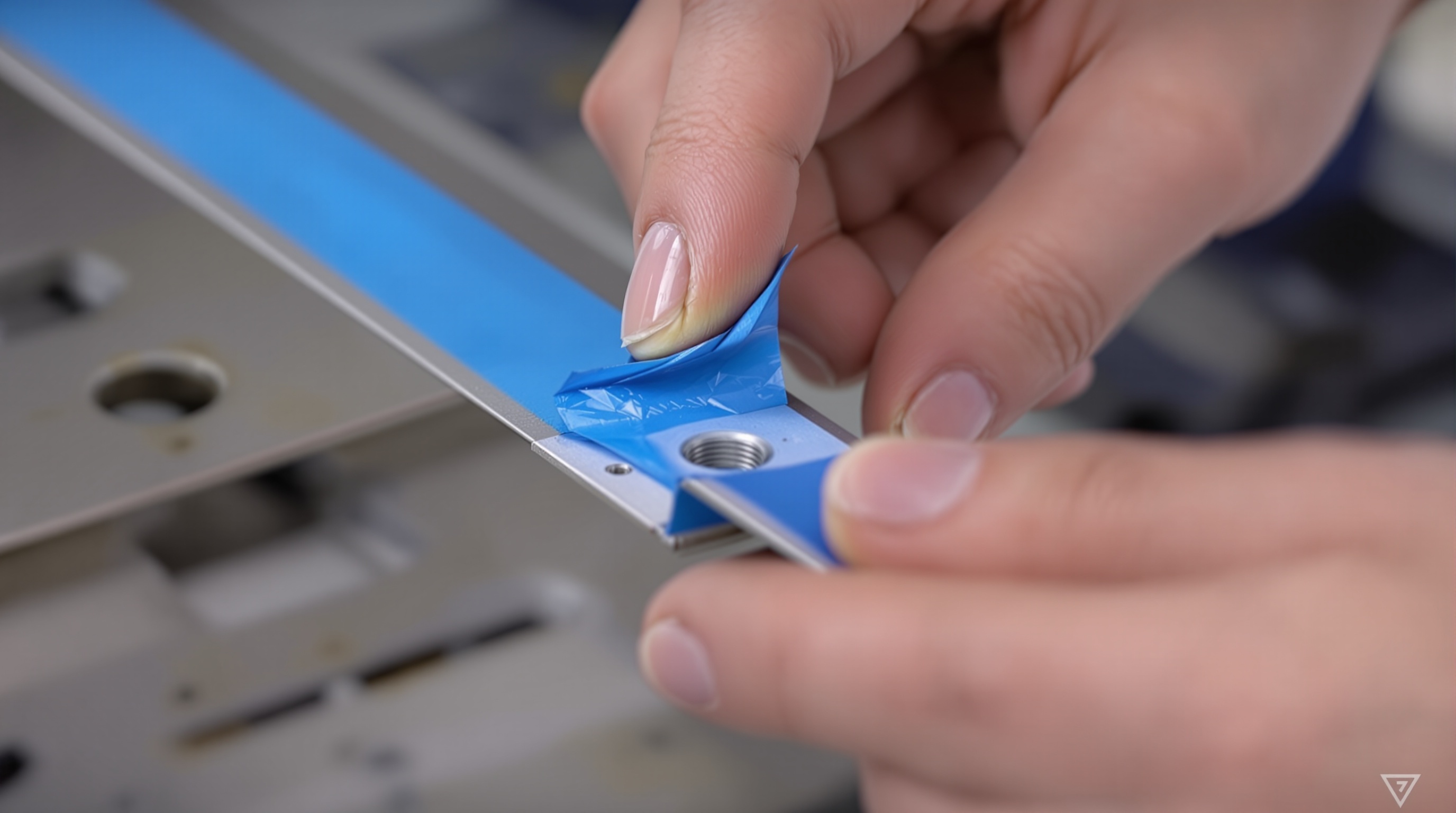
Each aerospace alloy receives tailored preparation for maximum coating adhesion. Titanium, aluminum, steel, and Inconel substrates follow different cleaning and profiling sequences. Ultrasonic cleaning at 40 kHz removes machining fluids, fingerprint oils, and embedded contaminants from blind holes and complex geometries. Precision masking protects critical surfaces, threads, and bearing areas from coating buildup. Surface preparation determines coating longevity, and 80% of coating failures trace to inadequate prep.
Controlled Cerakote Application
Cerakote is applied via calibrated HVLP equipment in monitored layers targeting 0.5-2 mil thickness. In-process DFT measurements confirm dimensional compliance on every part. Application parameters, including air pressure, spray distance, and layer count, are documented for full AS9100 traceability. Climate-controlled spray booth holds temperature within 5 F and humidity within 10% throughout application. Parts cure at 250-300 F per the prescribed schedule in temperature-monitored ovens with data-logged profiles.

Multi-Point Inspection and Documentation
Final inspection verifies coating thickness (DFT gauge), adhesion per ASTM D3359 (5B rating), color consistency (spectrophotometer, Delta E ≤1), and visual integrity against acceptance criteria. Salt spray test coupons from each production batch validate 4,000+ hour corrosion performance. Certificate of Conformance documents all measurements, material batch numbers, and cure records. PPAP and first article inspection reports are available upon request.

Proven Cerakote Performance for Aerospace
Process consistency is verified through production data and standardized ASTM testing, not single-sample results. ColoradoKote documents every process parameter under AS9100 controls, and batch-level results are on your Certificate of Conformance with full lot traceability.
90,000 parts, 3 years, zero process deviations
A commercial aircraft cabin interior program ran 90,000 parts through ColoradoKote's Cerakote application process across three years. Every batch maintained the same spray parameters, environmental controls, and cure profiles. The result: zero quality holds, zero color rejections (Delta E ≤1 on every lot), and zero dimensional non-conformances. This program proved that ColoradoKote's process scales from prototype to full production without degradation in any quality metric.
Parts with zero process deviations

Other services to consider
Explore what else we offer.

Weight Reduction for Oil and Gas Equipment
Thick coatings add mass to equipment transported to remote wellsites and offshore platforms. Cerakote at 0.5-2 mils saves 200-400g per part versus powder coating. ISO 9001 certified.

Weight Reduction for Medical Device Components
Surgical instruments must be light enough for hours of precise use. Cerakote at 0.5-2 mils saves 200-400g per part versus powder coating without compromising protection. ISO 9001 certified.

Weight Reduction for Maritime Equipment
Heavy coatings add mass to marine hardware that affects vessel performance and handling. Cerakote at 0.5-2 mils saves 200-400g per part versus powder coating. ISO 9001 certified.
Weight Reduction for Industrial OEM Components
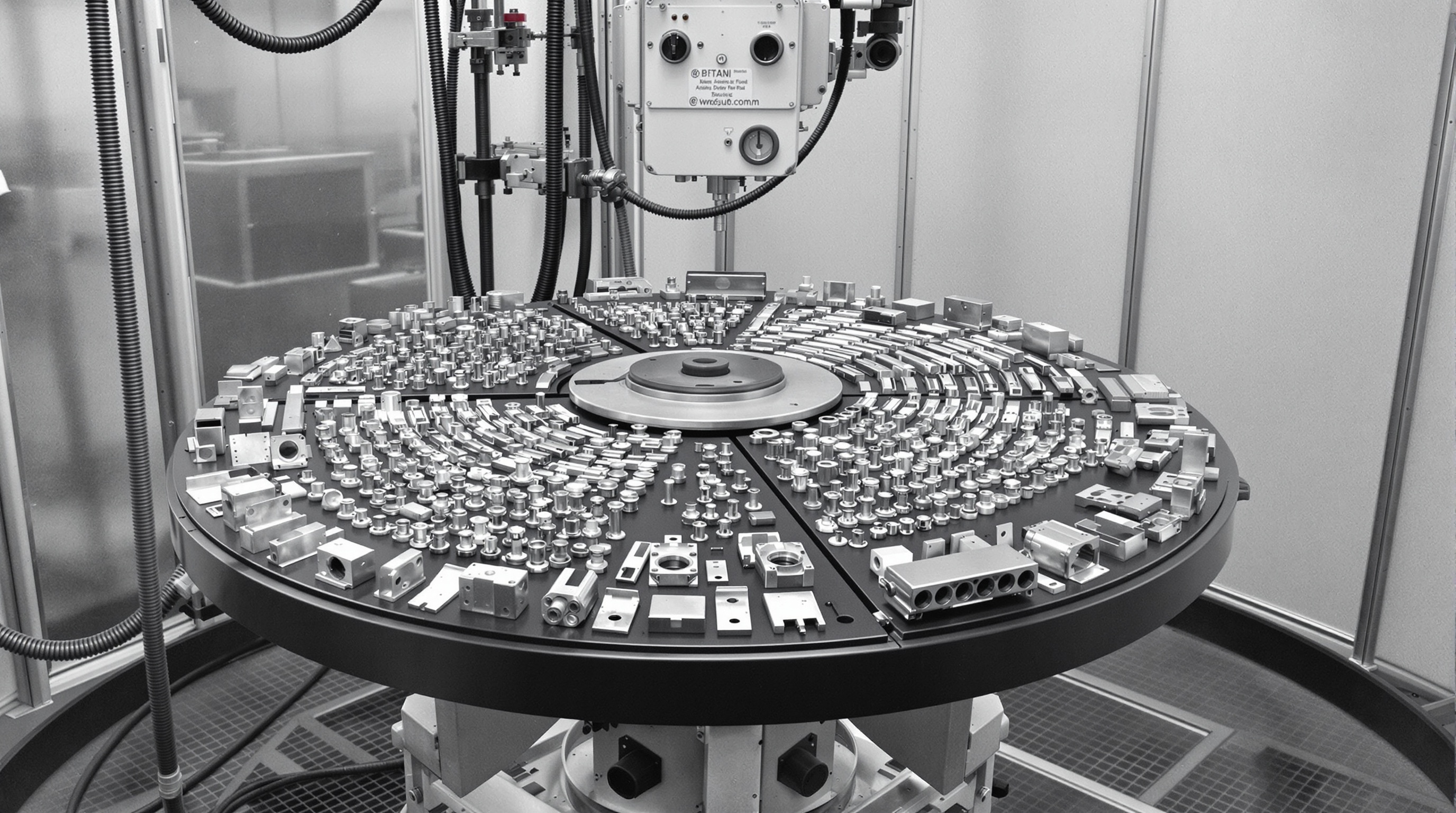
Thick coatings add unnecessary mass to engineered equipment. Cerakote at 0.5-2 mils delivers 200-400g savings per part versus powder coating while preserving tolerances. ISO 9001 certified.
Certified and compliant for your industry


Start Your Aerospace Project
Request a Cerakote quote for aerospace parts. We respond within 24 hours with approach and pricing.
Frequently Asked Questions
Find answers about our coating processes and technical capabilities
The combined stack provides layered protection: chemical conversion coating creates an adhesion-promoting base and initial corrosion barrier, passivation removes free iron and surface contaminants, and Cerakote delivers the final 3,000-hour salt spray barrier (ASTM B117). Running all three processes under one roof at ColoradoKote eliminates the handling damage and contamination risk of shipping parts between multiple vendors for each step.
Cerakote's ceramic-polymer matrix is chemically inert once cured, and specific formulations have been evaluated for biocompatibility in device applications. The coating resists autoclave sterilization cycles, chemical disinfectants, and repeated cleaning without degradation. ColoradoKote applies Cerakote under ISO 9001:2015 process controls with full lot traceability, providing the documentation framework medical device manufacturers require for regulatory submissions.
Each medical device order includes a Certificate of Conformance with coating formulation identification, lot traceability, thickness measurements, adhesion test results, and cure verification. Our ISO 9001:2015 quality system maintains controlled documentation that supports FDA 21 CFR Part 820 and EU MDR requirements. We retain quality records per your specified retention period.
ColoradoKote holds ISO 9001:2015 for quality management, AS9100:2015 for aerospace-grade process controls, and Cerakote Advanced Applicator certification. While many industrial applications do not require AS9100, having it means your OEM parts benefit from the same documented processes, traceability, and continuous improvement systems used for aerospace production. Quality costs the same either way.
Additive manufacturing parts retain loose powder, partially sintered particles, and support material residue that must be removed before coating. Ultrasonic cavitation reaches contaminants trapped in lattice structures, internal channels, and the surface porosity inherent in AM builds. This cleaning step is especially critical for AM parts because residual powder and contamination prevent coating adhesion and create defects in the finished surface. Parts proceed from ultrasonic cleaning to controlled blasting at 40-60 PSI and then to Cerakote application.