Cerakote for Automotive R&D
Precision Cerakote ceramic coatings for aerospace, defense, and industrial components.
Why Automotive R&D Needs Cerakote
Where prototype deadlines meet multi-substrate complexity
The challenge
Harsh environments demand coatings that hold.
The solution
ColoradoKote ceramic coating stops corrosion cold.
Why ColoradoKote Cerakote for Automotive R&D
Show-car finish with functional performance data

60-70% coating weight reduction per component
Cerakote at 0.5-2 mils adds a fraction of the weight that powder coating at 3-5 mils deposits. On a 40 sq ft battery enclosure, Cerakote adds 0.8-3.2 oz versus 6-10 oz for powder coating. Across a full prototype with 200 or more coated components, the savings reach 3-10 lbs of total coating weight. For EV programs where every 100 lbs reduces range by 2-3% on the EPA cycle, that weight stays in the mass budget for battery cells or structural reinforcement.
Delta E of 1 or less across every substrate
Carbon fiber hoods, aluminum fenders, titanium exhaust tips, and 3D printed interior components coated to identical color, verified by spectrophotometer. Anodizing delivers Delta E greater than 5 across different substrates, a visible mismatch under show lighting. ColoradoKote replaces 4-6 material-specific vendors with one color match, one quality control point, and one lead time for the entire prototype assembly.
Thermal performance from 500 F to 2,000 F
Standard Cerakote handles 500 F continuous exposure for battery enclosures and under-hood components. V-Series formulations withstand up to 2,000 F for exhaust headers and turbocharger housings. Powder coating begins to degrade above 350 F with color shift and chalking. Anodizing fails above 250 F continuous. Cerakote covers every thermal zone in a modern vehicle with one coating system.
Expedited turnaround for prototype deadlines
Standard production turnaround is 7-10 business days. Expedited service delivers in 3-4 business days for auto show, investor presentation, and validation deadlines. Emergency turnaround is available at 24-48 hours for critical situations. ISO 9001 process controls apply to every timeline, with full Certificate of Conformance documentation regardless of turnaround speed.
Cerakote Specifications for Automotive R&D
How We Apply Cerakote for Automotive R&D
Multi-substrate prototype coating with expedited scheduling for deadlines
Multi-Substrate Assessment and Priority Scheduling
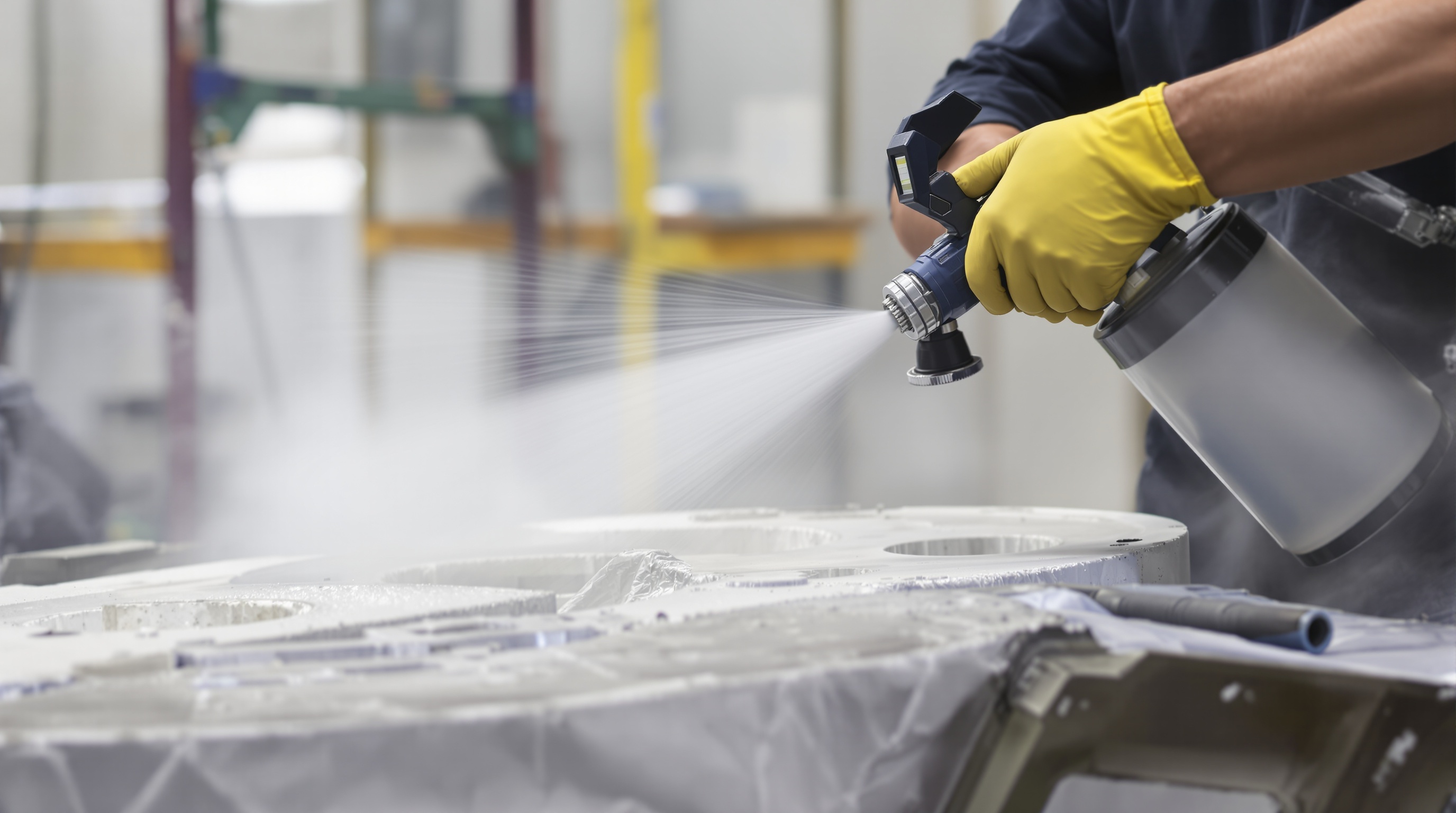
Parts arrive and our team evaluates substrate materials, surface conditions, and coating requirements. Carbon fiber, aluminum, titanium, steel, and 3D printed components each require specific preparation protocols. Color specifications are confirmed against automotive OEM paint codes using spectrophotometer matching. Priority scheduling slots prototype programs based on deadline requirements, with expedited 3-4 day turnaround available for auto show and investor demonstration timelines.
Material-Specific Preparation and Precision Application
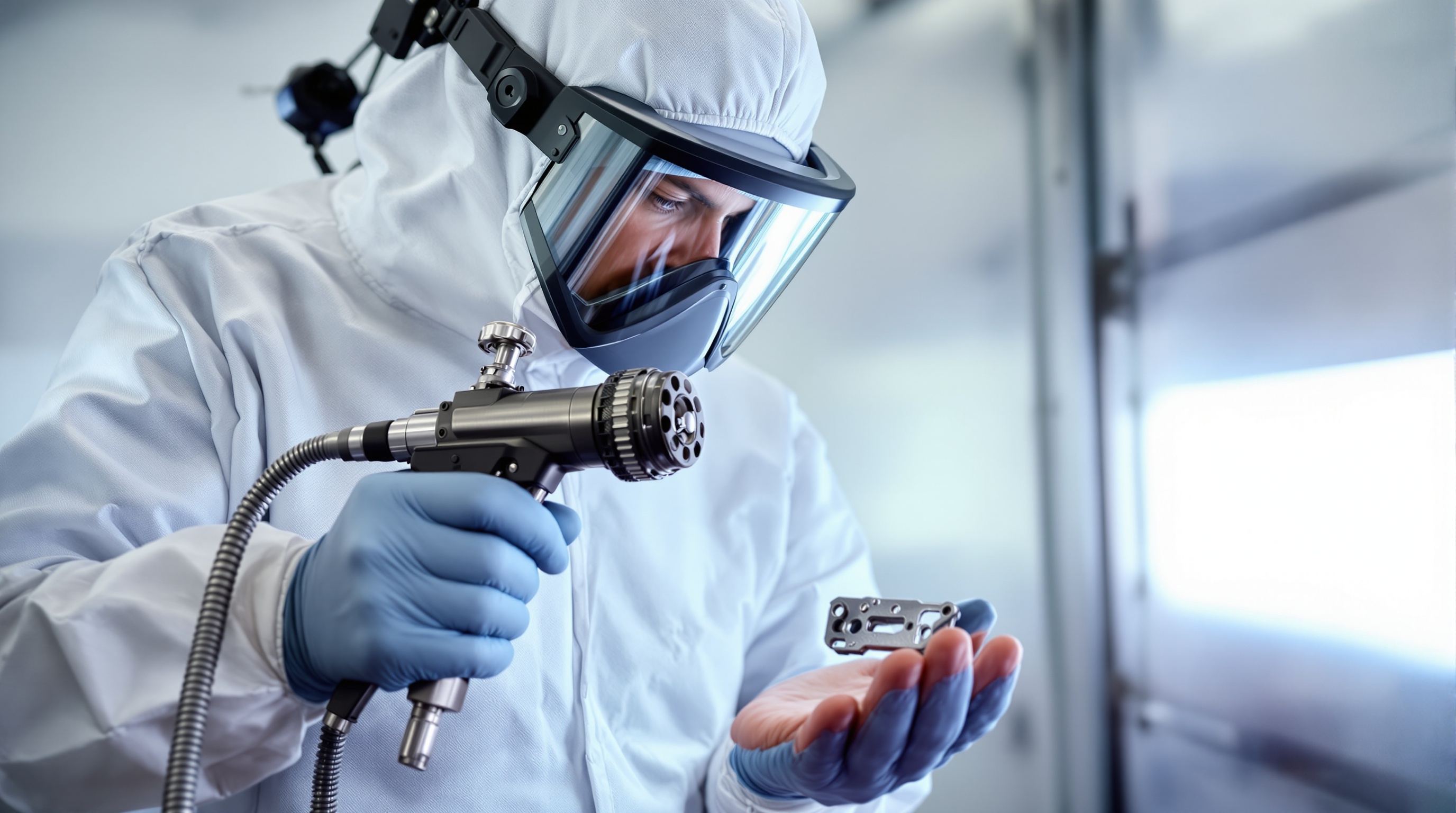
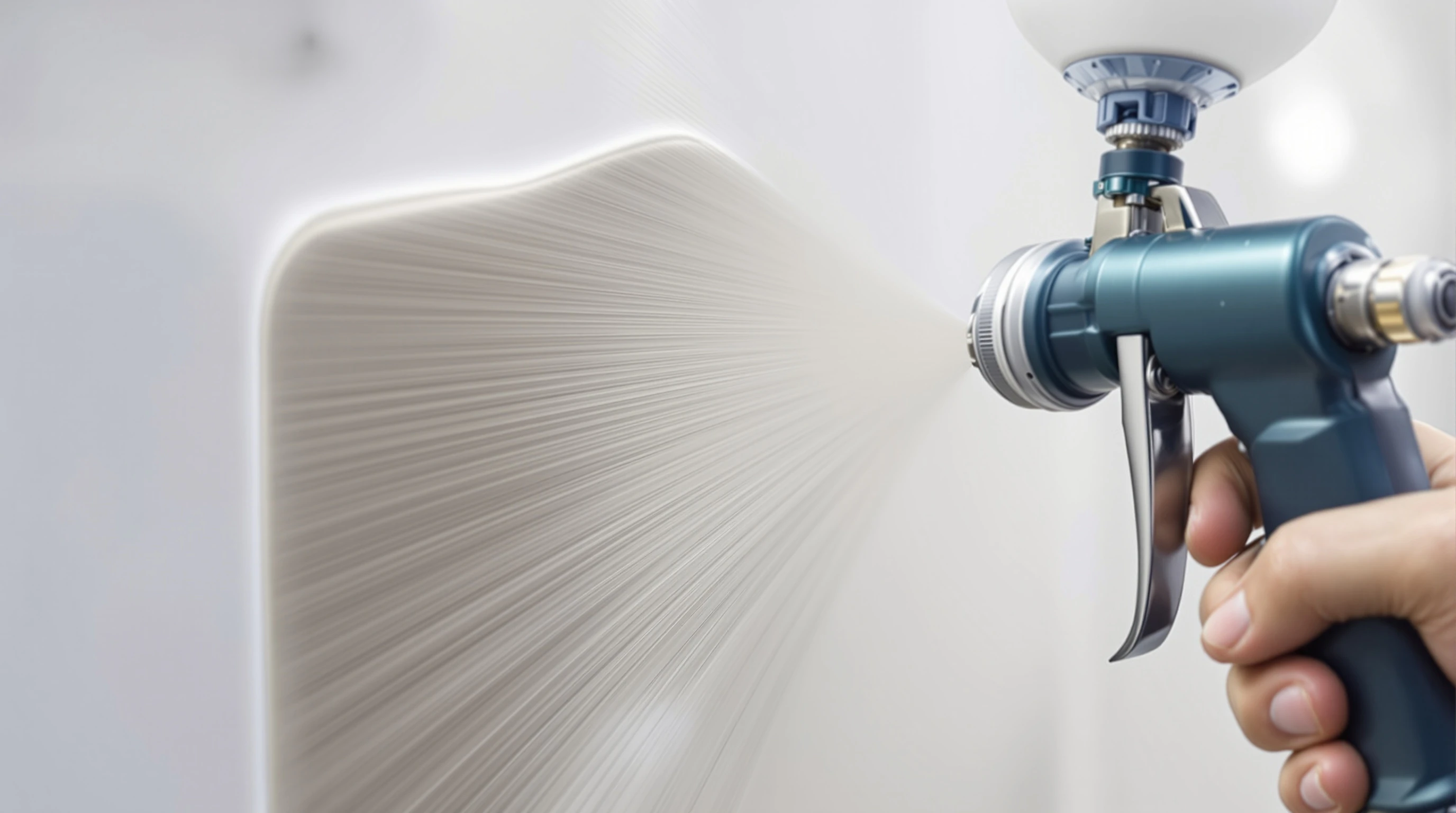
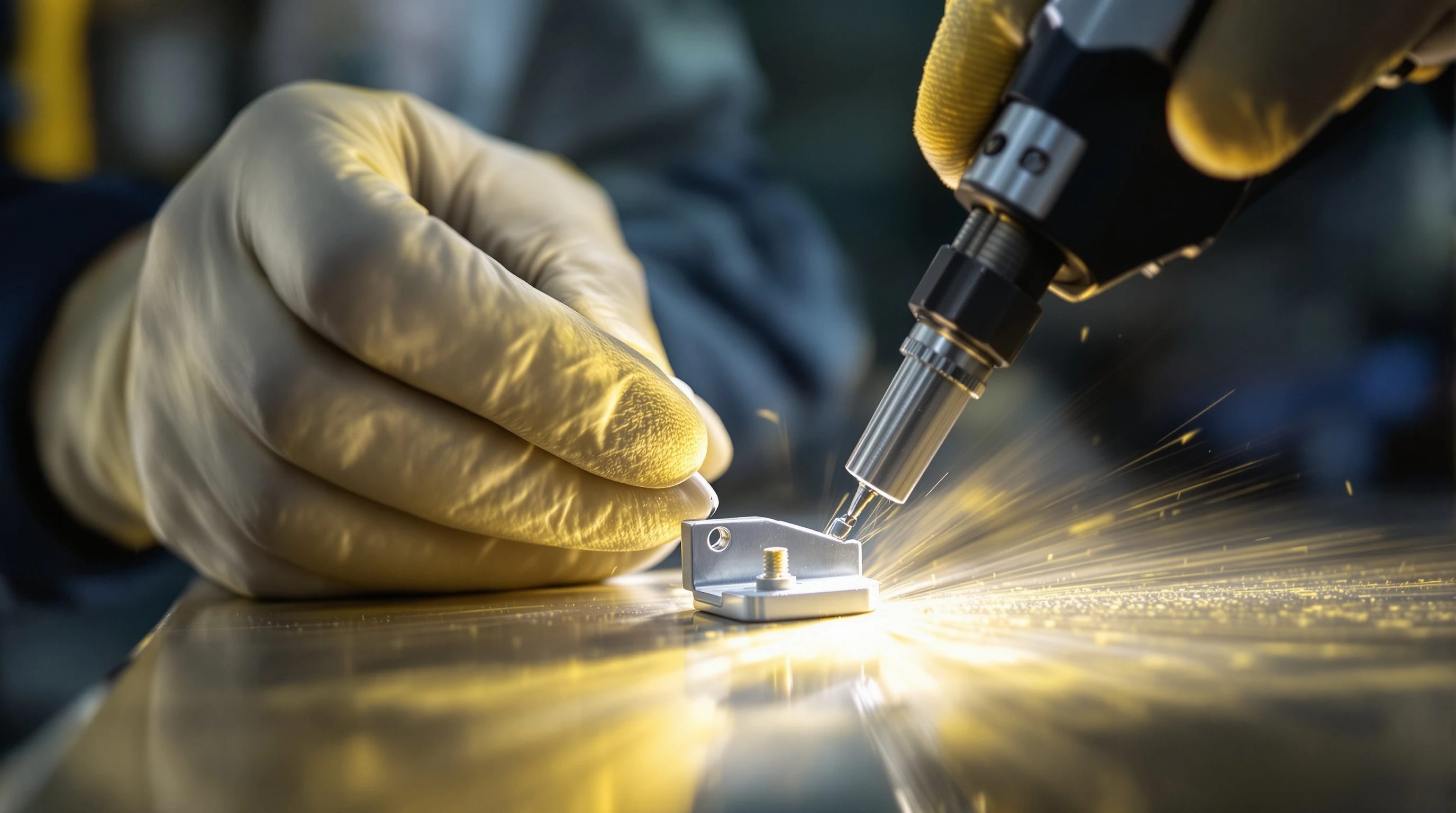
Each substrate receives tailored preparation. Carbon fiber gets light scuff sanding and ultrasonic cleaning to preserve fiber structure. Aluminum receives appropriate conversion coating. Titanium undergoes specialized preparation for maximum adhesion. Cerakote is applied via calibrated HVLP equipment at 0.5-2 mil thickness, with in-process DFT measurement confirming dimensional compliance on every part. Color is verified by spectrophotometer to maintain Delta E of 1 or less across all substrates in the batch.

Curing, Verification, and Prototype Documentation
Parts cure at 250-300 F in temperature-controlled ovens, below the post-cure threshold for carbon fiber composites. Final inspection verifies coating thickness, adhesion per ASTM D3359, color consistency across all substrates, and visual appearance against show-quality acceptance criteria. Certificate of Conformance documents all measurements for R&D records. Coating weight data is provided for integration into the prototype mass tracking system.

Proven Cerakote Performance for Automotive R&D
Automotive prototype coating performance is verified through standardized testing and documented weight data, not manufacturer claims. Every production batch undergoes the same quality checks under ISO 9001 controls, and results are documented on your Certificate of Conformance with full traceability.
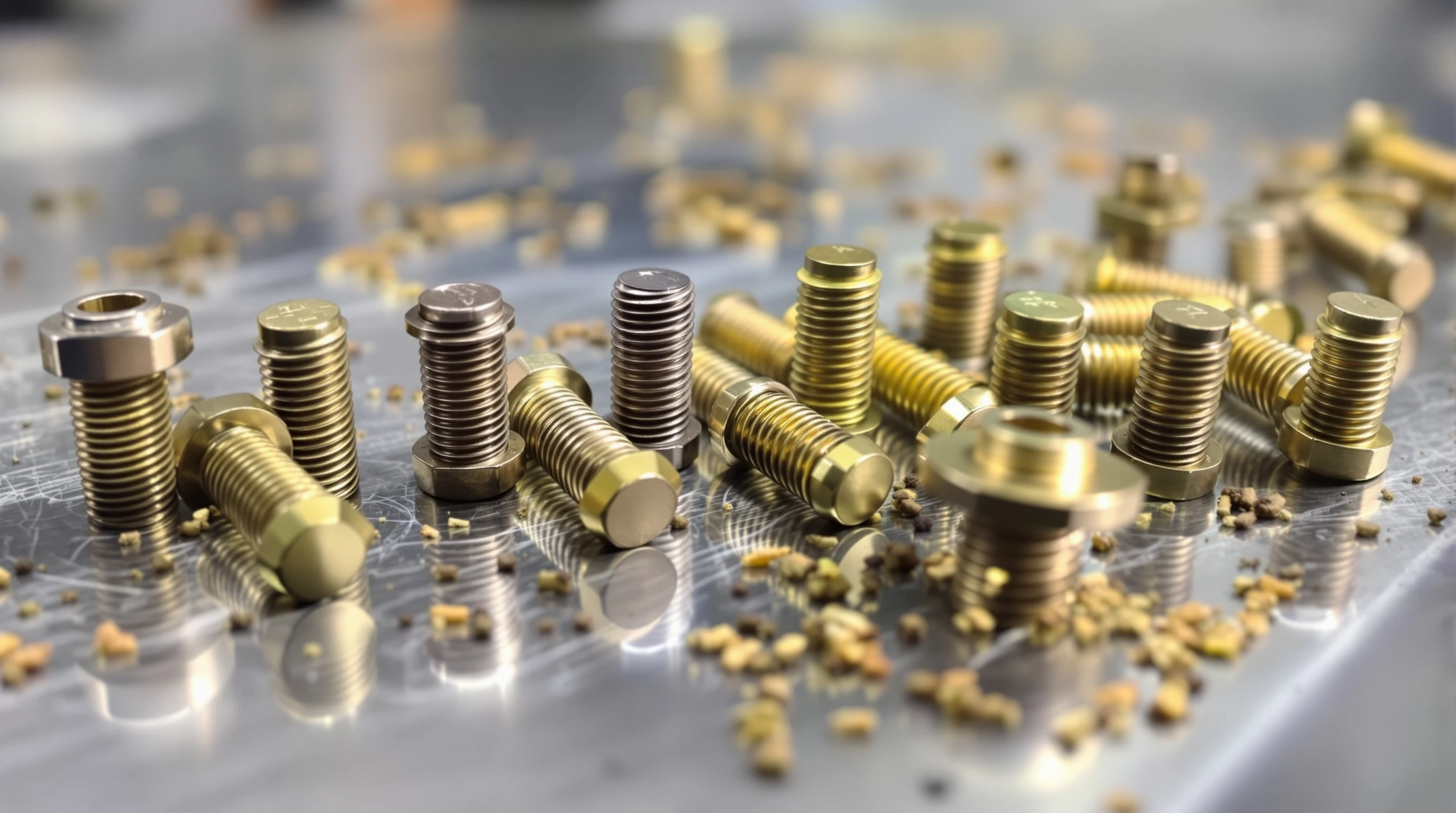
60-70% less coating weight per component
Measured by comparing Cerakote at 0.5-2 mils against powder coating at 3-5 mils on identical substrate geometry. On a 40 sq ft EV battery enclosure, Cerakote deposits 0.8-3.2 oz versus 6-10 oz for powder coating. This weight difference is documented per component and provided for integration into prototype mass budgets. For EV programs tracking every gram, coating weight data is as critical as structural weight data, and ColoradoKote provides both on the Certificate of Conformance.
Less coating weight vs. powder coating
Other services to consider
Explore what else we offer.

Weight Reduction for Oil and Gas Equipment
Thick coatings add mass to equipment transported to remote wellsites and offshore platforms. Cerakote at 0.5-2 mils saves 200-400g per part versus powder coating. ISO 9001 certified.

Weight Reduction for Medical Device Components
Surgical instruments must be light enough for hours of precise use. Cerakote at 0.5-2 mils saves 200-400g per part versus powder coating without compromising protection. ISO 9001 certified.

Weight Reduction for Maritime Equipment
Heavy coatings add mass to marine hardware that affects vessel performance and handling. Cerakote at 0.5-2 mils saves 200-400g per part versus powder coating. ISO 9001 certified.
Weight Reduction for Industrial OEM Components
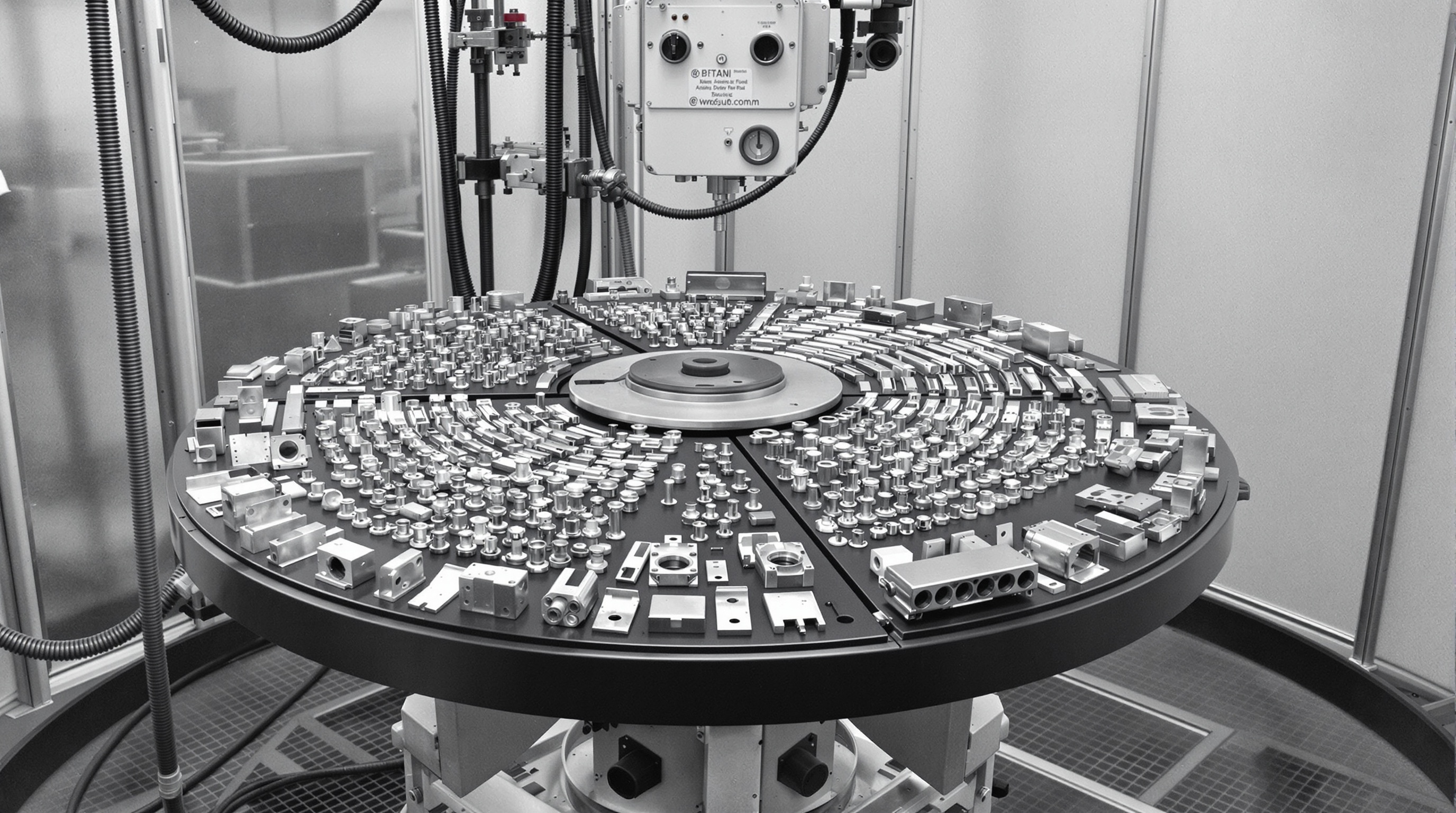
Thick coatings add unnecessary mass to engineered equipment. Cerakote at 0.5-2 mils delivers 200-400g savings per part versus powder coating while preserving tolerances. ISO 9001 certified.
Certified and compliant for your industry
Start Your Automotive R&D Project
Request a quote with your prototype specs. We respond within 24 hours with timeline and pricing.
Frequently Asked Questions
Find answers about our coating processes and technical capabilities
Standard catalog colors (200+ options) carry no color development surcharge. Custom color matching, where we develop a specific formulation to match your target color, adds a one-time development fee and 5-7 business days to the initial order. Once your custom color is validated and documented, subsequent orders use the established formulation on standard 14-day turnaround at standard pricing. We always check standard colors first to avoid custom development cost when a catalog match exists.
Aluminum marine hardware is particularly susceptible to galvanic corrosion in salt water environments. Chemical conversion coating per MIL-DTL-5541 creates a protective chromate layer on aluminum substrates before Cerakote application, providing a dual-layer defense against salt water attack. ColoradoKote performs both chemical conversion and Cerakote in-house, ensuring no contamination between process steps and single-source accountability for the complete coating system.
Yes. ColoradoKote has maintained Delta E 1.5 color consistency across programs exceeding 20,000 parts with zero quality issues. This consistency comes from controlled process variables: calibrated HVLP equipment, documented spray parameters, temperature-controlled curing, and spectrophotometer verification on every lot. Material batch tracking ensures coating chemistry is consistent, and our AS9100 quality system prevents the process drift that causes color variation in high-volume production.
Tea staining on marine stainless steel is typically caused by free iron contamination from fabrication, handling, or contact with carbon steel. Passivation directly addresses this by dissolving free iron and restoring a clean chromium-rich surface. For hardware in visible marine applications where appearance matters alongside corrosion performance, adding a Cerakote finish maintains color consistency within Delta E 1.5 while providing an additional corrosion barrier.
Marine components face the most aggressive natural corrosion environment: constant salt water contact, salt spray atmosphere, and UV exposure. Cerakote's 3,000-hour ASTM B117 salt spray rating provides the highest thin-film corrosion protection available for marine hardware. Our chemical conversion coating for aluminum and passivation for stainless steel substrates provide additional protection layers before Cerakote application, creating a comprehensive marine corrosion defense system.