Cerakote for Defense
Precision Cerakote ceramic coatings for aerospace, defense, and industrial components.

Why Defense Programs Need Cerakote
Where Parkerizing fails and compliance is mandatory
The challenge
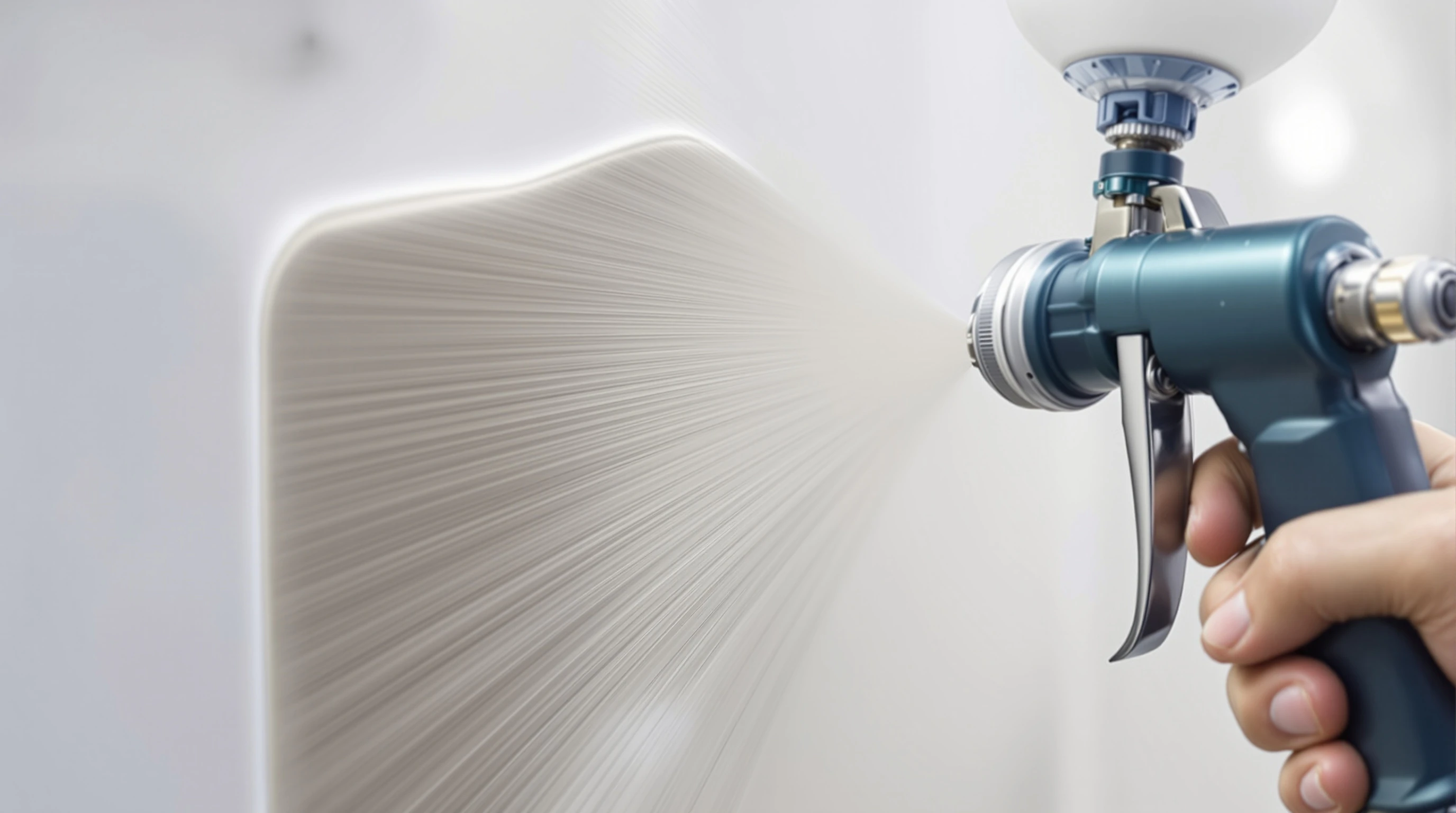
Harsh environments demand coatings that hold.
The solution
ColoradoKote ceramic coating stops corrosion cold.
Why ColoradoKote Cerakote for Defense Programs
ITAR compliance and performance beyond Mil-Spec

Corrosion resistance that outperforms Parkerizing 3-6x
4,000+ hours salt spray resistance per ASTM B117 versus 500 to 1,000 hours for Parkerizing. That is a three to six times improvement in corrosion protection. Components maintain protective integrity through desert, maritime, and arctic field environments without requiring oil impregnation or secondary sealants. Cerakote is VOC-exempt in all 50 states and heavy-metal free, simplifying environmental compliance reporting for defense manufacturing facilities.
ITAR-registered with AS9100 chain of custody
ColoradoKote holds active ITAR registration with the Directorate of Defense Trade Controls. Defense articles enter a controlled-access facility and remain under documented chain of custody from intake through shipment. AS9100:2015 quality controls govern every process parameter. Certificate of Conformance ships with every order, documenting part identification, coating specification, material lot numbers, cure parameters, and inspection results. AS9102 first article inspection capability is available for new defense programs.
Federal Standard 595 tactical color matching
ODG, FDE, Coyote Brown, and all Federal Standard 595 colors are matched by spectrophotometer to Delta E at or below 2. Cerakote provides 200+ standard colors with custom color development available in 2-3 weeks. Parkerizing offers only gray and black with no color customization. Anodizing provides limited color options with Delta E greater than 5 and works only on aluminum substrates.
All defense substrates from one qualified source
Parkerizing works only on steel and iron. Anodizing works only on aluminum. Cerakote bonds to all metals (aluminum, steel, titanium, stainless, Inconel) and polymers. One coating system, one ITAR-registered vendor, one quality package covers the full range of defense substrates. Thin-film application at 0.5-2 mils preserves the dimensional tolerances critical for weapon systems, optical housings, and communications hardware without post-coating machining.
Cerakote Specifications for Defense Applications
How We Apply Cerakote for Defense Programs
ITAR-controlled process with chain of custody from intake through shipment
Controlled Intake and ITAR Documentation
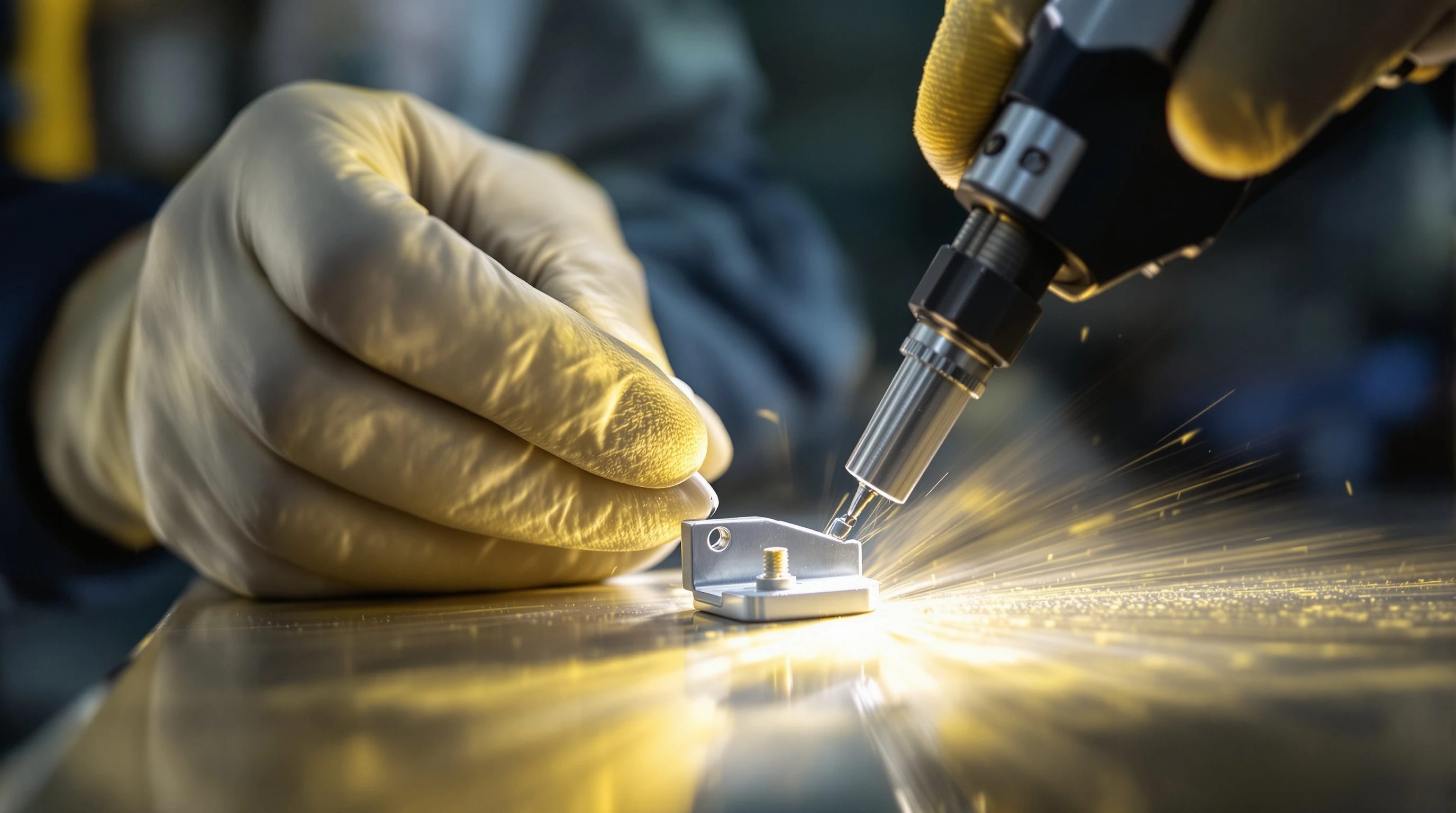
Defense articles arrive at ColoradoKote's controlled-access facility and enter chain-of-custody documentation immediately. Parts are logged against your purchase order, photographed for incoming condition, and assigned lot numbers. ITAR-controlled technical data is handled under secure protocols with restricted personnel access throughout the process. Build material and substrate are verified before any preparation begins.
Substrate Preparation and Cerakote Application
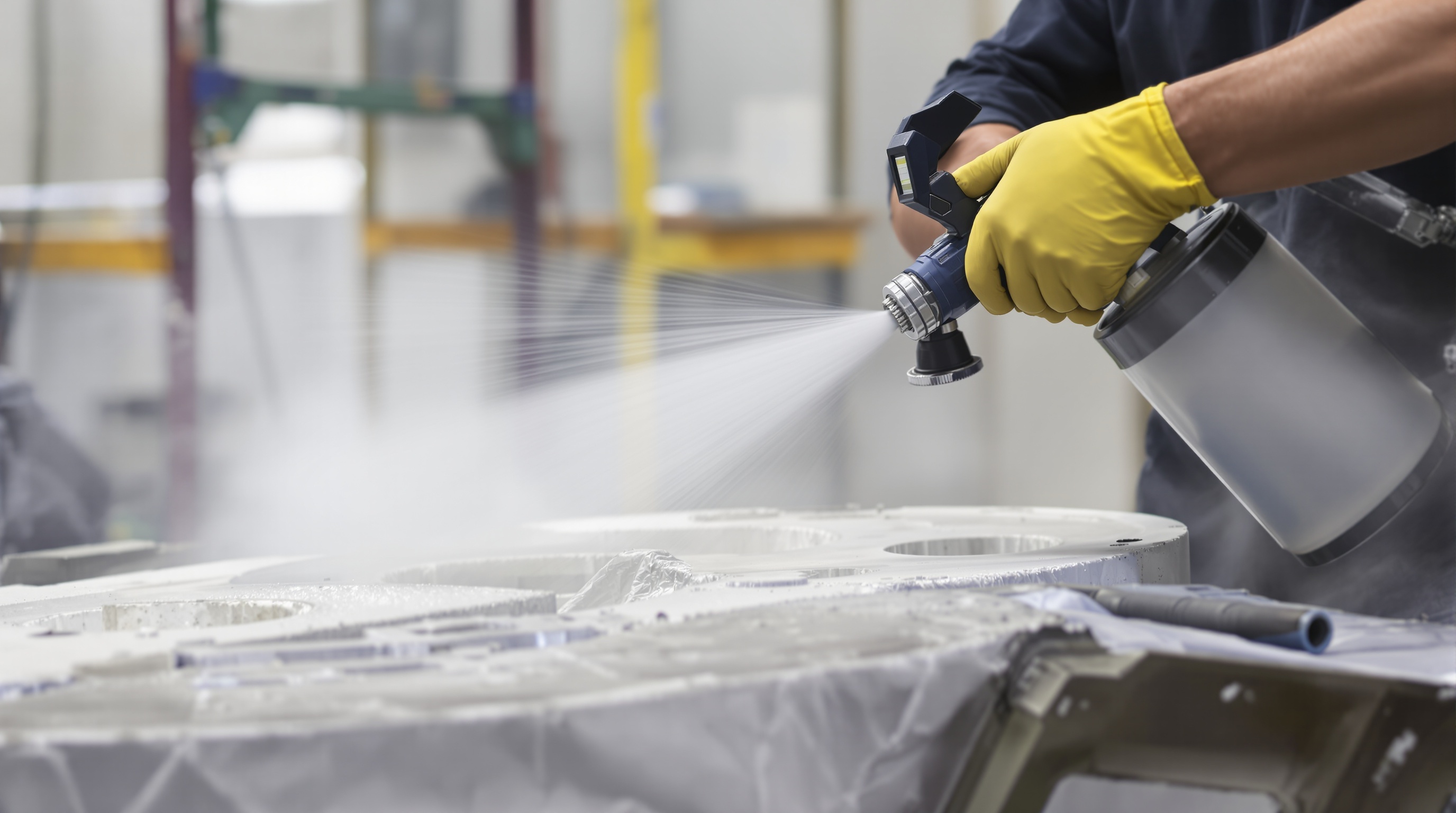
Each defense substrate receives tailored surface preparation. Aluminum components receive MIL-DTL-5541 chemical conversion pre-treatment for enhanced corrosion protection. Steel and titanium substrates undergo ultrasonic cleaning, degreasing, and controlled media blasting. Cerakote is applied via calibrated HVLP equipment at 0.5-2 mil thickness in a climate-controlled spray booth. Federal Standard 595 tactical colors (ODG, FDE, Coyote Brown) are verified by spectrophotometer during application. Parts cure at 250-300 F in temperature-monitored ovens with documented cure profiles.

Mil-Spec Inspection and Certificate of Conformance
Multi-point final inspection verifies coating thickness (DFT gauge), adhesion per ASTM D3359 (5B rating), pencil hardness per ASTM D3363 (9H), and color consistency (spectrophotometer, Delta E at or below 2 per Federal Standard 595). Salt spray test coupons from each production batch validate corrosion performance. Certificate of Conformance documents all measurements, material lot numbers, cure parameters, and inspection results. AS9102 first article inspection reports are available for new defense programs.

Proven Cerakote Performance for Defense
Defense coating performance is verified through standardized ASTM testing under AS9100 controls, not manufacturer claims. Every production batch undergoes the same inspection sequence, and results are documented on your Certificate of Conformance with full lot traceability and ITAR-compliant chain of custody.
4,000+ hours salt spray resistance
Validated against ASTM B117, the standard used across the defense industry to qualify corrosion protection coatings. Parkerizing delivers 500 to 1,000 hours on steel substrates only. Standard anodizing provides 336 to 1,000 hours on aluminum only. Cerakote delivers 4,000+ hours on all metal substrates, a three to six times improvement over Parkerizing. In comparative testing, competitor Xylan coating was pulled at 1,871 hours due to excessive corrosion, making Cerakote 87% superior. Defense programs can specify additional testing requirements, and ColoradoKote documents those results alongside the standard quality package.
Hours salt spray resistance (ASTM B117)
Other services to consider
Explore what else we offer.

Weight Reduction for Oil and Gas Equipment
Thick coatings add mass to equipment transported to remote wellsites and offshore platforms. Cerakote at 0.5-2 mils saves 200-400g per part versus powder coating. ISO 9001 certified.

Weight Reduction for Medical Device Components
Surgical instruments must be light enough for hours of precise use. Cerakote at 0.5-2 mils saves 200-400g per part versus powder coating without compromising protection. ISO 9001 certified.

Weight Reduction for Maritime Equipment
Heavy coatings add mass to marine hardware that affects vessel performance and handling. Cerakote at 0.5-2 mils saves 200-400g per part versus powder coating. ISO 9001 certified.
Weight Reduction for Industrial OEM Components
Thick coatings add unnecessary mass to engineered equipment. Cerakote at 0.5-2 mils delivers 200-400g savings per part versus powder coating while preserving tolerances. ISO 9001 certified.
Certified and compliant for your industry
Start Your Defense Coating Project
Request an ITAR-compliant Cerakote quote. We respond within 24 hours with pricing.
Frequently Asked Questions
Find answers about our coating processes and technical capabilities
Provide the substrate material, part dimensions and quantity, desired Cerakote series (H-Series, Elite, or V-Series), color requirements, any masking locations, applicable specifications or drawings, and your required turnaround time. Photos or CAD files help us assess complexity. Standard turnaround is 14 days, with 3-day and 7-day expedited available. We respond within 24 business hours with a technical approach, pricing, and confirmed lead time.
Cerakote's ceramic-polymer matrix creates a molecular barrier that prevents moisture, oxygen, and salt ions from reaching the substrate. Tested per ASTM B117, this barrier maintains integrity through 3,000 hours of continuous salt spray exposure, significantly outperforming conventional paint and powder coat systems. The coating bonds to properly prepared substrates at the molecular level, eliminating the micro-voids that let corrosion initiate under traditional coatings.
Yes. Lattice structures and internal channels in AM parts trap loose powder that cannot be removed by compressed air or manual methods. Ultrasonic cavitation penetrates into these complex geometries, dislodging and suspending trapped particles for removal. This is often the only effective method for achieving clean internal features on AM builds. For metal AM parts with fine lattice features, ultrasonic cleaning is essential before any surface finishing or coating process.
ColoradoKote coats cabin interior components, seat frames, galley hardware, mounting brackets, and structural fixtures for commercial and military aerospace programs. Our AS9100:2015 certification ensures every part receives full traceability documentation from receiving through final shipment. With 20,000+ parts processed and zero quality escapes, we deliver the consistency aerospace OEMs require across multi-year production programs.
Yes. AM-produced fluid handling components like manifolds, fittings, and pump housings benefit from polymer coating's chemical resistance and porosity-sealing properties. The flexible coating accommodates pressure cycling and thermal expansion while maintaining a continuous barrier against process fluids. For AM parts with internal flow passages, polymer coating seals the inherent surface porosity that would otherwise allow fluid penetration into the build material, preventing both contamination of the process fluid and degradation of the AM substrate.