Cerakote for Industrial OEM
Precision Cerakote ceramic coatings for aerospace, defense, and industrial components.
Why Industrial OEMs Need Cerakote
Where multi-vendor complexity meets coating failure
The challenge
Harsh environments demand coatings that hold.
The solution
ColoradoKote ceramic coating stops corrosion cold.
Why ColoradoKote Cerakote for Industrial OEM
One coating partner for every substrate in your BOM

4,000+ hours corrosion protection
Salt spray resistance validated per ASTM B117 at 4,000+ hours, compared to 1,000-2,000 hours for standard powder coating and 500-1,000 hours for Parkerizing. The ceramic-polymer barrier resists hydraulic fluids, solvents, mild acids, and alkaline cleaning solutions per ASTM D1308. Components stay protected in chemical processing, wash-down, and coastal environments for years, not months.
Thin-film tolerance preservation at 0.5-2 mils
Powder coating at 4-6 mils causes threaded fasteners to bind, bearing fits to shift, and mating surfaces to require post-coating machining. Cerakote at 0.5-2 mils maintains interference fits and close-tolerance assemblies without dimensional rework. Selective masking protects datum features, O-ring grooves, and reference surfaces where zero buildup is required.
ISO 9001 documentation on every job
Every coating parameter is documented per ISO 9001:2015 requirements. Certificate of Conformance includes material batch numbers, application parameters, cure records, and inspection results. One quality system covers all substrates, eliminating the multiple audit trails that come with managing separate coating vendors.
Multi-substrate consolidation from one source
Cerakote bonds to aluminum, steel, stainless steel, titanium, and composites. One coating process, one quality package, and one vendor qualification covers your entire parts portfolio regardless of substrate material. OEMs that previously managed 3-4 coating vendors consolidate to ColoradoKote, reducing procurement overhead and eliminating cross-vendor color matching inconsistency.
Cerakote Specifications for Industrial OEM
How We Apply Cerakote for Industrial OEM Parts
ISO 9001 documented from surface preparation through final inspection
Substrate-Specific Surface Preparation
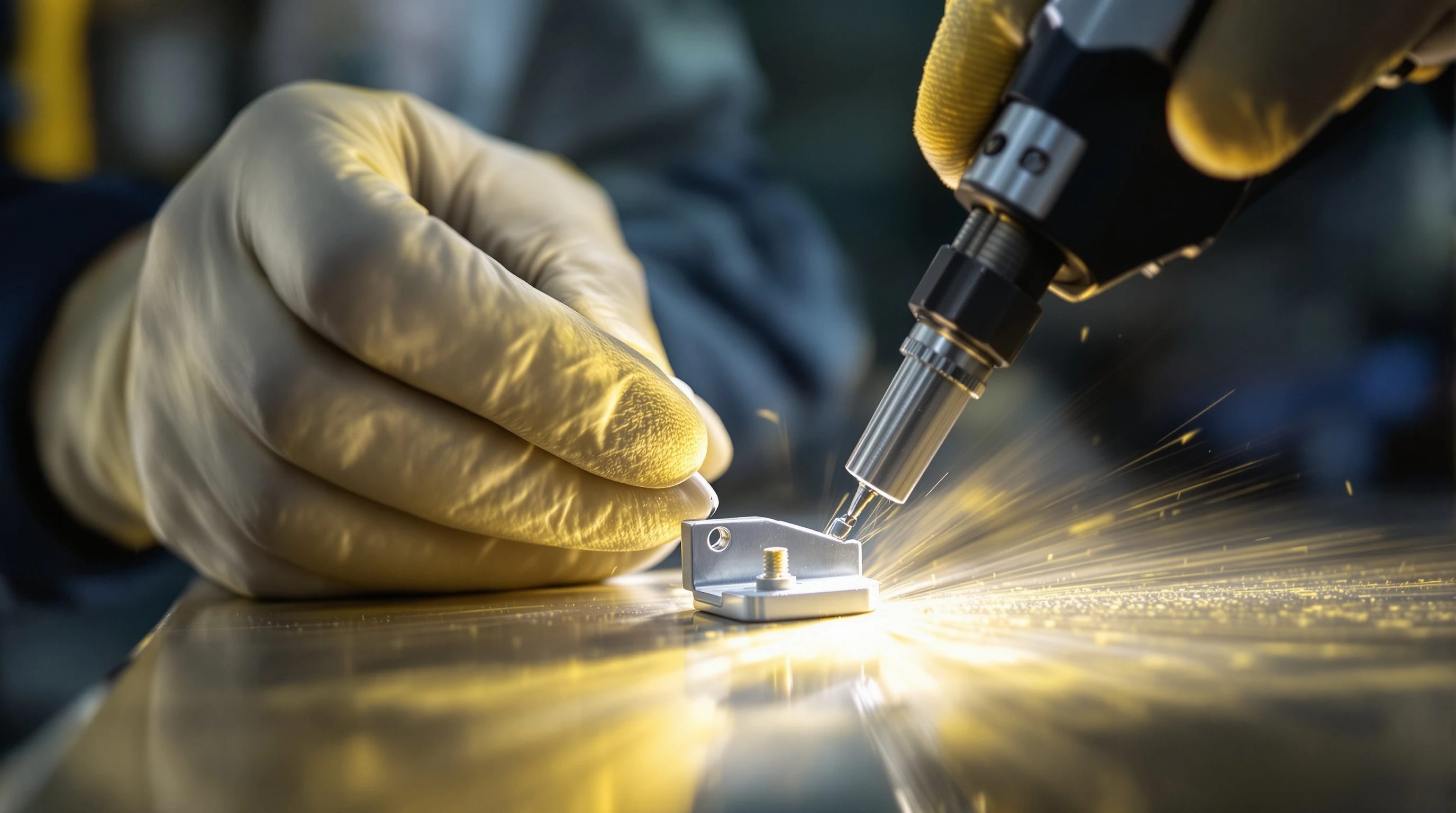
Each industrial alloy receives tailored preparation for maximum coating adhesion. Steel components undergo abrasive blasting to establish surface profile. Aluminum parts receive conversion coating per applicable specification. Stainless steel and titanium follow material-specific cleaning and profiling sequences. Ultrasonic cleaning removes cutting fluids, oils, and embedded contaminants. Precision masking protects threads, bearing journals, mating surfaces, and datum features from any coating buildup.

Controlled Thin-Film Cerakote Application
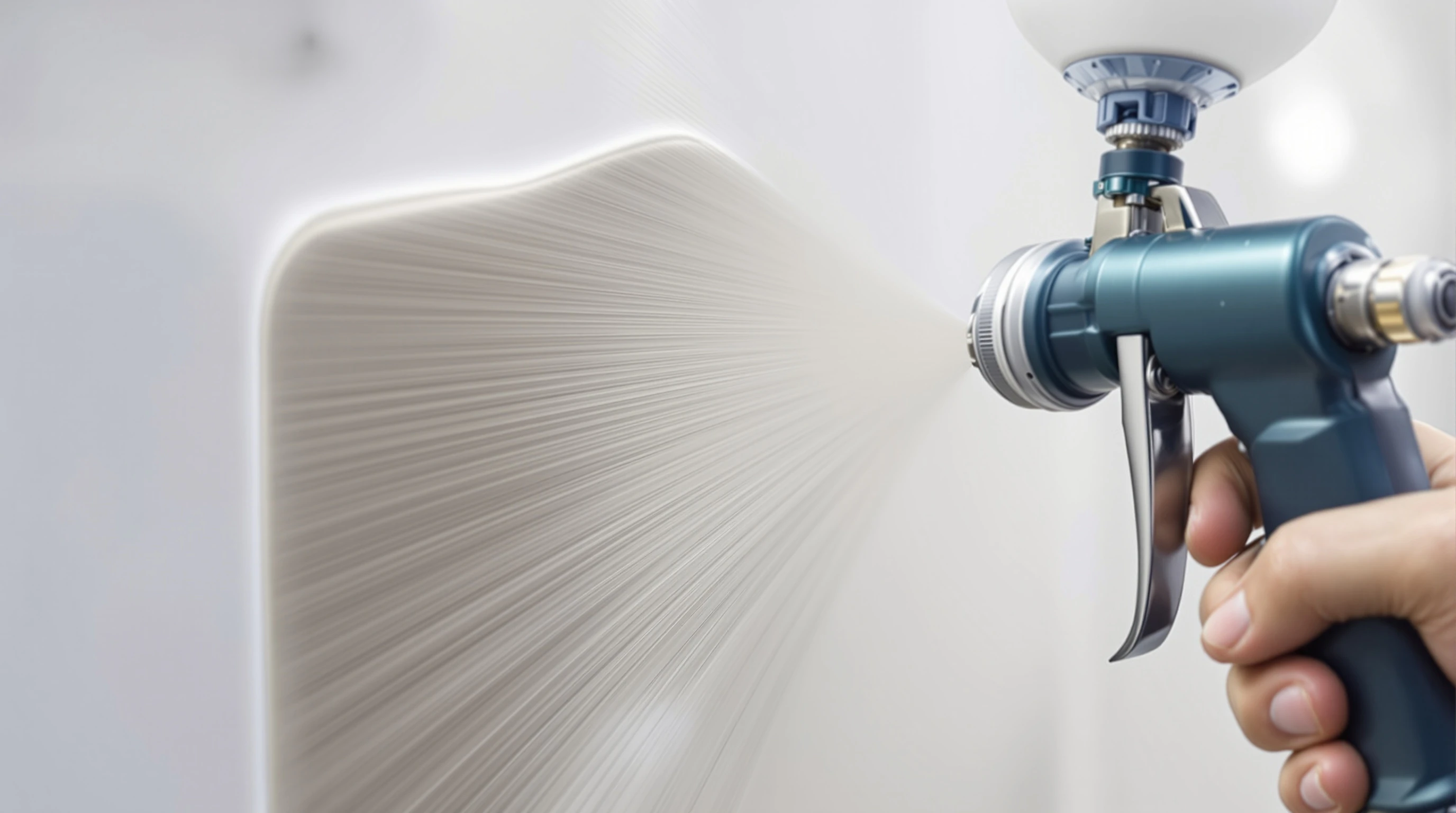
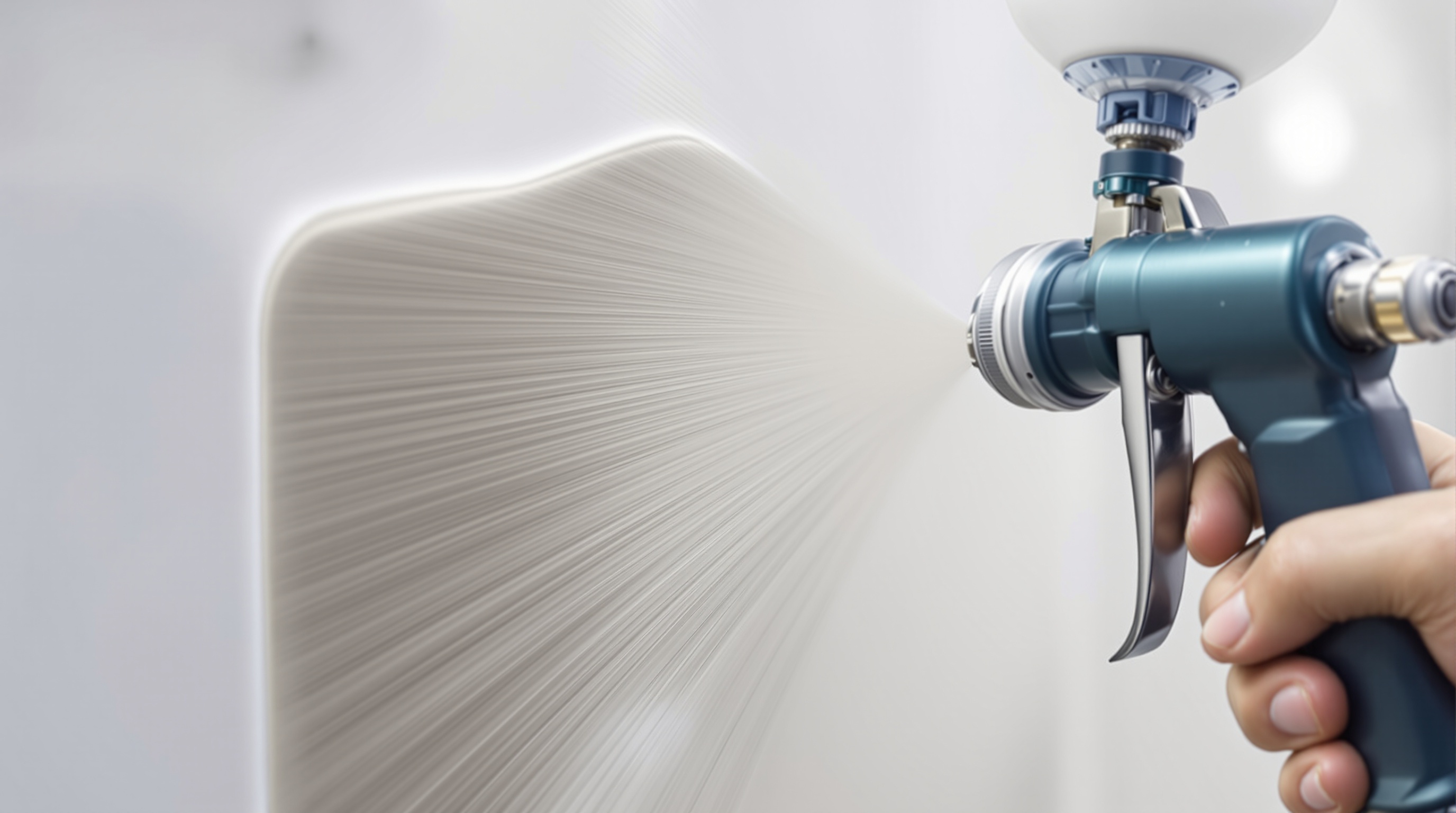
Cerakote is applied via calibrated HVLP equipment in monitored layers targeting 0.5-2 mil thickness. In-process DFT measurements confirm dimensional compliance on every part, ensuring tight tolerances are preserved across the production run. The same Cerakote formulation bonds to aluminum, steel, stainless steel, and titanium without requiring separate processes, so mixed-substrate batches move through one application cycle.
Inspection, Documentation, and Shipping
Multi-point final inspection verifies coating thickness (DFT gauge), adhesion (ASTM D3359), color consistency (spectrophotometer), and visual appearance against acceptance criteria. Certificate of Conformance documents all measurements, material batch numbers, and process parameters. ISO 9001 quality records provide full traceability for customer audits and warranty documentation. Parts ship with complete documentation or electronic records upon request.

Proven Cerakote Performance for Industrial OEM
Industrial coating performance is verified through standardized ASTM testing, not manufacturer claims. Every production batch undergoes the same quality checks under ISO 9001 controls, and results are documented on your Certificate of Conformance with full lot traceability.
4,000+ hours salt spray resistance
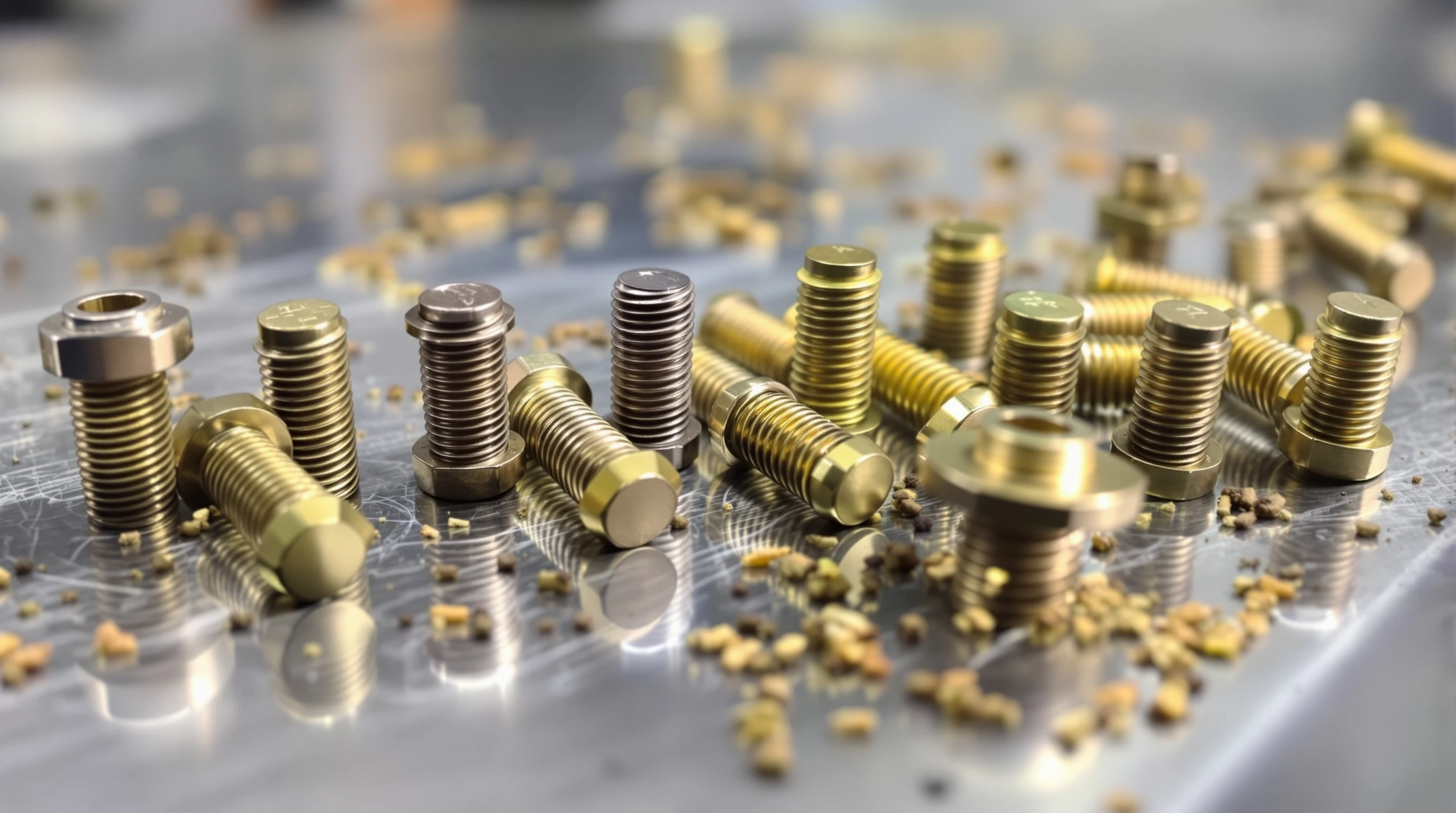
Validated against ASTM B117, the standard used across manufacturing industries to qualify corrosion protection coatings. Powder coating typically reaches 1,000-2,000 hours before failure. Parkerizing provides 500-1,000 hours on steel substrates only. Cerakote delivers 4,000+ hours across all metal substrates, from aluminum pump housings to stainless steel valve bodies, eliminating the need for substrate-specific coating systems. Chrome plating achieves comparable corrosion protection but generates hazardous waste that Cerakote eliminates entirely.
Hours salt spray resistance (ASTM B117)
Other services to consider
Explore what else we offer.

Weight Reduction for Oil and Gas Equipment
Thick coatings add mass to equipment transported to remote wellsites and offshore platforms. Cerakote at 0.5-2 mils saves 200-400g per part versus powder coating. ISO 9001 certified.

Weight Reduction for Medical Device Components
Surgical instruments must be light enough for hours of precise use. Cerakote at 0.5-2 mils saves 200-400g per part versus powder coating without compromising protection. ISO 9001 certified.

Weight Reduction for Maritime Equipment
Heavy coatings add mass to marine hardware that affects vessel performance and handling. Cerakote at 0.5-2 mils saves 200-400g per part versus powder coating. ISO 9001 certified.
Weight Reduction for Industrial OEM Components
Thick coatings add unnecessary mass to engineered equipment. Cerakote at 0.5-2 mils delivers 200-400g savings per part versus powder coating while preserving tolerances. ISO 9001 certified.
Certified and compliant for your industry
Start Your Industrial OEM Project
Send your part details for a quote. We respond within 24 hours with approach and pricing.
Frequently Asked Questions
Find answers about our coating processes and technical capabilities
Yes. AM-produced fluid handling components like manifolds, fittings, and pump housings benefit from polymer coating's chemical resistance and porosity-sealing properties. The flexible coating accommodates pressure cycling and thermal expansion while maintaining a continuous barrier against process fluids. For AM parts with internal flow passages, polymer coating seals the inherent surface porosity that would otherwise allow fluid penetration into the build material, preventing both contamination of the process fluid and degradation of the AM substrate.
Chemical conversion coating per MIL-DTL-5541 provides a critical corrosion barrier for aluminum components exposed to oil and gas environments, including saltwater, H2S, and hydrocarbon exposure. Type I delivers 168-240+ hours of salt spray resistance (ASTM B117) as a standalone treatment. For extreme downhole or offshore conditions, we recommend adding a Cerakote topcoat for 3,000 hours of salt spray protection at just 0.5-2 mils.
ColoradoKote maintains four certifications: AS9100:2015 (aerospace quality management), ISO 9001:2015 (process consistency), ITAR registration with the Directorate of Defense Trade Controls (defense compliance), and Cerakote Advanced Applicator (highest tier from NIC Industries, held by fewer than 5% of applicators). Most competitors hold one or two of these certifications. ColoradoKote holds all four, covering our entire coating operation.
Chemical conversion coating itself adds less than 1 micron of thickness, contributing virtually zero weight. More importantly, it enables the use of lightweight aluminum in corrosive automotive environments by providing a reliable corrosion barrier. When topped with Cerakote at 0.5-2 mils instead of powder coating at 4-6 mils, the total coating weight is significantly reduced, supporting the overall lightweighting strategy that performance and EV applications demand.
Cerakote applies at 0.5 to 2 mils versus 4 to 6 mils for powder coat, reducing coating mass by 50 to 85 percent on a per-part basis. On aircraft with thousands of coated components, this difference translates directly to fuel savings over the life of the platform. The thinner film also preserves engineering tolerances on precision-fit parts where powder coat buildup would require masking or post-machining.